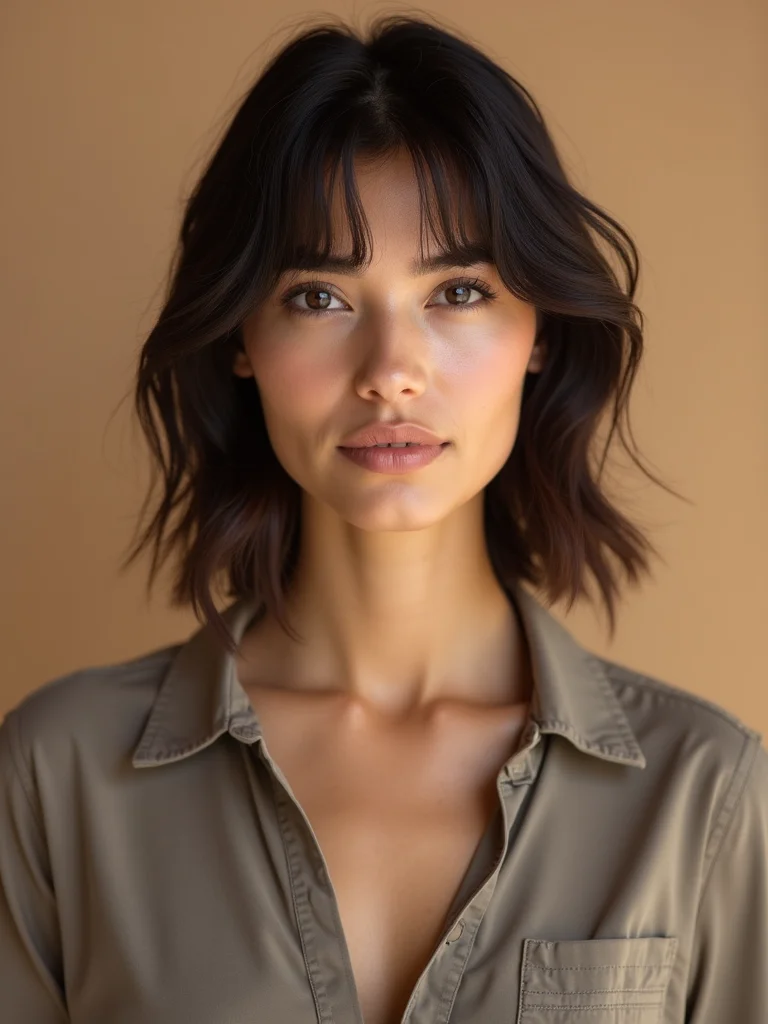
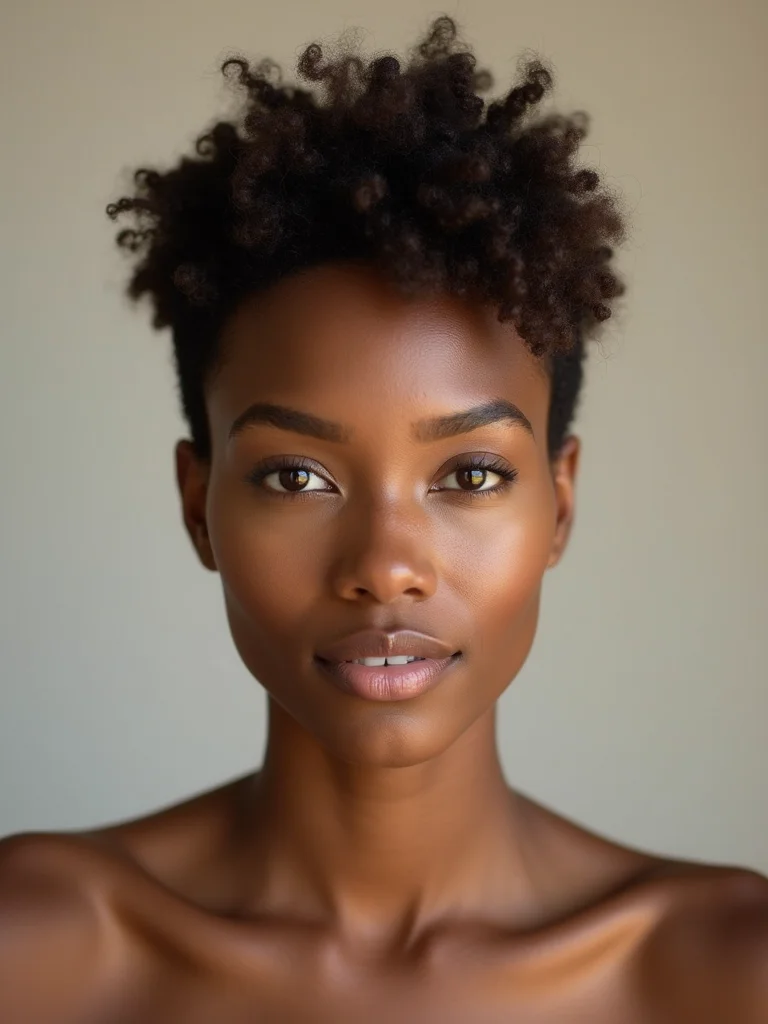
A friend of mine walked into the salon with a photo of a soft, symmetrical bob and walked out obsessed with something she hadn’t planned: one of the best angled bob haircuts around, shorter behind and lengthening toward the front. The forward slope did something a straight bob never had; it sharpened her whole look. That’s the angled bob’s quiet power.
It’s a flattering, versatile cut, but it’s also one where the details, the steepness of the angle, your texture, your face, decide whether it lands sharp or shapeless. This guide is the full picture. What the angled bob is, who it suits, how it behaves on every texture, and how to style, maintain, and grow it out so the cut works as hard for you as it can.
The Angled Bob, In Short
- An angled bob keeps the nape short and lets the front grow past it, so the whole shape slopes forward along the jaw.
- The forward angle frames and slims the face, which is why it flatters so widely, especially rounder faces.
- It works on every texture with the right cut, and holding its line means six to eight weeks, tops, between shaping visits.
What an Angled Bob Actually Is

Before the variations, the definition. An angled bob is shorter through the back and lengthens as it travels toward the front, so the whole shape slopes forward along the jaw. The result is a graphic, forward-leaning line the reverse of a blunt, one-length bob. What sets it apart:
- The back is shorter and the front longer, angling down toward the chin.
- That forward slope creates a sharp, modern, sculpted silhouette.
- It shares DNA with the A-line and inverted bobs; see angled bob styles.
The Angled Bob and Your Face Shape

Part of why the angled bob is so beloved is how the forward line flatters, and it’s worth knowing why before you book. Those longer front pieces draw the eye down and in, which slims and frames the face, so the cut is especially good at balancing a rounder or fuller face.
It’s forgiving across the board, but a steeper angle does the most slimming, while a gentler slope keeps things soft. Talk your face shape through with your stylist so the angle suits you.
- Round or full faces: a steeper angle slims and lengthens.
- Square jaws: a softer, longer angle eases strong lines.
- Oval faces: almost any angle works, so choose by style.
📋Before You Book an Angled Bob
- ✓A clear photo of the angle steepness and front length you want.
- ✓Your face shape and hair texture, so the stylist tailors the cut.
- ✓Honest upkeep: budget for a fresh shaping visit about every two months to stay sharp.
The Classic Chin-Length Angled Bob

The classic version lands around the chin at the front, sloping up to a shorter nape, and it’s the template everything else builds on. It’s sharp, timeless, and flattering, the angled bob most people picture. Why it’s the benchmark:
- Chin-length at the front hits a universally flattering spot.
- The clean forward slope looks polished and deliberate.
- It suits most faces and is the easiest angle to grow out.
The Angled Lob

If a true bob feels too short, the angled lob keeps the same forward slope at a longer, collarbone-grazing length. It’s the low-commitment way into the shape, giving you the flattering angle and the sharp front pieces without cutting off much length.
It’s the friendliest version for anyone nervous about going short, and it’s easier to tie back and grow out. All the sculpting of an angled bob, in a longer, more forgiving silhouette; see the long bob for more.
The Sleek Angled Bob

Styled sleek and glassy, the angled bob is at its sharpest. A smooth, mirror-shine finish shows off the precise forward line, so every degree of the angle looks clean and deliberate. This is the version that looks expensive. Pure polish.
For Maximum Sharpness
It’s an especially polished, high-impact way to wear the cut, and it suits straight hair or a good blowout that can hold the glass finish. Running a flat iron through the length and finishing with a shine serum is what turns a good angled bob into a striking one.
The trade is that a sleek finish shows every unevenness, so it rewards a precise cut and healthy ends. Keep it glossy and blunt at the edge, and it’s seriously head-turning.
A Wavy Angled Bob

Add waves and the angled bob softens into something relaxed and pretty. Loose waves blur the sharp line just enough to feel soft and pretty, which suits anyone who loves the shape but wants it less graphic. The angle still slims. The waves just warm it up.
It’s a forgiving, everyday way to wear the cut, and waves hide a growing-out phase beautifully. A wide iron or a rough-dry with some texture spray, and it’s soft, modern, and low-fuss.
A Curly Angled Bob

Curly hair can absolutely wear an angled bob, and the shape gives curls a lovely, sculpted forward line, but the cut is everything. Because curls shrink as they dry, the angle has to be planned for that shrinkage, or the finished shape lands far shorter and less angled than intended.
The stylist needs to work with the hair fully dry, shaping each curl individually so they can see exactly where it falls and build the angle around your real, settled length. A colorist who cuts curls wet can flatten the whole effect.
Done right, a curly angled bob is full, bouncy, and beautifully shaped, with the volume at the back and the length framing the front. Work with your pattern, and the angle enhances the curl rather than fighting it.
Sleek or soft for your angled bob?
🎯Want maximum sharpness?
Go sleek and blunt-edged for a glassy, graphic, high-impact line.
🎯Want it softer?
Add waves, texture, or feathered ends to relax the angle into something easy.
A Textured Angled Bob

For a cooler, more undone take, a textured angled bob breaks up the clean line with choppy, piecey layers. The texture keeps the sharp shape from feeling too formal, giving it a modern, worn-in, off-duty edge that’s easy to wear.
It’s a great choice for fine or flat hair, since the texture adds movement and the appearance of volume, and it’s forgiving to air-dry. Scrunch a little texture paste through and the piecey finish does the styling for you.
Blunt Versus Feathered Ends

One choice changes the whole personality of an angled bob: how the ends are cut. Blunt ends keep the front line dense and sharp, for a graphic, high-impact finish that reads bold and precise. Feathered or point-cut ends soften that line into something lighter and more textured.
The Detail That Changes Everything
Blunt suits thick, straight hair that can carry the weight and hold the clean line. Feathered suits finer hair, or anyone who wants the shape softened, since it removes bulk and adds movement.
Neither is better; it’s about the effect you want. Tell your stylist “blunt and sharp” or “soft and feathered,” and you’ve steered the whole look.
Where You Part It

The parting is a free styling tool that changes an angled bob completely. A deep side part adds volume and drama, sweeping the longer front pieces across for a bold, asymmetric feel that plays up the angle. A center part feels clean and modern, splitting the front pieces evenly to frame the face symmetrically.
Side or Center
A side part is the more dramatic, slimming choice; a center part is sleek and minimal. Both work beautifully on the shape, so it’s worth trying each.
It costs nothing but a comb, and nothing else restyles a bored-of-it angled bob faster. Two looks, one cut.
Adding Bangs

Bangs and an angled bob are a natural pairing, since a fringe extends the face-framing the angle already does. Soft, feathered, or curtain bangs blend into the longer front pieces for a cohesive, flattering finish that reads like one shape. How to pair them:
- Curtain bangs melt into the long front pieces most smoothly.
- A soft, wispy fringe keeps the look light rather than heavy.
- See curtain bangs for how they blend with a layered shape.
A quick routine for a sharp angled bob:
1Blow-dry with a round brush
Dry the hair smooth, curving the longer front pieces slightly inward toward the jaw so they frame the face.
2Sharpen and shine
Run a flat iron through the front line for crispness, then work a small amount of shine serum through the ends, since gloss is what keeps the angle looking clean.
Color That Plays Up the Angle

The right color can make an angled bob’s shape read even sharper, since dimension emphasizes the forward line and the movement in the cut. A few smart placements do the work. Where color helps most:
- Balayage or face-framing highlights brighten and lengthen the long front pieces.
- A darker root and lighter ends add depth that defines the angle.
- A glossy, single tone keeps a sleek, sharp version looking expensive.
Styling an Angled Bob

A well-cut angled bob mostly styles itself, since the shape is built into the cut, and most people can manage the whole routine in under ten minutes. A little effort in the right places keeps it looking its best. The core routine:
- Blow-dry with a round brush, curving the front pieces slightly inward toward the chin.
- A flat iron sharpens the front line; a texture spray softens it for a looser finish.
- Finish with a shine serum, since gloss keeps the whole angle looking polished and clean.
Keeping an Angled Bob Sharp

An angled bob is a precision cut, which means its whole appeal rests on that clean line staying clean. As it grows, the angle softens and the shape loses its edge, so regular trims are non-negotiable if you want it sharp.
The Upkeep Reality
Most people are back in the chair inside two months; a salon cut usually runs around $50. The nape grows fastest and blurs first, so that’s what the trims mostly tidy.
Beyond trims, keep the ends healthy with regular conditioning, since a sleek angled bob shows every split. A little care keeps the line crisp and the cut looking freshly done.
ℹ️Why It Needs Frequent Trims
An angled bob is a precision cut, so its whole look depends on that forward line staying crisp. The nape grows fastest and blurs the angle first, which is why the salon visits come around twice as often as they would for a long, layered cut that hides its grow-out.
The Angled Bob for Your Hair Type

The angled bob works on almost every hair type, but a stylist needs to adjust the technique for your specific density and texture to get the best result. Thick hair may need internal thinning so the shape lies flat and close at the back.
Cut to Your Density
Fine hair does beautifully with a blunt-edged angled bob, since the shape and the clean line create the illusion of density that fine hair lacks. Wavy and curly hair need the angle planned around movement and shrinkage.
There’s an angled bob for whatever your hair actually does, as long as the cut gets shaped around it. Bring your texture into the conversation along with the photo.
Growing Out an Angled Bob

Every cut grows out eventually, and the angled bob does it more gracefully than most, since the front pieces are already long and the back simply catches up over time. There’s no dramatic awkward stage, just a slow softening into a longer shape.
A Graceful Grow-Out
The trick is a plan: a handful of shaping trims as it grows keep the line intentional, never shaggy, blending the angle into layers as the length evens out. It transitions naturally toward a lob and then longer.
So if you’re worried about commitment, the angled bob is a safe bet; it looks good at every stage of growing back. Talk to your stylist about a gradual grow-out from the start.
Angled Bob Questions
?What face shape suits an angled bob best?
Round and fuller faces benefit most, since the longer front pieces and forward slope draw the eye down and in to slim and lengthen the face. A steeper angle does the most slimming. That said, it flatters nearly every face; oval faces can wear any angle, and a softer slope eases a strong, square jaw. Matching the steepness to your own features is what makes it work.
?How often does an angled bob need trimming?
More often than most cuts, typically inside a two-month window, to keep the line sharp. An angled bob is a precision shape, and the nape grows fastest and blurs the angle first, so regular shaping trims are what keep it looking freshly cut. A salon trim usually runs around $50. If you stretch the trims, the cut softens and loses its edge.
?Can I get an angled bob with curly hair?
Yes, and it can look wonderful, but the stylist needs to shape it one curl at a time on fully dry hair to account for shrinkage. Curls spring up much shorter as they dry, so a wet-cut angle lands far shorter and less defined than planned. Working dry lets them build the forward angle around your real, settled length, giving you a full, bouncy, sculpted curly bob.
Get the Angle Right
What makes the angled bob such a reliable favorite is that forward-sloping line, which frames and slims the face while landing sharp and modern, and it flexes to whatever you need: steep and graphic or soft and wavy, blunt or feathered, sleek or textured. A stylist still needs to tailor it to you, your features, your hair’s texture, and the upkeep you can commit to, for the angle to do its work.
Bring a photo and your texture to the conversation, decide how steep and how soft you want it, and commit to the regular trims that keep the line clean. Get those right and the angled bob rewards you with a sharply sculpted, flattering shape.
Next Up