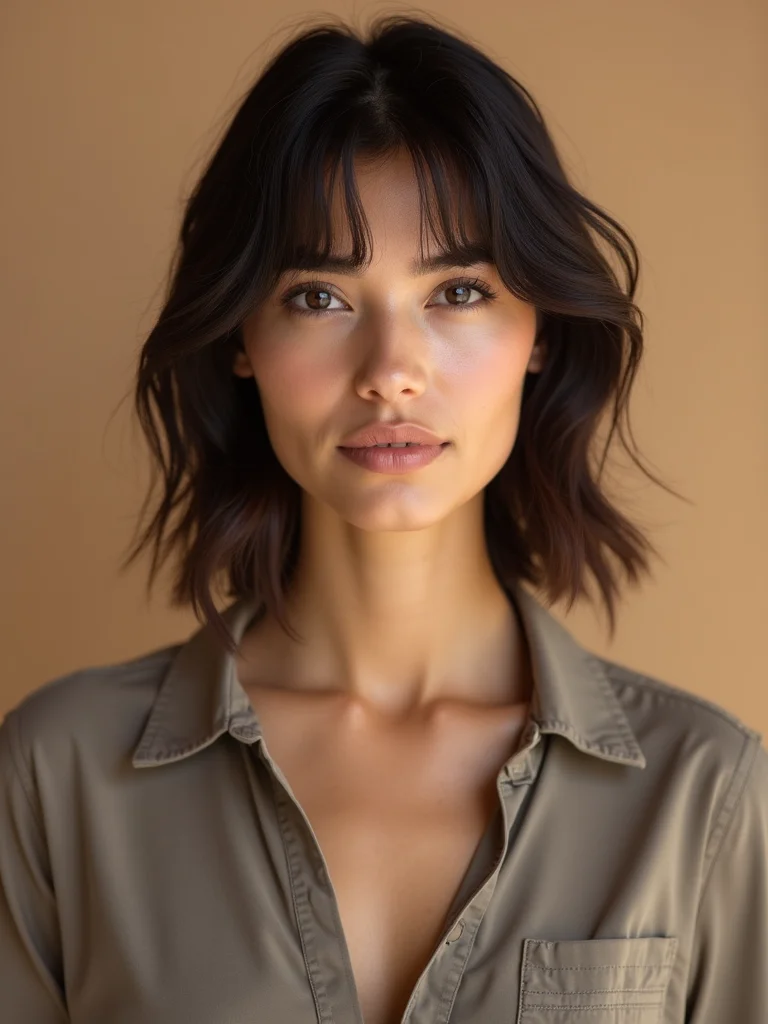
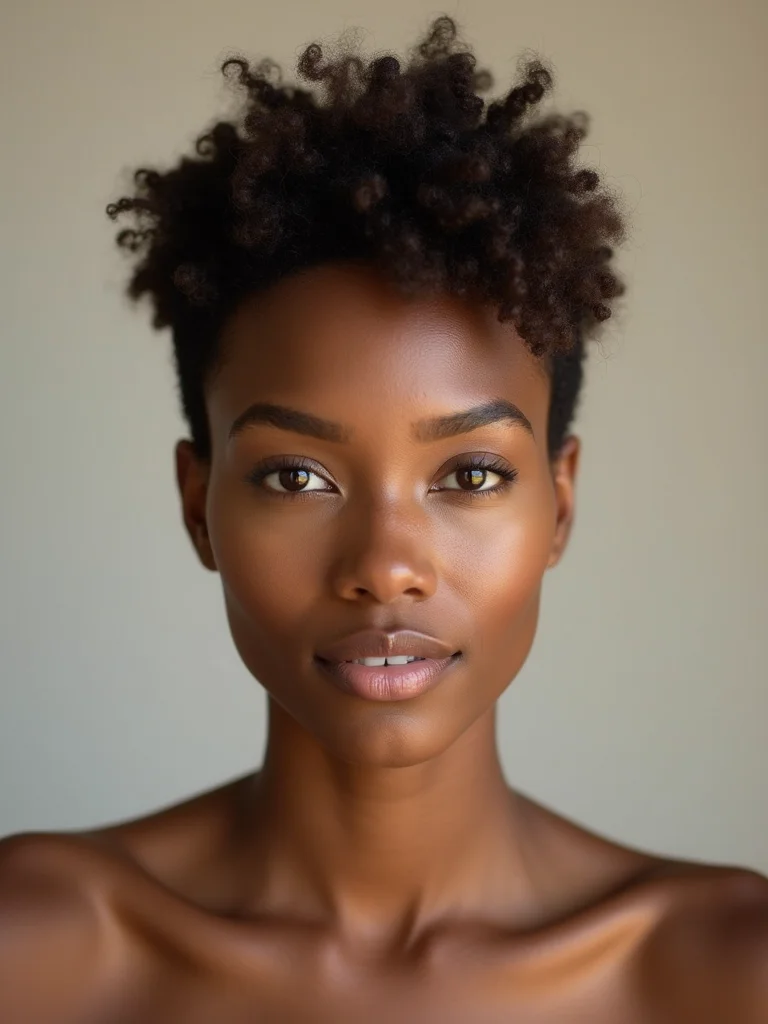
Every few years a haircut takes over the salon, and right now it is the French bob. My honest take on why: it is the rare cut that looks expensive, takes years off, and works on almost everyone, all from one short, blunt, chin-grazing shape. It’s less a trend than a return to something that has flattered women since the French New Wave.
Before you book it, it helps to know what the French bob actually is and what separates it from any other short cut. This guide breaks down the defining features, walks through fifteen variations from blunt to wavy to fringed, and covers who each suits and how to keep it looking sharp, so you walk in knowing exactly what to ask for.
What Defines a French Bob
The French bob is a short, blunt-ish bob that hits between the chin and the jaw, usually finished soft and undone instead of stiff and sculpted. The length and the casual styling are what separate it from a sharp graphic bob or a longer lob.
It flatters most face shapes and textures with small adjustments, and it comes across chic on purpose. The cut does the heavy lifting, which is why it styles so fast, and why getting the length and the right amount of texture matters more than any product.
The Classic Chin-Length French Bob
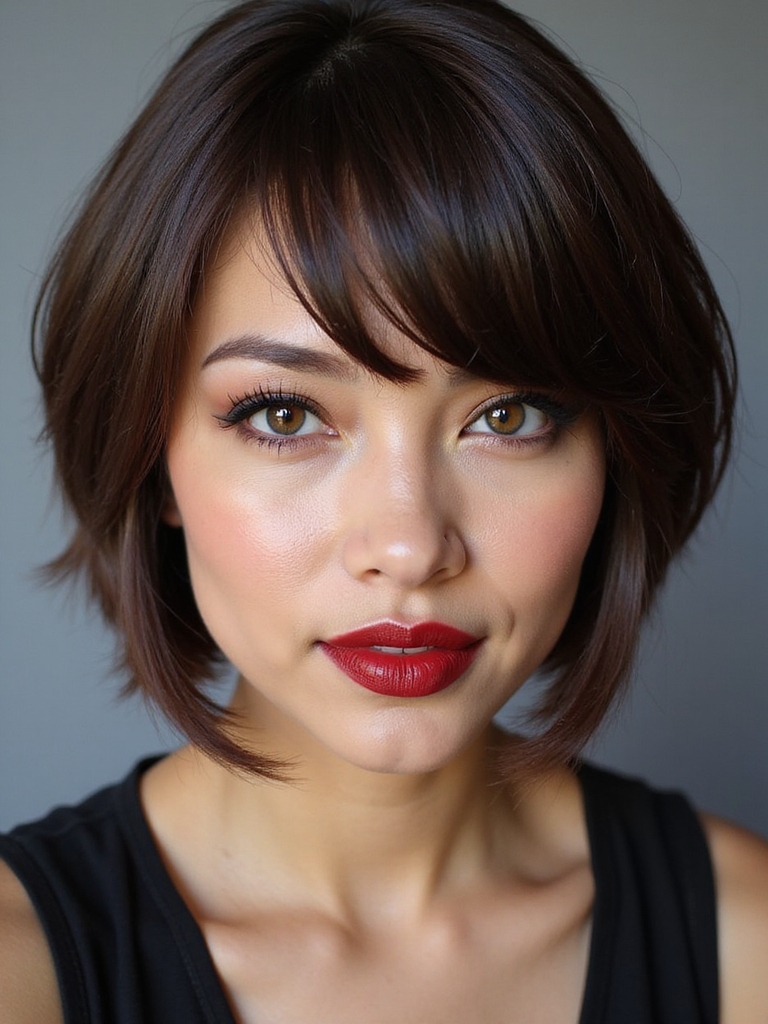
This is the one, the shape every other version builds from. The classic French bob hits right at the chin, cut mostly blunt with a barely-there curve under at the ends, finished soft, with movement built into the ends. That chin length is the whole signature, the precise spot where a cut stops looking like a practical short crop and starts feeling like a deliberate, grown-up, distinctly French choice, one that flatters almost every woman who tries it.
This length flatters more face shapes than almost anything else here, framing the jaw and drawing the eye up. If you are not sure where to start, start here. Every other look on this list simply riffs on this foundation. I recommend it to more first-time short-hair clients than any other cut, precisely because it is so hard to get wrong.

The Blunt, Glassy Bob
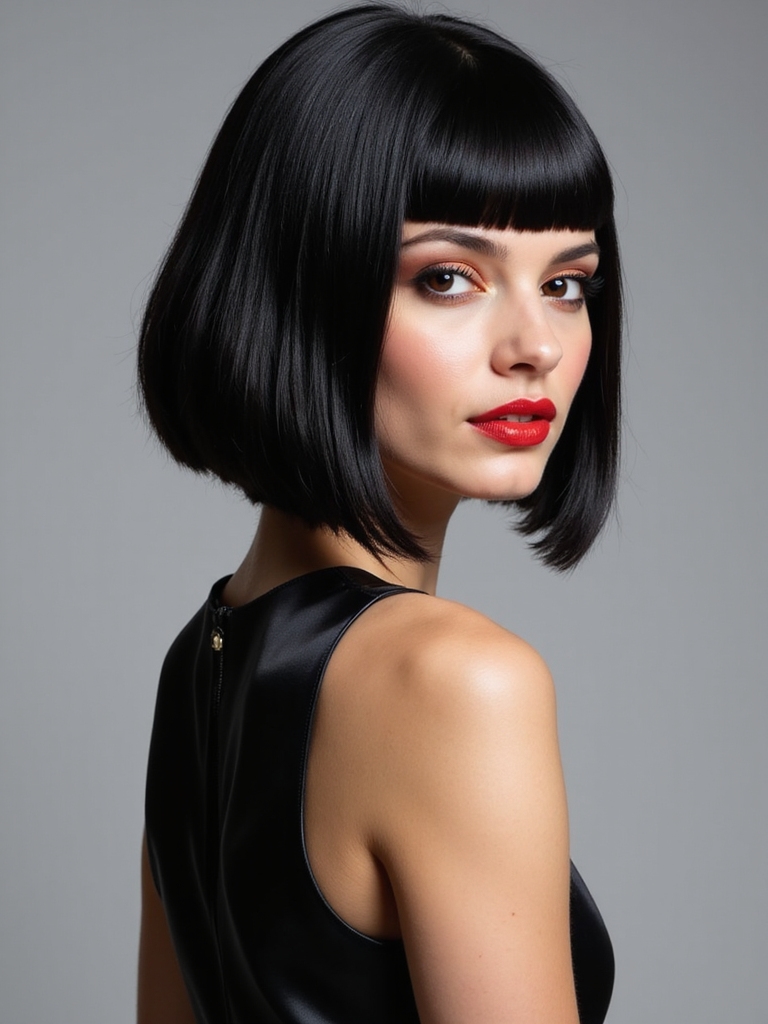
Take the classic shape, cut it dead blunt, and smooth it to a high shine, and you get the most polished version of the French bob. Every strand sits in one clean line, and the gloss makes the hair look thick and healthy. It is the editorial, expensive-looking take.
It rewards healthy hair and a sharp cut, since a blunt line shows every split end and uneven edge. This is the version that needs the most precise stylist.
Style it by blow-drying smooth with a round brush, then sealing the ends with a touch of shine serum. Keep up with trims, since the entire look lives on a crisp, clean perimeter.
💡Stylist Tip
Bring a photo and ask for the exact length you want, since ‘French bob’ ranges from chin to jaw to lob. The single most common regret is going too short in the chair, so when in doubt, request a touch more length than you think you need; you can always take more off next visit.
The Softly Waved Parisian Bob
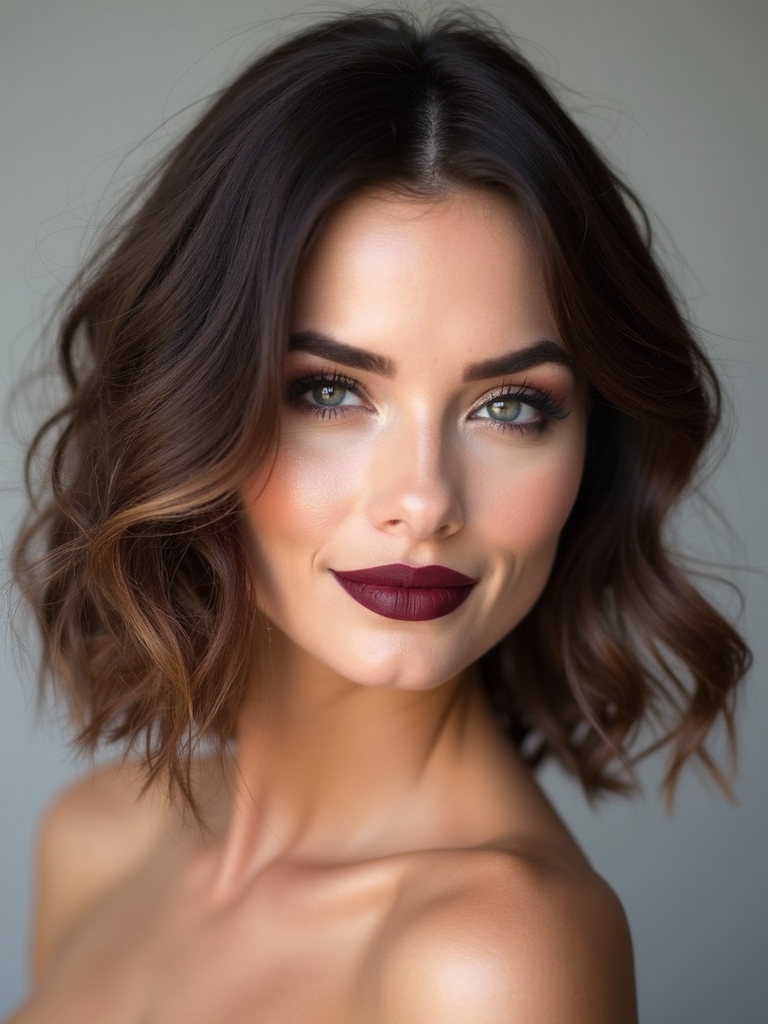
If the blunt version feels too sharp, the softly waved Parisian bob is its relaxed sister. A loose bend through the mid-lengths gives the bob soft, undone movement, the kind that looks like you woke up chic in a Paris apartment and ran a hand through it on the way out the door. It is the finish my clients request more than any other, and the one that feels most authentically French.
The wave should stay soft and imperfect; a tight curl fights the whole point, which is that casual, undone quality. A wide wand or an overnight set does it, finished with a soft mist of texture spray worked through with your fingers.
The French Bob With an Airy Fringe
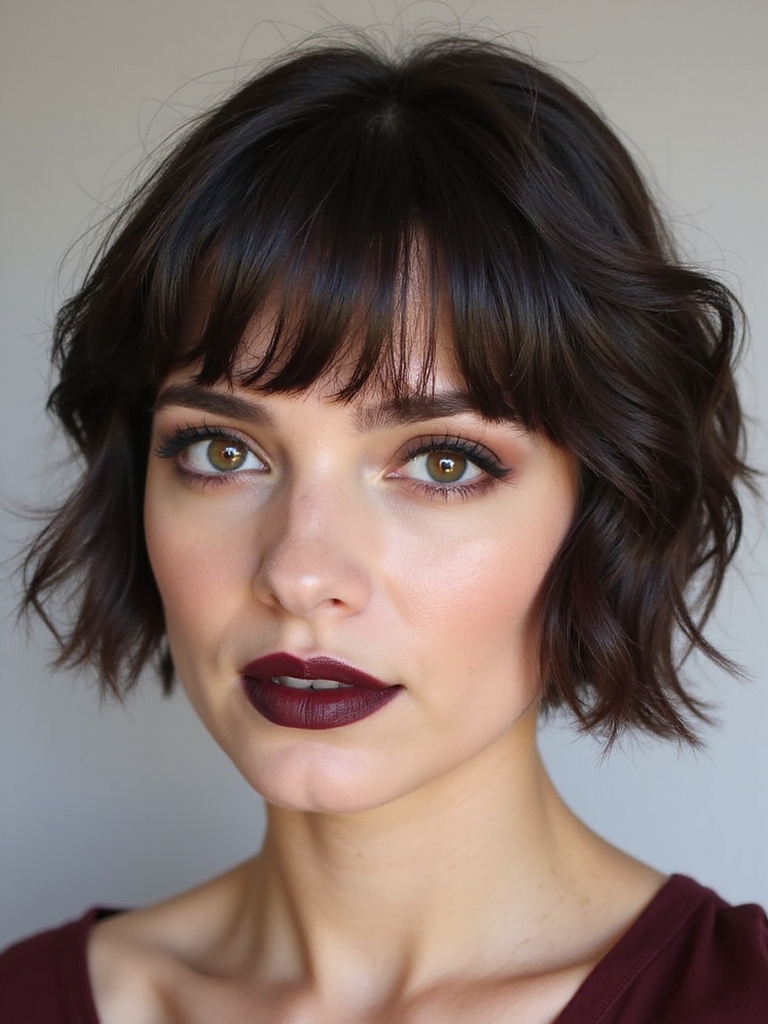
Adding a soft fringe completes the Parisian picture. A wispy, airy bang frames the eyes and balances the strong line of the bob, and the two together are the most classic French combination there is. The fringe brings the whole look forward onto the face.
Why the Fringe Completes It
Keep the fringe soft and longish so it blends into the bob instead of standing apart as a separate hard bang. A curtain or French-style fringe suits it best.
For the full pairing and how to ask for it, see the French bob with bangs guide. The fringe is where most of the personality lives.
ℹ️Good to Know
The French bob’s whole charm is that it looks undone, deliberately so. That casual, slightly imperfect finish is engineered, which is why a soft wave or a rough-dry comes across more authentically French than a stiff, perfectly smooth blow-dry.
The Curly French Bob
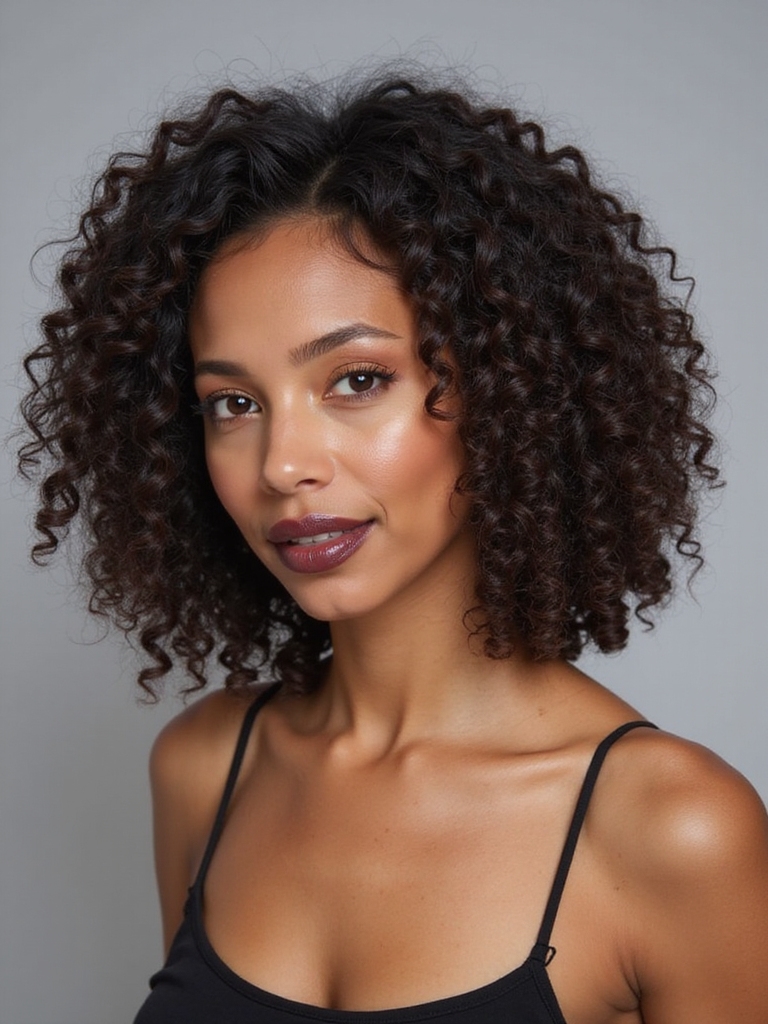
Curls make a beautiful French bob, and the cut leans into the texture instead of fighting it. On curly hair the bob sits a touch longer, since curls spring up, and a dry cut is essential, with the stylist shaping each coil where it naturally falls. A wet cut leaves the bob landing higher and patchier than anyone wanted.
Worn curly, the French bob gains a soft, rounded volume that straight versions style for. It is a low-effort, high-impact cut for natural texture.
Find a stylist who cuts curls regularly, since shaping a curly bob is a distinct skill. Define with a light cream and let it dry naturally into its round shape.
The Wavy Lob Hybrid
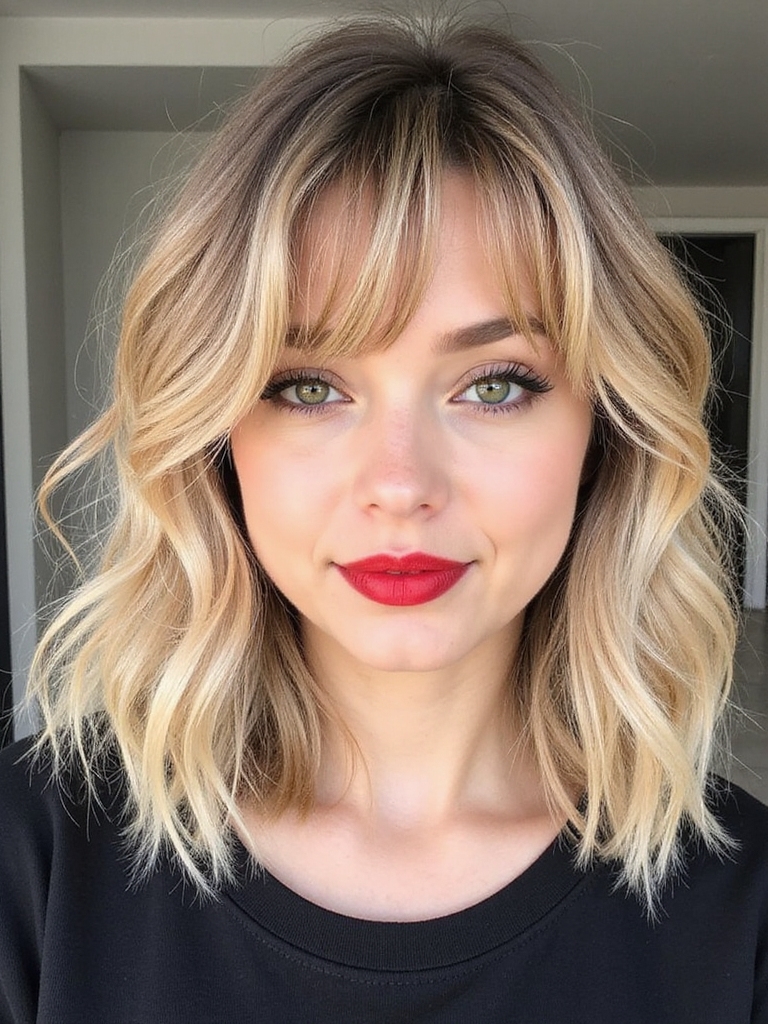
Not ready to go all the way to the chin? The lob hybrid keeps a little more length, sitting between a true French bob and a long bob, with the same blunt-ish line and soft wave. It is the gateway French bob for the commitment-shy, easing you toward short without the full leap. Here is how to ask:
- Request a collarbone-grazing length, blunt through the ends with soft layers underneath.
- Keep the Parisian wave and undone finish so it reads French first, regardless of length.
- It grows out easily if you decide to go back to long.
Which French bob fits you? Match your priority:
1I want polished and editorial
Go for the blunt, glassy version or the jaw-skimming tucked bob, both sharp and put-together.
2I want easy and undone
Choose the softly waved or textured tousled bob, styled with your fingers and a texture spray.
The Textured, Tousled Bob
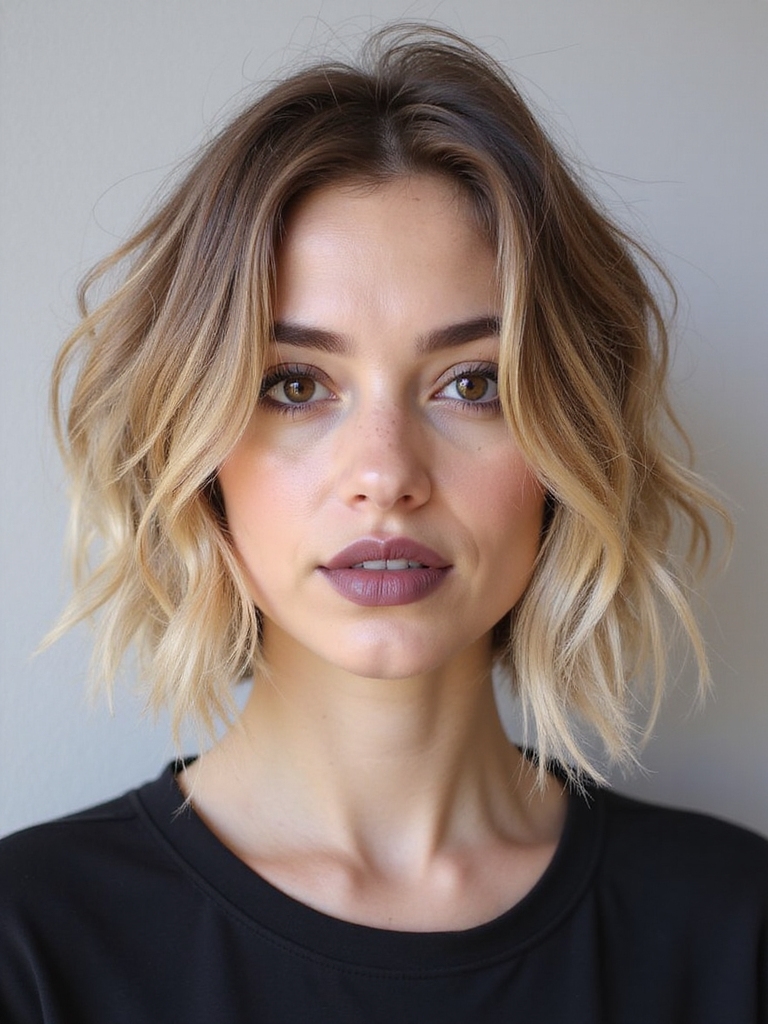
Leaning into texture gives the French bob a relaxed, seaside quality. Adding piece-y, tousled movement makes the bob look casual and undone, the kind of texture you’d pick up from a day at the coast. It is the most laid-back version, and the easiest to live with. To get it:
- Ask for soft, piece-y texture worked through the bob so it moves instead of holding one stiff, blunt line.
- Rough-dry it and scrunch in a sea-salt spray for grit.
- Skip the round brush; finger-styling keeps it undone.
The Micro-Fringe French Bob
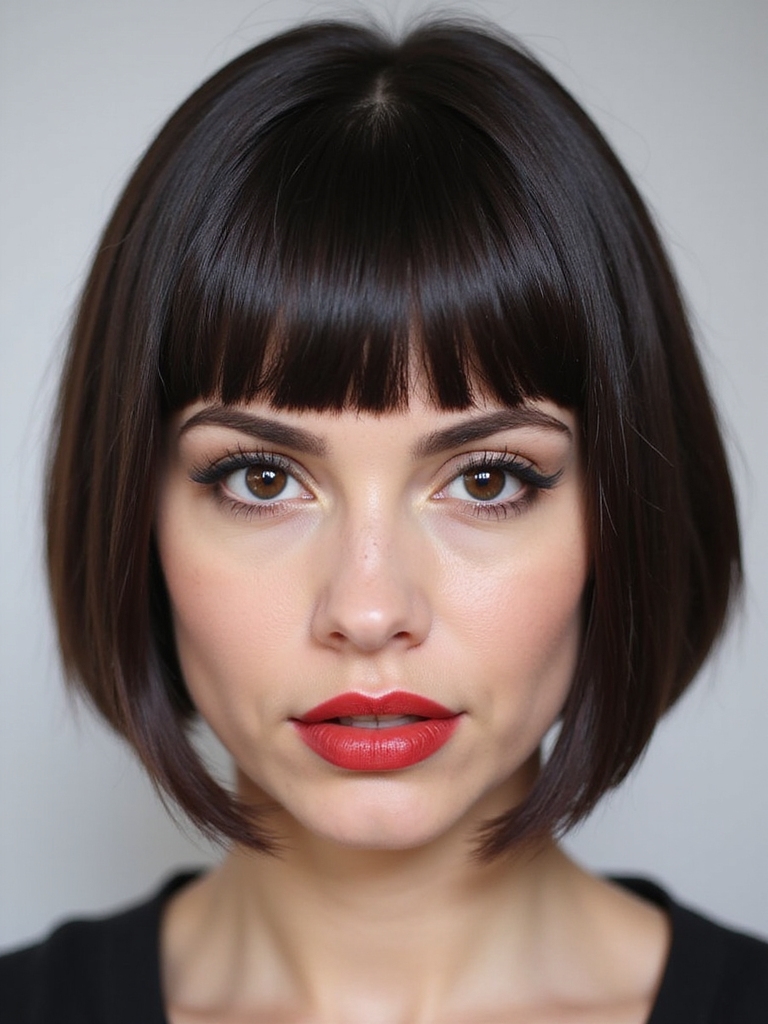
For a bolder, more fashion-forward French bob, a short micro fringe adds graphic edge. The blunt little bang sits high on the forehead, playing against the bob’s clean line for a look that is more Parisian art-student than classic chic. It draws every eye to the face. A few notes:
- Keep the micro fringe blunt and short to match the bob’s graphic line.
- Plan on trimming the fringe every couple of weeks, three at the outside, as it grows in.
- It suits balanced foreheads and strong features that can carry the boldness.
“If you have never had short hair, ease in with the lob hybrid before committing to a true chin-length French bob. You get the blunt line and the Parisian wave at a length that still ties back, and you can go shorter at your next trim once you trust the cut.”
The Side-Parted French Bob
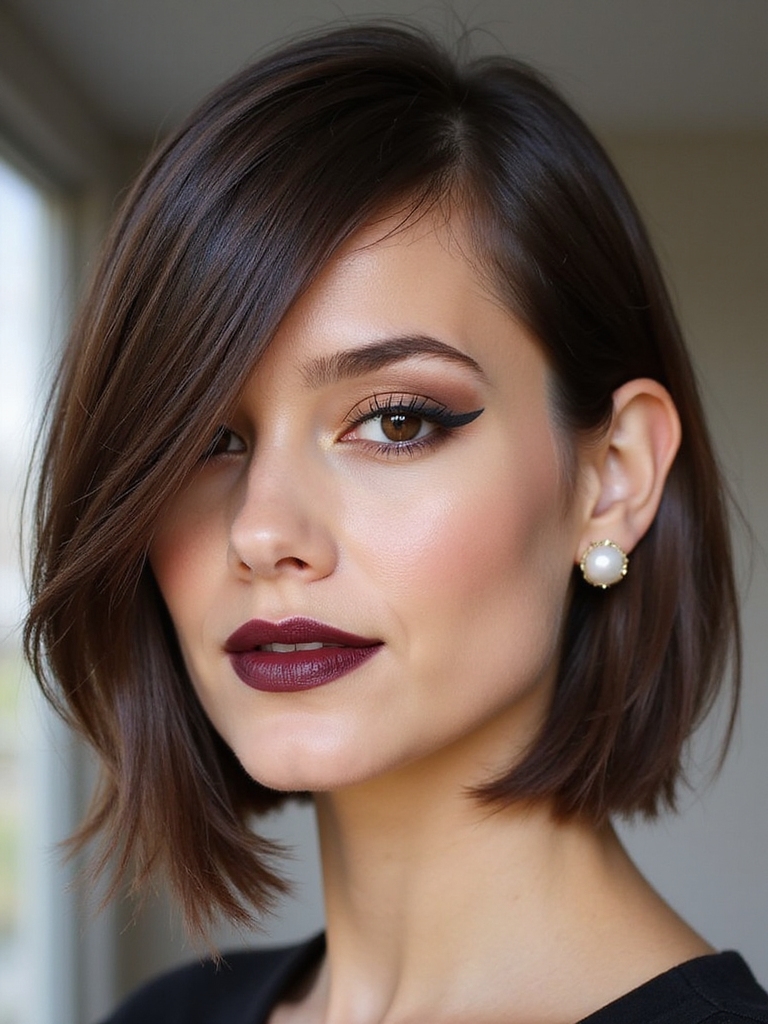
A deep side part is the simplest way to add drama and lift to a French bob. Parting well off-center sweeps the hair across the forehead and builds volume on the heavier side, giving the bob a soft, glamorous asymmetry. It costs nothing and takes a second. To wear it:
- Part deep, well past your natural line, for the strongest sweep and lift.
- Tuck the shorter side behind the ear for contrast if you like.
- A little root product along the part holds the volume all day.
The Asymmetrical French Bob
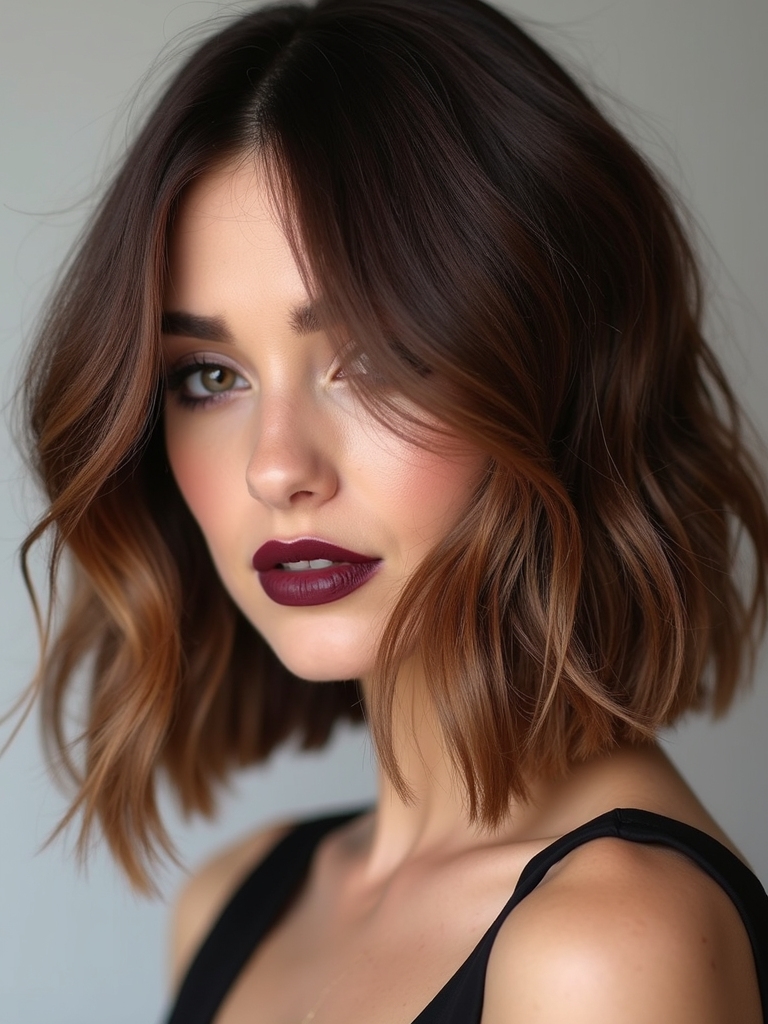
Cutting one side noticeably longer than the other turns the French bob modern and editorial. The angled line draws the eye on a diagonal, which flatters round faces and adds a fashion-forward edge to the classic shape. It keeps all the chic of the original, just with more attitude built in.
Why Asymmetry Modernizes It
The longer side usually sweeps toward the front, framing the jaw and giving you something to tuck or let fall. The asymmetry is the styling interest.
Keep both sides blunt to hold the clean French line, and let the length difference do the talking — a minor tweak that pays off every time you catch your reflection.
The Face-Framing French Bob
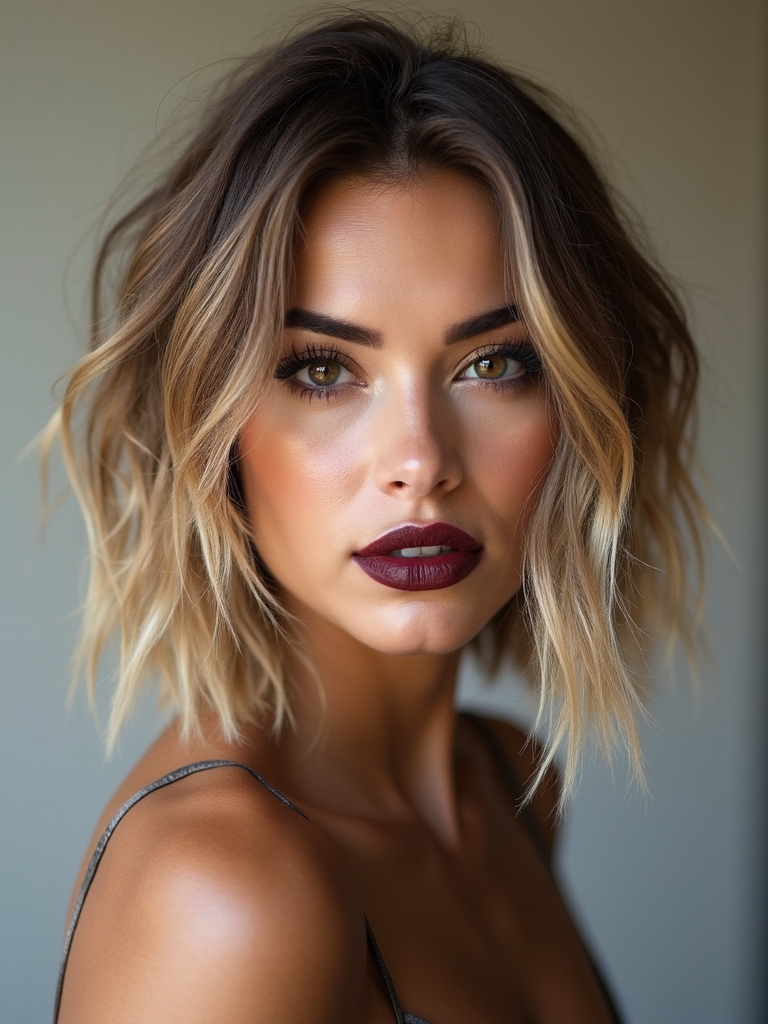
Adding soft face-framing layers to a French bob brings movement around the face while keeping the perimeter crisp. Pieces cut shorter at the front frame the cheekbones and jaw, softening the bob and flattering the features. It’s the softest way to reshape just the front, leaving the body untouched.
Framing That Respects the Perimeter
The layers stay only around the face, keeping the body and the blunt perimeter intact. That is the difference between framing and gutting the cut.
It pairs naturally with a center or side part, and it suits women who find a fully blunt bob too severe. The framing softens everything.
The Jaw-Skimming Tucked Bob
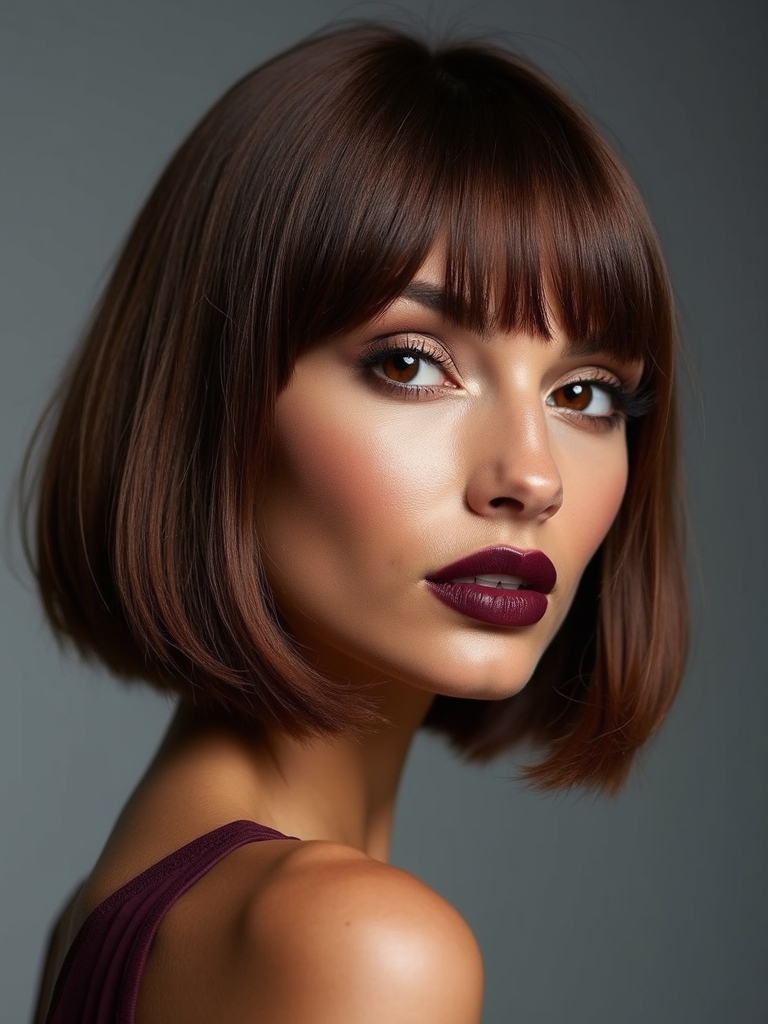
Cut to skim the jaw with the ends curved gently under, this version is the polished, ladylike take on the French bob. The slight under-tuck gives it a rounded, retro finish that frames the jaw beautifully and comes across put-together, in a way that has quietly flattered women from the secretaries of the sixties to the off-duty models of today. It is the most classic and conservative version, lovely for work.
The under-curve is set with a round brush at the ends, turning them inward toward the neck. It is a quick, deliberate finish, more polished than undone.
This length and shape flatter a wide jaw especially, since the curve draws the line inward. It’s a timeless choice more than a trendy one, and it holds up for years.
The French Bob for Fine Hair

Fine hair and the French bob are a strong match, since the blunt line concentrates thin hair into a dense, full-looking edge it cannot achieve long. Few cuts build the appearance of fullness through shape alone this well. A few specifics:
- Keep the perimeter fully blunt and skip internal thinning entirely.
- Use a deep part or a soft wave for root lift and body.
- For the full fine-hair breakdown, see the French bob for fine hair guide.
The French Bob for Thick Hair
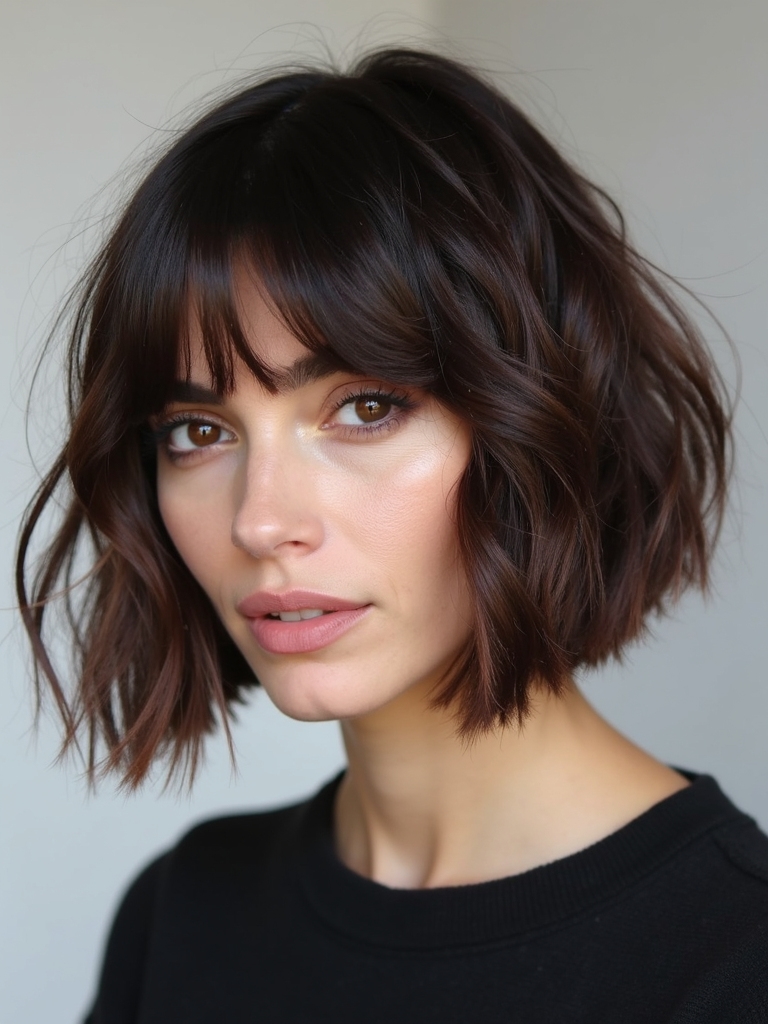
Thick hair makes a lush French bob, but it needs careful debulking so it does not balloon into a triangle. A stylist removes interior weight while keeping the blunt surface line, so the bob falls sleek and controlled instead of puffing out at the bottom. The cut is everything with thick hair.
A few specifics to ask for:
- Request interior debulking to remove weight without losing the line.
- A slightly longer, jaw-length version balances thick hair better than chin-length.
- Smooth the ends under so the bob falls clean instead of flicking out.
Low-Maintenance Styling
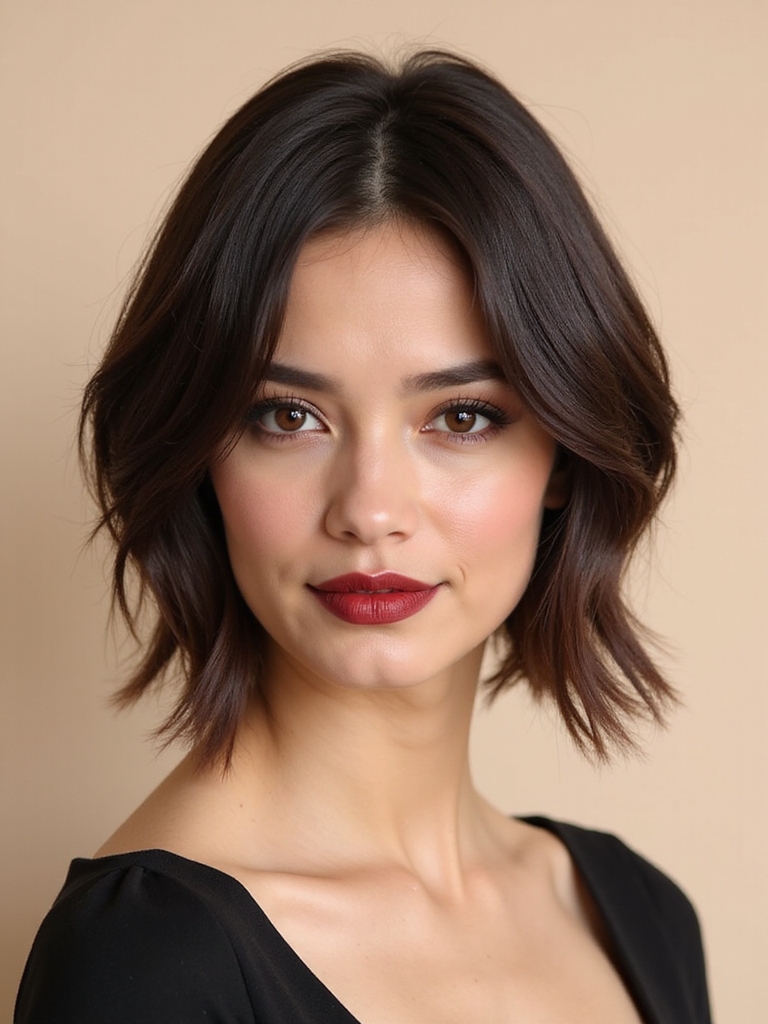
Part of the French bob’s appeal is how little it asks once it is cut right. The shape holds its own form, so most versions style in a few minutes with a little product and your fingers, no elaborate routine required. The cut itself carries the look; styling is just upkeep.
Let the Cut Do the Work
For the classic undone finish, a rough-dry, a spritz of salt spray, and a quick finger-tousle is all most French bobs need. Save the round brush for the glassy or tucked versions.
The one non-negotiable is the trim, since letting the ends grow out blurs the clean line that defines the cut. Beyond that, this ranks among the lowest-effort chic cuts you can wear.
Modern Color Pairings
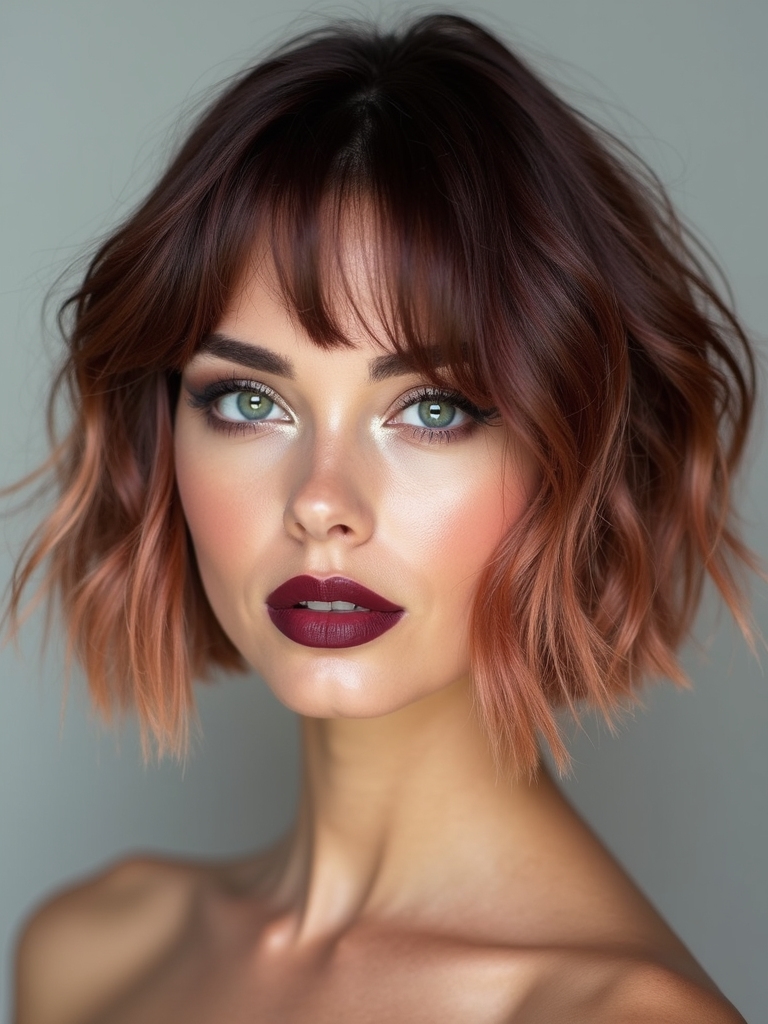
Color and the French bob play beautifully together, since the clean shape shows off dimension so clearly. A soft balayage, a glossy single tone, or a few face-framing money pieces all read rich against the blunt line, because the clean, continuous edge gives the color one unbroken surface to play across instead of scattering it down uneven layers. The cut frames the color like a canvas.
A few pairings that flatter the shape:
- A single, glossy tone amplifies the polished, expensive look of a blunt bob.
- Soft face-framing highlights brighten the face and add dimension.
- Keep contrast low for timeless chic, or go graphic for a fashion edge.
Maintenance & Care
The French bob styles fast day to day, but it still asks something of you, and the trim is that ask. Because the whole look rests on that clean, blunt line, budget a shape-up roughly six weeks out, stretching to eight at the outside, for $50 to $90; skip too many and the perimeter goes soft and shapeless fast. Many of the variations, like the micro fringe, need a quick fringe trim in between too.
Day to day, the care is simple. A round-brush or air-dry finish takes a few minutes, a weekly mask keeps blunt ends from looking dry, and a heat protectant matters since short ends take the most styling heat. Get the trim schedule right and protect the ends, and a French bob looks chic with barely any daily work. For the fringed and fine-hair versions, see the the fringed French bob and fine-hair French bob guides.
The Chicest Cut You Can Ask For
The French bob keeps coming back because it delivers what most cuts only promise: it looks expensive, flatters nearly everyone, and styles in minutes once it is cut right. Whether you go blunt and glassy, soft and waved, or fringed and fine-haired, the foundation is the same chic, chin-grazing line that has never really gone out of style.
Bring a photo, ask for the length you actually want rather than going too short, and choose the finish that fits your morning. Of all the cuts you could try, the French bob gives back the most for the least daily effort, which is exactly why Paris never let it go.
Related Reads