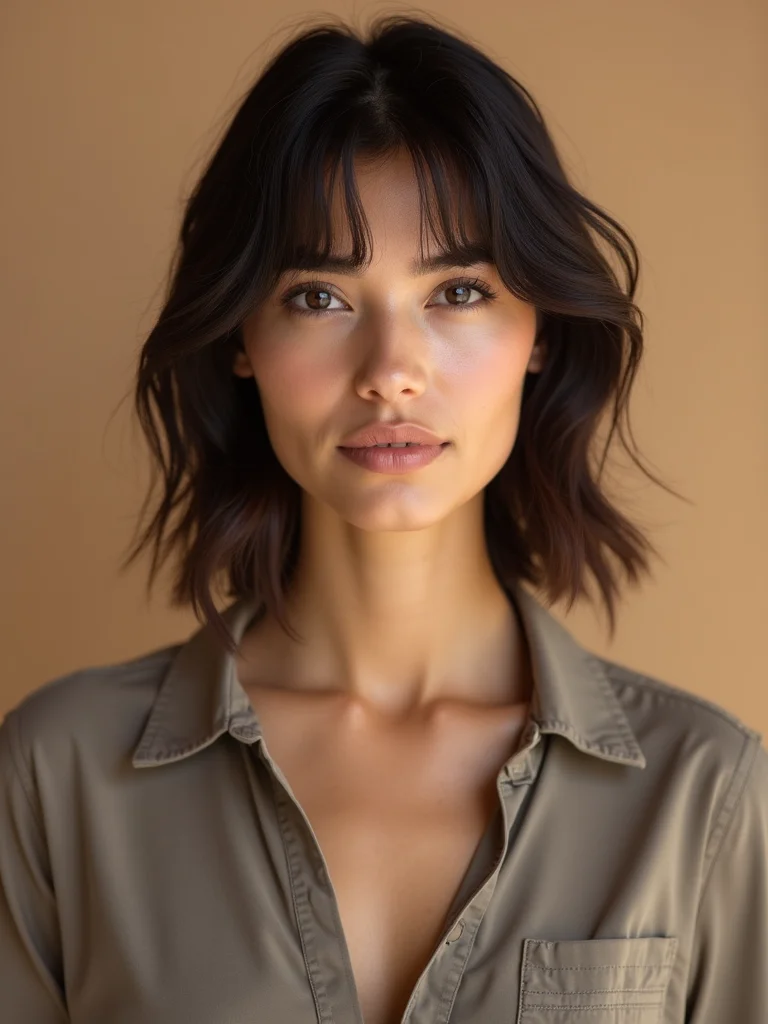
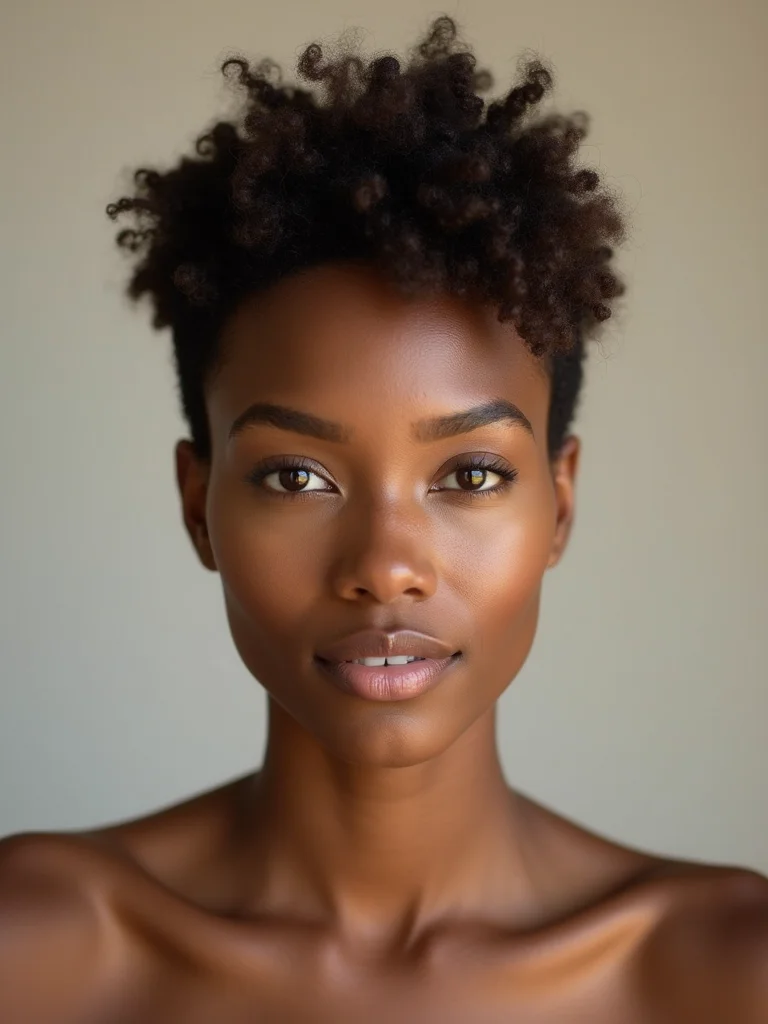
A pixie cut tends to do something no other haircut manages quite as fast: it changes a first impression before the client even reaches the mirror.
Clearing the first few inches around the ears reveals cheekbones a longer style had been hiding for years, and the moment the cape comes off usually brings a small, surprised jolt of recognition. That reaction, more than any single technique, is why the cut has framed faces across nearly every decade without ever fully falling out of style.
Ten enduring versions follow below, from a soft feathered classic to an ultra-short micro crop, along with an honest look at what daily life with a pixie actually involves.
Why the Pixie Endures
- The pixie endures because it reshapes how a face reads, putting the focus on features and bone structure rather than on the hair itself.
- A long-top version with swept bangs is the easiest entry point, since it grows into other lengths without much drama.
- Daily styling stays minimal on almost every version, but the trim schedule at the salon is non-negotiable.
Classic Feathered Crop With Lift

The feathered crop is the pixie that effectively started the whole category: soft layers cut to taper into feathered ends that lift and separate on their own. Few versions here ask for less daily effort.
The Safest Starting Point
Its staying power comes down to how quietly it adjusts. On a round face, the feathering builds height at the crown to lengthen the look; on a square jaw, the same layers soften the angle with movement, trading a hard line for something rounder. The underlying shape flatters both without any real modification to the cut itself, which is rare for something this short.
A texture spray worked through damp roots is close to the entire styling routine. The layers blur the growing-out stages too, so there’s no single hard line to manage as it lengthens.
Sleek Side-Parted Pixie With a Tucked Nape
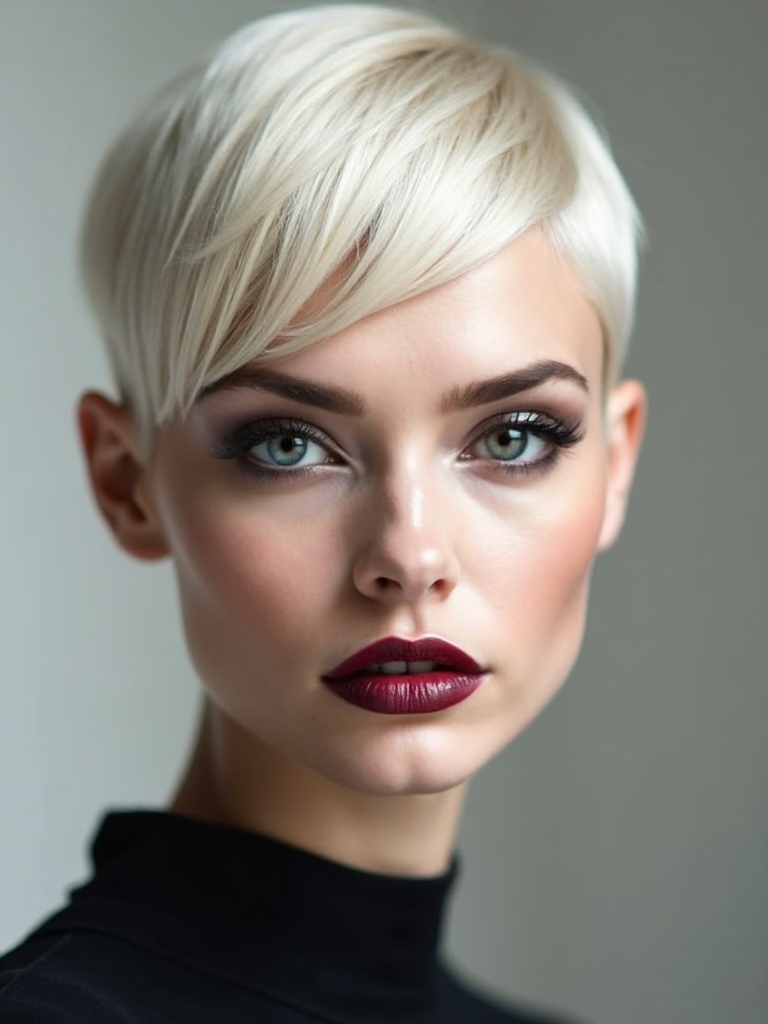
Smoothed sleek with a deep side part and a closely tapered nape, this sits at the polished end of the pixie range. The clean lines look expensive and deliberate, the kind of finish that still reads freshly cut three weeks past the last appointment.
- A smoothing balm plus a deep part is the entire styling step most mornings.
- The tapered nape holds its sharp line noticeably longer between trims than looser, more textured versions of the cut do.
- Works especially well on straight to slightly wavy hair, where the smooth finish shows clean.
“Moving the part just an inch closer to the ear changes how formal the whole cut feels, without any change to the cut itself.”
Tousled Texture With a Piecey Fringe
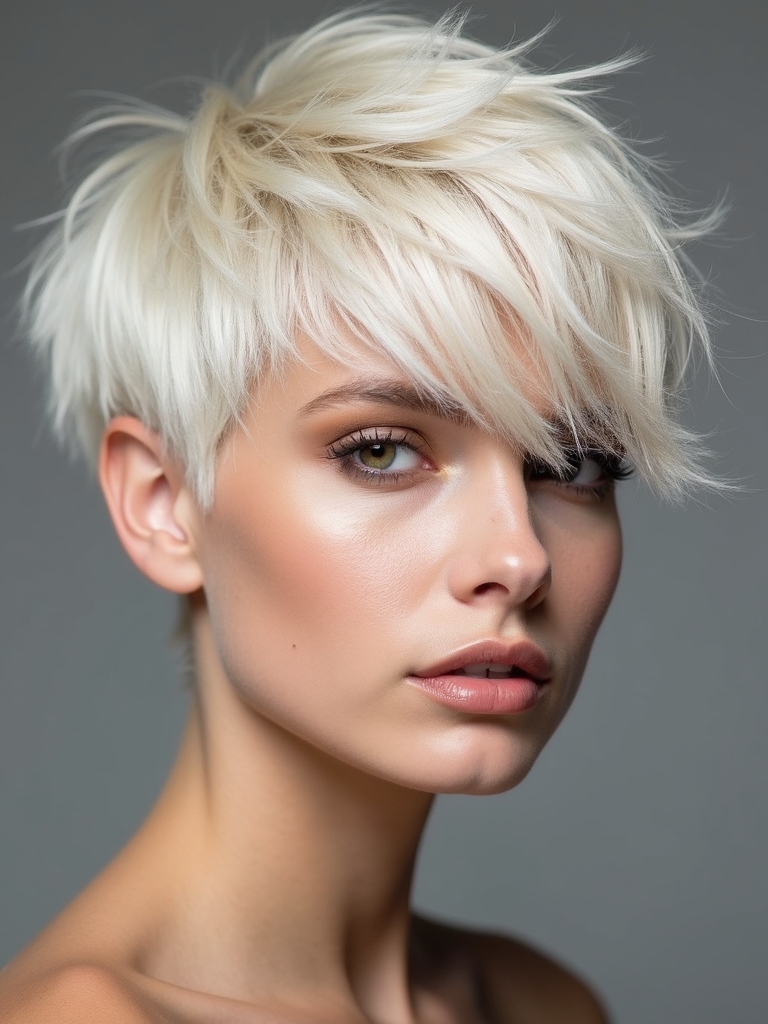
At the relaxed end of the range sits the tousled pixie with a piecey fringe, all broken-up texture and easy, undone movement. A scrunch of matte paste through damp hair is usually the whole method.
It comes across laid-back without trying particularly hard, which works well for anyone tired of a strict styling routine. A slightly uneven finish only adds to the appeal here.
This version forgives more than most, since a day-old finish barely looks different from a fresh one. It works especially well for someone who wants short hair that still looks considered without much daily maintenance. The one habit worth avoiding is overloading the paste; a small amount rubbed between the palms first spreads more evenly than dabbing it straight from the tub onto the hair.
Long-Top Pixie With Swept Bangs
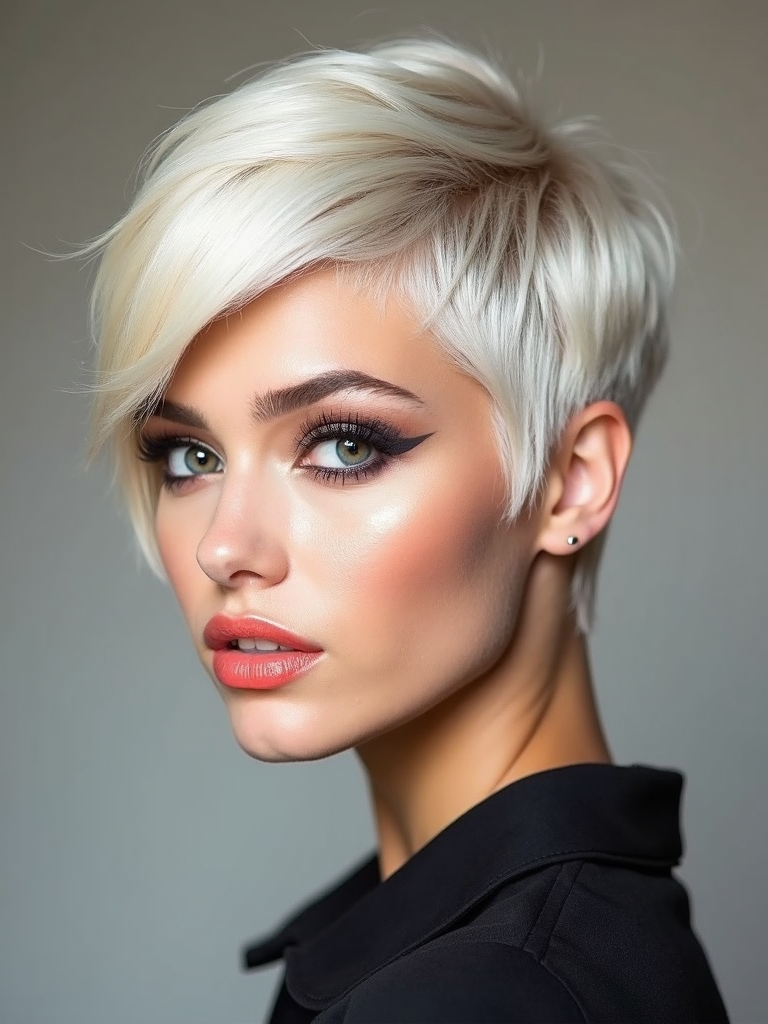
Keeping real length on top and sweeping it into soft bangs makes this the most flexible entry point into the whole category. The extra length means the top can be pushed smooth, textured rough, or swept to either side depending on the day.
That flexibility also makes it forgiving for anyone easing into short hair for the first time. It grows gracefully toward a bob later on, so committing to it now doesn’t lock in a permanent decision. Even an off day has an easy fix: pin the top back with a single clip and let the sides carry the look until there’s time for a proper style.
- Real length up top means three or four distinct looks are possible from a single haircut, without ever touching the scissors again.
- Grows into a longer bob shape without much of an awkward stage in between.
- For the bang-forward version specifically, long pixie cut covers the styling in more depth.
📋Signs a Long-Top Pixie Fits Right Now
- ✓Comfortable with a shorter length but not ready to commit to an ultra-short crop.
- ✓Wants at least a few different styling options from one haircut.
- ✓Open to growing it toward a bob later without a drastic re-cut.
Curly Pixie With Defined Coils

A curly pixie puts natural texture front and center, the short shape letting coils spring into a rounded, compact crown instead of stretching under their own weight the way longer curls often do.
Everything here depends on a dry, pattern-cut approach, since curls shrink as they dry and a stylist working from a wet length has no reliable way to predict where the shortest coil will actually land.
- A leave-in, a curl cream worked through in sections, then a low diffuse covers the entire routine.
- The less wet curls get touched while drying, the more definition holds through the day.
- More curl-specific detail lives at curly pixie hairstyles.
Undercut Pixie With Sharp Contrast

An undercut pixie buzzes or closely clips the sides to set off a longer, textured top, building bold, high-contrast edge into a fairly small haircut. The contrast is the entire point of the style, and it looks different depending on how short the buzzed section actually goes, from a subtle shadow to a stark, clean line.
Because the length lives entirely up top, the undercut itself can be shown or hidden depending on how the top gets styled that day, which keeps a fairly daring cut surprisingly adaptable for work and off-duty days alike.
This version needs the sides buzzed back up every few weeks to keep the contrast sharp, more often than the top itself needs any real attention. A shaved design or a simple clean buzz both work; the design just needs a touch-up sooner, since the lines soften first as the hair grows in. More bold takes live at undercut pixie.
Shaggy Pixie With Wispy Ends

Borrowing the shag’s heavier, piecey layering gives a pixie relaxed volume along with wispy, textured ends, breaking up what would otherwise be one clean, uniform edge.
Most of the shape comes from the internal layering itself, which builds body and a little grit without much styling effort at all.
- A scrunch of paste through damp hair is close to the full routine most days.
- Suits thicker hair especially well, since the layering removes weight that would otherwise sit heavy.
- The full shaggy range lives at shaggy pixie cuts.
Before Booking an Undercut
An undercut pixie needs the buzzed section maintained on its own schedule, separate from the top. Skip it too long and the contrast that makes the cut work starts to blur.
Razor-Cut Pixie With Choppy Movement

Razoring the ends feathers them into a soft, choppy, separated finish, giving this version the lightest, most weightless movement on this list. The technique works on nearly any length of top, from a close crop to something bordering on long-top territory, and that flexibility is a big reason it pairs so easily with several other looks here.
- Flatters medium-to-thick hair particularly well, since that texture handles the extra weight removal without thinning out.
- Very fine hair wants the razor used sparingly, or the ends can look thin rather than piecey.
- The choppier, more textured range lives at choppy pixie cut.
Asymmetrical Pixie With a Deep Side Sweep
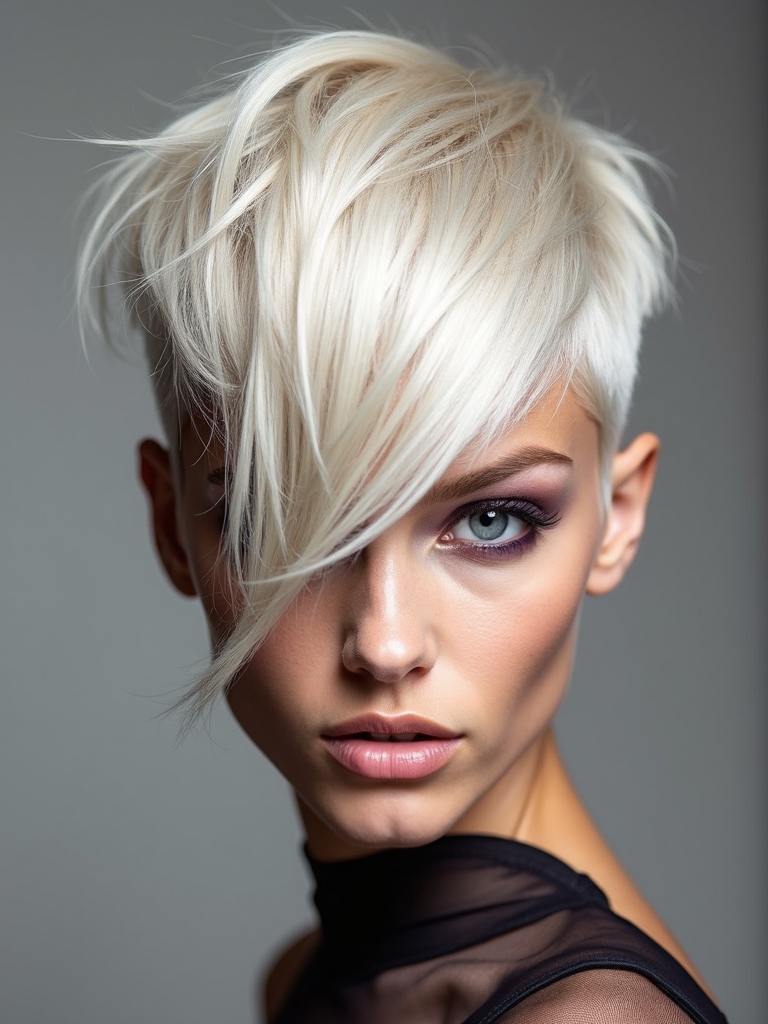
Keeping one side noticeably longer and sweeping it deep across the front builds deliberate, modern imbalance into a classic pixie shape. The deeper the part, the more dramatic the imbalance looks in photos, though it settles into something far more wearable after a few days of getting used to it.
- The longer sweep softens whichever side of the face it falls across.
- Looks far more dramatic in photos than it feels day to day, since the length settles quickly with a little product.
- More off-balance takes live at asymmetrical pixie cuts.
Ultra-Short Micro Pixie With a Feathery Fringe
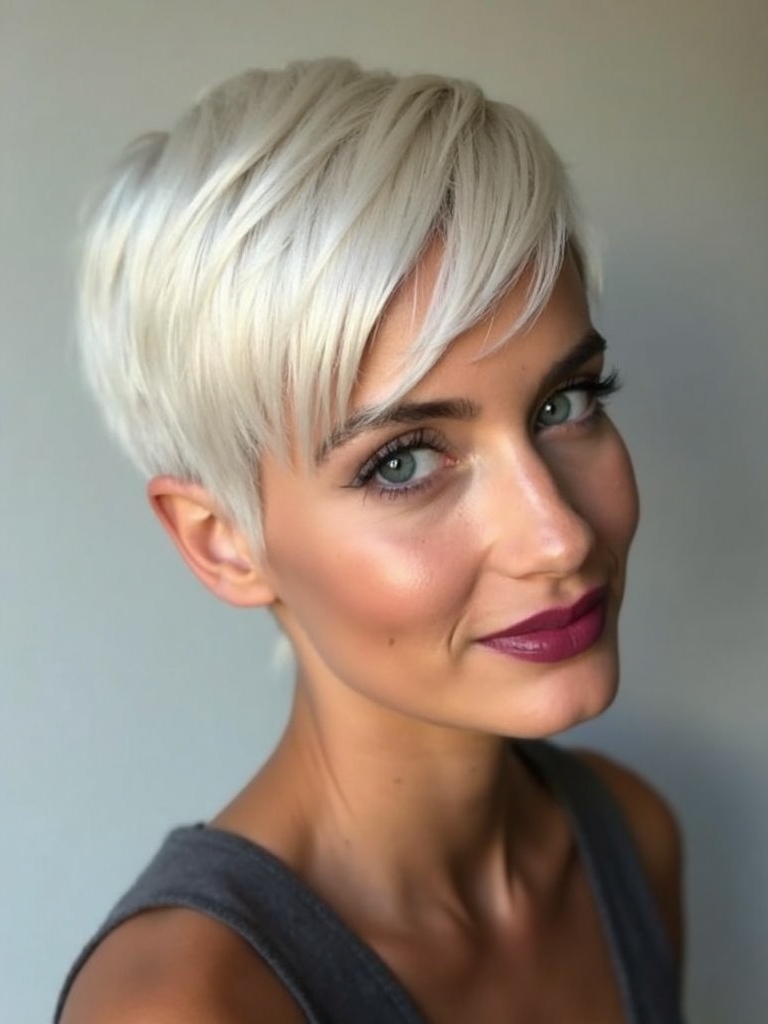
At the boldest end sits the ultra-short micro pixie, cropped close nearly everywhere with just a feathery fringe left up front. It puts bone structure on full, unfiltered display.
This is the version that rewards strong features most directly, and it needs almost no daily styling. What it does need is frequent trims, since every bit of new growth shows immediately on a crop this short, softening the sharp shape at the temples and neckline within just a couple of weeks.
- Almost zero daily styling time once it’s freshly cut.
- Shows every bit of regrowth faster than any longer version featured on this entire list.
- Works best for someone comfortable with that much trim frequency.
How to Get the Look
Bringing the right reference photo matters more for a pixie than for almost any other haircut, since a small difference in where the length starts changes the whole silhouette. A photo showing the same hair type and face shape works better than one of a celebrity with neither, and mentioning how much time gets spent styling in the morning helps a stylist pick a version that actually fits daily life alongside the photo.
A reshape usually costs less than a full color service at the same salon, often around $45, and it needs to happen on a tighter schedule than almost any longer cut. Skipping two appointments in a row is usually the difference between a sharp pixie and a shapeless one. Stretching washes to every two or three days also helps the shorter styles hold their shape, since a little natural oil gives fine layers something to grip.
Pixie Cut Questions, Answered
?Is a pixie cut actually low-maintenance, or is that a myth?
Both, depending on which part of the routine gets counted. Daily styling is minimal on most versions, often five minutes or less. The salon side is the opposite: a pixie needs a reshape on a shorter cycle than almost any longer cut, so the time commitment moves from the bathroom to the calendar without actually shrinking.
?How long does it take a pixie to grow out into a longer style?
Most people notice a shift toward a bob shape somewhere around six months to a year, faster with regular trims that shape the grow-out along the way. A long-top version with swept bangs grows out the most gracefully, since there’s already length up top to work with.
?Does a pixie work on curly or coily hair, or does it need to be straight?
It works on both, but the cutting approach changes completely. Curl pattern needs a dry, pattern-based cut so the coils can spring and settle correctly, while straighter hair takes the shape closer to how it’s usually pictured, with more room to adjust the finish day to day.
A Cut Worth Bookmarking Before the Chair
A pixie asks for a little nerve and a standing spot on the calendar, but it gives back more than almost any other cut manages. It reshapes how the whole face reads, and it somehow keeps doing that decade after decade without looking dated.
Saving a few of these before the appointment turns the conversation with a stylist far more specific once the chair spins around. The wider range of pixie styles lives at pixie cut styles.
Don’t Miss These