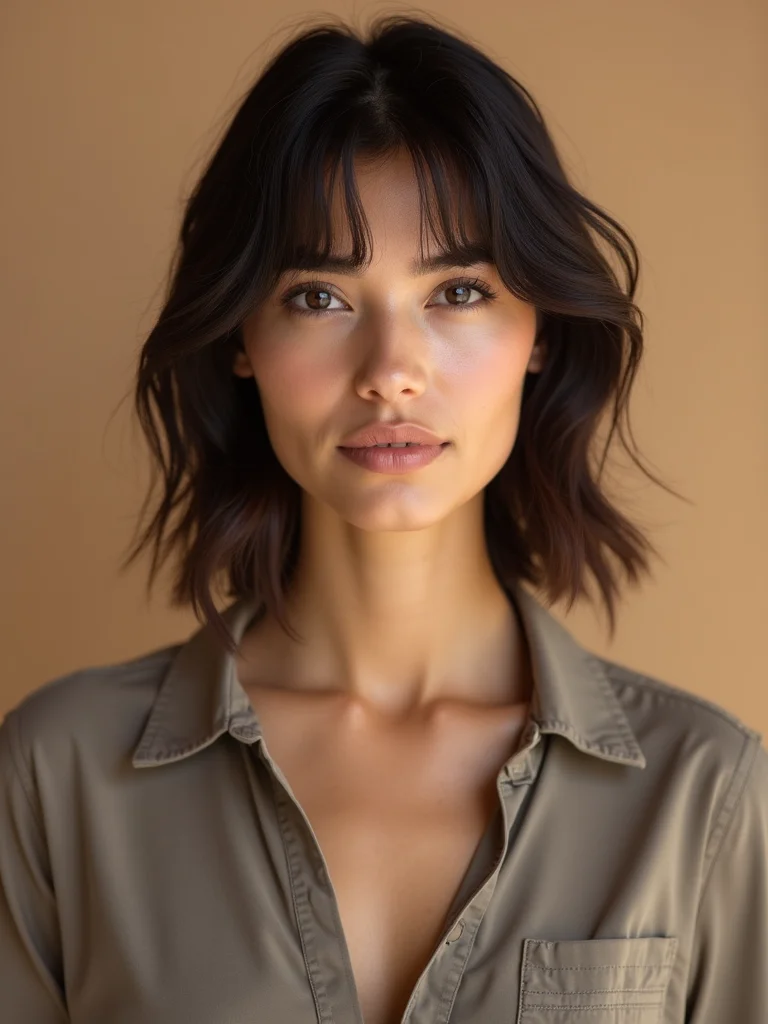
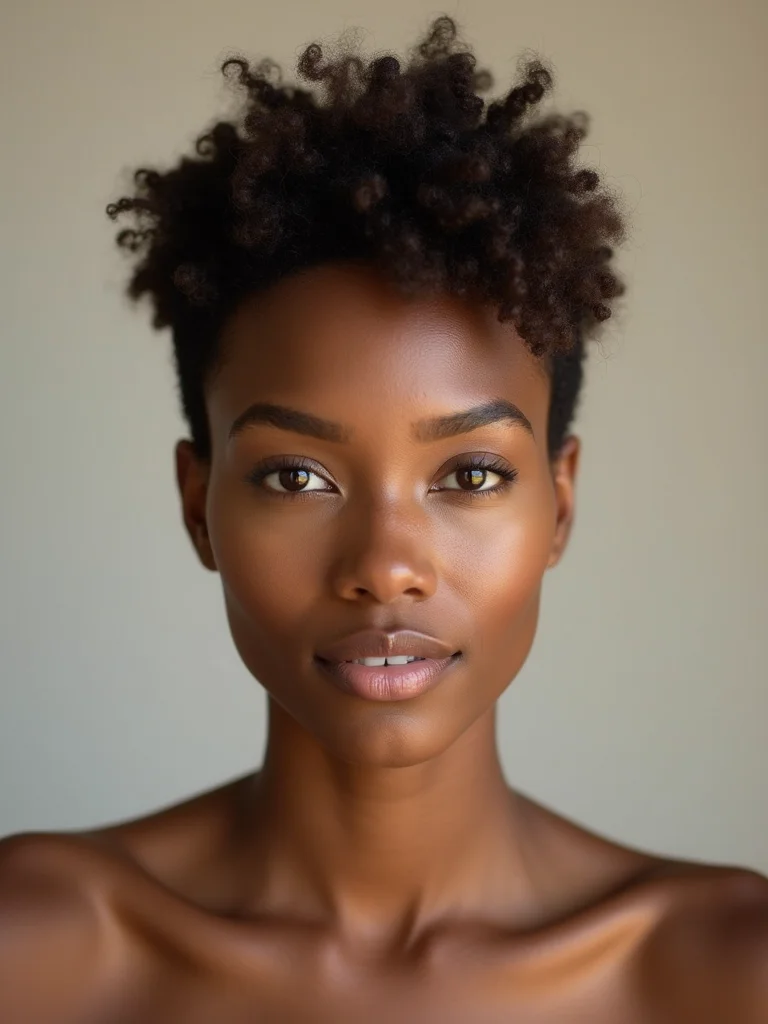
Ask ten people what a bob looks like and you’ll get ten different pictures in their heads, and every one of them is right. That’s the thing about the bob: it’s not one haircut, it’s an entire family, sharp and blunt on one end, loose and shaggy on the other, and everything in between. These bob hairstyles map every branch of it, from a razor-blunt classic to a piecey shag.
Think of this as the master list: fifteen distinct bobs, each with what defines it, who it flatters, and a link to a deeper guide when one catches your eye. Whether you want sharp and graphic or soft and undone, there’s a bob here with your name on it.
The Bob Family, in Short
- The bob is a whole family of cuts, spanning length (chin to collarbone), shape (blunt, angled, stacked), and texture (sleek, curly, shaggy).
- Length and part do most of the flattering: chin-length and a center part balance round faces, a side part and a lob suit longer ones.
- Almost every texture and face suits some bob; the trick is matching the version to your hair and your upkeep.
The Chin-Length Blunt Bob
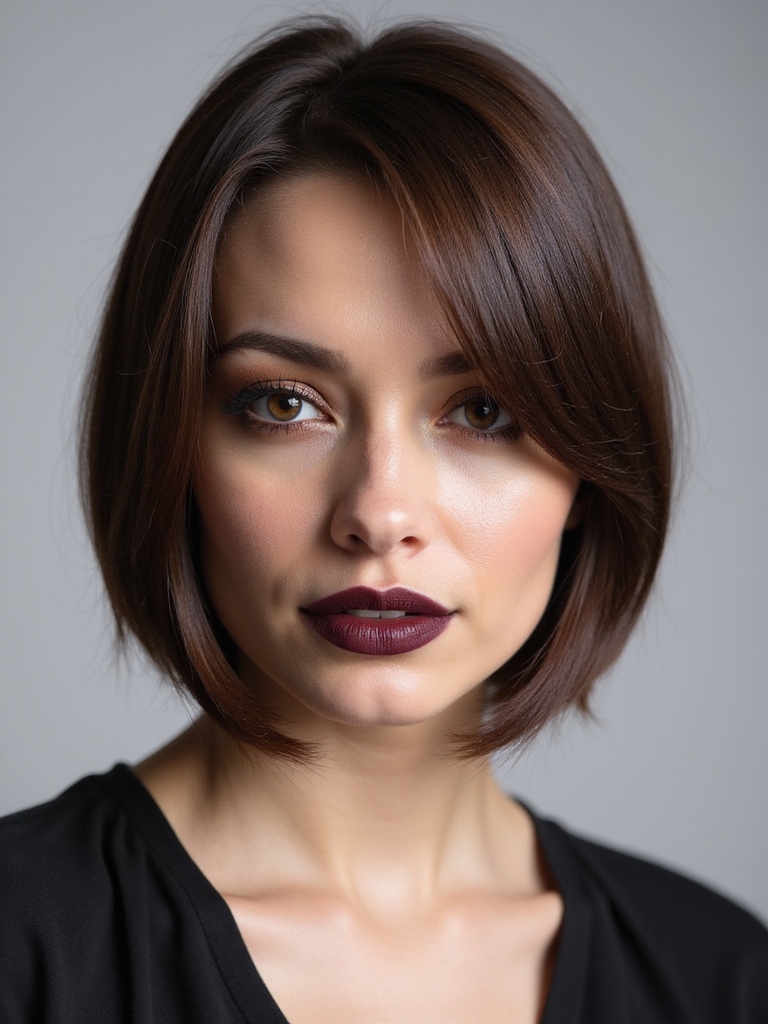
Every bob family starts with the classic: one clean length at the chin, cut in a blunt line with no layers. It’s the purest form of the cut, and its whole appeal is precision, a single sharp edge that reads modern in any decade.
It’s a gift for fine hair, since the blunt line keeps all the weight at the bottom and makes thin hair look thick. Strong features and straight or wavy hair carry it best.
- The timeless, most classic bob shape.
- Makes fine hair look denser by keeping weight at the ends.
- Wants regular trims, since a blunt line shows grow-out fast.
The Razor-Sharp Glossy Bob
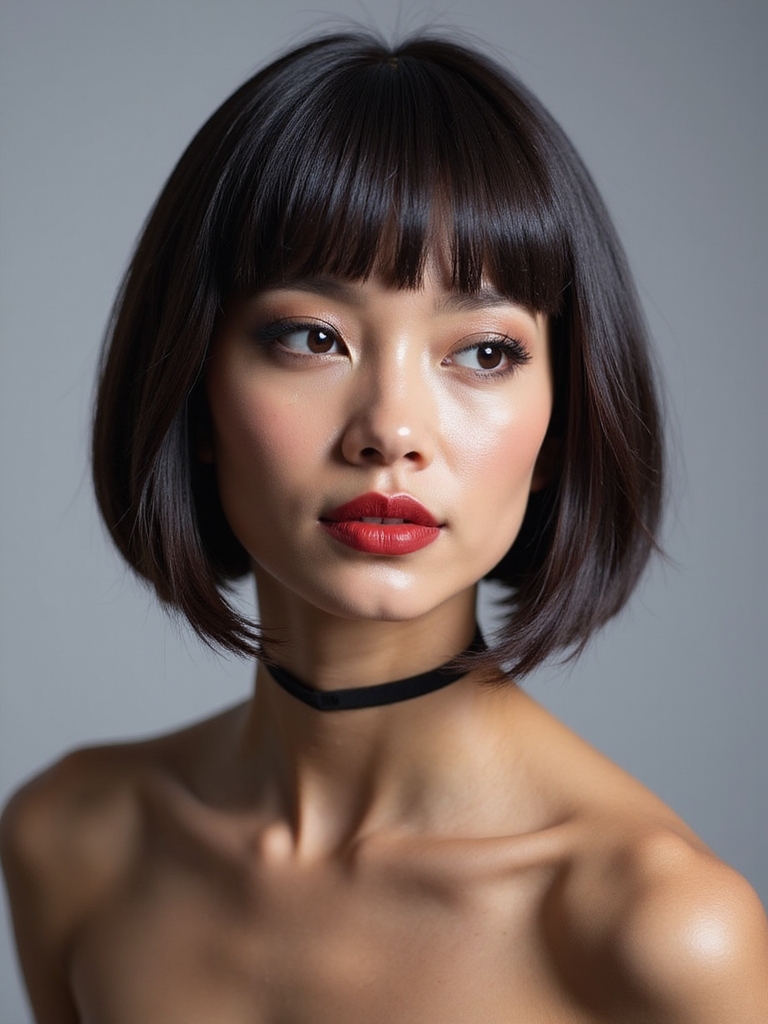
Take that blunt shape and finish it mirror-smooth, and you get the glossy bob, the most polished, expensive-looking version of the cut. The shine is the point, and it turns a simple line into something that looks salon-fresh every day.
It’s the highest-maintenance finish here, since a smooth surface exposes any frizz or uneven line, so it lives on healthy hair and a daily smoothing routine. When you want polish, nothing beats it.
The Soft Face-Framing Layered Bob
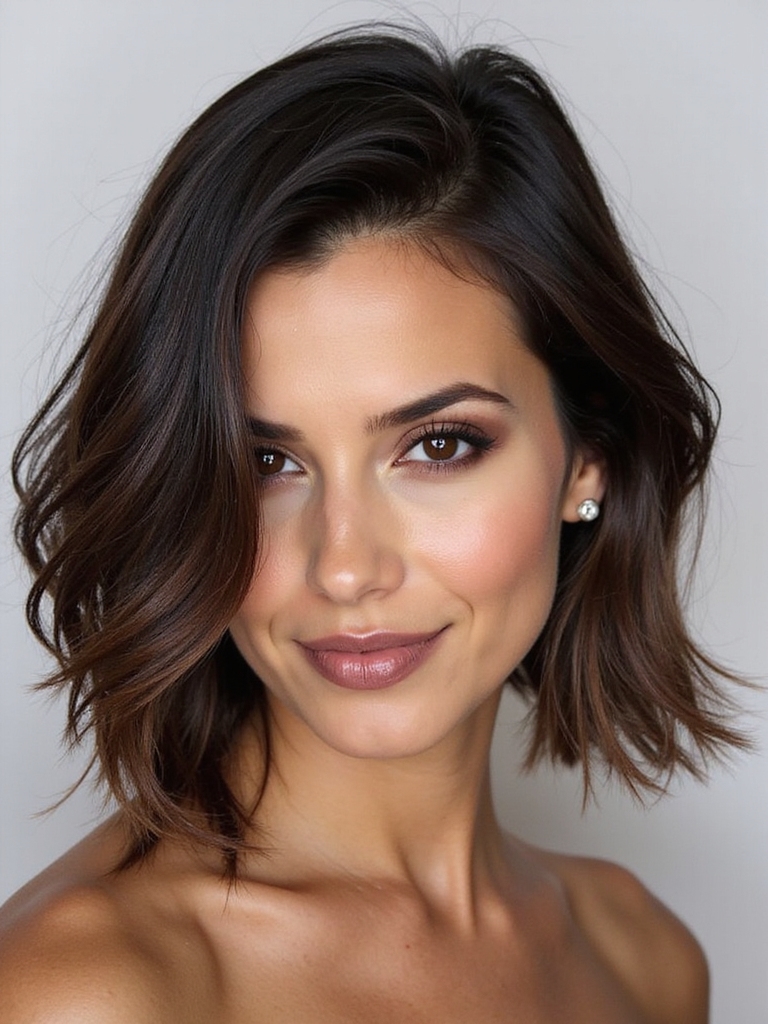
Add layers to a bob and it trades some sharpness for body and movement. A layered bob keeps the length but breaks up the weight, so it lifts at the roots and sweeps softly around the face with none of the one-solid-shape heaviness.
Who It Suits
It’s the most flattering option for anyone whose hair falls flat, and the most forgiving on grow-out: the layers soften gradually, they never blur into an odd line. Face-framing pieces at the front tie the whole thing together.
On fine hair the layers fake fullness; on thick or wavy hair they take out weight and add swing. Only very fine, fragile hair needs caution, since heavy layering can thin it out, so keep the layers restrained there.
The Textured, Undone Bob
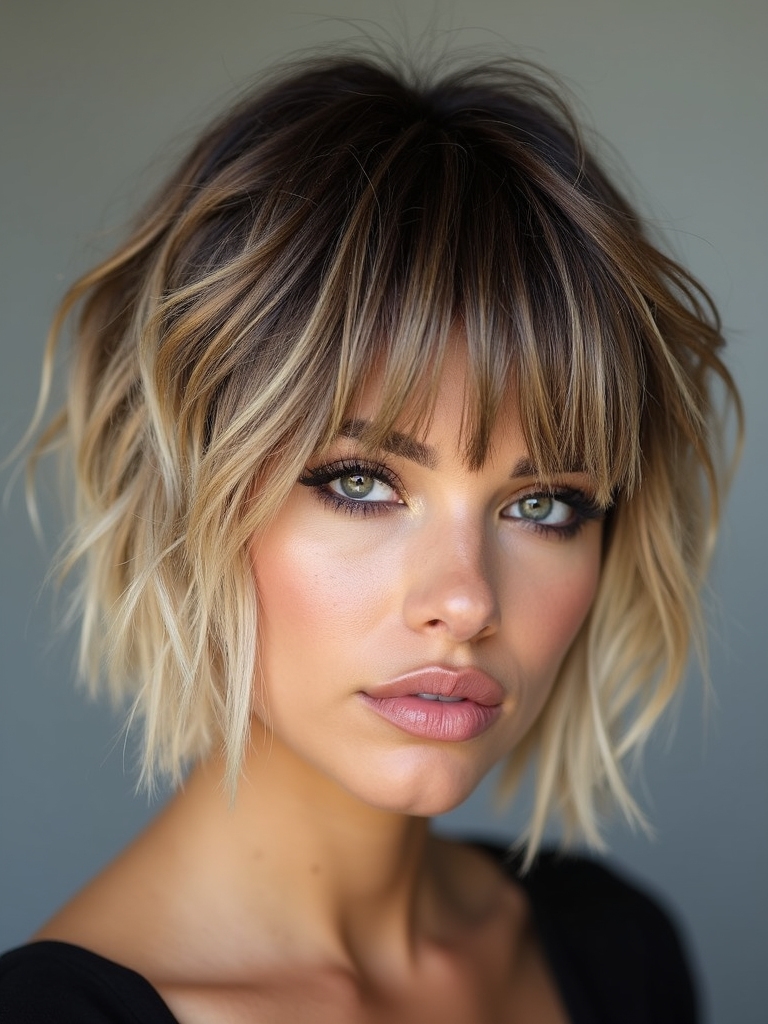
Not every bob is polished. Rough up the ends with a little point-cutting and a texture spray, and the same shape turns relaxed and undone, all soft, piecey movement with the clean line completely softened away. It’s the low-effort, cool-girl take.
It suits people who find a sharp bob too severe, and it’s a natural on hair with a bit of wave. A choppy bob pushes the texture even further for real edge.
| Sleek bob | Textured bob | |
|---|---|---|
| Finish | Smooth and glossy | Piecey and undone |
| Effort | Daily blow-dry | Wash and scrunch |
| Best for | Polish lovers | Low-maintenance types |
The Jaw-Skimming French Bob
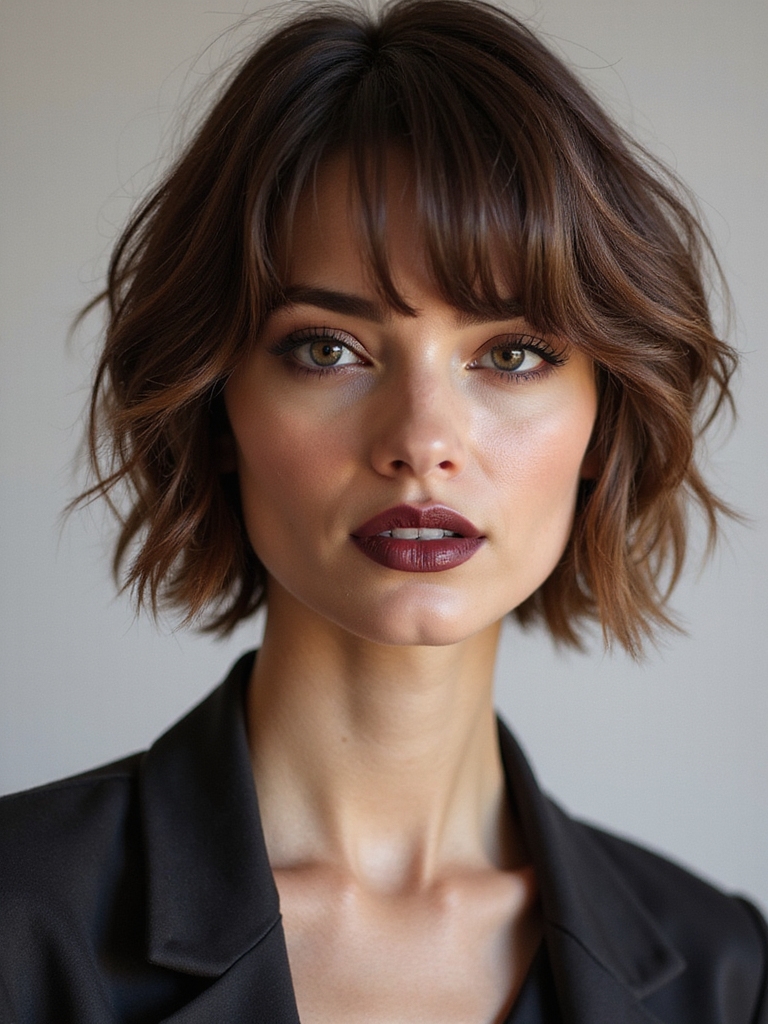
Shorter and always a little undone, the French bob crops the length up around the jaw or ear and pairs it with a soft fringe. It’s the chic, Parisian version, never too neat, worn with an air of not having tried.
The fringe is central to the look, usually a soft, wispy bang. Keep it a touch messy, never blow-dried to perfection, and it lands casually stylish, never fussy.
It’s a bold, fashion-forward crop that suits those who want a cut with personality. Wavy and straight hair wear it most easily, and the shorter length puts your features front and center.
The Collarbone Lob
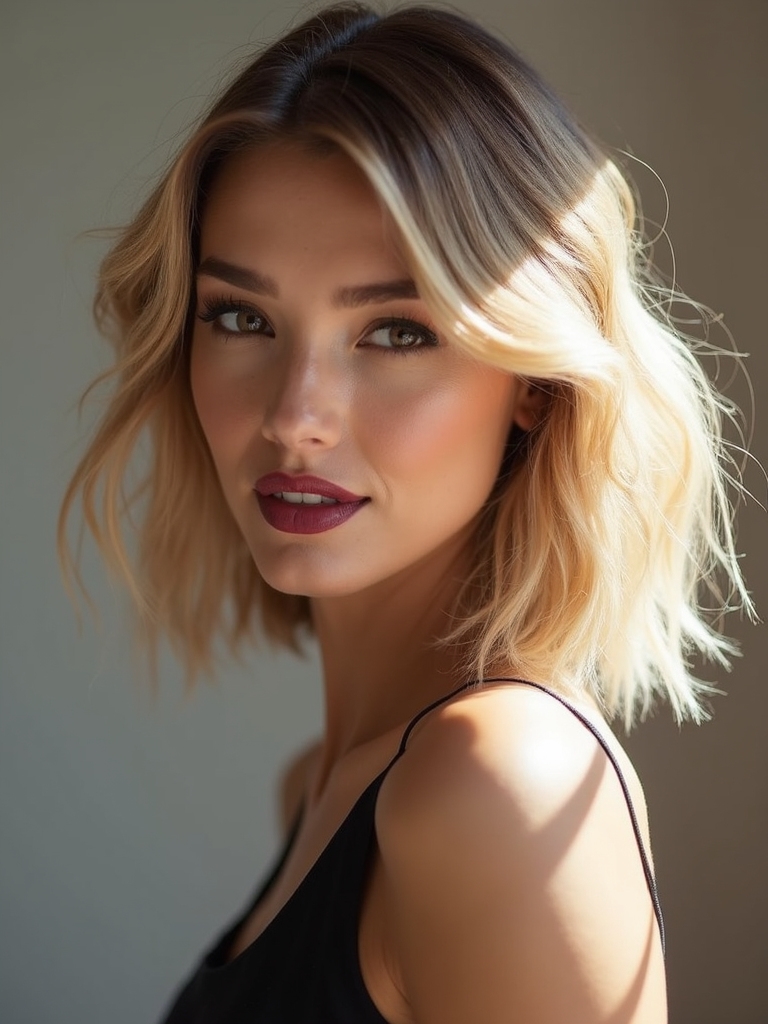
At the longer end of the family sits the lob, a longer bob that grazes the collarbone. It’s the most versatile, forgiving length of all, long enough to pull up, current enough to feel now, and flattering on nearly everyone.
It’s my go-to suggestion for anyone anxious about their first big cut, since it’s a real change without the commitment of going truly short. A long bob grows out gracefully and takes layers, waves, or a blunt finish equally well.
- The longest, most versatile, most forgiving bob.
- Enough length to pull into a low pony on busy days.
- Works with almost any texture and lifestyle.
The Angled A-Line Bob
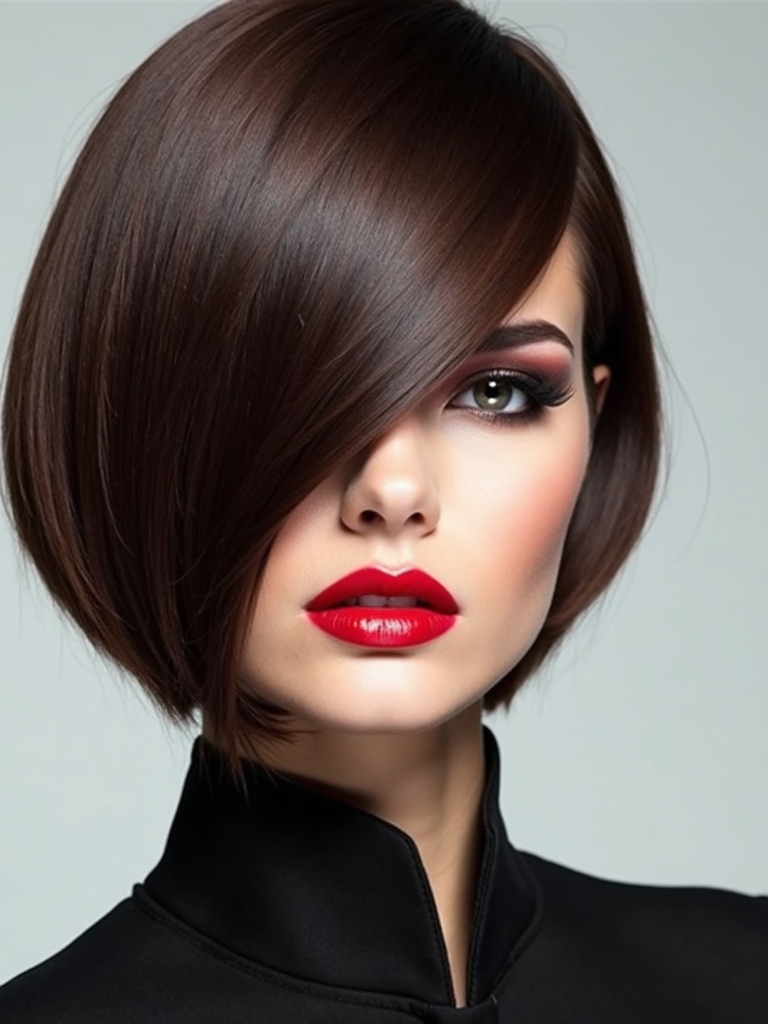
Graduate a bob short at the nape and longer through the front, and it becomes an A-line, sloping forward into two face-framing pieces. The angle adds volume at the back and a graphic, structured edge the classic bob doesn’t have. What defines it:
- Shorter at the nape, angled longer toward the front.
- Adds back volume and a sharp, directional line.
- Draws the eye down, a lift for round and full faces especially.
The Curly Bob
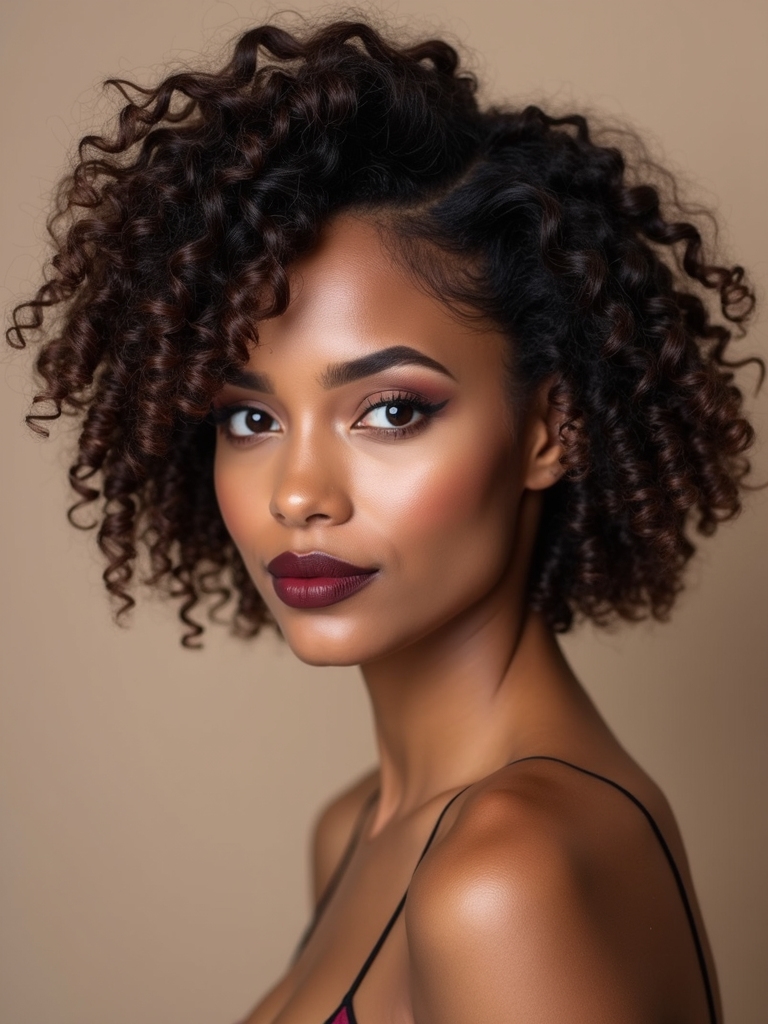
On curls and coils, a bob becomes something rounded and springy, full of natural body the sleek versions have to fake. A curly bob works with the texture, letting it sit full and bouncy at the jaw or neck.
Length and Shrinkage
The one rule that matters is a dry cut: shaping the curl in its sprung-up state so the finished length falls exactly where you want it. Cut wet, a curly bob can shrink far shorter than planned.
Because curls draw up as they dry, this shape is always cut with extra length banked in for shrinkage. Keep the ends hydrated so the shape stays defined, and find a stylist who cuts your pattern regularly.
Match the bob to your curl:
🎯Loose waves to 3a curls
A chin-to-jaw bob shows off the bounce beautifully.
🎯Tighter 3c to 4c coils
Go a touch longer, since shrinkage takes more length than you expect.
The Beach-Textured Bob
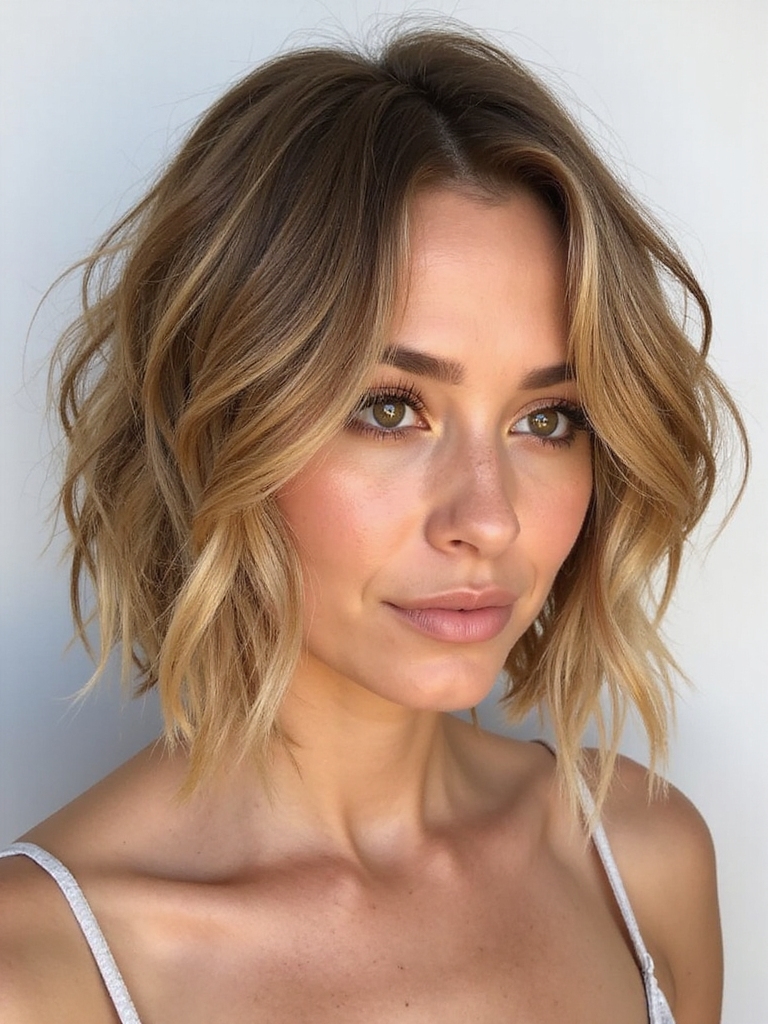
The beachy bob is the most relaxed version of all, worn with soft, salt-sprayed waves and a barely-styled finish. It’s summer energy in a haircut, all easy texture and movement, whatever the season.
It thrives on a natural wave, which the cut shapes and lets breathe, no smoothing involved. A salt spray and an air-dry are the whole routine, so it’s the lowest-effort bob to live with day to day.
It’s the pick for anyone ready to let their natural texture take over and skip the flat-ironing entirely, and it flatters most faces since the soft waves are forgiving. Fine hair gets the most out of it, going from flat to tousled with just a spritz.
The Inverted Stacked Bob
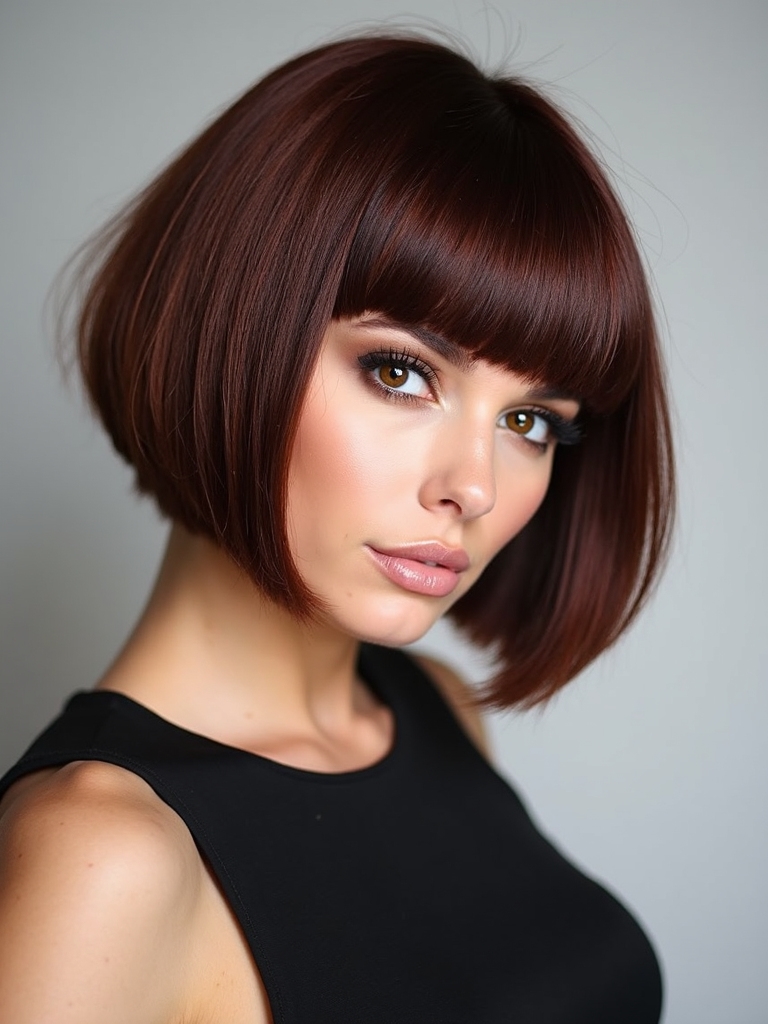
The inverted bob stacks short, graduated layers into the back so it rounds up and out, building serious crown volume, while the front stays longer. It’s the version for anyone chasing real lift and shape, well beyond a flat, blunt line.
The stacked back is what sets it apart, angling up from the nape for a full, rounded silhouette. A stacked bob leans toward a blow-dried finish over a wash-and-go, so it suits people who like structure.
It’s a favorite for fine or flat hair, since the graduation fakes body the hair can’t grow. Keep the front pieces long and clean, or the balance tips top-heavy fast.
The stacked back is the secret to volume without layers up top. It builds all the height at the crown, where you actually want it, and leaves the front sleek and long.
The Crisp Jaw-Grazing Blunt Bob
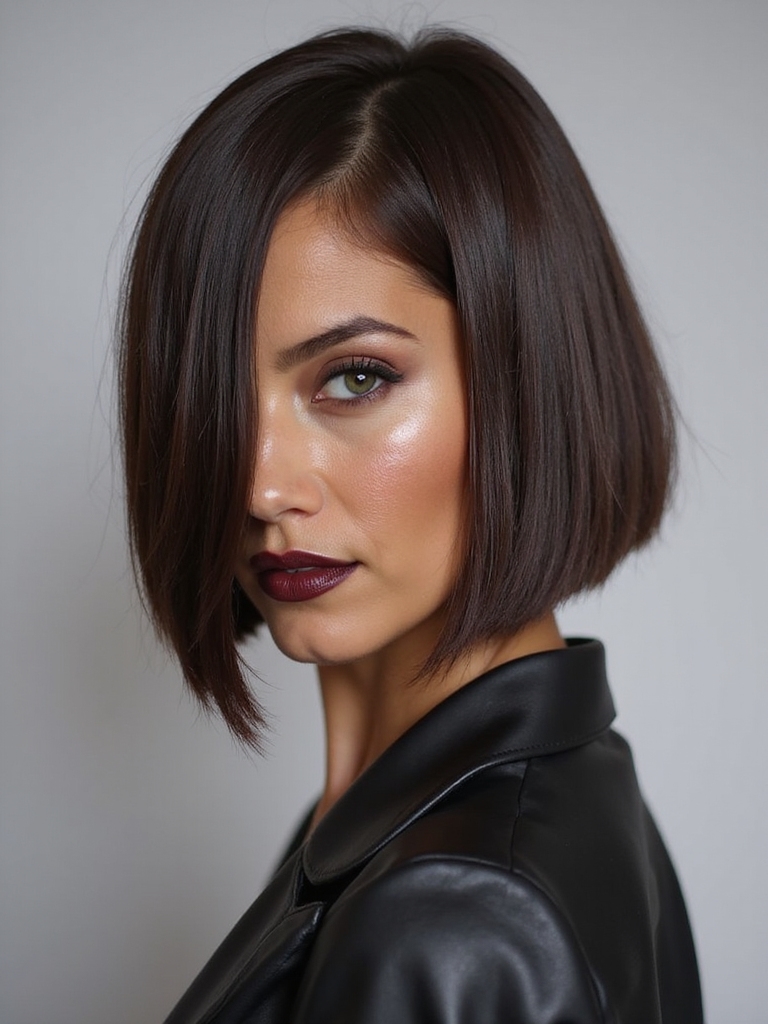
Take the length up to the jaw and keep it blunt, and you get one of the sharpest short bobs going. The jaw-grazing length frames the lower face and draws attention to the bone structure, crisp and graphic. What to know:
- The jaw length highlights cheekbones and a defined jaw.
- Best on slim necks and strong features that carry the sharpness.
- Higher upkeep than a longer bob, since it shows grow-out fast.
The Side-Parted Bob
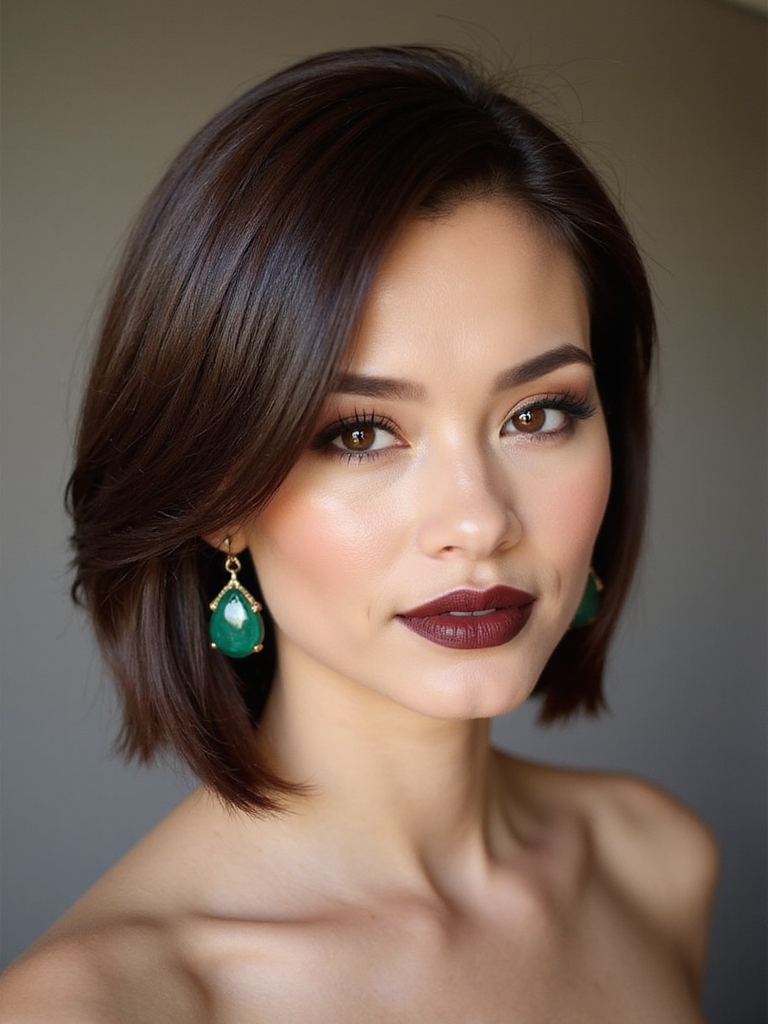
A simple change of part transforms a bob. Sweeping it deep to one side adds volume, softens a too-symmetrical shape, and sends a flattering diagonal across the forehead, turning even a plain blunt bob dynamic.
It’s the easiest way to reshape a bob you already have, no cutting required. Round and square faces see the biggest payoff, since the asymmetry breaks up a strong, even outline.
- Adds instant volume and softens a symmetrical bob.
- The diagonal sweep favors round and square faces most.
- The quickest bob change of all, just move the part.
The Curtain-Bang Bob
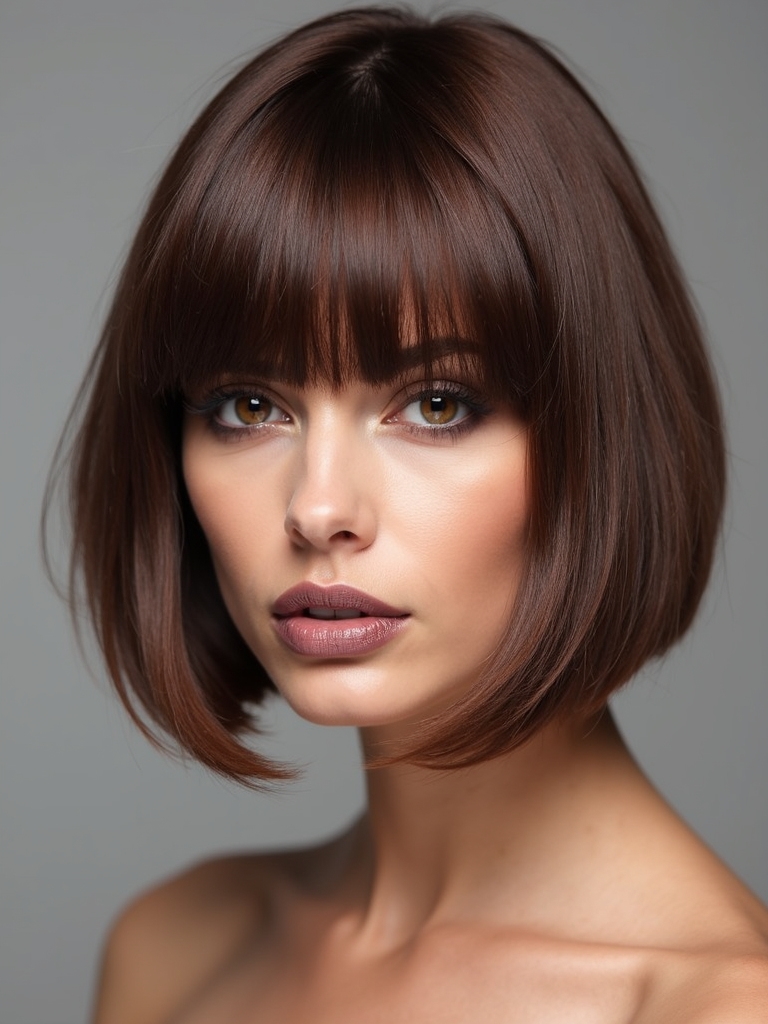
Add curtain bangs to a bob and you land on one of the salon’s most-requested pairings. A bob with curtain bangs pairs the clean shape with a soft, center-parted fringe that frames the face and warms up the graphic line underneath.
Because the bangs grow straight out of the front of the bob, they blend and lengthen gracefully into face-framing pieces with no separate stage to manage. It’s a soft, flattering pairing that suits almost every face.
- Softens a bob’s clean line with a face-framing fringe.
- Curtain bangs grow out easily into the front layers.
- Flatters nearly every face shape and texture.
“If you’re adding bangs to a bob, go curtain before blunt. They frame the face, forgive a cowlick, and grow out without the awkward stage a blunt fringe puts you through.”
The Shaggy Bob
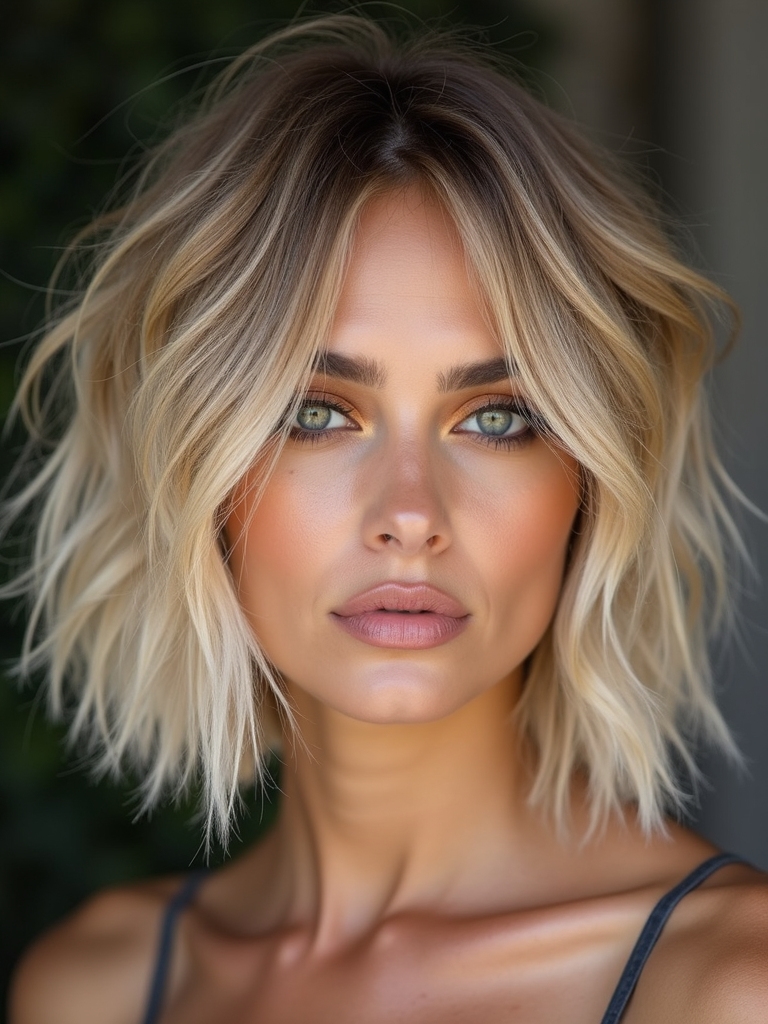
Take a bob and blur it toward a shag and you land on the coolest, most movement-filled version, a shaggy bob built on choppy, broken-up layers and heaps of texture. It bridges the sleek bob and the full shag, all attitude. What defines it:
- Heavier, more disconnected layers than a classic layered bob.
- Often paired with a curtain or wispy fringe.
- Best for those who want maximum texture and movement.
The Asymmetrical Bob
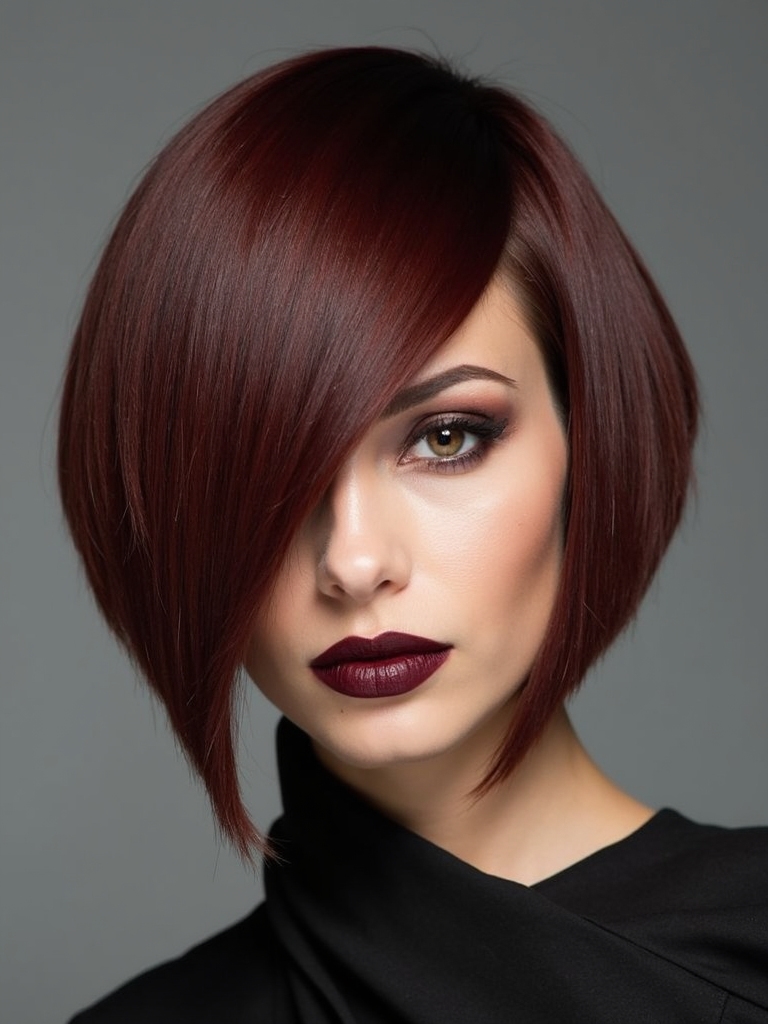
The boldest bob of the family is the asymmetrical one, cut noticeably longer on one side than the other. It’s a graphic, edgy statement, and it makes the sharpest impression of any cut here, all angles and intention.
It flatters those who want their haircut to be a talking point, and it works best on straight or wavy hair that holds the line. The trade-off is upkeep, since the uneven line needs regular trims to keep its deliberate shape.
How to Get the Look
Whichever bob catches your eye, the consultation is everything. Bring a photo, name the length (chin, jaw, or collarbone), the shape (blunt, angled, stacked), and the finish (sleek or textured), and mention any fringe. A bob is a precise cut, so the fuzzier your request, the more generic the result. A shaped bob runs around $50 to $120 with the cut, depending on your salon and length.
Then match the version to your real routine. A glossy blunt bob wants a daily blow-dry; a beachy or shaggy one air-dries in minutes. Be honest about how much time you’ll give it, and pick the bob that actually fits your life and your mood board both.
Bob Hairstyle Questions, Answered
?Which bob suits my face shape?
Length and part do most of the work. Round faces suit a chin-length or longer bob with a side or center part that adds length; long faces do better with a jaw-length bob and a fringe; square faces soften with waves or a curtain bang. When unsure, a collarbone lob flatters almost everyone.
?Is a bob hard to maintain?
It depends on the version. A blunt or sleek bob needs regular trims and a daily smooth-out, while a shaggy, beachy, or layered one is far more forgiving and often air-dries into shape. Shorter bobs need trimming more often, since they lose their line faster.
?Will a bob work on curly hair?
Definitely, and it can look spectacular, rounded and full of natural body. What matters is shaping it dry to suit your curl pattern, with extra length banked in for shrinkage. Cut wet, a curly bob risks shrinking far shorter than you planned.
A Bob for Every Mood
The reason the bob never dies is that it was never one haircut. It’s a whole language of length, shape, and texture, fluent in sharp and soft, classic and edgy, polished and undone, so there’s a version for every face, every texture, and every mood you might be in.
So the only real question is which one you’re in the mood for: the crisp precision of a blunt bob, the easy movement of a shag, or the soft frame of curtain bangs? Answer that honestly, bring a photo, and you’ll leave with a cut that finally feels like you.
More to Explore