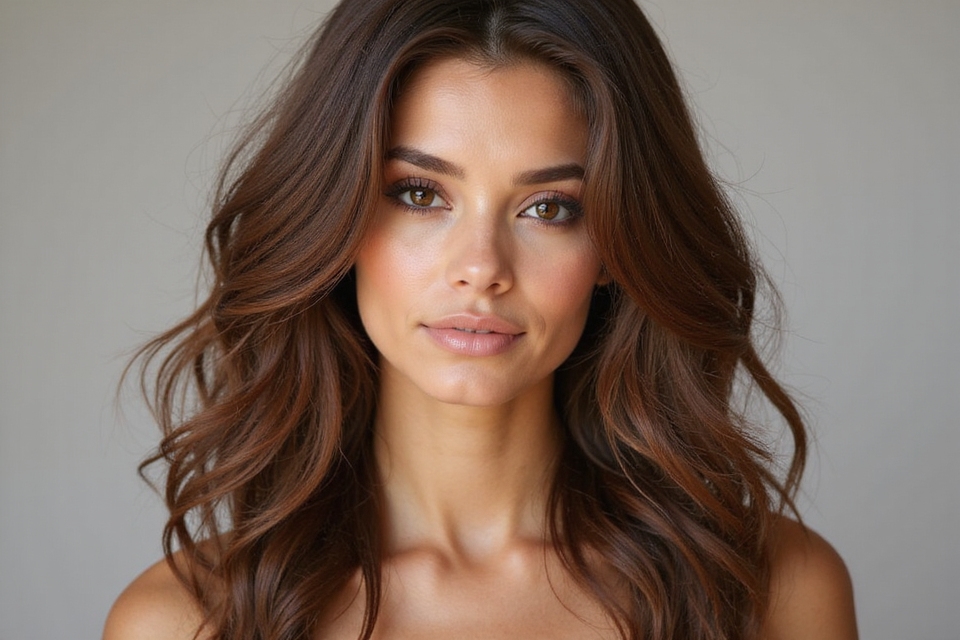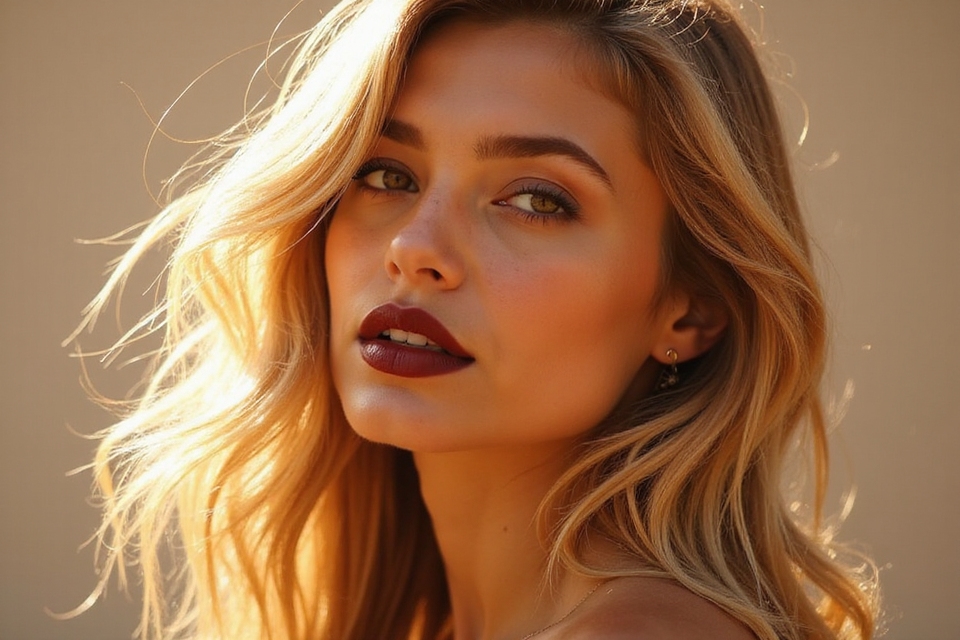
What actually separates warm blonde from every other shade of blonde? Undertone. Warm blonde leans into golden, honey, and caramel instead of fighting them off with blue-based toners, which is exactly why it tends to be more forgiving and lower-maintenance than icy or ash blonde.
This covers the range of warm blonde, from soft natural highlights to full balayage, along with the shade-matching, upkeep, and product choices that keep the gold looking intentional rather than brassy.
Undertone Decides Everything Here
Warm blonde is built on a golden or honey undertone, not a blue-based one, which is what makes it forgiving and comparatively low-maintenance.
Purple shampoo fights this exact warmth, so warm blonde calls for hydrating, color-safe products and an occasional gloss instead, with balayage offering the softest, most grown-out-friendly version of the color.
The Sun-Kissed Warm Blonde

Sun-kissed warm blonde is the shade most people picture when imagining a week spent somewhere warm. It runs on golden and honey tones that echo the way real sunlight actually lightens hair, brightest near the face and through the ends.
- Built on a golden or honey undertone rather than an ashy base
- Brightest concentration sits around the face and through the ends
- The reference point every other shade in this guide gets compared to
Natural-Looking Warm Highlights

The most flattering version of warm blonde rarely means going blonde everywhere at once. Soft highlights woven through a natural base add depth that a single solid shade can’t match, and they grow out with far less drama.
Keeping the contrast close to the natural base, usually just a few levels lighter, is what makes the result look like sunlight did the work rather than a colorist.
Concentrating brightness around the face and through the mid-lengths, while leaving depth at the root, is the placement most stylists reach for by default. Our honey blonde hair guide covers a deeper starting version of this same idea.
Honey Undertones

Honey sits at the heart of warm blonde: a rich, golden-amber tone a shade deeper than bright gold. It suits an unusually wide range of skin tones, from fair to deep, without much adjustment needed.
Because honey already carries real depth, it grows out more gently than a brighter blonde and needs less frequent lightening to stay looking intentional.
- A dependable mid-tone that works across most skin undertones
- Grows out softer than bright gold, since the depth is already built in
- On deeper skin tones, honey and caramel read especially luminous
Golden Highlights for Radiance

Brighter than honey, golden highlights sit at the boldest end of warm blonde, all shine and reflected light. They draw the eye toward the face and give hair a noticeable glow rather than a subtle one.
That extra brightness does ask for more upkeep, since lighter tones show regrowth and dullness sooner. A gloss appointment roughly every two months keeps the gold looking clean instead of flat.
Choosing a Shade for Your Skin Tone

Warm blonde earns its reputation as the most broadly flattering blonde family because warmth harmonizes with an unusually wide range of skin tones. Golden or warm undertones in the skin make almost any warm blonde work on the first try.
Olive and deeper skin tones tend to glow especially with rich honey and caramel, while cooler complexions can still wear warm blonde well as long as the gold stays soft near the face.
- A simple wrist-vein check (greenish leans warm, blue leans cool) helps gauge starting point
- Deeper honey and caramel suit olive and deep skin especially well
- Softer, face-framing gold works even on cooler complexions
Keeping Warm Blonde Bright

The single most common mistake with warm blonde is reaching for purple shampoo out of habit. Purple products are built specifically to cancel yellow and gold, which is precisely the warmth worth protecting here.
Hydrating, color-safe products plus a gloss to refresh tone do the actual job. Lightened hair runs drier by nature, so moisture matters as much as color maintenance itself.
Styling Your Warm Blonde

Warm blonde shows off shine and dimension better than most colors, which makes styling less about changing the look and more about drawing out what’s already there.
Smooth, healthy strands reflect the most light, which is what makes the gold read richer, so finishing technique matters nearly as much as the color underneath it.
A heat protectant on lightened hair isn’t optional, since lightened strands are more fragile than virgin hair. A shine serum or a cool-air blast at the end of styling boosts reflectiveness, and loose waves generally show off dimension better than pin-straight hair does.
Warm Blonde Through the Seasons

Warm blonde shifts easily with the seasons without needing a dramatic change underneath. Brighter, buttery tones feel natural in spring and summer, while deeper honey and caramel feel richer once the weather cools.
- Spring and summer: brighter golden and buttery tones echo natural sun-lightening
- Fall and winter: deeper honey, caramel, or bronde tones feel cozier
- Many people let the color drift naturally between the two rather than forcing a hard reset
🅰️Brighter for summer
Buttery, sun-lightened gold. Feels fresh, but shows regrowth and dullness fastest.
🅱️Deeper for winter
Rich honey or caramel. Feels cozier and stretches longer between appointments.
Warm Blonde Looks to Inspire You

Warm blonde covers real range, from barely-there golden highlights on a brunette base all the way to a fully buttery all-over blonde. Knowing what actually exists helps bring a clear reference into a consultation instead of a vague idea.
- A stylist can only build toward a photo they’ve actually seen
- Bringing two or three references shows the warmth level, not just the shade
- Being upfront about upkeep tolerance shapes the recommendation as much as the photo does
Balayage for a Sun-Kissed Effect

If one technique was built for warm blonde, it’s balayage. Color gets hand-painted directly onto the hair, concentrated where sunlight would naturally lighten it, which creates the soft, dimensional, grown-out-friendly result warm blonde is known for. Our brown balayage hair guide covers the technique starting from a darker base.
- No hard regrowth line, since there’s no single lightening point to grow out
- Appointments typically stretch further apart than traditional foil highlights
- Brightness builds gradually toward the ends and around the face, mimicking real sun exposure
A couple of color terms worth knowing before a consultation:
📖Balayage
A hand-painted highlighting technique with no foil, built to fade gradually rather than grow out in a hard line.
📖Gloss
A translucent, semi-permanent tone that refreshes color and adds shine without lifting hair further.
Warm Blonde for Different Hair Types

Warm blonde works across nearly every hair type, though the approach shifts with texture. Fine hair takes color fast and can look thin if over-lightened, so softer, dimensional highlighting adds the appearance of fullness instead.
Thick, coarse hair holds color well and can carry bolder, more all-over warmth. Curly and coily hair wears warm blonde beautifully too, with gold catching every coil, though it needs extra conditioning since lightening dries textured hair more noticeably. Our brown hair with blonde highlights guide has more on partial-highlight approaches for different textures.
Going Blonde at Home

At-home color is where the most expensive mistakes tend to happen. Box dye and home lightening are unpredictable, especially when lifting toward blonde, and results often pull uneven, patchy, or unexpectedly brassy.
Some at-home steps are low-risk, though. A gloss or toning treatment between salon visits, or a hydrating mask, is safe territory. Saving the actual lightening for a professional tends to cost less overall than fixing a home-color mistake afterward.
- Safe at home: toning glosses, hydrating masks, gentle maintenance
- Risky at home: any real lift toward a lighter level
- A correction visit typically costs meaningfully more than the original service would have
Salon Services Worth the Cost

For the actual lightening, a salon is where warm blonde gets made properly. A colorist reads the starting level, lifts hair safely, and places warmth exactly where it flatters, which is the real difference between a soft glow and a brassy mess.
Beyond the first appointment, ongoing glosses, toners, and bond treatments are what keep warm blonde healthy and bright over time.
- Ask for a realistic maintenance schedule and cost upfront, not after the fact
- A first lightening session often starts near $180, well above a maintenance gloss typically booked every few months
- Bond treatments used during lightening help keep strands from becoming brittle
Products to Enhance Your Glow

The right products keep warm blonde looking salon-fresh for weeks; the wrong ones undo it fast. Choosing a shampoo and conditioner without sulfates is the starting point, since sulfates strip both color and moisture out of hair that’s already fragile from lightening.
A bond-building treatment adds strength back into lightened strands, and a shine or gloss product boosts reflectiveness between salon visits.
Purple shampoo is the one product worth skipping here entirely, unless brassiness becomes a real problem between appointments, since it works directly against the warmth this whole color is built on.
Transitioning From Cool to Warm

Plenty of people arrive at warm blonde after years chasing ash or platinum and finding it harsh or high-maintenance. Warming up a cool blonde tends to be one of the easier color transitions available, since it’s a matter of adding tone rather than lifting further. Our ash blonde hair guide covers the cool-toned starting point for comparison.
A colorist adds golden and honey tones through gloss and lowlights, bringing depth back into color that had gone flat and cool.
A single appointment is often enough to soften an icy blonde into something warmer, and the result tends to read healthier almost immediately, since flat cool tones can look tired against most skin.
How a colorist typically warms up an existing cool blonde:
1Assess the base
Check how much yellow or gold is already hiding underneath the cool tone before adding anything.
2Add warmth in layers
Gloss and lowlights go in gradually, since it’s easier to add warmth than to remove excess.
Pairing Warm Blonde With Your Wardrobe

Warm blonde has a natural affinity with warm, earthy tones, which is worth knowing when getting dressed or picking accessories. The right pairings make the color look richer; a few clashing ones can flatten it fast.
- Camel, rust, cream, and olive echo and amplify the warmth
- Gold jewelry tends to complement warm blonde more than silver does
- Peach and bronze makeup tones tie the whole look together
How Warm Blonde Evolved

Warm blonde has moved in and out of fashion for decades, and that history explains part of why it keeps returning. The golden, buttery blondes of mid-century glamour gave way to brighter, sometimes brassier highlights in later decades.
More recently, balayage shifted warm blonde away from high-contrast highlighting toward the soft, dimensional, sun-kissed look most people associate with it now.
The technique made the warmth look natural and considerably easier to maintain, which explains a large part of why the color has stayed popular rather than cycling out again.
A Timeless Classic

Warm blonde endures where sharper fashion colors tend to date quickly, mostly because it’s rooted in something that already exists in nature: the way real sunlight lightens and warms hair over time.
Why It Keeps Coming Back
That natural reference point is exactly why it rarely looks dated the way a trend-driven fashion color can a few years later.
It mimics natural sun-lightening rather than chasing a passing trend, the soft version grows out gracefully over months, and it flatters across a wide range of ages, skin tones, and textures at once.
Where People Get Tripped Up
The most common regret isn’t the color itself; it’s skipping the maintenance conversation upfront. Warm blonde is lower-upkeep than ash or platinum, but lower still means a plan, not zero visits at all.
Warm Blonde at Every Age

Warm blonde flatters at nearly every age, and it tends to earn extra appreciation later in life. The warmth adds softness and a healthy-looking glow to skin, which becomes more valuable as natural coloring cools somewhat with age.
For anyone going gray, warm blonde and honey tones blend into silver more softly than a flat, solid color would, which is part of why so many people shift toward warm blonde specifically during that transition.
Overcoming Common Color Challenges
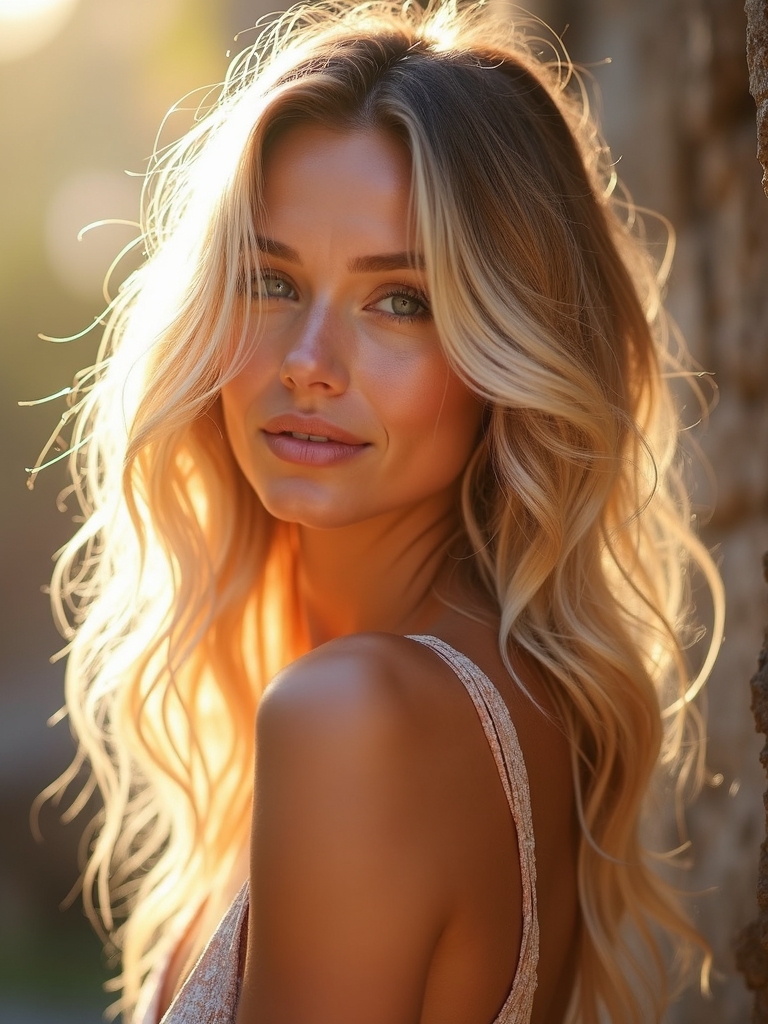
The most common warm blonde complaint is unwanted brassiness, when warmth tips from glowing gold into something closer to orange. A professional gloss that controls tone while preserving warmth is the fix; purple shampoo over-corrects and cools things too far.
Brassiness and Dryness, Solved Separately
Dryness is the other frequent issue, since lightening is inherently drying by nature. Regular deep conditioning, bond treatments, and gentler heat habits keep hair shiny, and shine does more for how expensive color looks than the shade itself.
Banding, an uneven line where regrowth meets color, usually points to overdue root work rather than a flaw in the color choice, and it’s typically an easy fix at the next appointment.
What to Expect
Beyond the color itself, a few habits keep warm blonde looking its best between visits. Washing less often, with cooler water, slows fading and preserves moisture, and a hydrating conditioner should follow every wash.
A heat protectant before any styling tool matters on lightened hair, since it’s more porous and fragile than hair that’s never been colored. Sun and chlorine both fade warm tones faster than everyday wear does, so a leave-in with UV protection is worth adding before a beach day or a pool trip.
Warm Blonde Questions Worth Asking
?Should purple shampoo ever be used on warm blonde?
Rarely, and only in small doses if brassiness becomes a real problem between appointments. Used regularly, purple shampoo cancels the exact yellow and gold tones that define warm blonde, leaving it dull and muddy instead of glowing.
?Is warm blonde actually lower-maintenance than cool or ash blonde?
Generally, yes. Warm tones grow out more softly and don’t demand the constant toning that ash and platinum need to avoid turning brassy, which is part of why so many people switch toward warmth over time.
?Can dark brown hair go warm blonde in a single appointment?
Rarely safely. A dramatic jump from dark brown to warm blonde usually needs more than one session to protect hair integrity, even though the color itself could technically lift faster with more aggressive processing.
?Does warm blonde work on hair that’s already color-treated or damaged?
It can, but a strand test and an honest conversation about existing damage should come before any lightening. Already-processed hair lifts less predictably, and skipping that check is a common cause of unexpected breakage.
?How is warm blonde different from just blonde highlights?
Warm blonde specifically means the undertone stays golden or honey rather than neutral or ashy. Plenty of highlights are technically blonde but lean cool or neutral, which is a different look and a different maintenance routine entirely.
Work With the Warmth, Not Against It
The core idea worth keeping is simple: stop fighting warm blonde and start working with it. The whole appeal here is warmth, whether it shows up as gold, honey, or caramel, so reaching for the wrong cooling product undoes exactly what made the color worth choosing.
Save whichever version of warm blonde caught the most attention here, and bring a clear photo to a consultation along with an honest sense of how much upkeep actually fits the current routine.
Next Up