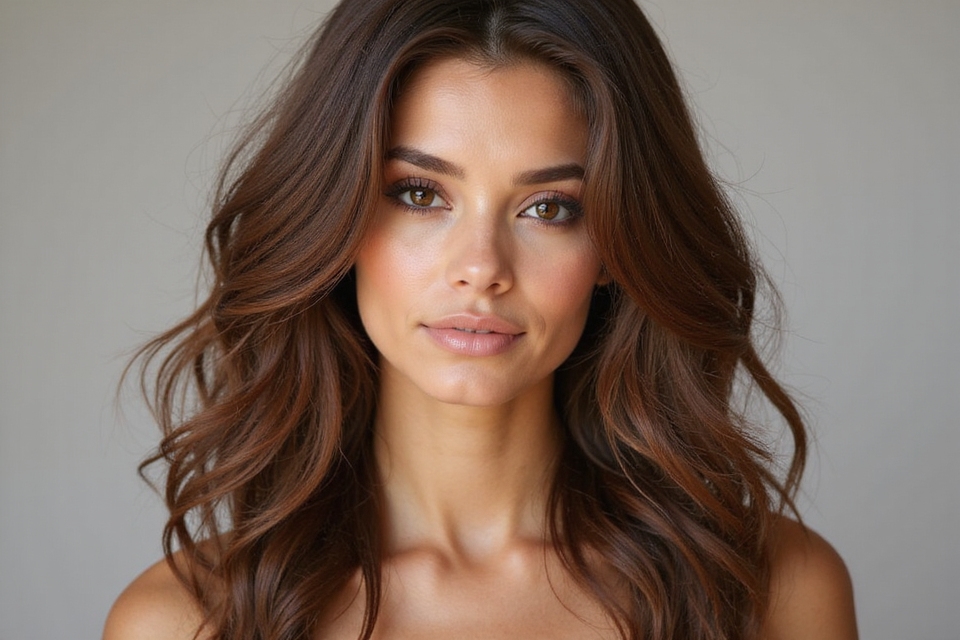
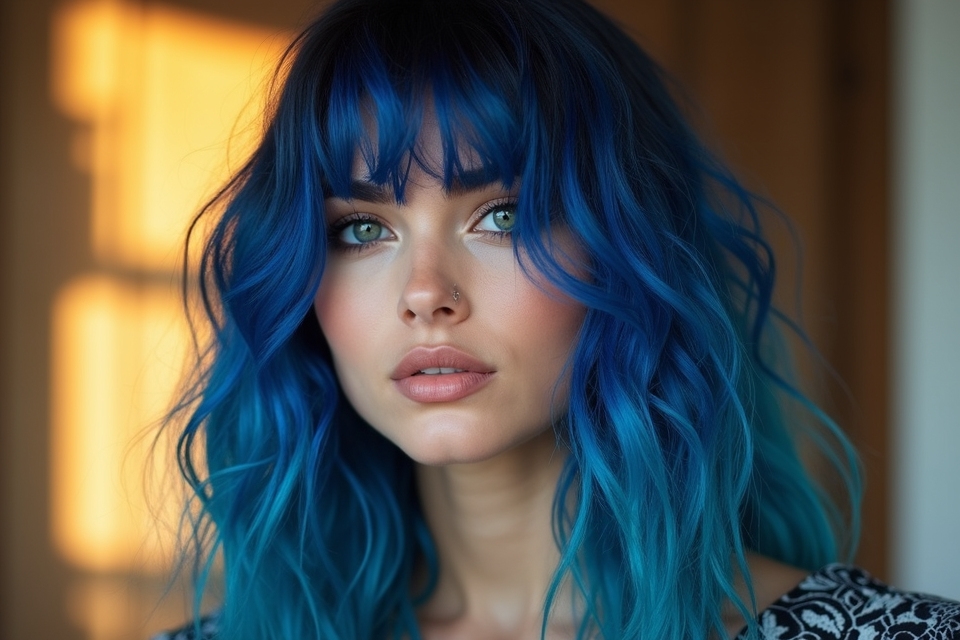
Dark hair color ideas carry more range than blonde ever will. Twenty distinct shades sit inside the word “dark,” from a mirror-flat black to a chocolate warm enough to look sun-touched, and almost none of them behave the same way once the light changes.
What follows sorts twenty of them by undertone, upkeep, and mood, so the shade that gets picked actually matches the person wearing it, not just the photo it came from.
Before Picking a Shade
Shine does more work on dark hair than tone does; a glossy black looks more expensive than a dull, perfectly-matched brown ever will.
Most shades here deposit onto dark hair with little to no lifting required, which keeps a first color change in easier territory than going lighter usually is.
Jet Black, the Never-Fail Classic

Jet black sits at the deepest end of the spectrum, a flat, true black with almost no undertone showing through. Under studio light it holds a dramatic edge; under everyday light it settles into something more polished.
Healthy, well-conditioned hair is close to non-negotiable here, since jet black shows every dry patch and split end the way a dark car shows dust on the hood. A weekly gloss and a silk pillowcase do more for this shade than any single product claim on a bottle.
- The flattest, purest black on the spectrum
- Shows hair condition more than any other shade here
- A weekly gloss keeps the surface mirror-smooth
Warm, Luxurious Deep Chocolate Brown

Deep chocolate brown carries real warmth inside a dark base, landing somewhere between black and a lighter brunette. It softens the overall effect and takes the edge off, which is why colorists often reach for it on anyone who finds true black a little harsh against their face.
The dark chocolate brown hair guide covers this shade in more depth, including how it holds up against fading and sun exposure over a full season.
- Softer and warmer than a true black
- Holds tone well between salon visits
- A gentler entry point for anyone new to going dark
Rich, Intense Espresso

Espresso sits one shade above true black, an almost-black brown with a visible thread of warmth running through it. Someone who wants the drama of black without quite the starkness usually lands here instead.
By the third wash, most colors settle into their true depth, and espresso is no exception: it looks a shade lighter and warmer once the initial color-fresh richness fades, which is worth knowing before picking it off a swatch.
Midnight Blue-Black
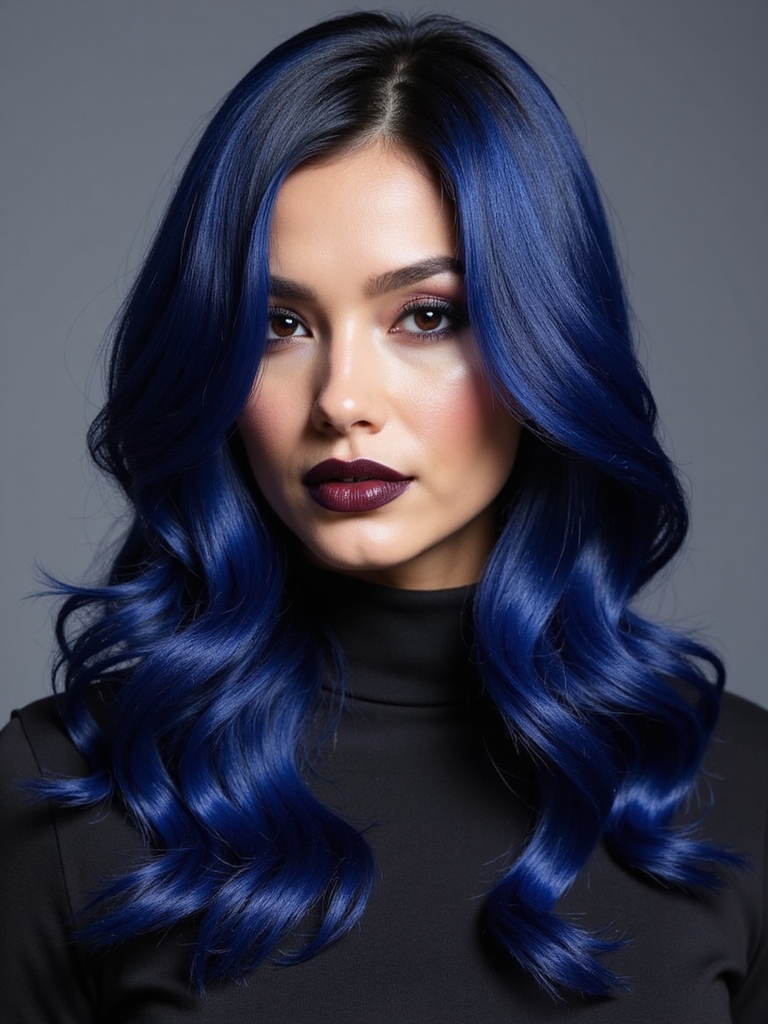
Midnight blue-black tucks a cool blue tone underneath a black base, invisible in most indoor light and unmistakable the moment direct sun or a camera flash catches it. In a dimly lit room, it blends into a plain black with no visible cue.
The blue lean sits coolest against fair-to-medium cool undertones, though the effect stays subtle enough that it rarely clashes the way a bolder fantasy color can. The dark blue hair guide covers bolder, more visible versions of the same idea.
- A blue tone hidden inside an otherwise black base
- Only visible in direct or bright light
- The most understated way to add color to black
Strikingly Bold Glossy Raven

Raven black carries a multi-tonal shine that jet black doesn’t, named for the way a raven’s feathers shift color as the bird moves. Where jet black holds one flat depth, raven catches light in shifting planes instead.
That shifting quality depends almost entirely on hair condition. On smooth, healthy strands it stays alive with movement; on dry or over-processed hair, the same base color falls flat into an ordinary black.
A weekly deep-conditioning mask and a gloss between color appointments keep the shine doing the work the base color alone can’t.
Sophisticated Dark Mocha

Dark mocha splits the difference between a warm and a cool brown, landing on a balanced depth that doesn’t pull hard in either direction. That neutrality makes it a reasonable starting point for anyone who isn’t sure which side of the undertone line they fall on.
- A balanced brown, neither clearly warm nor clearly cool
- A practical first choice when undertone is uncertain
- Reads polished without needing a bold personality to pull off
Plum-Infused Black

Plum-infused black hides a purple tone inside a black base, invisible until direct light catches it and pulls out a jewel-toned glow. Upkeep runs much like midnight blue-black, since both are deposit-only and don’t need the natural base lifted first.
- A purple glow that only shows in direct light
- Deposits onto dark hair with little to no lifting
- A subtler cousin of a full plum or burgundy color
Not sure where to start on the dark spectrum? A quick way to narrow it down:
🎯Warm skin, want low-risk
Deep chocolate brown or dark chestnut
🎯Cool skin, want low-risk
Espresso or dark ash brown
🎯Unsure of undertone
Dark mocha, the balanced middle ground
Natural, Rich Dark Chestnut

Dark chestnut carries a warm, reddish undertone through a deep brown base, and out of every shade on this list, it comes closest to passing as hair that was never colored at all. It’s the shade people reach for when the goal is depth without anyone asking who did their color.
- Reads the most natural of any shade here
- A warm brown with visible red undertones
- A fuller breakdown lives in the chestnut brown hair guide
Sleek, Polished Ebony Shine

Ebony shine is less a specific tone and more a finish: a black taken to its glassiest, most reflective extreme. The exact tone underneath barely matters once the surface is doing this much of the work.
It rewards smooth, healthy hair more than any other shade on this list, since every dry patch or rough cuticle shows up as a dull spot against the shine everywhere else.
A flat iron pass, a shine serum, and a cool-water rinse at the end of a wash are what actually take a plain black toward this glassy result.
Soft, Warm Dark Maple

Dark maple blends gold and reddish-brown into a warm, syrupy depth that sits between chestnut and a deeper caramel, cozy and unhurried.
Where Maple Sits Against Its Neighbors
It isn’t as red as chestnut and isn’t as deep as espresso, which puts it in an in-between category for anyone who wants warmth without either of those two associations.
Because it leans warm, it fades toward brass faster than a cool shade would, so a color-safe shampoo does more work here than it does on a true black.
Rich Mahogany Depth

Mahogany threads a cool, red-violet richness through deep brown, giving plain dark hair a quiet wine-red lean without the loud copper statement a bright red would bring.
Why the Red Fades First
It deposits onto dark hair with little to no lifting needed, which keeps the process straightforward compared with a brighter red that requires more prep work.
The red pigment fades before the brown base does, the way most red-based colors behave, so a tinted gloss between full color visits keeps the wine tone from washing out early.
Mysterious Licorice Black

Licorice black is a softer, more muted black than jet or ebony, with less mirror-shine and more of a matte-leaning finish. It skips the high-gloss step that jet black almost demands, which makes it a more forgiving choice for hair that’s a little drier or more textured than a mirror finish would flatter.
It comes across as moody rather than glossy, a quieter, more undone take on dark that suits anyone who wants the depth of black without quite so much polish. A matte styling cream keeps the finish consistent with that intent; shine serum works against the whole point here.
Soft Charcoal
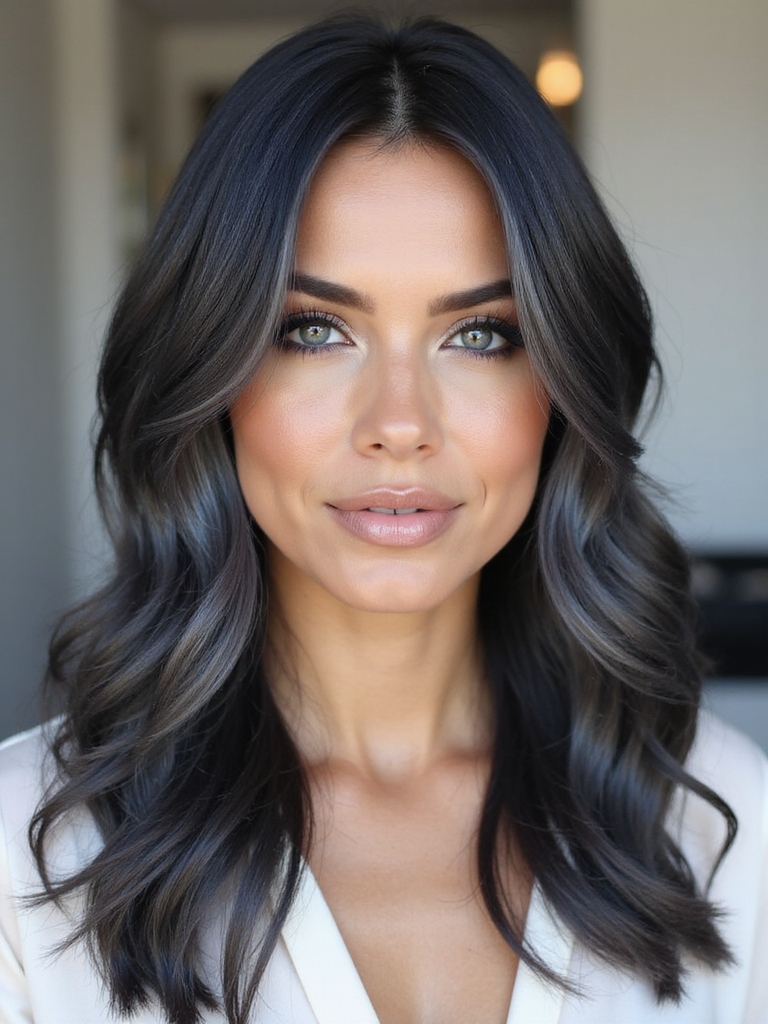
Soft charcoal swaps some of true black’s depth for a hazy, cool gray-black quality, landing as a modern alternative for anyone who finds a flat black too heavy. Getting there usually means lifting the natural base first and then toning it cool, which puts the appointment closer to $150-$220, above the flat rate of a single-process dark color. A purple or blue conditioner between visits keeps the ash from warming back up.
- A cool, hazy gray-black, several shades softer than a flat true black
- Requires lifting and toning, unlike most darks on this list
- A cool-toned conditioner slows the warmth from creeping back
📋Before Going This Dark
- ✓Check whether the salon can match the depth in one visit or needs a pre-pigment step
- ✓Ask how the shade fades: cool darks toward gray, warm darks toward brass
- ✓Confirm the aftercare routine, including gloss cadence, before committing
Cool, Chic Dark Ash Brown

Dark ash brown pulls a deep brown base in the cool direction, muting any red or gold undertone for a smoky, modern result. It’s a strong pick for anyone who has fought a warm-toned brown before and wants the opposite problem this time.
The Brass Problem, Solved
It’s the shade colorists reach for on anyone whose brown keeps drifting brassy or red as it grows out and fades. Regular toning holds the cool cast; skip it for a few months and the warmth underneath starts pushing back through.
The ash brown hair guide goes deeper into keeping an ash tone cool over several months, past the first fresh-color week.
Cherry-Black Fusion

Cherry-black fuses a deep cherry red into a black base, so the color flashes warm and juicy wherever direct light hits it.
It runs bolder and warmer than plum-infused black, closer to a glossy red wine than a jewel-toned purple, and the black base keeps the whole thing grounded rather than costume-like.
- A warm cherry-red flash inside a black base
- Bolder and warmer than the plum-black version
- The red fades first, so a tinted gloss extends it
🅰️Warm Dark Brown
Leans gold or red; fades toward brass faster but looks richer in warm light.
🅱️Cool Dark Ash Brown
Leans smoky and muted; needs toning to hold but resists brassiness longer.
Blackened Green-Blue
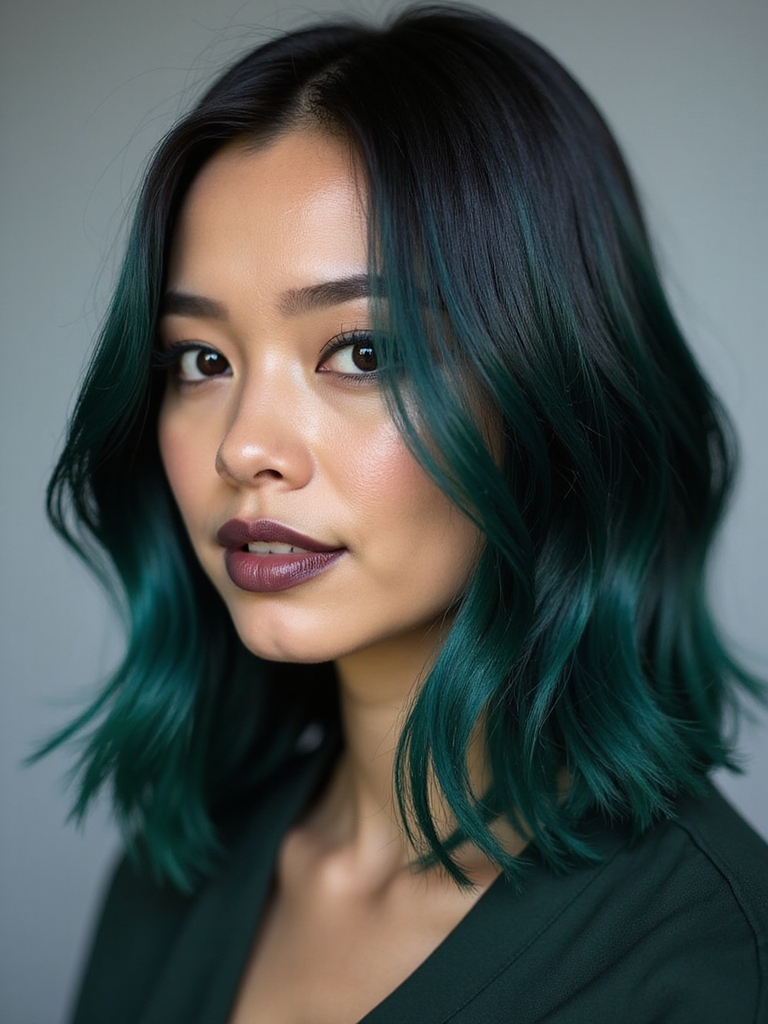
Blackened green-blue tucks a deep teal into a black base, passing for a plain black at a glance and then surprising with an oceanic green-blue the moment it catches the light. Of every hidden-tone shade on this list, it’s the one most likely to get a second look from a stranger who catches it in the sun.
It’s the most unusual hidden tone on this list, and it takes a little more toning upkeep than the blue-black or plum-black versions to keep the teal from drifting into a murky gray. A colorist familiar with green-based tones matters more here than with the simpler blue or purple versions.
Dark Truffle Depth

Dark truffle is a mushroom-toned deep brown that balances a cool, taupe base with just enough warmth to keep it from reading flat.
It sits as the more muted, editorial cousin of dark mocha, with a greige quality that feels current and a little unexpected.
- A cool, taupe-leaning deep brown
- More muted and editorial than a standard mocha
- Needs light toning to hold the cool taupe base
A few terms worth knowing before booking any of the hidden-tone darks above:
📖Deposit-only color
A color that doesn’t require lifting the natural base first, which is why most shades on this list are lower-commitment than going lighter.
📖Toning
A follow-up step that adjusts an undertone, cooling down warmth or keeping a hidden hue like teal or plum from fading murky.
Subtle Smoky Quartz

Smoky quartz is a soft, hazy gray-brown named for the muted gemstone, gentler than charcoal and warmer than a true ash. It gives dark hair a quiet, foggy dimension without asking for the full upkeep a true gray transformation requires.
- Softer and warmer than charcoal, cooler than a standard brown
- Adds a quiet layer of dimension, understated by design
- Lower upkeep than a full gray transformation
Rich Dark Burgundy

Dark burgundy is a near-black wine-red that stays hidden in most light and flashes cherry-red the moment the sun or a flash catches it. Of the reds on this list, it’s the deepest, and the one most people can wear without much adjustment to their existing routine.
Because it deposits onto dark hair with little to no lifting, it’s a reasonable first step for anyone curious about red without wanting the maintenance of a brighter copper. The dark burgundy hair guide covers the full range if a bolder version sounds more appealing.
- Near-black with a wine-red flash in direct light
- Deposits with little to no lifting needed
- The most low-commitment way to try a red undertone
Jewel-Toned Black Sapphire
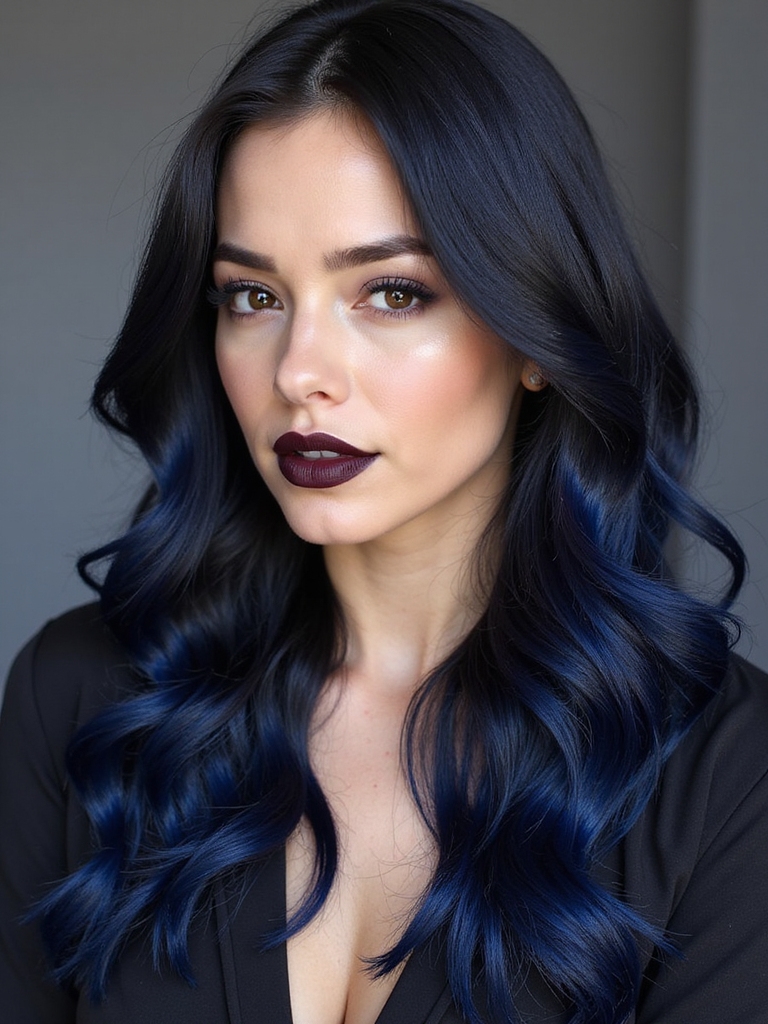
Black sapphire takes the blue-black idea to its richest end, a deep black with a sapphire-blue glow that shows more readily than the subtler midnight version. It stays grounded and wearable thanks to the black base underneath, even as the blue shows through more visibly in the light.
- A richer, more visible blue than the midnight blue-black version
- Jewel-toned but kept wearable by the black base
- The boldest of the hidden-tone darks on this list
Dark Hair Color: Common Questions
?Why does dark hair color look so expensive when it’s done well?
Shine does most of that work. Dark shades show gloss more obviously than lighter ones, so a healthy, reflective dark reads luxurious while a dry version of the same color just looks flat.
?Can I go back to a lighter color after dyeing my hair this dark?
Yes, but it usually takes more than one salon visit. Dark color, especially a deposit-only shade, can be stubborn to lift back out, so budget for a gradual process spread across several appointments.
?Do the hidden-tone darks, like blue-black or plum-black, work on hair that’s already colored?
Generally yes, since they deposit onto the existing base rather than requiring a full lift. Heavily bleached or color-treated hair is the exception; it can grab the tone unevenly and needs a strand test first.
?How do I know if I should go warm or cool with a dark shade?
Warm darks, like chocolate or chestnut, tend to soften features and suit warmer undertones, while cool darks, like ash brown or charcoal, sharpen contrast and suit cooler undertones. A consultation with a swatch against the skin settles it faster than guessing.
Deep, Glossy, and Built to Last
Twenty shades in, the pattern holds: nearly every one of them rests on the same two variables, undertone and shine, dressed up in twenty different names.
Pick the undertone that actually matches a complexion, keep the shine maintained, and the rest of the twenty shades above take care of themselves.
Don’t Miss These