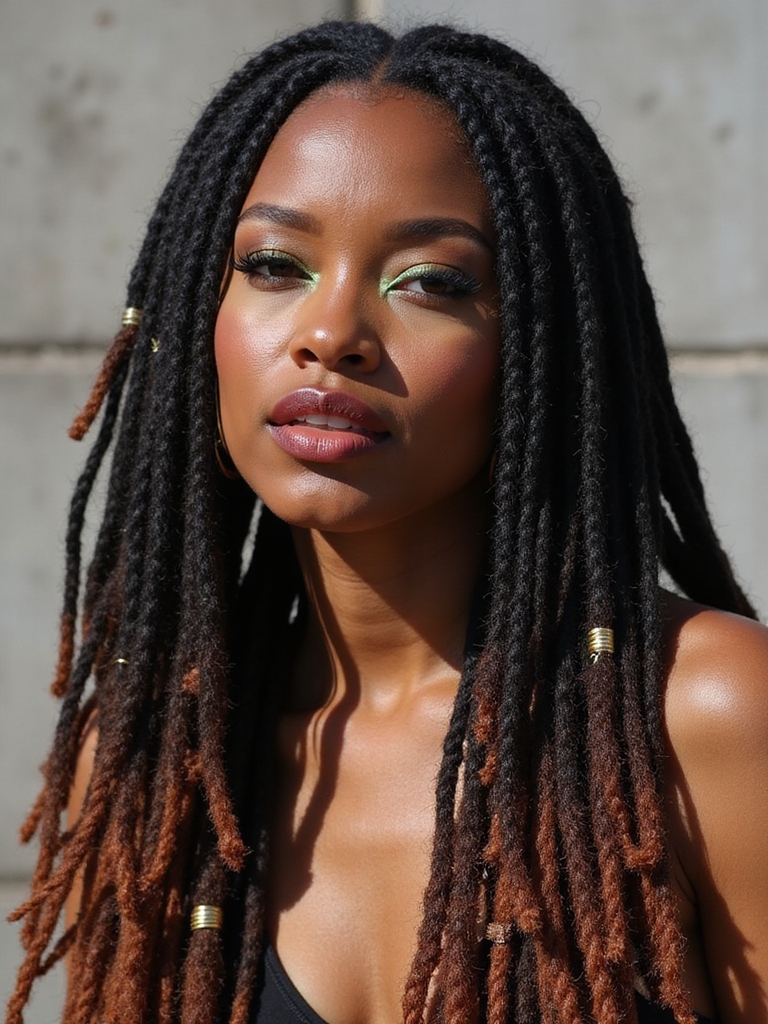
Six weeks into her first set, a client asked what she was supposed to do with her hair until it got long enough to count. Her locs already sat in tidy rows at chin length, catching light at every part, and she had quietly filed them under unfinished. That instinct is what sends most women searching for short locs hairstyles for women in the first place.
The waiting-room idea is the myth worth killing. A cropped sisterlock side part or a tapered crown with laid edges is a finished style, not a stage on the way somewhere else. Below are fifteen looks sorted by loc size and effort, with the upkeep math that usually gets left out of the caption.
What Loc Size Actually Decides
Loc size drives everything downstream. Sisterlocks and micro-locs are fine enough to part, pin, and set like loose hair. Traditional and twist locs are chunkier, quicker to install, and louder at short lengths. Choose for the styling you actually want, because changing your mind later means combining locs or starting over.
Upkeep is the honest cost. Most short sets look sharpest on a five-week retwist rhythm, about ninety minutes in the chair and near $85 a session in much of the US. A sisterlocks install is the outlier: a multi-day appointment that can pass $700 before you style it once.
A Sculpted Taper With Laid Baby Hairs
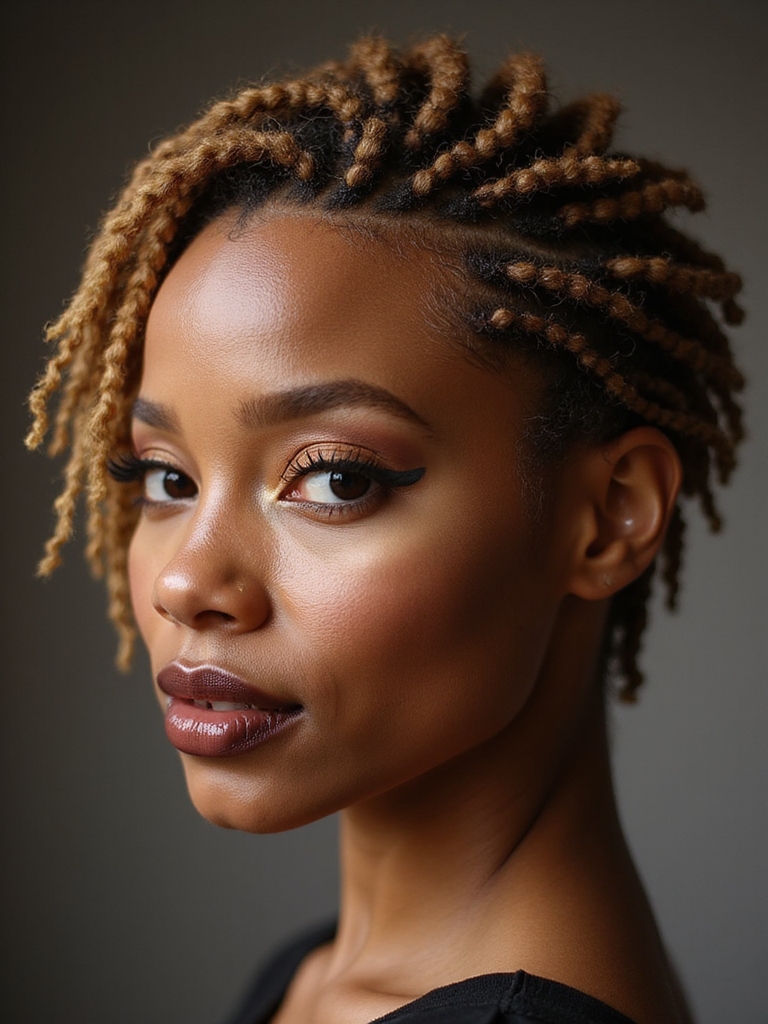
A taper leaves the crown full and cuts the locs progressively shorter down the sides and nape, so the whole shape hugs the head. On a cropped set that does real work: height on top, a clean line at the ear.
The edges are the second half of the look. Baby hairs get smoothed into soft swirls with a boar-bristle brush and a pea of alcohol-free gel, a finishing tradition with deep roots in Black hairstyling. Light hand, then let the gel dry down before you touch it again.
This flatters a round or square face, since the vertical crown balances width. It is also the highest-maintenance shape here. The taper blurs around week three and needs a barber’s clippers to stay crisp, which is a second appointment on top of your loctician.

Cropped Sisterlocks Worn With a Clean Side Part
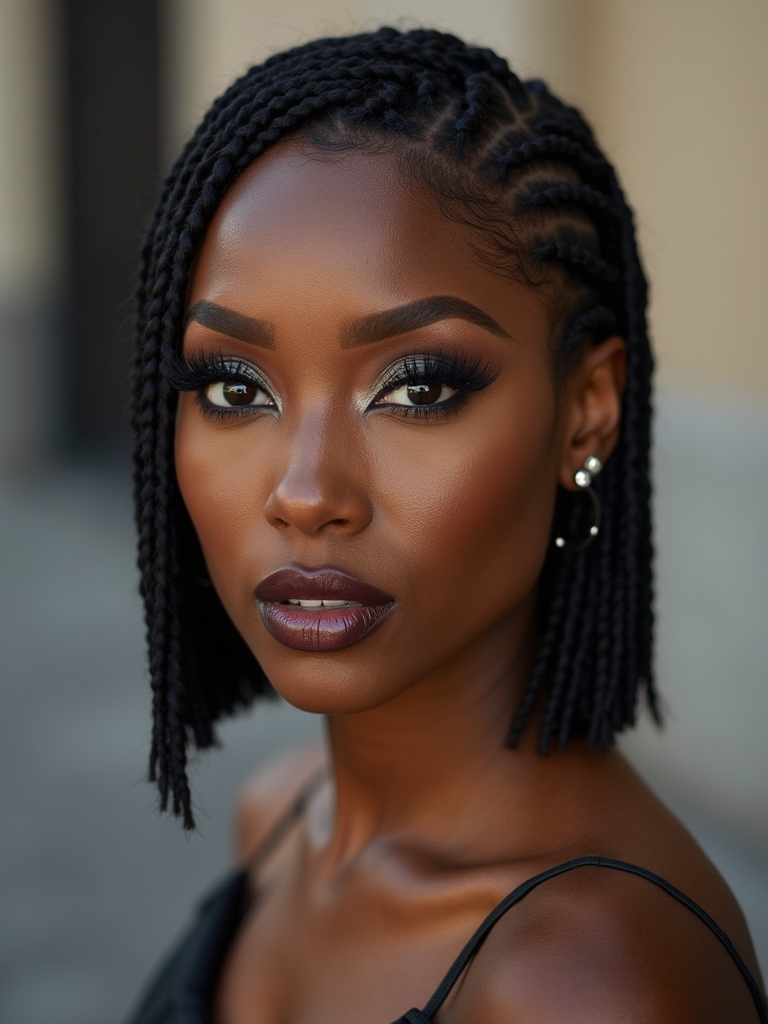
Sisterlocks is a trademarked technique with certified consultants, its own tool, and a set grid. Many small, uniform locs go in at once, and the result moves closer to loose hair than any other method. Cropped to the jaw and split with a clean side part, it looks intricate up close and sleek from across a room.
The part is what makes it feel grown-up. Ask for the parting to be planned during retightening so the grid lines up with the part you want. For range at other lengths, see our locs for women collection.
- Install is a multi-day commitment and the priciest entry point in the loc world
- Retightening uses an interlocking tool, so there is no wet retwist to sit through
- Fine locs slip out of loose styles; a satin scrunchie holds where an elastic gives up
Which loc size fits the way you actually like to style?
🎯Fine: sisterlocks or micro-locs
Parts cleanly, takes rod sets and pins, styles closest to loose hair. Longest install, highest cost, slowest to dry.
🎯Chunky: traditional or twist locs
Quick to install, bold at short lengths, dries fast. Fewer updo options and more weight per loc sitting on the root.
Chunky Bob-Length Twist Locs
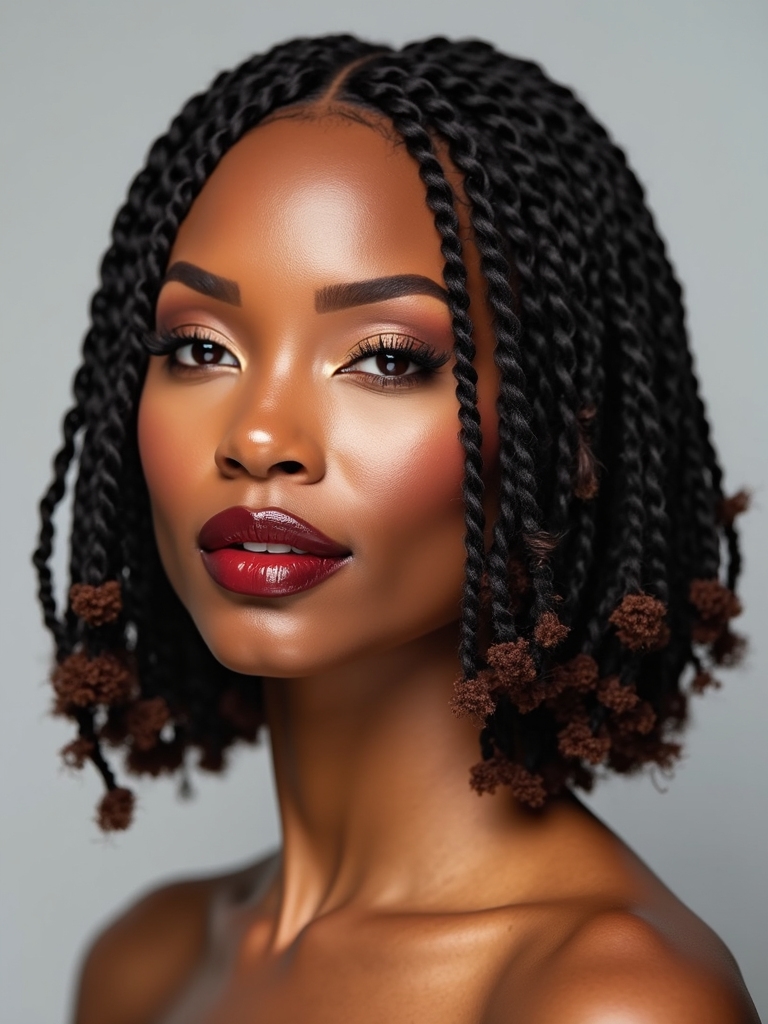
At the other end of the size scale, twist locs are formed and maintained by two-strand twisting rather than palm-rolling, which leaves a visibly ropey surface. Cut to the jaw, the weight sits forward and swings when you turn your head.
Fewer, thicker locs mean a shorter install and a much shorter dry time, which matters more in January than anyone expects. If the length appeals but you want the shape studied closely, our loc bob guide goes deeper.
- Real presence from maybe forty locs instead of two hundred
- The twisted surface grips a curl set better than a smooth palm-rolled loc
- Jaw-length weight can drag a fine hairline, so keep any updo loose
Starter Loc Coils With a Defined Shape
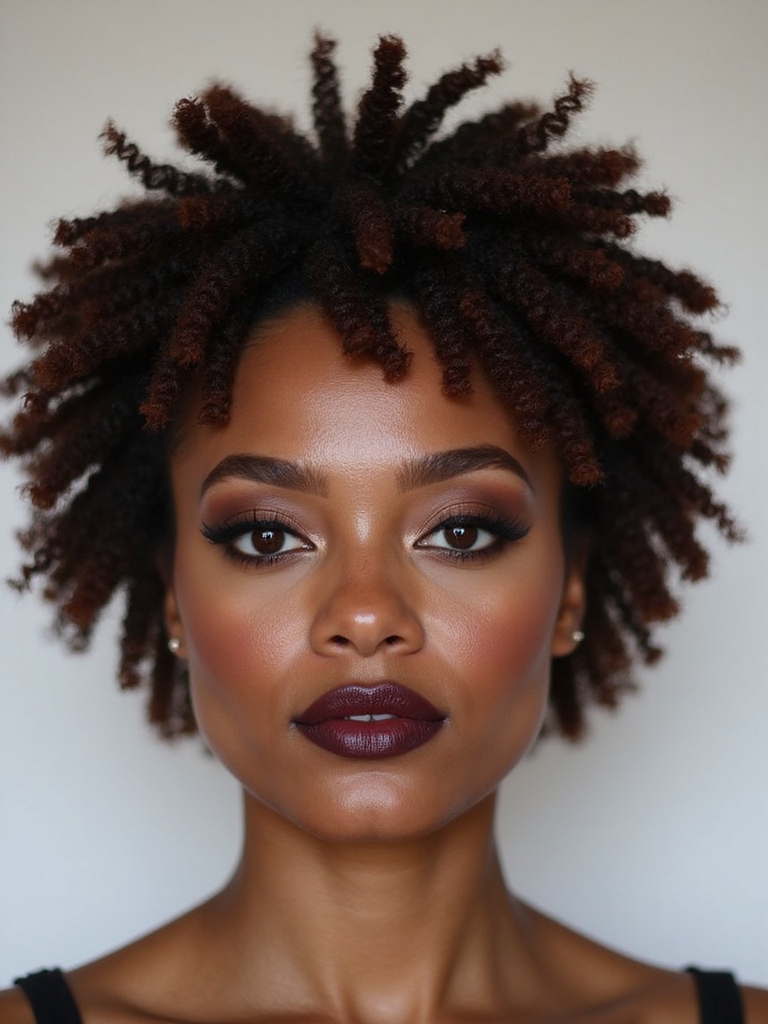
Starter locs get treated as a phase to hide. Comb coils set in clean, deliberate rows argue otherwise: crisp parts, coils sitting flat to the scalp, a whole head that looks styled from the very first appointment.
Making the First Stage Look Finished
The catch is fragility. Nothing has locked yet, so a coil can unravel in one enthusiastic wash. Keep washing to a gentle scalp-focused rinse in a stocking cap for the first couple of months, and let a loctician re-coil what slips.
Shape comes from the parting, so bring a photo of the grid you want along with the length you are after. A brick-lay pattern hides scalp better than straight rows, which matters most on fine density.
Short Micro-Locs With Soft, Airy Volume
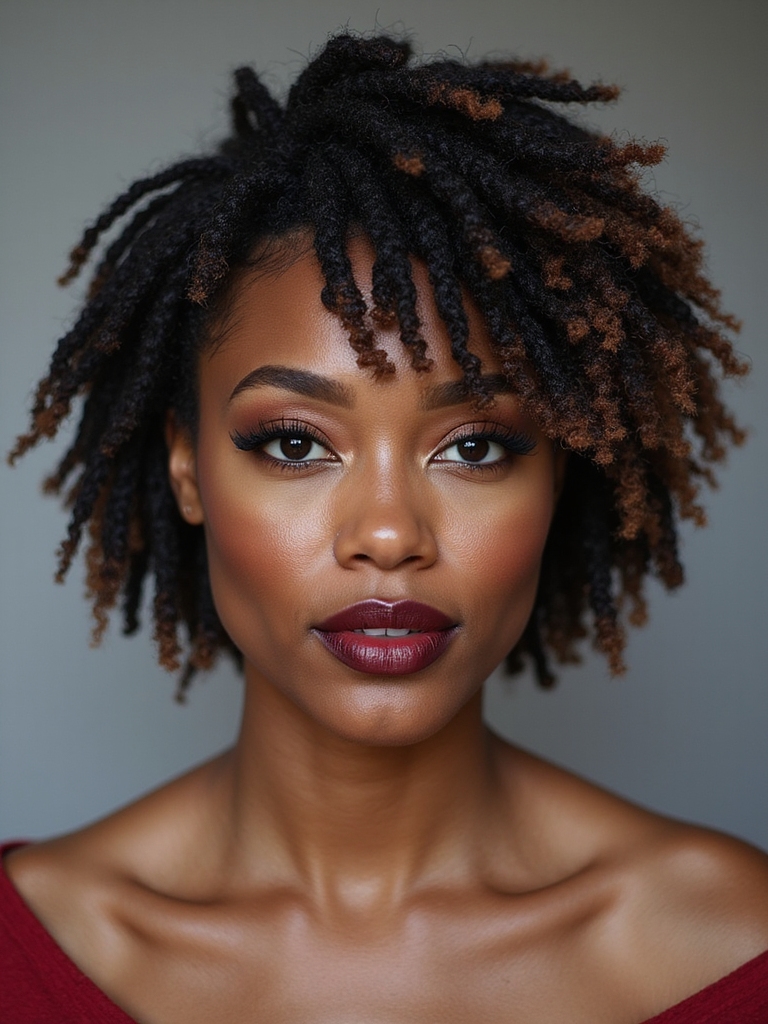
Micro-locs is a general description of very small locs made by any method, and that flexibility is the appeal: any skilled loctician can do them, no certification required. At a short length they behave like a dense cloud of texture, so a light fingertip fluff at the roots gives lift that a chunkier set cannot fake.
- Two hundred to five hundred locs is common, which is why installs run long
- The fine size takes rollers, flexi-rods, and pin curls without turning bulky
- More locs means more surface area, so drying takes patience and a hooded dryer
ℹ️Loc Count, Plainly
A micro-loc install is measured in days rather than hours. A full head of three hundred locs commonly takes two sittings, and that labor is why the first appointment can land past $500 before a single style happens.
A Half-Up Top Knot on Short Locs
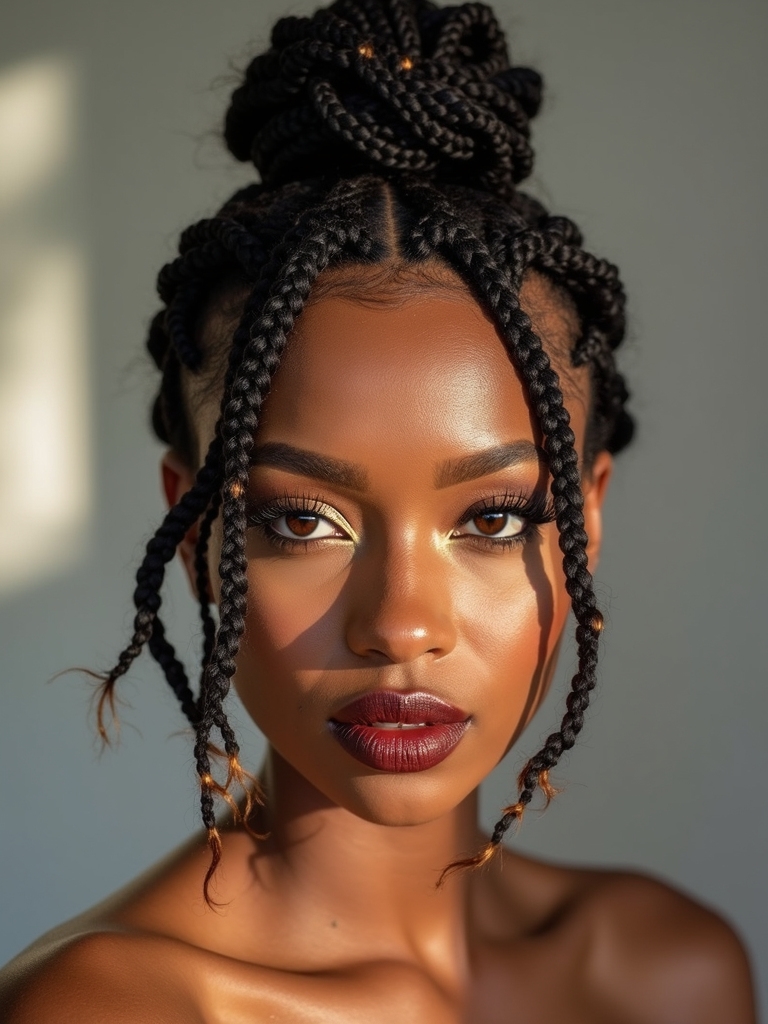
Gather the crown locs, twist them once, and pin them into a small knot while the back stays down. On a chin-length set this works even when the top barely clears the crown, which surprises most people the first time.
It looks polished at work and survives a workout, which is why it becomes the default within a month of cutting for a lot of women. Rotate where you gather from so the same section is not carrying the tension every day.
- Two bobby pins crossed in an X hold better than one elastic
- Leave the front row loose to soften the hairline
- Gathering gently protects your edges more than any product will
Short Locs Finished With Colored Tips
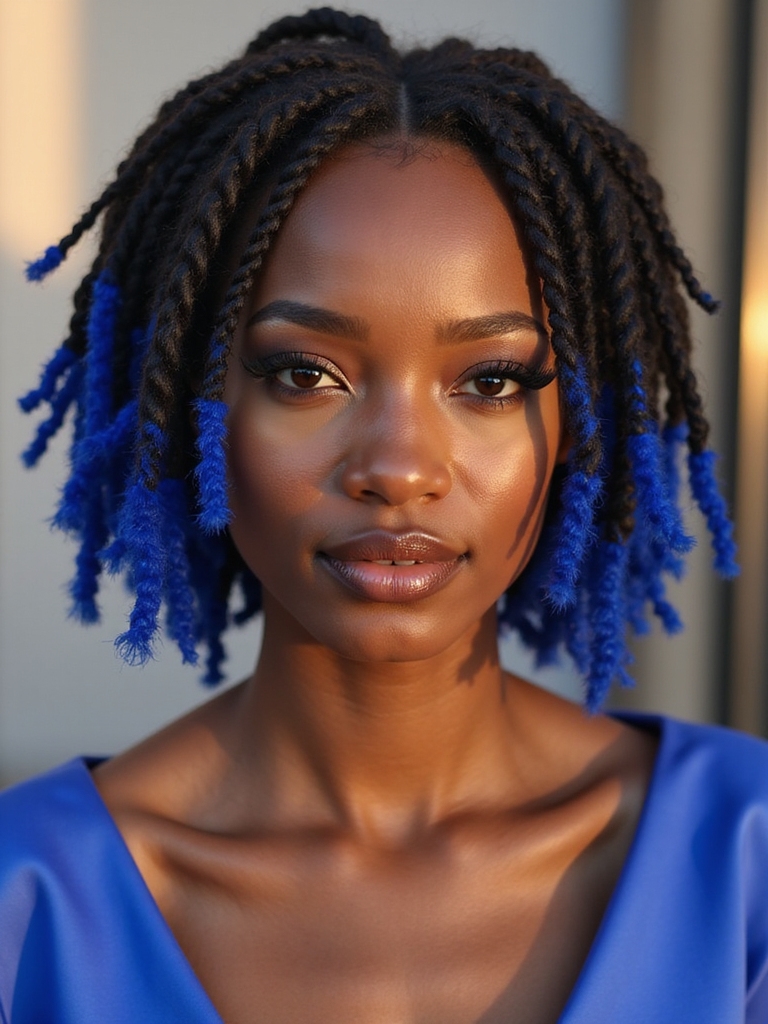
Dipping only the ends gives you a color statement for a fraction of the commitment, and because locs are dense, the dyed section lands as a deliberate ombre. It is the change I see clients make when they want something new without touching a shape they just got right.
- Start with a strand test, since loc density stretches processing time past what loose hair needs
- Copper and honey lift with less bleach on dark hair than any icy blonde will
- Plan to trim the colored section off later, because color-treated ends thin faster
🅰️Permanent color
Deeper saturation and nothing to reapply, but bleach on locked hair is hard to reverse and weakens the tips over time.
🅱️Temporary wax or chalk
Rinses out in a wash or two and costs almost nothing, though it can leave residue that needs a clarifying shampoo.
A Clean Fade Beneath a Textured Crown
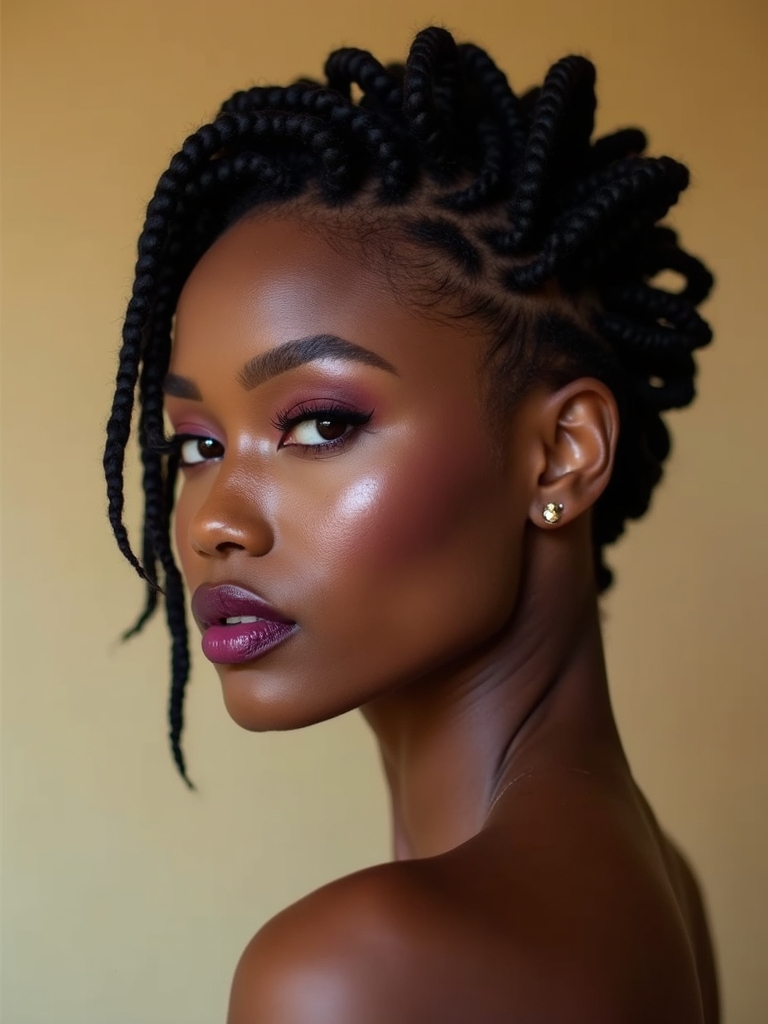
A low fade under a full crown of locs is the sharpest shape on this list. The barbered sides give the soft texture on top a hard edge, and that contrast makes short locs look designed in a way extra length never manages on its own.
Understand the trade before you book. The locs are the low-effort half; the fade is not. A blurred fade shows growth in about ten days, so this style means a standing barber appointment slotted between loctician visits.
- Ask the barber to keep the guard line below your parting so growth blends in
- Keep the crown deep enough to pull into a knot when you want options
- Two professionals and two schedules, with a fade touch-up running about $30 a visit
Short Locs Finished With Curly Ends
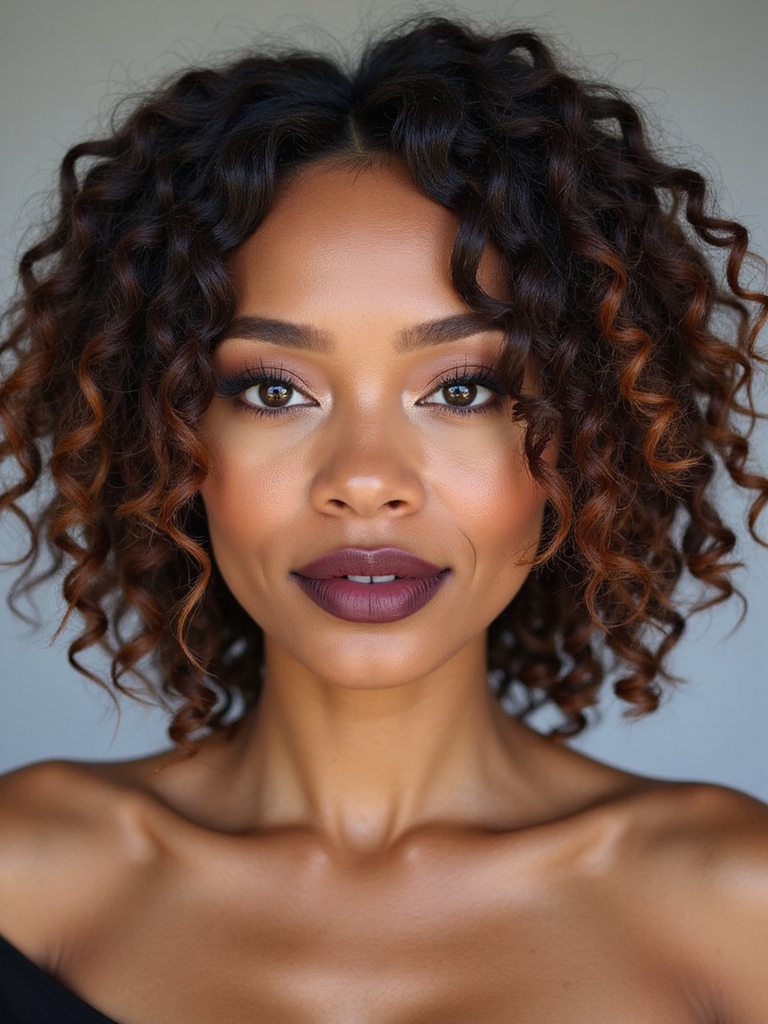
Leaving the tips free breaks the uniform column of a cropped loc set. The locs hold structure through the middle while loose curls at the bottom add movement, softening a very geometric shape without cutting a thing.
Keeping Loose Ends From Matting
Those ends can be your own hair left out during retwisting, or curls added at the tip. Either way they need their own routine: water, a little leave-in, finger-coiling while damp. Our curly loc styling notes cover the set techniques.
Loose ends want to creep into each other. Separate them where the curl meets the loc on every wash day, and if two start fusing, wet that spot down and split them gently.
“When a client wants curly ends, the phrase that gets the right result is leave the tips out and set them. Ask to make my locs curly and you usually get a rod set on the whole loc, which drops out by day three.”
Zigzag and Curved Parts
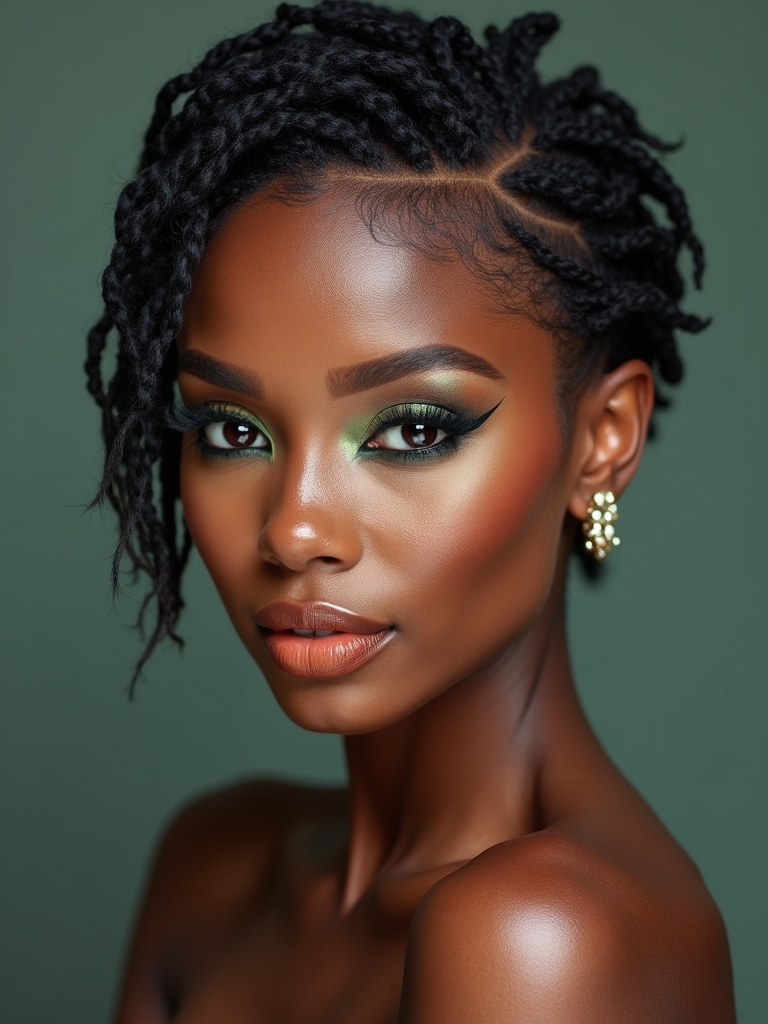
Parting is styling once locs are short, because the scalp shows. Curved and zigzag sections turn the grid itself into the design, and the whole head stops looking like a default row pattern.
This has to be planned at retwist time. You cannot re-part a locked set without combining locs, so the reference photo belongs at that appointment and not the one after it.
Curved parts around the temples flatter a long face by adding visual width, and a zigzag hides density gaps better than a straight line ever will. The effect is sharpest on a freshly retwisted head, which makes this a smart style to book around an event.
Playful Space Buns Set on Short Locs
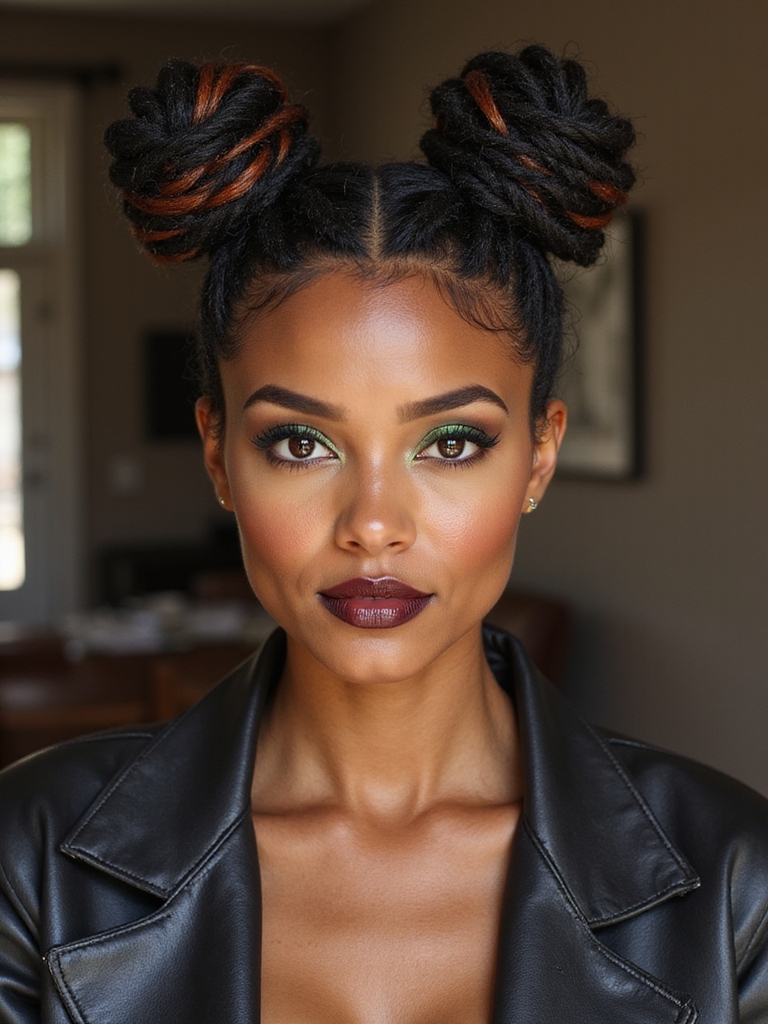
Two small buns high on the head, one on each side, and a serious set of locs turns lighthearted in about four minutes. Short locs manage this better than expected, since you only need enough length to wrap twice.
No heat, no product, and it comes down in seconds, which makes it hold up on a festival weekend or a long travel day. Keep both buns soft. A bun that tugs at the temple is the fastest route to a thinned edge, and this is not the style to prove a point with.
Metal Cuffs and Rings on Short Locs
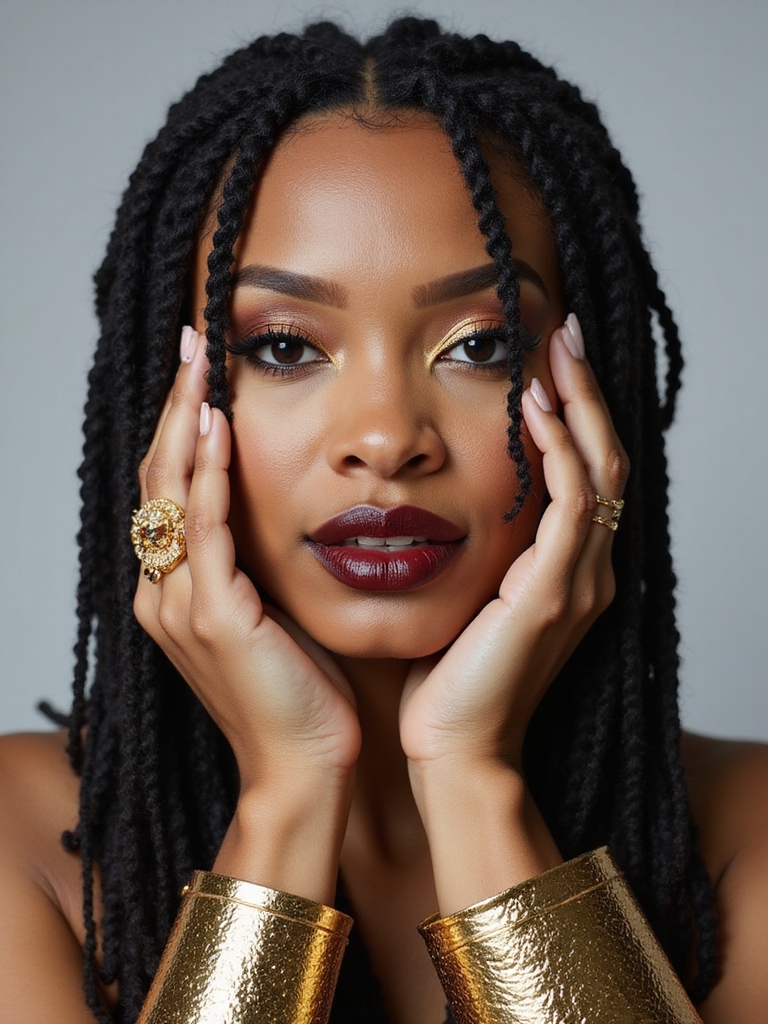
Adornment has been part of loc culture for as long as locs have existed, and cuffs are the lowest-commitment way to take part. Gold, silver, or mixed metals slide on in seconds and change how an entire set feels.
Placement That Actually Shows
Weight is the only real rule. A handful scattered through the crown looks considered. Two dozen clustered at the tips pull on roots already carrying the loc itself, and that pull adds up over months.
Cuffs disappear on a dense micro-loc set unless they sit near the face or along a part line. On chunkier twist locs the opposite is true, and three well-placed pieces say more than a full head of them.
A Glossy Wet-Look Retwist Finish
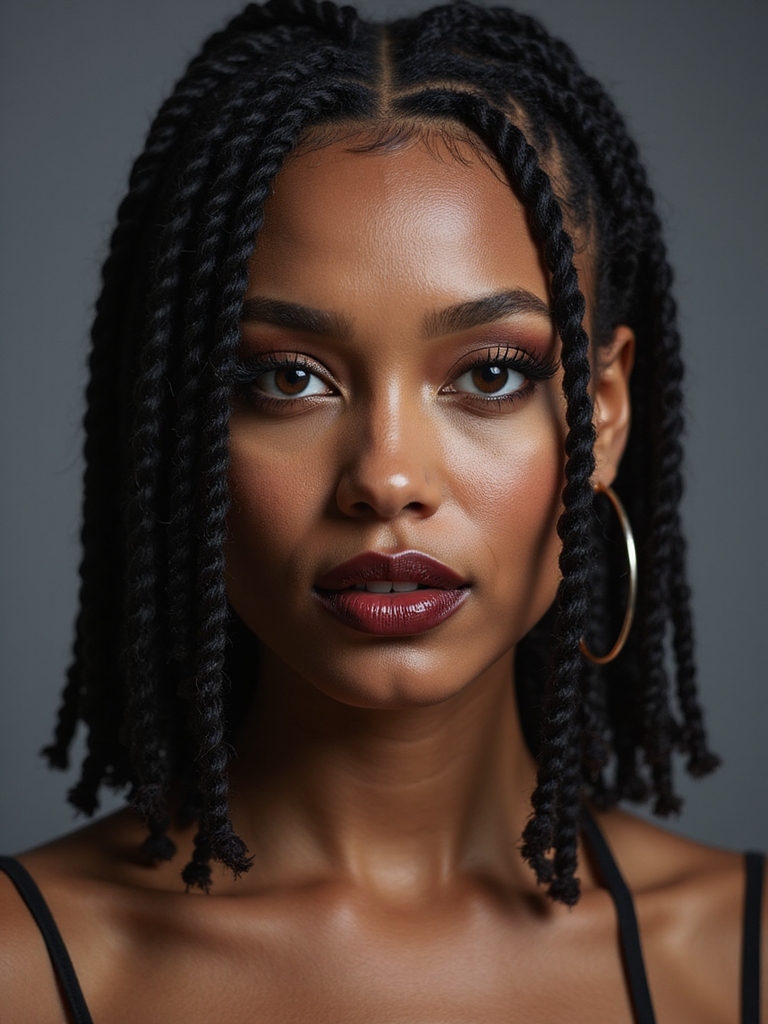
The day after a retwist is when short locs take a high-shine finish best, because the roots are smooth and nothing has puffed yet. A light gel or shine spray over neat locs photographs beautifully, which is why it keeps turning up at events this season.
- Work the product across the surface only, since saturating a loc traps moisture inside it
- Choose a gel with no mineral oil or heavy wax, or you will be clarifying for a month
- Wash it out within a few days so buildup does not dull your next retwist
Asymmetrical Lob-Length Locs, Longer on One Side
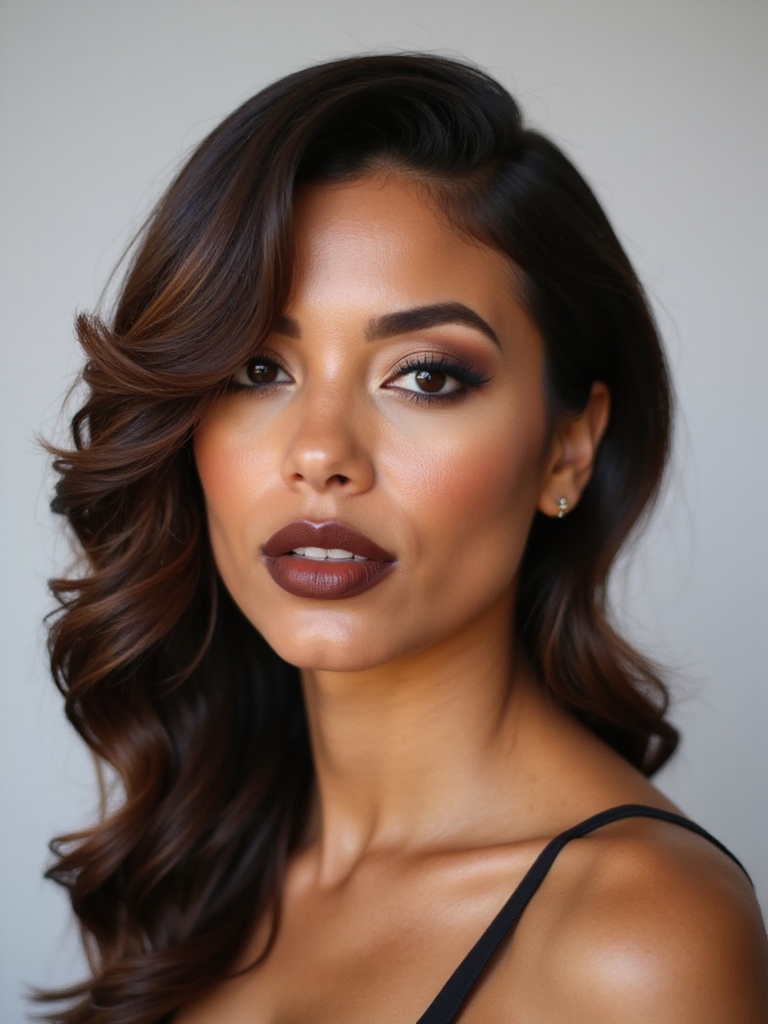
Cutting one side longer pushes short locs toward something design-led. The diagonal draws the eye across the jaw and slims a round face, and at lob length the set still stays light enough to wear down every day.
- Ask for at least a two-inch difference, or the cut just looks like an uneven trim
- Locs are cut bluntly and then sealed, so decide before the shears move
- A deep part on the longer side exaggerates the angle without another cut
A Flat-Twisted Front With Free Locs Behind
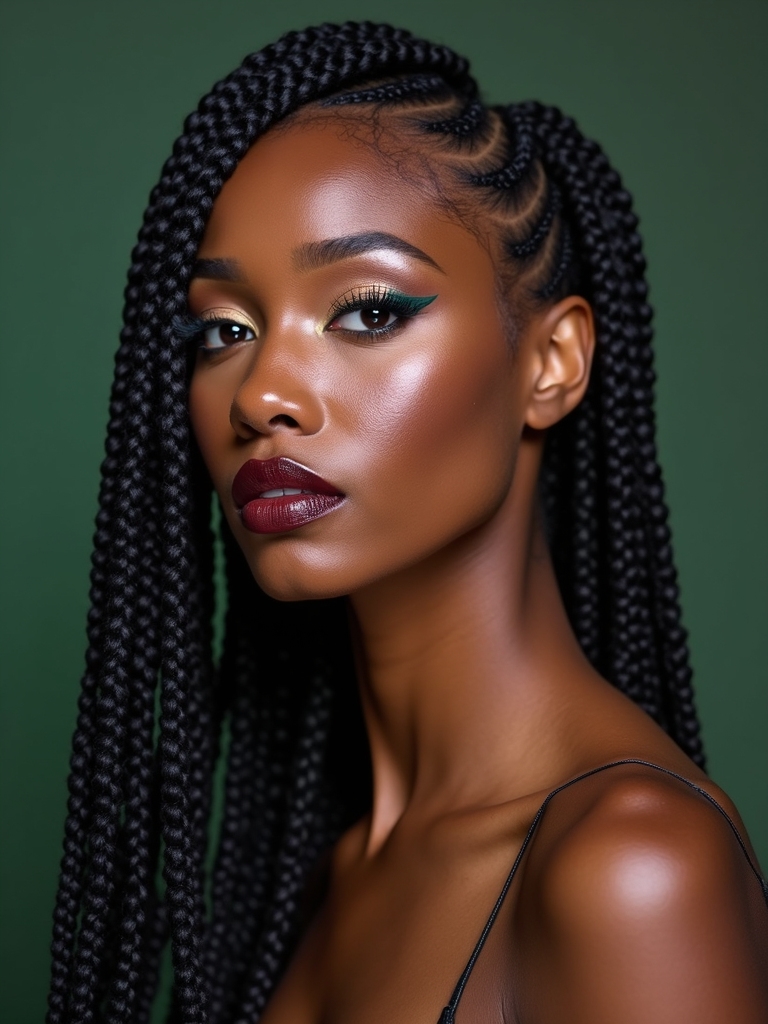
Flat-twisting the front rows against the scalp and leaving the back loose combines two techniques in one style, and it solves a real problem: hair comes off your face without everything being pulled to a single tight point. Two or three flat twists from the hairline back are plenty at this length, and our short loc styling guide covers more front-section variations.
- Twist on damp hair; a soaking front dries frizzy and lifts by afternoon
- Anchor the twists behind the crown where the free locs hide the joins
- Take the front down every few days and twist it fresh
Keeping a Short Set Neat Between Retwists
Daily upkeep on a short set is small, and the habits that matter are unglamorous. Spritz the scalp and lengths with water and a light oil a few times a week, sleep in a satin bonnet so lint and pillow friction stay out, and wash with a residue-free shampoo that actually rinses clean.
A steady retwist rhythm keeps roots sharp without over-manipulating them. Going tighter or more often thins edges; it does not make locs neater. If your loctician retwists so tight your scalp stings that evening, that is reason enough to find someone else. For the longer arc, our loc journey guide covers what changes as a set matures, and loc updos takes over once you have the length.
Short Locs, Answered Honestly
?Can I switch from micro-locs to sisterlocks later on?
Not directly. A consultant works on their own grid, which means installing a fresh set and combing out or cutting what you already have. Going the other direction is easier: existing locs can be combined into thicker ones, though the joins take several months to blend and look uneven while they settle.
?How short can locs be before styling stops working?
Roughly two to three inches. Below that a loc will not hold a pin or wrap, so styling means parts, color, cuffs, and headwraps. At about four inches a half-up knot becomes possible, and by chin length nearly every style on this page opens up.
?Does a retwist have to hurt to hold?
No, and tightness is the most common cause of thinning edges among loc wearers. It should feel like firm pressure at the root. Stinging means the tension is too high, and so does a tender scalp the next morning or small bumps along the hairline. Ask for a lighter hand or switch to interlocking.
?Can I cut long locs into a short style without ruining the set?
Yes. Locs are cut bluntly with sharp shears and the raw ends either sealed or left to seal themselves over a few weeks. The length is the part you cannot undo, so most locticians cut in two stages: to the collarbone first, then shorter at a second visit once you have lived with it.
?How well do colored tips hold up on short locs?
Better than on loose hair in one way, since a loc hides breakage, and worse in another, since bleach keeps working inside compacted hair. Expect the dyed section to feel drier and to want a trim sooner. Most people cut the color off; correcting bleach inside a compacted loc rarely goes well, and on a cropped set that trim costs you an inch or two.
Short Locs, Already Finished
The women who love their short locs most are usually the ones who stopped counting inches. A cropped sisterlock part, a tapered crown, a two-bun Saturday: none of those are waiting on anything.
So pick the one style here you keep scrolling back to and try it before your next retwist. Whatever your set does over the next two years, it already works right now.
More to Try