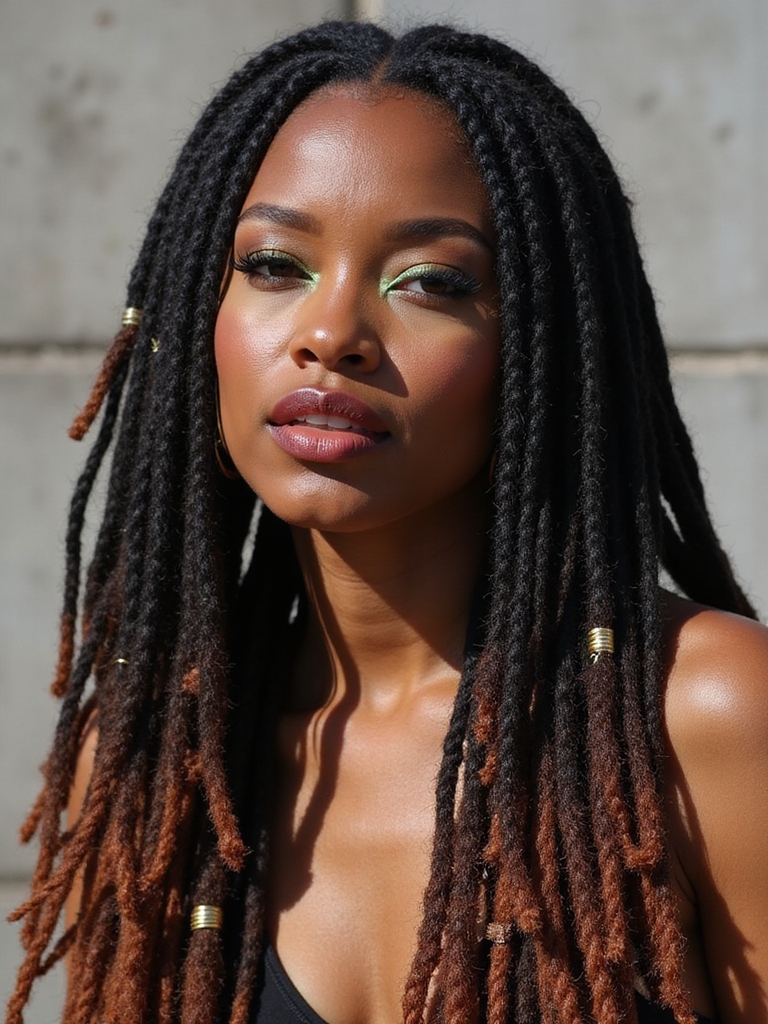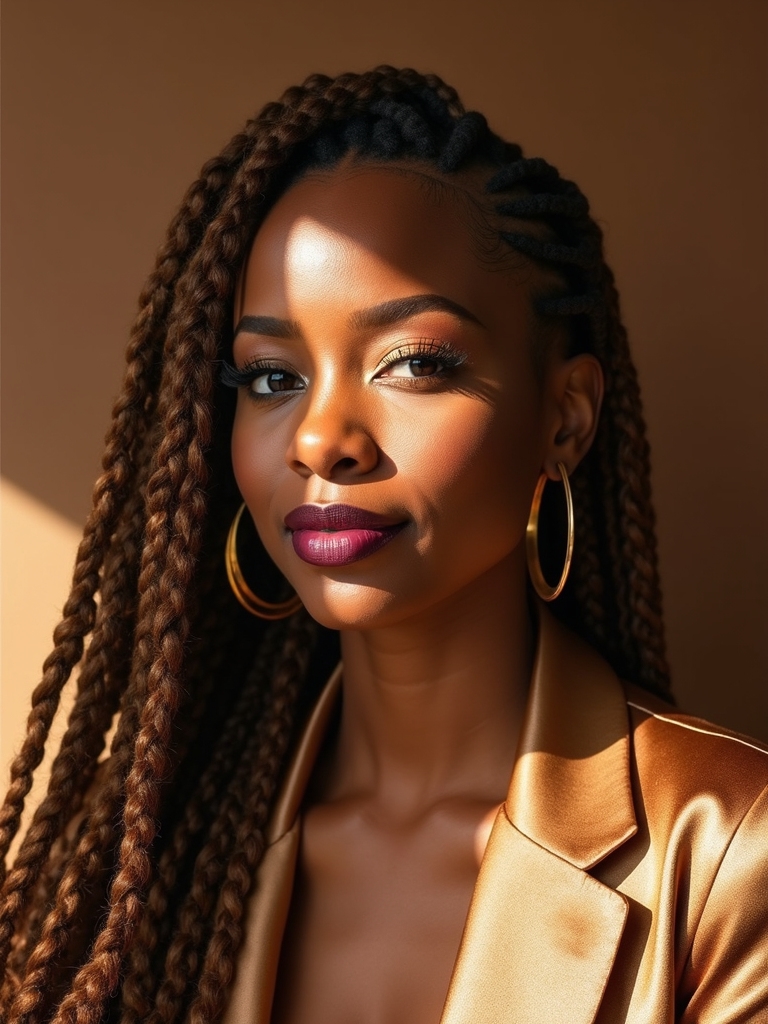
A fresh set of comb coils sits in neat little spirals. A year in, those same sections have thickened, locked, and taken on a personality of their own. Locs and dreadlocks hairstyles describe the same hair, sections allowed to grow and lock into rope-like strands, but the word you land on says less than the stage you’re actually in.
Sixteen sections walk through that whole range below: the starter methods, the loc types, the styles a mature set can hold, and the everyday care that keeps locs looking their best at any point in the journey.
Before the First Appointment
- Locs move through starter, budding, teenage, and mature stages over roughly one to three years, timing set by curl pattern and how consistently the roots get maintained.
- The starting method, comb coils, two-strand twists, or interlocking, shapes the final texture more than almost any decision made later.
- Tension is the one real risk: a hairline pulled too tight during parting or retwisting is the most common cause of lasting damage.
- A trained loctician is worth finding early, both for the install and for the ongoing maintenance that keeps a set even.
The Loc Journey, From Starter Coils to Maturity
Starter locs look almost nothing like what they’ll become. In the first weeks, fresh comb coils sit in neat spirals, two-strand twists show visible ribbing, and interlocked sections feel stiff and unfamiliar to the touch.
You’ll likely pass through a stretch of doubt somewhere in the first few months. That’s normal. The budding stage usually lands between months two and six: roots begin to fuzz, the original coil or twist shape disappears, and each section starts locking from the inside out. It’s the hardest phase to sit with, since the hair can look uneven right when reassurance matters most.
Mature locs typically settle in after a year or more, once every section has locked fully and the texture stops changing month to month. Expect the timeline to shift with curl pattern; tighter curl patterns tend to lock faster than looser ones.

Parting Patterns That Shape How Locs Frame the Face
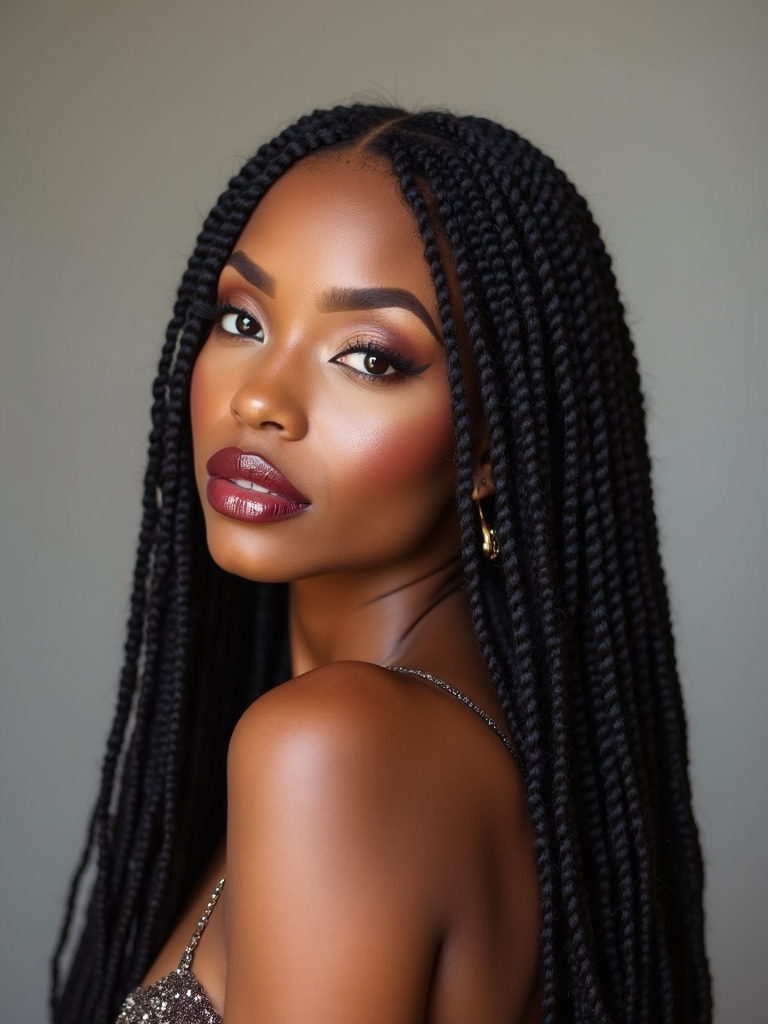
The grid a loctician parts at installation decides how locs fall for the entire life of the set, so it’s worth a real conversation before any sectioning starts.
Bringing Reference Photos to Installation
A square grid gives a uniform, geometric look. A brick-lay or diagonal pattern blends more softly around the hairline and hides the parts as locs mature.
Around the temples and nape, that choice shows most clearly. A clean perimeter reads polished; a softer line reads organic. Neither wins outright. The right pattern depends on texture, loc size, and where visual weight should sit.
Sisterlocks for Fine, Versatile Locs
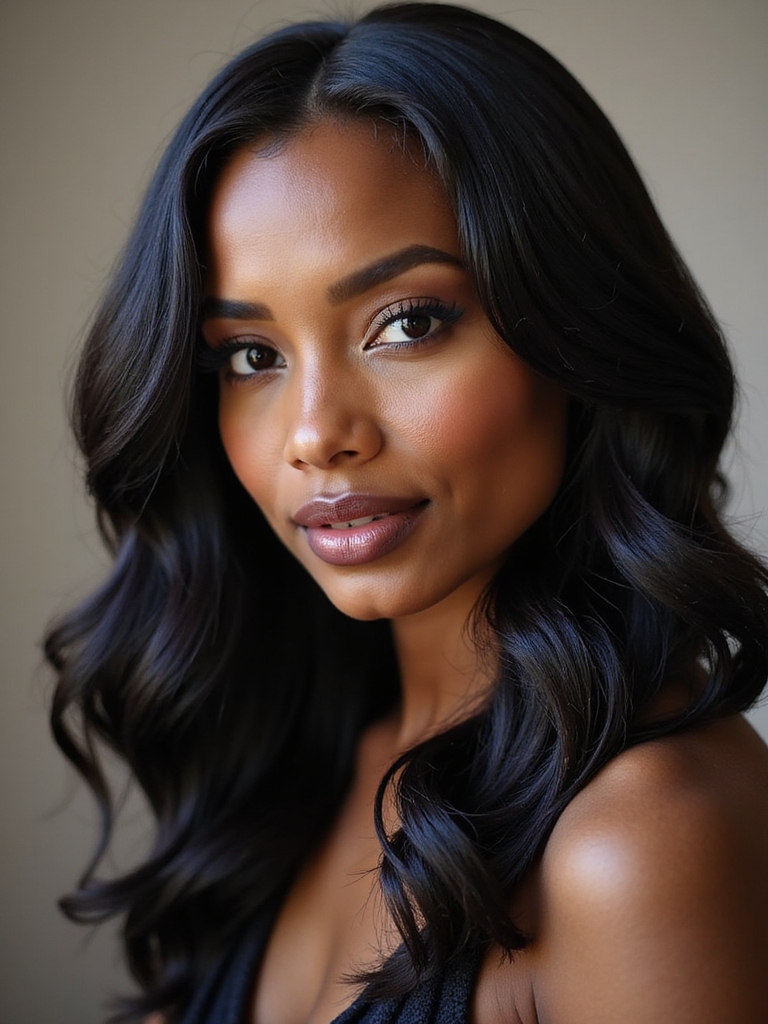
Sisterlocks is a trademarked system developed by Dr. JoAnne Cornwell in the 1990s, built on a proprietary parting grid and an interlocking tool that forms micro-sized locs without any added product. The sections are tiny. A full head can hold four hundred of them or more.
Because each loc is so fine, the finished texture ends up lighter and more flexible than traditional locs, pinning and wrapping much like loose natural hair.
- Requires a certified consultant, so access is more limited than with traditional locticians.
- The install alone can take a full day, sometimes split across multiple sessions.
- Suits anyone who wants loc texture without the bulk of larger sections.
Protecting the Hairline During Installation
Because Sisterlocks and other fine-sectioned systems part so close to the scalp, tension at the hairline is the main risk during installation. A consultant who works methodically and checks tightness as they go is worth prioritizing over one who rushes.
Traditional Locs and Their Lasting Presence
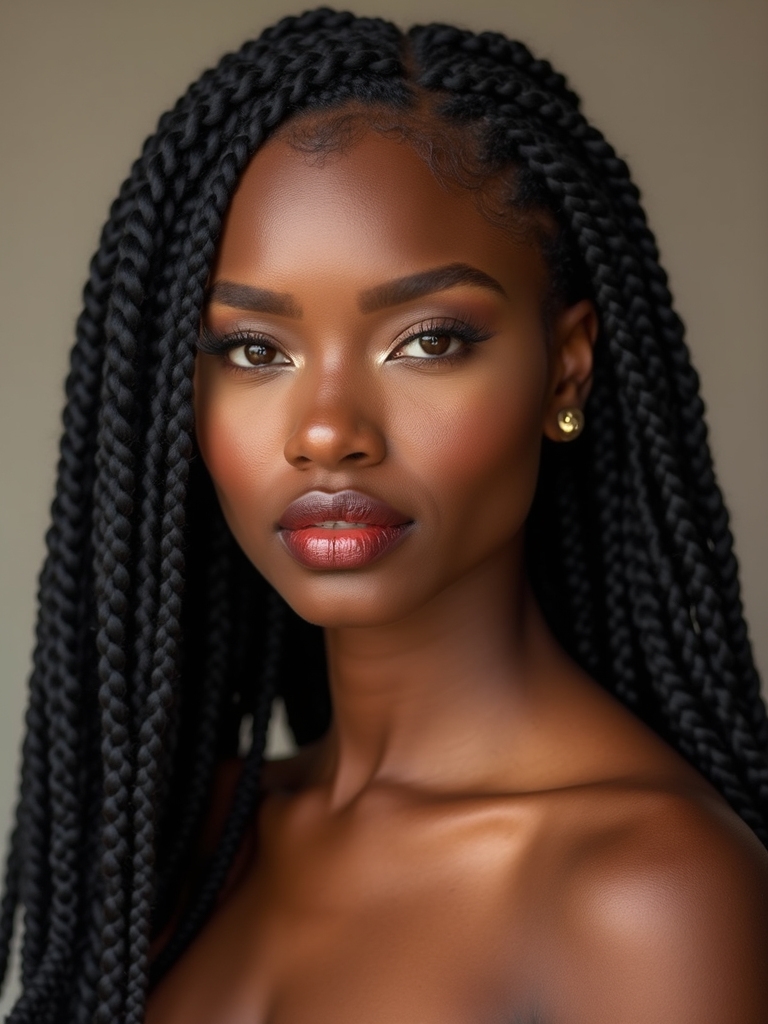
Traditional locs get installed with comb coils, two-strand twists, or palm rolling, then left to lock through consistent root maintenance. Sections usually land somewhere between pencil and finger diameter, and most people keep that size for the life of the set.
Choosing a Section Size That Fits Your Texture
They suit curl patterns from 3a through 4c, though the timing shifts by texture.
Tighter curls tend to lock faster and produce a denser loc, while looser patterns take longer to fully form and need a gentler hand early on.
Freeform Locs That Form Their Own Natural Shape
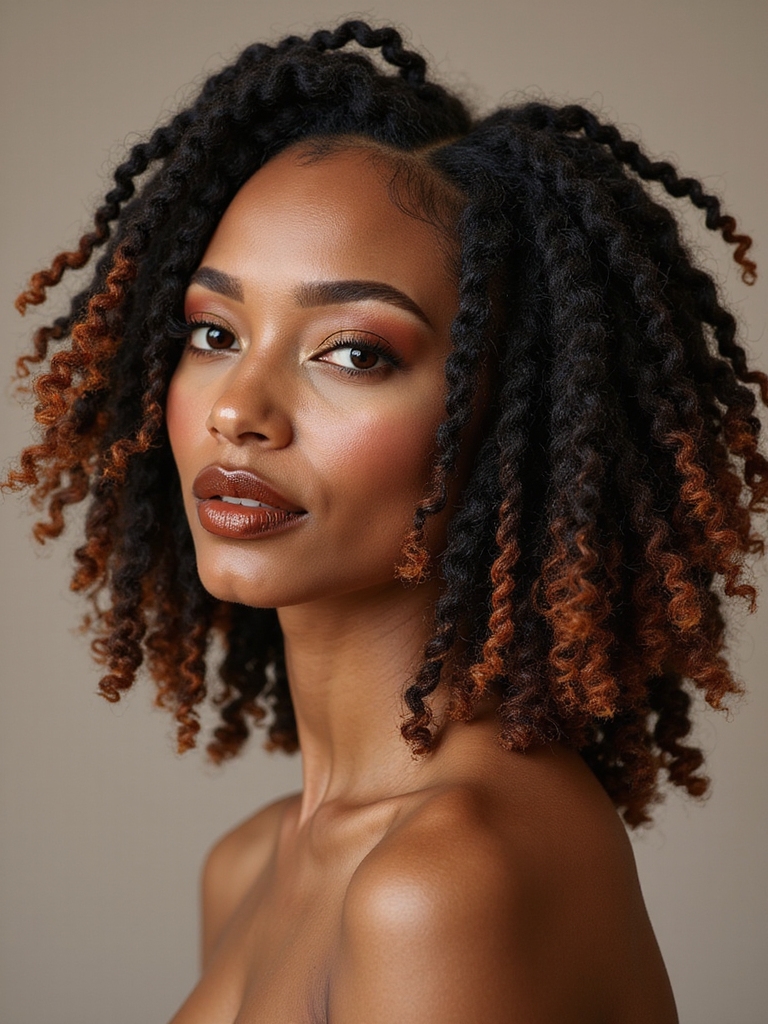
Freeform locs grow with little to no root manipulation, so neighboring sections join naturally at the scalp and the hair builds its own pattern. No two sets ever match. The joining is decided entirely by how a person’s hair moves and grows between washes.
- Expect variable thickness where sections merge during growth.
- Skips the regular parting and retwisting that other loc types need.
- A maintained set is the better fit if a consistent diameter matters more than organic variation.
Microlocs for Lightweight, Everyday Wear
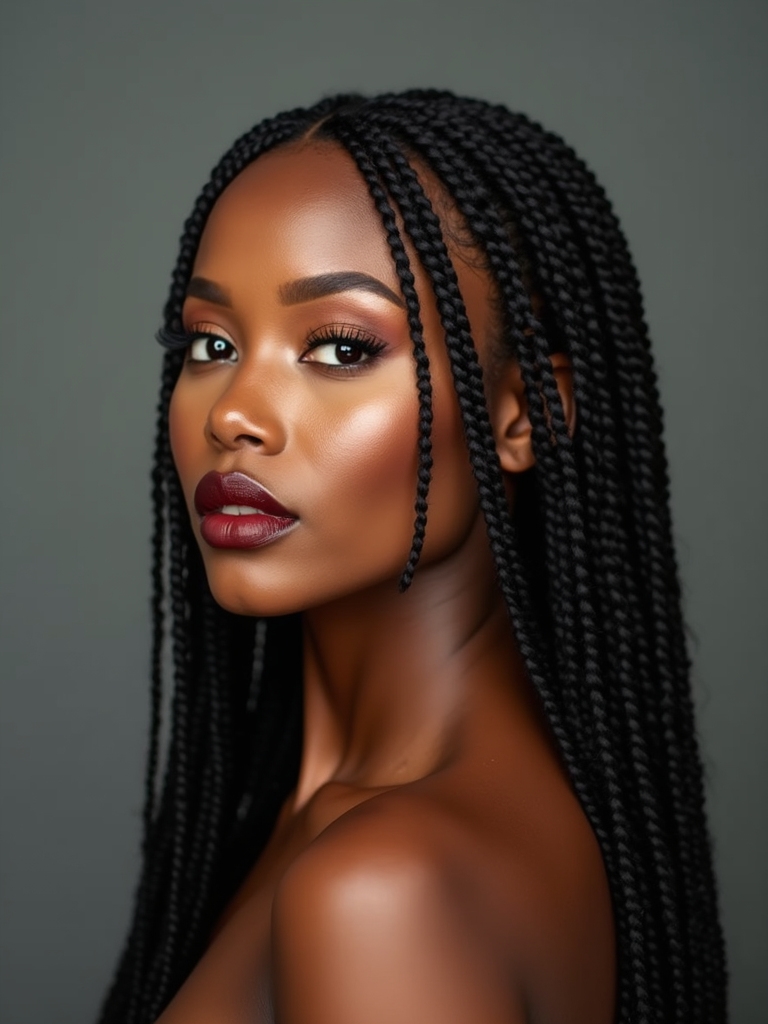
Each microloc runs roughly the diameter of a toothpick or thinner, and a full head can total two hundred locs or more. All those fine sections sit differently against the scalp, and the finished set weighs noticeably less than thicker traditional locs.
- Gathers into updos that fill in without visible gaps.
- Braids and wraps with more detail than thicker sections allow.
- The install runs long, often stretching across more than one appointment.
Comb Coils, Twists, and Other Starter Methods
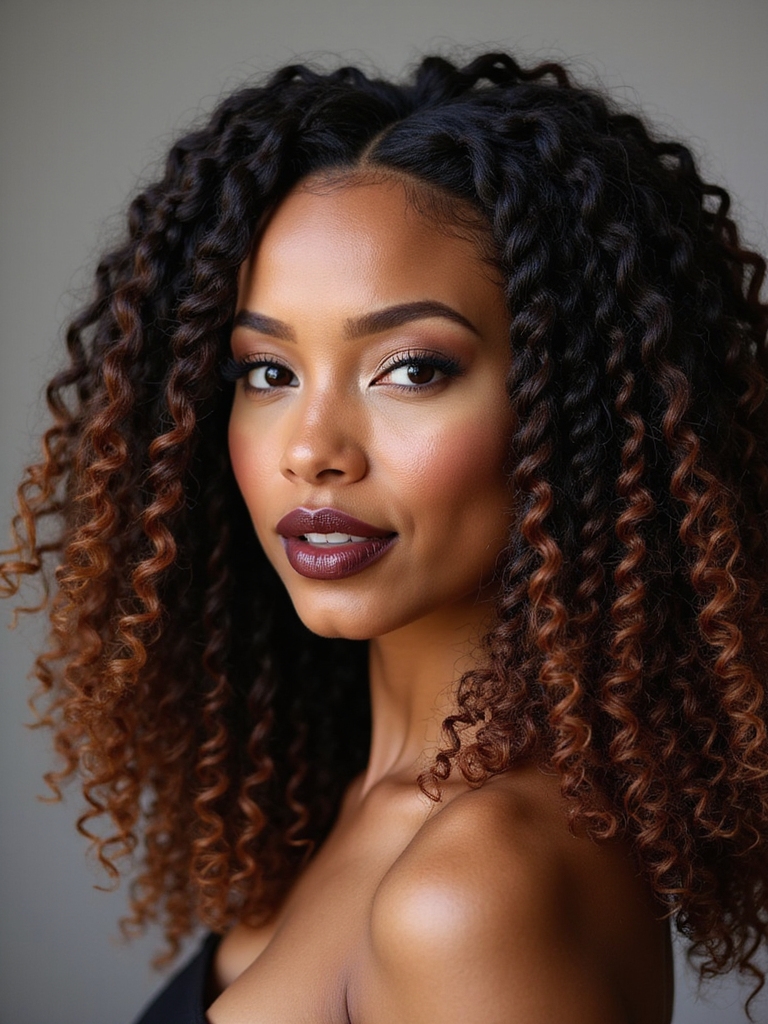
Comb coils get formed by coiling small sections with a fine-tooth comb in a circular motion from the root. They produce a tight, uniform spiral that holds best on 4a and tighter textures and tend to mature into round, defined locs.
Two-strand twists wind two sections around each other from root to tip. The method works across a wider range of curl patterns and shows visible ribbing along the surface for the first several months before it locks in.
- Interlocking pulls each loc through its own base for a secure, long-lasting root.
- Comb coils install fastest but suit a narrower range of textures.
- Two-strand twists give looser patterns more room to lock naturally.
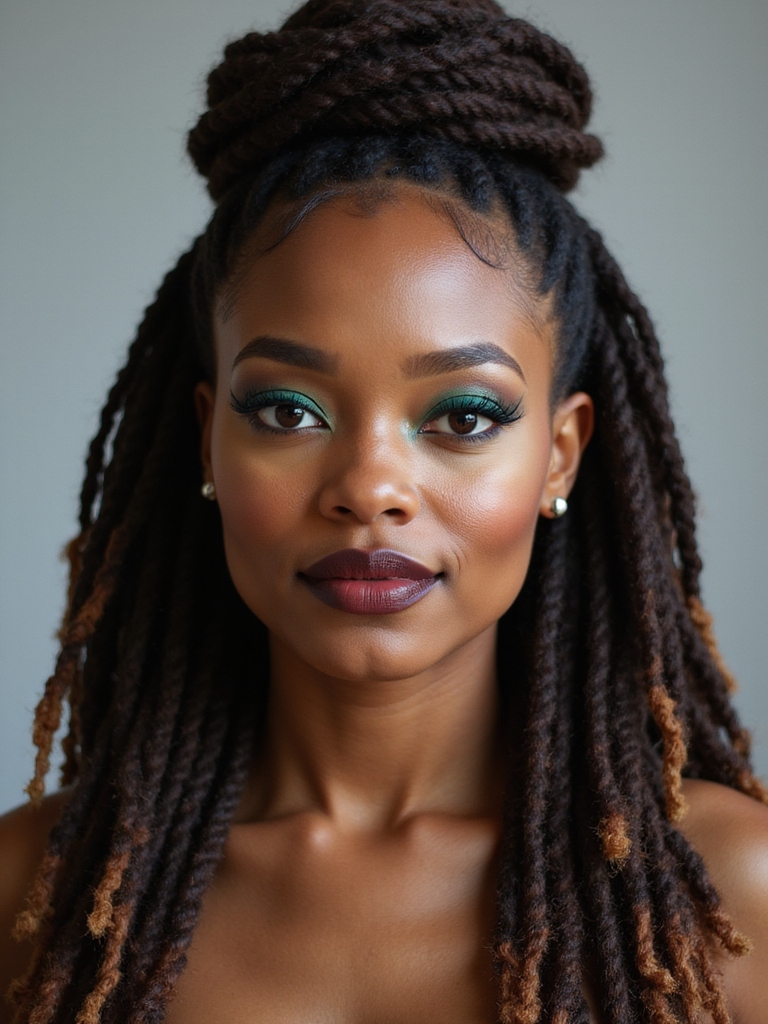
Updos and Buns for Formal Occasions
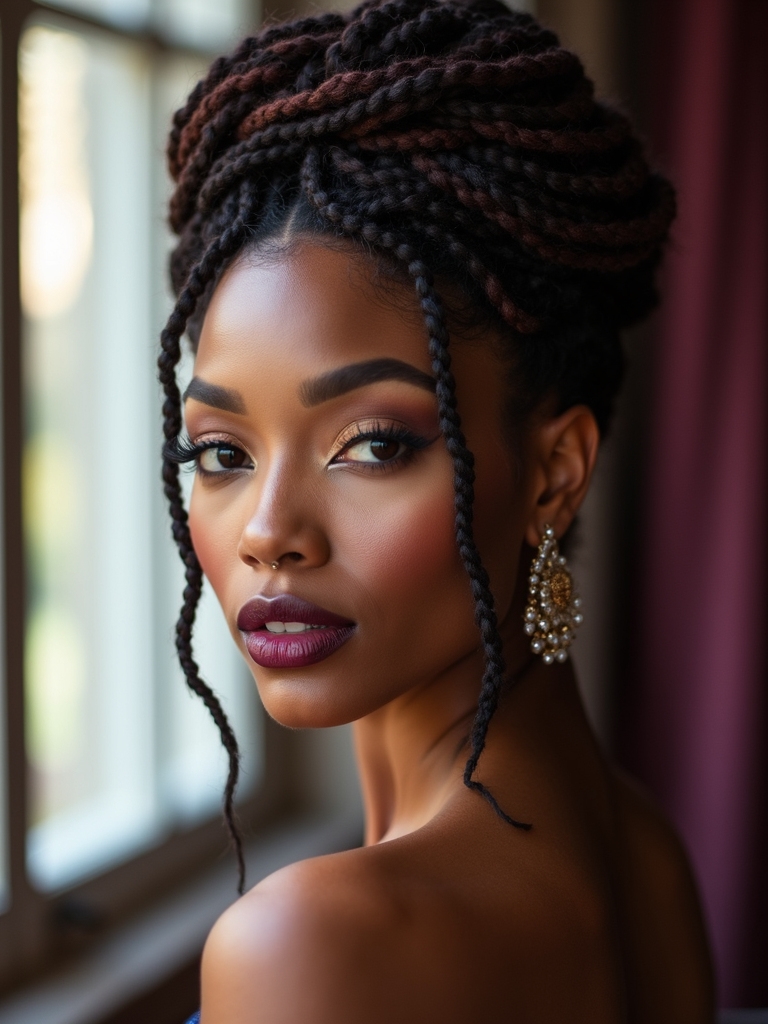
Long, mature locs coil and fold into buns with a grip that holds through a full evening without heavy product, a real advantage for formal styling. The weight does the holding.
A high crown bun suits dramatic evening looks and celebrations. A low nape bun stays comfortable for long ceremonies and professional settings. Shoulder-length locs work well in half-up knots; longer sets can be sculpted into fuller, wrapped shapes.
The weight of mature locs is what makes a formal updo hold all night without heavy product; texture is doing work most other hair needs pins and spray to fake.
Half-Up, Half-Down for Everyday Length
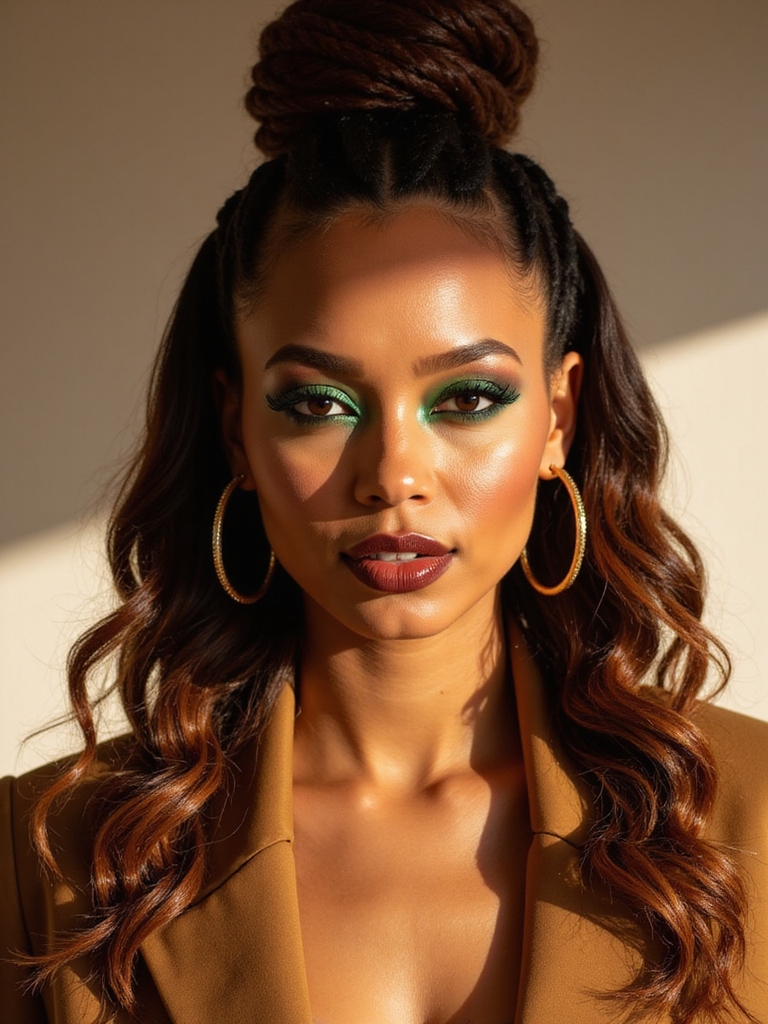
This arrangement is the everyday standby of loc styling. The front section gathers at the crown into a covered band or claw clip while the rest falls behind the shoulders, staying polished up front and comfortable for a full day.
One Detail That Prevents Damage
A little edge product smoothed along the hairline before pinning is the one step that makes it photograph sharp.
It works at nearly every length, from teenage locs to waist length, and takes only a minute or two, which explains how often it gets reached for.
Braided and Twisted Loc Styles
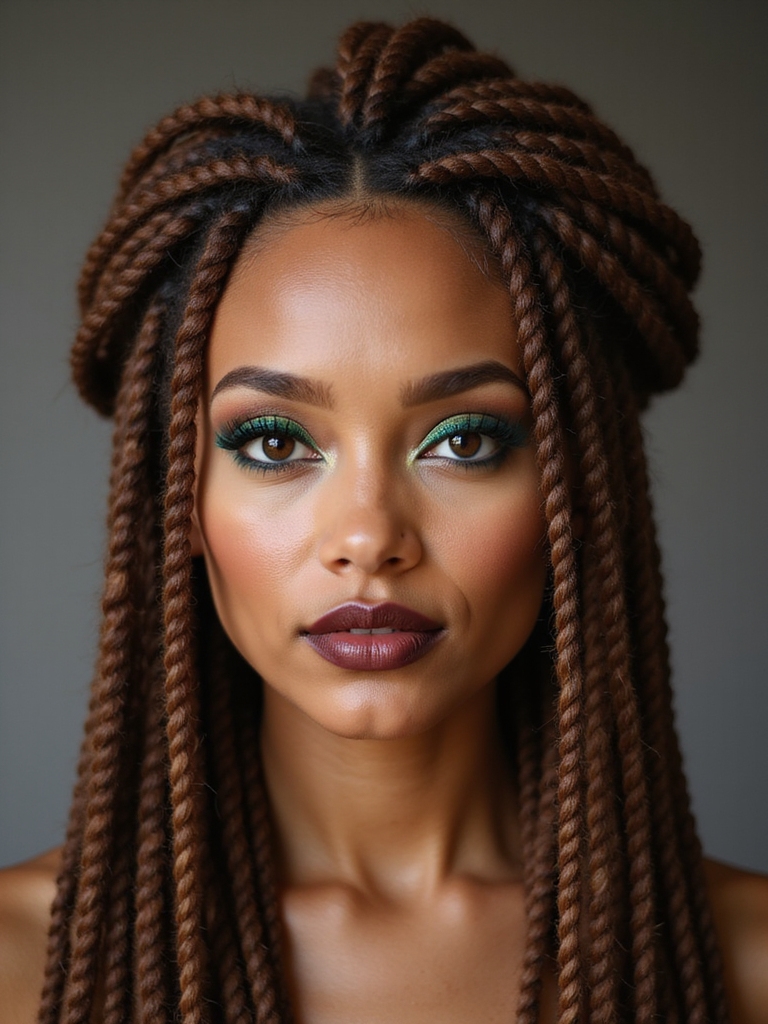
Braiding or twisting locs together builds structure that holds without much pinning, bridging the gap between worn-down and fully styled.
Combining Two Textures in One Style
Flat braids made from the locs lie close to the scalp and anchor a look, while twisted pairs create a thicker, cable-like line that catches light differently than a single loc.
Three-strand braided locs can frame the crown, ear, or nape on purpose, and twisted locs show their full pattern best on longer sets. Both protect the ends and hold for several days under a satin wrap.
Curling Loc Ends Without Heat
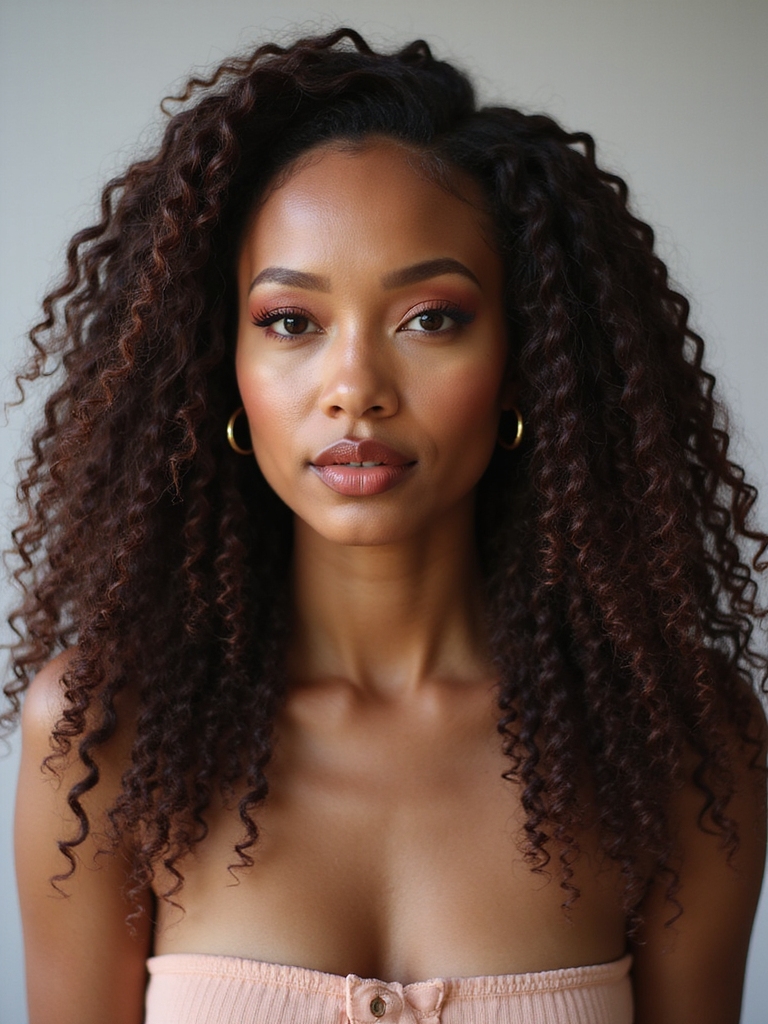
Loc ends take a curl well with no heat at all. Flexi rods or perm rods get wound onto damp ends, secured, and left to dry fully, usually overnight, producing a soft, rounded curl that flares away from the loc body.
- Wind rods onto fully damp, product-coated ends for the cleanest curl.
- A hooded dryer speeds the set and helps it hold firmly.
- Removing rods only once bone-dry is what makes the curl last through the day.
👍What Heatless Curling Gets Right
- +No heat damage, ever, since the curl forms entirely through drying.
- +The curl typically lasts several days before it needs resetting.
- +Works on nearly any loc size, from micro to traditional.
👎What It Asks in Return
- –Requires a full overnight dry time, so same-day results aren’t realistic.
- –Rods can feel uncomfortable to sleep in until the routine becomes familiar.
- –Pulling rods out even slightly damp loosens the set almost immediately.
Ombre and Color Accents on Locs
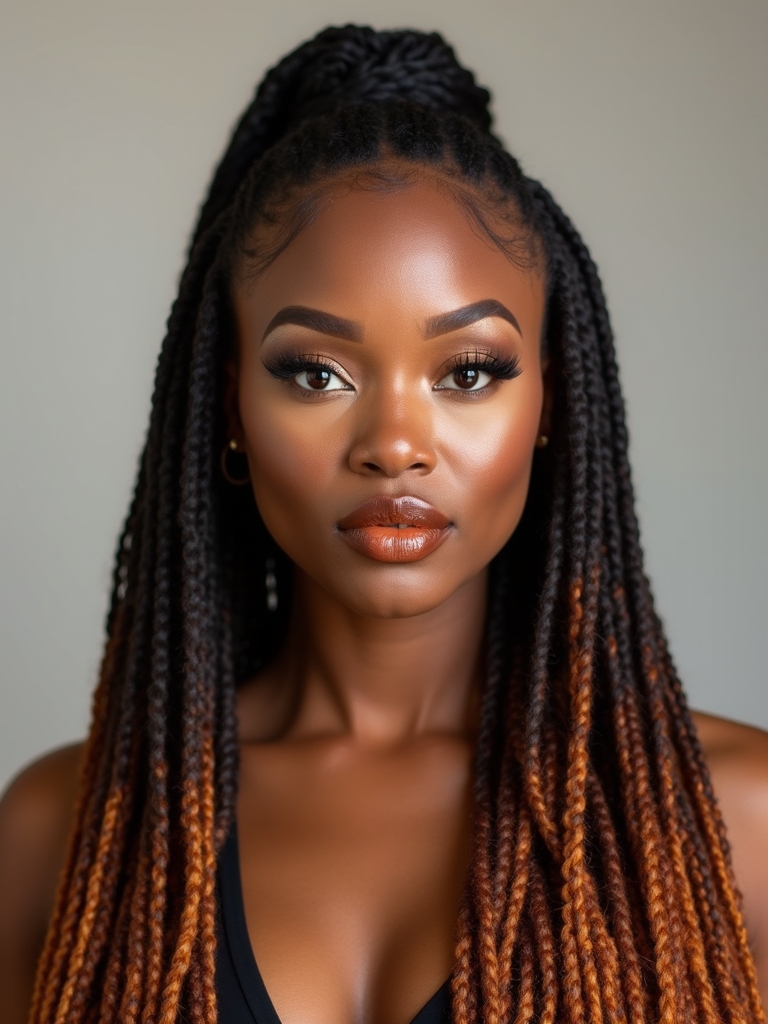
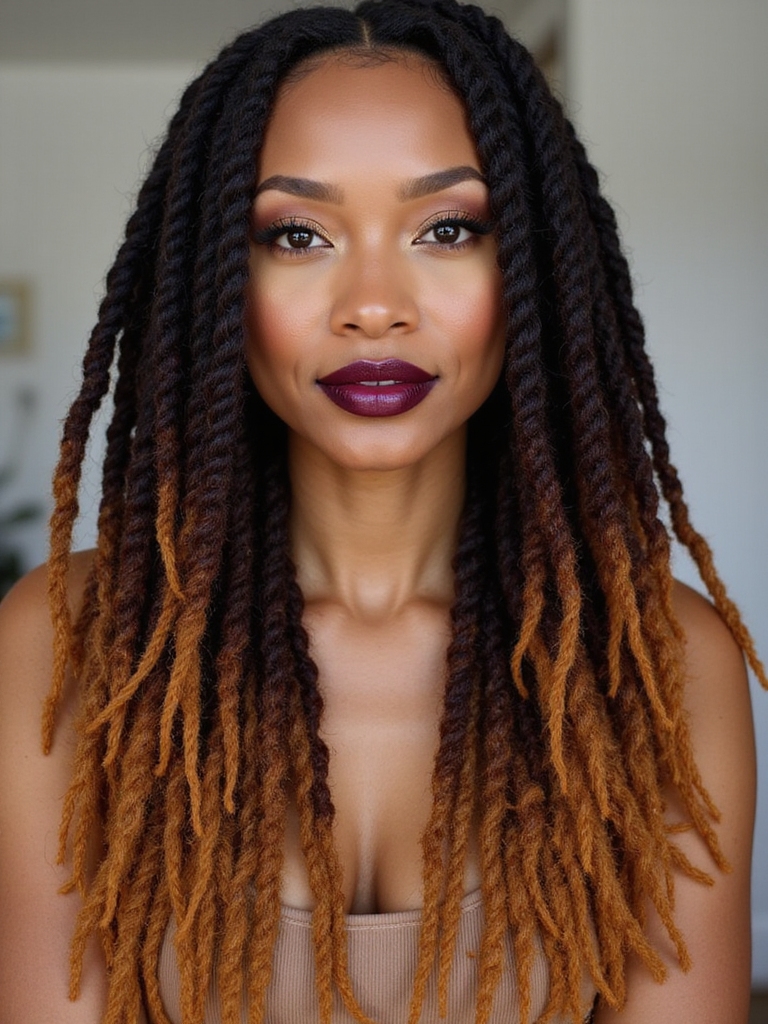
Color on locs usually arrives as an ombre running from natural roots into lighter ends, in honey, copper, burgundy, or auburn. Applying it to the lower half or two-thirds keeps root growth natural and keeps chemical processing away from the scalp.
- Partial highlights on a handful of locs give a soft, sun-touched effect that stays low-key.
- Only the lightened locs need refreshing as they grow, so touch-ups stay small and infrequent.
- Colored ends drink up moisture faster, so a richer conditioning routine helps.
Cuffs, Wraps, and Beads With Real History
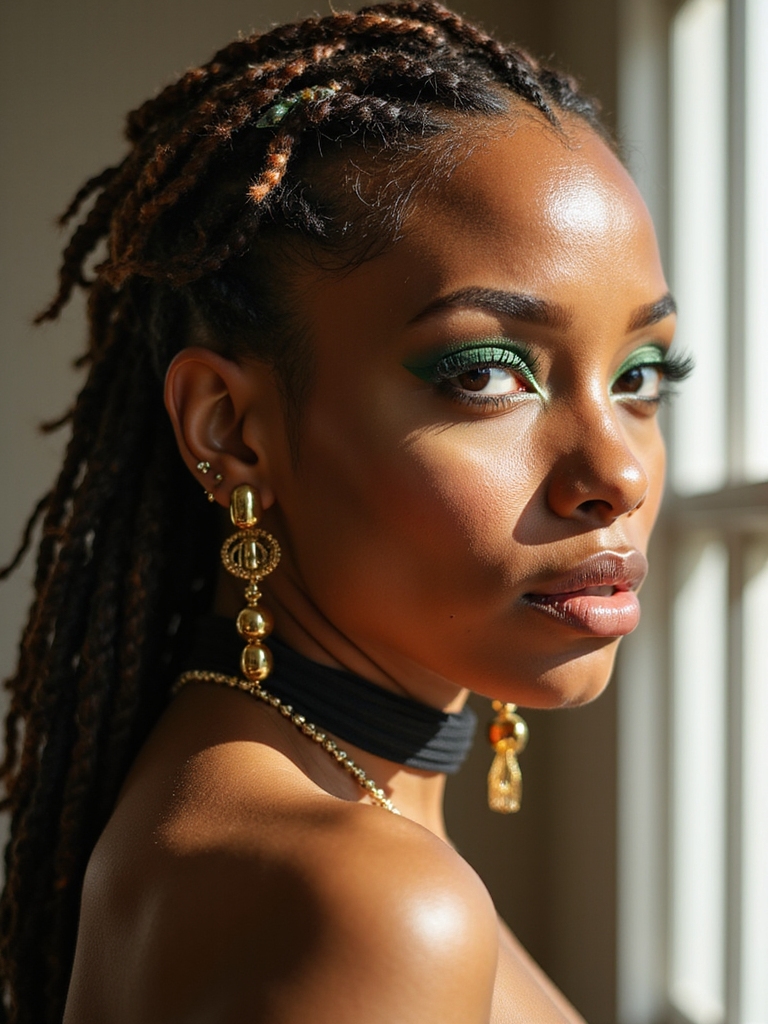
Threading beads, sliding cuffs, and wrapping individual locs with thread carries a long history across West African and Afro-Caribbean cultures, where hair adornment held meaning tied to identity, community, and belonging. That history matters. On locs worn today, these pieces continue that lineage while doubling as everyday personal expression.
- Fit matters most: a cuff has to match the loc diameter to slide on securely.
- Cuffs come in gold, silver, copper, and mixed metals, smooth or engraved.
- Wooden and clay beads add weight and movement without the shine of metal.
| Adornment | Best For | Note |
|---|---|---|
| Metal cuffs | Thicker, traditional locs | Must match loc diameter to sit securely |
| Wooden or clay beads | Adding movement and weight | Heavier than metal; use sparingly on fine locs |
| Thread wraps | Any loc size, including microlocs | Removable without cutting when done correctly |
Protecting Locs Overnight
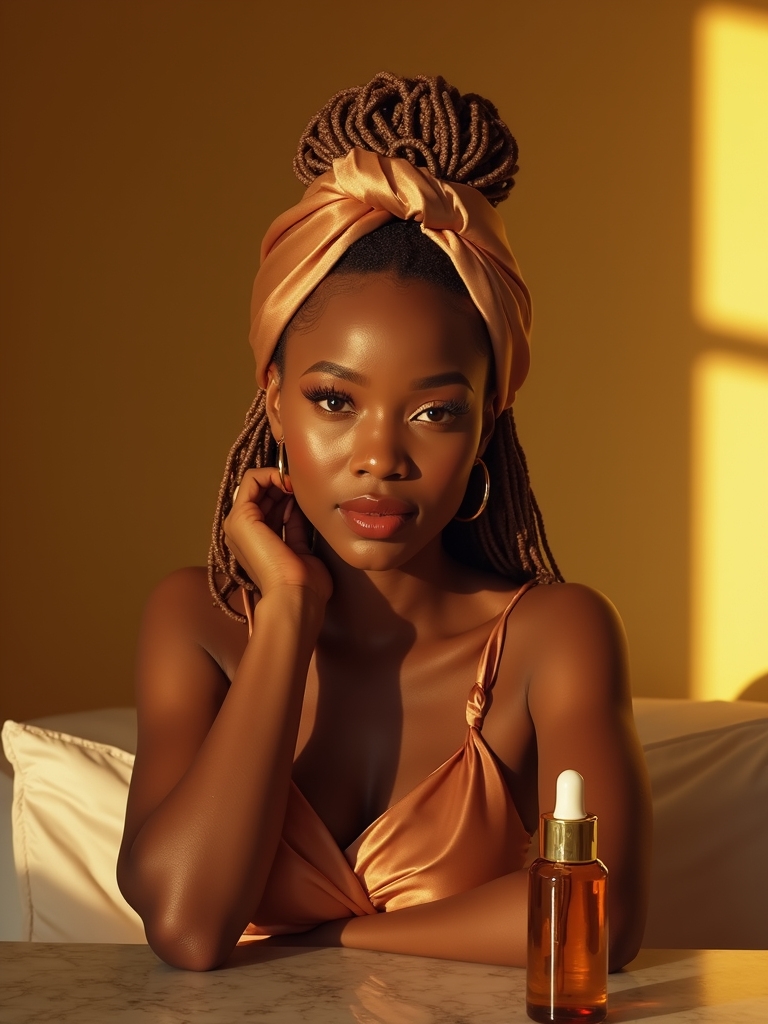
What happens overnight shapes how locs look between appointments far more than most people expect. Cotton pillowcases drag against the loc surface and freshly retwisted roots, loosening root work faster and roughening the body of the locs. A satin bonnet solves most of that friction in one step.
- A satin or silk pillowcase removes most of the friction; a satin bonnet removes nearly all of it.
- For longer locs, gather a loose pineapple on top before securing the bonnet to prevent tangling.
- Protecting the root work overnight stretches the time between maintenance visits noticeably.
Moisture and Retightening as Locs Grow
Two habits carry loc health across the years: moisture and root maintenance. Both matter equally. Locs dry out between washes, especially in winter or dry climates, and a brittle loc dulls and weakens over time.
Retightening keeps new growth locking neatly into the set already established. A light, water-based routine keeps the body supple without weighing the locs down.
- Mist with a water-based spray every couple of days, then seal with a small amount of lightweight oil.
- Skip heavy product right at freshly retwisted roots, since buildup can slow locking.
- A DIY retwist costs little beyond product and time; a professional session runs around $100 for that same visit, more for longer or thicker sets.
Maintenance & Care
Most wearers retwist or interlock the roots on a schedule somewhere between four and eight weeks, adjusted for how fast new growth shows and how much a stretched schedule bothers a particular texture. Booking the next visit before leaving the salon keeps that rhythm from slipping.
The one safety point worth repeating throughout the journey is tension. A retwist pulled too tight, a parting style worn the same direction every day, or a bun anchored too close to the hairline can all thin the edges over time. A loctician who checks in about tension at every visit is doing the job right.
Locs and Dreadlocks, Answered
?Are locs and dreadlocks actually the same thing?
Yes, both words describe the same locked hair. Locs has become the preferred term in many natural hair communities, partly because dropping dread affirms the style on its own terms. Either word appears across articles like this one, and neither is incorrect.
?How long does it take for locs to fully mature?
Most locs move through starter, budding, teenage, and mature stages over roughly one to three years. The exact timeline depends on curl pattern, the starting method chosen, and how consistently the roots get maintained through the early phases.
?Can any hair texture start locs successfully?
Nearly any texture can lock, though the method and timeline shift. Tighter curl patterns often lock faster with comb coils, while looser patterns typically need two-strand twists or interlocking and a longer runway to fully form.
?Do locs really need less daily care than other natural styles?
Day to day, yes, since there’s no daily detangling or styling from scratch. The trade-off shows up in scheduled maintenance instead: root retightening, regular moisture, and protecting the hairline from tension take consistent attention over years, not less attention overall.
One Loc Set, an Entire Range of Looks
Whatever stage a loc journey is at right now, starter, budding, or fully mature, there’s a style on this list built for exactly that length and texture. The style options only grow with time; the fundamentals, tension control, moisture, and a loctician who checks in, stay constant the whole way through.
Pick one style from this list that fits where the hair is today, not where it will eventually be, and bring it to the next appointment. For length-specific direction, the loc bob guide and this roundup of curly locs dreadlocks hairstyles both go deeper on their own stages.
Next Up