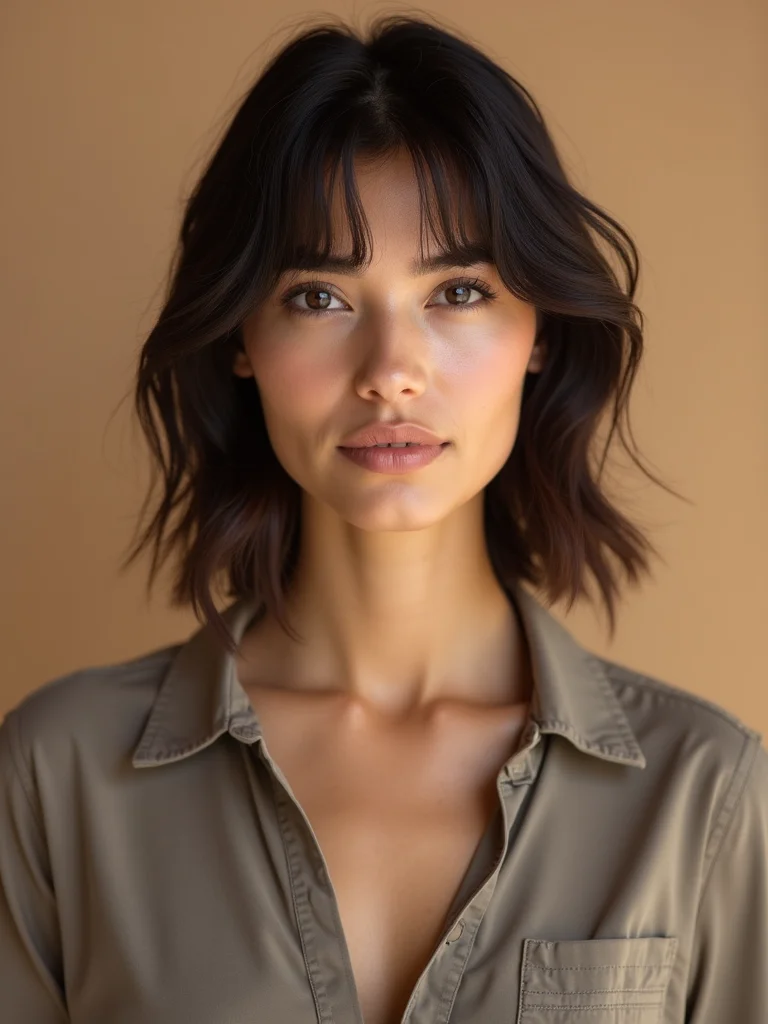
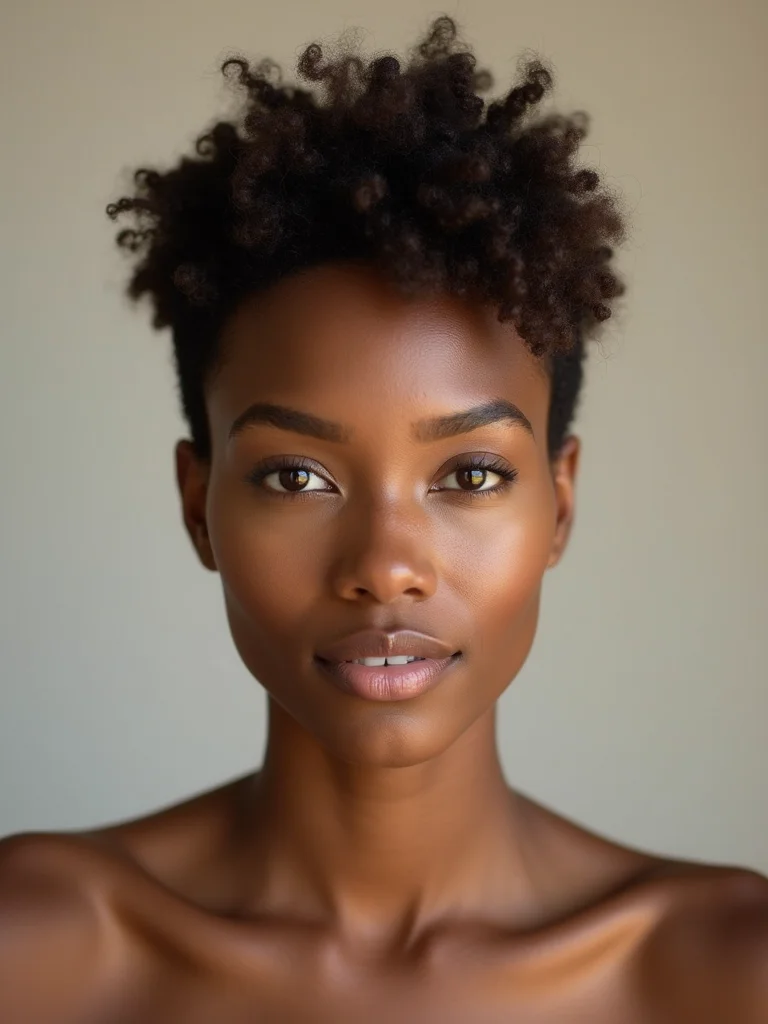
Most shag disasters trace back to the same mistake: picking a shape off a photo of someone with a completely different texture. A shag that looks incredible on loose waves can collapse on tight coils, and the reverse holds just as true.
There’s no single shaggy cut, only versions built for what different hair actually does. Below, the shag sorted by texture, from waves to coils to fine straight hair, so you can find the one built for the hair you have.
Texture-First Basics
How do I know which shag fits me? Start from your texture, not a photo. Curl pattern and density decide how the layers fall, and a shape built for waves rarely behaves the same on coils or fine hair.
Is there one rule that holds across every texture? Cut curly and coily patterns dry. Wavy, straight, and fine hair can go either wet or dry, but the layering angle still shifts with the pattern underneath.
Is a shag actually low-maintenance? Daily styling stays light once it’s cut correctly for your texture. The real work happens at the appointment, not in the mirror every morning.
The Tousled Wolf Cut for Natural Waves
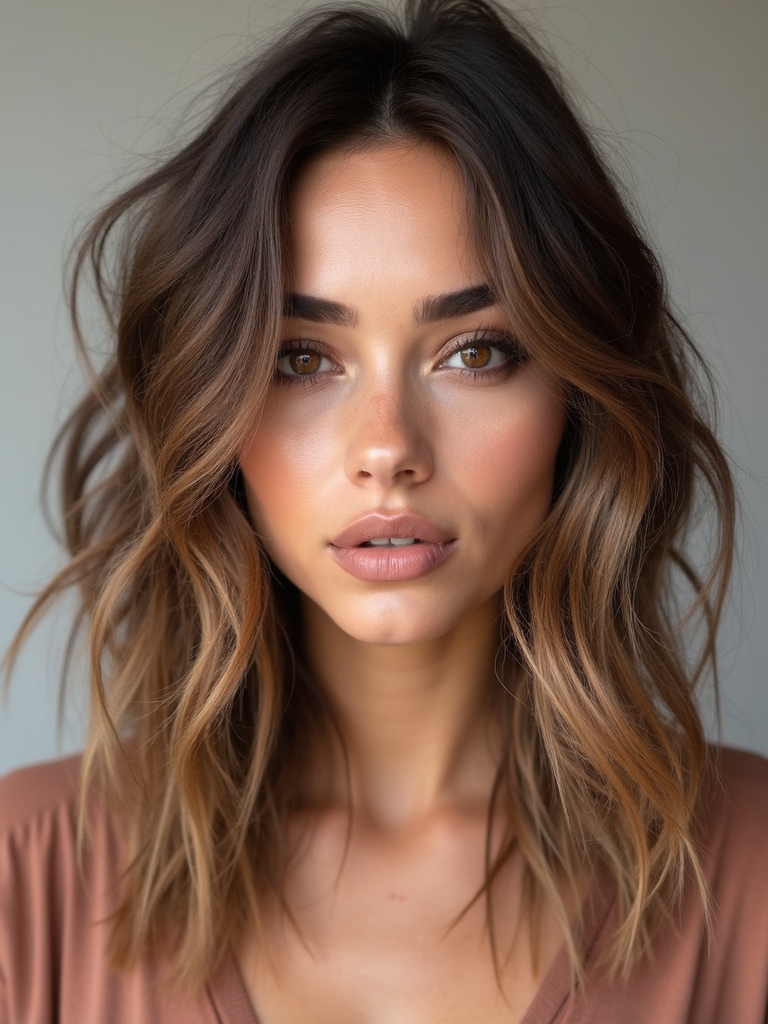
Loose, natural waves get the most out of a wolf cut, since the shape rides movement that’s already there. A heavily layered crown paired with piecey ends turns a gentle S-wave into full, undone texture with very little effort.
The bend in the hair is what makes this pairing work. It gives the layers something to grab onto, which is exactly what stick-straight hair lacks and tight coils don’t need in the same way. On waves, a scrunch of texturizing spray and an air-dry cover most of the routine, and the layering itself holds up well between trims since there’s rarely a single defined edge to grow out awkwardly.
The Crown-Layered Curly Shag
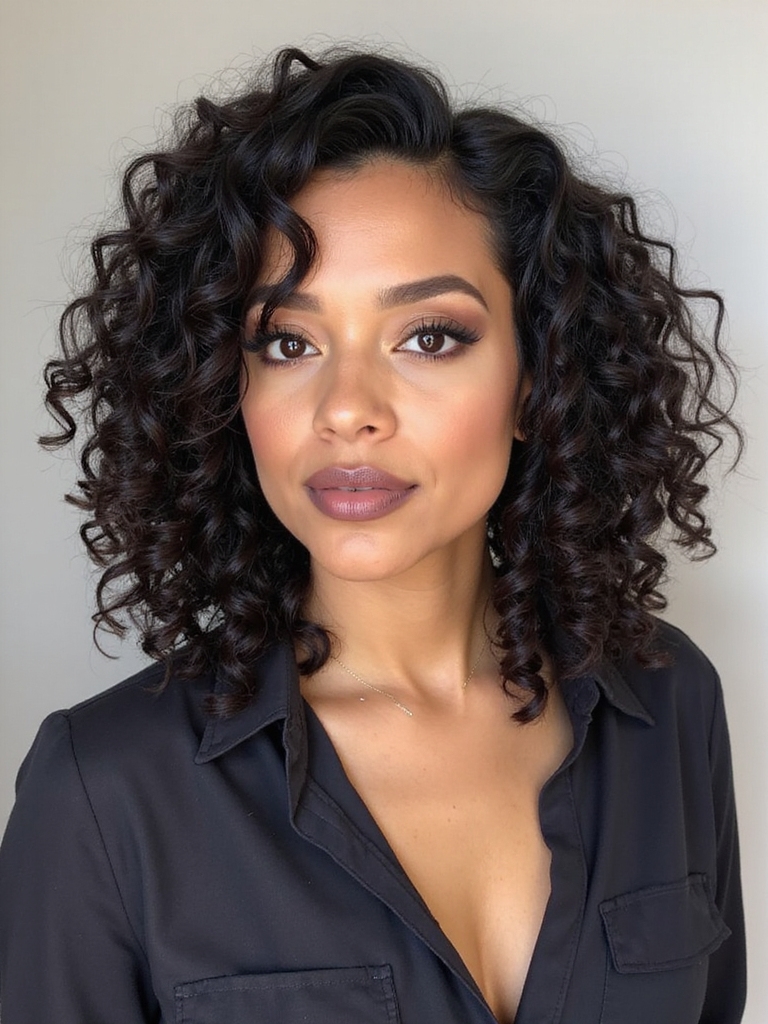
Springy, defined curls respond best to crown layering. Shorter, lifted layers through the top give a curly shag its height and stop the curls from sitting flat, while the shape widens gently toward the bottom.
Why the Crown Matters
Cutting the hair dry lets a stylist see exactly where each curl lands, and this version sculpts volume upward instead of outward. The payoff is a rounded, balanced shape rather than the heavy triangle curls tend to fall into on their own.
This is the curly cut that gets the biggest reaction in my chair, and once it’s shaped, it asks for very little: a curl cream on damp hair and a diffuser most mornings. Skipping the diffuser entirely still works on a rushed day, since the crown layering keeps most of its lift even air-dried.
| Texture | What it needs | Watch for |
|---|---|---|
| Wavy | Layered crown, minimal product | Can fall flat without enough layering at all |
| Curly or coily | Cut dry, crown-focused layers | Wet cutting misdirects where the volume lands |
| Fine or straight | Conservative, shorter layering | Over-thinning kills the lift it’s built for |
The Shaggy Bob With a Curtain Fringe
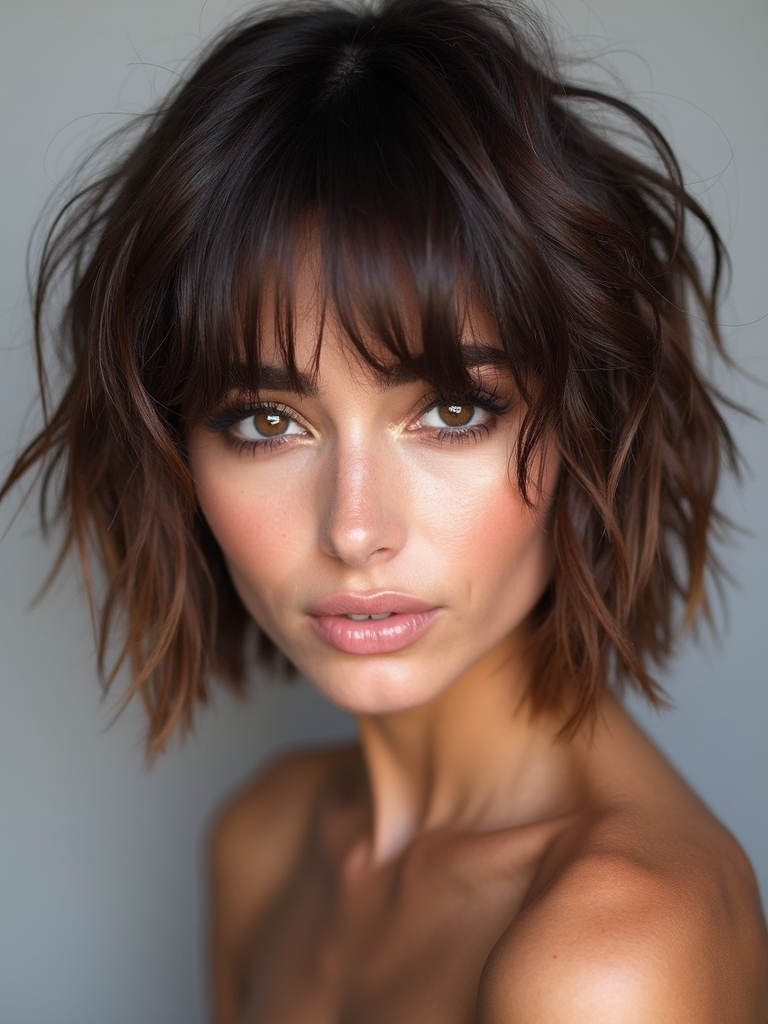
Wavy-to-straight hair that wants something shorter does well in a shaggy bob paired with a curtain fringe. The chin-to-shoulder length stays manageable, while the soft fringe frames the face along two gentle diagonals.
The Easiest Entry Point
The pairing works because the fringe is really just the front layer of the shag, carried up toward the forehead so it blends rather than sitting apart. There’s no hard line anywhere in the shape.
First-time shag clients get pointed toward this one more than any other, since the length feels reassuring and the fringe grows out without an awkward stage.
The Long Shag With Ribbon Layers
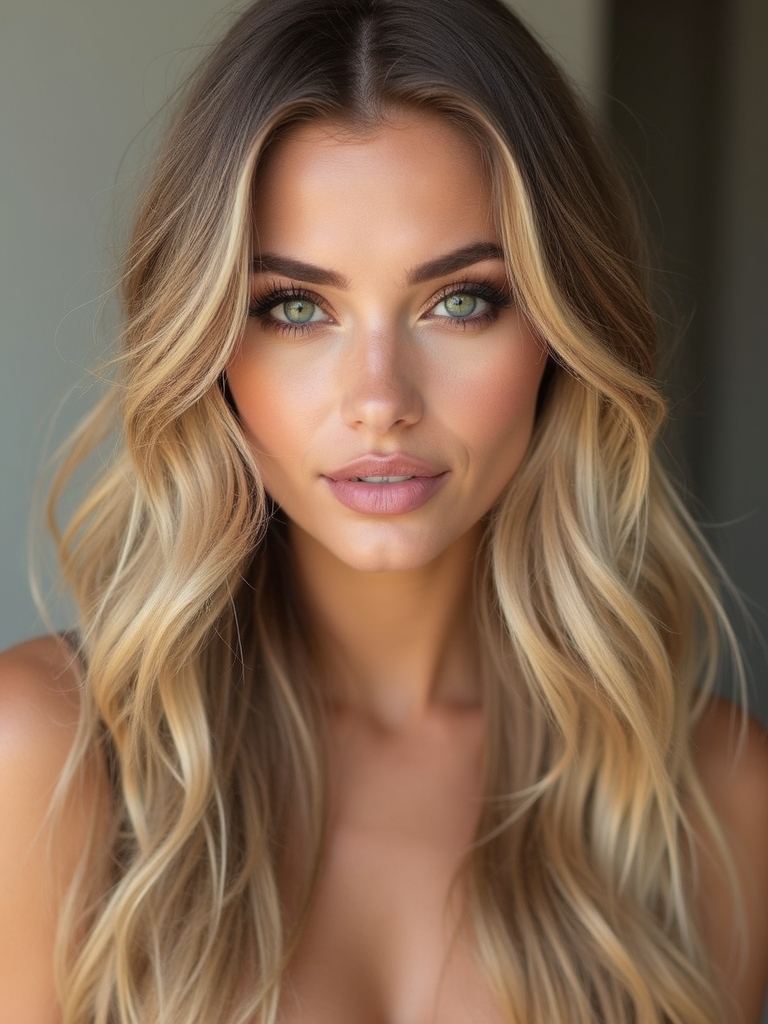
Anyone wanting to keep their length can still get a real shag through what’s sometimes called ribbon layering: long, soft internal layers that thread movement down the lengths without cutting away the length itself.
Length Without the Weight
The goal is removing weight, not inches. Long hair without any layering hangs like one heavy curtain; ribbon layers carve channels of movement through it, so it finally swishes instead of just sitting there.
It suits wavy and straight hair especially well, where the layers catch the light and show their movement clearly. On curly hair the same idea holds, though the layers need to sit a little differently to account for shrinkage, and a stylist unfamiliar with curl pattern can easily cut them too short by guessing at the wrong length.
The Micro Shag for Tight Coils
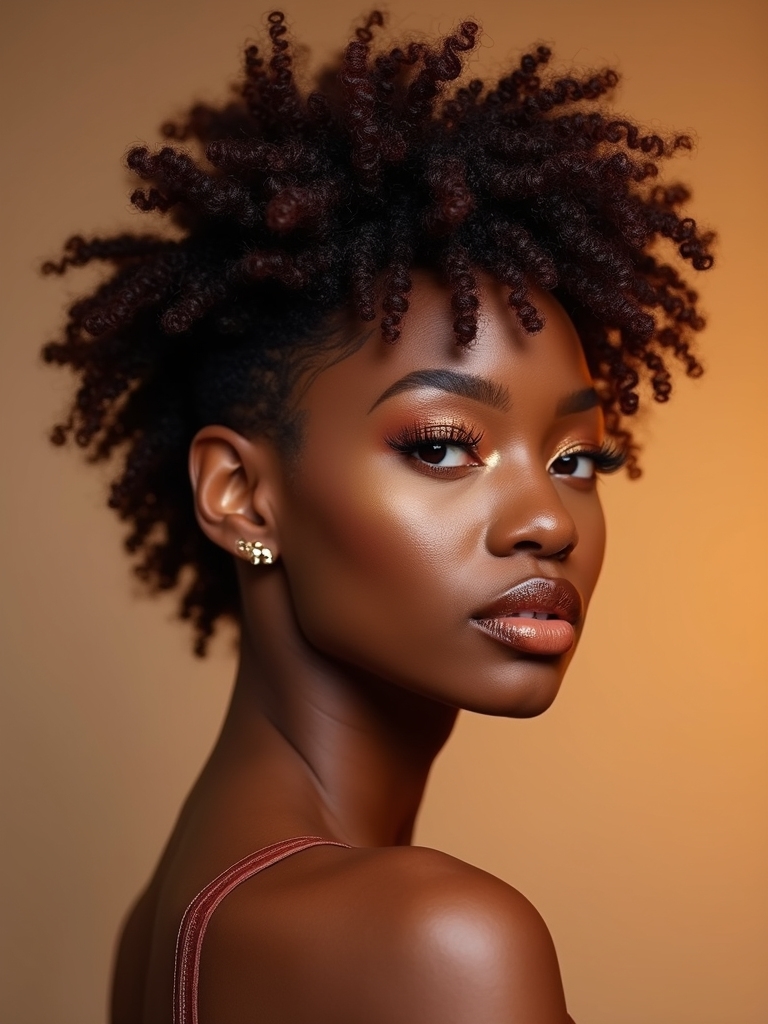
Tight, type-4 coils carry a cropped micro shag with real impact, sculpting the volume into a deliberate shape close to the head. It’s one of the cuts I reach for most with natural-textured clients, since it works with the density instead of fighting it. Cutting on dry, stretched hair matters here, because coils can shrink by half or more, and seeing the true length is the only way to shape it accurately.
- Cut dry and stretched so the true length stays visible
- Shapes the silhouette deliberately, not just trims length
- A leave-in plus a butter or custard keeps coils from drying out
A few terms worth knowing before you book:
📖Shrinkage
How much shorter coils appear once dry compared to stretched; can be 50% or more on tight patterns.
📖Ribbon layers
Long, internal layers that thread movement through length without shortening the overall cut.
📖Shattering
Point-cutting the ends into deep, irregular snips for a broken, textured perimeter.
The Air-Dry Shag for Fine, Straight Hair
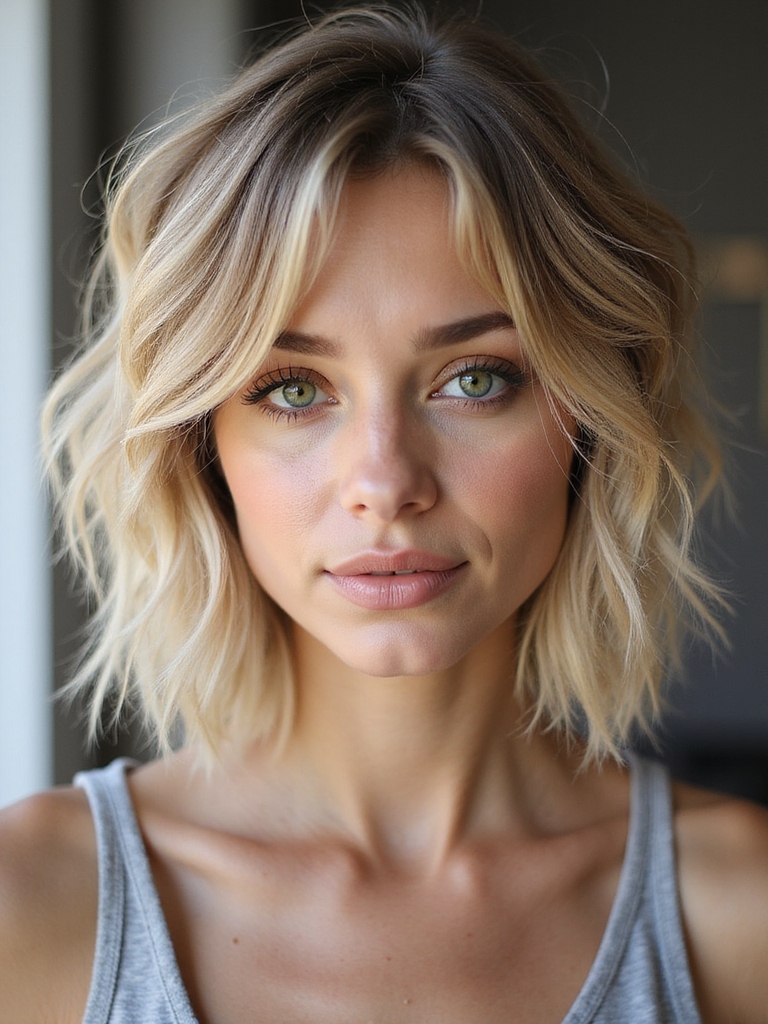
Fine, straight hair is the texture most people assume can’t carry a shag, and that’s simply wrong. It just needs the lightest possible hand. Cut well, the choppy layers create separation that tricks the eye into reading more density than is actually there. Ask for soft, conservative layering, since over-thinning is the real danger on hair this fine. Keeping the length on the shorter side, chin to collarbone, means less weight dragging the lift back down.
- Soft, conservative layers avoid the over-thinning risk
- Shorter lengths carry less weight to fight against
- Rough-dry the roots for a minute; skip heavy product entirely
The Midlength Shag With Shattered Ends
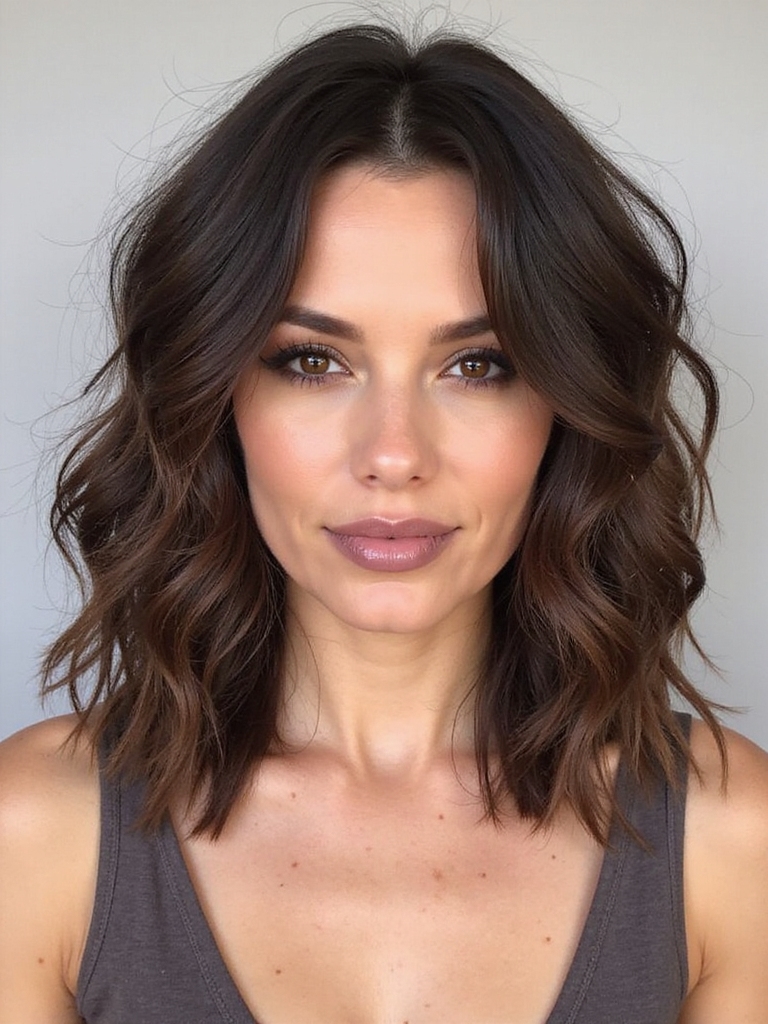
At a versatile midlength, shattered ends are what push a shag from soft to bold. Shattering means cutting the ends in deep, irregular, piecey snips, so the perimeter looks broken up rather than blunt and even.
What Shattering Actually Means
Clients ask for this version specifically when they want visible edge without committing to a big change. It’s a styling-light, attitude-heavy option, well suited to wavy or straight hair that wants a point of view.
The shattered ends move on their own and rarely need precise styling, which is most of the appeal. It’s a confident look without a dramatic length change behind it.
The Curly Shag With Baby Bangs
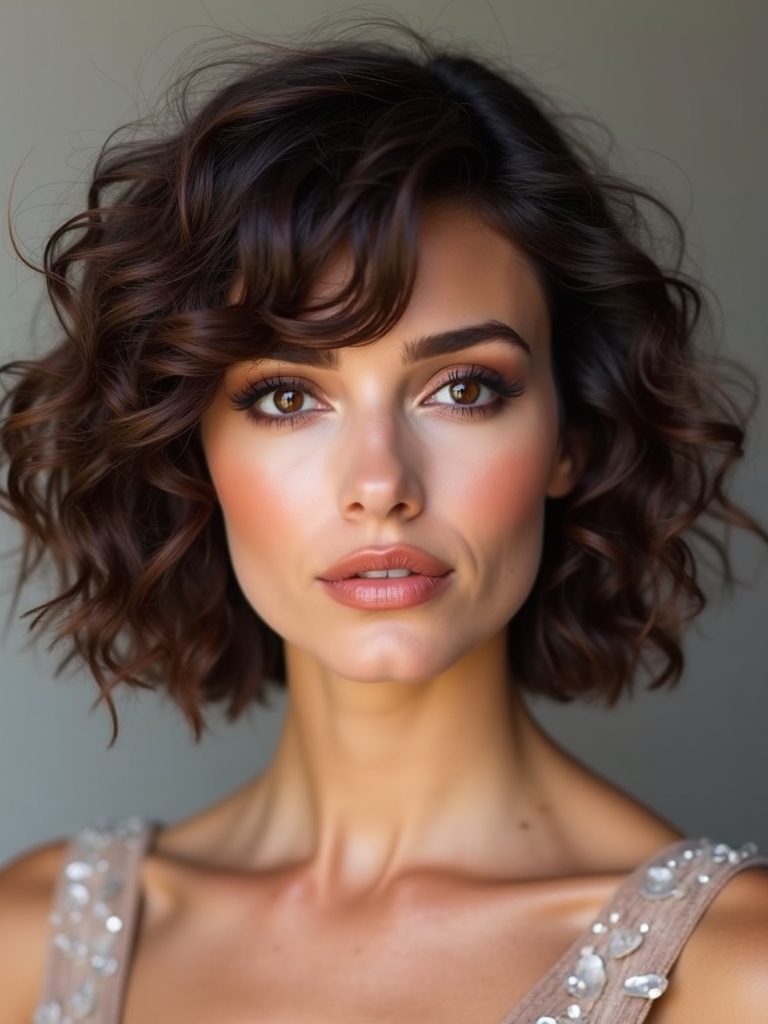
For curlies wanting to make a real statement, baby bangs on a curly shag read bolder and softer than they sound, since the curl turns a tiny fringe into a rounded, springy detail instead of a severe straight line. Cutting the bang dry and accounting for shrinkage matters most here; a curly baby bang springs up noticeably shorter than it looks wet.
- Cut dry, with shrinkage factored in from the start
- Keep it rounded and a touch fuller than expected
- Pair it with layered length so the bang echoes the rest of the curl
Keeping a curly fringe in shape between trims:
1Cut dry, always
Any curly bang should be shaped dry so shrinkage is already accounted for.
2Twist, don’t comb
Finger-coil the bang around a small brush or your finger while damp to keep the curl pattern intact.
3Refresh, don’t restyle
A spray bottle with water and a little leave-in revives the curl faster than reaching for new product.
The Bold Mullet Shag
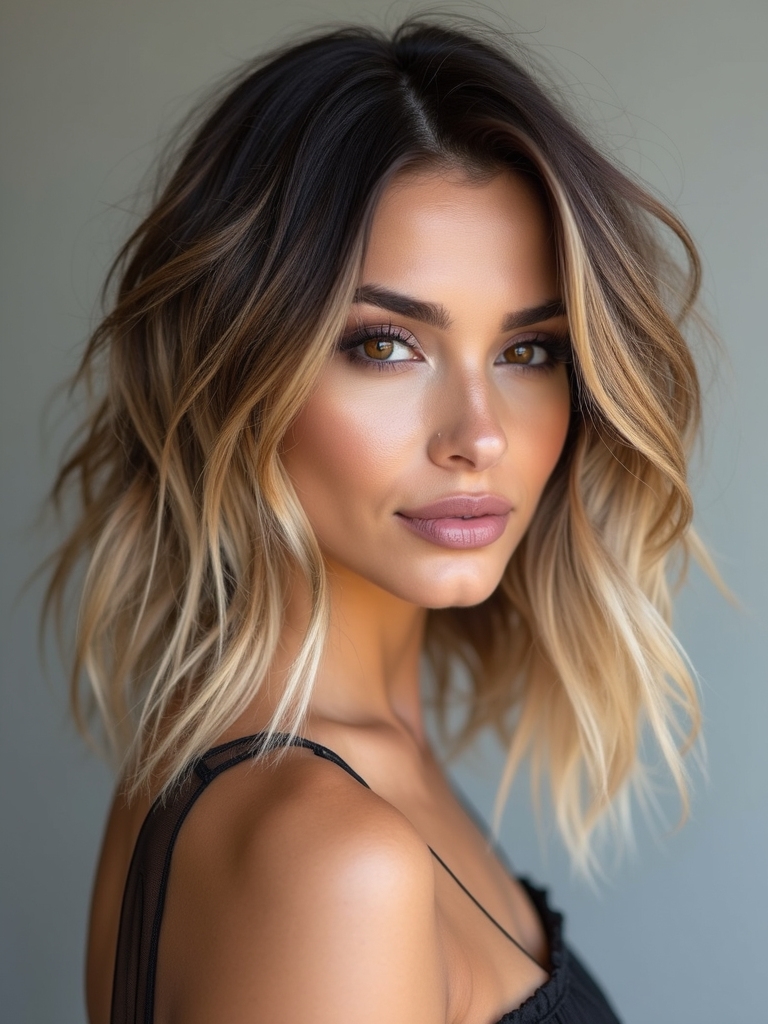
When someone wants the boldest shag on offer, the mullet version pushes the layering to its extreme: shorter and choppier through the top and front, longer and flowing through the back. The underlying shag texture is what keeps it from reading like a costume.
What sets it apart from every other cut here is that deliberate short-long contrast, dramatic up front and relaxed through the back. A polished, neat version misses the point entirely; the texture needs to stay a little undone to work.
- Short, choppy layers up top; length kept flowing at the back
- The contrast is the whole design
- A texture paste worked through the ends to keep it textured
Styling Moves That Work on Any Shag
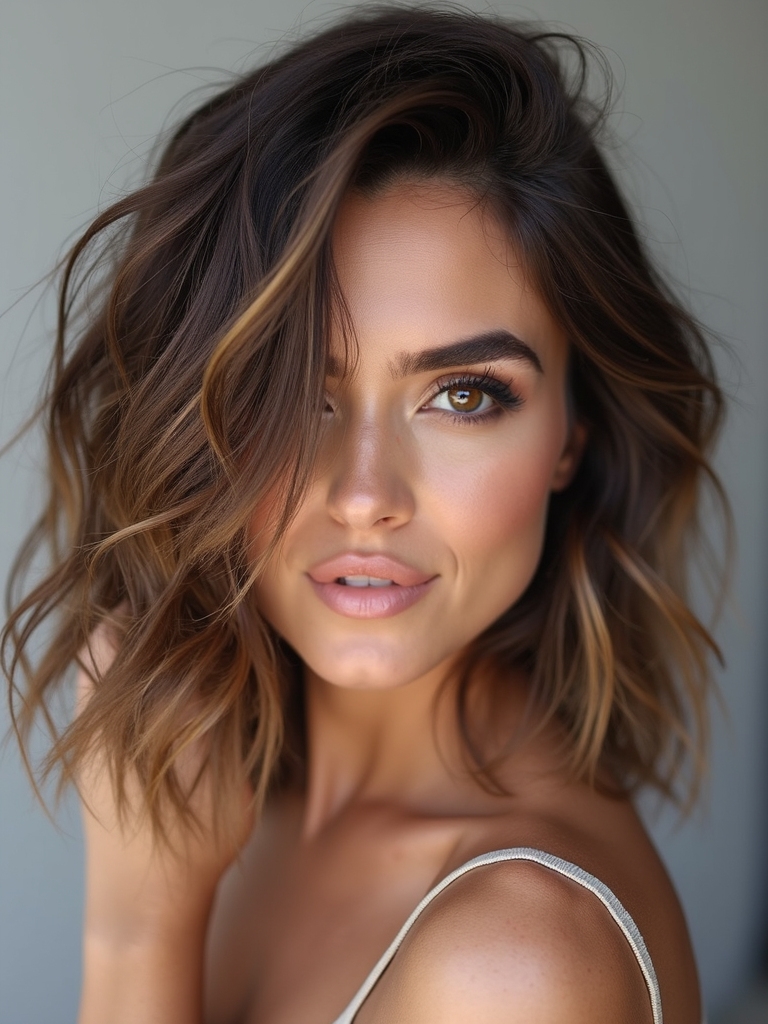
A handful of habits keep any shag looking deliberately undone rather than simply unkempt, whatever texture it’s cut on.
Product restraint tops the list: a shag wants texture and separation, so a light spray or curl cream beats a heavy serum nearly every time. Letting it dry naturally helps too, since most shags fall into shape better air-dried or diffused than blasted smooth with heat. A round brush flattens the very texture the cut was built to show.
Second-day, slightly textured hair also holds a shag’s shape better than freshly washed, slippery strands. Switching the part to the opposite side gives instant root volume on a flat day, and a single drop of oil on just the ends helps if the hair runs dry, kept well clear of the roots. None of these moves take more than a minute or two, which is really the whole point of choosing this cut in the first place.
Caring for Any Shaggy Cut
Keeping up with trims matters more here than on a blunt cut, since a shag lives entirely on its shape. Let the layers blur and the whole style reads grown-out, no matter how good the products underneath are. The good news is that a shag forgives a slightly late trim better than a bob does, since there’s no single hard line to notice growing out.
A texturizing spray runs a few dollars at the drugstore; the real investment is the reshaping visit itself, roughly every six weeks and typically $45 to $70 depending on length, since that’s the appointment actually maintaining the layering everything else depends on. Stretching much past that window is when the shape starts losing its edge.
Shaggy Cut Questions, Answered
?Is a wolf cut the same as a shaggy cut?
A wolf cut is a bolder type of shag. It pushes the layering further, with a shorter, more disconnected crown and more aggressive, piecey ends, so it reads edgier and more voluminous. Every wolf cut counts as a shag, but plenty of soft, wearable shags never get close to that drama.
?What’s actually different between fine hair and thin hair for a shag?
They aren’t the same thing, and it changes how the cut gets approached. Fine means each strand is small in diameter; thin means there are fewer strands overall. Fine hair usually loves a shag’s separation, since it fakes body. Thin hair benefits more from where the layers sit than from how choppy they are.
?Can a shag work on hair that’s color-treated or a little damaged?
Generally yes, since the layering itself doesn’t stress the hair beyond what any cut does. The bigger question is how much heat styling the chosen version demands; the air-dry and wash-and-go versions here are gentler on compromised strands than anything needing daily hot tools, so lean toward those while the hair recovers.
?Does changing texture, like with a keratin treatment or a perm, mean rebooking the cut?
Often, yes. A shag is built around how a specific texture falls, so a treatment that changes the curl pattern in a real way can leave the layering sitting wrong until a stylist adjusts it for the new texture.
Let Your Texture Choose the Shag
The shag earns its reputation as the cut that works with whatever hair shows up, but only once the choice starts from actual texture instead of someone else’s photo. Waves want a wolf cut, curls want crown layering, coils want a sculpted crop, and fine straight hair wants the lightest possible hand.
Figure out the texture and the honest upkeep first, then bring a photo of that specific version, on hair like yours, to someone who knows their way around the pattern. Get that match right, and a shag becomes one of the easier cuts to actually live with.
More Ideas Here