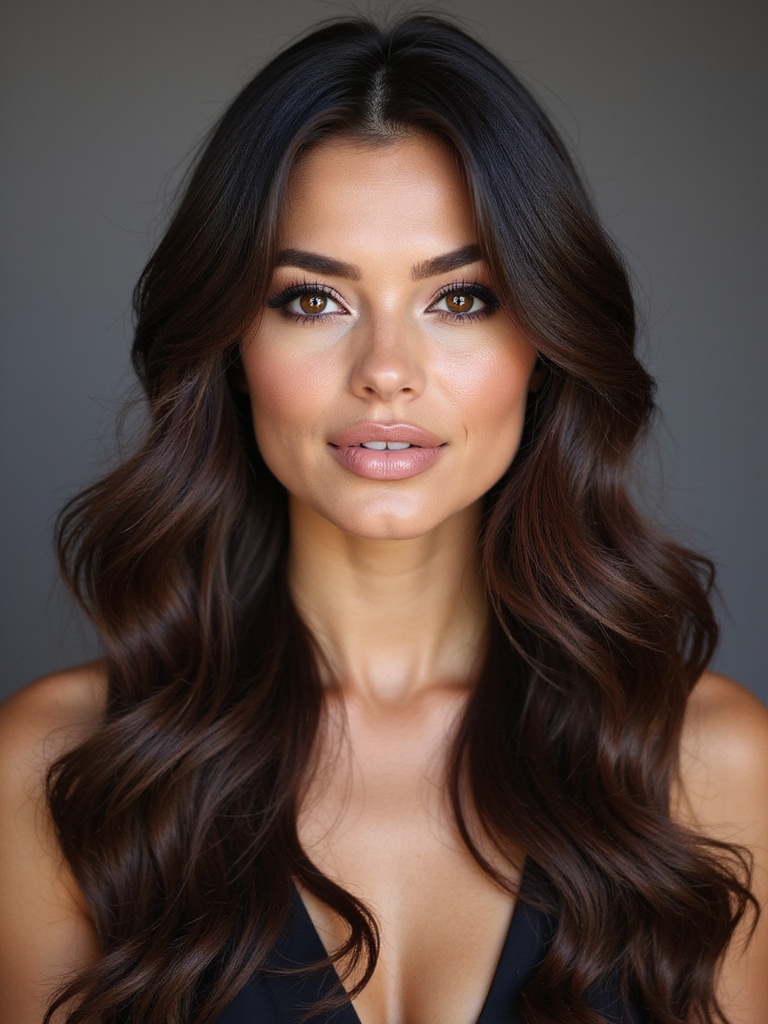
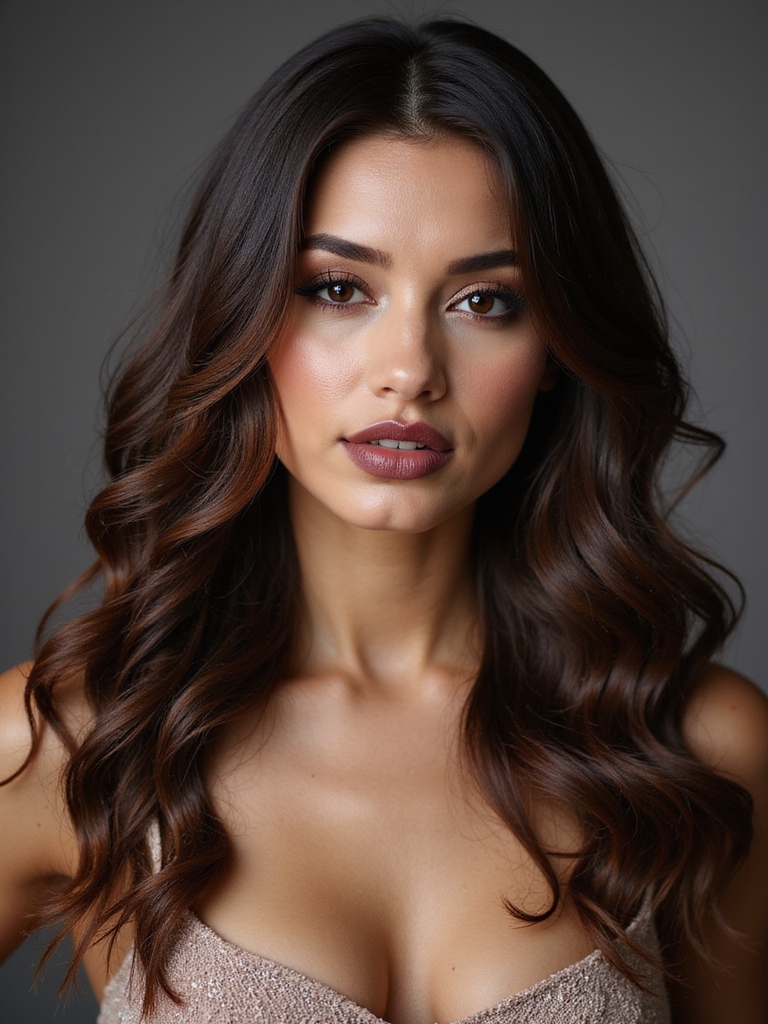
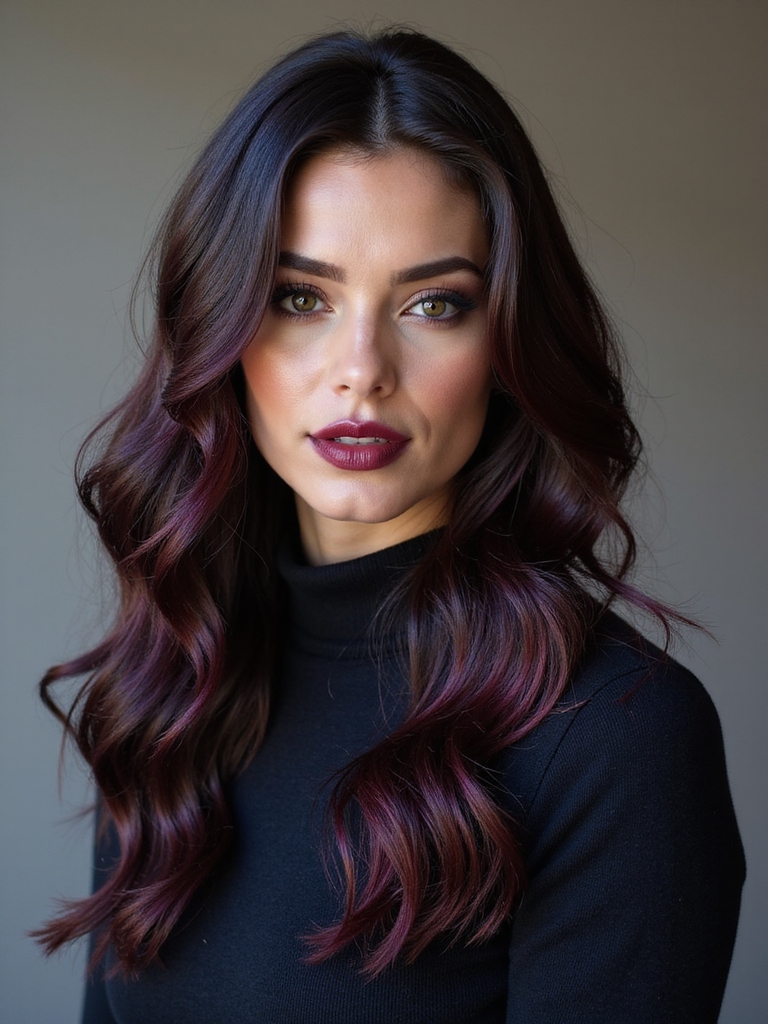
A bold winter color and a low-maintenance life are not supposed to fit in the same sentence, yet the most interesting shades I do this time of year ask for almost nothing once you leave the chair. The answer is contrast. Keep the change soft against your natural base and the color makes a statement without demanding a toner every three weeks.
Below are fifteen winter shades that pull this off, sorted loosely from cool to warm and from quiet to playful. Some are deep brunettes, some are smoky pastels, one is a true gray. Each note tells you who it flatters and what it actually costs you in upkeep, so you can pick the statement that fits your real schedule.
Winter Color, the Short Version
How do I make a statement without high upkeep? Keep the color close to your natural level. A low-contrast change, like a gloss or a balayage, grows out soft so you skip the every-few-weeks root chase.
What if I want color but work somewhere conservative? Go for ribbon pastels or a money piece. Thin, face-framing pieces of lavender or platinum read subtle up close and wash out gently if you change your mind.
Which winter shades are the lowest maintenance? Glosses, root-shadowed brunettes, and neutral beige. They refresh tone or blend regrowth, so you skip the full re-lift every visit.
Subtle Ash Balayage for a Cool-Toned Glow

Ash balayage is the quiet way to go cooler for winter without losing all your warmth. Soft, painted-on ash tones brighten and neutralize brassiness while the root stays your natural depth, so the change stays soft and easy to wear. It is the shade I point people to when they want a different look with a calmer calendar. Here is what makes it salon-smart:
- Root shadowing keeps regrowth soft, so you can stretch to eight or ten weeks between visits.
- Fine, feathered placement adds movement without a hard line of contrast.
- A slightly cooler toner every six weeks holds the ash and keeps warmth from creeping back.
Warm Chestnut With Caramel Babylights

If cool tones wash you out, chestnut is your anchor. A rich, glossy brown base flatters nearly every skin tone, and a few caramel babylights lift the face just enough to catch winter light. The combination feels cozy and grown-up, which is exactly why it books out before the holidays. To get the dimension right:
- Keep the base a toasted, golden-leaning brown so the caramel melts softly into the base.
- Place the babylights around the face, where the lift does the most for your complexion.
- Add depth with caramel highlights on brown hair if you want more warmth through the lengths.
The biggest misconception I hear about winter color:
❌ Myth: A statement color has to mean bleach and constant upkeep.
✅ Reality: Not true. Glosses, root-shadowed brunettes, and ribbon pastels all read bold while asking for far less maintenance than an all-over lift.
❌ Myth: Pastels are unprofessional for work.
✅ Reality: Placement decides that. Thin, face-framing ribbons of lavender or rose look subtle and grown-up up close, nothing like a full pastel head.
Deep Chocolate Brunette With Auburn Warmth

Deep chocolate is the most flattering winter brunette there is, and the richest payoff for the least upkeep. The dark, glossy base gives instant depth, and a few auburn pieces placed where light hits add warmth without pulling the whole head red. On most people it looks expensive the moment they sit up in the chair.
What makes it a winter favorite is the maintenance, or rather the lack of it. Because the auburn is subtle and the base is close to most natural levels, regrowth barely shows and you can go a couple of months without a salon trip. A color-safe, sulfate-free wash keeps the chocolate from fading flat.
This is a great pick if you want seasonal impact but live a busy life. The richness flatters cool and warm skin alike, and it pairs beautifully with the deeper end of winter color built for brunettes when you want to go even darker.
Muted Lavender Face-Framing Ribbons

Want color that whispers? Muted lavender ribbons are my go-to for clients who like the idea of pastel but cannot wear anything loud to work. Thin, face-framing ribbons of soft lavender blend into your natural tone, so the color you notice from across a room quietly disappears into something modern and grown-up the moment someone steps close enough to really study your hair. It reads as polish, not pastel. Here is how to keep them wearable:
- Place the ribbons thin and close to the face, so the pastel stays subtle.
- Blend them into your base tone for a soft, low-contrast finish.
- Ask for a demi-permanent formula so they fade out gracefully to a soft edge.
Three terms worth knowing before your appointment:
📖Root shadow
A soft, darker tone melted at the root so regrowth blends in and grow-out looks intentional.
📖Gloss
A semi-permanent toner that adds shine and refreshes color without lifting or major commitment.
📖Demi-permanent
A gentle, no-lift color that fades out gradually, ideal for pastels and low-contrast change.
Smoky Blue Shadow Roots

A veil of smoky blue at the roots is the edgiest shade here, and far more wearable than it sounds. Picture a soft, cool-toned shadow at the root that melts down into your lengths, so the look stays moody and modern with very little commitment. I love it for anyone who wants depth with a little attitude.
Who It Suits
The reason it works is the placement. Kept at the root and blended down, smoky blue balances faded or cool-toned lengths and grows out soft, with no demarcation line to chase. It sits happily over both warm and cool bases.
Upkeep is honestly low for a fashion shade. A gloss every couple of months keeps the blue from going gray, and because it lives at the root, your ends are spared the constant processing.
Cool Platinum Money-Piece Framing

A couple of soft-platinum pieces at the front lift your whole look without touching the rest of your color. That brightness right at the face is what your eye lands on first, so it sharpens cheekbones and softens shadows for a fraction of the cost and damage of going lighter all over. To keep it polished:
- Frame the pieces around the cheekbones, keeping the widths subtle for natural contrast.
- Tone with a cool gloss every four to six weeks so the platinum holds its cool tone.
- Pair it with cooler winter blonde shades if you decide to go lighter later.
💡Stylist tip
Bring two photos to your consult: one of the color you want and one of your hair in natural light. The second one tells your colorist your real starting level, which decides whether your dream shade takes one session or three.
Sun-Kissed Honey for Low-Upkeep Warmth

Honey beige is the all-over shade I reach for when someone wants warmth that stays quiet. Soft, sun-kissed tones lift winter’s grayness and settle into the face with gentle dimension, so the color looks polished and calm. It flatters tired winter skin and feels luxe against a cool-toned wardrobe.
Best of all, it grows out kindly. The shade sits close enough to most natural levels that the line between color and regrowth stays soft, which is what keeps the upkeep low. A few things help it last:
- A gloss every eight to ten weeks to refresh warmth and shine.
- A hydrating mask weekly, since dry hair dulls a warm shade fast.
- Soft, face-framing placement so the dimension stays natural and blended.
Icy Beige Blonde With Natural Roots

Icy beige blonde leans cool, but pairing it with your natural roots keeps it soft and wearable. The darker root adds depth and acts as grow-out insurance, so you get a clean, modern blonde and skip the touch-up every few weeks. It is one of the easiest cool blondes to live with.
It comes down to a creamy, low-contrast toner and a little root smudging where the color meets your natural depth, and that soft blur is the single thing that keeps brassiness at bay and lets the grow-out drift in slowly instead of arriving as a hard, obvious band of regrowth. Done right, this shade looks polished from your first appointment through month three.
📋Before you book a winter color
- ✓Be honest about how often you will really come in for upkeep.
- ✓Pick a shade close to your natural level if you want low maintenance.
- ✓Ask whether the look is one appointment or a multi-session journey.
Icy Beige With Dusty Rose Lowlights

Take that cool beige base and thread in dusty rose lowlights, and the hair gains a sculpted, modern feel with warmth that stays grounded. The cool base is what lets the muted pink stay just shy of true pastel. It is a quiet, sophisticated way to wear color. Here is how I build it:
- Place the dusty rose as lowlights through the mid-lengths, so they add contour and depth.
- Keep the contrast gentle and low, so the rose stays grown-up.
- Use a demi-permanent formula and tone roughly every three months to hold the clarity.
Mocha Espresso Gloss for Instant Depth

When a brunette wants richer color without committing to a new shade, a mocha espresso gloss is the fastest fix in the book. In a single quick salon service it deepens and enriches your existing brown tones, blurs out any brassiness that has crept in over the past few months, and seals the cuticle so the whole head catches light again. The first time someone sees their dull brown turn glossy espresso, the relief on their face says it all.
It is about the lowest-commitment color you can do, which is why I suggest it so often in January. A few things to know:
- It lasts a few weeks and fades softly, so there is no harsh regrowth line.
- Sulfate-free care stretches the shine and the tone.
- It adds subtle cool warmth and instant radiance for a busy, low-effort winter.
Frosted Brunette With Sliced Highlights

If you love glossy brunette depth but want a little crisp dimension, frosted brunette is the refined version. Thin, sliced highlights in a cool-leaning caramel break up the dark base for movement while keeping the warmth that makes brunette flattering. It is a polished winter update, quiet by design. To keep it tailored:
- Ask for thin, face-blending slices kept fine for a soft effect.
- Keep the highlight tone a cool caramel so it frosts the base with a cool sheen.
- Finish with a gloss to unify the contrast and add the frosted sheen.
Walnut Brown With Copper Face-Framing

Walnut brown is a luxe, warm base, and framing it with sunlit copper is how you brighten your complexion while keeping that natural depth. The copper pieces sit around the hairline, catching light and adding lively contrast, while the rich walnut keeps the whole thing grounded and wearable.
Placement is everything with copper. Kept soft and strategic around the face, it flatters both cool and warm skin tones and stays in balance with the base. Spread it too wide and the warmth takes over, so I keep the brightest pieces close to the hairline.
Maintenance stays low for such a warm look. A gloss and the occasional toner keep the copper lively, since copper is the first tone to fade. Plan on a refresh every couple of months to hold the vibrancy.
Steely Gray Ombre Fade

A steely gray ombre is the most modern shade on this page and a real commitment, so it earns its own honest talk. The cool-toned base melts from deeper roots into softer silver through the mid-lengths, and a clean ombre blend keeps the shift soft and easy to wear. It flatters both pale and deeper complexions.
What Gray Asks of You
Getting gray right is mostly about discipline after the lightening. It leans on cool ash foundations for longevity, a purple shampoo to neutralize brass, and a bond builder worked in at every session to protect hair that has been pushed this light.
The payoff is a grow-out that looks intentional and clean, because the depth lives at the root. If you have wanted a true winter statement and the toning routine sounds realistic, this is the one that turns heads.
Warm Beige With Worn-In Dimension

Warm beige balayage is the low-maintenance workhorse of winter color, and it earns its keep. Cool, sandy tones blended with subtle honey highlights create natural-looking depth that flatters most skin tones, with a soft, worn-in finish. It is the shade I recommend most to people who hate frequent touch-ups.
The painterly placement is what buys you time between appointments. Face-framing pieces and soft strokes through the mid-lengths mean regrowth blends down quietly on its own:
- Freehand balayage keeps the root soft, so you can stretch to ten or twelve weeks.
- A neutral-warm tone hides regrowth better than a bright, high-lift blonde.
- A gloss every couple of months keeps the dimension from going flat.
Neutral Cinnamon for Everyday Wear

Cinnamon is the everyday winter warmth that stays easy. A soft blend of copper and brown gives depth and a polished, flattering glow with minimal upkeep, which is why it is the shade I suggest for clients who want low-effort color that still looks considered. It harmonizes with most skin tones beautifully.
Keeping it easy comes down to a few habits. A root smudge makes regrowth blend, subtle face-framing highlights add lift, and a gloss finish holds the shine. With a toner refresh every eight to ten weeks, the color stays clean without much thought.
What I love about cinnamon is how quietly it changes your whole look. It is warm but clean, rich but easy to wear, and it carries you from the depths of winter toward spring with a gentle transition. For a quiet statement you can actually live with, it is hard to beat.
Winter Color Questions, Answered
?What is the lowest-maintenance winter hair color?
A gloss, a root-shadowed brunette, or a neutral beige balayage. All three either refresh tone or blend regrowth instead of needing a full re-lift, so you can stretch salon visits to two or three months. Glosses in particular fade softly with no harsh root line.
?Can I wear a fashion color like lavender or blue to a conservative job?
Yes, if you keep it placed and subtle. Thin, face-framing ribbons or a smoky shadow root read modern and quiet up close, nothing like an all-over pastel. Ask for a demi-permanent formula so it fades out gently if you ever need to tone it down fast.
?How do I choose a winter color for my skin tone?
Cool, fair skin tends to glow with ash, steely gray, and icy beige, while warmer or olive skin comes alive in chestnut, cinnamon, and copper. If winter washes you out, add warmth near the face. When in doubt, a neutral shade like beige or a soft brunette flatters the widest range. Bright winter pieces also help, like a [[color that resists fading|bright-winter-hair-color-ideas]] around the face.
Pick the Statement That Fits Your Winter
The best winter color is the one that turns heads and still survives your actual life. Lean cool with ash and steely gray, warm with chestnut and cinnamon, or playful with lavender and smoky blue, but match the upkeep to your real calendar before you commit to anything.
Save a couple of these and bring them to your colorist, along with a note about how often you can come in. If you are leaning lighter, it is worth reading up on a brighter winter blonde too, so you walk in knowing exactly what your winter statement will cost to keep.
More Hair Inspiration