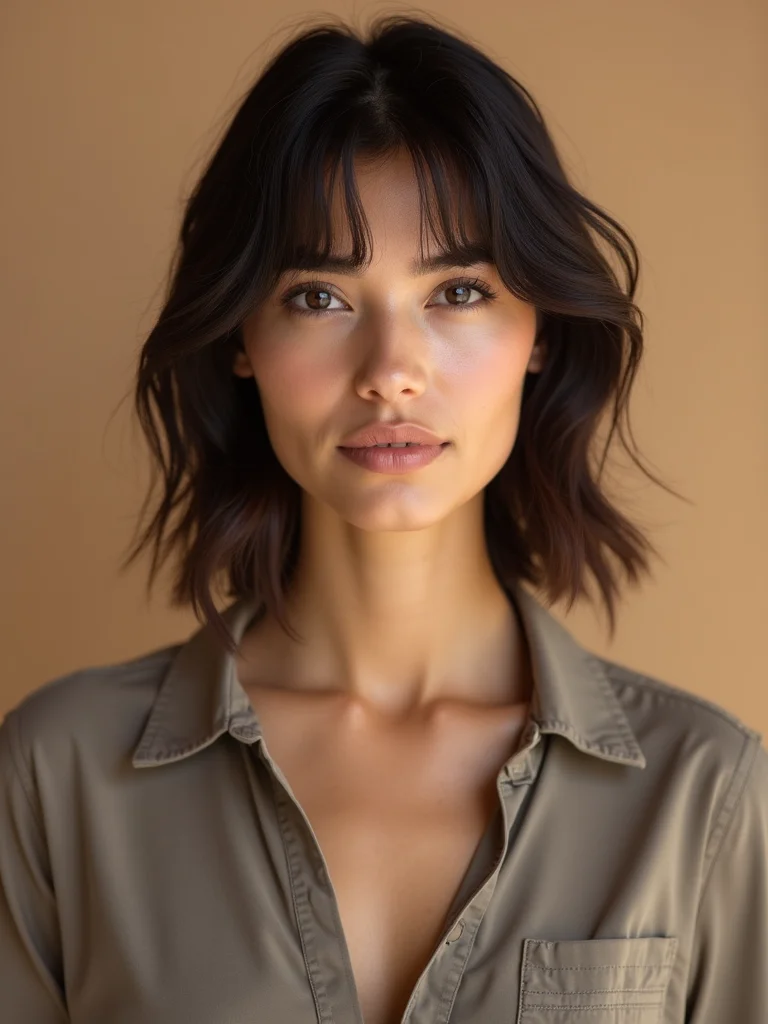
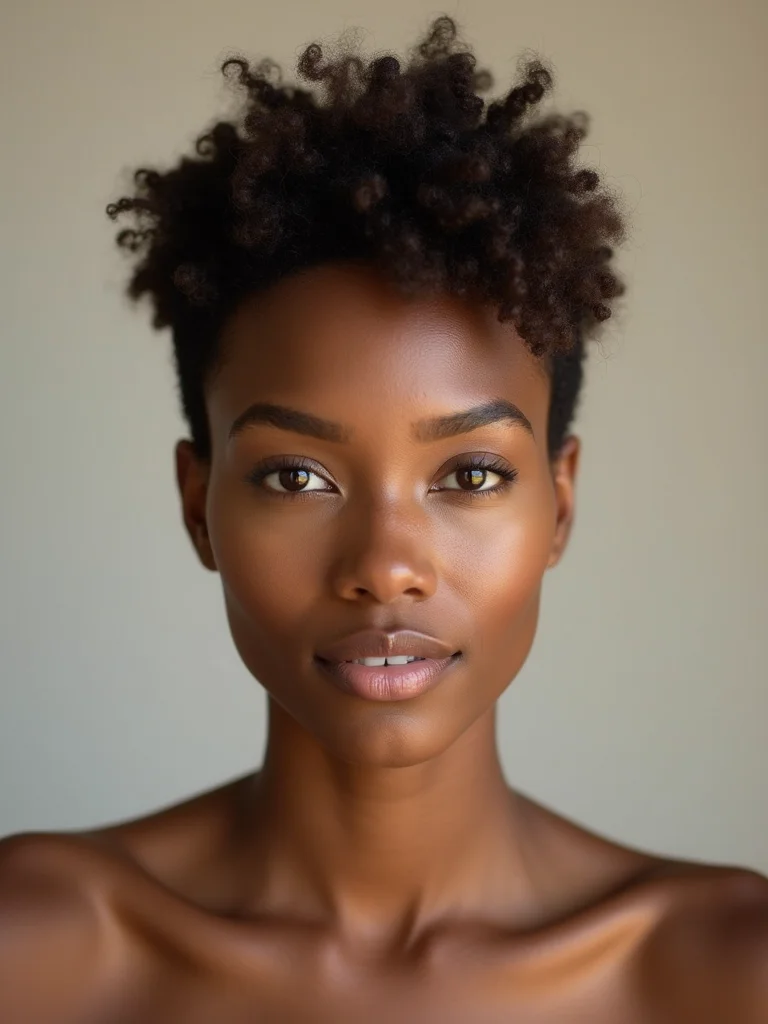
Curl pattern, not face shape, is the single biggest factor in how a pixie cut turns out. Two people with identical bone structure can get completely different results from the same haircut if one has 2C waves and the other has 4A coils.
This guide covers choosing a curly pixie by curl pattern, nine cut variations, and the wash-and-go routine, products, and maintenance that keep any of them looking intentional between salon visits.
Curl Pattern First, Cut Second
- Curl pattern determines cutting length more than any other single factor; shrinkage varies enormously between pattern types.
- A wash-and-go routine only works on a curly pixie if the cut itself was designed around it from the start.
- Product buildup shows faster on short curly hair than on any longer length, since there’s less length to dilute it.
Choose the Crop That Fits Your Curl Pattern

Curl pattern runs on a scale from loose S-shaped waves to tight, springy coils, typically labeled 2A through 4C. That single label predicts more about how a pixie will look and behave than almost anything else about the haircut.
Why the Curl Chart Matters More Than the Photo
Looser patterns, 2A to 2C, need more length left in to show any curl at all, since the bend is gentle and shrinks up less dramatically once dry. Tighter patterns, 3C to 4C, can go shorter and still show plenty of texture, since the coil itself shrinks up so much that even a short cut reads full.
A stylist working from a curl chart or reference photos taken at the actual pattern, not just “curly,” gets far closer to the right length on the first cut. The curly hairstyles guide covers the same pattern-matching principle across longer lengths too.

Soft, Wavy Layers With Wispy Movement

Loose 2A-2B waves carry the least natural shrinkage of any pattern on this list, so a pixie cut for this texture can run slightly longer than one built for tighter curls and still read short once dry.
The Lightest-Touch Curl Pattern on This List
Wispy layering removes weight unevenly through the ends, letting the loose wave pattern show instead of pulling the whole shape down into one flat mass.
This texture holds a soft, undone finish with very little product, often just a light cream worked through damp hair before it air-dries.
Sculpted Curls With Tapered Sides
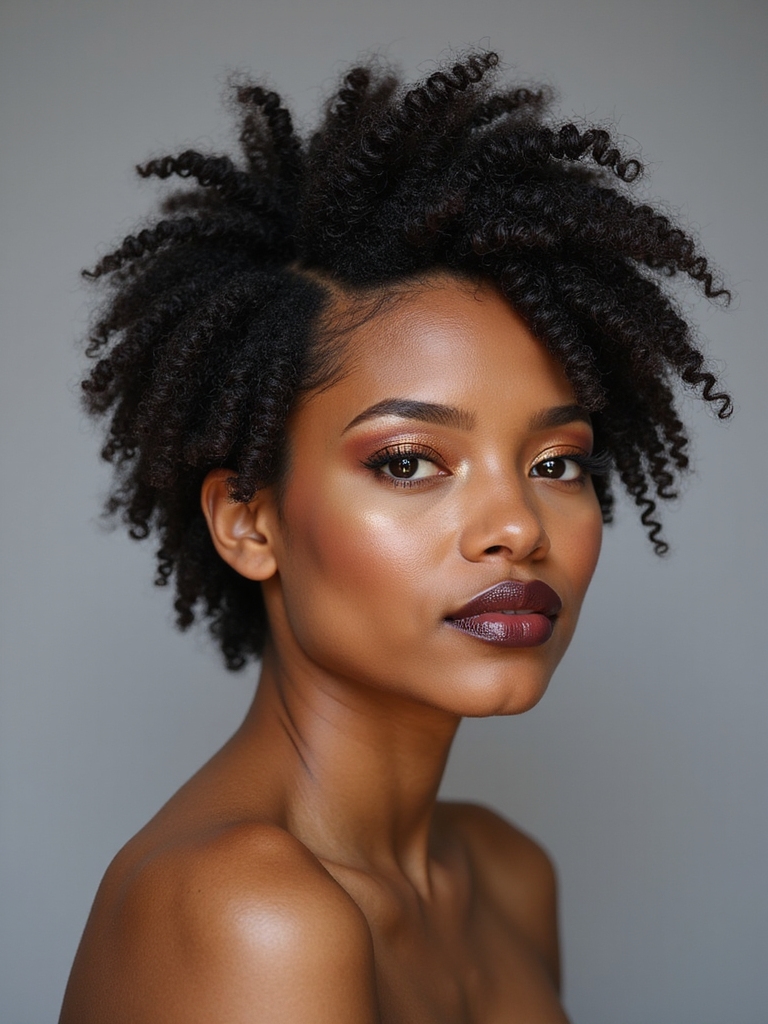
Tapered sides remove bulk gradually rather than in one sharp line, which keeps a curlier pattern from ballooning out at the sides the way a blunt cut might.
This works especially well on 3A-3B patterns, where the curl has enough spring to sit close on top but still needs the sides controlled to avoid a triangular silhouette. A shape-up on the tapered sides, plan on around $25, keeps the line clean between full cuts.
A couple of myths about wavy and curly pixies worth clearing up:
❌ Myth: Myth: Looser waves don’t count as “curly” enough for a curly pixie cut.
✅ Reality: Fact: 2A-2B waves shrink up less than tighter patterns, but the same cutting principle, working with the pattern instead of against it, still applies.
❌ Myth: Myth: A curly pixie always needs daily styling.
✅ Reality: Fact: A cut designed around the actual curl pattern can hold a wash-and-go finish for several days between products.
Voluminous Crown for Loose Curls
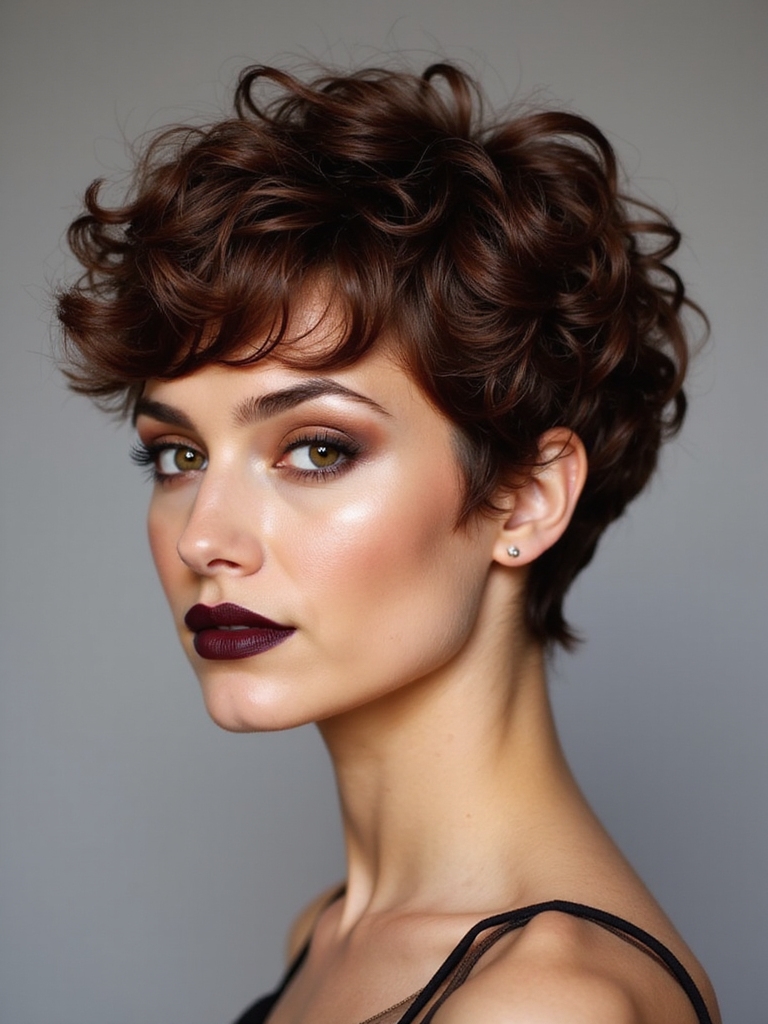
A voluminous crown builds extra height and fullness at the very top of the head, a shape that suits looser curl patterns needing a boost since they don’t shrink up into natural volume the way tighter coils do.
Diffusing upside-down at the roots, rather than straight down, is what actually builds this volume; the cut alone doesn’t create height on its own.
It’s a deliberately styled shape, one that needs the diffusing step every time rather than falling into place on its own.
Cropped Coils With Defined Edges

Very short cropped coils work almost exclusively on tighter 4A-4C patterns, where the coil itself provides enough visual texture that length becomes almost irrelevant to the finished look.
Defined edges, a clean line at the hairline and temples, give the crop a finished, intentional look that a soft, undefined edge doesn’t provide on this length.
A boar-bristle brush and a small amount of edge control product, applied sparingly, keep the line crisp without weighing the coils down.
Curly Shag-Pixie Hybrid
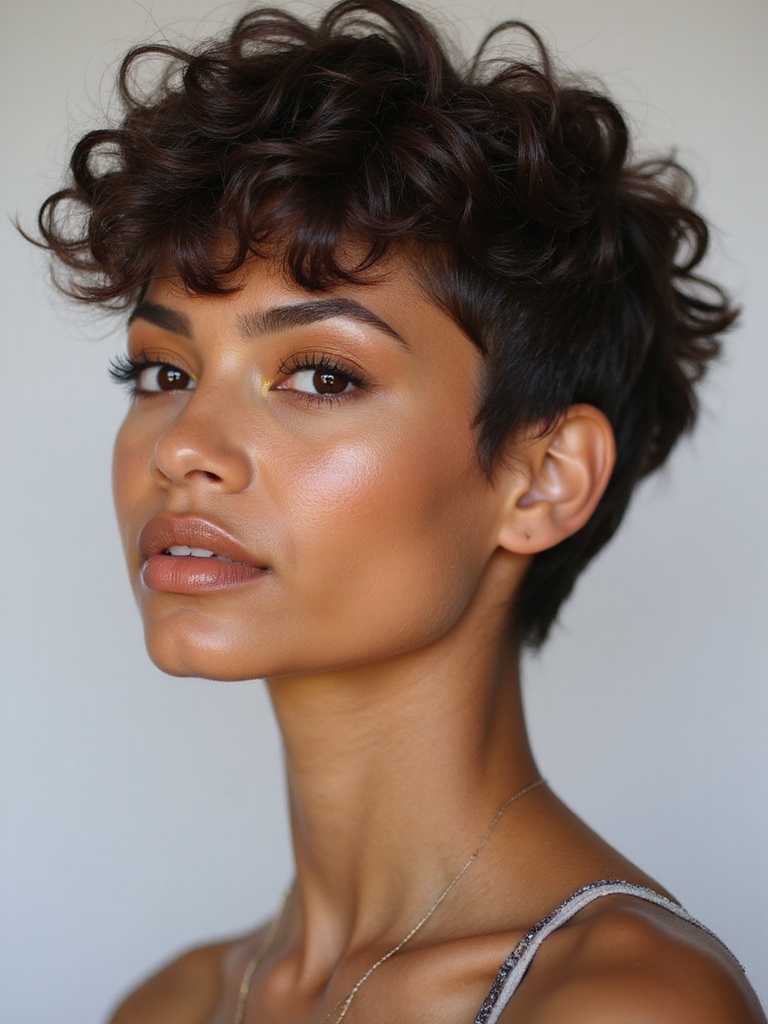
A shag-pixie hybrid layers heavily throughout rather than concentrating length at the crown, giving curlier patterns more movement and less of the single rounded silhouette a standard pixie can fall into.
It reads edgier and more textured than a classic pixie shape, closer to a cropped shag than a traditional cut. The edgy pixie hairstyles guide covers more shapes in this rougher-edged family.
Side-Swept Fringe for Face Framing

A side-swept fringe on a curly pixie pulls a section of curl across the forehead at an angle rather than straight down, framing the face without the flat, heavy line a straight-across fringe would create on this texture. The curl pattern itself does most of the sweeping; minimal styling holds it in place once trained. The curly hair with bangs guide covers longer variations on the same idea.
- The curl does most of the sweeping on its own
- Avoids the flat line a straight-across fringe creates here
- Minimal daily styling once the direction is trained
Undercut Pixie to Reduce Bulk

An undercut removes hair entirely beneath a longer top section, a useful option on thicker curl patterns carrying more overall volume than the wearer wants to manage day to day. It reduces bulk permanently rather than through styling alone, which product or technique can’t replicate.
- Removes hair mass entirely, not just weight temporarily
- Best suited to thicker, higher-volume curl patterns
- A shaved section needs its own separate upkeep schedule
Curly Mullet-Inspired Pixie

A curly mullet-pixie hybrid keeps the crown short while leaving noticeably more length at the nape and back, a length contrast that reads more dramatic on curl than on straight hair since the shrinkage difference between short and long sections shows clearly.
It’s a bolder styling choice than most cuts on this list, one that plays deliberately with contrast rather than aiming for a uniform, rounded shape.
ℹ️Bulk vs. Volume
Reducing bulk with an undercut is a different goal from reducing volume with product; the undercut removes hair mass permanently, while a lightweight product just weighs the existing curls down temporarily.
Micro Bangs With Springy Curls

Micro bangs on curly hair shrink up dramatically once dry, often ending noticeably shorter and higher than they appeared when cut wet.
Cutting them generously long to begin with, and checking the length again once fully dry, prevents the bangs from ending up too short to work with.
- Shrink up more dramatically than any other section
- Cut generously long, then rechecked once fully dry
- The boldest, most attention-grabbing option here
Wash-and-Go Styling Essentials

A true wash-and-go routine on a curly pixie depends entirely on the cut being built for it from the start; a cut designed for a blow-out styled routine won’t behave the same way left to dry naturally.
The right cut paired with the right product order is what makes the difference between a wash-and-go that looks intentional and one that looks unfinished. Skipping a step, or applying product in the wrong order, is the most common reason a wash-and-go pixie ends up frizzy instead of defined.
A basic wash-and-go routine for a curly pixie, four steps:
1Cleanse gently
A sulfate-free cleanser or co-wash keeps curls from drying out between washes.
2Apply product to soaking-wet hair
Curl cream or gel goes on while hair is still dripping, not towel-dried, for the most even distribution.
3Scrunch, don’t rub
Cup the curls upward gently rather than rubbing with a towel, which causes frizz on short hair fast.
4Diffuse on low or air-dry
Either method works; diffusing builds more volume, air-drying is more hands-off.
Heatless Methods for Definition
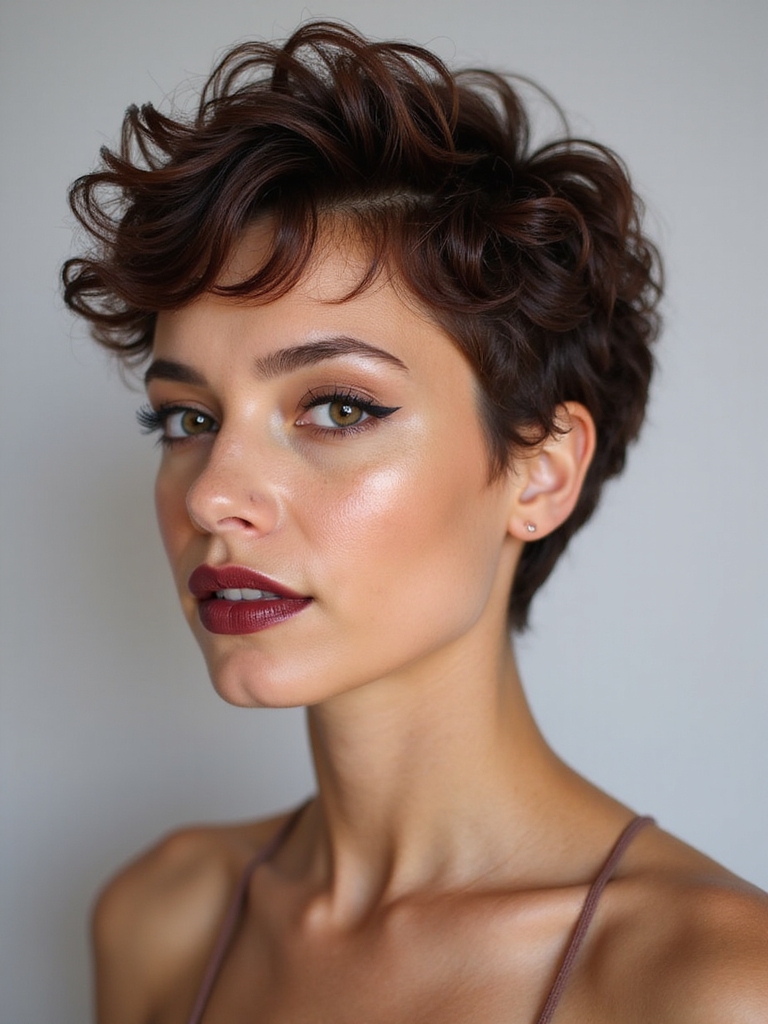
Overnight twists or bantu knots, set on damp hair before bed, build definition without any heat tool involved at all.
Planning Ahead Instead of Reaching for Heat
Plopping, wrapping the wet hair up in a soft cotton tee or microfiber towel for a stretch of time, removes excess water without disturbing the curl pattern the way rough towel-drying does.
Both methods take a bit more planning than a quick blow-dry, but they avoid the cumulative heat damage that repeated styling can cause on a shorter cut with less length to sacrifice if damage occurs.
Products That Keep Pixies Light

Short curly hair shows product buildup faster than any longer length, since there’s less length to dilute a heavy layer of cream or gel. A dull, weighed-down look after a few days is usually buildup, not a bad curl day.
Lightweight, water-based formulas work better here than the thicker butters and creams that longer curl routines often rely on, since a pixie has so little length to carry the extra weight.
Maintenance Between Salon Visits

A trim schedule for a curly pixie usually runs tighter than for longer curl lengths, since a short cut grows out of shape faster relative to its overall length. The growing out a pixie guide is worth a look for anyone planning to stretch past this stage eventually.
Between visits, refreshing the curl pattern with a light water-and-product mist, rather than a full rewash, extends the time between full styling sessions.
- Trim schedule runs tighter than for longer curl lengths
- A light refresh mist extends time between full washes
- Watch the crown first; it usually grows out of shape soonest
📋What Belongs in a Curly Pixie Routine
- ✓A lightweight, water-based curl cream or gel
- ✓A sulfate-free cleanser or co-wash for wash days
- ✓A clarifying wash every few weeks to clear buildup
Color Ideas That Play Up Texture

Color placed strategically on a curl pattern, rather than applied uniformly, can highlight the actual shape of individual curls as they catch light differently depending on direction.
Face-framing pieces lightened a shade or two often show up more clearly on a curly pixie than on longer hair, since the shorter length keeps the lightened sections visible rather than falling behind other layers. A gloss refresh between full color visits keeps the lightened pieces from dulling.
Styling a Curly Pixie for Any Occasion

A curly pixie that reads casual for daytime can shift to a dressier finish with a few small changes rather than a full restyle.
The Same Cut, Dressed Differently
A deeper side part, a bit more shine product, and a single decorative pin or clip are usually enough to take the same cut from errand-running to an evening out. The feminine pixie cuts guide has more finishing ideas for softer, dressier occasions specifically.
The versatility comes from the cut’s proportions staying the same; only the finishing details change.
Curly Pixie Cuts: Common Questions
?How do I know my curl pattern before getting a curly pixie cut?
Look at how a single strand behaves fully dry and undisturbed. A loose S-shape is 2A-2C, a springy corkscrew is usually 3A-3C, and a tight coil with little visible strand definition is typically 4A-4C.
?Will my curly pixie look different in humid weather?
Yes, almost certainly more voluminous and possibly frizzier, since curl patterns react strongly to moisture in the air. Anti-humidity products applied before the hair dries help more than trying to fix it afterward.
?Can I switch from wash-and-go to a blow-out styled look with the same cut?
Usually yes, though a cut built specifically for wash-and-go sometimes needs slightly more length at the ends to hold a smoothed style well. Mention both styling preferences at the consultation.
?Does a curly pixie work on fine, low-density curls?
Yes, though the cut usually needs less aggressive thinning than it would on a denser curl pattern, since fine, low-density hair has less bulk to remove in the first place.
Match the Cut to the Curl, Not the Trend
The cuts and routines above all point back to the same starting point: curl pattern first, everything else second.
Bring a curl chart or specific reference photos to the next appointment, and expect the conversation to start with pattern and shrinkage before it gets to shape at all.
Don’t Miss These