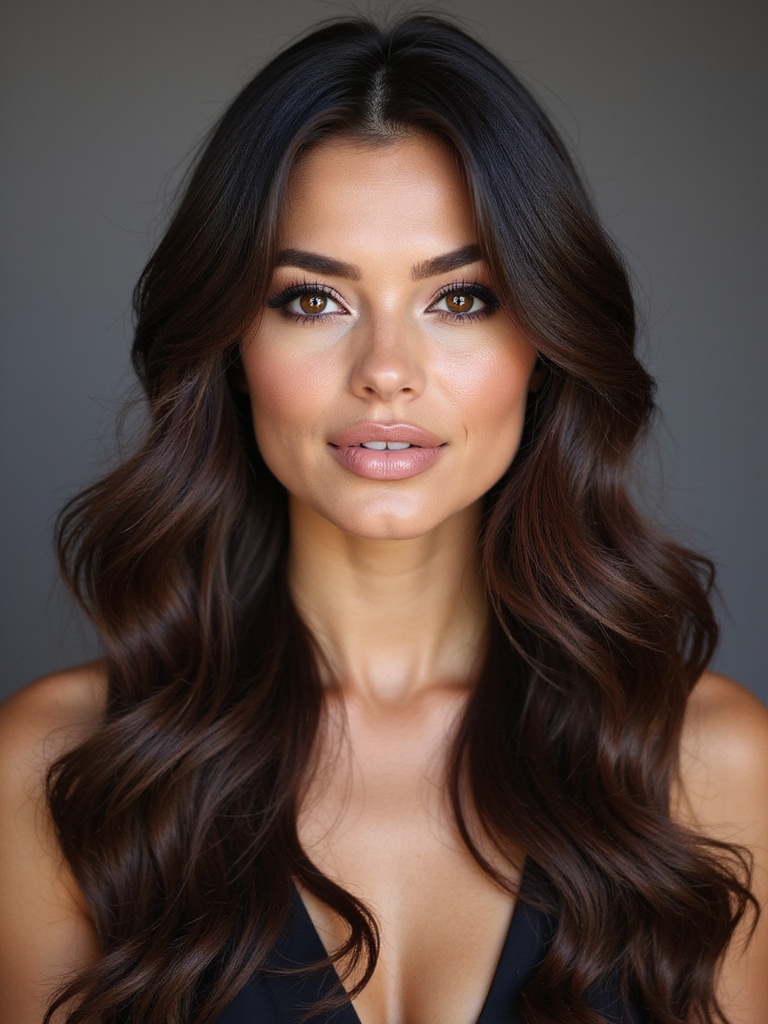
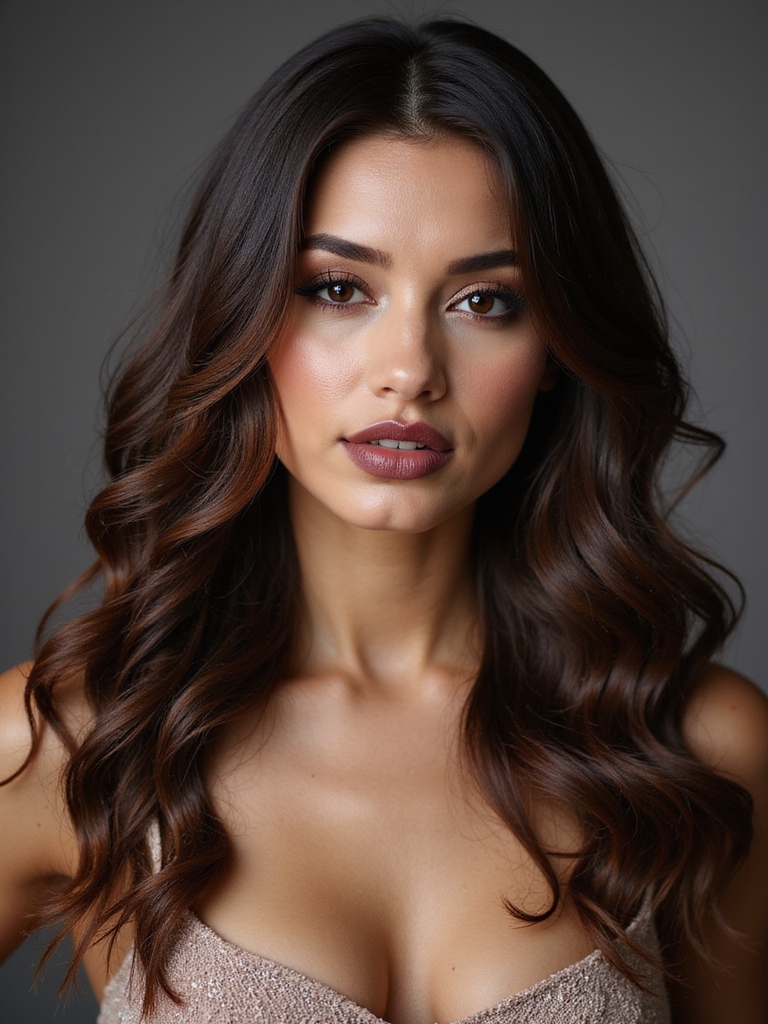
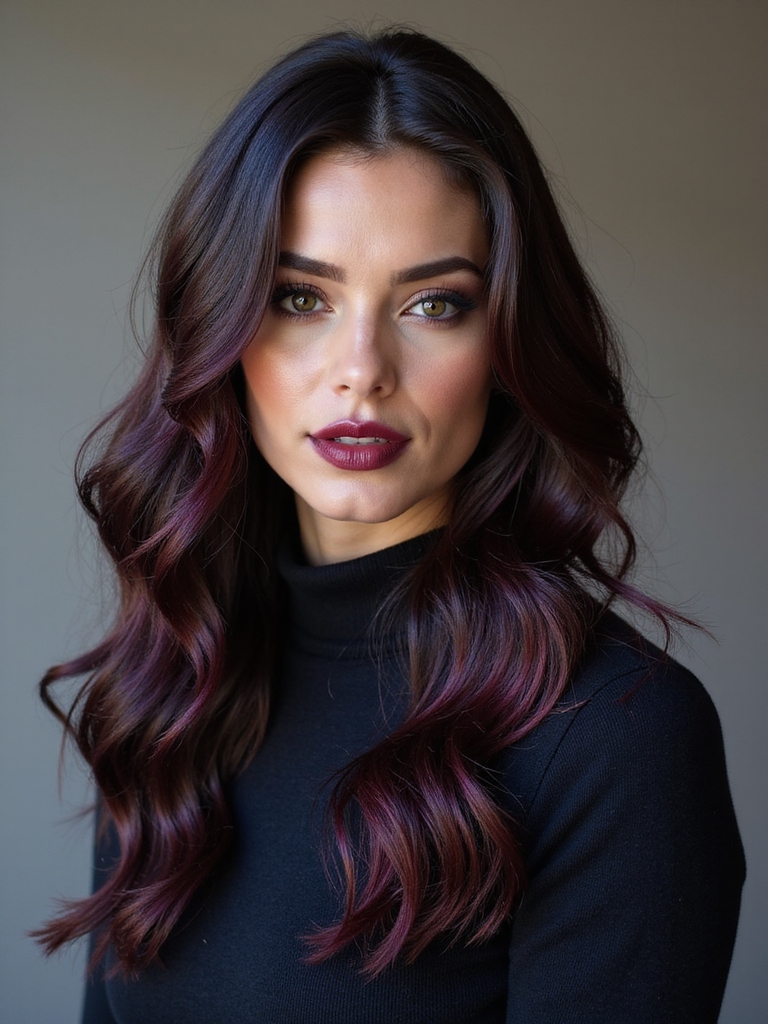
What actually makes a hair color work for fall and winter both, instead of looking right for exactly one season and off for the other? It usually comes down to technique more than shade name: a rooted, blended placement grows out softly no matter what the calendar says, while a solid, all-over color shows its regrowth the moment the weather changes.
Fifteen shades follow below, each with a different reason it holds up across both seasons: some lean on a versatile undertone, some on a forgiving technique, a few on nothing more than a seasonal gloss switch.
What Actually Carries a Color Through Both Seasons
- Rooted, blended techniques like balayage or melts grow out without a hard line, which matters more than the shade itself.
- Warm-leaning colors feel cozy in fall and rich in winter; cool tones need genuine winter light to look their best.
- A single toning gloss can shift a color cooler for deep winter without a full recolor.
- Low-contrast placement stretches the time between salon visits, which matters most over a long season.
A Warm Honey Balayage With Sun-Kissed Glow
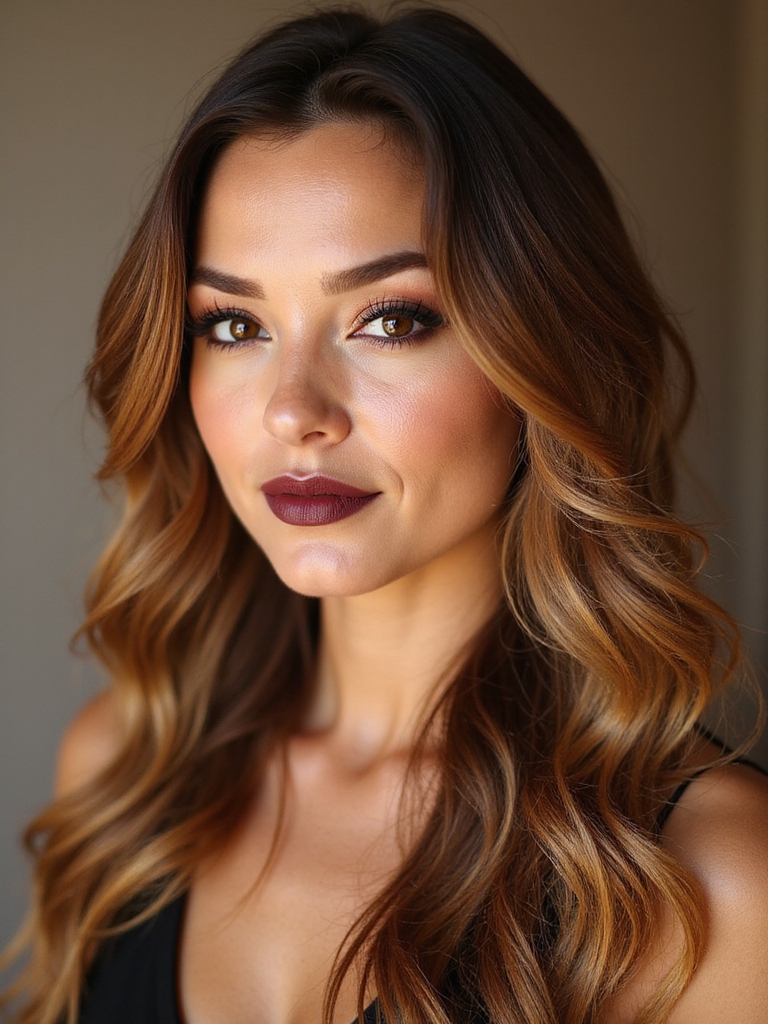
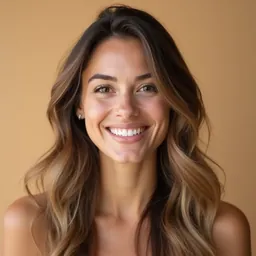
Honey balayage stays warm enough for fall light and rich enough not to look washed out once winter’s flatter light sets in, which is less about the technique and more about the shade itself sitting right in the middle of the warm spectrum.
You’ll notice the biggest advantage here isn’t seasonal at all: painted balayage simply grows out without a hard demarcation line, so the color keeps its shape long after a foil job would need a redo.
It suits golden and warm-neutral skin best, and it’s the shade I point to most for anyone who wants one appointment to cover the whole cold half of the year.
Deep Chestnut Warmed With Copper
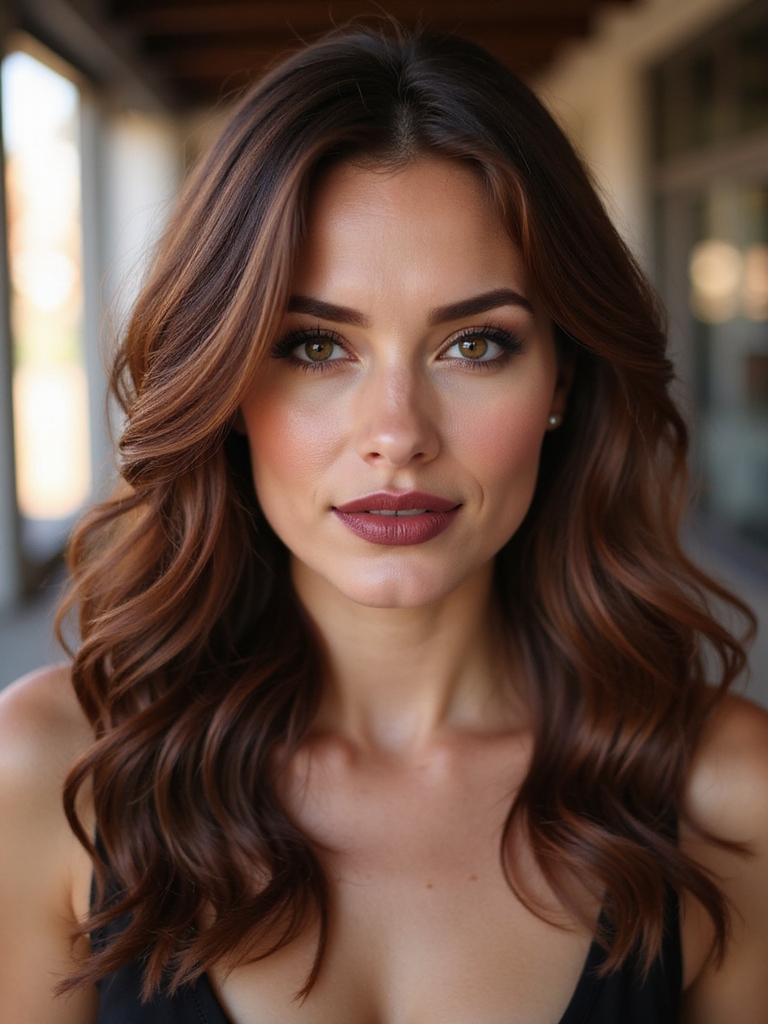
Deep chestnut with woven copper pairs a base dark enough for winter with highlights warm enough for fall, so the two seasons are built into the same head of hair rather than requiring a switch between them.
- Set a deep chestnut base first, then weave copper through for warmth.
- Concentrate the copper pieces near the face for the most noticeable glow.
- A gloss refresh deepens the copper again once it starts to fade toward brown.
Iced Caramel Placed for Contrast
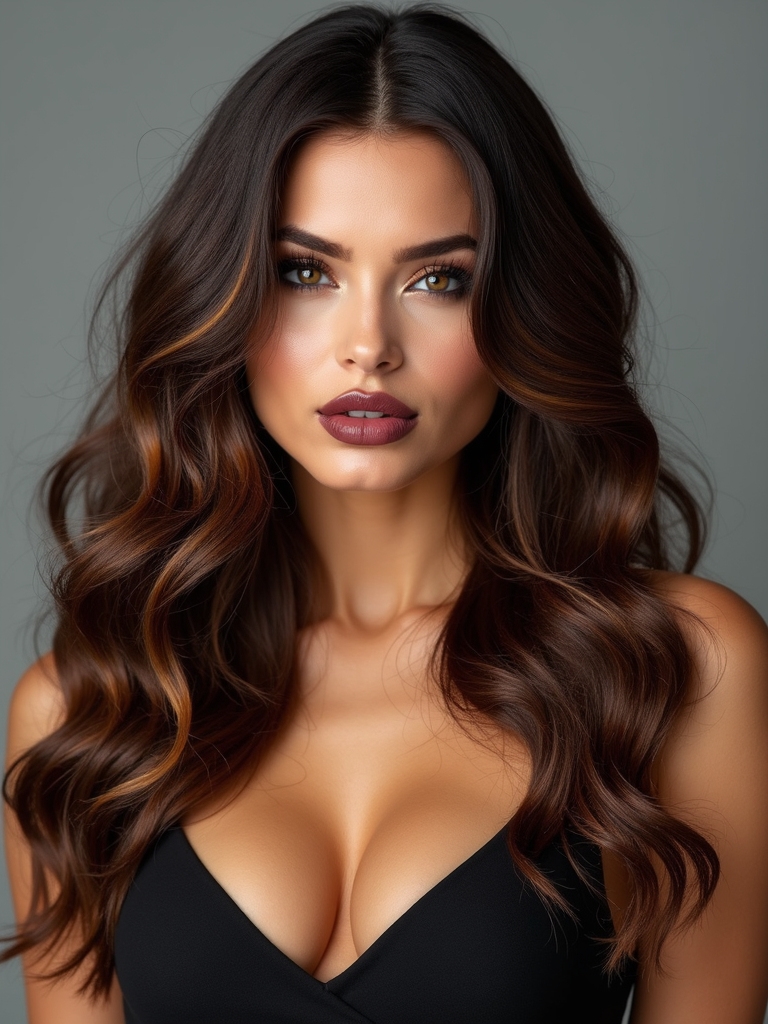
Iced caramel placed against a dark brown base does something most fall-leaning colors don’t: it brings a cooler, almost frosted edge into a warm palette, so the whole look reads as intentionally in-between rather than picking one season over the other.
- The dark base carries enough depth to still look wintery on its own.
- Iced-caramel pieces placed around the face do the most visual work.
- Works especially well for someone who wants warmth without leaning fully into orange or red tones.
Soft Espresso With Subtle Lowlights
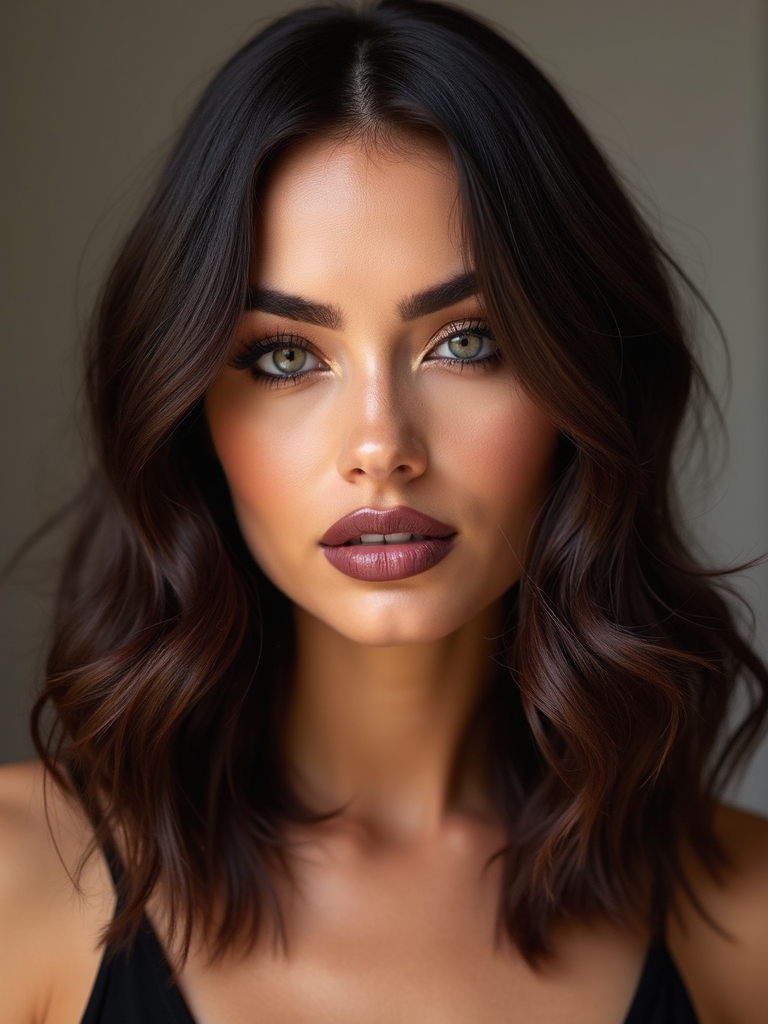
Soft espresso reads deep and wintery at a glance, but the face-framing lowlights woven through keep it from feeling flat or one-note the way an all-over dark color can.
The Lowest-Upkeep Option Here
Expect this one to ask the least of you day to day, since fine lowlights blend into the base instead of creating a visible line as they grow.
It suits nearly any skin tone, which is part of why it shows up so often as a low-drama, low-commitment choice for the colder months.
A Rich, Luminous Mahogany
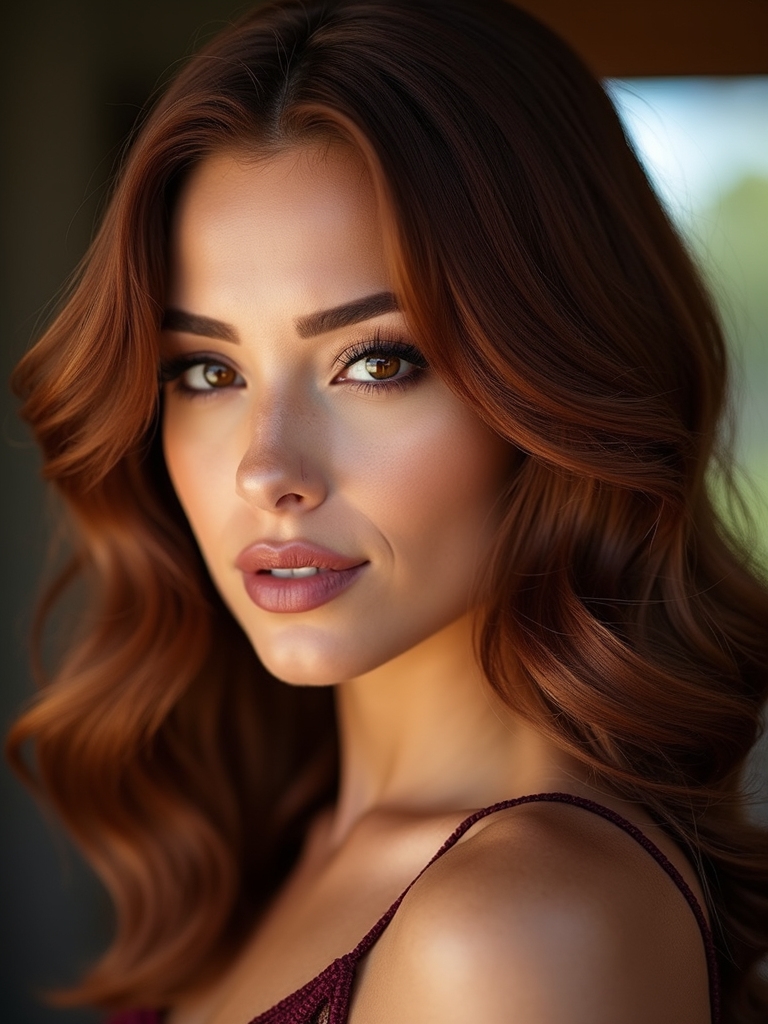
Mahogany carries a warm, red-brown depth that looks noticeably better under gray winter skies than it does in summer sun, since the richness of the tone needs flatter light to really show.
A gloss over the top is what gives it that glassy, almost molten quality, deepening the red-brown rather than just adding shine. Our dark winter hair color ideas guide covers more shades built around this kind of depth.
It flatters golden and olive undertones specifically, and it fades toward brown faster than most colors on this list, so plan on refreshing the gloss more often than you would with a cooler shade.
A Low-Maintenance Copper Melt
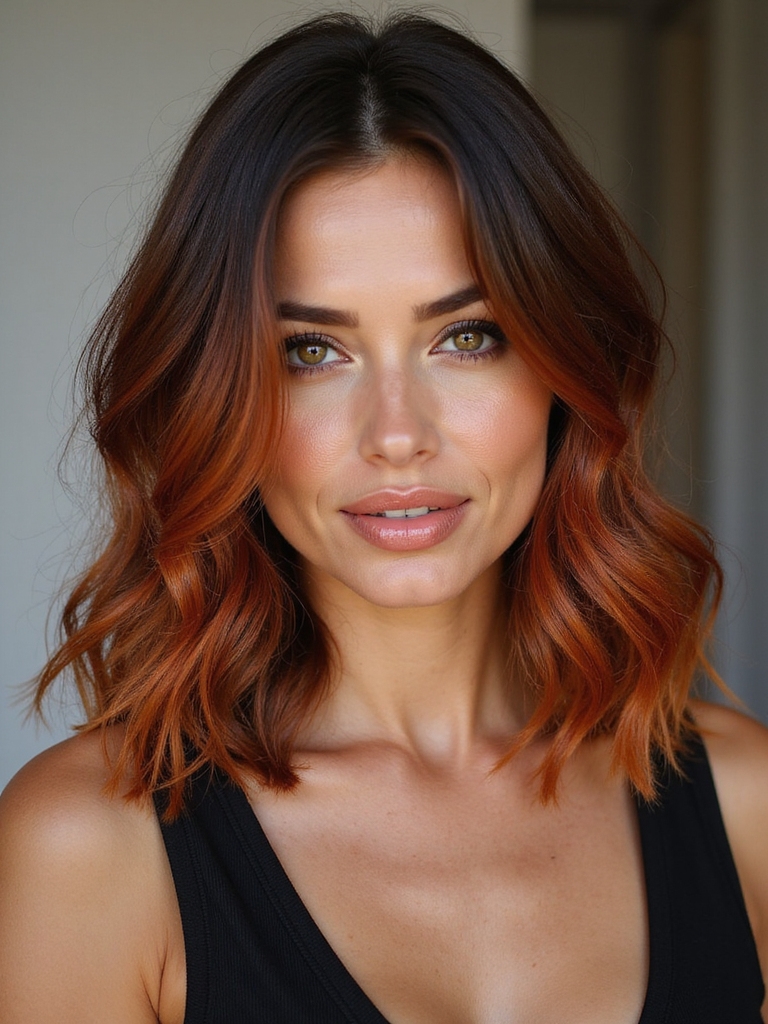
A copper melt keeps color concentrated toward the ends while the root stays deep and undisturbed, which is the actual reason this version needs so little upkeep, not anything specific to the season.
- The deep root means regrowth stays invisible for months at a time.
- Copper at the ends brings warmth without requiring a full head of color.
- A cool-toning gloss can shift the copper darker or duller for deep winter without a fresh appointment.
Trying to decide between warm and cool for winter? Start here:
🎯You want warmth all season
Honey balayage, copper, or cinnamon brown hold their glow through the darkest months.
🎯You want to lean cooler for winter
Ash brown, cool chocolate, or a toned-down copper shift easily with a single gloss.
Smoky Ash Brown With Hidden Warmth
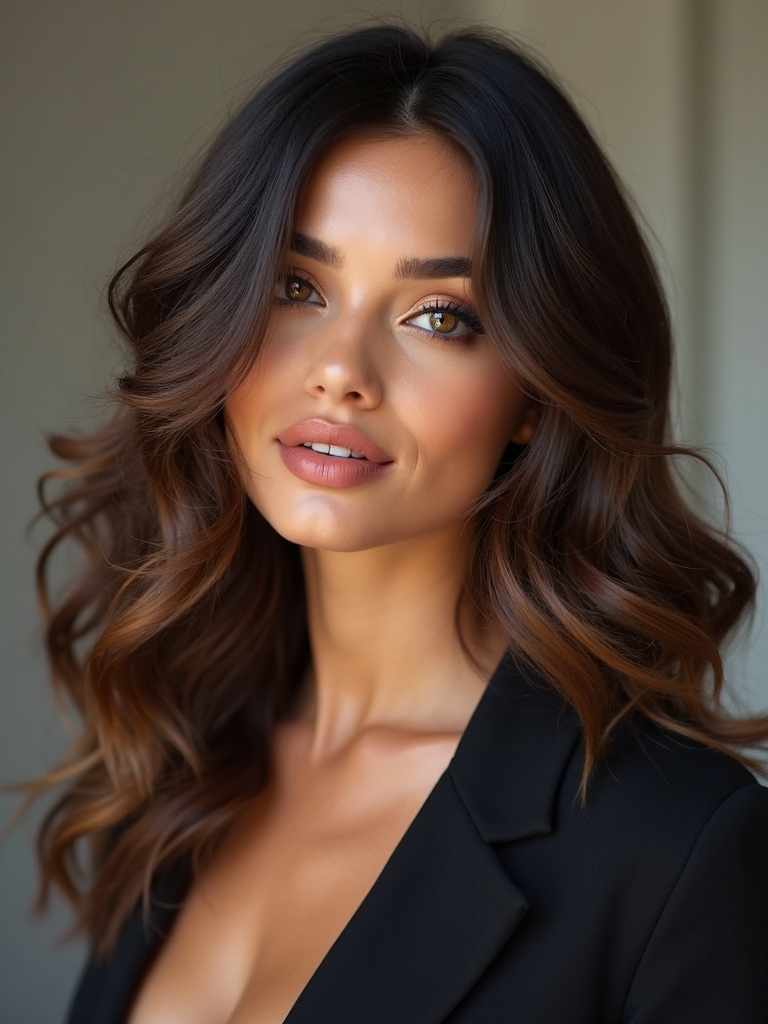
Smoky ash brown is built for someone who wants cool tones without going all the way to true ash, since a thread of warmth woven underneath keeps the color from draining the face the way a flat, cold brown can.
- The ashy base looks modern and suits winter especially well. See cool winter hair color ideas for more shades in this direction.
- Warm undertones underneath prevent the washed-out look pure ash sometimes causes.
- Best on neutral skin tones that want coolness without losing all warmth.
A Buttery Blonde With Soft Contrast
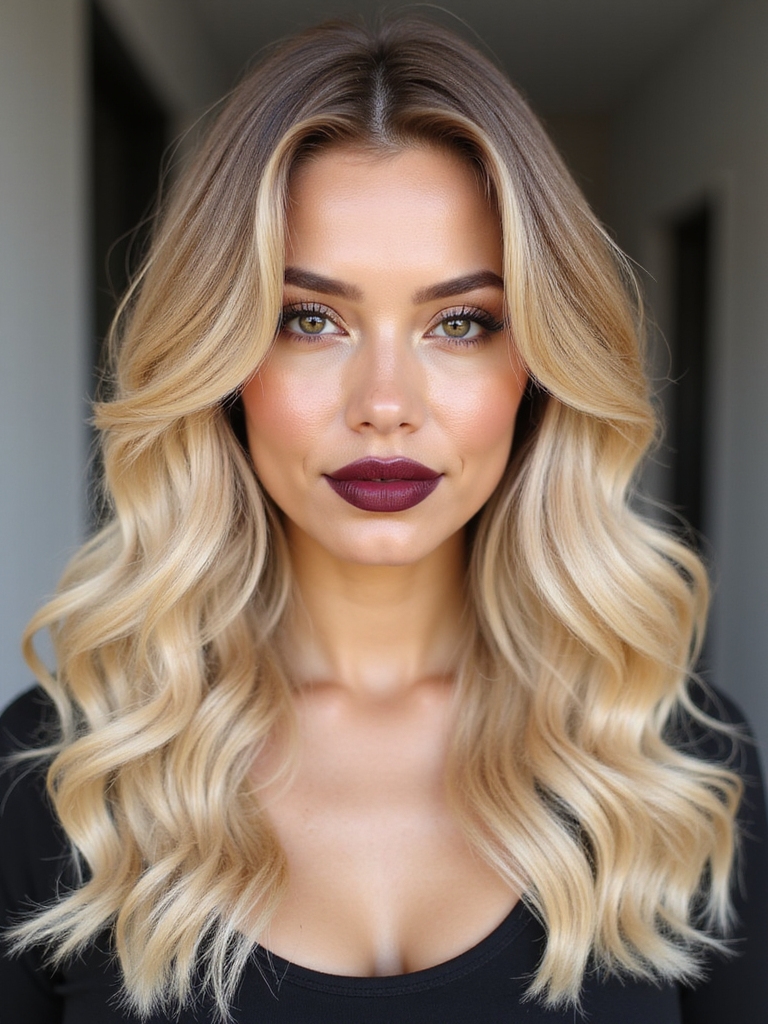
Buttery blonde stays golden enough to carry fall’s warmth while staying soft enough that winter’s flatter light doesn’t wash it out the way an icier blonde can. For more on this shade family, see blonde hair color ideas for fall and winter.
- Keep the root a shade or two deeper so regrowth melts in rather than showing a line.
- Toning warm, not icy, is what keeps this shade from looking washed out once the light changes.
- A gloss on a regular schedule keeps the buttery tone from fading toward straw.
📋Before Booking a Seasonal Blonde
- ✓Bring a photo from both a warm-lit and a cooler-lit room, since blonde reads differently in each
- ✓Ask whether your colorist can tone it cooler later with a gloss instead of a full re-lighten
- ✓Confirm how the root will be kept soft so regrowth doesn’t show a hard line
A Cozy, Sophisticated Deep Burgundy
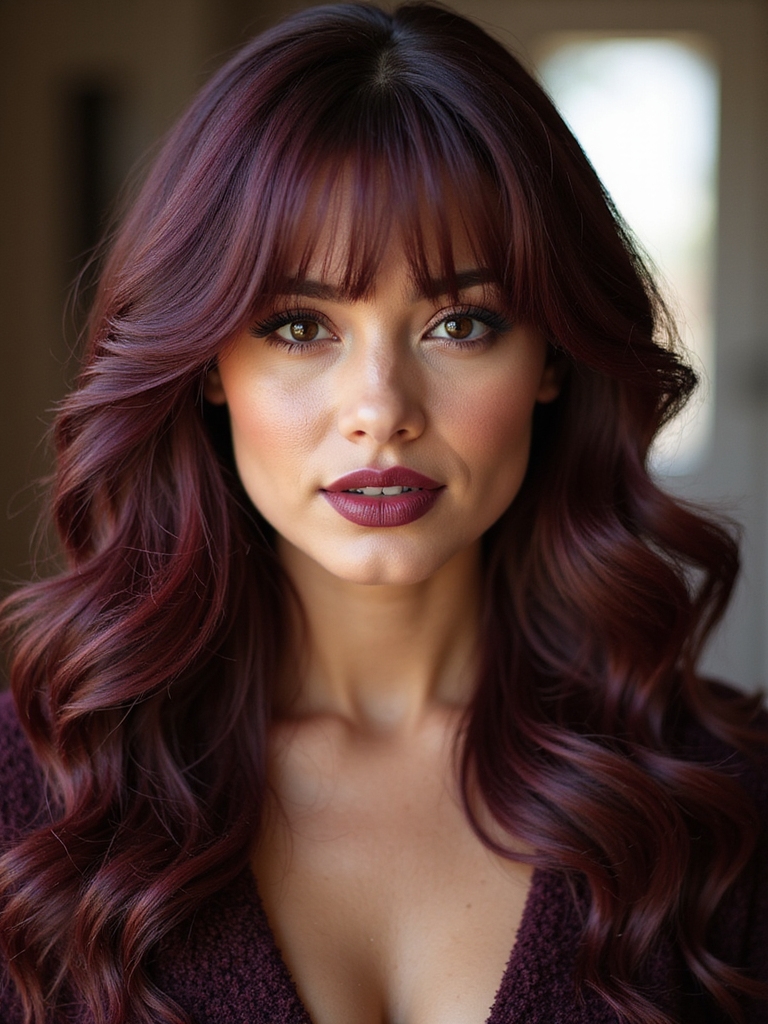
Deep burgundy carries a wine-dark richness that feels warm against fall light and turns noticeably moody once winter settles in, without needing any adjustment between the two.
It suits cool and neutral skin tones especially well, and a color-depositing conditioner used regularly is really the only upkeep it asks for, since the depth itself grows out softly.
A Sun-Kissed Bronde With Real Glow
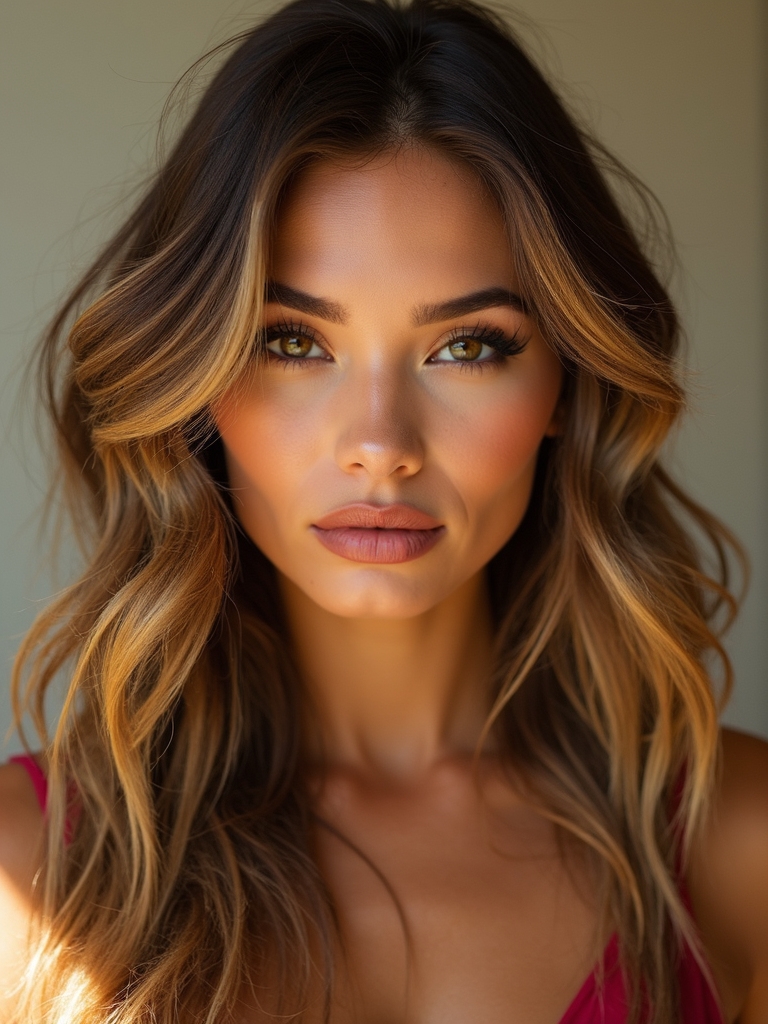
Bronde sits right at the midpoint between brown and blonde, so it never comes across as too summery or too wintery no matter the month.
You’ll notice the blended placement is doing most of the seasonal work here: a bronde colored in early fall can still look intentional deep into winter, since there’s no sharp line for the regrowth to create. For more, see blonde hair color ideas for fall-winter balayage.
- Suits nearly every skin tone, which is part of its year-round popularity.
- Blended placement keeps upkeep low compared to a solid, all-over shade.
- A quick gloss refresh keeps the blend looking fresh without a full re-color.
Warm Cinnamon Brown With Fine Babylights
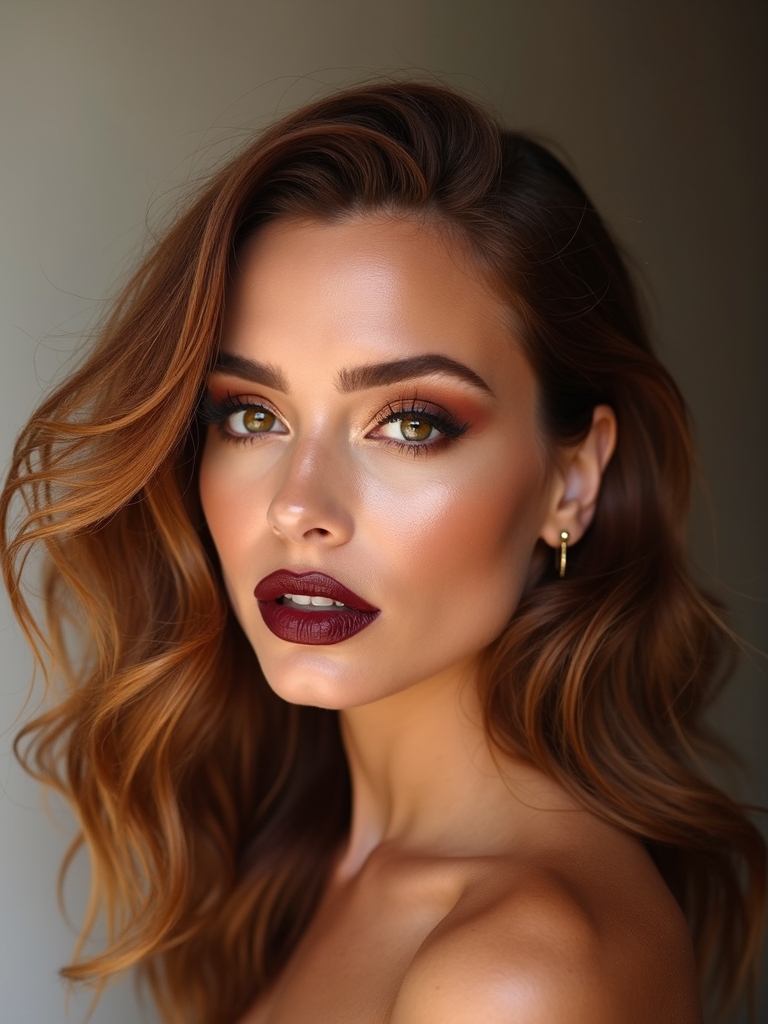
Cinnamon brown carries a spiced warmth that keeps the face looking lit through the greyest months, with fine babylights adding dimension without any obvious striping.
Why These Babylights Last So Long
Babylights this fine melt into the base almost completely, which is what makes the grow-out close to invisible compared to a bolder highlight.
It suits warm and neutral skin tones specifically, feeding warmth back into the face exactly when winter light tends to drain it.
🅰️Fine Babylights
Nearly invisible grow-out, subtle dimension. Best for someone who wants low-maintenance warmth.
🅱️Bolder Balayage
More visible dimension and drama, but needs more deliberate placement to avoid stripes.
Cool Chocolate Warmed by a Gloss
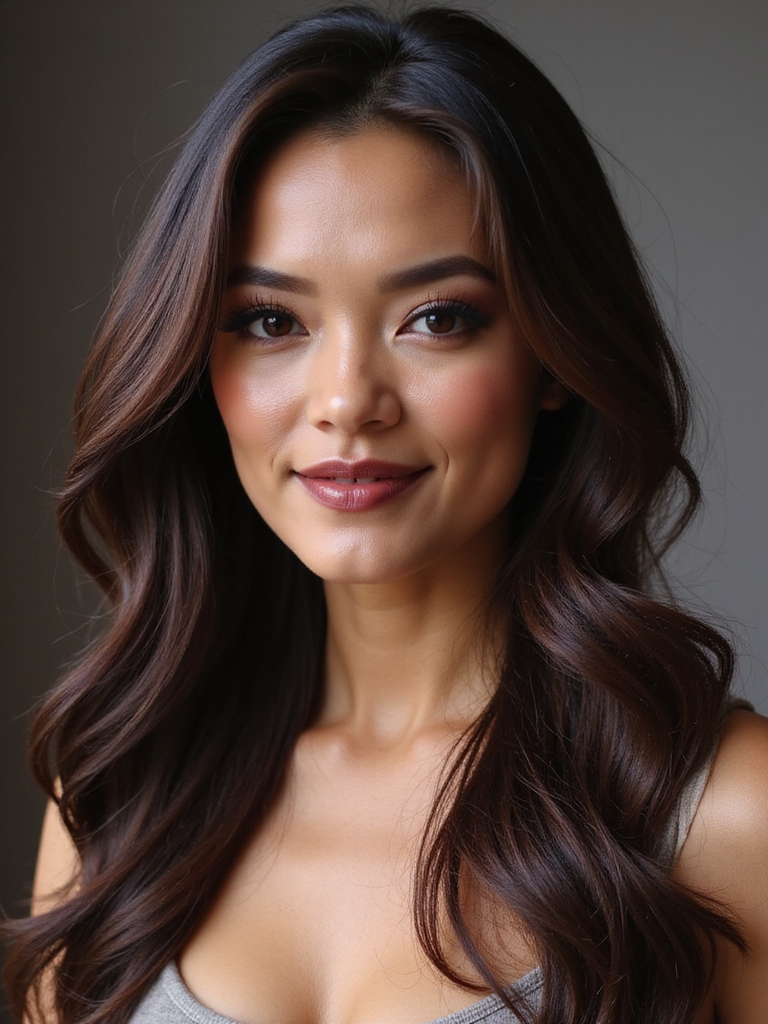
Cool chocolate with a warm gloss on top is really a trick for people who don’t want to pick one season over the other: the base stays exactly the same, and the gloss does all the seasonal adjusting.
A warmer gloss in early fall and a slightly cooler one by January means the same chocolate base carries you through without ever touching the actual color.
- The base underneath stays deep and consistent year-round.
- Only the gloss changes, which is a faster, cheaper visit than a full recolor.
- Works well for anyone who likes options without committing to a bold seasonal shift.
A Soft Rosewood With Sun-Kissed Dimension
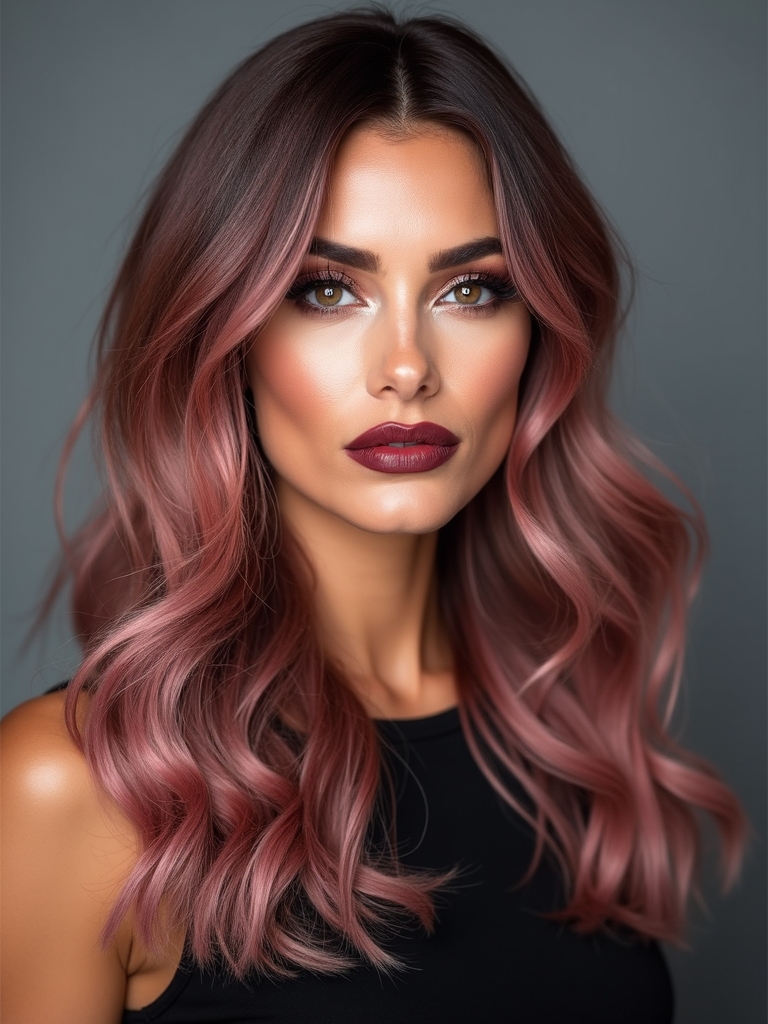
Rosewood brings a soft, rosy-mauve undertone into a brown base, which feels warm and current through fall and shifts into something cooler and more sophisticated once winter light hits it.
It’s a more distinctive choice than a standard brunette, flattering an unusually wide range of skin tones without leaning hard into either warm or cool.
- Sun-kissed dimension keeps the rosewood from looking flat under indoor light.
- Works for someone who wants something a little different from a standard brown.
- Holds its rosy quality best with color-safe, sulfate-free products.
Deep Plum Accents Framing the Face
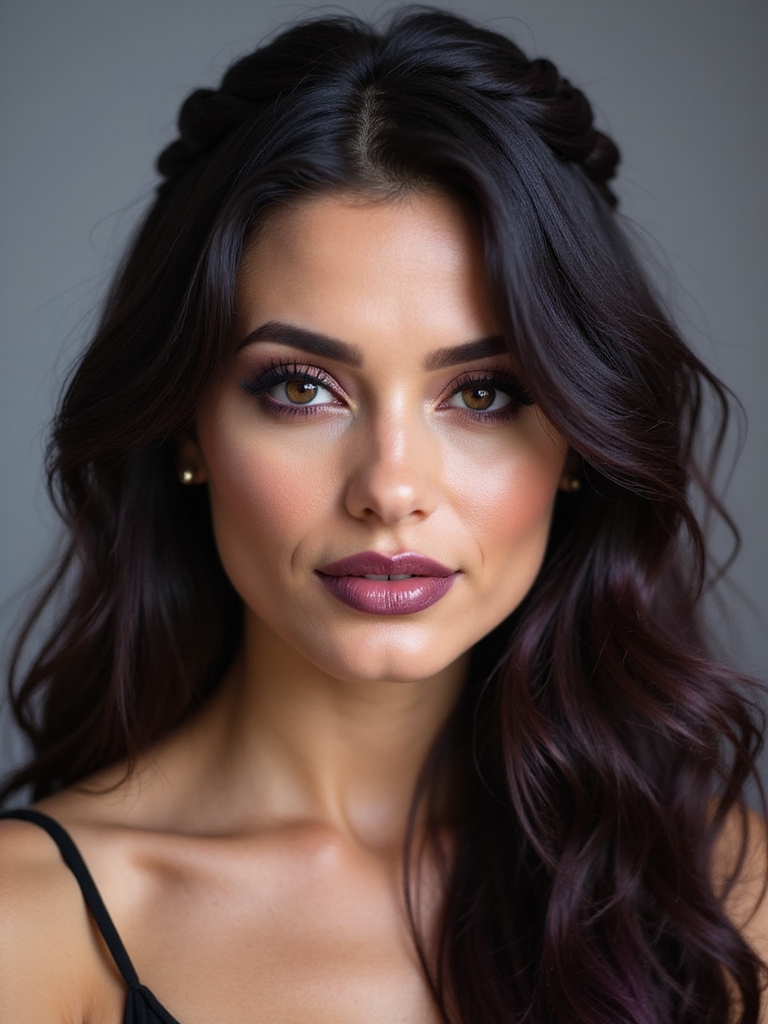
A few deep plum pieces placed around the face add a seasonal, jewel-toned pop without committing to an all-over color change.
- The dark base underneath stays neutral enough to wear through both fall and winter without adjustment.
- Only the accent pieces need refreshing, since the rest of the color barely moves.
- Suits anyone who wants a hint of drama without a full commitment to it.
A couple of terms worth knowing before this appointment:
📖Face-framing accent
Color concentrated only in the pieces immediately around the face, rather than throughout the whole head.
📖Root melt
A gradual blend from the natural root color into the rest of the shade, avoiding any visible line of demarcation.
Golden Bronde Built for an Easy Grow-Out
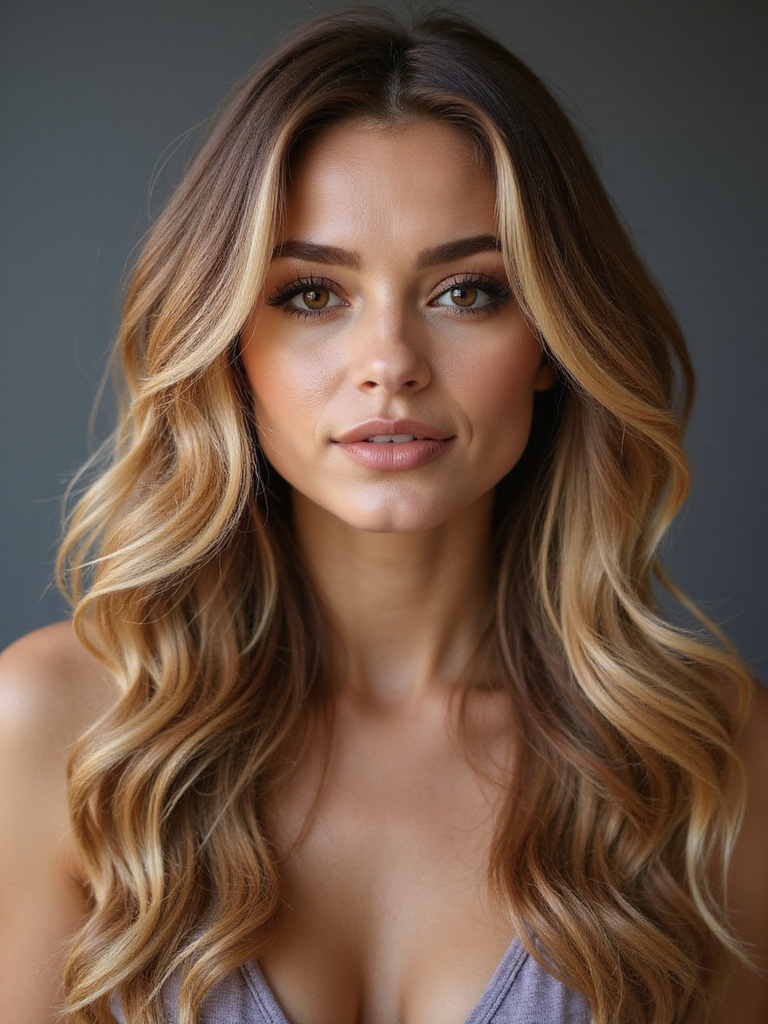
Golden bronde holds onto more warm-weather glow than any other bronde on this list, while still looking appropriate once the weather turns.
The soft, blended placement means regrowth melts in rather than forming a line, so it’s built for anyone not quite ready to let go of lighter, sun-warmed hair even as the season changes.
How to Get the Look
Whichever shade you land on, ask your colorist directly whether the technique is rooted or all-over, since that decision affects the grow-out far more than the color name does. A toning gloss between full appointments is what actually shifts a shade warmer or cooler as the season changes, not a fresh dye job.
Plan on around $150 for a rooted balayage or melt service, more than a basic all-over color, since the blending itself takes real time in the chair. That single appointment is usually what carries a shade through both seasons. For darker options in the same spirit, see dark hair color ideas for winter.
Fall and Winter Color Questions Worth Asking
?What actually makes a color work for both fall and winter?
The technique matters more than the shade name. Rooted placements like balayage, melts, or babylights grow out without a hard line, so the same color reads intentional in both seasons instead of needing a refresh when the weather changes.
?Do I have to recolor my hair between fall and winter?
Not if you choose a shade with a soft, blended technique. A single toning gloss can shift a color cooler for deep winter or warmer for early fall, without touching the underlying base at all.
?Which of these colors needs the least upkeep?
Anything with a rooted or melted technique, like the copper melt or soft espresso with lowlights. The regrowth blends in naturally, so the time between full appointments stretches further than it would with an all-over color.
?Will a warm shade look wrong once winter light sets in?
Not if the undertone is chosen well. Golden, copper, and cinnamon tones actually read richer under winter’s flatter light. The shades that struggle are the ones tuned too narrowly for summer sun, like a very light, warm blonde with no depth underneath.
?How do I know if I should go warmer or cooler for the season?
Match it to your skin’s undertone first, then adjust for mood. Warm undertones generally hold color well through both seasons, while cool undertones may want a gloss shift partway through winter to stay looking fresh.
One Color, Both Seasons
The shades that actually carry from fall into winter share one thing in common: a technique that grows out softly, paired with a tone flexible enough to read warm in one kind of light and cool in another. For richer, deeper options in the same vein, see deep winter hair color ideas.
So before you book, ask yourself honestly: do you want to recolor again in a few weeks, or would you rather pick a shade built to last through the whole season? If it’s the second one, take one of these fifteen to your colorist and start from there.
More Ideas Here