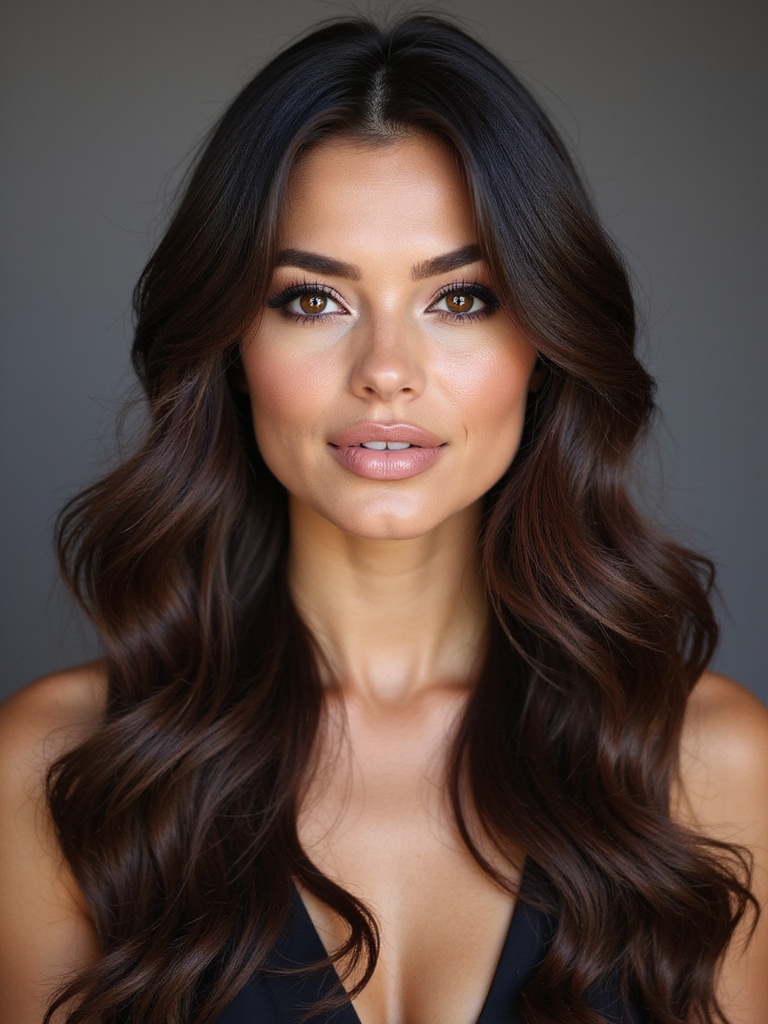
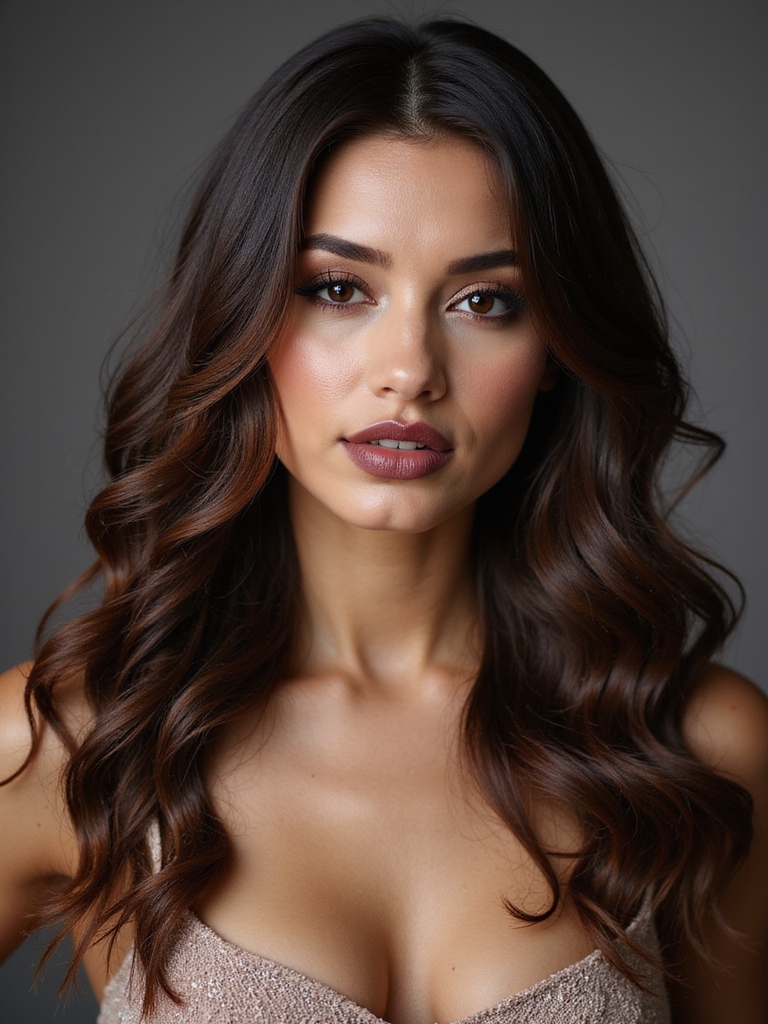
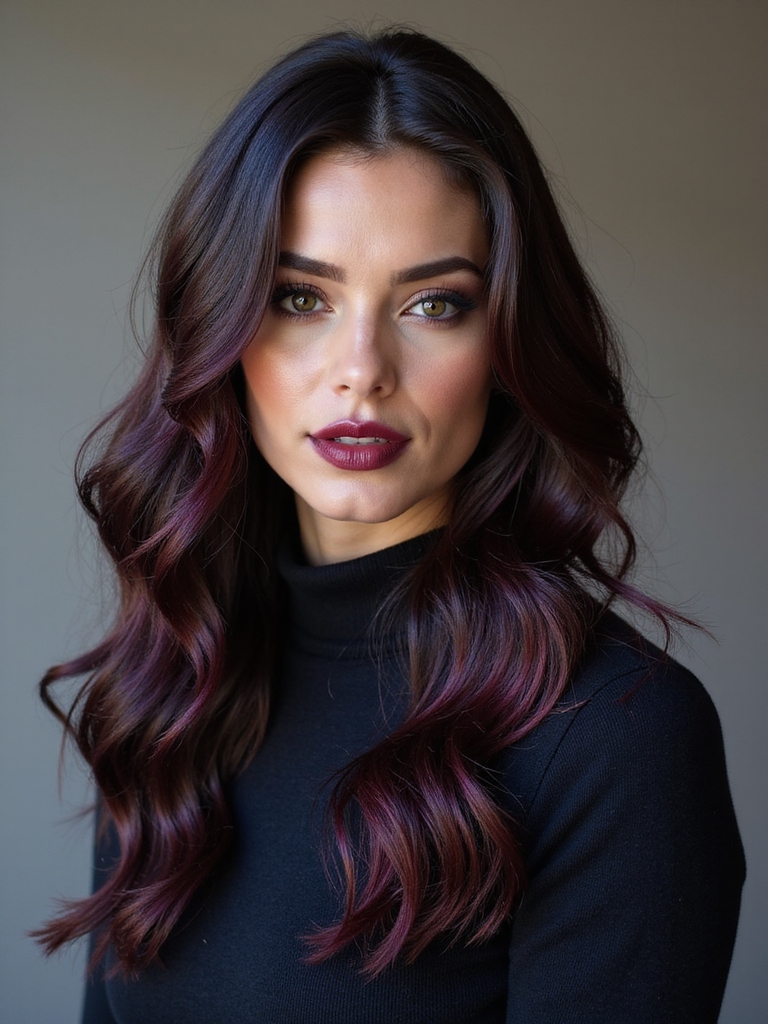
A full head of foil highlights and a fall-winter schedule are a bad match. The holidays arrive, the calendar fills, the salon is the last place you have time for, and a stark band of regrowth shows up right when you have the least patience for it. This is the exact problem balayage was built to solve, and why it has become the go-to blonde for the busy cold months.
Because balayage is hand-painted to start soft at the roots, it grows out gently, with no hard line to chase, which means you can stretch a single appointment across most of the season. The placements and tones below focus on what flatters fall and winter while asking the least of your time, from a smoky mushroom blend to copper-warmed ribbons. If you want the full spectrum of cold-weather color options beyond balayage, see the complete roundup.
Low-Maintenance Balayage, in Brief
What makes balayage so low-maintenance? The color is hand-painted to start soft at the roots, so regrowth blends in instead of forming a hard line. That is what lets you stretch a balayage to two or three months between visits.
Is balayage the same as highlights? Not quite. Foil highlights are saturated from root to tip in tidy sections, while balayage is freehand-painted to fade naturally. Balayage gives you the softer, more grown-out look that hides regrowth.
Does balayage work for winter blonde? It is ideal for it. Your colorist can paint warmer, deeper tones for the season and rely on the soft root, so you are not chasing regrowth through the busiest, coldest months.
Ashy Mushroom Meets Icy Blonde
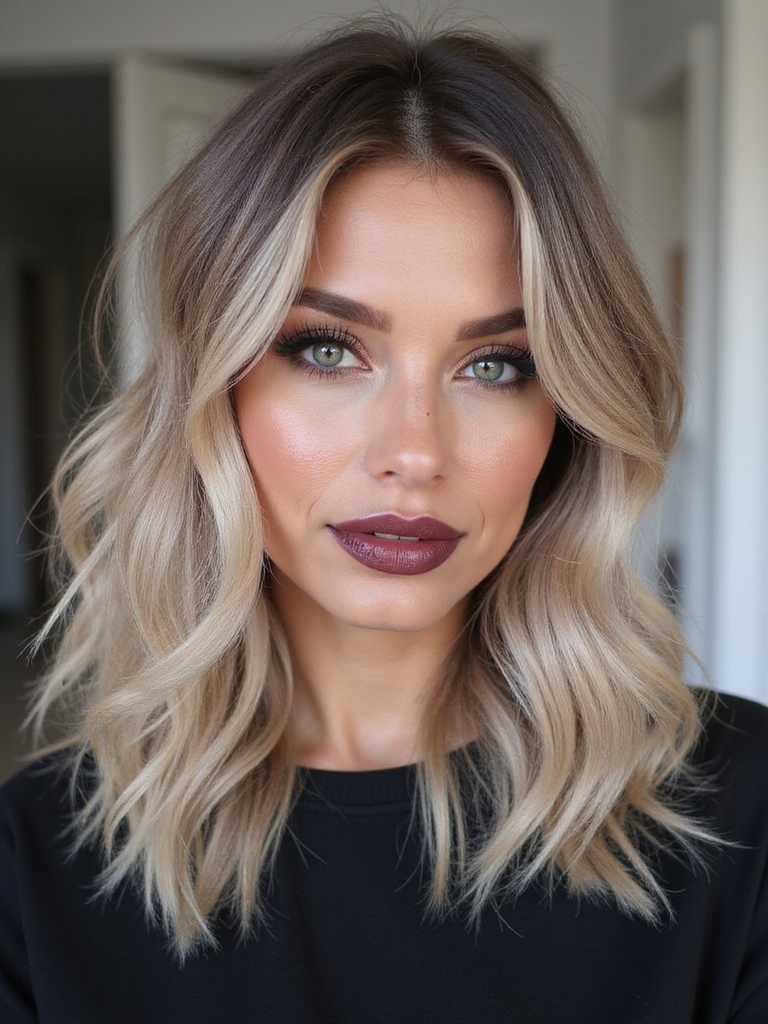
Mushroom blonde is the cool-toned darling of the season, and balayaged into icy ends it becomes a masterclass in low upkeep. The technique keeps a soft, ashy-brown mushroom base at the roots and paints cool, icy blonde through the lengths, so the dark-to-light melt grows out for months without a line. It is moody, modern, and remarkably easy to live with.
- An ashy-brown root melting up into cool icy ends.
- The dark base means months between root touch-ups.
- Best on cool and neutral undertones; needs toning to stay icy.
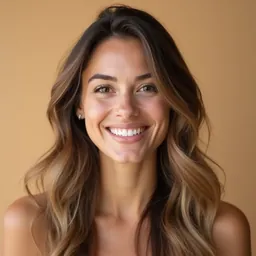
Warm Low-Maintenance Honey Balayage

Honey balayage is the warm, forgiving choice that flatters almost everyone and barely asks for upkeep. Painted soft at the roots and warming into golden honey through the mid-lengths and ends, it glows against pale winter skin while the natural root blends regrowth away. For warmth without a maintenance burden, this is the one I recommend most.
- Golden honey painted soft at the root for an easy grow-out.
- Flatters most warm and neutral skin tones.
- Warm tones hide brass, so toning is gentler. See our honey blonde guide.
Which balayage warmth fits you? Start with your undertone.
1Cool and muted
Mushroom, smoky ash, or icy balayage. Cool taupe and ash tones that look modern against winter light and need regular toning.
2Warm and cozy
Honey, caramel ribbon, or copper-blended. Golden and amber tones that glow on warm skin and hide brass as they fade.
Creamy Warm Blonde

Creamy blonde is the smooth, soft-serve middle of the warm-blonde family, and balayage is what keeps it wearable. The hand-painting blends a gentle, buttery cream through the lengths over a soft base, so the whole color looks rich and blended, with no obvious stripes. It is the cozy, expensive-looking blonde that does not announce its highlights.
What makes the creamy version so easy is that there is no contrast to maintain. Because the tone is soft and the root is gentle, a missed appointment never shows, and the color simply softens as it grows. It is blonde you can forget about for weeks at a time.
Creamy blonde suits light to medium skin with neutral undertones especially well, where it warms the complexion without going brassy. Stay on top of glossing visits through the coldest months, since dry winter air is what dulls this shade fastest.
Smoky Ash Balayage Depth
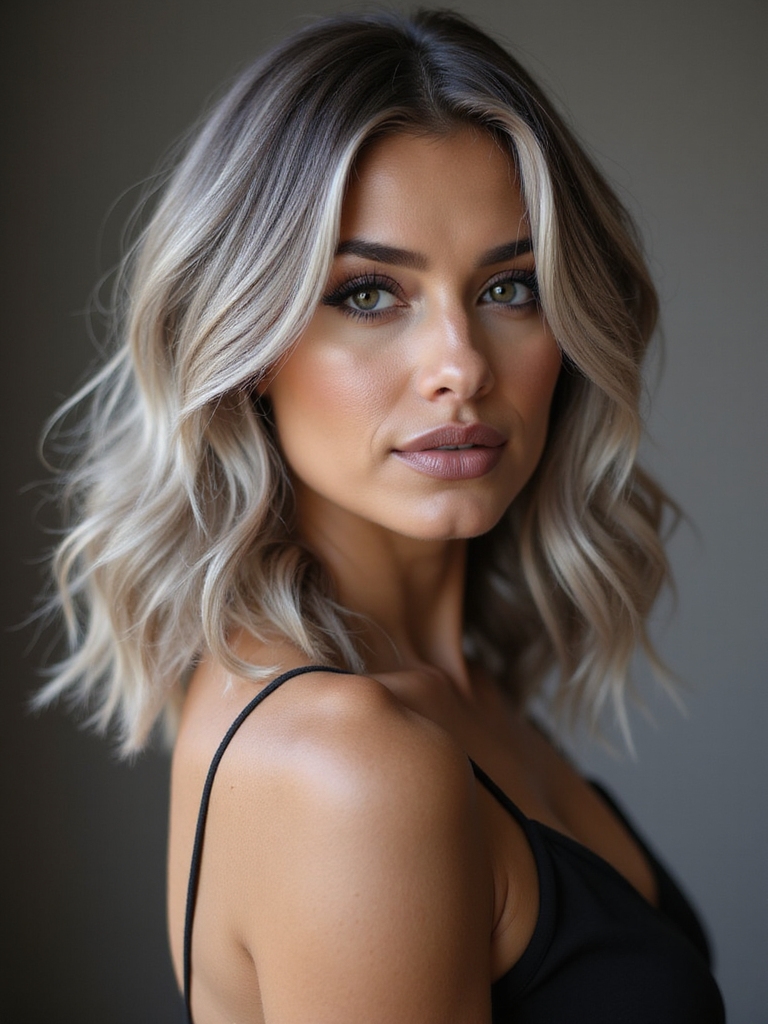
For cool-toned drama, a smoky ash balayage builds shadowy depth that looks expensive against winter neutrals. The painting keeps the base deep and smoky and lifts the lengths to a cool, muted ash, so you get real dimension and a moody, sophisticated finish. It is the balayage for someone who wants blonde without any warmth at all.
- A deep, smoky base lifting into cool ash lengths.
- Ash needs faithful purple toning to stay true.
- Best on cool undertones; flatters against gray winter light.
The clients who love their blonde longest are never the ones with the brightest color. They are the ones whose colorist built in a soft root and a smart grow-out, so the hair looks good at week ten, not just week one. Low maintenance is a design choice, not a compromise.
Soft Mushroom Blonde Balayage

Where the first idea pushed mushroom toward icy, this softer version keeps the whole thing muted and gentle, a balayage of cool taupe-beige tones from root to tip. The understated, greige quality is what makes mushroom blonde so beloved, a soft, neutral haze that looks modern and quiet. It is the cool-girl blonde of the moment.
Why mushroom and balayage belong together
Balayage suits mushroom perfectly because the tone is meant to look natural and grown-in, so a freehand-painted, soft-rooted version stays true to the muted spirit. The result is dimensional but never high-contrast, which is exactly the point.
This shade does ask for regular toning, since the cool, neutral cast drifts warm as it fades. If you love the muted, expensive look, a purple gloss every few weeks is the price of keeping it.
Warm Caramel Ribbon Highlights
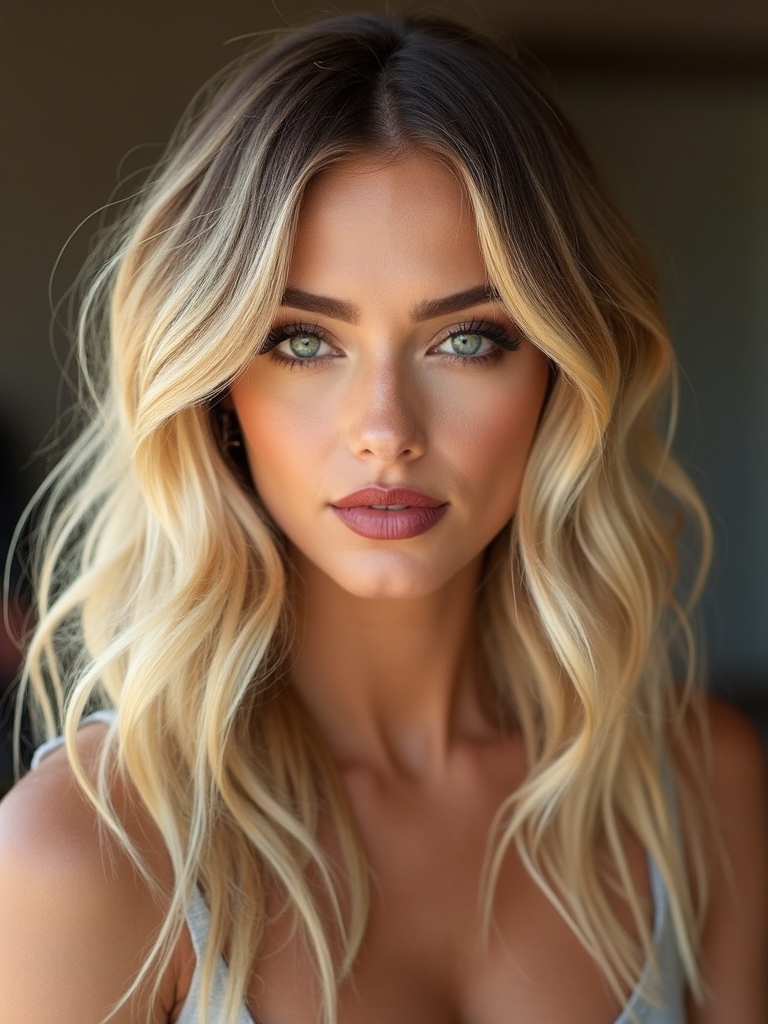
Caramel ribbons are thicker, bolder balayage pieces painted for impact, threads of warm, golden caramel woven through the blonde like ribbon through a braid. The wider placement gives more visible dimension than fine highlights, so the warmth really shows, while the painted technique keeps the regrowth soft. It is dimensional, rich, and made for autumn.
Ribbons versus fine highlights
Because the ribbons are bolder, they read beautifully on medium and darker blonde bases, adding warmth and movement without an all-over lift. The caramel catches light through the lengths and brings cozy depth to a flat winter color.
Caramel flatters warm and olive skin especially well. A warmth-locking pigmented mask keeps the warm ribbons from fading flat between appointments, which stretches the look even further.
ℹ️Balayage Versus Foils
The word balayage comes from the French for sweeping, which describes exactly how it is done: color is painted freehand onto the surface of the hair, heaviest toward the ends and feather-light near the roots. Foil highlights, by contrast, saturate each section fully from root to tip. That root-to-tip saturation is what creates the sharp regrowth line foils are known for, and the freehand sweep is precisely what lets balayage grow out soft instead.
Frosted Tips, Grown-Out Roots

This is balayage at its most relaxed, with frosted, lightened tips floating over deliberately grown-out, natural roots. The contrast is the whole charm: deep, real-color roots fading up into cool, frosted ends, a look that is meant to appear weeks past its appointment. It is undone, modern, and the lowest-maintenance idea here.
When grow-out is the whole point
The beauty of this placement is that grow-out is the goal, not the enemy. The roots are supposed to be dark and soft, so there is truly nothing to chase; the longer it grows, the more the look settles into itself. For anyone who dreads salon visits, this is the answer.
It works on most base colors, since the dark root is just your natural shade. A toning gloss on the frosted ends every couple of months is the only upkeep this style really requires.
Rooted Low-Maintenance Blonde

Rooted blonde is the blueprint that all of these ideas borrow from, a balayage with a deliberate shadow root that melts into lighter lengths. By keeping the roots soft and at your natural depth, your colorist builds in months of grow-out from day one. It is the single most practical way to wear blonde through a busy season.
The shadow root does double duty, adding depth and dimension while disguising regrowth, so the color looks intentional and rich even at the end of a long stretch between visits. If you take only one idea from this list, let it be a soft, rooted base, because it is what turns high-maintenance blonde into something you can actually live with.
📋Take This to Your Stylist
- ✓Bring a photo of your color goal AND a photo of your actual haircut.
- ✓Ask for a soft or shadow root, not a lifted one, for the longest grow-out.
- ✓Say out loud how often you can realistically come in, and ask them to design around it.
Sun-Kissed Face-Framing Blonde

Concentrating balayage around the face is the smartest, lowest-commitment way to brighten up for winter. By painting soft, sun-kissed pieces just at the front, your colorist lifts and warms the hair that frames your features while leaving most of your base untouched. You get the brightening effect of blonde with a fraction of the bleach and the upkeep.
These face-framing money pieces are the detail that makes a whole color look fresh, since they catch the light right around your eyes and cheekbones. They are also the easiest blonde to maintain, because so little of your hair is actually lightened.
This is the version I send anyone testing blonde for the first time, or anyone whose hair cannot take an all-over lift. It is gentle, flattering, and truly low-stakes.
Soft-Root Balayage Transition

The soft-root transition is the technical heart of low-maintenance balayage, the gentle gradient where a natural root melts up into sun-kissed lengths with no visible start or finish. Done well, you cannot point to where the dark ends and the blonde begins, which is precisely what lets the color grow for months without ever looking off. It is balayage engineering at its best.
- A smooth, invisible melt from natural root to sun-kissed ends.
- No visible line means the longest possible grow-out.
- Ask for a root that matches your natural depth, not lighter.
Ultra-Fine Natural Face-Framing Balayage

When you want blonde so subtle it looks like genetics, ultra-fine balayage is the technique. Hair-thin painted pieces scattered naturally through the front and lengths create the gentlest possible brightening, the kind that looks as if you simply spent a sunny childhood outdoors. It is the most natural-looking idea here and among the easiest to maintain.
- Hair-thin pieces for a barely-there, natural lift.
- Looks like sun, not salon, so grow-out is invisible.
- The gentlest option for fragile or fine winter hair.
Copper-Blended Autumnal Blonde

Blend copper into a blonde balayage and you get the most seasonal color on the list, a warm, autumnal blonde shot through with glints of amber and copper. The painted copper pieces bring fiery warmth and dimension without committing you to full red, so the blonde glows like late-afternoon autumn light. It is bold, warm, and unmistakably made for the season.
Flirting with copper, keeping the upkeep low
Because the copper is painted on in pieces, the warmth grows out softly and you avoid the harsh regrowth that solid copper would bring. It is a way to flirt with red while keeping the low-maintenance soul of a balayage.
This blend is made for warm and golden skin, where the copper amplifies your natural glow. Like all coppers, it fades faster than neutral tones, so a color-depositing conditioner is worth keeping on hand.
Balayage Placement for Layers

Balayage is not only about the tone; on a layered cut, placement is everything. Painting the color to follow your layers, brightening the pieces that fall forward and the ends that catch the light, makes the whole cut look more dimensional and alive. A skilled colorist studies your haircut and places the blonde where movement already lives.
Why placement follows the cut
This is why I always ask a client to bring a photo of their actual cut, not just a color reference. Balayage placed to flatter a shag, a long layered style, or a curtain-fringed cut looks intentional in a way that generic highlights never manage.
On textured and layered hair, this thoughtful placement also stretches the grow-out, since the brightness is distributed through the movement of the cut. Cut and color working together is the secret to a balayage that lasts.
Low-Maintenance Color Care

A balayage stays low-maintenance only if you treat it right between appointments, and the routine is short. The two jobs are holding the tone and holding the moisture, because winter works against both. Work a purple toning shampoo into the rotation once a week if you’re cool-toned, since that’s what stands between you and brass, while a color-depositing conditioner refreshes warm and copper tones.
The short routine that buys you months
Moisture is the other half. Lightened hair is porous, and dry indoor heat pulls the shine right out, so a weekly mask and a heat protectant every time you style keep the color from going dull and straw-like. These small habits are what let you go months between salon visits without the color looking tired.
Book an in-between gloss appointment, usually $45 to $65 and barely twenty minutes in the chair, and it resets the shine and tone before your next full service. It is the cheapest, fastest way to make a balayage look freshly done. Our balayage guide covers the technique in more depth.
Blend, Soften, Shine, Conceal

Every idea here comes back to four jobs a good fall-winter balayage has to do, and it is worth naming them before you book. Blend, so the root melts and grows out clean. Soften, so the tones flatter your skin in flat winter light. Shine, so the color stays glossy through dry air. Conceal, so regrowth never gives you away.
Hold those four in mind and almost any balayage on this list will carry you beautifully through the season. They are also the exact things to ask your colorist to prioritize, which is a far more useful conversation than just naming a shade.
- Blend: a soft root melt for an invisible grow-out.
- Soften and shine: flattering tone plus a gloss for winter.
- Conceal: dimension placed to disguise regrowth.
How to Ask Your Stylist
The single most useful thing you can do is bring two kinds of photos: one of the color and tone you want, and one of your actual haircut, so your colorist can place the balayage to suit your real hair. Then use the right words.
Ask for a soft or shadow root rather than a lifted one, say you want the grow-out to be invisible, and be honest that low maintenance is the priority. If you show a picture, choose one of hair a few weeks past its appointment, not freshly done, since that grown-out state is what you will live in most of the time.
It also helps to talk about your real schedule. Tell your stylist how often you can honestly come in, and let them design the placement and tone around that number, whether it is every two months or every four. A good colorist will happily trade a touch of brightness for a longer grow-out if that is what your life needs. The clearer you are about your time, the better your balayage will serve you through a busy fall and winter.
Fall and Winter Balayage Questions
?How long does a balayage last before I need a touch-up?
A well-placed balayage with a soft root can go two to three months, sometimes longer, before it needs attention, since there is no hard regrowth line to fix. Most people refresh the tone with a gloss between full appointments to keep it shiny, but the actual painting lasts far longer than foil highlights.
?How much does a blonde balayage cost?
Balayage is a skilled, time-intensive service, so it usually runs from about a hundred fifty to three hundred dollars or more depending on your length, your starting color, and your salon. It costs more upfront than basic highlights, but because you visit less often, it can work out cheaper to maintain over a year.
?Can I make my balayage darker and warmer for winter?
Absolutely, and it is one of the best things about the technique. Your colorist can add lowlights, drop in a deeper shadow root, or gloss warmer tones over your existing balayage to take it richer for the season, all without a full recolor. It is an easy seasonal refresh.
?How do I keep my balayage from going brassy?
Use a purple toning shampoo once a week for cool blondes, wash in cooler water, and limit heat, all of which slow the warm tones from returning. For warm balayages like honey and caramel, a color-depositing conditioner keeps the tone rich. Book a professional gloss on the calendar every few months so you’re never relying on home care alone.
Blonde That Works as Hard as You Do
The whole promise of fall-winter balayage is that you get to look freshly done without actually being freshly done. By building the color soft at the root and painting the brightness where your hair moves, a good balayage keeps working long after you have left the chair, through the holidays, the cold snaps, and the weeks you cannot spare for an appointment. That is not a lesser version of blonde; it is the smarter one.
So the next time you book, think less about the exact shade and more about the grow-out you want to live in. Pick the placement that still looks good with zero effort eight weeks from now, and bring your stylist both photos: the color, and the actual cut it needs to work with.
More to Try