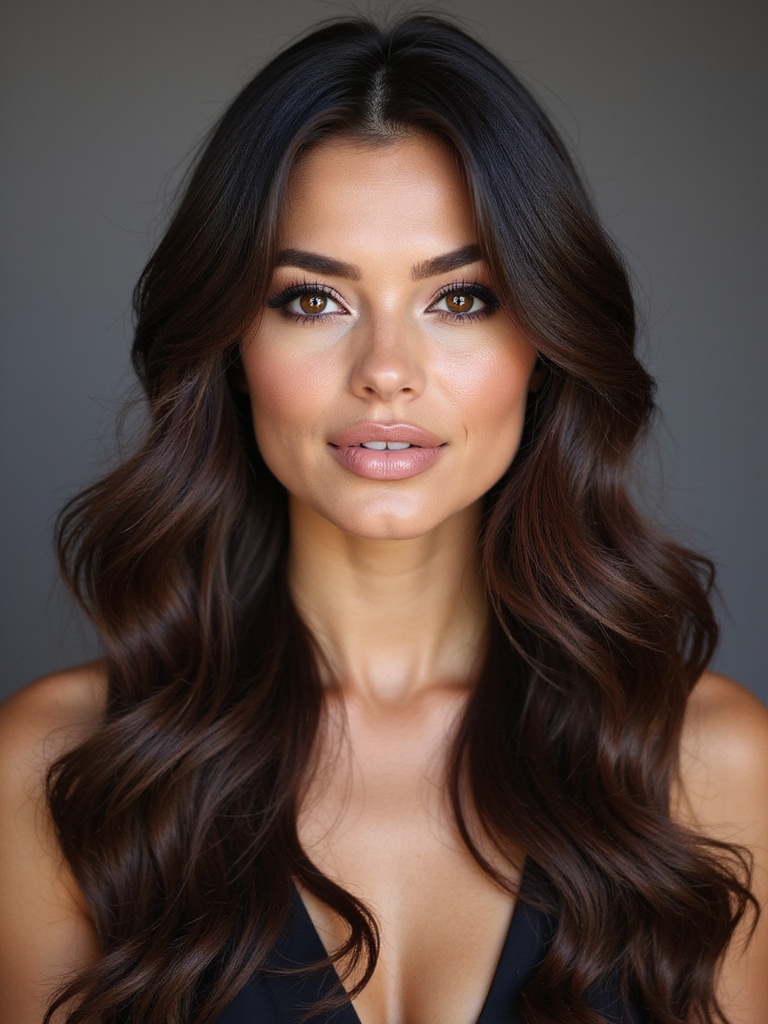
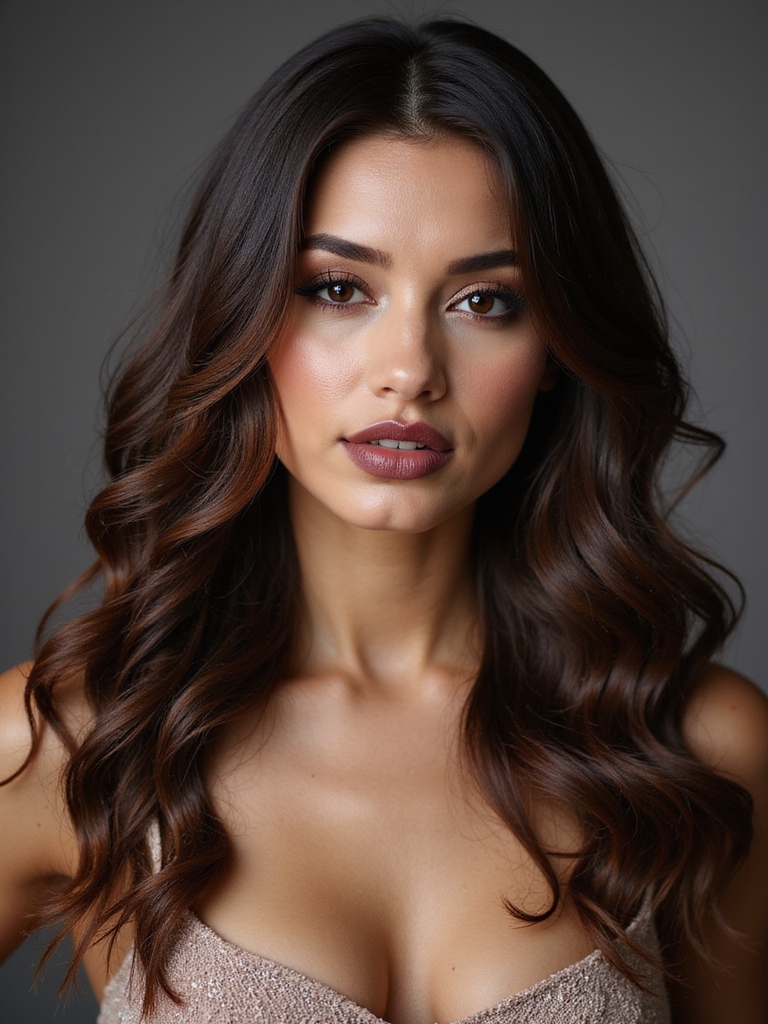
Want red hair for winter but worried it will read too loud against gray skies and bare trees? That is the exact tension this guide solves. Winter is the best season for red, since the soft, low light flatters warm tones, but the trick is choosing a shade with enough depth to look rich and deep.
These winter red hair ideas run the full spectrum, from barely-there strawberry blonde to deep aubergine, and the whole point is bold but soft. Every shade here is picked for how it behaves in winter light and which skin tones it flatters, so you can find the red that feels like you, not a costume.
Winter Red, in Short
- Winter’s soft light flatters warm reds; the key is depth, so the color stays rich and deep in the season’s light.
- Match the red to your undertone: cool skin loves aubergine, cranberry, and rosewood; warm skin glows in copper, ginger, and auburn.
- Red is the fastest-fading color, so a gloss every few weeks and cool, color-safe washing are non-negotiable.
- For low commitment, try a balayage, root melt, or face-framing accents for a lighter commitment.
Warm Copper Balayage for Natural Glow

Copper balayage is the gentlest way into red, since it paints warmth through your hair without going all-over. Hand-painted copper pieces catch the winter light and give your whole head a lit-from-within glow, especially on a brown base.
Because the color is woven through your hair, it grows out softly with no harsh root line, which makes it the lowest-maintenance red here. Copper balayage flatters warm and neutral skin tones beautifully. A gloss every couple of months keeps the copper from dulling. The winter hair color ideas guide has more painted options.
- Painted through, so it grows out softly.
- Glows warmest on a brown base in winter light.
- The lowest-commitment way to try red.
Deep Aubergine-Red for Moody Shine

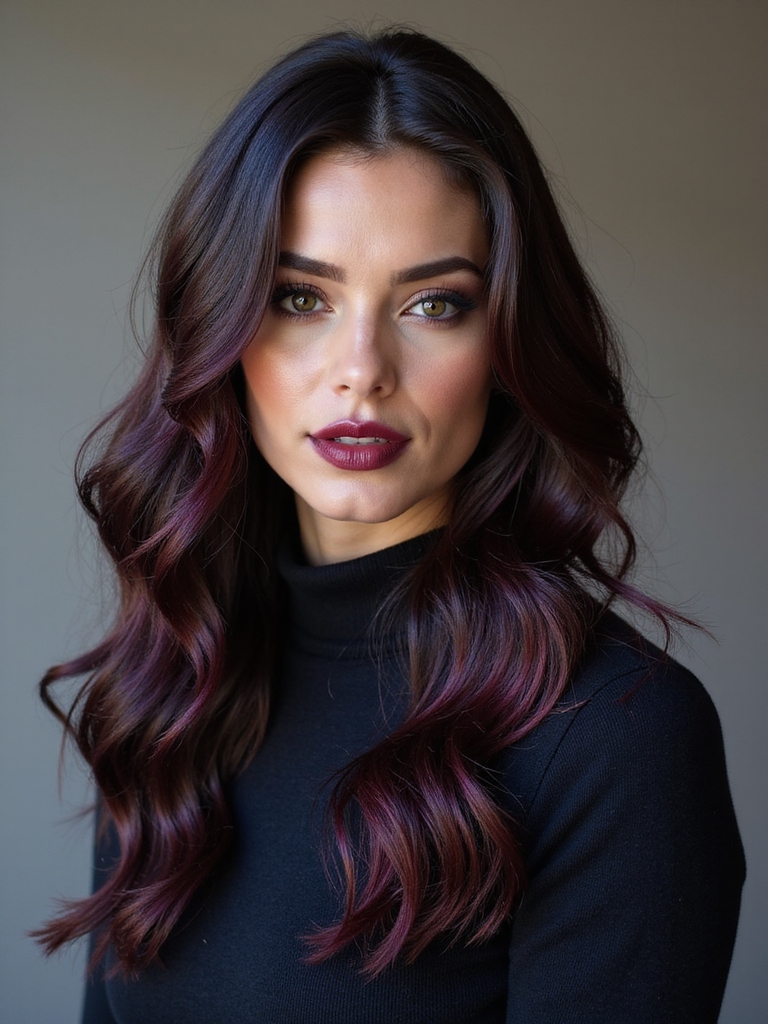
Aubergine, a deep red with a plum undertone, is the moody, dramatic red of winter, and it is one of the few reds that flatters cool skin tones. The purple base keeps it from turning orange and gives it a glossy, almost black-cherry depth in low light. I point cool-toned clients to this one more than any other red.
- A plum-based red that suits cool skin tones.
- Looks deep and glossy, never bright or brassy.
- Rich enough for a winter wedding or party.
👍Why winter is red’s best season
- +Soft winter light flatters warm reds beautifully
- +Depth and dimension read rich against pale, cold-weather skin
- +Shades from subtle strawberry to deep aubergine suit every undertone
👎What to weigh
- –Red fades faster than any other color and needs regular glossing
- –Bright coppers from a dark base can take more than one session
- –Warm reds can clash with very cool, pink undertones if chosen wrong
Soft Strawberry Blonde With Dimensional Highlights

Strawberry blonde is the softest red there is, a pale, warm blend of blonde and ginger that looks delicate and pretty. Adding dimensional highlights keeps it from going flat, so it shifts between rose-gold and blonde as the light moves.
It is the red for someone who wants a hint of warmth, and it flatters fair, warm skin tones especially. Strawberry blonde needs toning every few weeks to keep from going brassy. It is a high-upkeep blonde but a low-drama red. The winter hair color ideas for blondes guide covers the toning side.
- The palest, softest end of red.
- Dimensional highlights keep it from looking flat.
- Best on fair, warm skin tones.
Burnt Orange Lob for Subtle Edge

Burnt orange is the cool-girl red, a muted, earthy orange that feels modern and a little edgy. On a lob, the blunt shape and the unexpected color together look fashion-forward with an easy confidence.
Color Plus Cut
The muted, brownish base keeps burnt orange from looking like a costume, so it lands wearable even though the shade is bold. It suits warm and olive skin tones.
A burnt orange lob is a whole look in one, since the cut and color do the work together. Pair it with a glossy finish to keep it rich. The winter hair color ideas for brunettes guide has more red-brown blends.
Two red-hair myths to clear up before you book:
❌ Myth: Red hair only suits fair, freckled skin
✅ Reality: Not at all; deep aubergine and cranberry flatter cool dark skin, and copper glows on warm deep skin
❌ Myth: Red is impossible to maintain
✅ Reality: It needs glossing, but low-fade shades like auburn and chocolate red are honestly easy to live with
Chocolate Red Gloss for Low-Maintenance Radiance

Chocolate red is a brown-red hybrid, mostly brunette with a red glaze over the top, and it is the most low-maintenance red of all. Because it sits close to a natural brown, it fades gracefully and hides regrowth, so you can stretch months between salon visits.
The red shows up as a glossy, dimensional shine in the light and looks brown in the shade, which makes it office-safe and forgiving. It suits almost every skin tone, especially warm and neutral.
A chocolate red gloss is often a single-step toner over your natural brown, so it runs $60 to $120 and goes quick. It is the red I start cautious clients on. The winter hair color ideas for brunettes trends guide has more glaze ideas.
Mahogany Layers With Face-Framing Warmth

Mahogany is the classic cool-weather red, a rich red-brown with a hint of purple that looks expensive and deep. Concentrating the warmth around your face with a few brighter pieces lights up your complexion against winter pallor.
- A red-brown with purple depth, rich and expensive-looking.
- Face-framing warmth flatters your complexion in winter.
- Suits cool and neutral skin tones.
| Skin undertone | Most flattering reds | Try to avoid |
|---|---|---|
| Cool | Aubergine, cranberry, rosewood, smoky red | Bright orange-coppers |
| Warm | Copper, ginger, auburn, burnt orange | Cool blue-reds |
| Neutral | Mahogany, chocolate red, auburn | Very little; most reds work |
| Deep | Aubergine, ember accents, rich auburn | Pale strawberry blonde |
Ginger Cinnamon With Sun-Kissed Ends

Ginger cinnamon is a warm, spicy red-orange that brings summer warmth into the coldest months. Leaving the ends a touch lighter, sun-kissed, adds dimension and keeps the shade from sitting heavy.
It is a bold, cheerful red that lands natural on warm and freckled skin tones. I tell every redhead-hopeful the same thing: ginger is a true redhead shade, so it fades faster than most; a color-depositing conditioner between salon visits keeps it vivid. It is pure warmth on a gray day.
Muted Cranberry-to-Mahogany for Elegant Depth

A muted cranberry melting into mahogany is the sophisticated, grown-up red, all depth and no brightness. The cranberry up top deepens into mahogany through the lengths for a quietly luxurious, dimensional finish.
Quiet Luxury in Red
Muting both shades keeps the color elegant rather than loud, which is exactly the bold-but-soft balance winter red is about. It flatters cool and neutral skin tones.
A cranberry-to-mahogany melt is dramatic in person but comes across subtle in photos, the mark of a refined color. It needs a cool-toned gloss to hold its depth.
How to keep winter red from fading fast:
1Wait to wash
Skip washing for 48 hours after coloring so the color sets
2Wash cool and gentle
Use cool water and color-safe, sulfate-free products; hot water strips red fastest
3Gloss on a schedule
Refresh with a salon gloss or an at-home color-depositing conditioner every three to six weeks
Copper Root Melt for Grown-Out Ease

A copper root melt blends a darker root into a copper length, so the color grows out with no obvious regrowth line. It is the red built for people who hate frequent salon trips, since the soft transition means you can wait months between appointments.
- A blended root means no harsh regrowth line.
- Stretch months between salon visits.
- Warm and neutral skin tones wear copper best.
Auburn Velvet on Long Waves

Auburn, a deep red-brown leaning warm, looks its richest on long, waved hair, where the movement shows off every facet of the color. The waves catch the light so the auburn shifts between brown and red as you move.
It is a timeless, flattering red that suits the widest range of skin tones, warm and cool alike. Auburn holds better than brighter reds, so it is a relatively low-maintenance choice. Run a gloss through it seasonally to keep the velvet depth.
- Richest on long, waved hair that shows the dimension.
- Among the most universally flattering reds there is.
- Holds longer than bright copper or ginger.
Caramel-Red Babylights for Soft Contrast

Babylights are the finest, most delicate highlights there are, and in caramel-red they add the softest possible warmth to brown hair. Threaded through in tiny pieces, they give a low-contrast, sun-touched warmth instead of bold stripes.
Caramel-red babylights are the gentlest commitment on this list, since they grow out invisibly and need almost no upkeep. They flatter warm and neutral skin tones and suit anyone who wants a whisper of red. I suggest it for a first-timer nervous about going red. A gloss now and then keeps the caramel from fading flat.
- The finest, softest way to add red to brown hair.
- Low-contrast and grows out invisibly.
- The gentlest first step into red.
Smoky Red Brown for Understated Drama

Smoky red brown is a muted, ashy-edged red that trades brightness for moody sophistication. The smoky overlay tones down the warmth, so the red looks deep and almost dusty, the most understated shade on this list. Smoky red brown suits cool and neutral skin tones, since the ashier base does not pull orange on them.
It is the red for someone who wants the depth of color without any of the flash, and it photographs rich and expensive. It hides regrowth well and fades softly, so the upkeep stays gentle. A cool gloss every couple of months keeps the smoke from warming up.
- An ashy, muted red with no brightness.
- Best on cool and neutral skin tones.
- Understated, expensive-looking, and low-upkeep.
Bright Ember Accents on Dark Hair

If you love your dark hair but want a hit of red, bright ember accents are the answer, a few vivid red-orange pieces placed around the face or through the ends. Against dark brown or black hair, the ember pieces glow like sparks while your base stays its own dark shade.
Ember accents are bold but contained, so they make a statement while leaving most of your hair untouched and healthy. They suit warm and deep skin tones especially well, where the contrast really pops. Because the bright pieces fade fastest, a color refresh every few weeks keeps them vivid. It is the lowest-risk way to wear a loud red.
- A few vivid pieces placed through dark hair.
- Bold but contained and low-commitment.
- Pops most against deep, warm complexions.
Coppery Pixie for Bold, Cozy Style

A coppery pixie is the boldest, coziest red move there is, since a short cut puts all that warm color right at your face where it glows. The crop and the copper together look confident and a little playful, perfect for the season.
- Short hair puts the warm copper right at your face.
- Less hair means less color to maintain and refresh.
- Bold, cozy, and confident for winter.
Sunset Red Ombre for Cold-Weather Warmth

A sunset ombre fades from a deep red root through orange to a brighter, warmer end, like a winter sunset in your hair. The gradient gives you dimension and a bold-but-blended finish that is more wearable than a solid bright red.
Because the brightest color sits at the ends, you get the drama without committing your whole head, and the soft transition grows out easily. It suits warm skin tones best.
A sunset ombre is a statement that still flatters, and the dark root keeps the upkeep manageable. Gloss the mid-lengths and ends to keep the gradient glowing. The winter red hair ideas and looks guide has more ways to style a red like this.
What to Expect
A few honest things to know before you go red. First, red fades faster than any other color, full stop; the molecules are the largest and wash out quickest, so plan on a gloss or color-depositing conditioner every three to six weeks and wash in cool water with color-safe products.
Second, going red from a dark base is easy, but lifting to a bright copper or strawberry can take more than one session, each a couple of hours in the chair, and more money, often $150 to $300 to start.
Pick your shade by undertone first, going off more than the photo. Cool skin tones glow in aubergine, cranberry, rosewood, and smoky reds; warm skin tones light up in copper, ginger, auburn, and burnt orange; neutral skin can wear almost anything.
And go a shade deeper than you think for winter, since depth is what makes red look rich and intentional in the season’s soft light. Done right, it is the most flattering, warming color you can wear all winter long.
The Red That Feels Like You
Red gets a reputation as a bold, high-commitment color, but the truth across all of these is that there is a red for every comfort level and every complexion. You can whisper it with caramel babylights or shout it with a coppery pixie, lean cool with aubergine or warm with ginger, and winter’s soft light will flatter every one of them.
So think about your undertone, your upkeep tolerance, and how loud you want to be, then pick the shade that fits all three. If you have been curious about red, this is the season to try it, when the light is on your side. Bring a photo, talk undertones with your colorist, and go a touch deeper than you think. The right red might just become the color you keep.
More to Explore