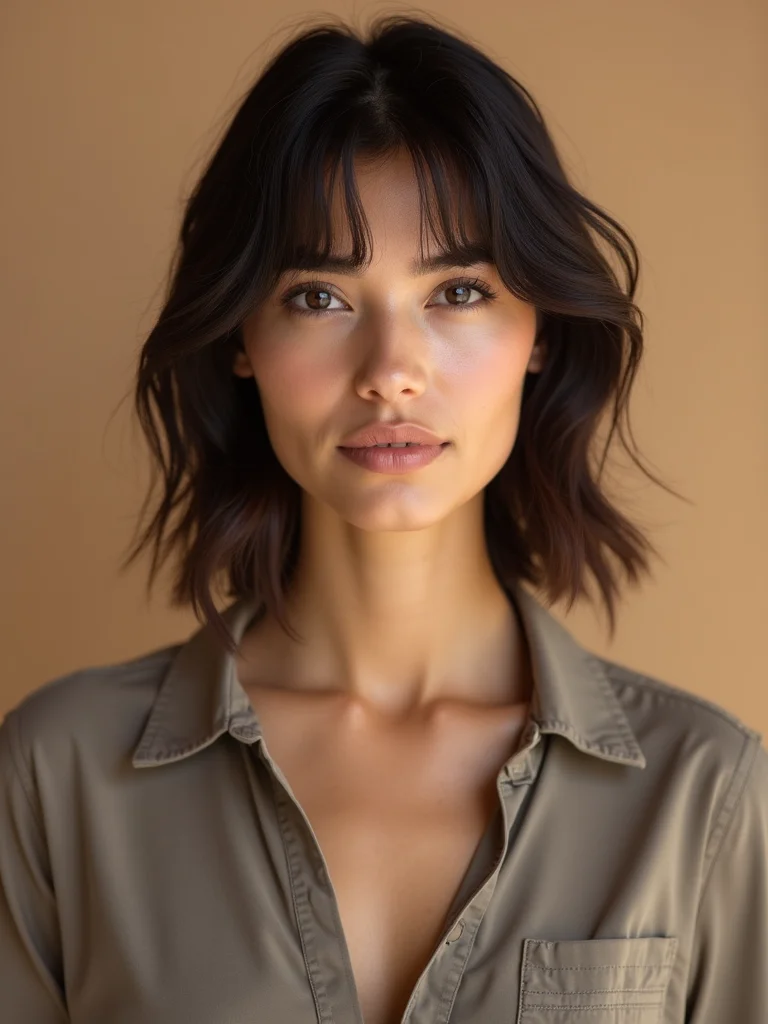
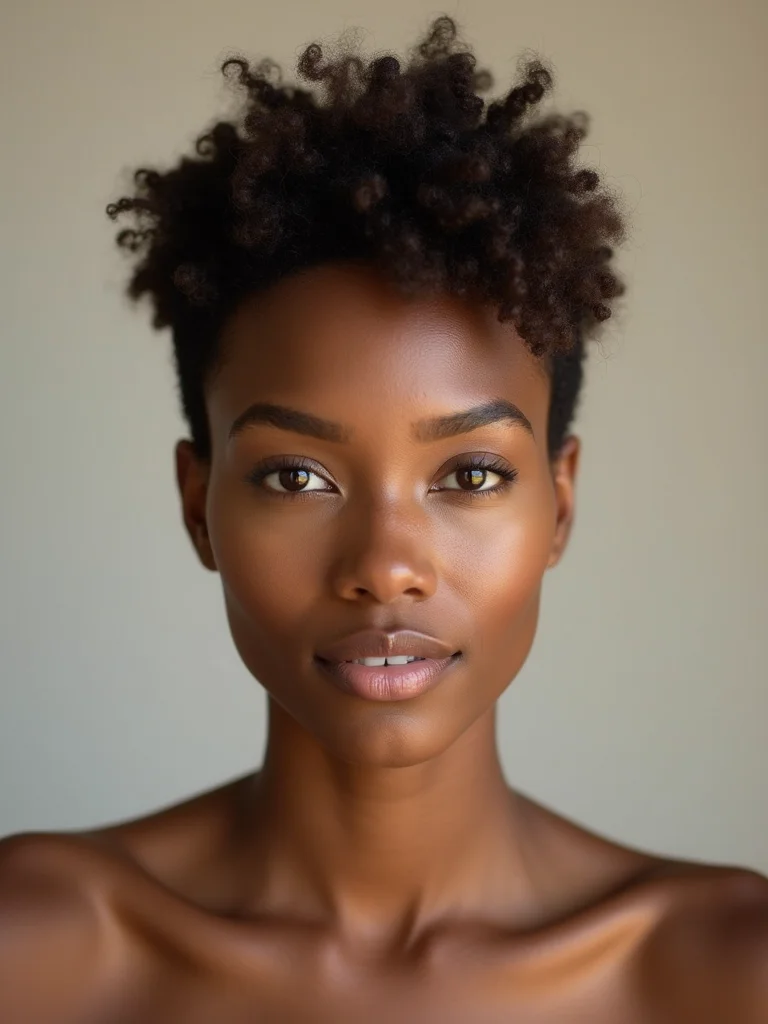
People talk themselves out of the wolf cut for the wrong reasons. They decide it only works on tiny faces, or that it is a fad already on its way out, or that they are too old for it. None of that holds up in the chair. The wolf cut is just a layered shag with crown volume and face-framing pieces, and that shape flatters far more women than the trend videos suggest.
What actually decides whether it works for you is the cut, not your age or your face. Layered for your texture and tailored to your features, it air-dries into shape and bends from chic to edgy on demand. Here are fifteen versions, the myths worth ignoring, and how to ask for the one that fits you.
Five Things to Know
- The wolf cut is a layered shag with crown volume and face-framing pieces, not one fixed shape
- It suits fine, thick, wavy, and curly hair when the layers are cut for your texture
- Most versions air-dry, so daily styling is fast
- Plan about $70 to $130 for the cut and a trim every 8 to 10 weeks
- The fringe and the face-framing length do the most flattering work
Classic Wolf Cut With Soft Layers

Start with the classic, soft-layered version if you want the shape without harsh lines. I cut choppy texture through the crown, then melt it into airy lengths so the hair moves cleanly, with the ends kept feathered and soft. It is the most wearable entry point on the list, and the one I suggest first when a client walks in excited about the trend but quietly nervous about cutting too much off at once.
- Rough-dry upside down, add a salt spray, then pinch pieces with a matte pomade
- Ask for feathered, not blunt, ends so the layers stay soft
- Keep it crisp with a micro-dusting every eight to ten weeks

Curtain Bangs Meet the Wolf Cut

If the classic feels a touch too airy, curtain bangs sharpen it up and frame the face. The center-split fringe softens the forehead while it draws attention to the cheekbones, which is why it has been the most-copied version for a couple of years now. Ask for cheekbone-grazing lengths and textured ends so the bangs blend into the layers.
- Style with a round brush, then pinch a lightweight paste through the fringe
- Keep the bangs glossy with a single drop of serum
- Trim the fringe every three to four weeks, since it grows fastest
👍Why women love it
- +Falls into place on its own, so daily styling is quick
- +Adapts to fine, thick, wavy, and curly hair
- +Grows out softly, with no harsh awkward stage
👎What to weigh
- –Choppy versions want a trim roughly every two months
- –Micro bangs and undercuts add upkeep
- –A bad cut can read shaggy in the wrong way, so the stylist matters
Short Wolf Cut for Fine Hair

A short wolf is a quiet secret for fine hair. The cropped length and choppy crown create the look of more hair, since the layers stack for height. I keep one fine-haired client’s before-and-after on my phone, because it sells this version better than I can. The cut does the volume work so you do not have to.
- Ask for crown lift and light texturizing, with the perimeter left full
- Mist a root-lifter and rough-dry for height
- A short wolf cut beats a flat bob for fine hair every time
Long Wolf Cut With Face-Framing

You do not have to cut off your length to wear a wolf cut. The long version keeps your inches while internal layers add the shag movement, and face-framing pieces around the jaw do the flattering. The worry I hear most is about grow-out, and it is the wrong thing to fear, because long layers blend softly as they grow.
Style it with a mousse and a rough-dry, then pinch the tips with a little cream and you are done.
- Keep the layers internal so your length still reads long
- Add face-framing pieces at the jaw to frame the face
- A long wolf cut grows out cleanly, with no awkward stage
ℹ️Good to Know
The wolf cut is read and shaped dry on curly and coily hair so your stylist can account for shrinkage. Cutting it wet is the single most common reason a curly wolf comes out far shorter than expected.
Curly Wolf Cut for Natural Texture

Curls were practically made for this shape. Sculpted layers release the natural volume and let the coils stack and spring, and the cut has to be done dry, since dry hair shows the real coil and the shrinkage that comes with it. On coily 4a to 4c hair, I leave the perimeter dense and go gentle with the layers so the shape holds and the ends stay full.
Diffuse with a curl cream and a light gel, then leave it alone to dry. A curly wolf cut rewards a hands-off wash day and a satin bonnet at night.
Wavy Wolf Cut With Relaxed Ends

Wavy hair gets a relaxed, undone version with soft ends. The wave does the styling. So the layers just need to disperse weight and add bounce. I keep them mid-to-long to skip the triangle bulk and texture the ends so they fall into a loose, broken-in finish.
Scrunch a salt spray and diffuse on low, or air-dry for the softest result. A wavy wolf cut is the lowest-effort version on the whole list.
📋Before you book, decide on these
- ✓Pick your fringe: a curtain sweep, a micro bang, or skip it
- ✓How short you are willing to go at the crown
- ✓Your honest daily styling time, in minutes
Thick Hair Wolf Cut With Debulking

Thick hair carries this cut dramatically, as long as the weight comes out from the inside. I carve internal layers to debulk while the density stays, so the hair moves and falls close at the sides instead of pyramiding out. Surface thinning is what causes frizz halos, so the real work belongs deep inside the hair.
- Ask for carved internal layers, and steer clear of surface thinning
- Diffuse on low to lift thick texture and keep the cuticle smooth
- Book a shape-up about every eight weeks, since thick hair fills back in fast
Shaggy Wolf Cut With a Piecey Fringe

The shaggy version with a piecey fringe is the rocker end of the family. Shattered crown layers and a separated, brow-grazing fringe give it grit, and the piecey texture keeps it from looking too neat. It looks bold with very little effort once it is cut right, grit built right into the shape.
Style with a matte paste pinched through the ends and fringe, plus a salt spray for grip. A shag wolf cut like this suits strong features and confident wearers.
🅰️Short Wolf
More volume and edge with less hair, but a trim every six to eight weeks.
🅱️Long Wolf
Keeps your length with internal layers, and stretches to a trim every 10 to 12 weeks.
Tousled Wolf Cut With Micro Bangs

Micro bangs take the tousled wolf into statement territory. The short, blunt fringe at mid-forehead plays hard against the soft, textured length, and the contrast photographs sharp. This is the boldest fringe choice you can make.
Keep the rest shaggy so the bangs stay the focal point, and style the fringe flat while the length stays tousled. Strong brows and high cheekbones carry it best.
Be sure before you commit, since micro bangs grow out slowly and want a trim every two to three weeks. There is no quick undo once they are cut.
Edgy Wolf Cut Bob, Chin Length

When you want short and sharp, a chin-length wolf bob crops the shape into something graphic. The choppy layers give a blunt bob movement and edge, so it comes across modern and a little sharp. It is the cut for someone who wants a statement they can still tuck behind their ears.
Style it with a salt spray and a quick scrunch, or a flat-iron bend for a sharper line.
- Ask for choppy internal layers on a chin-length base
- Texture the ends so the bob keeps movement and bite
- Plan a shape-up every six to eight weeks so the crop stays sharp
Colored Wolf Cut With Bold Highlights

Color turns the shape into a real statement. Bold, face-framing highlights along the crown and front layers light up every time the hair moves, and the wolf cut’s texture hides regrowth so you can stretch appointments. Think copper, money-piece blonde, or a soft balayage matched to your tone.
Plan on another $120 to $250 for the highlights, layered over the cost of the cut itself. If you are lightening more than a shade or two, ask for a bond-builder so the hair holds up.
Low-Maintenance Wolf Cut for Busy Mornings

If your mornings have no spare minutes, this version earns its keep. The forgiving shape and airy layers mean a quick scrunch is the whole routine, and a stray frizz or two reads as character instead of a problem. No blow-dry needed. The woman who told me she had no time for hair now styles this one in under two minutes.
- Scrunch a curl cream or salt spray into damp hair and head out
- Revive day-two roots with dry shampoo for instant lift
- A satin pillowcase keeps the shape intact overnight
Wolf Cut With a Hidden Undercut

For extra edge that nobody sees until you want them to, a hidden undercut sits beneath the wolf cut. The buried buzz removes bulk underneath while the top stays full, which is a gift for very thick hair, and it stays a secret until you pin the top up.
One honest note: keep tension off the hairline around the undercut, and skip tight nightly pineapples so the edges are not pulled. The undercut needs a tidy-up about once a month to stay clean.
Airy, Feathered Wolf Cut for Round Faces

Round faces have a best friend in the feathered wolf cut. The crown height adds vertical length while the face-framing layers slim the cheeks, so the shape lengthens and balances a round face at once. It is the most flattering version for a fuller face, full stop.
Why crown height flatters a round face
Ask for lift built at the crown and longer, cheekbone-grazing pieces at the front. Style with a root-lifter and a rough-dry to push the height up.
Avoid a heavy, one-length fringe, which can widen a round face. A soft, parted curtain fringe is the safer choice for balance.
Heatless, Air-Dried Styling for Wolf Cuts

The wolf cut is one of the few shapes that air-dries into itself, which makes it a heat-break favorite. Set the shape while the hair is soaking wet, then leave it completely alone until it dries so the layers fall where they were cut.
Setting the shape before it dries
Apply your product with praying hands, twist the face-framing pieces back, and clip the roots for height. Soft foam rollers at the crown overnight add lift with no heat.
The single rule is patience. Touch it before it is dry and you trade definition for frizz, so wait, then fluff at the roots once it sets.
How to Ask Your Stylist
Walk in with two or three photos and the right words. Say you want choppy internal layers, crown volume, and face-framing pieces, then name your fringe: curtain, micro, or none. The word shaggy means different things to different stylists, so spell out the parts and let no single vague label carry the whole idea.
Be honest about two things: your texture and your time. If your hair is fine, ask them to go light on the thinning. If it is curly, make sure they plan to shape it dry. And tell them how many minutes you will really spend styling, because that decides how much layering you can carry day to day.
Wolf Cut Questions, Answered
?Is the wolf cut too trendy or already out of style?
It started as a trend but has settled into a standard layered shape, the way the shag and the lob did before it. The texture and face-framing read as modern, not dated, and a softer version sidesteps the most obvious trend markers.
?Will a wolf cut suit an older woman?
Yes, and it can take years off by adding movement and lift where flat, heavy hair tends to age a face. Ask for a softer, longer version with face-framing layers rather than a harsh, choppy crop.
?Does the wolf cut grow out badly?
It is one of the easier cuts to grow out, since the internal layers blend into longer hair instead of leaving a hard line. Reshape the face-framing pieces every couple of months and the grow-out stays smooth.
?How much does a wolf cut cost?
A wolf cut usually lands between $70 and $130, depending on your salon and where you live. If you add face-framing highlights, budget another $120 to $250 on top of that.
?Which wolf cut is best for a round face?
Go for the feathered version with crown height and longer, cheekbone-grazing front pieces. The vertical lift lengthens the face while the framing slims the cheeks, and a soft curtain fringe balances better than a heavy blunt one.
The Wolf Cut Is More Forgiving Than You Think
If you have been talking yourself out of the wolf cut, the myths are doing the deciding for you. It is not only for thin faces or twenty-somethings, and it is not a fad that will date you. It is a flexible shape that has outlasted its viral moment because it flatters real, different heads of hair when it is cut with care.
Whatever your texture, length, or face shape, there is a version here that will work with your hair rather than against it. Find the one that matches your features and your routine, and trust that the cut, done right, does most of the work for you.
Don’t Miss These