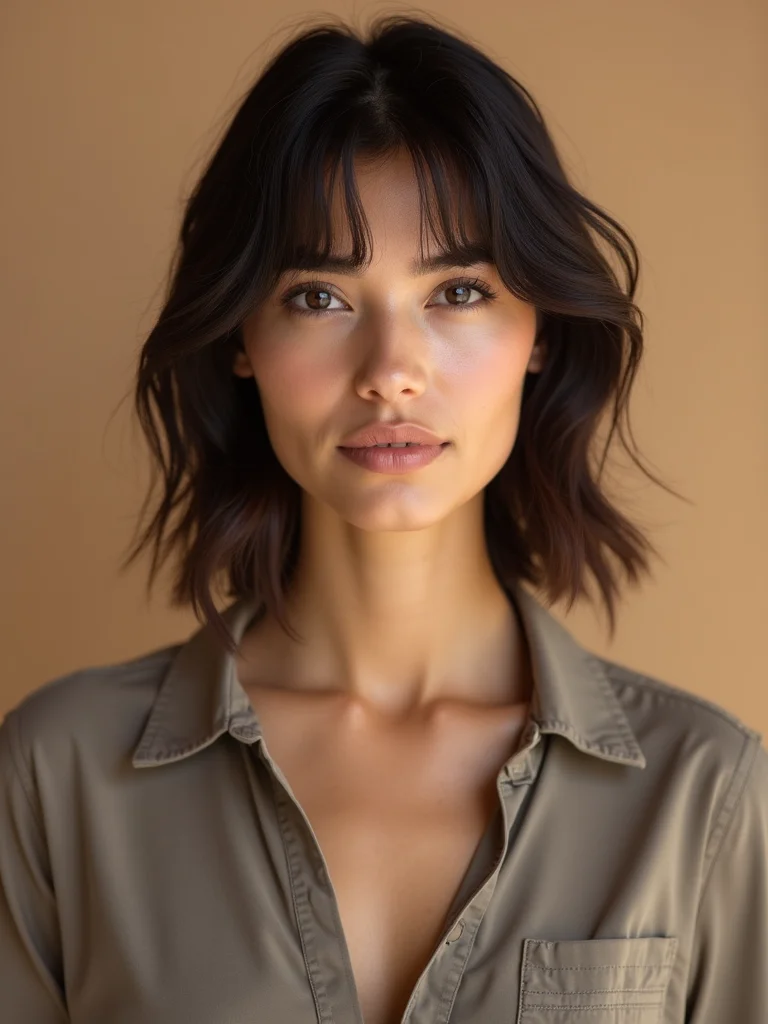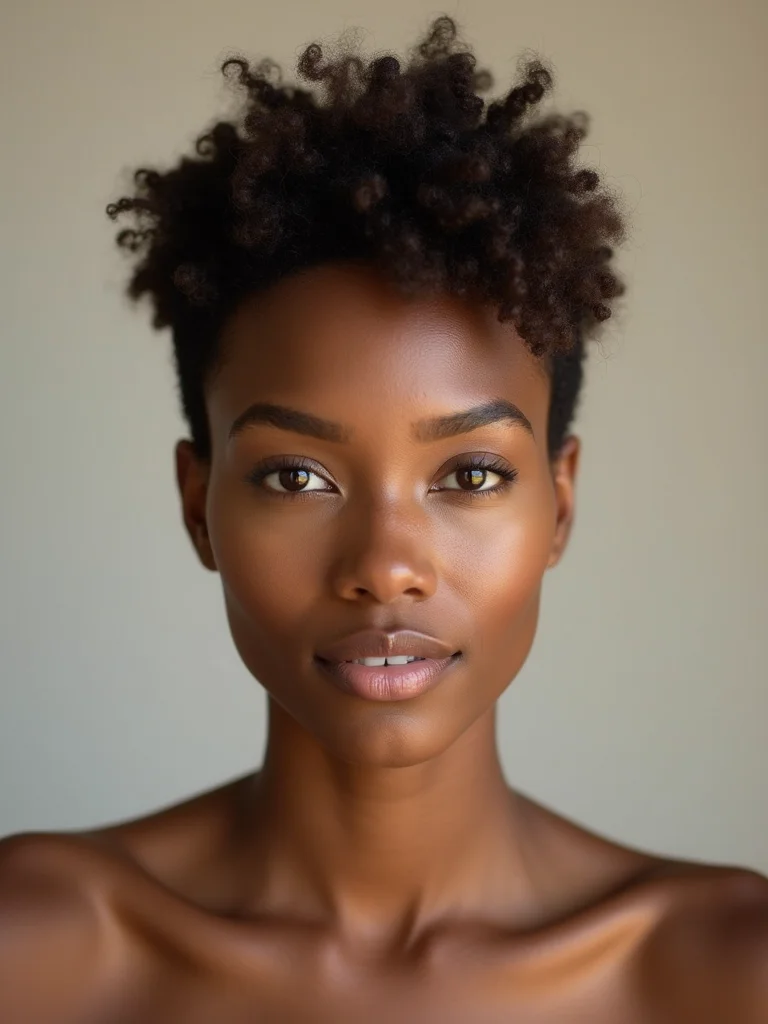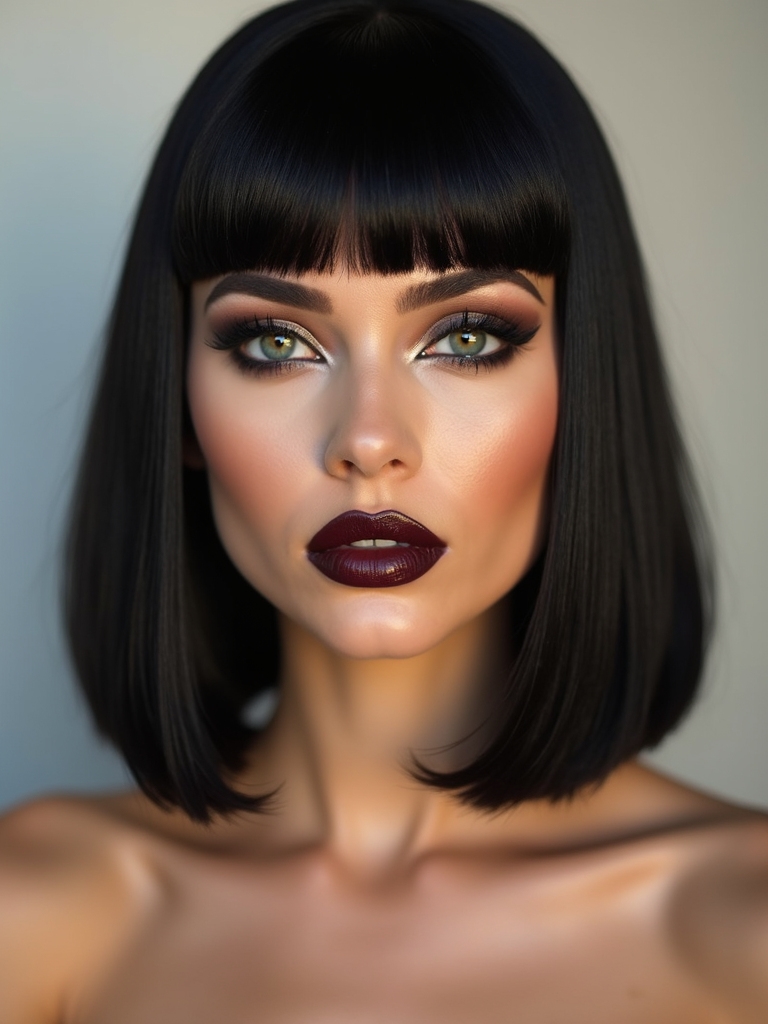
Should you get bangs? That is the wrong first question. The umbrella term types of bangs covers a dozen wildly different fringes, from a soft, see-through curtain to a graphic blunt line to a tiny micro crop, and which type you pick matters far more than the decision to get a fringe at all.
So this is a plain-English breakdown of the main types of bangs: what each one actually is, who it flatters, and how much upkeep it asks for. Run each style past your face shape, your hair texture, and your patience for trims, and by the end you will know which fringe to ask for with real confidence in the chair.
Three Questions Before You Cut a Fringe
- Start with your face shape. Curtain and side-swept bangs flatter nearly everyone, while blunt and micro fringes are happiest on oval and heart shapes.
- Then your hair texture. Fine hair loves a wispy fringe, dense straight hair carries blunt bangs, and curly hair wants a fringe cut for its pattern.
- Finally, your upkeep. Curtain, side-swept, and wispy bangs grow out easily; blunt and micro fringes want the shears back close to the two-week mark.
Curtain Bangs
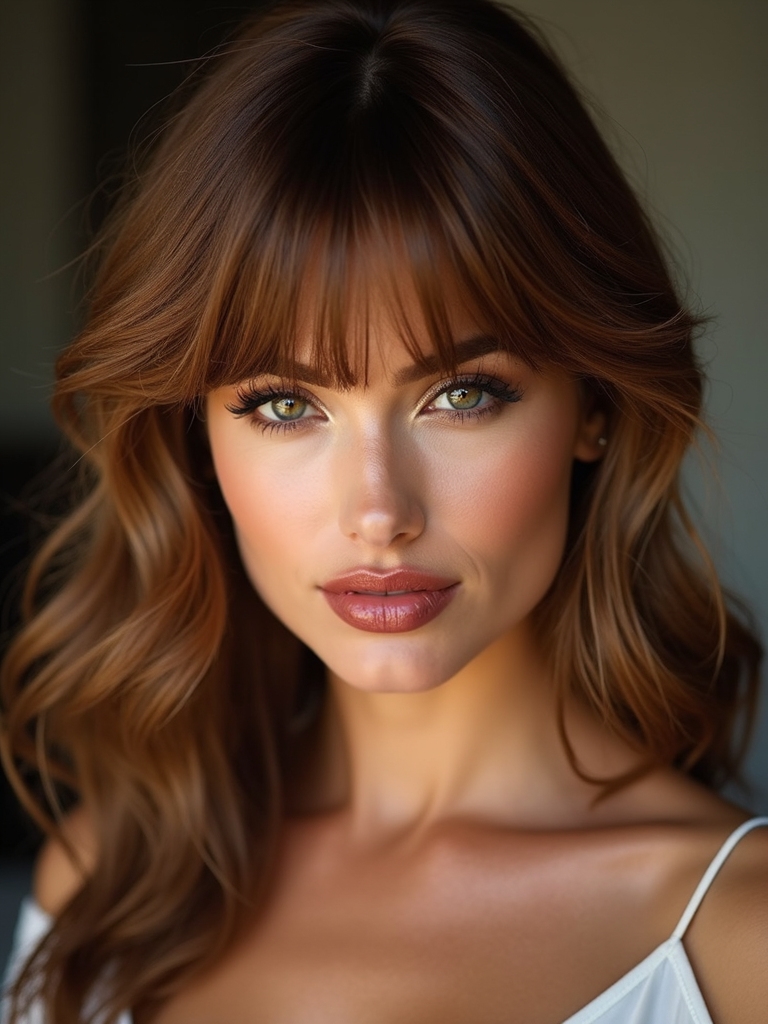
Curtain bangs part down the middle and sweep softly to either side, framing the face the way an open curtain frames a window. They are the most popular fringe for a reason: they flatter nearly every face shape, and the family is wide enough to suit most people. You can wear them full and sweeping, thin and airy, cropped at the cheekbone, or long and layered into the rest of your hair.
The real selling point is how kindly they grow out. Because the pieces are long and center-parted, they blend into face-framing layers with no awkward stage where you are pinning everything back. That is why so many of my clients who swear they hate fringe end up keeping curtain bangs for years.
They also play nicely with glasses and grown-out layers, which is a big part of why they stay in style season after season. Dig into the full range in our curtain bangs guide.
- Flatter almost every face shape, especially round and square.
- Low upkeep, with a quick trim every five to six weeks.
- Round-brush each side away from the face to set the sweep.

Wispy Fringe
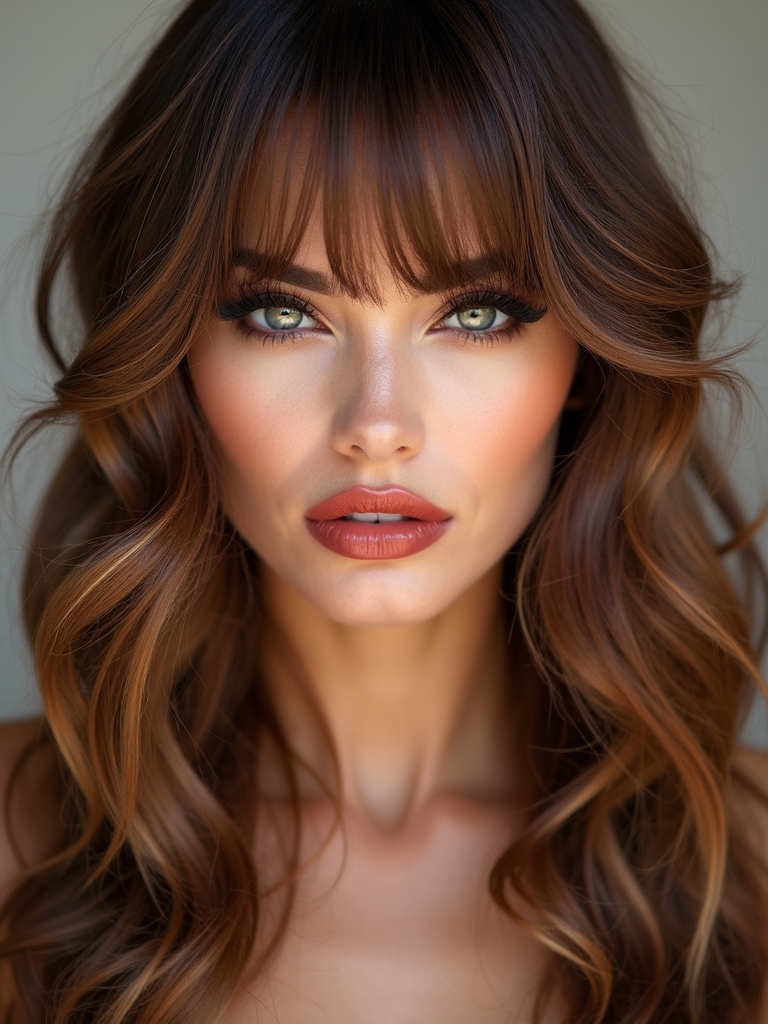
A wispy fringe is cut thin, feathered, and often see-through, which makes it the softest and most forgiving type of bang there is. It floats over the brows and barely touches the forehead, so it adds a frame with very little commitment. This is the fringe I steer nervous first-timers toward, and it is made for fine hair that a blunt cut would leave looking sparse.
- Flatters fine hair and nearly every face shape.
- Reads soft and airy, and pins back in seconds on off days.
- Grows out gently, so there is no dramatic in-between phase. More in our super wispy bangs guide.
📋A wispy fringe is right for you if
- ✓Your hair runs fine or thin and a full fringe would look sparse.
- ✓You want a frame without a big, high-maintenance commitment.
- ✓You like the idea of pinning it back on days you cannot be bothered.
Blunt Bangs
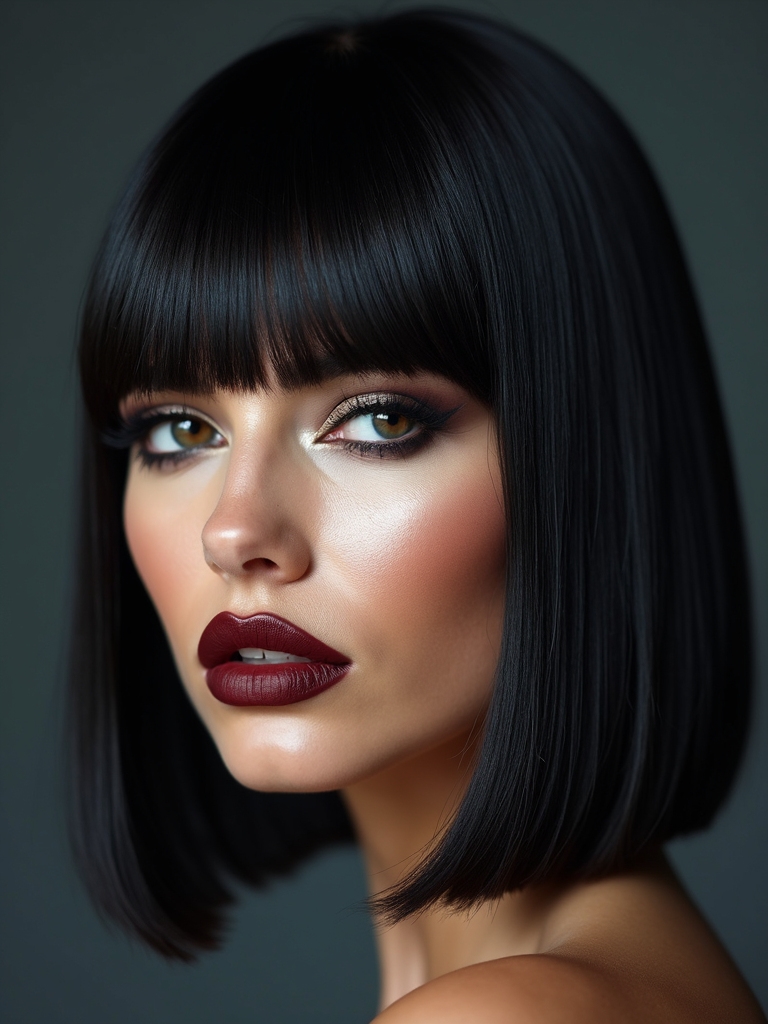
Blunt bangs are cut full and straight across, usually right at or just above the brows, for a bold, graphic, slightly retro statement. They make the strongest impact of any fringe and pull every eye straight to your face, which is exactly the point. On straight, dense hair they look sharp and intentional.
The upkeep blunt bangs demand
Here is the honest part I tell every blunt-bang client before the scissors come out: this is the highest-upkeep fringe on the list. To keep that crisp line, you will be back for a trim close to the two-week mark, and a fringe trim between full cuts is usually free or $10 to $20. Skip it and the line softens into something you did not ask for.
They suit confident dressers who want a defined, eye-catching look and do not mind the salon visits. Fine or curly hair can wear a softer version, but a true blunt fringe wants weight and a straight line to work. One more thing worth mentioning at the consultation: a strong cowlick at your front hairline can split a blunt fringe down the middle, so flag it early and your stylist can cut around it.
Side-Swept Bangs
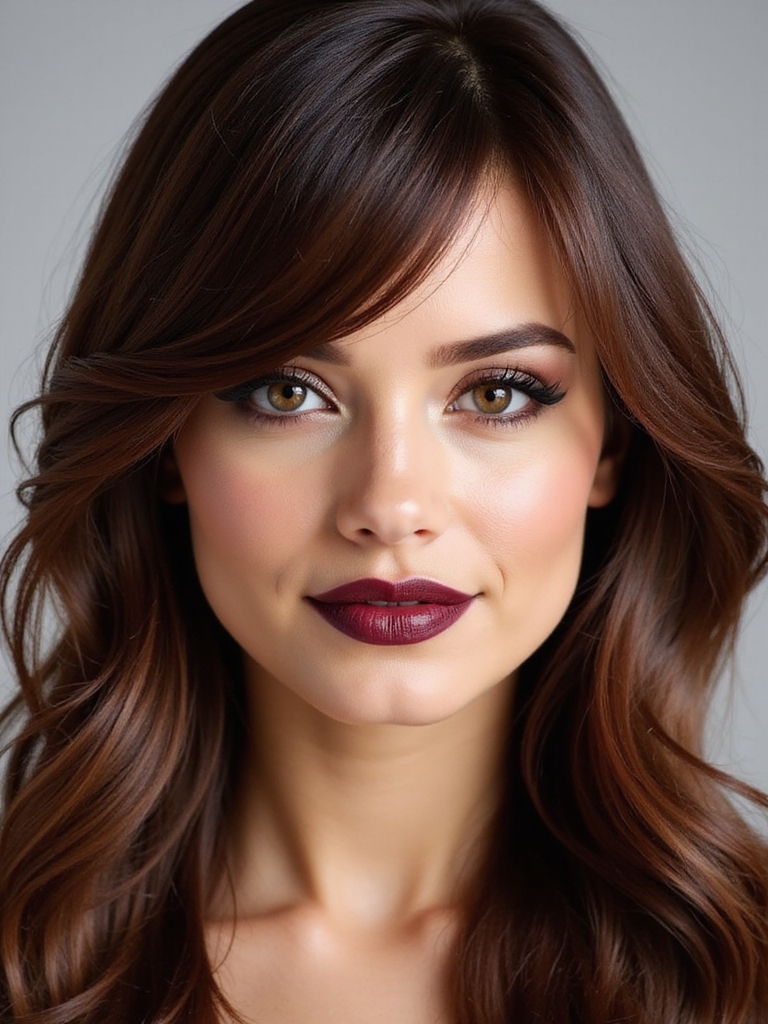
Side-swept bangs fall on a diagonal across the forehead, sweeping to one side. That angled line is what makes them so widely flattering, because a diagonal softens almost any face shape and keeps the line off your features. They are soft, low-commitment, and easy to grow out.
A deeper part adds extra volume and a little drama to the sweep, so the same cut can read casual or polished depending on how you style it. Push the fringe toward your higher eyebrow for the most flattering line, and a round brush will set the direction in under a minute.
This is the fringe I recommend most to people who want a change but are wary of commitment. The longer pieces feel familiar, they tuck behind an ear when you want them gone, and they fold into your length as they grow.
🅰️Side-swept bangs
A diagonal sweep that tucks away easily and reads soft. Best if you want the lowest-commitment fringe and a familiar longer front.
🅱️Curtain bangs
A center part that frames both sides evenly and grows out into layers. Best if you want a touch more drama around the face.
Micro (Baby) Bangs
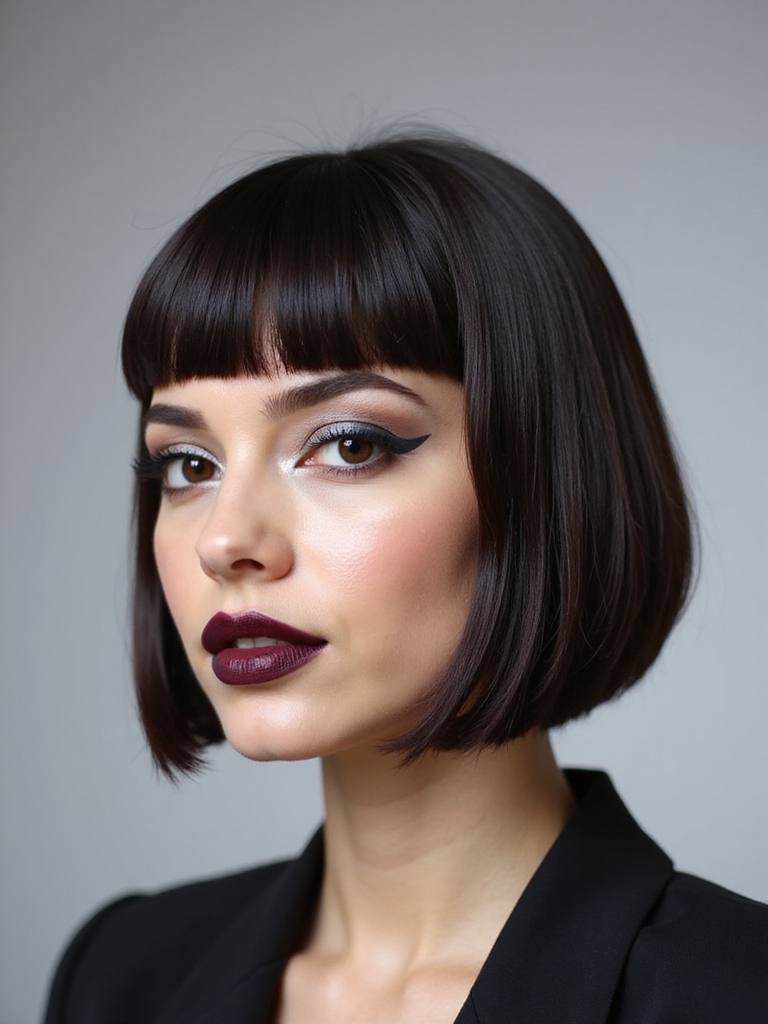
Micro bangs, sometimes called baby bangs, sit short and high above the brows, and they are the boldest, most fashion-forward fringe you can ask for. There is nothing subtle about them. They turn a haircut into a statement and signal that you know exactly what you are doing.
Who micro bangs actually flatter
They demand a lot in return. A micro fringe needs the shears back within about two weeks to hold its shape, and because the cut is so short, there is zero room for error or for hiding a few weeks of growth. A softer, slightly longer wispy version is the more wearable way to test the look before going truly tiny.
Face shape matters more here than with any other fringe. Micro bangs flatter oval and heart shapes best, where they balance the proportions of the face. Our baby bangs guide shows the softer and bolder ends of the spectrum.
Textured Shag Bangs
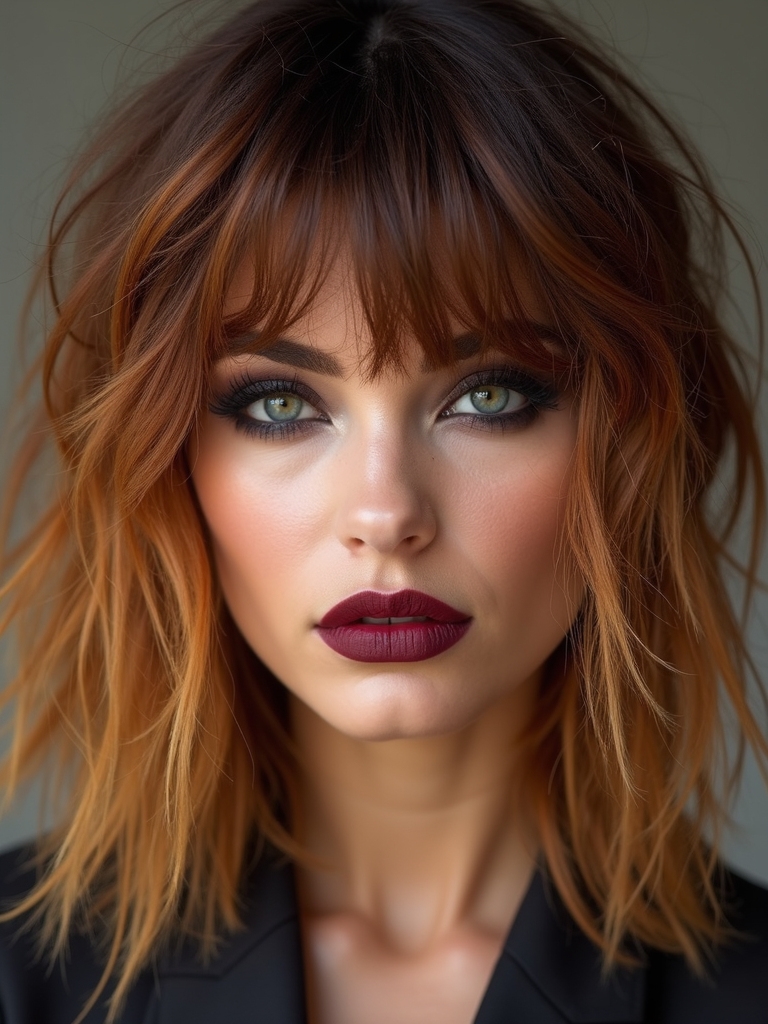
Textured shag bangs are piecey, choppy, and cut to flow into a layered shag, for a cool, rock-leaning finish with a worn-in feel. The deliberate roughness is the whole charm. Instead of a precise line, you get broken-up pieces that move on their own and look like you were born with them.
They suit a relaxed, modern aesthetic and grow out more gracefully than a blunt fringe, which is a real bonus if you are commitment-shy. A little texture paste or spray pinched through the ends defines the pieces. Pair them with our shaggy bangs looks to see how they read across different lengths.
- Built for movement, so they flatter wavy and thick hair beautifully.
- Define the pieces with a matte product; a shine serum just drags them flat.
- Lower upkeep than blunt; a shaping trim every six weeks holds them.
Curly and Coily Bangs
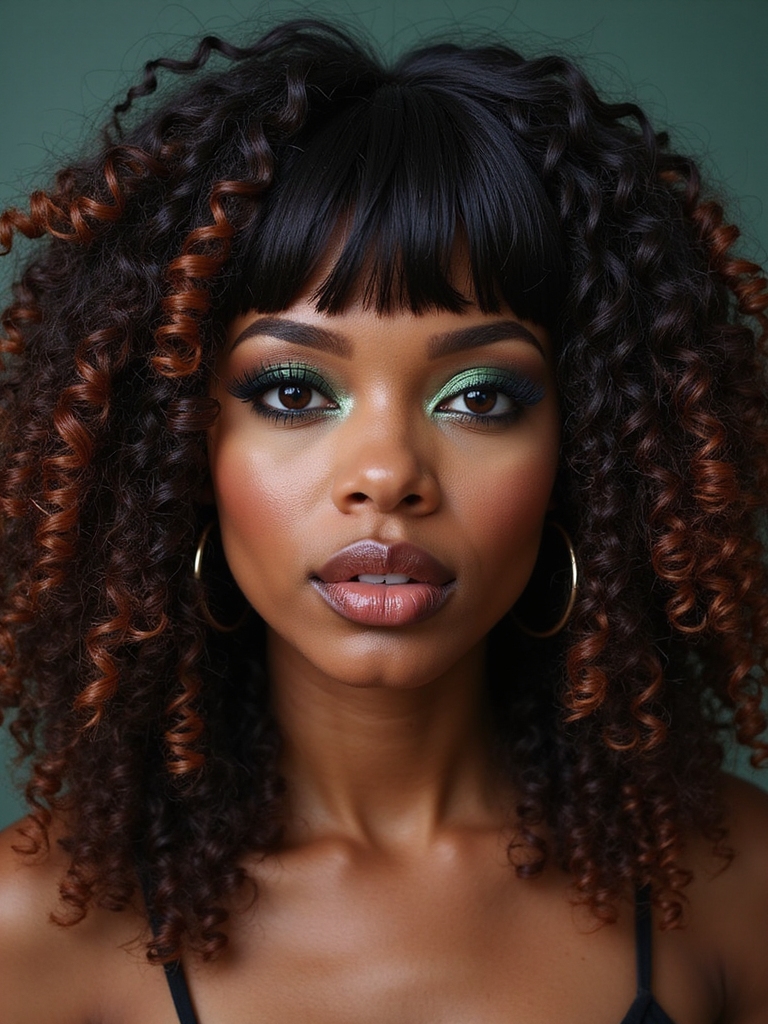
Curly and coily bangs let your natural pattern spring around the face, and despite a stubborn old myth, every curl type can wear a fringe when it is cut for the curl. The key is respecting what your hair already does. I cut curly bangs dry, curl by curl, because the cut has to account for shrinkage so the fringe lands where you want it once it dries and bounces up.
- Have them cut dry so your stylist can shape around the shrinkage.
- A leave-in or curl cream defines the fringe and keeps it springy.
- The goal is to define your curls, not to flatten them. See our curly bangs and curly curtain bangs guides.
Matching Your Fringe to Your Face Shape
Face shape is the first filter every competitor guide leans on, and it earns its place, but it is gentler than the rules suggest. The honest version is that a soft, angled fringe flatters almost anyone, and the bolder you go, the more your proportions matter. So treat the guidance below as a flexible starting point you can bend to your own face.
If you are unsure, lean toward the angled, growable options. A diagonal or a center part draws the eye in a flattering way on nearly every face, which is why curtain and side-swept bangs are the safest first fringe for most people. Glasses change the math too. A fringe that ends right where your frames begin keeps the two from fighting for space, so factor in what you wear on your face most days before you settle on a length.
- Round face: side-swept and long curtain bangs add length and angle; skip a heavy straight-across line.
- Oval or heart: the most versatile shapes, and the only ones blunt and micro fringes truly flatter.
- Square or strong jaw: soft, wispy, and curtain styles balance the angles without competing with them.
What to Tell Your Stylist
The most common fringe regret I see comes from choosing a type off a single photo without weighing face shape, hair texture, and upkeep together. A blunt fringe on fine hair, or a micro fringe on someone who hates salon visits, sets you up to be unhappy by week three.
So bring a photo, but bring the context too. Tell your stylist your natural texture, how much time you actually spend on your hair in the morning, and how often you are willing to come back for a trim. A good one will talk you out of the wrong fringe before they ever pick up the scissors.
And ask about the grow-out before you commit. Knowing whether a style fades away gracefully or fights you for three months is often the deciding factor between two fringes you love equally.
Find the Fringe That Fits Your Life
Bangs come in many forms, from the soft, universal curtain and side-swept styles to bold blunt and micro fringes, airy wispy versions, edgy shags, and texture-celebrating curly bangs. The right one is the fringe that fits your face, your hair, and your morning routine, more than whatever looked good on a stranger in a photo.
Use the three questions to narrow it down, then try the lowest-commitment version first if you are torn. A wispy or side-swept fringe lets you test the waters with an easy grow-out, and you can always go bolder once you know you love having a fringe at all.
Keep the Inspiration Going