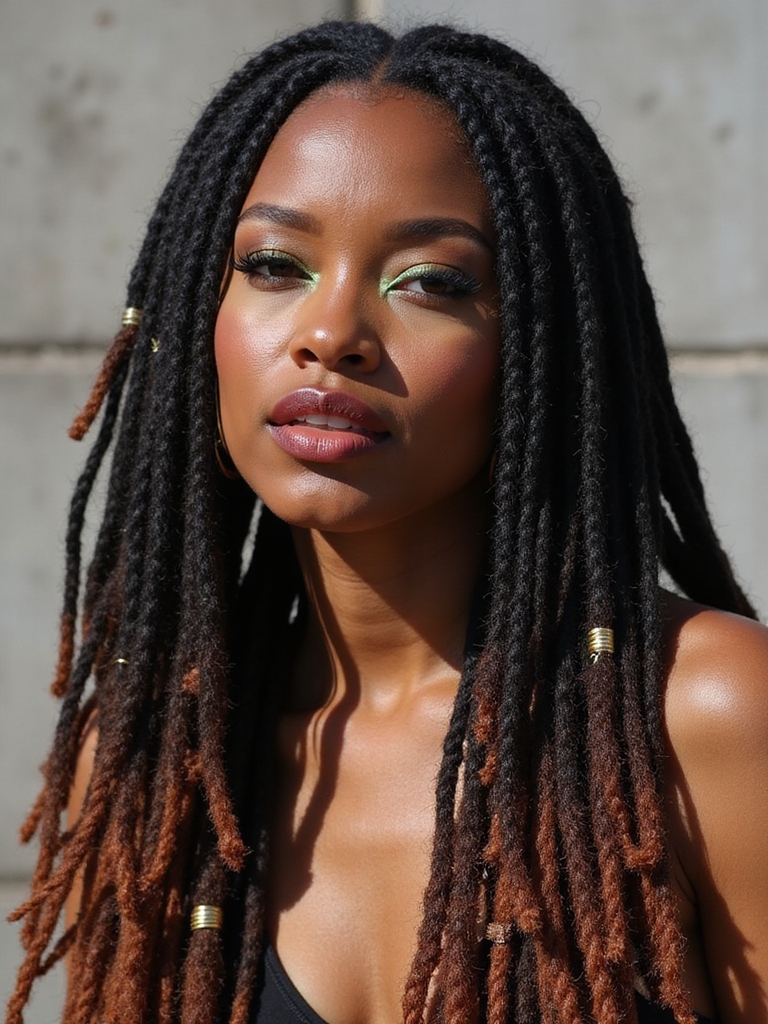
Walk into a salon that specializes in locs right now and the color is the first thing you notice: sunset gradients, honey tips, deep burgundy catching the light. New dreadlocks hairstyles have moved a long way from the idea that locs are one fixed look you commit to and never touch again.
What is changing is the range. Locs today get faded, beaded, curled, bobbed, and dyed, all while staying the protective, low-manipulation style they have always been. Below are fifteen fresh loc looks shaping how people wear them right now, along with an honest read on the time and money each one actually asks for.
The New Loc Era in Brief
- Locs are more versatile than ever: color, fades, curls, bobs, and accessories all work without giving up the protective style.
- Most of the new looks stay heatless and low-manipulation, which keeps locs healthy as they mature.
- Healthy locs come down to gentle retwisting, real moisture, and not over-tightening the roots, which protects your hairline for the long haul.
Bold Color Pops and Gradient Blends
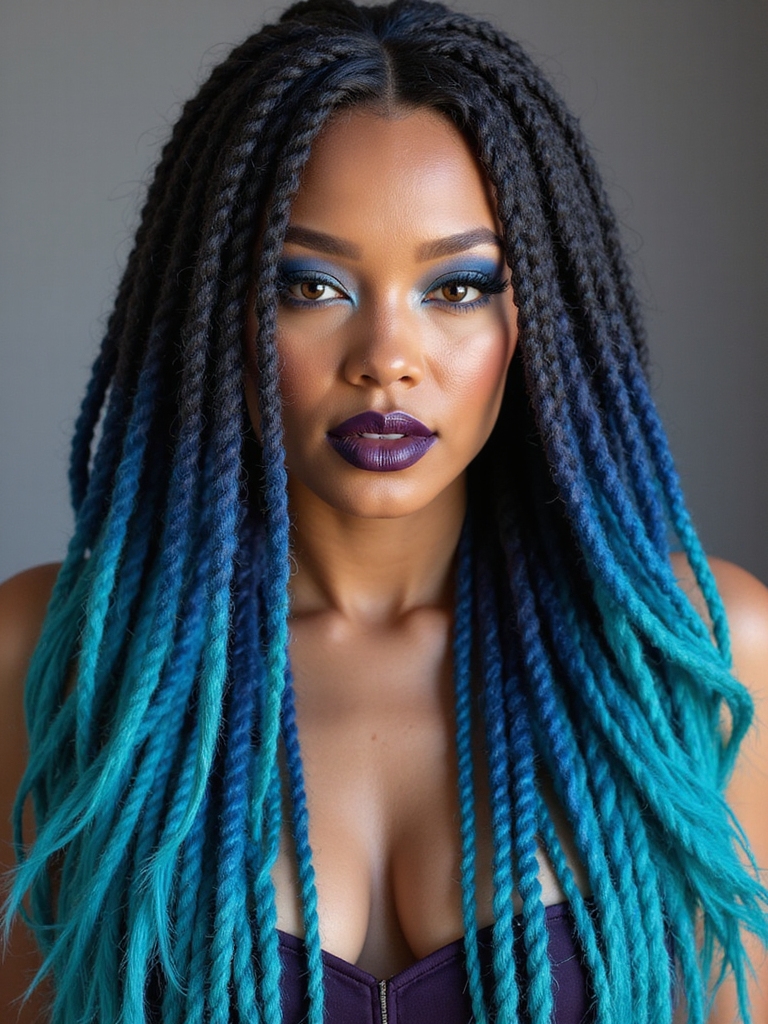
Color is leading the new loc movement, and it is the change you notice first. The boldest request I get these days is a full sunset gradient, and it stops people mid-conversation. Sunset blends, honey-blonde tips, copper, and deep burgundy all look striking against the rope-like texture of locs, since the dimension shows off every twist. Locs are dense, so color reads richer on them than it does on loose hair.
- Ombre and dipped tips grow out gracefully, so you touch up less often
- Go to a loc-savvy colorist; lifting dense locs evenly takes real skill
- Plan a hydrating, color-safe routine, since lightened locs dry out faster; see our dreadlocks hairstyles for women
Sculpted, Polished Loc Coils
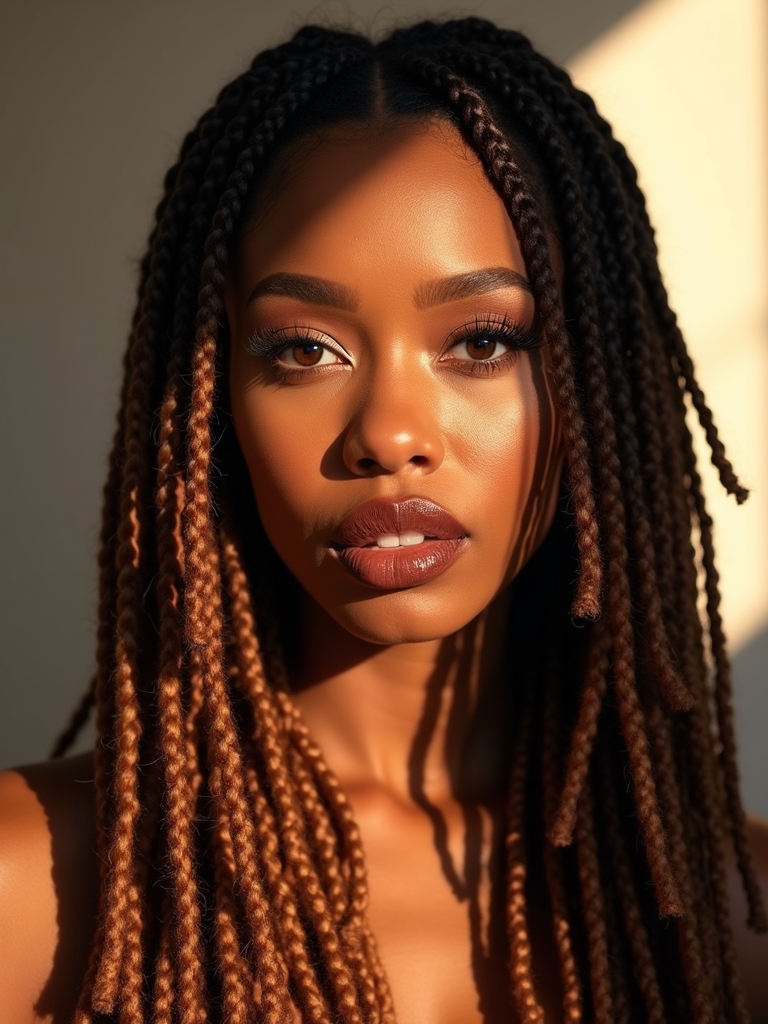
If freeform locs are about letting go, sculpted locs follow the opposite instinct: tidy, glossy, and precise. The coils are kept uniform and smooth, retwisted cleanly so the whole head looks polished and deliberate.
This is the look I see most on people who want their locs to feel corporate or formal. It takes regular upkeep, a retwist every four to six weeks, but the payoff is a crisp, finished shape on every day in between.
It suits anyone in a buttoned-up field who worried locs would look too casual. Kept neat, they look as sharp as any tailored cut.
“For glossy, sculpted locs, skip the heavy waxes that gave locs a bad reputation years ago. They never fully wash out and they attract lint. A light, water-based gel for retwisting and a single drop of oil for shine give you the polish without the residue.”
Chunky Freeforms Over a Sharp Fade
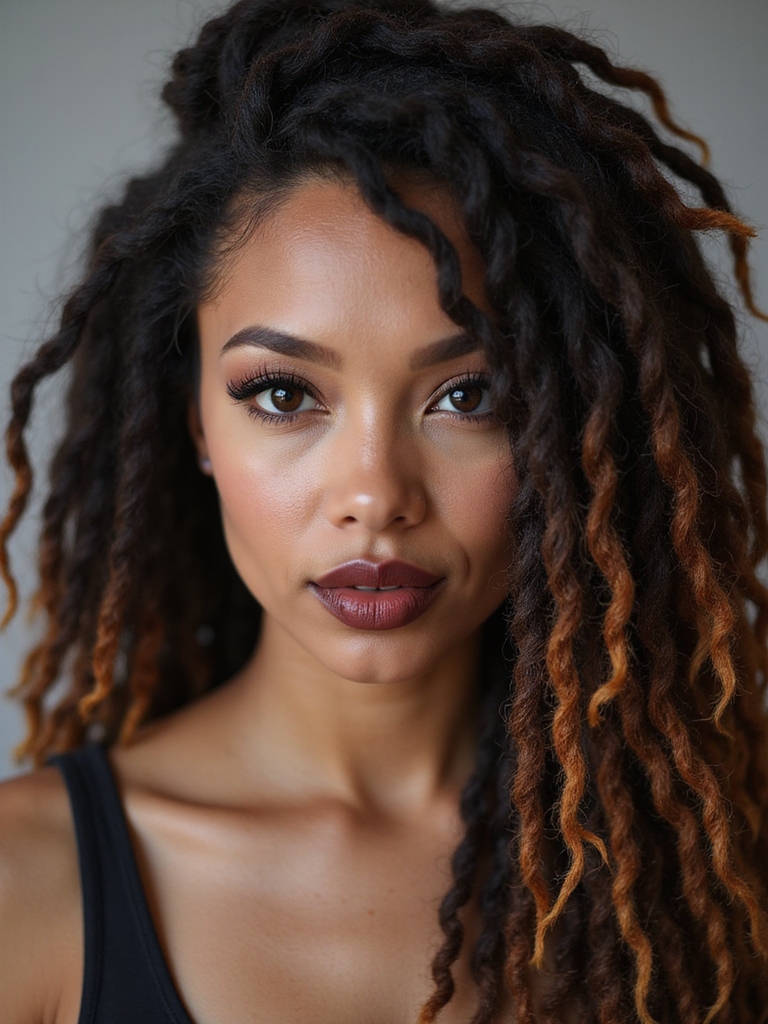
Chunky freeform locs over a sharp side fade is one of the sharpest new combinations going, mixing the organic and the crisp. The freeform locs are left to form naturally into thick, irregular ropes, while a barber keeps the sides faded clean. The contrast is the whole point, and it photographs beautifully.
- Let the top locs freeform for organic, chunky texture
- Keep the fade sharp with a barber visit every 2 to 3 weeks
- Best for anyone who wants low loc upkeep but crisp edges
The Easygoing Micro Loc Bob
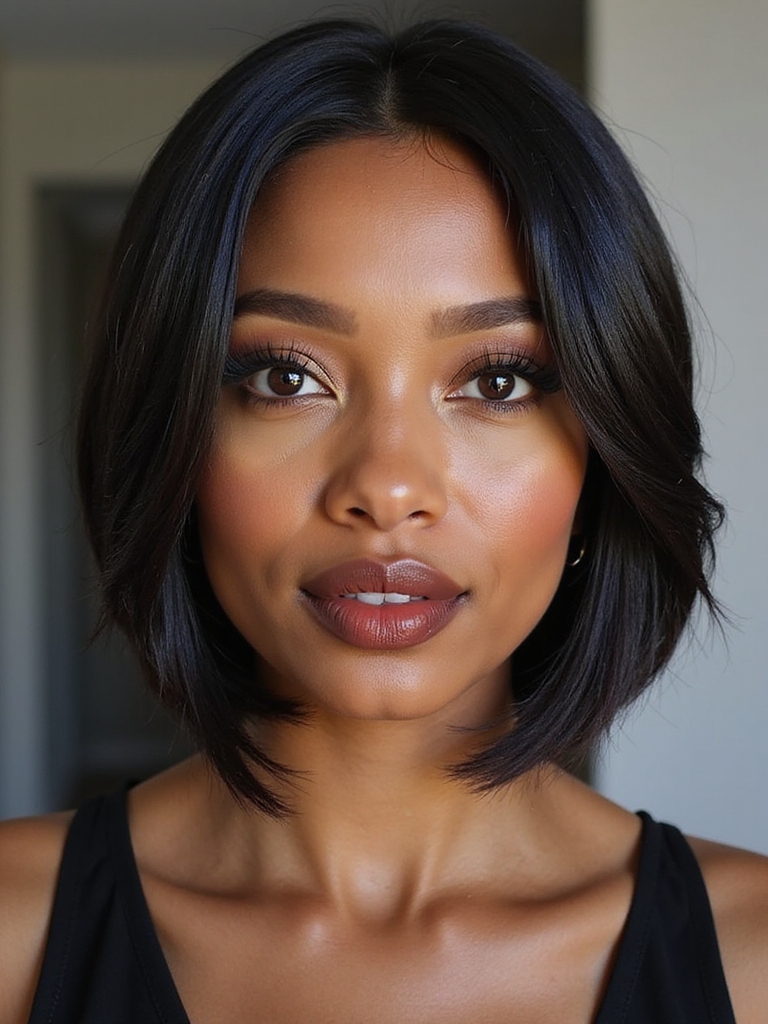
Micro locs are tiny, numerous locs, and worn at bob length they give you fine, fluid texture that moves more like loose hair than traditional locs. The bob length keeps them light and easy to wear day to day.
Starting micro locs is a real commitment of time and money, often several long sessions and $300 or more, since there are so many to install. I watch clients underestimate that install time all the time, so I spell it out before they book. Once they are in, though, the styling range is enormous.
It suits anyone who loves the look of locs but wants something finer and more flexible. The shorter length also makes the early loc stages far less awkward to grow out. See our loc bob styles for more.
Butterfly Tips and Open, Textured Ends

Butterfly locs and open, textured ends are the soft answer to sleek locs. The ends are left feathery and a little undone, with loops and wispy tips that keep the whole style airy and light.
It is a younger, boho-leaning take that has taken over social feeds lately. Butterfly locs are often a temporary, crochet-based style rather than permanent locs, which makes them a low-stakes way to test the look before you commit.
- Leave the ends open and feathery for the signature airy finish
- Try crochet butterfly locs first if you are not ready to commit
- Mist with water and re-fluff the ends to refresh them
A few loc terms worth knowing as you browse.
📖Retwist
Re-coiling the new growth at the roots to keep locs neat, usually every 4 to 6 weeks.
📖Freeform
Letting locs form and lock on their own with minimal manipulation.
📖Butterfly locs
A soft, distressed loc style with open, looped ends for an airy finish.
📖Interlocking
A retwist method that weaves the loc through itself at the root, gentle on fine hair.
Braid-and-Loc Hybrid Styles

Braid-and-loc hybrids bring two natural hair traditions into one style, weaving braids through or alongside locs. You might see cornrows leading into locs at the crown, or individual locs braided together into a larger pattern.
The mix expands what a single set can do, letting you change up the look without taking anything down. That is the real draw. For more on the braided side of the family, see our dreadlocks braids hairstyles.
Soft, Carefree Boho Loc Textures
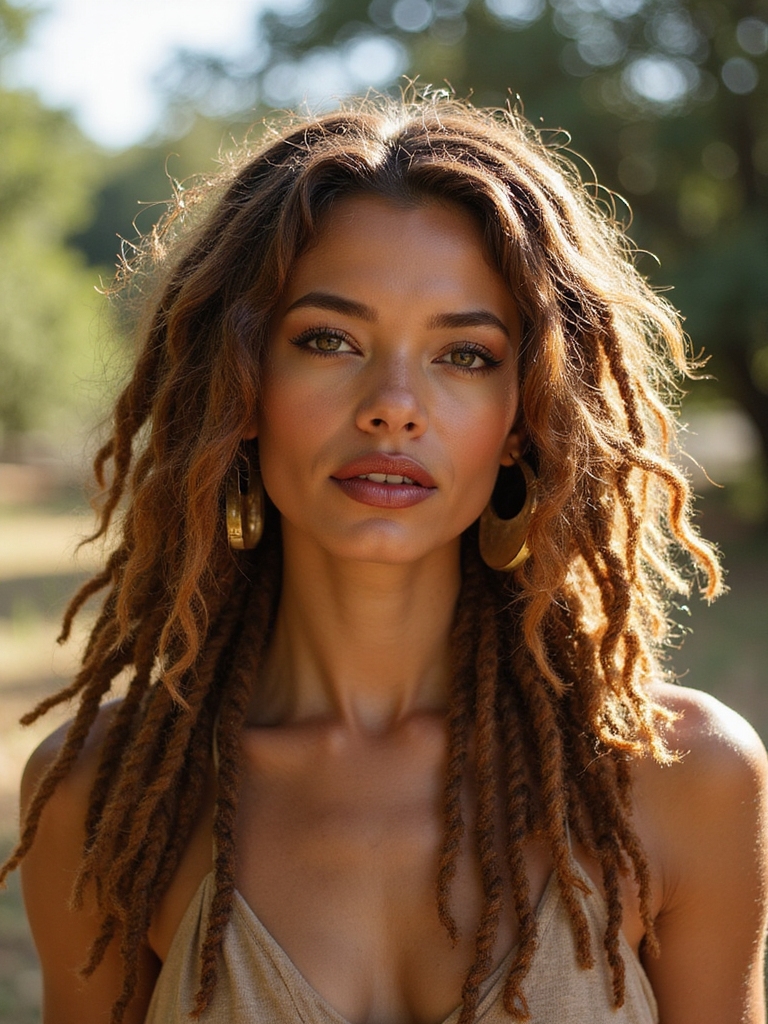
Boho locs lean into softness, worn loose and a little undone, often with curled or wavy ends and a few beads worked in. The mood is relaxed and carefree, the opposite of a stiff, freshly retwisted head.
Soft, not stiff
Much of the boho loc look comes from added human or synthetic hair, especially the popular boho crochet locs, which wrap loose curly hair around the base. That makes the style reachable even if your own locs are short or brand new. I have seen boho crochet locs carry someone through the awkward early months, when their real hair was still too short to do much with.
It suits anyone who loves a soft, romantic feel and does not want the upkeep of keeping every root tight.
Cuffs, Thread, and Beaded Adornment

Accessories are how locs get personal. Metal cuffs, wrapped colored thread, beads, shells, and charms slide onto individual locs to mark a mood, a season, or a celebration.
Adornment with history
Beyond decoration, this is among the oldest and most meaningful parts of loc culture, with adornment carrying real history across many African traditions. Worn today, a row of gold cuffs can dress locs up for a wedding or simply make an ordinary week feel special.
Keep the weight in mind. A few cuffs are fine, but loading heavy beads onto fine or new locs pulls at the roots, so go easy while they are still maturing.
Not sure which new loc direction is you? Start here.
1You want low fuss with crisp edges
Chunky freeforms over a sharp fade
2You want soft and romantic
Boho locs or open butterfly ends
3You want polished and formal
Sculpted locs with a clean retwist
Heatless Curl Sets on Locs
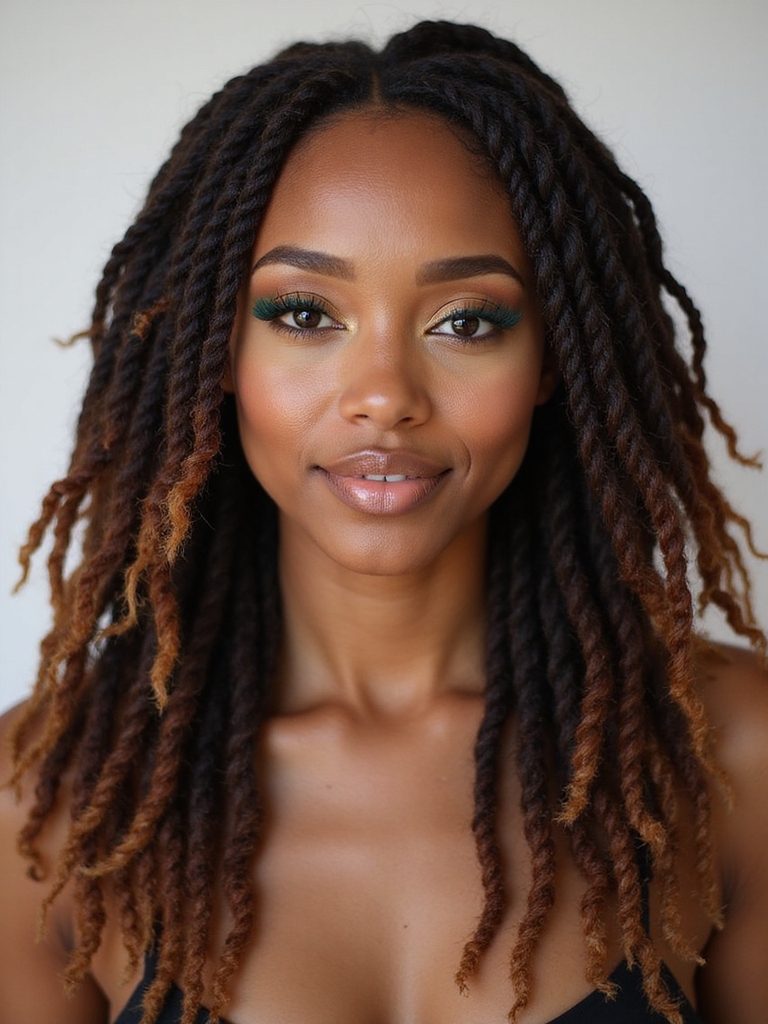
Heatless sets sit at the heart of the healthy-loc movement, and they give you curls and waves without ever touching a hot tool. You set damp locs on flexi-rods, perm rods, or in braids overnight, then take them down for soft, springy curl. Because locs hold a set so well, the curl can last a week or more.
- Set damp locs on flexi-rods or in braids and let them dry fully
- Take them down gently for curls that last several days
- Zero heat means zero heat damage as your locs mature
Protective Updos for Active Lifestyles
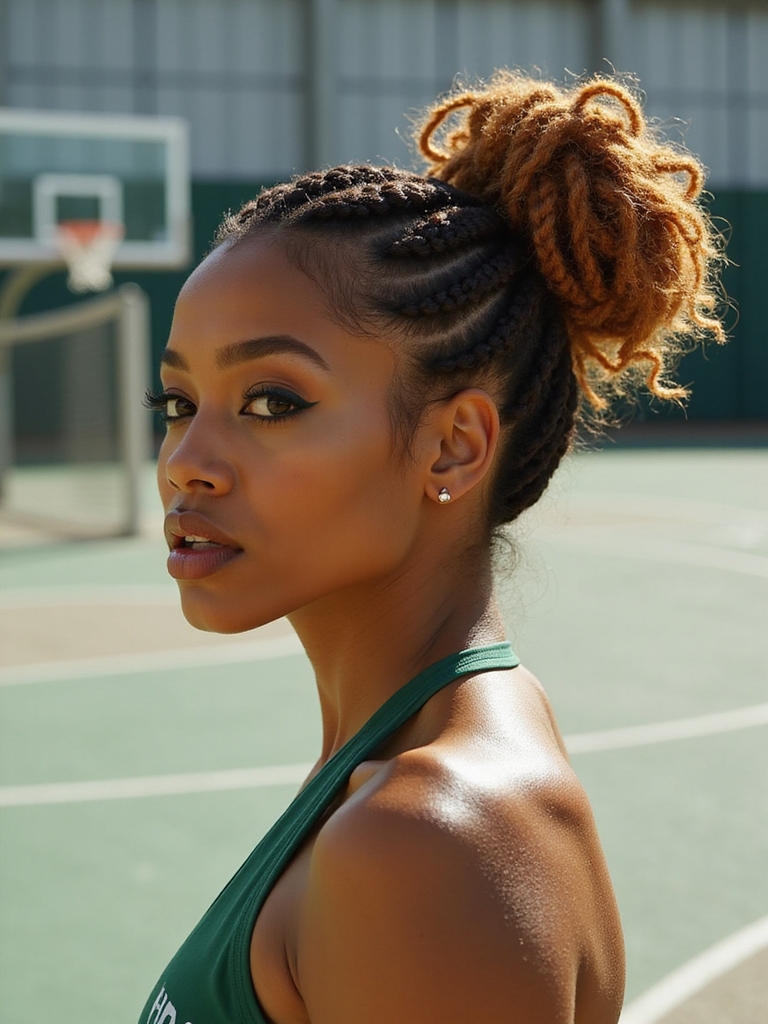
Loc updos are the practical choice for anyone with a busy, active life, since they get long locs up, secured, and out of the way. A high bun, a pinned-back style, or a wrapped updo keeps locs off your neck at the gym, at work, or through a long day. The bonus is that locs hold an updo with barely any pins. The clients I see with the healthiest long locs almost all wear them up to train.
- Gather into a high bun or pin back from the face for full days
- Use a loc-friendly tie, not a tight elastic, to protect your roots
- See our dreadlocks updo styles for more
Longer-Lasting Retwist Techniques

Retwisting is how locs stay neat, and the newer approaches aim for neatness that holds longer between salon visits. Interlocking, careful palm-rolling, and lighter products all help the roots stay tidy for weeks without constant redoing.
The shift is also about loc health. Gentler, less frequent retwisting is gaining ground as people learn that over-tightening does more harm than good over the years.
- A retwist every 4 to 6 weeks is plenty for most people
- Interlocking suits fine or straight hair that unravels easily
- Budget $50 to $100 a session, depending on length and stylist
Go Easy on the Roots
The most common loc damage I see comes from retwisting too tight, too often. Pulling new growth tight every couple of weeks stresses the roots and thins the hairline over time, the same traction problem tight braids cause. Stretch out your retwists, ask your loctician for a gentle hand, and let your edges rest.
Creative Side and Zigzag Parts
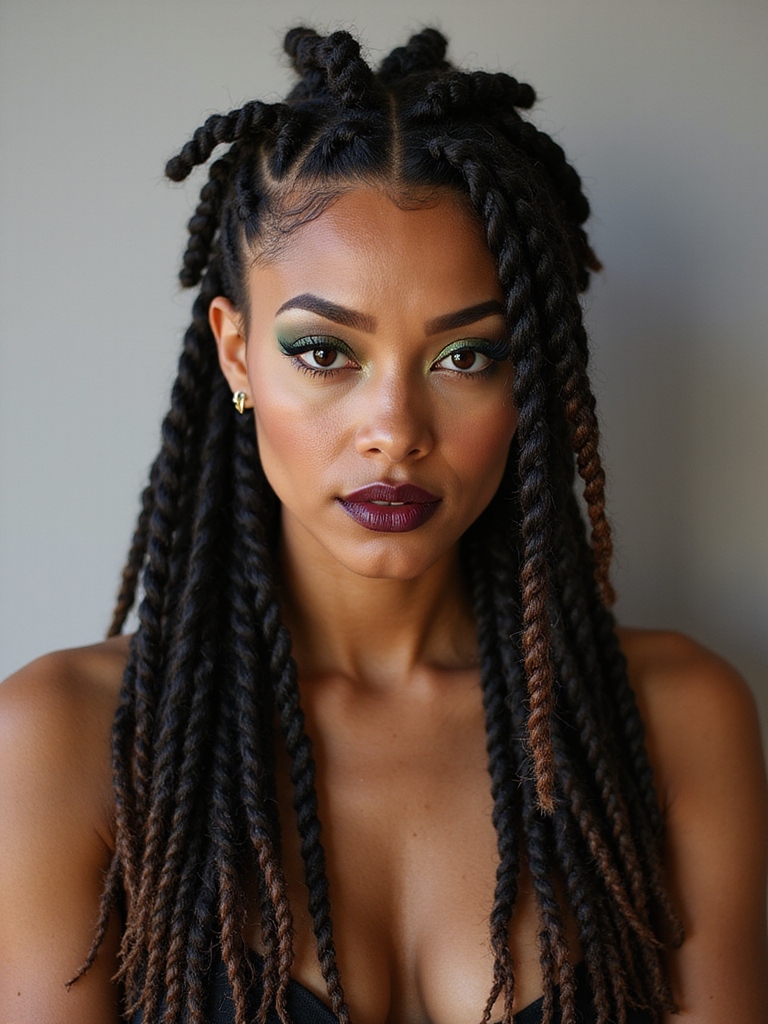
Sometimes the freshest update is just a new part. Switching to a deep side part, a zigzag, or a geometric grid instantly changes how a whole head of locs reads, with no color, no cutting, and no commitment. It is the cheapest restyle there is, and you can change it as often as you like.
- Try a deep side part to add asymmetry and drama
- Zigzag or grid parts turn plain locs into a pattern
- Re-part with each wash to keep the style feeling new
High Top Locs With Tapered Sides
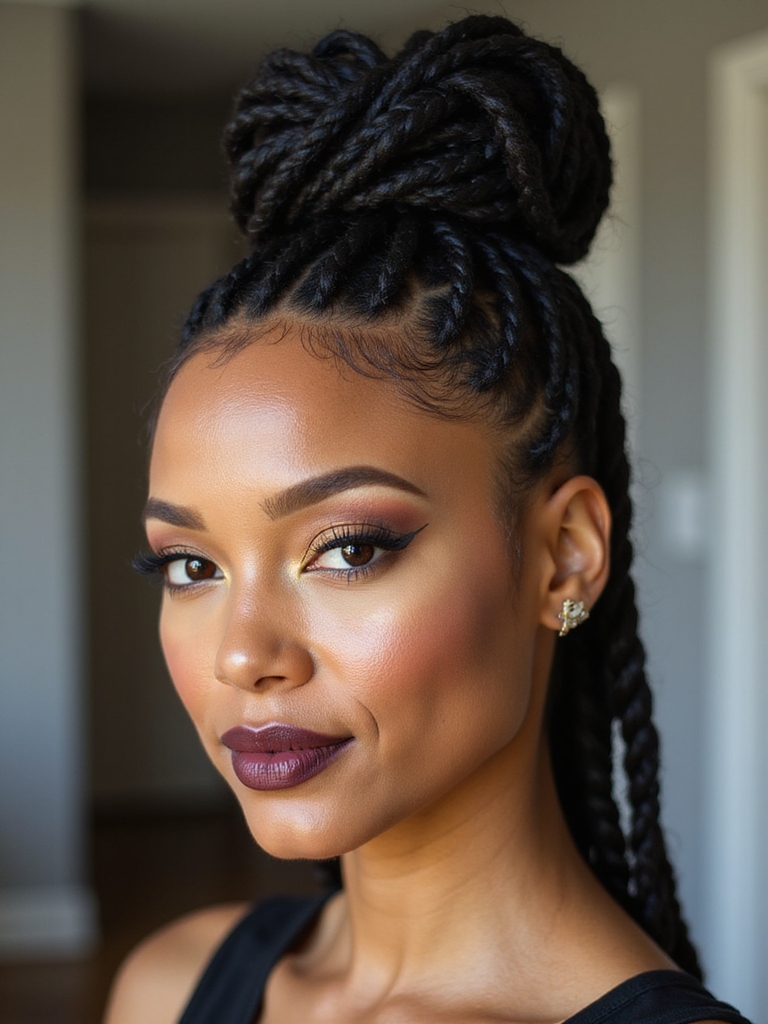
High top locs with tapered sides borrow from barber culture, keeping height and volume up top while the sides taper close. The shape gives locs real structure and a modern, sculpted silhouette that flatters most face shapes. It is bold without being fussy. The tapered sides keep a dense head feeling light.
- Keep the top locs full and let a barber taper the sides
- Plan a side cleanup every few weeks to hold the shape
- A flattering option for round and square faces especially
Bantu Knots and Flexi-Rod Sets

Locs set in Bantu knots or on flexi-rods give you heatless curl and pattern, and they double as a protective style while the set holds. Bantu knots leave behind tight, springy waves; flexi-rods give a looser, bouncier curl.
What I tell clients before a trip is to set their locs on flexi-rods, since the curl lasts for days and refreshes with a little water. For more curl-forward loc ideas, see our curly locs.
A Loc Maintenance Routine for Shine and Strength
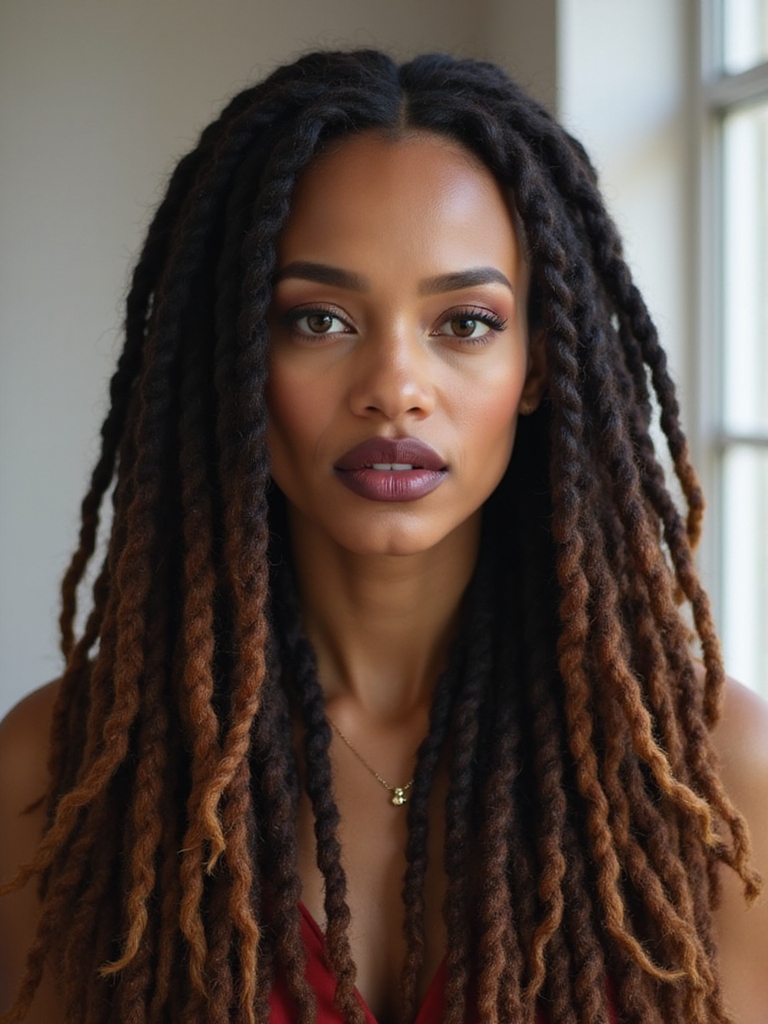
Underneath every one of these looks is a simple care routine, and modern loc care is less about heavy product and more about moisture and gentleness. Locs need water, light oil, and a clean scalp far more than they need wax or buildup-heavy gels.
Moisture over product
Wash more than you think. I have watched dull, struggling locs turn around once a client finally started washing them weekly. The old idea that locs cannot be washed is exactly that, a myth; clean locs lock better, smell fresh, and stay strong. Use a residue-free shampoo and dry them fully so they never mildew.
Cover them at night with a satin scarf or bonnet to cut friction and hold moisture in. Do that, retwist gently, and your locs only get better with age.
Loc Questions Worth Asking
?Do you really not have to wash locs?
You absolutely should wash them. The idea that locs stay clean by being left alone is a myth, and a damaging one. Clean locs lock faster and stay stronger; use a residue-free shampoo every week or two and dry them completely so moisture never gets trapped inside.
?How much do new loc styles cost to start and keep up?
It varies widely by method. Traditional locs can start affordably, while micro locs or a full crochet boho set can run $300 or more because of the install time. Upkeep is mostly retwists, usually $50 to $100 every four to six weeks, plus the cost of any color.
?Will color or frequent restyling damage my locs?
Done carefully, no. Heatless sets and new parts are gentle and safe to do often. Color is fine with a loc-savvy colorist and a hydrating routine, since lightened locs dry out. The real risk is not styling but over-tight retwisting, which stresses your roots over time.
Where Locs Are Headed
Locs have never been more open to reinvention. Color, fades, curls, accessories, and softer maintenance are all expanding what the style can be, while keeping the protective, low-manipulation heart that made locs endure.
If you already have locs, pick one small change to try first: a fresh part, a set of flexi-rods, or a few cuffs, before committing to color or a cut. Live with it for a week, then decide where to take your locs next.
Related Reads