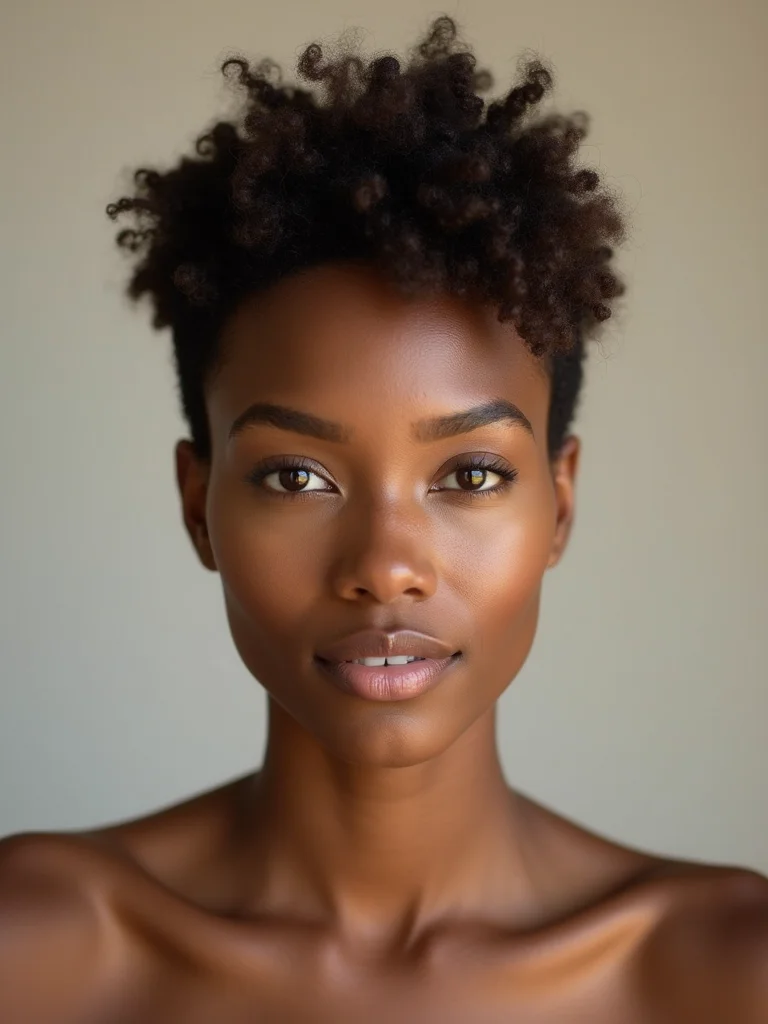
A medium shag is the rare haircut that outperforms its single visit. Blow-dry it smooth and it passes for the office; scrunch that exact same cut with sea-salt spray and it turns into a weekend by the water. That range is the whole draw.
None of it comes from a different cut each time. It comes from where the layering sits: the shape carries the versatility, and whatever you reach for at the sink decides which version shows up that day. Below are fifteen ways to wear a medium length shag, what each one needs, and which face shapes and hair types it suits best.
Before You Sit in the Chair
What makes one medium shag cut work so many ways? The versatility comes from where the layering sits, not from a different cut. The shape carries the range; styling and product decide which version shows up.
How much upkeep does it actually take? A shape-up appointment roughly every ten weeks keeps the layers reading intentional. Plan on around $70 for a basic trim, more if a colorist is involved too.
Does it flatter round or square faces specifically? Yes. Curtain bangs and face-framing layers are the two additions that do the most work for rounder or squarer face shapes.
The Classic Feathered Shag

The feathered shag is the version every other look on this list builds on, and clients ask for it more than any other single variation here. Soft layers thin the mid-lengths so the ends separate and lift with barely any effort.
Why This Is the Baseline Cut
Most mornings, this cut needs nothing more than a quick finger-dry and a shake to fall into place. When a client says she has zero time for styling, this is the first option shown to her.
What keeps the shape looking finished as it grows out is point-cutting at the ends rather than a blunt line. A light mist of texture spray on damp hair brings the separation forward without adding weight.

Tousled Beachy Waves

A sea-salt spray turns this exact cut sandy and undone in a few minutes flat. Scrunched through damp hair and raked apart with fingers, the layers settle into loose waves that look more like a morning by the water than a salon visit.
Go easy on the salt spray. Too much dries the hair out fast, and the wave turns brittle after just a few applications in one week.
- Apply to damp hair only, never fully dry strands.
- Air-dry completely before touching the waves again.
- A drop of oil at the ends counters any salt-related dryness.
Curtain Bangs Over Soft Layers

Curtain bangs open this cut up more than almost any other single change. Parted down the middle and swept away from the face, they blend straight into the shortest layers, so they never look like a separate piece added onto the front.
Wear them swept back for a dressier look, pinned to one side on a rushed morning, or soft over the brow. Round and square faces benefit the most from the diagonal line they add.
They also grow out well. The fringe blends into the surrounding layers on its own timeline, with no emergency trim required.
The Wolf-Cut Shag

Turn the volume up and this cut edges into wolf-cut territory: heavy crown lift, disconnected layers, more attitude than polish. The layering that’s already there does most of the work; the styling supplies the rest.
Not Everyone Needs to Go This Bold
Rough-dry the roots upside down first, then rake fingers through the crown to build height and let the ends fall wherever they land. A small amount of volumizing mousse at the root separates everything into bold, piecey sections.
This is the boldest end of the range here, and it does ask for more daily upkeep than the softer versions on this list.
Curly Shag for Natural Texture

On curly and coily hair, this cut changes character completely. Each curl gets room to coil upward and settle into its own spring, so the old heavy triangle shape breaks apart into definition.
There’s one detail a stylist can’t skip: the hair needs to be fully dry before the scissors touch it, worked one curl at a time so each piece is visible once it has already sprung into its final shape. Cutting on wet strands is a guess. The curls contract as they dry, and what looked right at the sink can end up short and blocky weeks later.
👍Curly Shag: Worth It
- +Removes serious weight from thick, coily hair
- +Lets the natural curl pattern show instead of hiding it
- +Grows out with far less bulk than a blunt cut
👎Curly Shag: Know First
- –Must be cut dry; a wet cut on curls is a guessing game
- –Takes longer in the chair than straight-hair layering
- –Needs a stylist who specifically works with curl patterns
Choppy Shag With Piecey Ends

Worked with a matte paste, this same cut turns choppy and broken-up for a harder-edged day. Point-cut ends let a small amount of paste pull them apart into separated, deliberate pieces.
It’s Product Choice, Not a New Cut
Warm a pea-sized amount between the palms first, then press it into the ends working upward from the tips, so the separation stays low and near the ends. A brush undoes the whole effect instantly.
This is a styling choice more than a cutting one, so soft layers on Monday and choppy edge on Friday can both come from one appointment.
The Polished, Sleek Shag

Smoothed out, the shag cleans up for an office day or an evening out. The layers lie flat against each other and the ends turn under softly, so the cut looks put-together while still keeping a little of its built-in movement.
Section the hair and blow it dry with a medium brush, rolling the ends under as you go. A lightweight shine product, rubbed between the palms first, keeps the finish glossy without going greasy.
The layering is what stops the sleek version from reading flat; without it, the same smoothing routine would just look like a plain blowout.
One term worth knowing before your appointment:
📖Point-Cutting
Snipping into the ends at a steep angle instead of straight across, so each strand ends at a slightly different length. It’s what gives feathered or piecey layers their soft, broken-up edge rather than a blunt line.
Wavy Shag With Face-Framing Layers

Add a soft wave to this cut and cut a few shorter pieces around the front, and you get the version that flatters the widest range of features day to day. The wave supplies the movement. The shorter pieces up front do the work of softening the jawline.
It sits between the polished and beachy versions, which makes it the one to suggest when someone wants pretty and easy without much daily effort.
Build the wave with a medium-barrel wand, alternating curl direction so it stays loose. Prefer no heat at all? Wrap damp sections on foam rollers before bed and let them set overnight. The framing layers move right along with the wave since they’re cut to blend into it.
A Side-Swept Fringe

A deep part with a fringe swept to one side changes the whole look without any scissors involved. Pulled across the forehead from a deeper part, it draws a soft diagonal line that slims the face and adds a little drama.
A medium brush sweeps it in the direction of the part with a light hold product. Faces with more angle or width tend to see the biggest payoff here, and switching the part to the other side next week makes the same cut look brand new.
Volume at the Crown

Lifting the crown turns this cut into a fuller, rounder shape, and the shorter top layers make that easy to build. It’s the version to reach for on days you want real body, or if your hair naturally sits flat at the root.
Crown height balances proportions on most face shapes and is a quiet favorite for anyone whose hair has lost some of its natural lift over time.
- Mist volumizing mousse into damp roots at the crown only.
- Round-brush the crown section up and back, away from the face.
- Finish with a cool shot of air to help the lift hold.
Subtle Razor-Cut Layers

Razored layers feather the ends into fine, weightless tips, letting this cut float and sway with an airy quality a scissor cut alone doesn’t quite reach. The razor removes weight right at the ends, so the layers move more freely.
Ask About Your Hair’s Condition First
Very fine or already-fragile hair can fray or split under a razor, so it’s worth confirming your hair’s condition with your stylist before booking this specific technique.
On hair that’s straight to wavy and medium in density, the result adds real movement without the choppiness a scissor-only cut sometimes leaves behind.
Choose based on what your hair can handle right now:
🎯Hair is healthy and resilient
A razor cut adds the most airy movement of any option here.
🎯Hair is fine, color-treated, or a little fragile
Stick with scissor-cut layers; ask for feathering at the ends instead.
Soft, Airy, Barely-Styled

The most forgiving way to wear this cut is to barely style it at all. Left undone, it looks purposefully relaxed. It often looks its best on the second day, once natural texture has fully settled in.
- Scrunch a small amount of texture cream through damp mid-lengths.
- Let it air-dry completely without touching it.
- Wake it up the next day with a finger-tousle and a light mist of dry texture spray.
A Fine-Hair Volume Boost

For fine hair, this cut is a genuine volume trick: feathered layers fake the look of more strands and more movement than the hair actually has.
- Keep the layering soft and light; heavy layering thins fine hair out fast.
- Leave the ends nearly blunt at the perimeter so they still look dense.
- Lift damp roots with a vent brush and a light mousse, then set with a blast of cool air.
Dimensional Highlights

Soft highlights make this cut’s movement look richer, catching light as the layers shift and separate. Lighter pieces woven through the front and back add depth that flat, single-process color can’t fake.
Face-framing highlights brighten the complexion and draw attention to the front layers, while finer pieces scattered through the back add overall dimension without looking stripe-y.
Placed carefully, the color grows out gracefully and keeps upkeep manageable. Plan on around $180 for a full foil job, with a refresh appointment roughly every fourteen weeks.
💡Ask About Babylights Instead
If a full foil feels like too much commitment, ask specifically for babylights around the face only. It’s a smaller, faster service that still catches the light in the front layers where it shows the most.
The Low-Maintenance Shag

If rushed mornings and skipped wash days describe real life, this is the version built for it. The texture lives in the layers themselves, so it asks for almost no daily effort and forgives the days nothing gets done to it at all.
- Air-dry friendly: a little product and a scrunch, no heat tools required.
- Second-day ready: a finger-tousle and dry shampoo bring it back in seconds.
- Forgiving grow-out: the layers blend as they lengthen, so trims can stretch further apart.
Styling Tips
Every version above comes down to two decisions: how much product, and how much heat. Air-dried and lightly scrunched gives the softest, most forgiving result. Blow-drying it smooth with a brush pushes the same cut toward sleek and polished.
Whichever version you’re after, wash less often than daily. This cut relies on a little natural oil and grit to hold its shape, and over-washing strips exactly that, leaving the layers limp on the days it should look its most textured.
Medium Length Shag, Answered
?What actually separates a shag from a wolf cut, since they look so similar in photos?
A wolf cut pushes the crown layering shorter and the overall shape choppier and more disconnected. A medium shag is the gentler, more wearable version of the same idea, with softer transitions between the layers.
?Can this cut go from sleek to tousled without a fresh visit to the salon?
Yes, that’s the whole appeal. Blow it out with a brush and a little shine product for sleek; scrunch it with sea-salt spray and air-dry it for beachy, all from one haircut.
?Is this a safe cut for hair that’s already color-damaged?
It can be, as long as the layering stays soft rather than heavily razored. Razor cutting adds extra stress to hair that’s already compromised, so scissor-only layering is the safer route for damaged strands.
A Dozen Looks, One Appointment
What makes a medium shag worth the chair time isn’t any single style pictured above. It’s that the same cut can be all of them, depending on the morning, the mood, and which product happens to be closest to the sink.
Think about how much daily effort actually fits your routine before picking a version to chase. A stylist who understands where the layering needs to sit can build toward almost any of these looks from one well-cut foundation.
Keep Reading