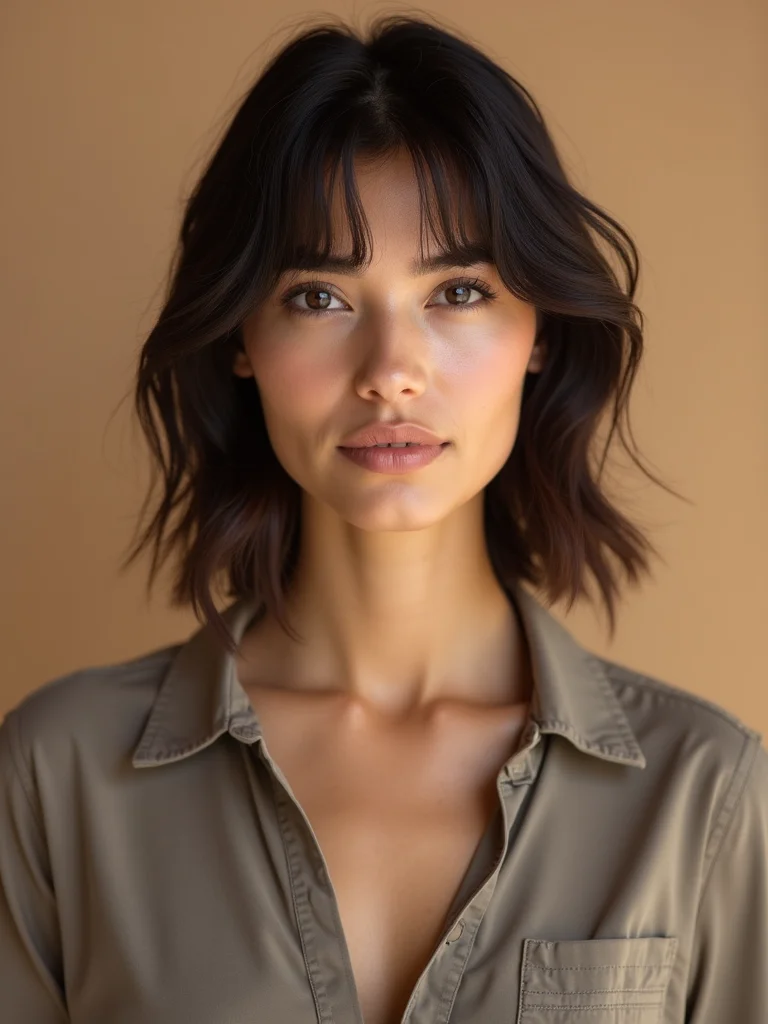
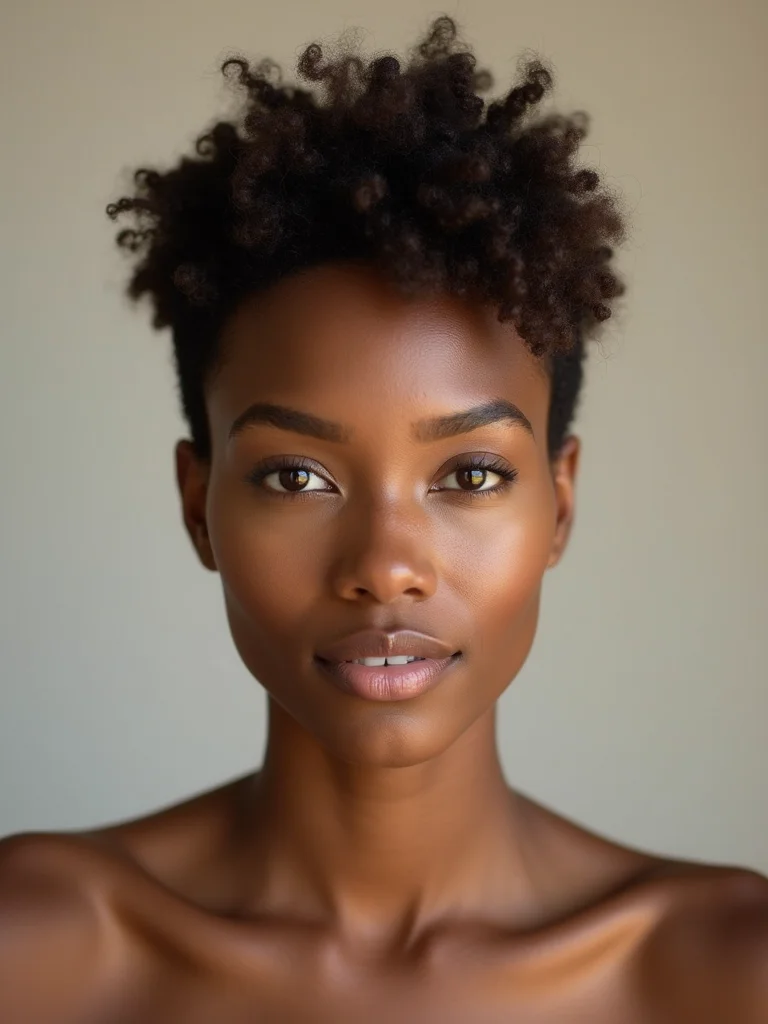
A bob is not one haircut; it is at least ten, and picking the wrong one from the family is the most common regret walking out of a salon. The blunt version and the curly version behave nothing alike by week three: one holds a razor-sharp line on its own, the other needs its natural curl pattern respected from the first snip.
Matching the shape to the hair actually growing on your head, not just the photo on a phone, is what separates a bob that looks intentional from one that looks like a miscommunication. Ten versions, sorted by how they actually behave day to day.
Bob Styles, Sorted by Hair Type
- Blunt and micro bobs need medium-to-thick, straighter hair and the most frequent trims to stay sharp.
- Lobs, layered bobs, and shaggy bobs are the most forgiving for fine hair and grown-out stages.
- Curly bobs must be shaped dry, one curl at a time, or the length comes out shorter and uneven once it dries.
Sleek Blunt Bob for Sharp, Polished Lines

The blunt bob is the sharpest cut in the lineup, taken to one even length with no layering so it falls as a single, solid line and swings when it moves. Worn glossy and smooth, nothing else in the bob family looks quite as polished.
It works hardest on medium-to-thick hair, where the extra weight gives that line real swing; on fine hair, the same one-length cut fakes density instead. By week five or six, a blunt line starts showing every uneven end, so this shape asks for the most frequent trims on this list, roughly $45 to $75 a visit. A flat iron with a touch of shine serum handles the upkeep in between.

Textured French Bob With Easy Movement

Where the blunt bob is precision, the French bob is deliberate imperfection. Cut around the jaw with a soft, slightly undone finish and often a wisp of fringe, it looks chic without looking overworked. A stray piece out of place simply looks like part of the design.
That built-in forgiveness makes it a safer landing spot for anyone nervous that a hard, sharp line will feel too severe on their face. Even a slightly rushed cutting day is hard to spot once the texture settles in.
Styling here is barely styling. A rough dry with fingers and a light texture cream is usually the whole routine, no flat iron required, and grown-out ends blend into the softness quietly.
Soft Layered Lob for Easy Grown-Out Glam

The lob, sitting around the collarbone, is the easiest member of the family to live with day to day. Soft layers add movement without taking away the length needed to tie it back, twist it up, or ignore it entirely.
That extra length makes it the safer first step for anyone unsure about going properly short. There’s no awkward in-between stage to grow through, and the same shape flatters an unusually wide range of textures, from straight to loosely wavy. It also stretches furthest between salon visits, often stretching well past two months before the ends truly need reshaping.
Before Booking a Lob
A lob cut with heavy graduation at the back can behave more like a short bob than a long one within a few months of regrowth, so ask specifically for layers that grow out softly, not a sharply stacked shape.
Chin-Length Bob With Wispy Bangs

Wispy bangs turn a plain chin bob into something more specific, and how they’re cut decides whether the pairing works. A blended, piece-y fringe melts into the length at the sides; a heavy, blunt one sits apart from it and looks like two different haircuts stacked together.
- Ask for a fringe that’s point-cut, not blunt-cut straight across
- Budget for a bang-only trim, usually $20 to $30, well before the full cut needs one
- Blow-dry the bangs first, section by section, so they set before the rest of the style
Curly Bob That Embraces Natural Texture

A curly bob is built around the hair’s own texture rather than fighting it. The coils themselves provide the shape and the volume. No blow-dryer required.
Keeping the Curl Pattern Intact
Layers matter more here than almost anywhere else in the family. Without them, curls stack into a triangle; with them, the same curls settle into a balanced shape that frames the face on their own.
The detail that actually determines whether the cut works: it has to be shaped dry, curl by curl, in its own pattern. Cut it wet and stretched out, and the length that looked right in the chair can land an inch or more shorter once it dries and springs back.
Asymmetrical Bob for Subtle Edge

The asymmetrical bob runs longer on one side than the other, and that uneven line does all the talking. Layers keep both sides moving so the difference looks entirely deliberate, not like an accident of grow-out.
A shifted side part feeds the effect, exposing more of the longer side and deepening the diagonal across the face. The upkeep is real: the contrast between the two lengths softens as it grows, so this shape needs trims on a tighter schedule than a symmetrical bob to keep looking intentional.
- Works best with a deep, shifted side part
- Pairs naturally with an angled, side-swept fringe
- Needs closer trims than a symmetrical bob to hold the contrast
A couple of things worth clearing up about asymmetrical bobs:
❌ Myth: Myth: it only reads well on straight hair.
✅ Reality: Reality: wavy texture actually softens the harsh diagonal a little, which some people prefer.
❌ Myth: Myth: any stylist can eyeball the angle.
✅ Reality: Reality: the two sides are usually cut to a specific measured difference, not guessed by eye.
Shaggy Bob With Piecey Layers

The shaggy bob runs on choppy, piecey layers and a lot of visible movement, closer to a rock-and-roll feel than the blunt bob’s clean single line.
Fine hair benefits most here. The heavy layering fakes fullness that a one-length cut on the same hair simply wouldn’t have, and a shag reshape often costs less than a blunt bob’s trim since the choppy edges hide small imprecisions. A texture cream worked in on damp hair, followed by a rough finger-dry, brings out the separation between pieces. The messier the finish looks, the better the cut is working.
- Fine or thin hair: layers fake volume a blunt cut can’t
- Product goes in while hair is still damp
- Grown-out ends blend quietly into the shag’s existing texture
Inverted Bob With Stacked Back

The inverted bob is built with volume already in the cut: shorter at the back with longer, face-framing pieces at the front, and graduated layers stacked underneath that lift the crown into a rounded silhouette.
That’s a real advantage for hair that falls flat on its own, since the graduation does most of the lifting by itself. A quick dry with the head tipped forward is often enough to set it.
The trade-off is how fast that stacked shape moves. The graduation at the back grows out sooner than a one-length cut would, so the lift starts to soften within weeks. It’s a small price for volume that otherwise takes real effort.
A five-minute at-home lift for the crown:
1Dry the head tipped forward first
Flip hair down and blast the roots with the dryer for about a minute before flipping back up.
2Round-brush the front pieces only
Use the brush just on the face-framing lengths; the back holds its shape from the cut alone.
3Finish with a cool shot
A few seconds of cool air locks the volume in before any product goes on.
Wavy Bob With Face-Framing Highlights

Beachy waves and face-framing highlights do two different jobs that happen to look good together: the waves add movement through the ends, while the lighter pieces near the face brighten the whole complexion.
Keeping the Highlights Cool-Toned
It flatters fine and medium hair especially well, since the waves add a sense of body a flat, straight style wouldn’t have. A texturizing spray worked into damp strands, then scrunched and left to air-dry or finished with a diffuser, builds the bend without extra heat.
Color needs more attention than the cut does. A gloss every eight or nine weeks keeps the lighter pieces from warming into brass, and skipping that step is the single most common reason a wavy, highlighted bob starts looking dull.
Micro Bob for Minimalist Chic

The micro bob is the shortest, boldest cut in the family, cropped above the jaw for a clean, minimal line that puts the whole face and neck on display. It flatters strong features and a longer neckline best, and works on straight to gently wavy hair; tight curl patterns tend to spring up shorter than expected at this length, worth discussing before committing. A small amount of pomade worked through with fingers is usually the entire finishing routine.
- Best on straight to gently wavy hair; curl pattern shrinks the length fast
- Highest-upkeep shape here: expect a trim inside a month
- Styling is fast, but a precise cut matters more than usual since nothing hides an uneven line
Building a Simple Bob Styling Kit
A handful of tools cover nearly every shape above. A flat iron paired with a light serum keeps the sharp, blunt lines glassy; a round brush handles anything built for lift, like the inverted bob; and a texture cream or salt spray turns a plain wash-and-dry into the piecey, undone shapes.
One habit matters more than any product: a blast of cool air at the very end of a blow-dry sets the shape and adds shine, since a bob lives or dies on how cleanly it falls. Heat protectant belongs in the routine any time hot tools are involved; short hair shows heat damage faster simply because there’s less length to hide it in.
- Sharp, blunt shapes: flat iron plus a lightweight serum
- Shapes built for lift or waves: round brush or a sea-salt spray
- Undone, textured shapes: a pea-sized amount of texture cream on damp hair
Bob Questions That Come Up Most
?Which bob is the lowest-maintenance overall?
The soft layered lob. Extra length forgives a missed trim, the layers hide regrowth better than a blunt line does, and there’s no fringe schedule to keep up with on top of the cut itself.
?Can a shaggy bob and a French bob be combined?
In a sense, yes. A lot of what reads as a French bob is really a lighter shag with less aggressive layering and a softer fringe. Ask for shag energy with French bob commitment, and let the stylist decide how heavy the layers actually go.
?Does a curly bob shrink more than expected?
Often, yes, if it’s cut wet. Curls that look chin-length wet can land closer to the jaw once they’re fully dry and sprung back. That’s the whole case for dry-cutting curl by curl on a bob, more than on longer curly styles, where the extra length and weight pull some of that shrinkage back out.
?Is an asymmetrical bob hard to grow out?
Not hard, just a little slower to look tidy. A stylist can rebalance the two lengths gradually over a few visits instead of cutting straight back to even in one sitting, so the shape stays wearable the whole time it’s transitioning.
?What’s the actual difference between a French bob and a classic bob?
Mostly finish and fringe. A classic bob can be cut sharp or soft, with or without bangs; the French bob specifically pairs a jaw-length cut with a deliberately undone texture and, almost always, a little fringe, aiming for undone over precise.
One Family, One Right Fit
Ten different bob cuts, one underlying rule: pick the shape for the hair actually in the mirror. Blunt rewards weight and thickness, layers rescue fine or curly hair from looking flat or triangular, and length is really just a decision about how much upkeep feels reasonable.
Anyone torn between two versions is usually better off starting with the softer, more forgiving one first. It’s the easier cut to walk back from, and the easier one to sharpen up later once it’s clearly working. For more of the roster, browse more bob haircuts for women.
More to Browse