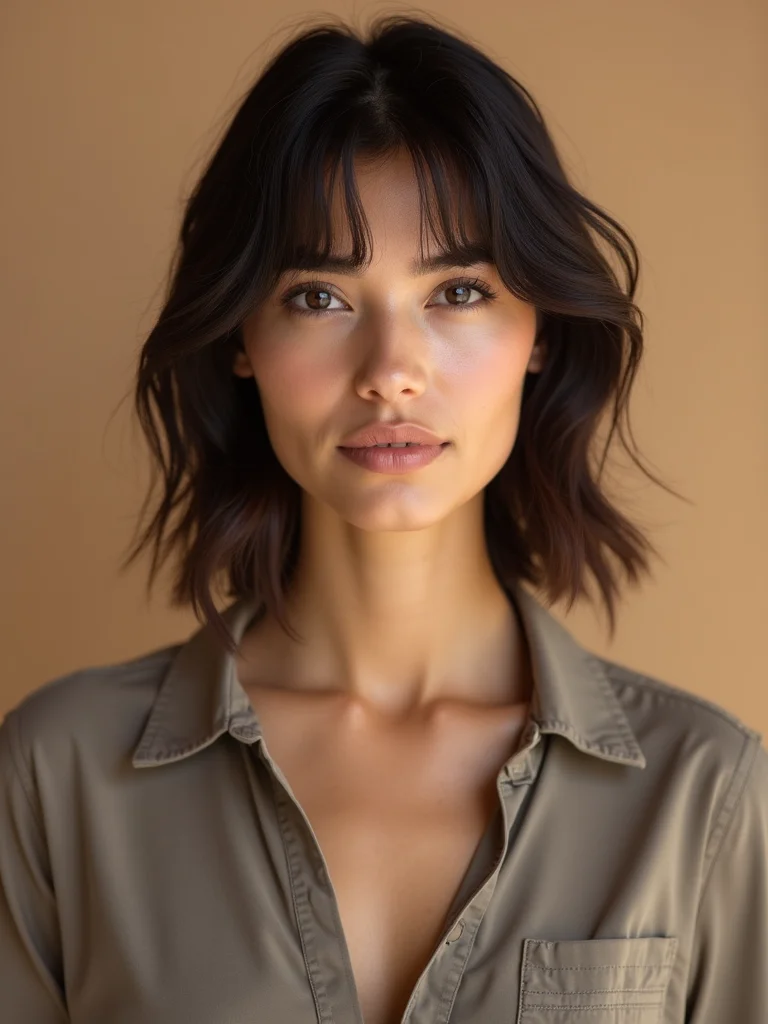
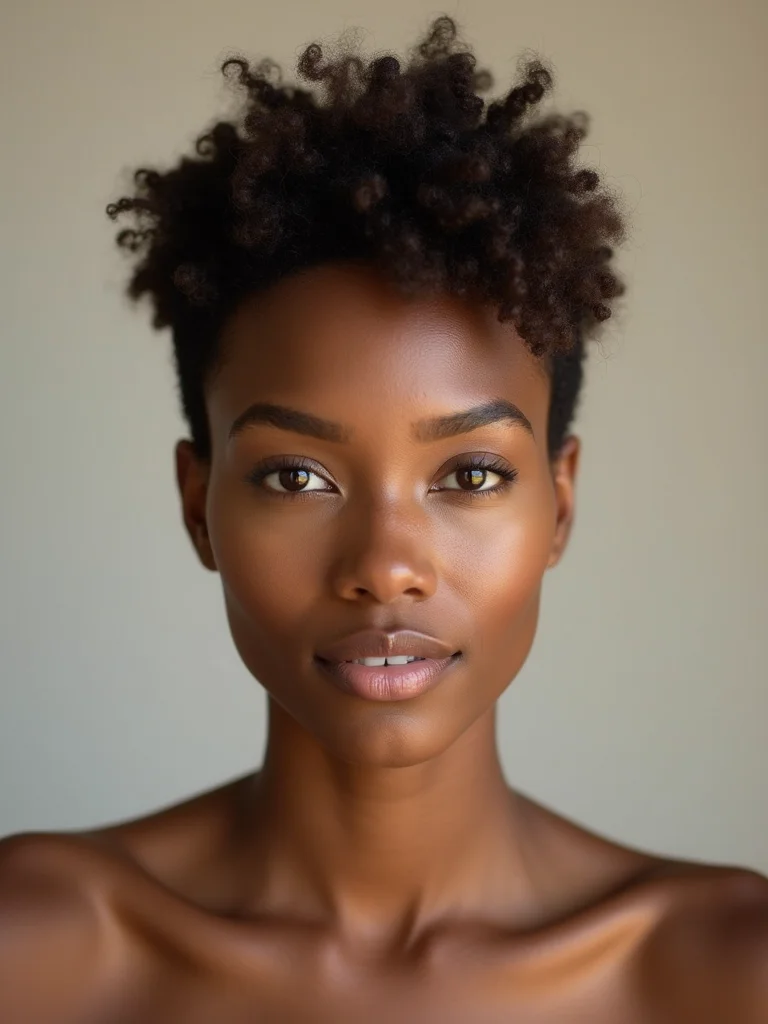
A messy bob looks like an accident: five minutes, no mirror, hair that fell wherever it wanted. It isn’t. Underneath the undone texture sits a deliberate cut and roughly ninety seconds of product, both aimed at looking like neither one happened.
Fifteen versions of that trick follow, sorted by cut rather than mood — blunt, shaggy, wavy, curly, razored — plus a couple of finishing moves, a side part and a product swap, that push any of them further into undone territory.
The Undone Bob, Answered
What actually separates a messy bob from one that’s simply unbrushed? The cut, mostly. Point-cut or razored ends give texture somewhere to sit; product and fingers finish what the scissors already started.
Does the look work on naturally straight hair? Yes, with a bit more help. A texture product and a few bent pieces from a wand get straight hair most of the way to the same undone finish.
How much daily effort does it actually take? Less than it looks. Most versions here take under two minutes of styling once the cut is right; the shape does the heavy lifting.
Is this a DIY job or a salon job? Styling is DIY, just product and fingers. The cut itself is worth paying for: a professional point-cut or razored shape runs about $40 to $70 at most salons, and it’s what makes the rest of this list actually work.
Blunt Bob, Roughed Up on Purpose

A blunt perimeter is the starting point here, since the clean line keeps the ends looking full even once texture gets worked through the lengths. The cut still looks pulled-together from a distance.
Why the Line Still Matters
Up close, the story changes. A matte paste or texture spray scrunched into dry hair breaks up the bluntness just enough, and pushing the pieces around with fingers finishes the effect. No brush touches it after that step.
Where this struggles: very fine hair can look thin once the line gets roughed up. A slightly softer perimeter usually serves finer density better than a razor-sharp one.

Shaggy Bob With Curtain Bangs

When the layers themselves do the messy work, styling turns close to automatic. Soft, shaggy layers paired with a face-framing curtain fringe give this bob real movement before any product touches it.
Why Styling Barely Takes Any Time
A texture spray scrunched through damp hair, then a rough finger-dry, is close to the whole routine. The curtain pieces get swept back and apart with fingertips only, which keeps their separation intact.
For anyone who wants that same movement carried through the rest of the length, the layered bob lineup builds on the same layering principle.
French-Girl Bob, Wavy and Undone

The French-girl bob is the reference point for this whole category: chin-length, wavy, styled like nothing more than a walk outside on a windy day. The mood is romantic and soft, gentler than most other versions on this list.
A curling wand bends a few random pieces while others stay untouched, then a mist of dry texture spray roughs up the finish. Keeping the length close to the chin matters, since longer versions lose the specific proportion that makes this one work.
- Works best on hair with at least a little natural wave already.
- A texture spray can substitute for a wand on lower-effort mornings.
- The shortest end of the range gives the most authentic version of the look.
Not sure which undone bob fits your hair type? Quick gut-check:
1Does your hair hold a bend on its own, even a loose one?
A wavy, air-dried version needs almost no tools if it already does.
2Is your texture on the finer side?
Choppy, piecey ends will read fuller than a soft, blunt version would.
Choppy, Piecey Ends

If the mess needs to look real rather than performed, it has to start in the cut. Choppy, point-cut ends separate into individual pieces before any product gets involved, which is the difference between undone and simply unbrushed. To get it right:
- Ask for point-cut or choppy ends so the texture is built into the shape from the start.
- Warm a pea-sized bit of matte paste between the palms, then work it through the separated pieces.
- Style with fingers only. A brush smooths out the exact texture the cut was built for.
Air-Dried, No Heat Involved

Skipping heat altogether is the lowest-effort version on this list, and often the most convincing one. A bob’s own natural bend, plus any stray cowlicks, becomes the texture, which tends to read more authentic than anything a styling tool produces.
A light cream or texture spray worked through soaking-wet hair, a scrunch or two, then actually walking away, is the entire routine. Touching the hair while it dries is what invites frizz, so the hardest part is resisting that urge.
Tousled Lob for More Length

For anyone who finds a true bob too short, the messy lob stretches the same idea to collarbone length. Soft layers keep that extra length from hanging flat, which is the main risk of going longer.
When the Extra Length Earns Its Keep
Working texture spray through and scrunch-drying with fingers gives the length body without much extra effort. The longer version also ties back on busier days, an option a true bob doesn’t really offer.
The catch is upkeep looks a little different at this length. The ends need slightly more product to hold the same texture a shorter bob gets almost for free.
Pick based on your actual morning, then let the photo confirm it:
🎯Wash-and-go mornings
The air-dried bob needs the least active styling of anything on this list.
🎯A little more polish, still fast
The blunt or tousled-lob versions hold shape with one product step.
Deep Side Part for Instant Volume

Switching to a deep side part is close to a free upgrade, no cutting involved, and it adds volume to almost any messy bob within a single blow-dry.
The dramatic part pushes hair up and over on the heavier side, building root lift there, while the off-center line itself reads a little cooler and more asymmetric than a centered part would. It also tends to flatter a round face haircuts shape especially well, since the diagonal line softens sharper angles.
Blow the roots up and back on the deep side for the most lift, then rough up the lengths with paste to finish.
Curly Bob, Diffused for Volume

Curly and coily texture already does most of the work a messy bob asks for, since the natural pattern supplies volume and separation without any faking. The full curly bob hairstyles range has more on cut variations specifically for curls.
The cut matters more here than almost anywhere else on this list. Shaping happens curl by curl on completely dry hair, since a wet cut on curls tends to dry into an uneven, boxier shape than intended.
A curl cream raked through soaking-wet hair, then a diffuser on low, builds the shape. A final scrunch to remove any crunch leaves the finish soft and defined.
💡Reviving Second-Day Curls
Curls lose definition faster than any other texture on this list, so keep a small spray bottle of water and leftover curl cream nearby. A light re-wet of just the driest sections, scrunched back into shape, buys another day or two before a full wash-day reset is needed.
Razor-Cut, Feathered Edges
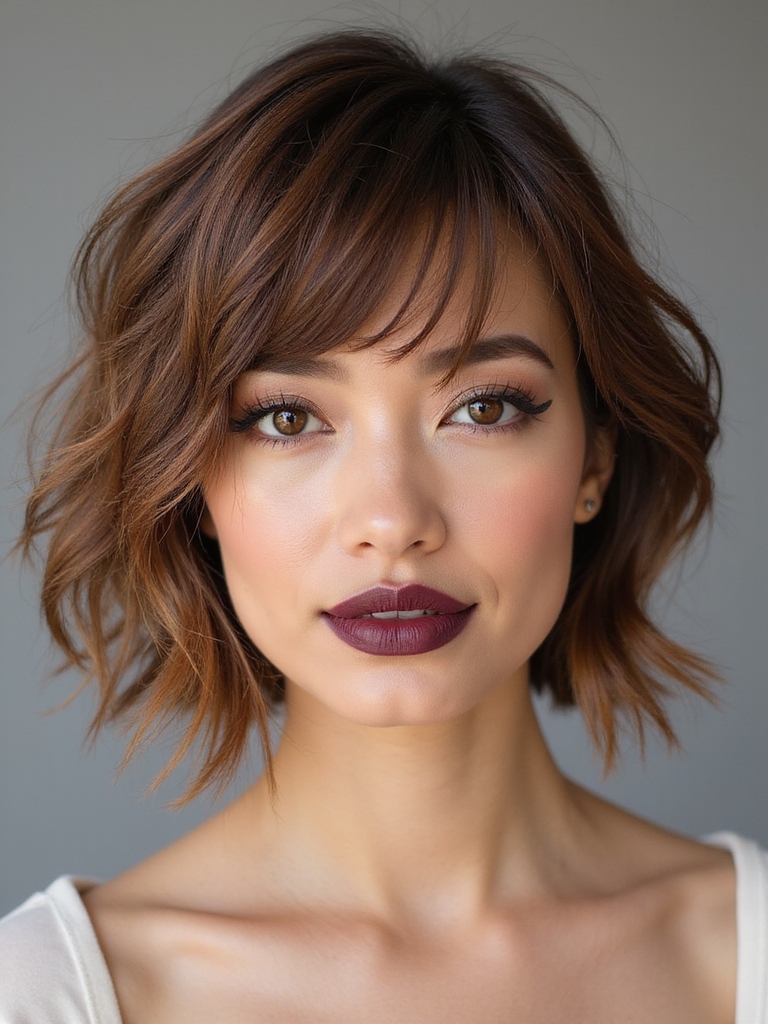
A razored bob carries the lightest texture on this list, with feathered edges that drift and separate as the hair moves. The blade shaves weight directly off the ends, so it favors healthy, medium-density hair. Brittle or very fine ends can split under it, and already-damaged hair usually does better with point-cutting.
A light mist and a quick finger-tousle is the full styling routine, and a flat iron is best kept away from razored ends altogether, since heat and already-thinned hair don’t mix well.
Matte-Finish, Asymmetrical Shape

The difference between a current messy bob and a dated one usually comes down to finish. A gritty, low-shine texture looks current; noticeable shine on an undone style tends to look greasy.
An asymmetrical shape, cut a touch longer on one side, plays into the same off-kilter mood well. A matte paste or dry texture spray does the finishing work; glossy serum has no place on this particular version.
Product goes into dry hair starting at the mid-lengths, and a little dry shampoo at the roots adds lift along with more of that matte, undone base.
Face-Framing Strands, Left Loose

Pulling a few loose strands forward to frame the face is often the detail that pushes a messy bob from rough to deliberate. Those pieces break up the shape’s outline and pull the eye straight toward the features.
Leave a few pieces out at the front whenever the rest gets tucked or pinned back, then bend them slightly with a wand or fingers so they fall soft against the face. Length matters here: the pieces need to reach the cheekbones to actually flatter.
- Works on nearly any version on this list, since it’s a finishing move you can add to any cut here.
- Shorter framing pieces look choppier; longer ones fall softer.
- Skip heat entirely and finger-shape instead for a lower-effort version.
👍Why it earns its spot
- +Adds softness to almost any of the other versions on this list
- +Costs nothing extra at the next appointment; just ask for it
- +Low-effort to maintain day to day
👎Where it falls short
- –Can look accidental if left too blunt without added shaping
- –Needs occasional reshaping once it grows past the cheekbone
- –Not much impact on very short, chin-grazing lengths
Micro Bob, Bold and Undone

The micro bob is the shortest, boldest cut in this whole range, sitting up near the jaw or higher, and undone texture is what keeps it from reading too severe.
The Boldest Length on This List
At this length the texture does real work. It softens a cut that could otherwise look overly precise, and with so little length left to hide behind, it puts the features front and center.
Paste pushed through the ends builds separation and a deliberately undone shape. It suits strong features and oval faces particularly well, and the shortness means any growing-out shows sooner than on longer versions.
Beachy Bob, Salt-Spray Texture

The beachy bob is the most relaxed version of the undone look, built entirely around soft, gritty waves that read like a day spent outdoors.
Sea-salt spray worked into damp hair from the ends up builds that gritty texture directly. Very dry hair should go lighter on the salt, since it can pull moisture out over time with repeated use.
- Skip the brush afterward so the waves stay loose and separated.
- Works on wavy and straight hair alike, though wavy hair needs less product to get there.
- A finger-dry or low heat setting keeps the texture from going stiff.
Inverted Bob, Stacked and Undone

An inverted bob stacks weight into a short back and lets the front pieces run longer, and undone styling gives that shape a fresher feel than a smooth blowout would. The stacked back already builds natural body on its own.
A little messy styling at the crown, rough-dried for lift and then broken up with a touch of paste, keeps the whole shape from tipping into looking too engineered. It’s especially useful on fine hair, since the graduated shape already adds volume.
Grow-Out Bob, Styled on Purpose
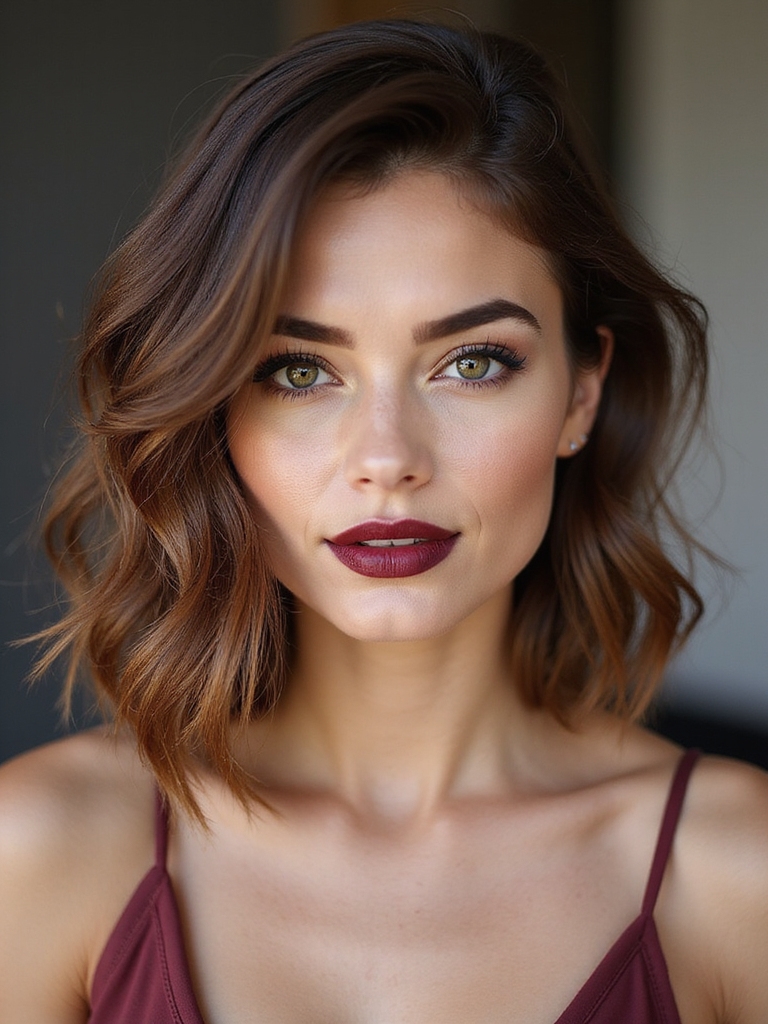
An in-between length, somewhere between a bob and a lob and growing out with no clear shape yet, is exactly where undone styling earns its keep.
Making an Awkward Length Look Deliberate
Texture hides uneven lengths and half-grown layers that would look shapeless if blown out smooth. Scrunching a texture product through with fingers, then letting it dry rough, is usually enough to make the in-between stage read like a choice. The long bob with layers guide is worth a look once the length actually clears the shoulders.
The catch is fine hair shows unevenness more, so leaning on a texture product matters more during a grow-out than at almost any other stage.
Messy Bob, a Few Specifics
?How do you refresh a messy bob on day two or three without washing?
Dry shampoo at the roots first, worked in with fingertips rather than sprayed and left, resets the volume. A light mist of texture spray on the ends brings the grip back once the original product has gone soft overnight.
?Does a messy bob grow out looking awkward?
Less than most cuts, since the whole point is texture rather than one precise line. A blunt version shows the growing line first; choppy or razored versions blend into an in-between length for a few extra weeks before a trim gets urgent.
?Can a messy bob still look put-together for work?
The blunt or matte-finish versions look more polished than the beachy or shaggy ones, so picking the right base cut counts for at least as much as the styling itself. The choppy bob hairstyles family sits somewhere in the middle, depending on how heavy the texture gets.
One Cut, Many Undone Finishes
Every version here traces back to the same idea: a precise cut built to look imprecise. The texture, the product, even the slightly-too-long side, none of it is really an accident, whichever one ends up in the chair.
Choose based on the hair already growing on your head, treating the photo as a rough guide, and let the precise cut do the part that real mess can’t.
More Ideas Here