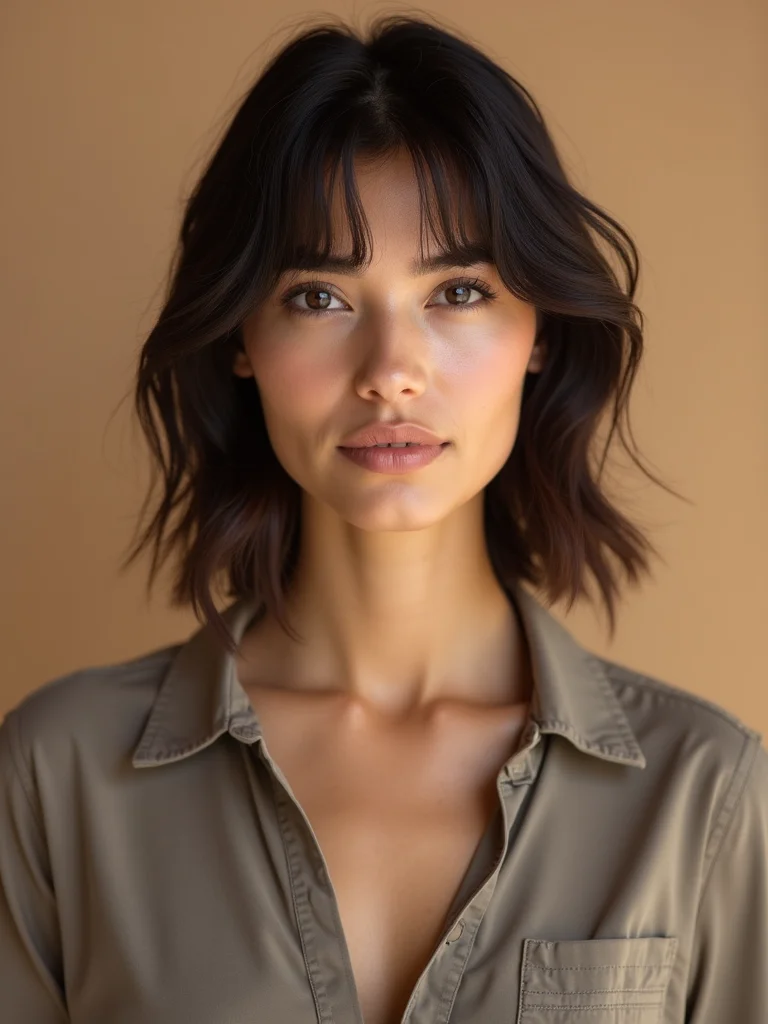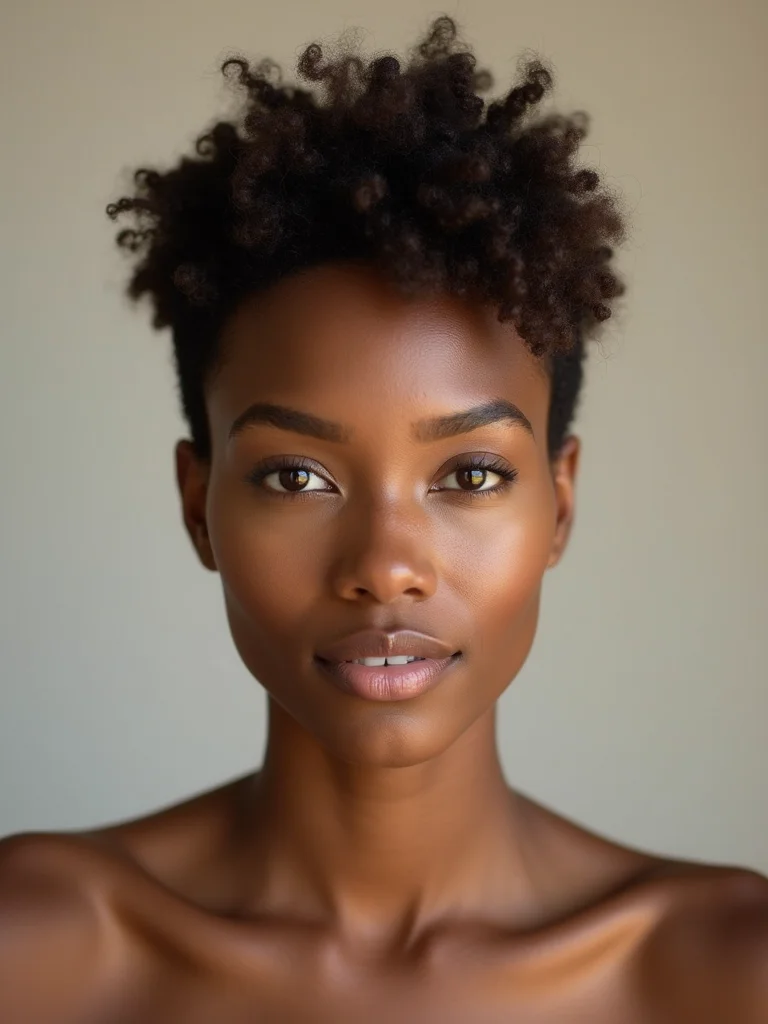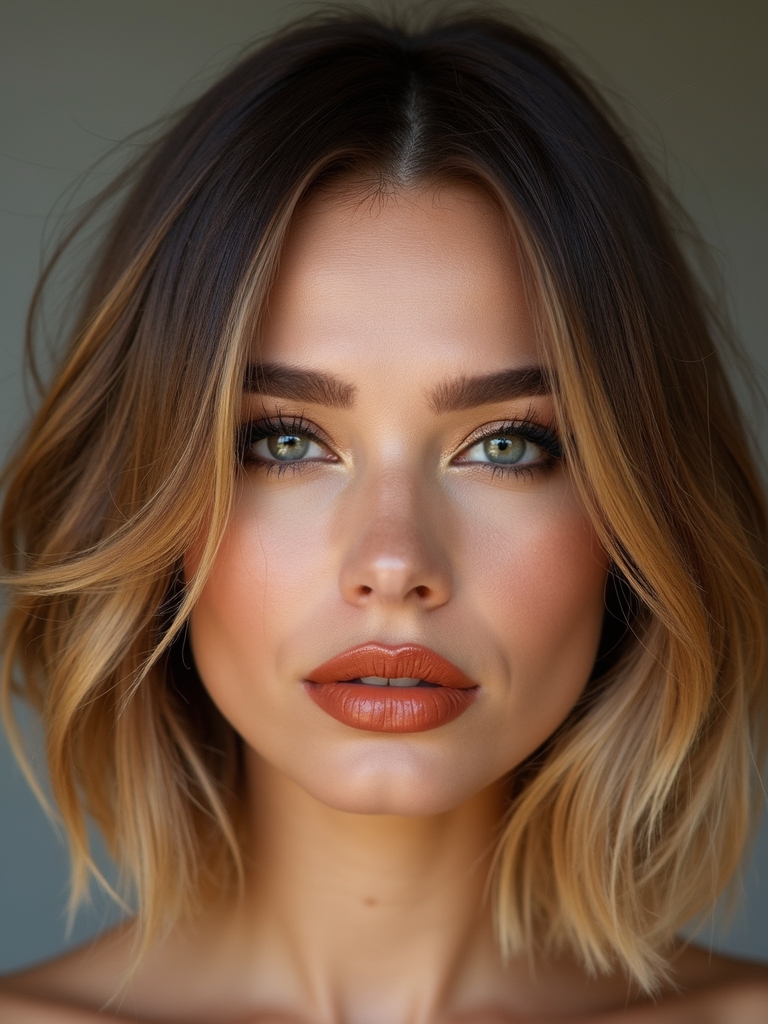
What exactly is bronde, and why does it look so good on a bob? Bronde is the soft middle ground between brunette and blonde, all warm honey, caramel, and toffee, and a bob is the perfect canvas for it. The blunt weight catches the dimension, the movement shows off every ribbon of color, and the warmth flatters more skin tones than a flat blonde ever could.
Below are fifteen bronde bob looks, from a sun-kissed honey balayage to a sharp ombre power bob, plus a plain guide to upkeep and choosing your shade. Whether you want barely-there brightness or a full warm melt, there is a version here that will work with your hair and your routine.
Bronde Bob, the Short Version
- Bronde is the warm blend between brunette and blonde; it flatters most skin tones and grows out softly.
- A bob shows off bronde’s dimension beautifully, especially blunt and textured cuts that catch the color contrast.
- Lower-maintenance options like balayage, root smudges, and color melts mean fewer salon trips than all-over blonde.
- Pick warm honey and caramel for warm undertones, cooler beige and sand for cool ones, and use a toning conditioner to keep it true.
Honey-Laced Balayage Through the Lengths

Honey balayage is where most people start, and for good reason. Painted by hand through the lengths, it laces warm gold into your base so the color looks grown-in and soft, blended right where the sun would lift it. On a bob, that hand-painted dimension reads as sunlight caught in the hair. This is usually the first technique I suggest for someone who wants something low-effort.
Why balayage suits a bob
Because the color is concentrated through the lower half of the hair, your roots stay natural and the grow-out is gentle. That is the real appeal of balayage on a bob: the upkeep is forgiving. You can stretch four months between appointments without an obvious line.
Ask your colorist to keep the brightest pieces around the face, where they do the most for your complexion. A brown balayage base with honey on top is a reliable, flattering place to begin.
Caramel Ribbons on a French Bob

A French bob is short, blunt, and chin-grazing, and caramel ribbons give it real richness. Ribbons of warm caramel threaded through the cut add movement and depth, so even a precise, geometric bob looks soft and dimensional. It is a classic shape with a warm, modern color.
- Best on a blunt, chin-length cut where the color contrast shows clearly.
- Caramel suits warm and neutral undertones especially well.
- Pair with a center part to balance the warmth across the face.
Bronde is what I suggest when a client wants change without commitment. It brightens the face, it grows out kindly, and it flatters almost everyone who sits down.
A Sand-Toned Root Smudge

If you lean cool rather than warm, a sand-toned bronde is your shade. Sand sits on the beige side of bronde, soft and a little muted, and it suits cooler complexions that warmer caramels can overwhelm. It is bronde with the temperature turned down.
Bronde for cooler skin tones
What makes it so low-maintenance is the root smudge. Your colorist blends a soft, shadowy root into the lighter lengths so there is no harsh regrowth line, which means you can go longer between visits. Settled roots look deliberate and intentional.
This is a smart pick if you are nervous about commitment. The grow-out is so soft that you can decide later whether to brighten up or let it fade back.
A Toffee Color Melt on a Blunt Bob

A color melt blends one shade into the next with no visible line, and toffee makes a rich one. A deep brown root melts down into warm toffee ends, so the color shifts gradually along a blunt bob and gives it a glossy, expensive depth. It is dimension without obvious highlights.
- The smooth, gradual blend means almost no regrowth line to chase.
- Toffee looks warm and luxurious on medium to deep brown bases.
- A blunt cut shows the gradient cleanly from root to tip.
| Your undertone | Best bronde shades | Skip |
|---|---|---|
| Warm | Honey, caramel, toffee, butterscotch | Very cool ashy beige |
| Cool | Sand, beige, desert-neutral bronde | Heavy golden caramel |
| Neutral | Most shades work; hazelnut and amber are safe bets | Nothing in particular |
Butterscotch Tones, Low Upkeep

Butterscotch is bronde at its warmest and most buttery, a golden-brown with real richness to it. What it does best is warm up the face, casting a soft golden light against the skin that makes most complexions look lit and healthy. If your goal is flattery first, this is the shade to ask about, and the flattery alone makes it worth requesting by name.
- Choose a balayage or melt placement so roots grow out softly.
- Use a warm-friendly toning conditioner; purple ones can dull the gold.
- Book a gloss refresh every couple of months to keep the warmth bright.
An Amber Glaze on a Wavy Bob

A glaze is a sheer wash of tone that adds shine and richness without lightening, and amber gives bronde a warm, glowing finish. Brushed over a wavy bob, it deepens the warmth and makes the whole color look glassy, which is why it photographs so well. A glaze is also the cheapest way to refresh tired color, and it’s worth asking about even between full color appointments.
- A salon glaze runs roughly $40 to $80 and lasts several weeks.
- It boosts shine instantly, so it is a great pre-event refresh.
- Waves catch the amber tone and throw it around for extra dimension.
📋Before You Go Bronde
- ✓Bring photos and know your undertone before the consultation.
- ✓Ask whether your look needs balayage, a melt, or full highlights, since upkeep differs.
- ✓Budget for a toning gloss every couple of months to keep the color true.
- ✓If your colorist needs to lift more than a couple of levels, ask them to work a bond-repair step into the process.
A Maple Root on a Textured Bob

A maple-toned root anchors bronde with a deeper, reddish-warm base that keeps the whole look grounded. On a textured, piecey bob, that darker root gives the brighter ends something to play against, so the dimension reads richer and the cut looks fuller. It is a flattering choice for anyone wanting warmth with depth.
The deep root is also kind to your schedule, since regrowth blends straight into the maple tone. I book this for clients who want warmth but hate chasing their roots. Texture plus a warm root asks the least upkeep of anything on this list.
- Maple suits warm and olive undertones particularly well.
- Ask for the brightest ends to sit below the chin for balance.
- Texturizing the cut makes the color dimension pop.
Delicate Sunlit Babylights

Babylights are the finest highlights there are, woven in delicately to mimic the natural brightness hair gets in childhood sun. On a bronde bob they add a soft, lit-from-within glow, fine enough to whisper instead of shout. The effect is gentle and very natural.
Because they are so fine, babylights grow out almost invisibly, so this is a low-stress way to brighten up. They layer beautifully over an existing balayage when you want to add a little more light around the face.
- Ideal for soft, natural brightening with low contrast.
- Concentrate them around the face for the most flattering lift.
- They grow out softly, so upkeep is minimal.
🅰️Balayage
Hand-painted, soft, and grows out with almost no line. Best for low upkeep and a natural, sun-kissed result.
🅱️Sliced highlights
Wider sections, brighter and higher-contrast. Best if you want the blonde side to really show, with a little more upkeep.
Cinnamon Swirls on a Curly Bob

On curls and coils, bronde does something special, since the color catches differently on every turn of the curl. Warm cinnamon swirls add a spiced warmth that makes a curly bob look full of movement, with brighter pieces lighting up as the curls fall. The dimension is built right into the texture.
If your hair is curly, ask for the cut to be done dry so your colorist can see how each curl sits and place the cut and color to flatter your real shape. Cut dry, a curly bob springs into place on its own; cut wet, it can fight you every morning instead. Our curly bob ideas guide has more on shaping.
Golden Sliced Highlights on a Lob

Sliced highlights are bolder and brighter than balayage, taking wider sections for a higher-contrast result. On a longer bob, or lob, golden slices bring real brightness and a sunnier, beachier feel than soft hand-painting. This is bronde for someone who wants the blonde side to show.
The trade-off is upkeep, since brighter, bolder highlights mean roots show a little sooner. If you love the lift, it is worth the extra gloss appointments to keep the gold clean and bright.
- Higher contrast and brightness than balayage.
- A lob gives the slices more length to travel and shine.
- Plan on a toning gloss every six to eight weeks.
Desert Beige on a Shaggy Bob

Desert beige is the coolest, most neutral corner of bronde, a soft sandy tone with the warmth dialed almost all the way down. On a feathered, shaggy bob it looks understated and modern, the kind of color that reads quietly expensive. It suits cool and neutral undertones that find caramel too golden.
The shag’s layers and movement keep the neutral color from falling flat, throwing soft light through all that texture. It is proof that bronde does not have to be warm to work.
Hazelnut Dimension on a Box Bob

A box bob is a strong, squared-off blunt shape, and hazelnut dimension keeps it from looking heavy. Layering warm hazelnut tones, light and dark woven together, gives that solid cut a multi-tonal depth so it moves and catches the light. The color does what no single flat shade could, and it holds up well against a strong, geometric cut.
- Multiple warm tones, woven together, build the dimension.
- Keeps a heavy blunt cut from reading like a solid block.
- Hazelnut flatters medium skin tones with warm undertones.
A Caramel Money-Piece

A money-piece is a bold brightening of the front face-framing pieces, and in caramel it warms up the whole face. Those lighter strands sit right against your skin, lifting your complexion and drawing the eye in, and that’s what makes it such a flattering, low-commitment way to try bronde. It is the request I hear most from clients testing the waters, since you brighten only the front and leave the rest.
- Brightens and frames the face with minimal overall lightening.
- A low-cost, low-upkeep way to test warmer color.
- Caramel against the skin gives the most flattering glow.
Beach-Brushed, Sun-Faded Bronde

Some of my favorite bronde looks are the ones that mimic what the sun does for free. Beach-brushed color fakes that sun-faded warmth, lighter at the ends and around the face, deeper underneath, like you have spent a season by the water. On a relaxed, tousled bob it looks easy and a little undone.
The placement is the whole point here. Your colorist concentrates the lightness where the sun would naturally hit, the top layers and the tips, so the result looks earned and sun-given. It is the most casual, low-key way to wear bronde.
When a first-timer feels nervous about going lighter, this is usually my first suggestion, because it is forgiving as it grows out and asks almost nothing between visits. It just softens.
A Soft Ombre on a Power Bob
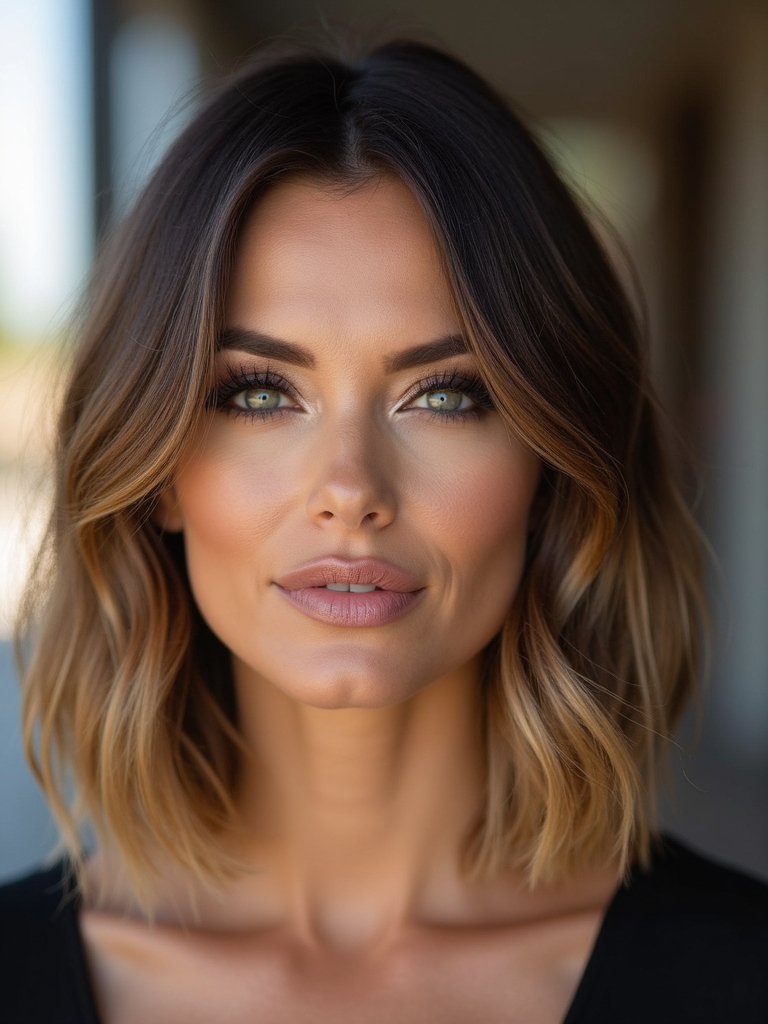
A power bob is sharp, sleek, and confident, a precise cut that means business, and a soft ombre gives it warmth without softening the edge. The color fades gradually from a deeper root to warm bronde ends, so the cut stays bold while the color glows. Strong shape, warm finish.
Sharp cut, warm color
Ombre on a bob is subtler than it is on long hair, since there is less length for the fade to travel. That works in its favor here, keeping the gradient gentle and modern rather than dated.
Blow it out smooth and sharp for the full power-bob effect, or add a slight bend at the ends to soften it for the weekend. The color carries both.
Who It Suits Best
The honest beauty of bronde is how widely it flatters. Warm undertones glow against honey, caramel, toffee, and butterscotch; cooler complexions look best in sand, beige, and desert-neutral bronde; and almost everyone benefits from keeping the brightest pieces around the face. If you have struggled with flat blonde washing you out or solid brunette reading heavy, bronde is the warm middle that usually solves both.
It also suits a real-life routine. Because most bronde techniques, balayage, melts, smudged roots, are built to grow out softly, you are not chained to the salon every month. If you want color that looks rich and expensive but forgives a busy schedule, this is the warm, low-drama place to land. Our brown bob and blonde bob guides are worth a look if you are deciding which way to lean.
Bronde Bob Color Questions
?Is bronde high-maintenance?
Not usually. Most bronde looks use balayage, melts, or smudged roots that grow out softly, so you can stretch three to four months between color appointments. A toning gloss every couple of months keeps it bright, but you avoid the monthly root touch-ups that all-over blonde demands.
?Will bronde suit my skin tone?
Most likely yes, because bronde spans warm and cool versions. Warm undertones glow in honey and caramel, cooler complexions suit sand and beige, and keeping the brightest pieces near the face flatters almost everyone. Your colorist can adjust the exact tone to match you.
?How do I keep bronde from going brassy?
Use a toning conditioner suited to warm color, and skip strong purple shampoos, which can dull the gold and turn it muddy. Wash in cooler water, protect the hair from too much heat, and book a gloss refresh when the warmth starts to look more orange than golden.
Find Your Warm Middle
Bronde earns its popularity honestly. It is the warm middle that flatters more people than flat blonde or solid brown, it grows out softly, and on a bob it has the perfect canvas to show off every honey, caramel, and toffee ribbon. From a barely-there money-piece to a full sun-faded melt, there is a version that fits your hair and your life.
Start small if a full commitment feels risky. A gloss or a money-piece tests the water without much cost, and it’s easy to build up from there once you know how it wears day to day. Take the shade that caught your eye here to your colorist and talk through your undertone and your upkeep.
Don’t Miss These