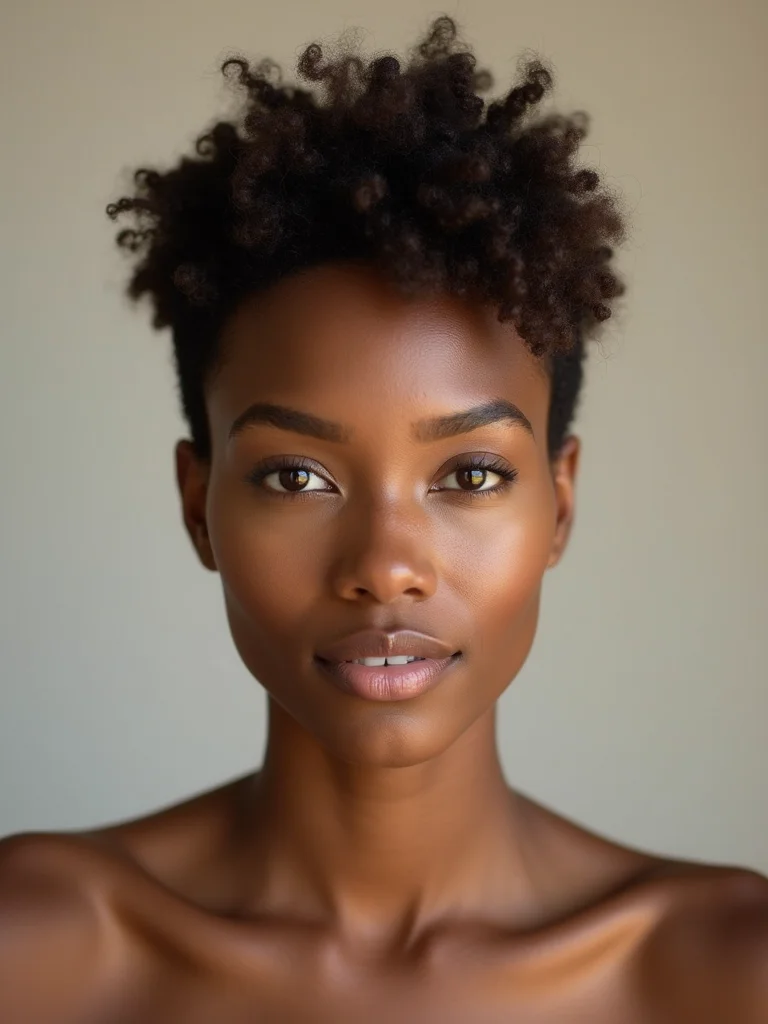
Short hair still gets called aging, unfeminine, or limiting by people who haven’t seen a well-cut micro bob in person. Cropped to skim the jaw or sit just below it, this length is short hair working at its sharpest: confident, deliberate, and anything but plain.
Fifteen ways to wear it follow, along with what each version actually asks of texture, face shape, and time in the chair.
Micro Bob, Quick Facts
What actually counts as a micro bob? A very short bob landing between the ear and the jaw, shorter than a classic bob but longer than a pixie.
Is it high-maintenance? Daily styling stays quick, but the short shape needs a trim on a tight schedule to hold its line, usually a 30-to-45-minute appointment landing around $40.
Will it suit most face shapes? Yes, with adjustments. Face-framing pieces, part placement, and texture handle most of the tailoring.
The Classic Micro Bob

The classic micro bob skims the jaw in one clean, blunt line, the purest expression of the cut. There’s nowhere to hide here, which is the whole appeal: the shape and the bone structure underneath carry the entire look.
Most pros point to this version for anyone wanting a bold, low-fuss statement, since it flatters strong jaws and defined features especially well. A flat iron gives a glassy finish; a round brush softens the ends into a slight bend.

The French Micro Bob

Softening the micro bob with a little Parisian nonchalance produces the French version: tousled, undone, carrying an air of careless cool. The blunt line stays underneath, but the styling roughs it up so nothing looks too precious.
A slightly grown-out version of the cut suits this styling best, since a fresh, razor-sharp line resists the messy finish more than a week-old one does.
- Bend a few pieces with a flat iron, leaving others straight for an imperfect look.
- Rough it up with a little texture spray and fingers.
- Skip heavy polish products entirely; texture is the whole point.
The Sleek Blunt Micro Bob

Maximum impact comes from the sleek blunt version: all glossy shine and a razor-clean perimeter. This reads as the most graphic, high-fashion way to wear the cut, and it photographs unusually well.
This much shine demands healthy hair, since it shows every dry or split end. Smoothing each section with a flat iron on a low pass, then finishing with a light shine serum, gets the glassy result. It flatters oval and long faces especially, where the strong horizontal line balances the proportions.
Micro Bob With Baby Bangs
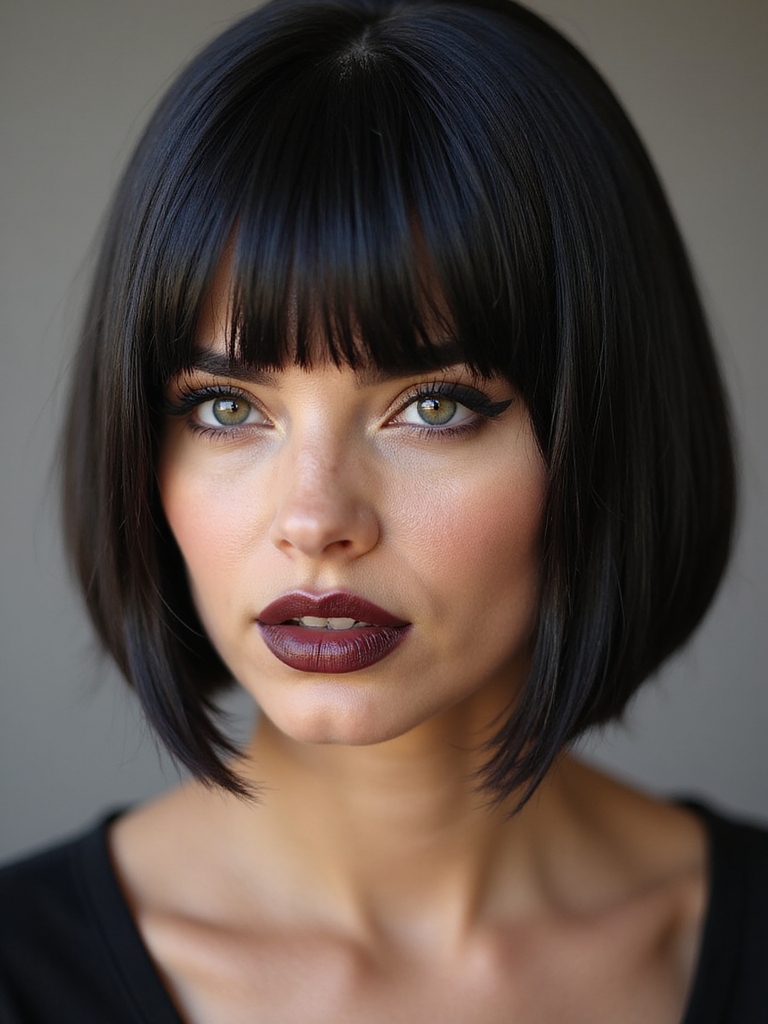
Pairing a micro bob with baby bangs is the boldest combination on this list, two short, daring shapes that together read as a real fashion statement.
This is a high-commitment, high-reward look. Both the bob and the tiny fringe need frequent trims to hold their shape, and the combination suits confident dressers and balanced features best.
Styling the bangs soft and piecey with a touch of paste, while keeping the bob itself blunt, gives the contrast the look depends on. A slightly longer micro fringe softens the whole effect for anyone hesitant.
The Curly Micro Bob

On curls and coils, a micro bob turns into a bouncy, rounded halo of texture. It’s the most joyful version of the whole cut, hands down. The short length lets curls spring up and frame the face with volume that’s already built in.
Shrinkage is the real variable to plan for, so the cut has to account for it before any length comes off.
- Shaping happens on dry, defined curls so the length accounts for spring-up.
- Curls typically land shorter than straight hair cut to the same length; naming a target dry length helps.
- A wash-and-go routine with a curl cream finishes the style.
The Wavy Micro Bob
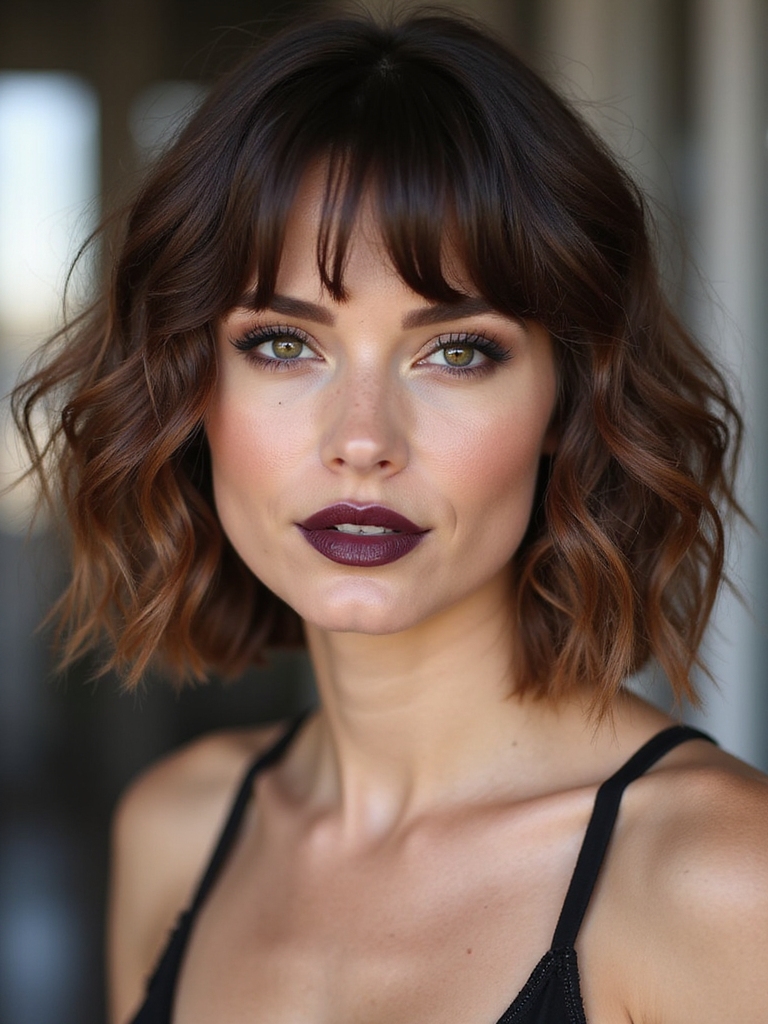
A natural wave turns the micro bob soft and beachy, with a relaxed bend that takes the sharp edge off the short shape. Soft layers through the cut give the waves room to move, so it never sits like a stiff helmet.
This ranks among the easiest versions to live with day to day, since the natural texture does most of the styling work. A little salt spray or wave cream on damp hair, dried and finger-separated, is close to the entire routine.
ℹ️Where the Ease Comes From
A wavy micro bob needs less daily correction than the sleek or blunt versions, since the bend is already doing the styling work a flat iron would otherwise handle. That’s the real reason this version gets called low-maintenance.
The Glass Micro Bob

Glass hair, that mirror-smooth, high-shine finish, looks especially striking on a micro bob, where the short blunt shape turns into a sheet of pure gloss.
The trade is effort and hair health: this finish shows every flaw, so it needs smooth, undamaged hair and a careful blow-out. Building the look takes a smoothing treatment first, then a flat-iron pass finished with a glossing serum.
A gloss treatment booked every few weeks helps maintain the shine, and a silk pillowcase extends it between washes. This version rewards anyone willing to put in real effort for a striking result.
The Asymmetrical Micro Bob
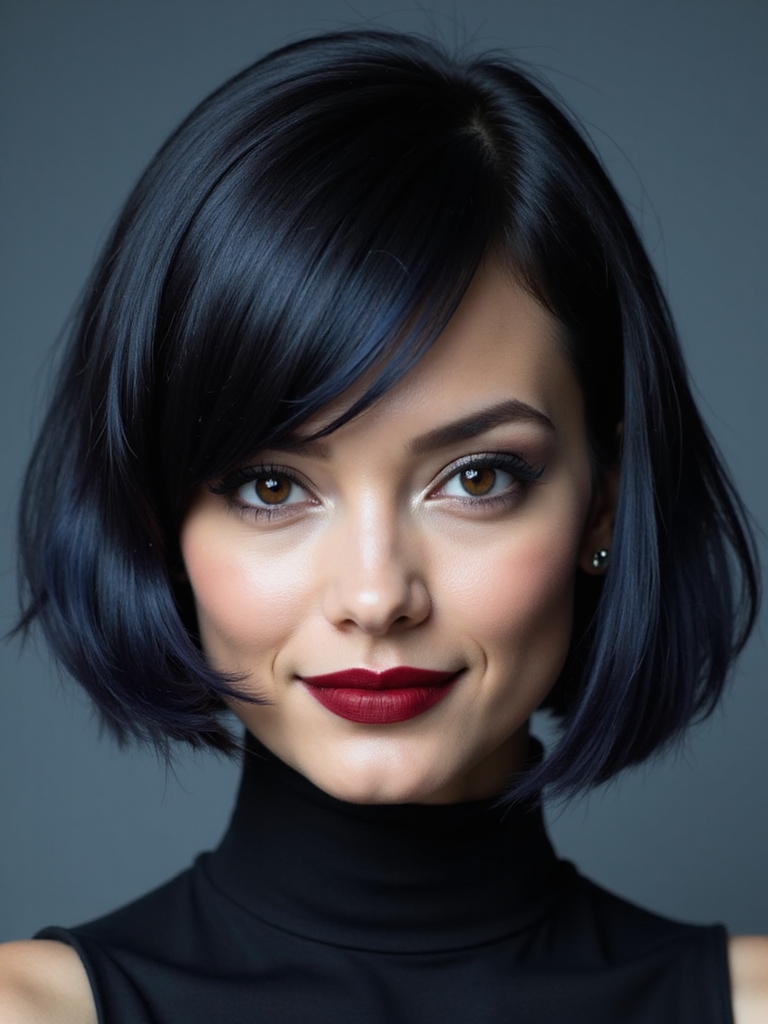
An asymmetrical micro bob runs longer on one side, turning the cut into a real design statement rather than a simple length choice.
When the Line Is the Look
The off-kilter line adds movement and direction to what would otherwise be a precise, static shape, softening the geometry for anyone who finds a perfectly even micro bob a touch too severe.
The longer side also adds flexibility, since it can be tucked or swept depending on the day. Emphasizing that longer side with a texture product during styling keeps the asymmetry reading intentional.
Where This Version Struggles
The dramatic length difference between sides needs regular trims to stay sharp. Skip a few appointments and the asymmetry starts to blur into an uneven bob rather than a deliberate style choice.
A Face-Framing Micro Bob

Adding face-framing pieces is the simplest way to make a micro bob flatter nearly any face shape. Slightly longer pieces left at the front soften the cut and draw the eye toward the features.
This tweak works especially well for round or square faces: the framing breaks up the strong horizontal line and adds a softening diagonal. Asking for the front pieces to fall at the cheekbone or jaw, whichever balances a given face, makes the biggest difference.
The Textured Micro Bob

If a blunt line feels too severe, a textured micro bob with choppy ends softens the shape while keeping the bold length. Point-cut ends break up the perimeter so it reads modern rather than stiff. A few specifics:
- Ask for point-cut, choppy ends to break up the blunt line.
- A matte paste worked through the ends adds separation.
- This suits fine hair particularly well, since the texture fakes extra fullness.
A quick check before choosing blunt or textured:
1Do strong, defined features feel like an asset?
A blunt line puts more focus on bone structure.
2Is a softer, more forgiving edge more appealing?
Textured, choppy ends diffuse the line instead.
The Side-Part Micro Bob

A deep side part lends the micro bob instant sophistication along with a wave of volume on the heavier side. The asymmetry of the part softens the cut and adds an elegant, old-Hollywood lean to an otherwise modern shape.
Volume From the Part Alone
This ranks among the easiest ways to change the whole look without any cutting involved. Round and square face shapes benefit especially, since the diagonal sweep slims and softens.
Blowing the roots up on the heavier side builds the volume, then smoothing the lengths finishes the look. A little product at the part line keeps the deep set from falling flat through the day.
The Undercut Micro Bob

For a hidden edge, an undercut tucks a shaved or closely clipped section beneath the micro bob, invisible when the hair is down.
A Hidden Edge
Removing weight underneath makes a heavy micro bob noticeably lighter and easier to style, letting the top lie sleeker than it otherwise would. The undercut can stay plain or carry a design shaved in for a bolder reveal.
The trade is upkeep: the undercut needs a clipper refresh on its own schedule to stay tidy, separate from the bob’s regular trim.
The Airy Micro Bob
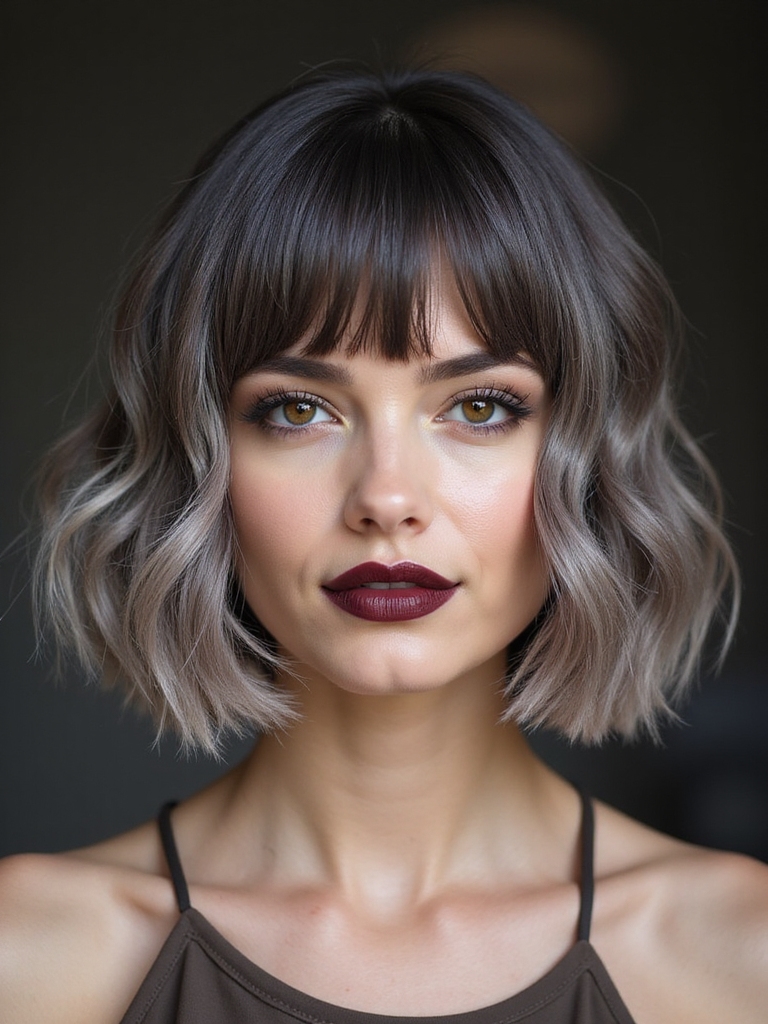
An airy micro bob keeps the ends feathered and light, so the cut moves and breathes rather than sitting solid. Feathered tips taper the perimeter, softening the shape and adding a weightless quality.
Finer hair takes to this particularly well, where the lightness reads delicate instead of thin. Finishing with a light styling mist and rounding the ends under with a brush keeps products minimal so the airy quality holds.
The Center-Part Micro Bob

A center part gives the micro bob clean, minimalist symmetry that feels modern and editorial. A few notes on wearing it well:
- Part the hair dead-center and smooth each side down for a sleek line.
- Oval and heart-shaped faces tend to suit this best; round faces may prefer a slight off-center part.
- Keeping the ends blunt and healthy matters more here, since the part puts full focus on the perimeter.
👍Why it earns a spot
- +Reads polished with almost no daily styling
- +Puts full focus on bone structure and features
- +Grows out into a longer center-part style easily
👎Where it asks more
- –Not the most forgiving on round face shapes without adjustment
- –Shows any perimeter unevenness immediately
- –Needs consistently healthy ends to look intentional
A Micro Bob for Fine Hair
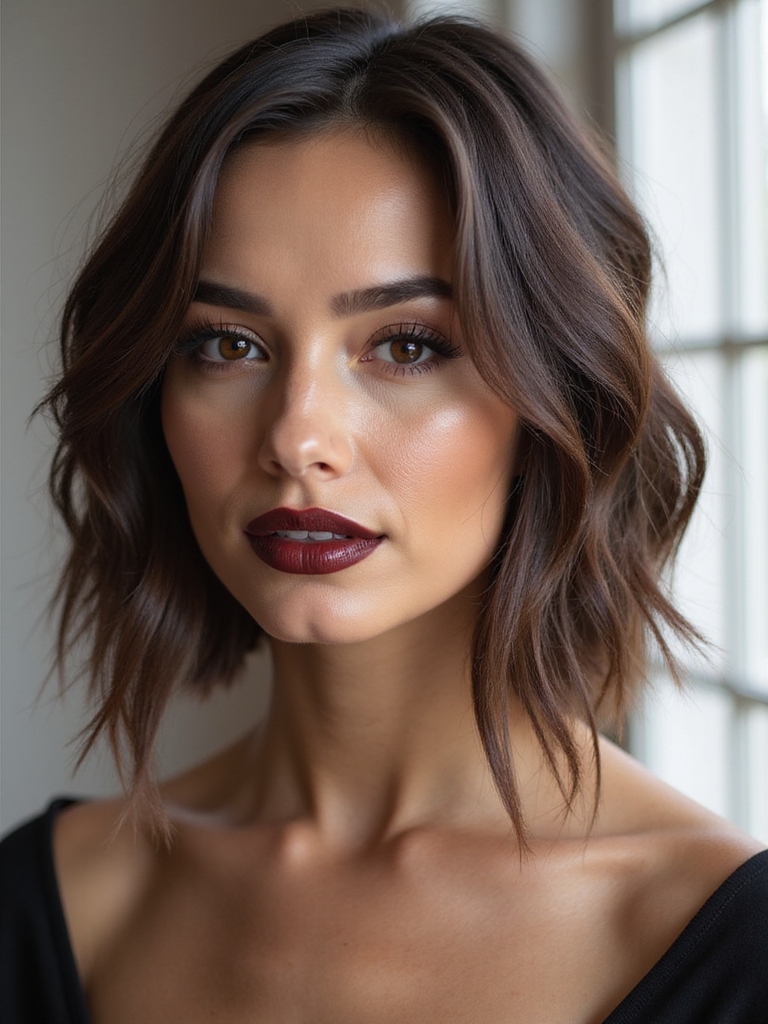
Fine hair and the micro bob make an unusually strong match, since the short, blunt shape makes thin hair look instantly fuller and denser. Cutting away length removes the weight that drags fine hair flat, letting what remains stand up with body.
Keeping the perimeter blunt maximizes the look of density, while adding only soft, minimal layers keeps the ends thick. A root mousse paired with a round brush builds lift, with products kept light throughout.
Micro Bob, a Few Specifics
?Does a micro bob suit fine hair?
It suits fine hair especially well. Removing length takes away the weight that flattens thin hair, so a blunt micro bob looks fuller and denser almost immediately. Keeping the perimeter blunt and the layers minimal maximizes that effect.
?Will a micro bob work on curly hair?
Yes, and it produces a striking, bouncy shape. The key is a dry cut that accounts for shrinkage, since curls spring up noticeably once fully dry, sometimes landing an inch or more shorter than expected.
?How often does the shape need a trim to stay sharp?
More often than longer cuts, since a short line shows regrowth fast. Most people plan on a trim about once a month, with face-framing pieces sometimes needing a quick touch-up on their own timeline between full visits.
?Is going this short reversible if it doesn’t work out?
Not immediately, but it grows out into longer bob lengths within several months. Anyone nervous about commitment can start at a slightly longer micro length, just below the jaw, before going shorter later.
?What’s the biggest styling mistake people make with a micro bob?
Over-styling it. This length is meant to look deliberate with minimal effort, so piling on product or working every single strand into place usually looks stiffer than intended, more like a helmet than a haircut.
Less Hair, More You
Every version here points to the same underlying truth: a micro bob puts the person wearing it, not the hair itself, in the spotlight. Less length just means the cut and the features underneath have to do more of the talking.
Start a touch longer than full micro if the idea feels intimidating, just below the jaw, and go shorter at the next trim once the shape earns some trust. A reference photo helps, but matching it to the actual texture in play matters more.
More Ideas Here