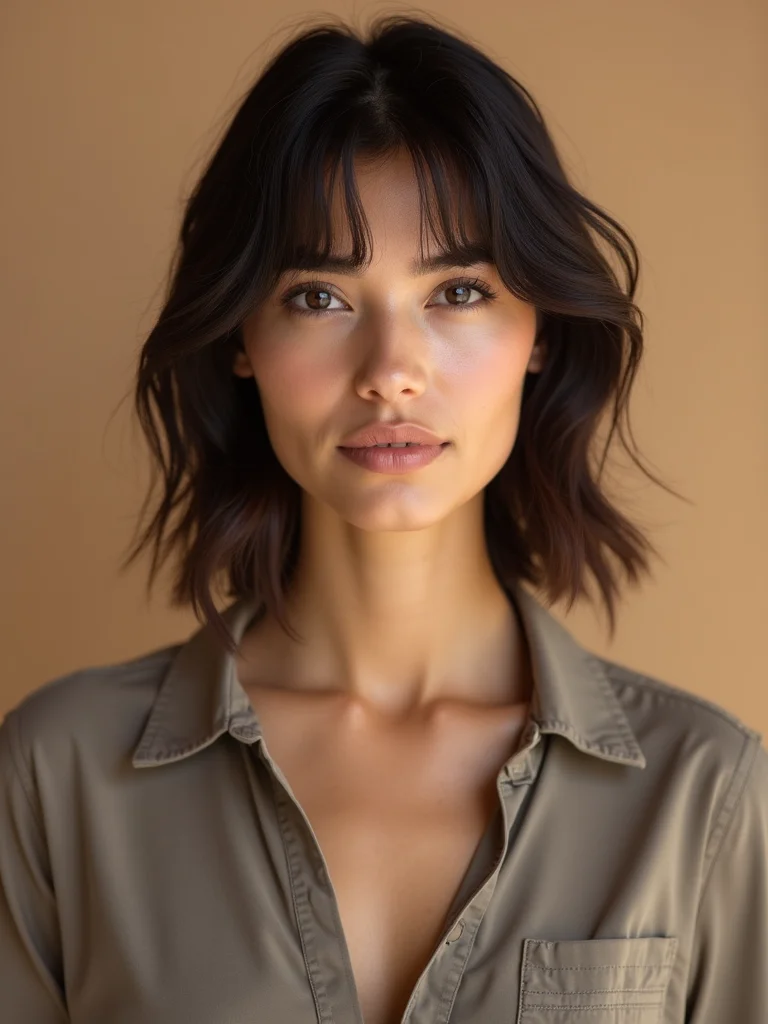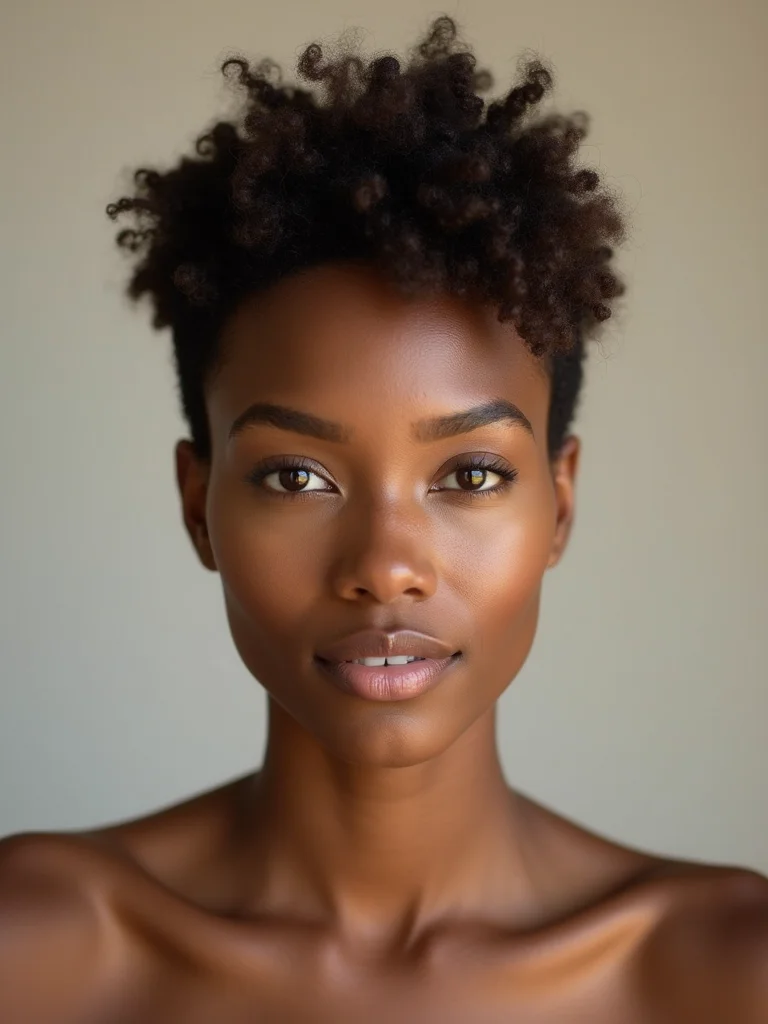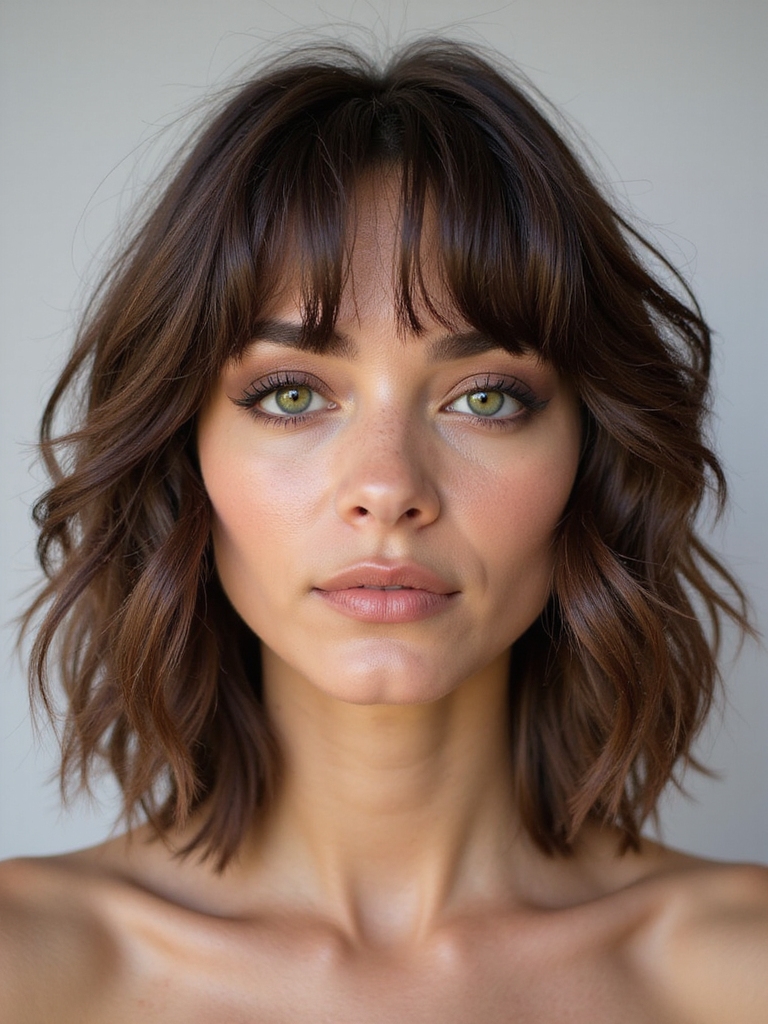
Scroll almost any hair board for thirty seconds and a shag surfaces: soft and curtained, choppy and wolf-cropped, mid-length and worn-in. It’s become the single most-saved cut going, and the reason isn’t just the way it photographs.
Below are ten versions actually filling those boards right now, sorted by how much daily effort each one asks for, who it actually flatters, and where it can go wrong if the cut isn’t matched to your texture.
What to Decide Before You Book
- Match the version to your actual texture first; a shag photographed on straight hair behaves nothing like the same cut on waves or curls.
- Sharper, choppier versions (the wolf cut, the shag mullet) need trims sooner than the softer mid-length or curtain-bang versions.
- Bring four or five photos of the same general shape, not one, so your stylist sees the pattern you’re actually drawn to.
A Soft Shag Anchored by Curtain Bangs
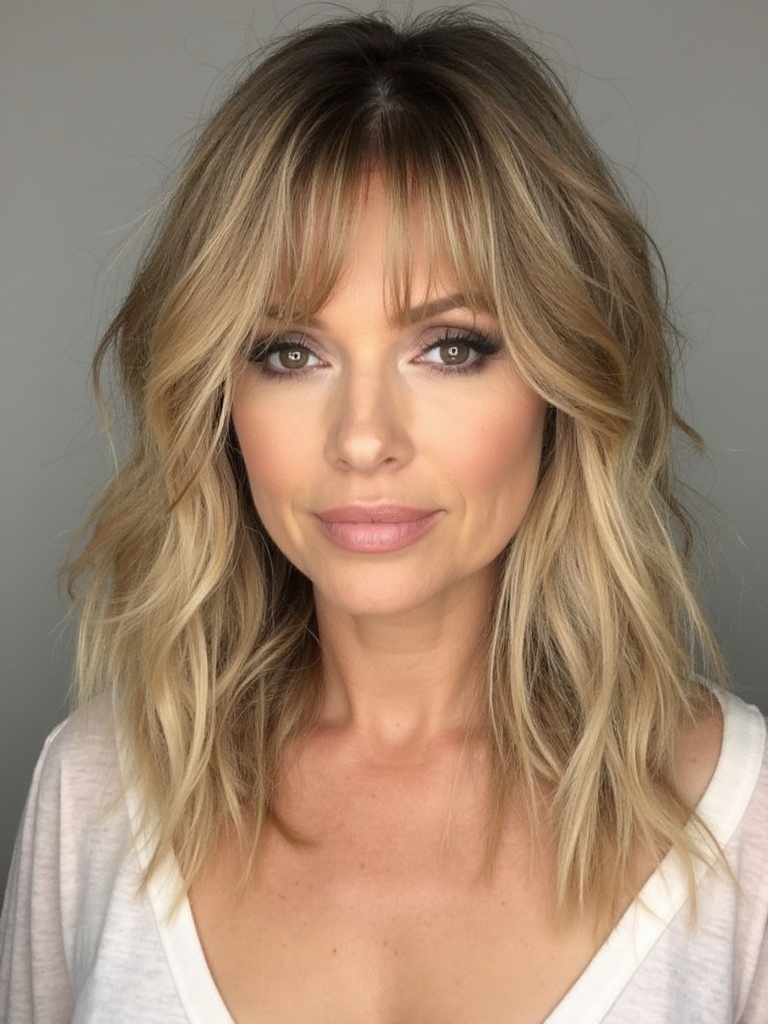
This is the version that started the whole shag revival, and it’s still the most-saved combination on every board. The curtain fringe opens the face while the shag layers move independently underneath, so the cut photographs as well as it actually wears day to day.
The catch is the fringe needs a quick round-brush pass most mornings, or it dries flatter than the styled version in every reference photo. For the base cut without the fringe, modern shag covers the core version on its own.
- Works on nearly every face shape and most hair textures
- Styles in minutes once the fringe habit is set
- Grows out softly, since the layers already blend into it

The Mid-Length Shag Everyone Actually Wears
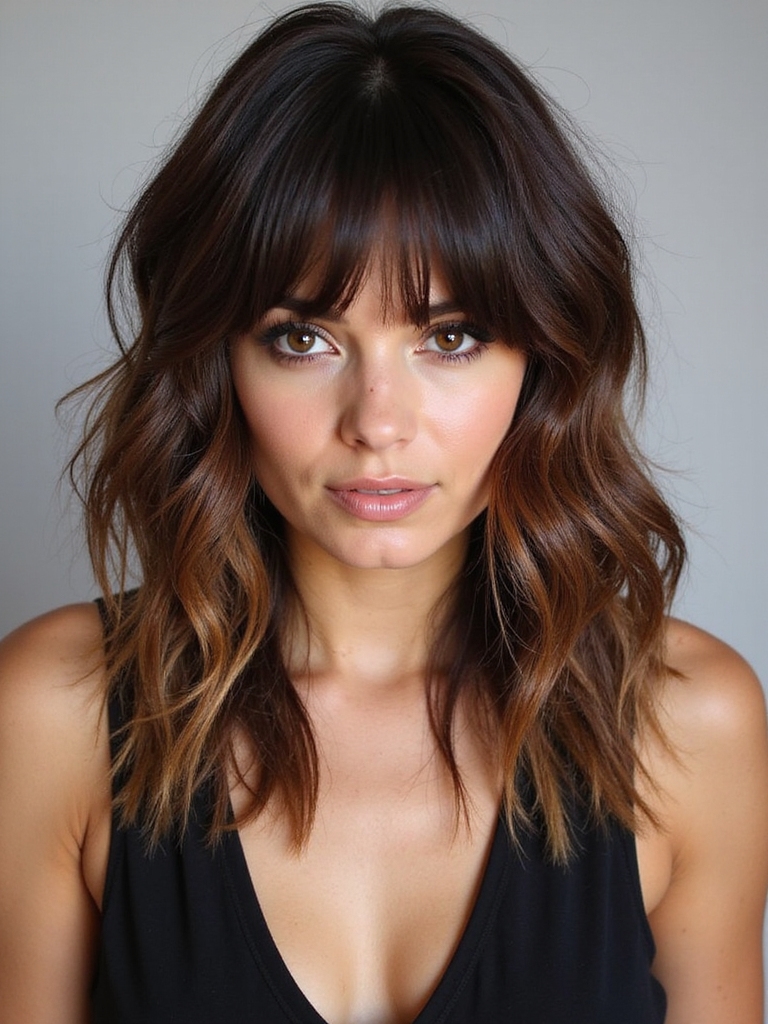
Sitting right behind the curtain-bang version in saves is the classic mid-length shag, chin-to-collarbone with piecey layers packed through the whole head. It’s the most universally wearable of the ten, and that’s the whole reason it keeps showing up on board after board, season after season, without ever quite going out of rotation.
Why It Photographs So Consistently
The texture is built into the cut itself, so it looks worn-in with almost no daily effort beyond a rough dry and a scrunch of product. For more medium-length takes on the same idea, the best medium shag hairstyles rounds up several.
Where this struggles is very straight, coarse hair, which can take the piecey layers and smooth them back out within an hour of leaving the salon.
Curls Getting Their Own Shag, Finally
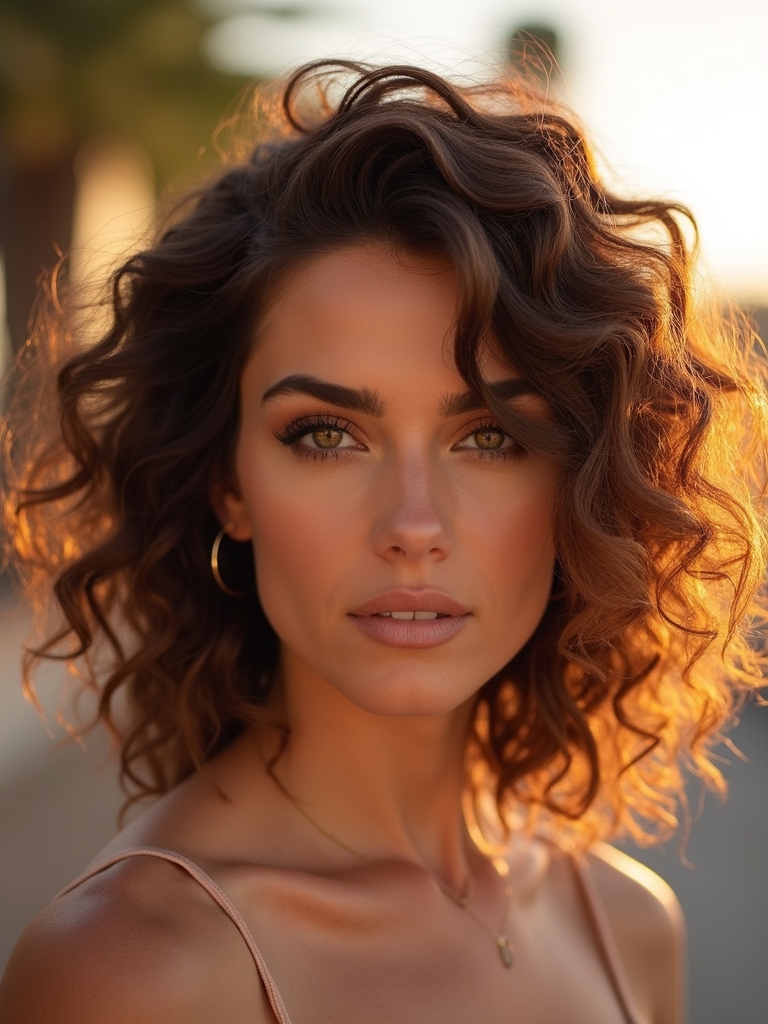
Curly shags are having a real moment, and the reason is structural: layering gives coils room to stack and spring, which keeps them from piling into one dense triangle at the bottom.
The catch is the cut only works fully dry, curl by curl, since shrinkage makes wet measurements unreliable and a stylist needs to see exactly where each coil actually lands before placing the next one. For the full cut-and-care breakdown, curly shag haircut goes deeper on the technique.
- Book specifically with a stylist experienced in dry-cutting curls
- Style as a wash-and-go; a curl cream does most of the remaining work
- Expect noticeably more spring once it’s fully dry than it showed sitting in the chair
A couple of ideas about curly shags turn out to be backwards once you actually book one.
❌ Myth: Myth: layering removes curl definition.
✅ Reality: Fact: the opposite tends to happen. Removing weight is usually what lets each curl spring into its real pattern, since long, heavy length pulls curls flatter than they’d sit on their own.
❌ Myth: Myth: a curly shag needs constant reshaping.
✅ Reality: Fact: the cut is built to grow out in stages, so the shape fades gradually. Curly clients often stretch appointments longer than straight-haired ones for exactly that reason.
A Wispy Version Built for Fine Hair
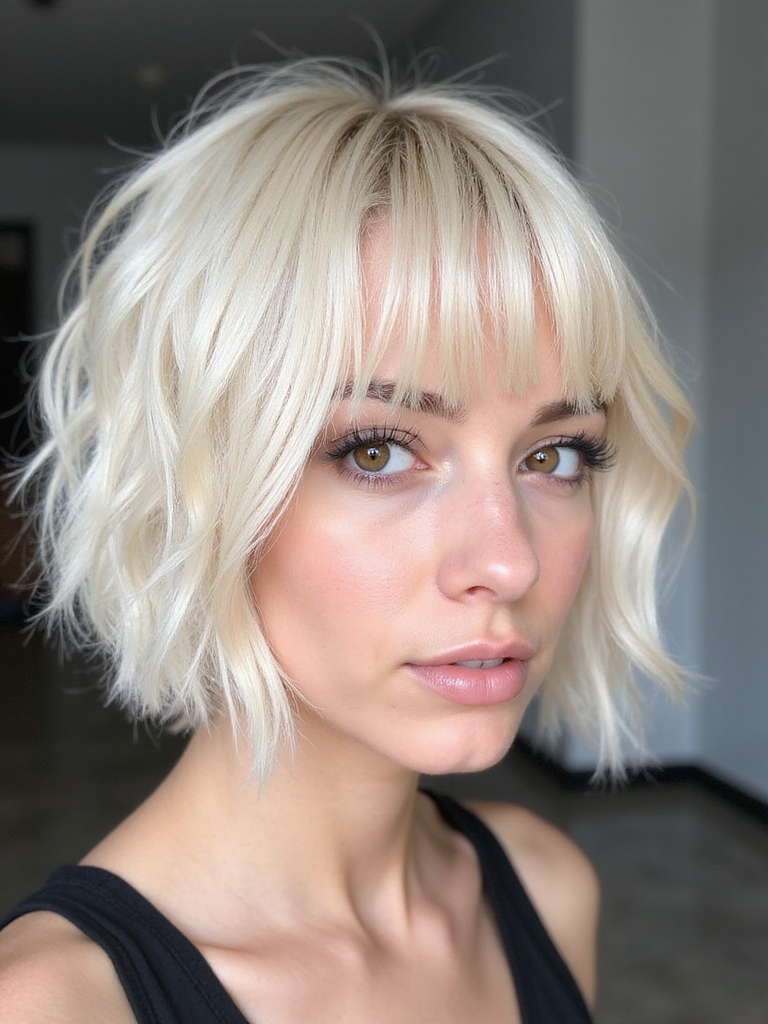
Fine-haired boards save the wispy shag constantly, and the appeal is real: soft, airy layering fakes the look of fuller hair without the thinning-out effect heavier layers cause on already-thin strands. It’s one of the few shag versions built around subtraction happening slowly rather than all at once.
Restraint is what makes it work. Keep the perimeter close to solid so the ends stay dense, place the shag layers soft and high, well away from a choppy, low-cut version, and a light root mousse does the rest. Over-layer fine hair here and it goes sparse fast, sometimes within a single trim cycle.
The Wolf Cut, the Boldest Shag on the List
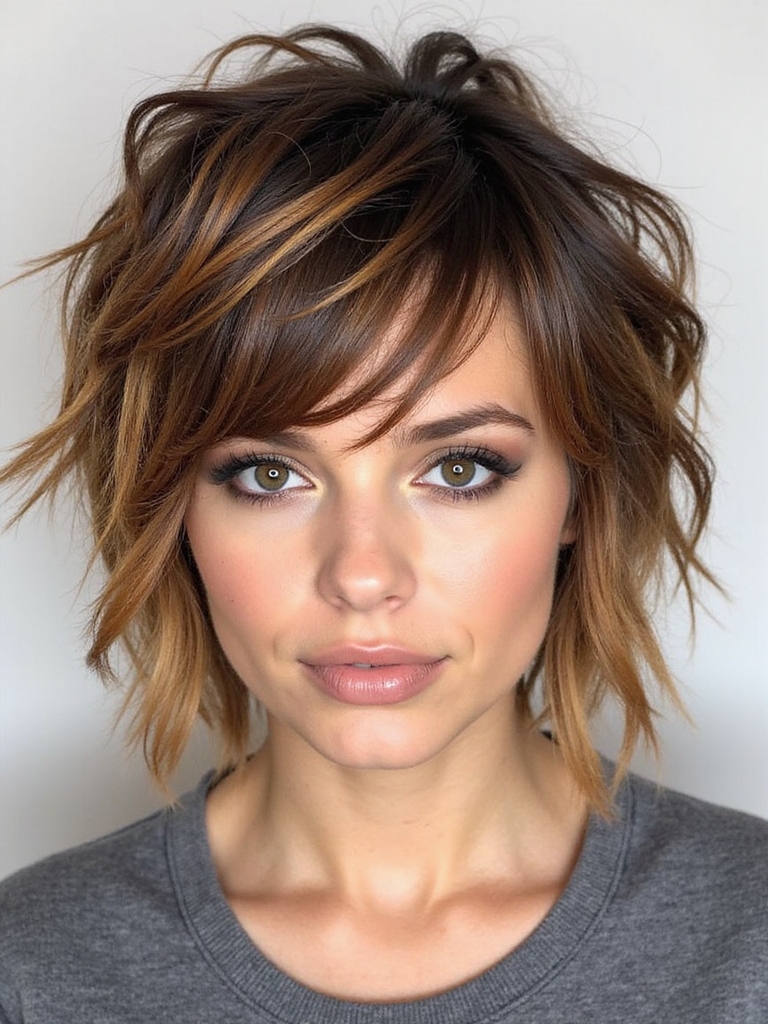
The wolf cut mixes heavy, disconnected layers at the crown with a shaggier, choppier length below it, and it’s the boldest, most screenshot-worthy version by a wide margin. A similar choppy energy shows up in medium choppy shag hairstyles at a different length, if this particular version turns out to be more commitment than you’re ready for.
Where this struggles is fine hair without enough density to hold up that crown volume. The shape can fall flat within a day.
- Younger, trend-forward clients tend to request this one by name
- Styling stays simple, since rough, undone texture is exactly what the cut is going for
- The disconnection at the crown grows out faster than any other style here
👍What It Delivers
- +Serious volume without a single hot tool
- +Reads current and fully intentional
- +Works especially well on medium to coarse density
👎What It Demands
- –Needs real density to hold the crown shape
- –Grows out unevenly faster than a softer shag
- –Trims land closer together than the mid-length version
A Short Shag Crossed With a Pixie
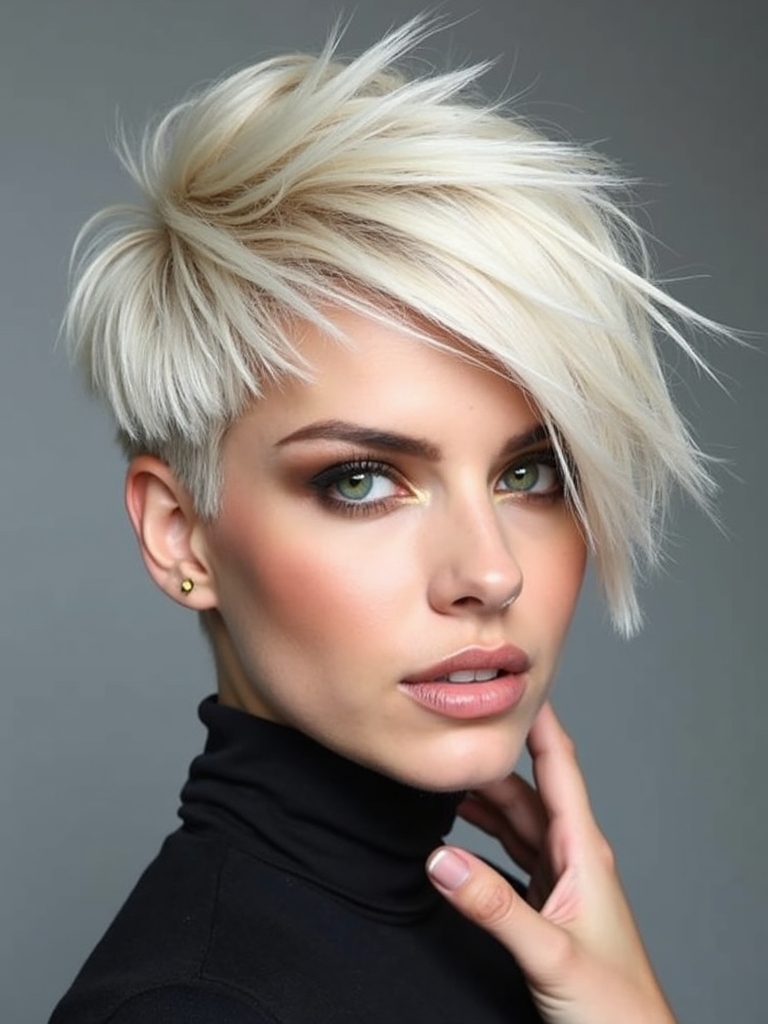
This hybrid crops the length down into pixie territory while keeping the shag’s signature choppy, disconnected layering through the crown and sides. It’s the boldest length commitment on this list, trading nearly every inch of hair for maximum texture and close to zero styling time. Most people who book it have already worn a longer shag and are ready for the shorter, lower-maintenance version of the same idea.
- Best on hair with some natural texture already; poker-straight strands may need a texturizing spray to fake it
- Grows out into an awkward, flippy stage faster than any longer version here
- A razor or point-cutting technique, not blunt scissors, is what gives it that choppy finish
The Long Shag, for Length That Still Moves
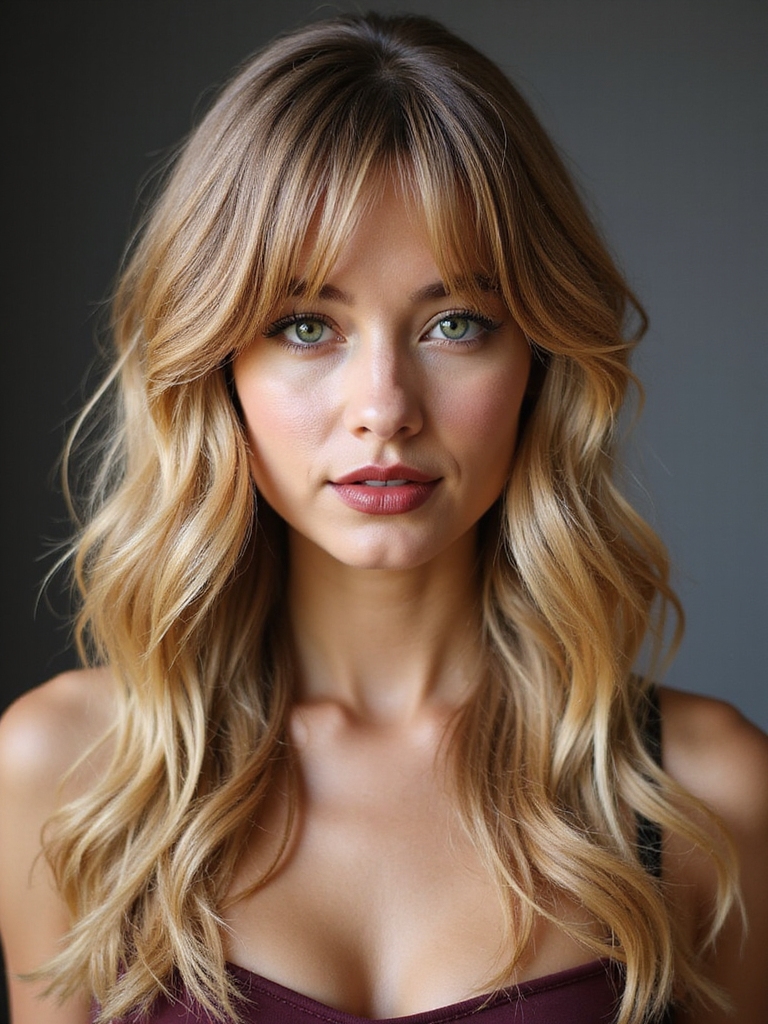
A long shag takes hair that would otherwise hang flat under its own weight and layers it enough to actually move, without cutting off the length that made someone grow it out in the first place. It’s the version most requested by people who’ve spent years growing past their shoulders and don’t want to lose any of that progress now.
Face-framing pieces do double duty here, adding motion up top while the rest of the length stays intact below the shoulders. A stylist working mostly with internal layers, rather than trimming visible length off the ends, is what keeps the balance right on this one.
A Wavy Shag Paired With Micro Bangs
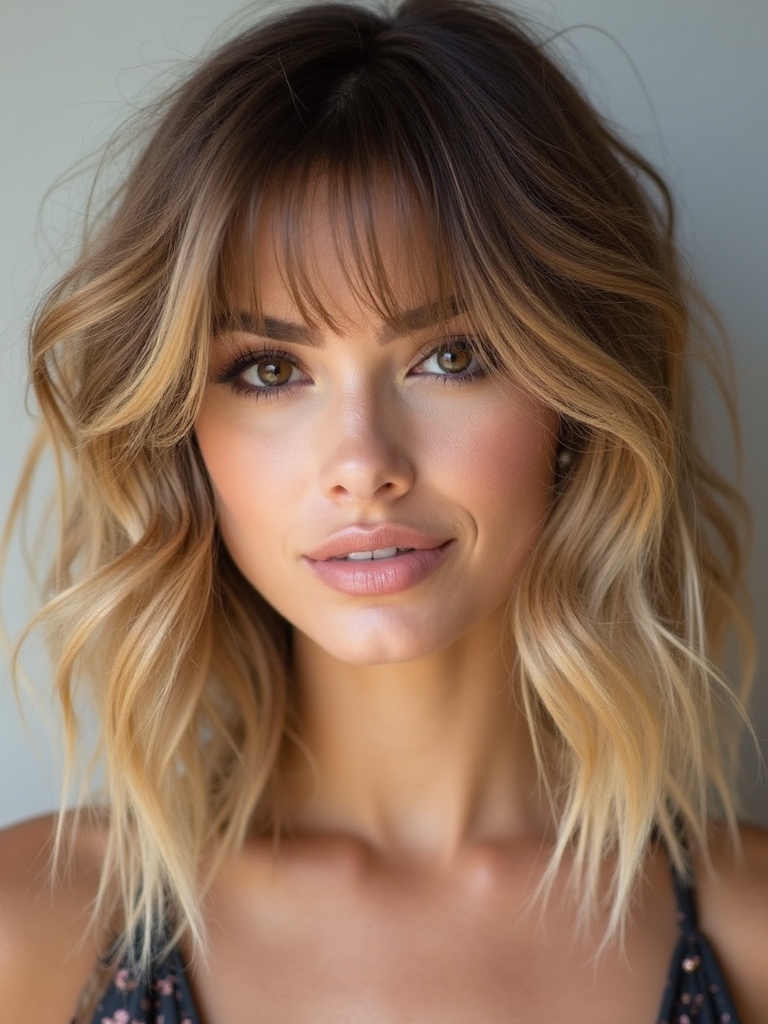
Pairing a wavy shag with bold, brow-skimming micro bangs is one of the more fashion-forward combinations filling boards right now, and it reads as a much bigger commitment than the shag alone. Bangs paired with real texture also show up in curly shag with bangs, for a curlier take on the same pairing.
Who This Length of Fringe Actually Suits
The catch is upkeep: micro bangs reach the eyelashes within a few weeks and need reshaping on a schedule most other fringes skip entirely.
Style the waves with a salt spray and keep the fringe soft with a touch of paste; skip the blow-dryer on this one entirely.
The Shag Mullet, Shorter Up Top and Longer at the Nape
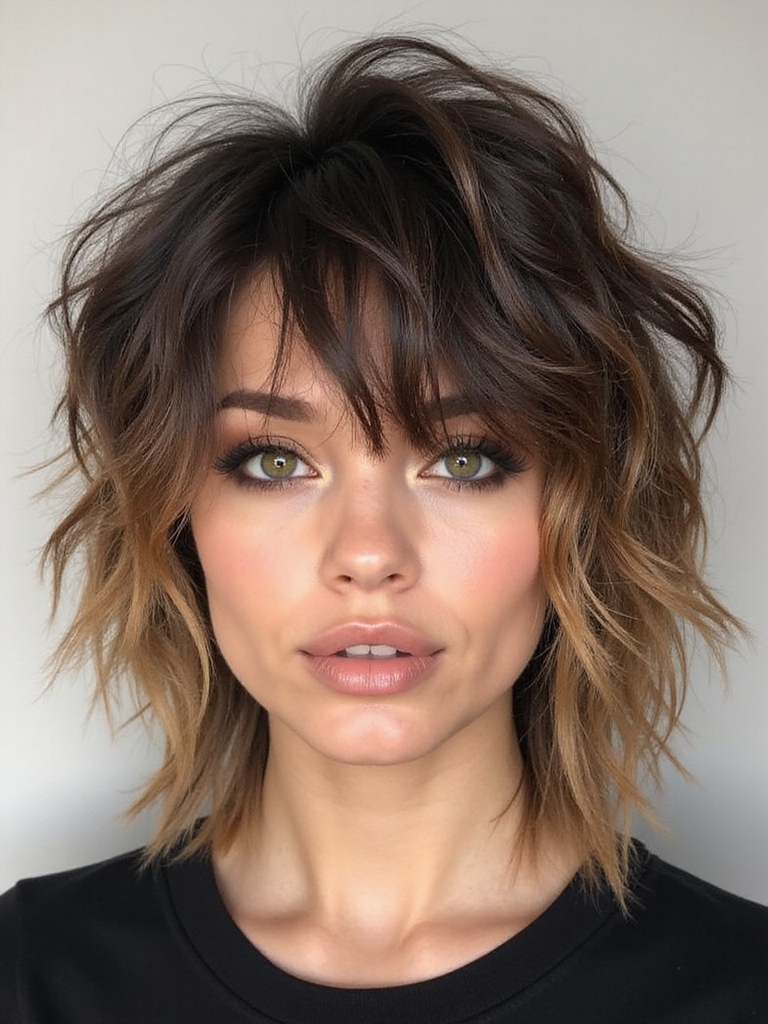
The shag mullet has shed most of its retro reputation and turned into a cut people actually request by name, mixing shaggy crown layers with extra length left at the nape. The disconnection between the two is what makes it look current, distinctly separate from the retro version it’s descended from.
- Keep the length difference subtle for a first attempt; going bolder at the next trim is easy
- Style the top with paste for lift and let the nape stay loose and piecey
- A hard, blunt line between the lengths reads dated fast; keep the transition soft
💡First-Timer’s Version
Ask specifically for a soft, blended disconnection between the crown and the nape. It reads modern rather than costume-y, and it’s a far easier length to walk back later if the mullet turns out to be a poor match for your life.
The Air-Dry Shag, Built for Zero-Effort Mornings
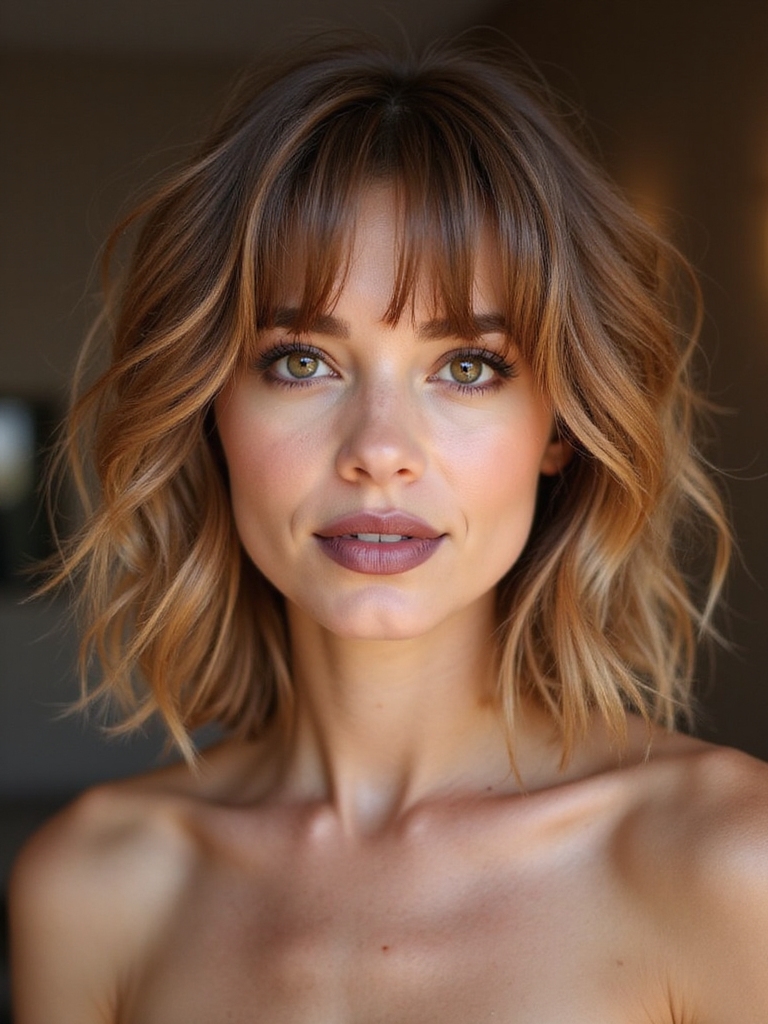
The most practical version on the whole list is cut specifically to fall into shape with no heat and barely any product. Mornings with zero time to spare are exactly what it’s built for.
- Scrunch a lightweight cream through damp hair and walk away; the layers handle the rest
- Let it dry completely untouched so the layers settle into their own pattern
- Wake it up on day two with a finger-tousle and a light mist of dry texture spray
Common Mistakes to Avoid
The most common mistake is bringing one photo instead of a folder. A single flattering shot on a stranger’s hair tells a stylist far less than four or five images of the same general shape, since the pattern across them shows what you’re actually drawn to.
The second is skipping the texture conversation. Fine hair, thick hair, and curls all need a different version of the same cut, and a stylist who doesn’t ask about yours is guessing. Say it before the scissors come out, while it can still change the plan, rather than mentioning it halfway through and hoping the cut can still be adjusted.
The third is underestimating trim frequency for choppier shapes. A wolf cut or shag mullet loses its disconnection faster than people expect, and skipping a trim by even a few weeks can leave the shape looking more grown-out than intentional.
Shag Questions Worth Sorting Out First
?Why does the same shag look completely different on my hair than it did in the photo?
Texture changes everything about how layers fall. A shag photographed on straight, fine hair reads soft and wispy; the same cut on thick, wavy, or curly hair reads bigger and more textured, since the layers have more to grab onto and more natural movement to work with once they’re cut.
?Is a shag a bad idea if I color-treat my hair often?
Not inherently, though heavily processed ends do better with a gentler point-cut than aggressive thinning shears. Mention your color history, including how recently you last lightened it, so your stylist adjusts the technique rather than the shape itself.
?Can I try a shag without committing to bold, choppy layers right away?
Yes. Ask for a soft, blended version first, closer to the mid-length or air-dry style than the wolf cut. Choppier texture is easy to add at your next visit; it’s much harder to undo in the other direction.
?Do all these versions need the same trim schedule?
No. The wolf cut and shag mullet, with their sharper disconnection, need attention sooner than the softer mid-length or curtain-bang versions. Budget closer to an hour in the chair for that precise recut, plan on around $70, priced like a standard cut rather than an add-on service.
The Shag Earns Its Hype in Real Life, Not Just the Photo
Every version here works the same way underneath: layers cut to move on their own, so daily styling stays close to a scrunch and an air-dry rather than a full production. The versions mainly differ in how much length and boldness you’re willing to trade for that ease.
Pick the one that matches your actual texture and your actual mornings, treating the photo you keep returning to as a starting point rather than a final answer, and the cut does the rest of the work for you.
Favorites to Revisit