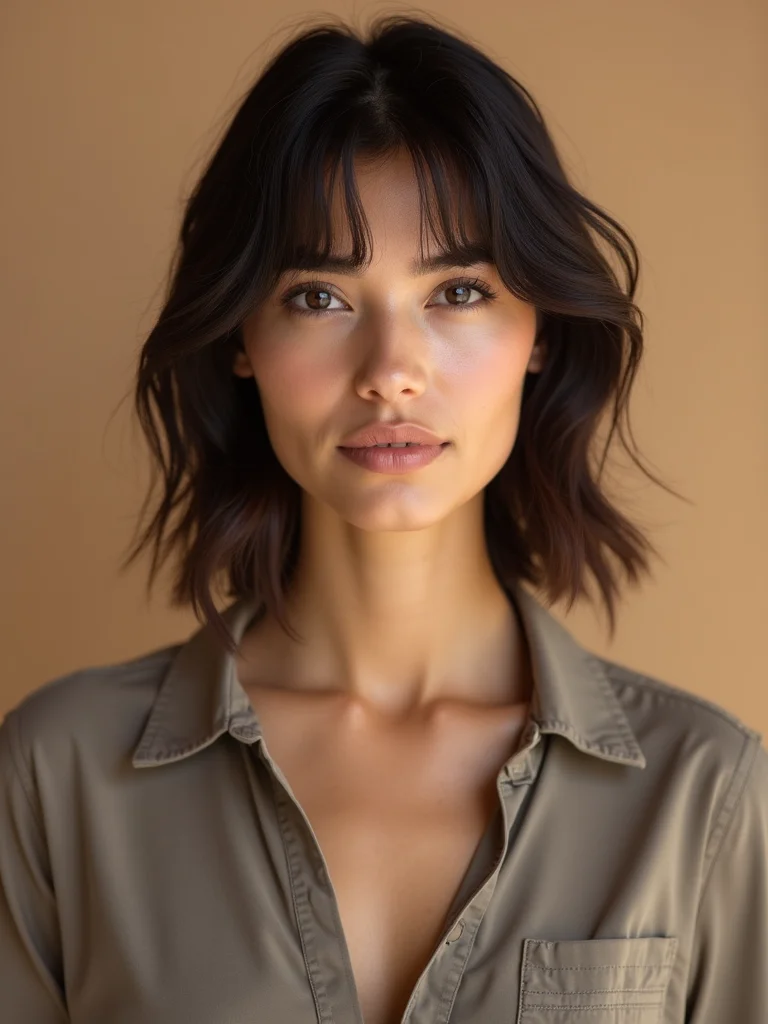
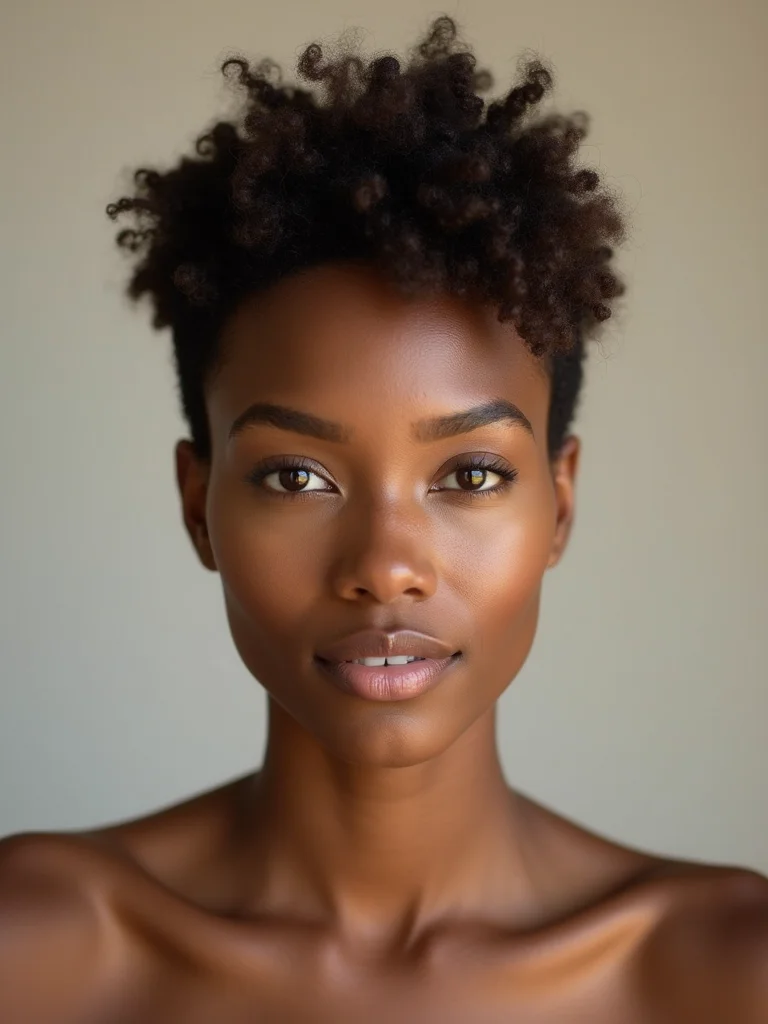
Short hair with the right layers looks nothing like short hair with none. Layering is what turns a basic crop into sixteen distinct personalities, from a barely-there pixie to a jaw-grazing bob with real body.
Modern short layered cuts lean toward texture over precision this season: soft, piecey shapes you can move your fingers through, styled loose and easy. Below are sixteen ways to wear the length, sorted by texture and face shape, along with how much daily effort each one actually takes.
First, the Basics
What actually separates these sixteen cuts from each other? Where the weight comes out, and how short the shortest layer sits. Pixies concentrate the shortest pieces up top; bobs and lobs keep more length at the perimeter and layer underneath it.
Does short hair need more upkeep than longer layered cuts? Usually, since the shortest pieces at the hairline grow out fastest and show it first. Plan on a shape-up sooner than you would for a longer cut.
Can any of these work on curly or coily hair? Several are built specifically for it. Curl-pattern cuts need to be shaped dry so the stylist can see exactly where the layers land once the curl springs up.
The Textured Choppy Pixie
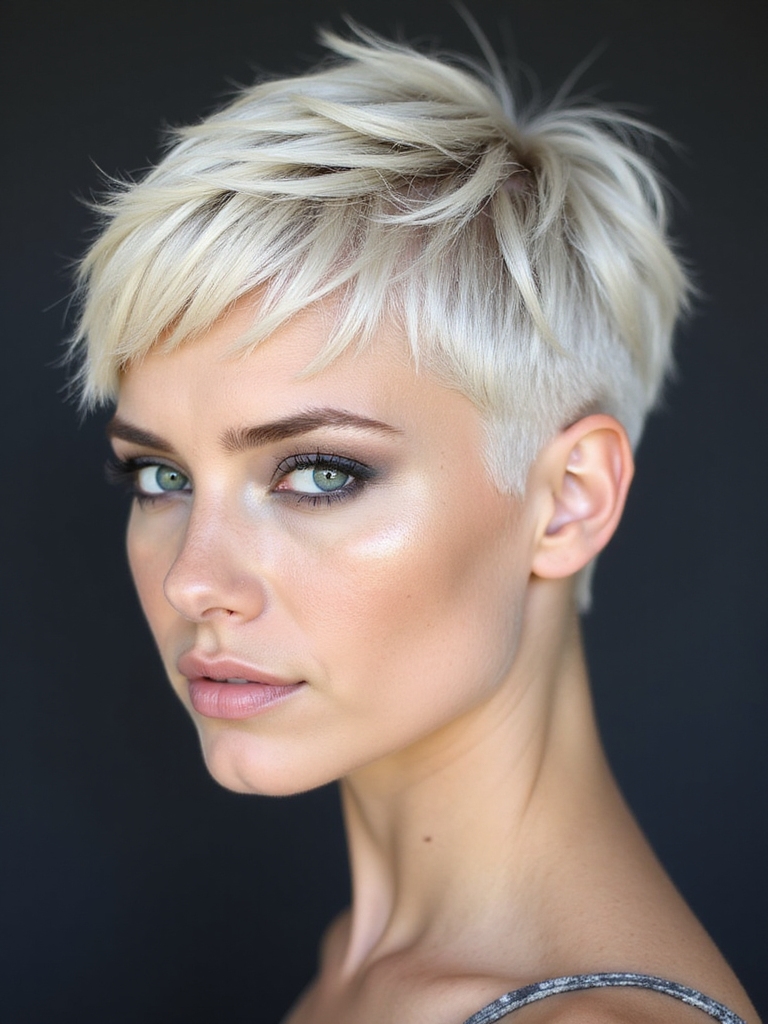
By the third week, the shortest pieces at the crown settle into a slightly softer version of day one, which is the point. Point-cut layers through the top and sides break up any solid block of hair, so the whole cut looks piecey, with none of the helmet-shaped bulk layering is meant to remove. Most mornings, a small amount of paste worked through dry hair brings the texture straight back without any real styling effort.
- Best on hair with at least some natural texture or wave.
- A matte paste defines individual pieces without shine.
- Shortest pieces concentrate at the crown, above the perimeter.
The Feathered Bob
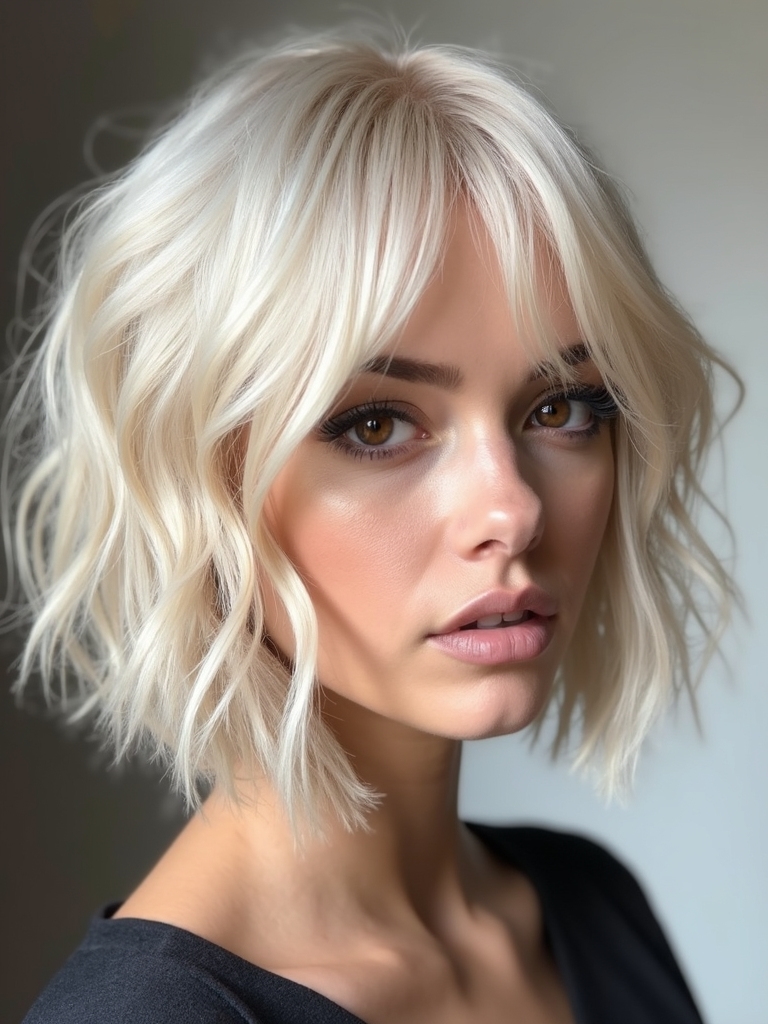
A feathered bob keeps the classic bob length but softens the ends with fine, feather-like layers in place of one blunt line. The result moves more, especially through a blowout.
A light fringe extends the feathering into the front, so the whole shape stays soft, well clear of anything severe.
- Works well on straight to slightly wavy hair.
- A round brush during blow-dry brings out the feathering.
- Grows out more gracefully than a blunt bob.
The Shaggy Crop
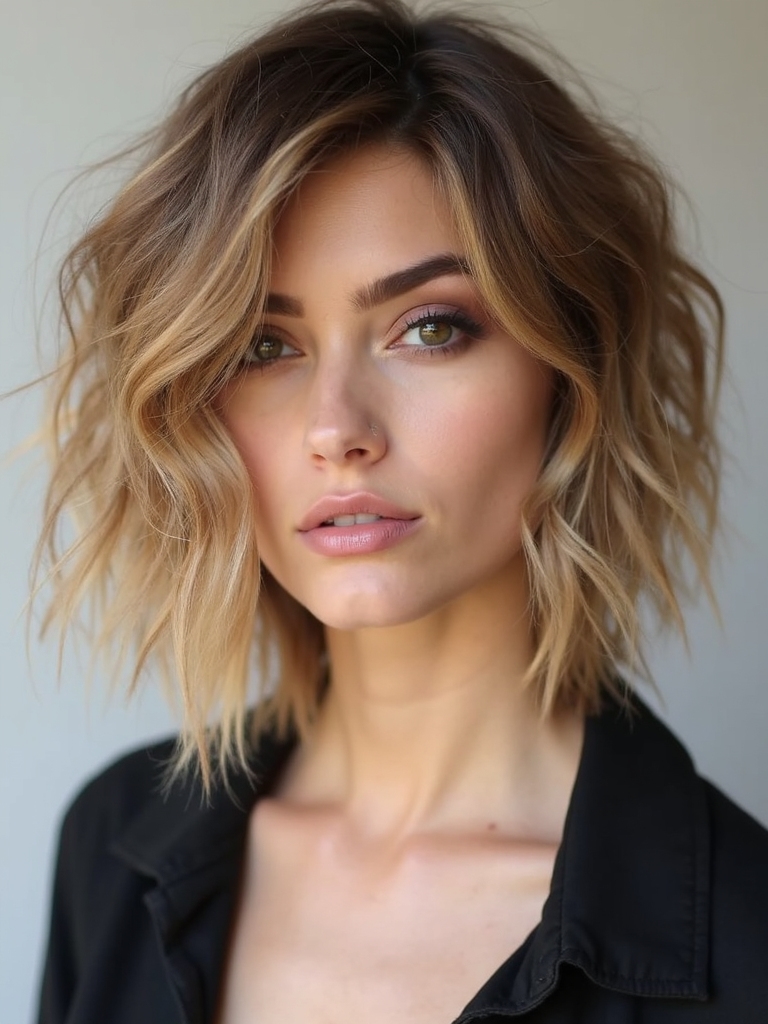
A shaggy crop takes the choppy-layer idea further: shorter, messier, with more texture concentrated on top. It suits anyone who liked the choppy pixie’s attitude but wants the whole shape trimmed down a size, crown volume included.
- Rough-dry with fingers, lifting at the root.
- Work a small amount of texture paste through the ends only.
- Skip the brush entirely; fingers keep the shag shape intact.
The Stacked Bob
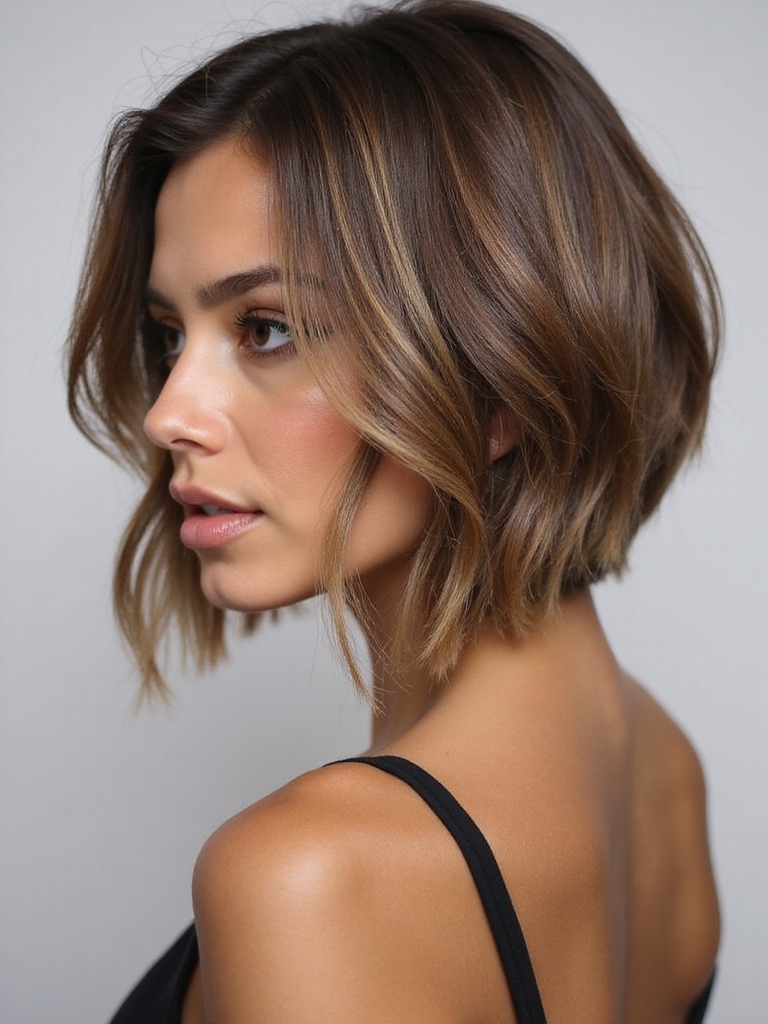
A stacked bob builds graduated layers into the back, so the crown sits higher and the perimeter tapers down toward the front. The effect adds volume at the back of the head with no extra length.
It’s a strong option for hair that goes flat at the nape, since the stacking does lifting work that fine, straight hair rarely manages on its own.
The Layered French Bob
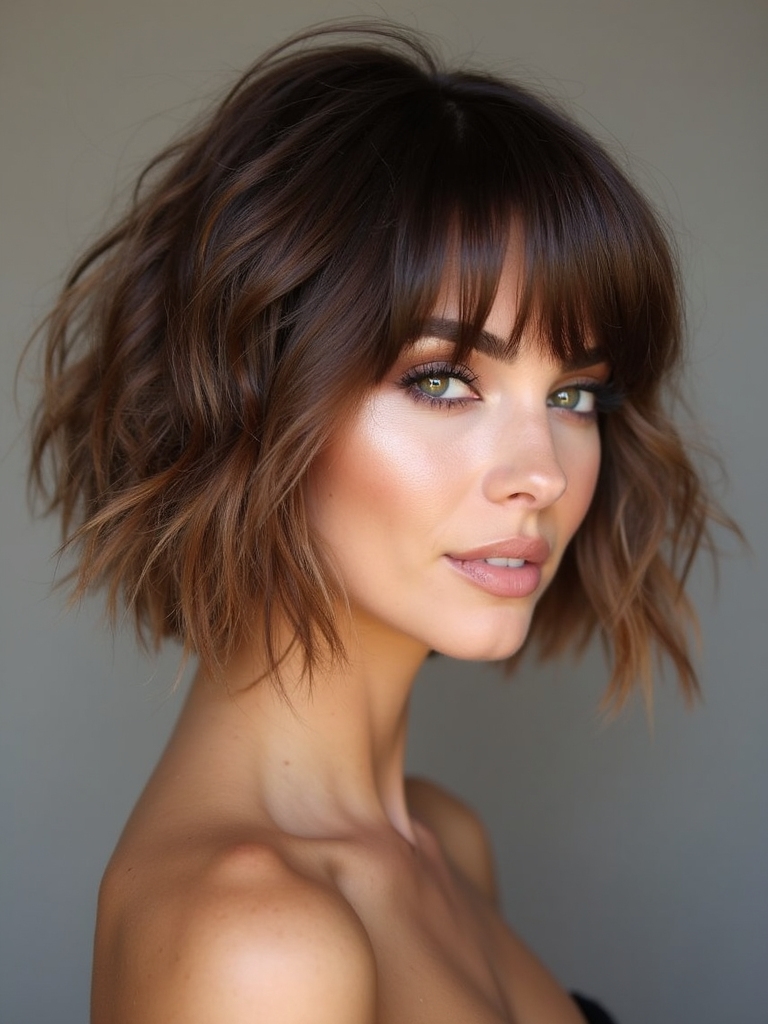
A French bob keeps the jaw-skimming length classic bobs are known for, but adds airy internal layers that let it move in place of sitting as one solid piece.
Those internal layers are cut short enough to add lift, but never so short that they poke out past the perimeter. That balance is the real difficulty of this cut, and it’s worth finding a stylist who’s cut several before.
A texturizing spray on damp hair, followed by an air-dry, usually covers the whole daily routine.
The Curly Layered Pixie
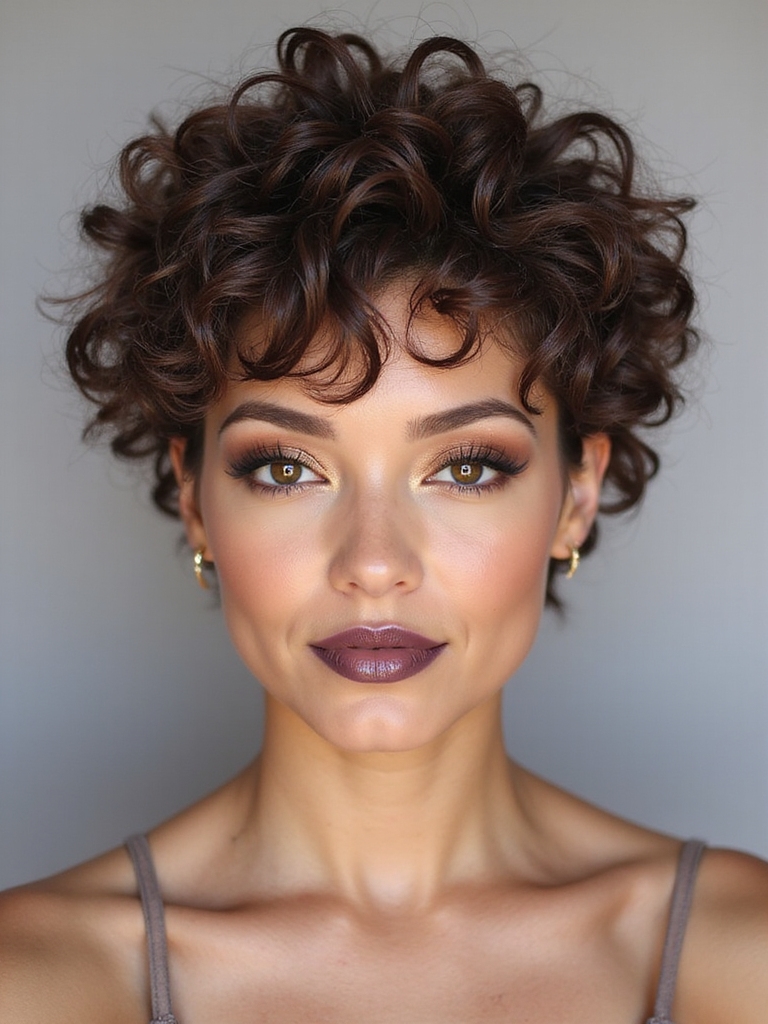
On curly hair, a layered pixie behaves completely differently than the same cut on straight hair. Each curl gets its own space to spring, in place of competing with its neighbors for room in one dense shape.
Why Dry-Cutting Matters Here
This one has to be shaped dry, one curl at a time. Curls contract once fully dry, and a cut made on wet hair can come out shorter than planned once it springs back up.
A curl cream worked through damp hair defines the shape without weighing the shortest curls down.
The Wavy Lob
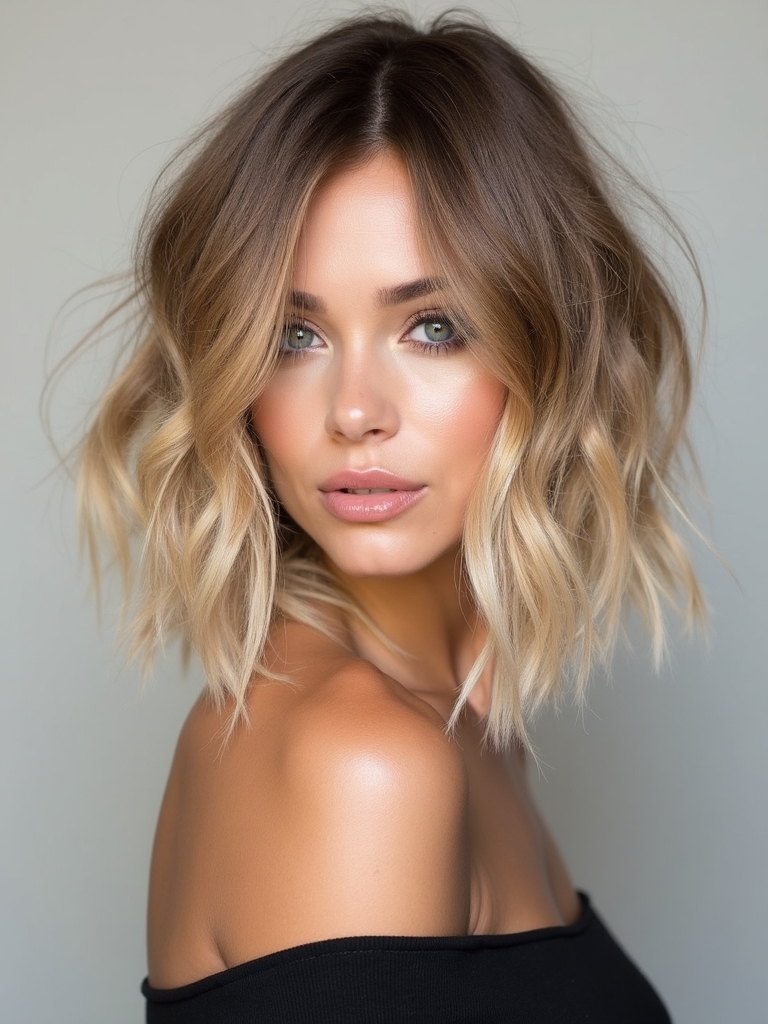
A wavy lob keeps length at the collarbone while layering enough movement into the mid-lengths to let natural wave show in place of hanging flat.
It sits at the longer end of what still counts as short and layered, which makes it an easy bridge cut for anyone unsure about going shorter yet.
“I ask clients moving from long hair straight to a pixie to try a lob first. It’s a lower-commitment way to test how much you actually like short hair before there’s no length left to grow back into.”
A Razor-Cut Short Shag
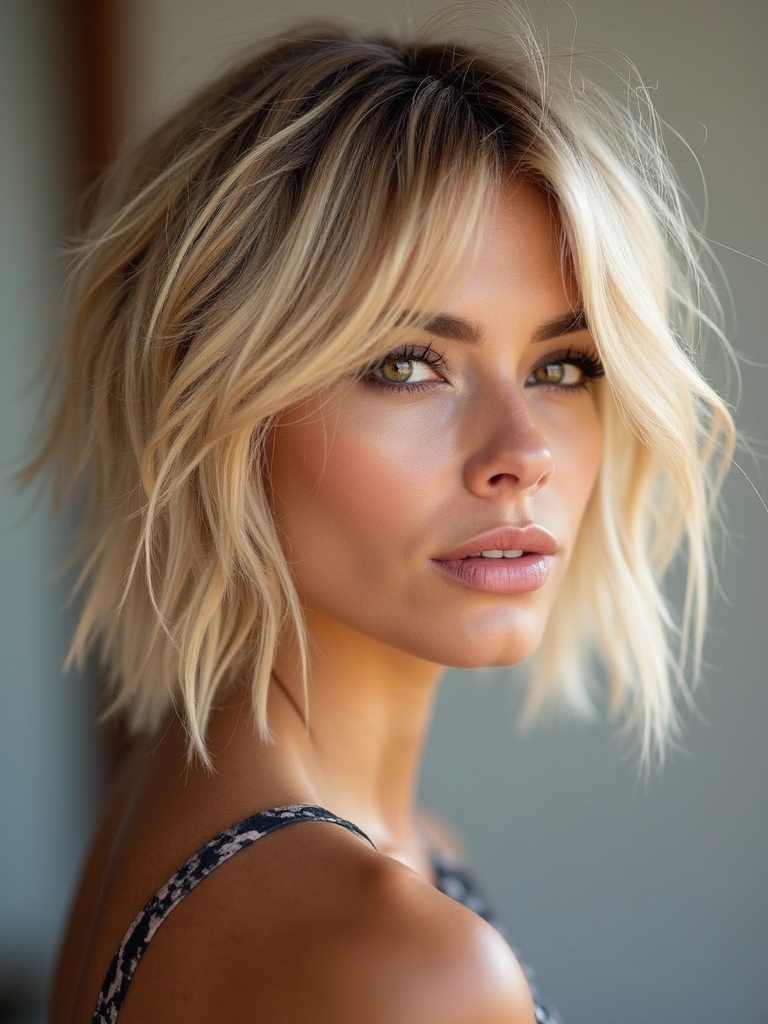
Razoring the ends of a short shag adds texture a scissor alone can’t quite reach, feathering everything into fine, weightless pieces.
Not Every Hair Type Should Book This
The trade-off is durability. Fine, fragile, or color-treated strands can fray under a razor instead of feathering cleanly, since the blade lifts the cuticle as it passes through.
On resilient, medium-density hair, the result is airier than a scissor-only shag usually achieves.
The Asymmetrical Bob
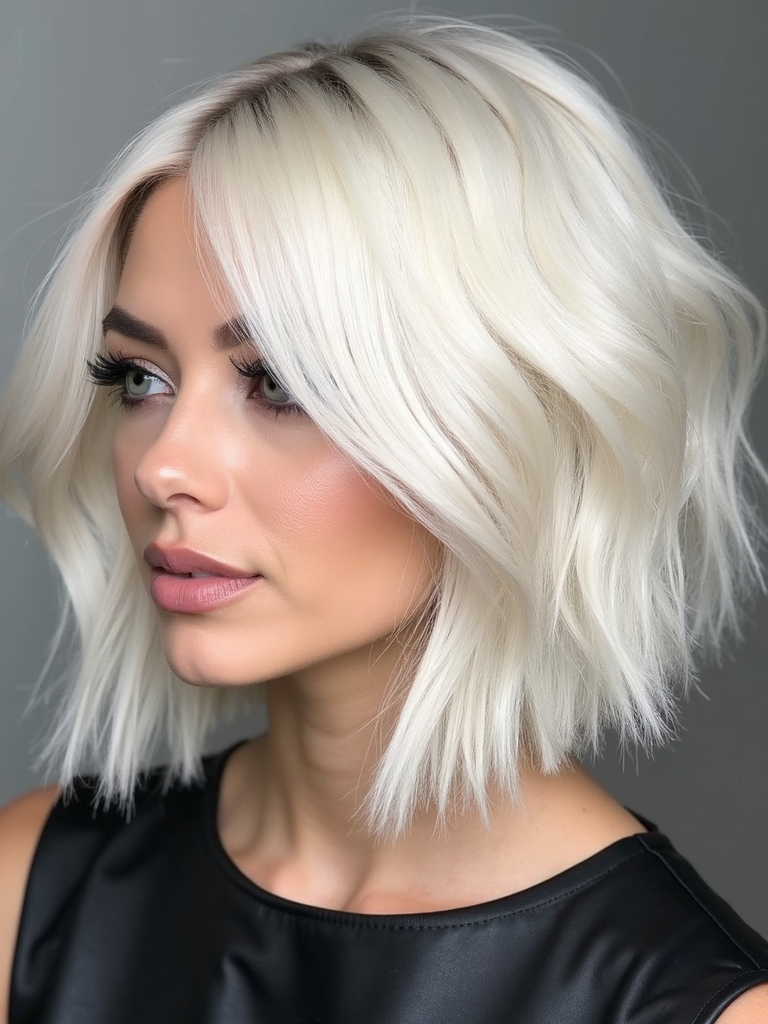
An asymmetrical bob keeps one side noticeably longer than the other, usually with the shorter side landing above the jaw and the longer side grazing it or falling past it.
The layering underneath both sides has to match in weight even though the lengths don’t. Get that wrong, and the shorter side ends up looking thinner by comparison.
- Best styled with a deep side part to emphasize the length difference.
- A flat iron on the shorter side keeps the edge crisp.
- Ask specifically for balanced internal layering on both sides.
The Short Wolf Cut
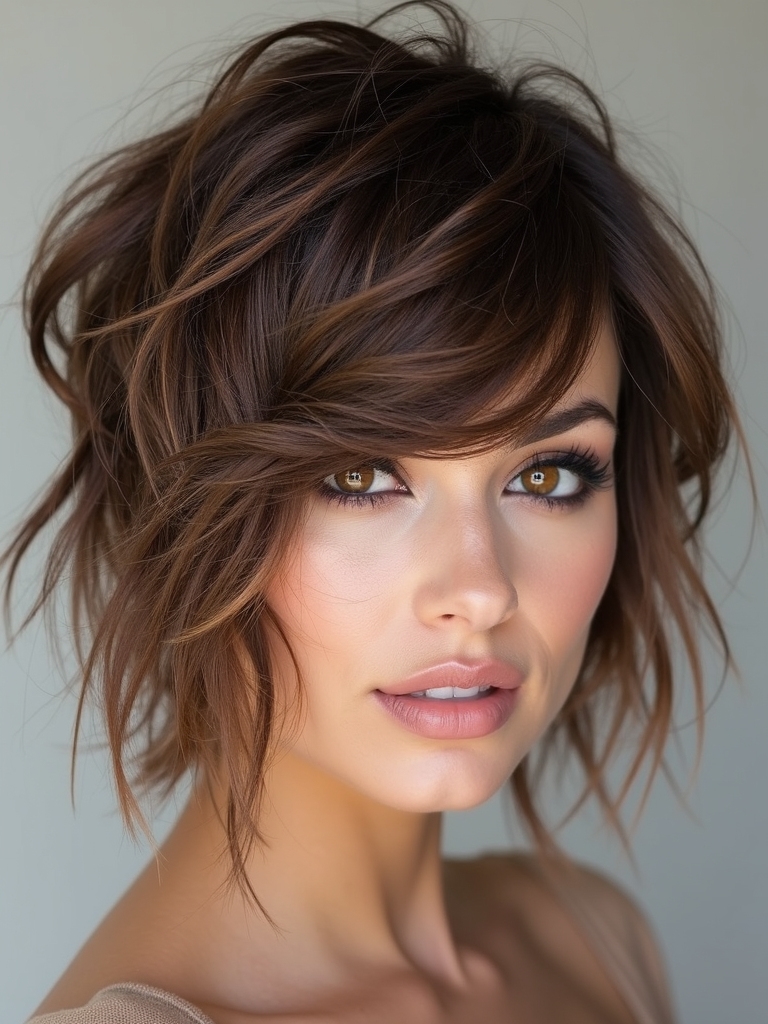
A short wolf cut compresses the usual wolf-cut formula, heavy crown volume plus choppy, disconnected layers, into a length that barely reaches the jaw. Losing the length doesn’t tone down the attitude; if anything, the crown volume looks even bigger against a shorter perimeter.
- Rough-dry upside down to build crown height first.
- Rake a small amount of texture paste through just the ends.
- Expect more daily styling than the softer cuts on this list.
The Pixie-Bob Hybrid
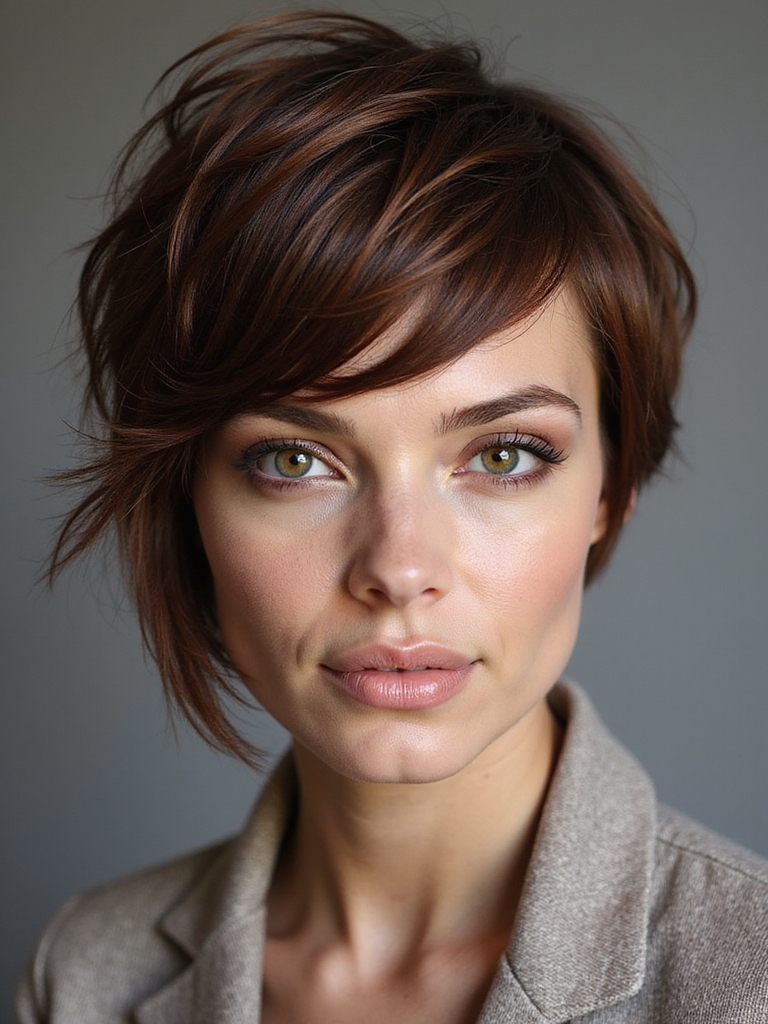
A pixie-bob hybrid keeps a bob’s length at the back and sides while cutting the top into shorter, pixie-length layers that lift at the crown. It’s the middle ground for anyone torn between the two cuts, since it borrows the volume of one and the length of the other.
- Best for anyone who wants pixie volume without a full pixie commitment.
- The longer perimeter still allows for a small ponytail on bad-hair days.
- Needs regular shape-ups to keep the two lengths from blending into one.
👍Pixie-Bob: Worth It
- +More volume at the crown than a straight bob
- +Still enough length in back for basic updos
- +Flatters a wider range of face shapes than a full pixie
👎Pixie-Bob: Know First
- –Needs more frequent trims than either cut alone
- –Two lengths growing at different rates can look uneven
- –Takes a stylist comfortable blending two different cut lengths
The Micro Bob
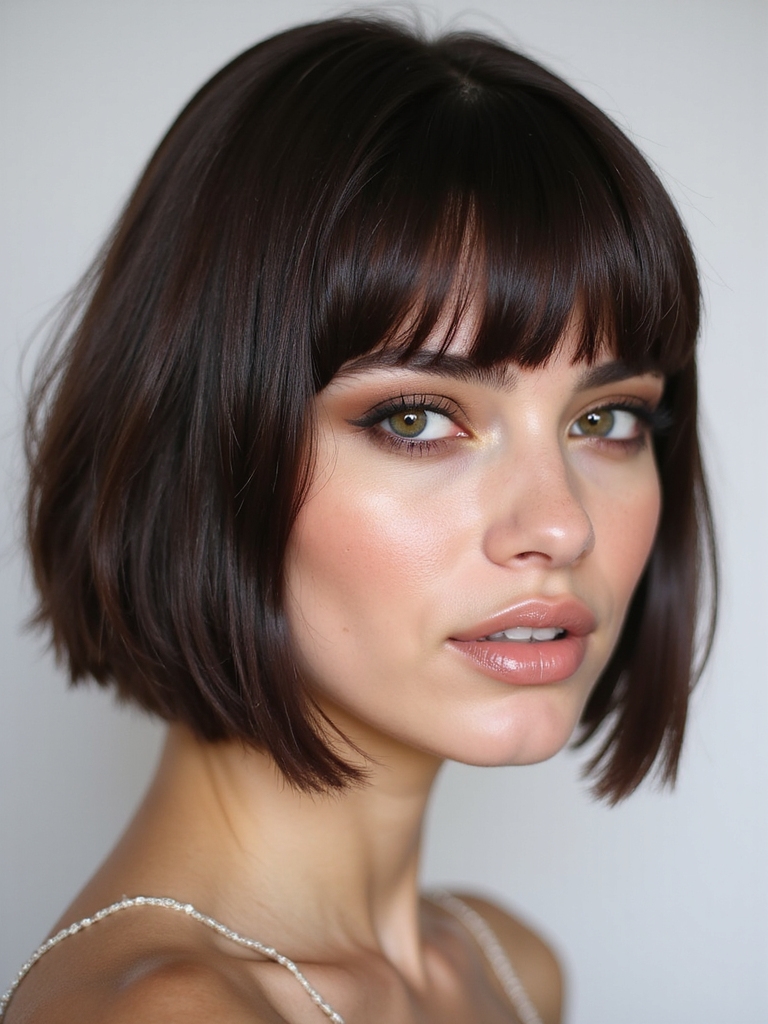
A micro bob sits just below the ear, shorter than a classic bob, with subtle internal layers keeping it from looking like one solid block.
- Best on straight to slightly wavy hair that holds a shape well.
- A flat iron on the ends keeps the line crisp.
- The shortest cut on this list, and the one that asks for the most commitment.
A Side-Swept Feathered Pixie
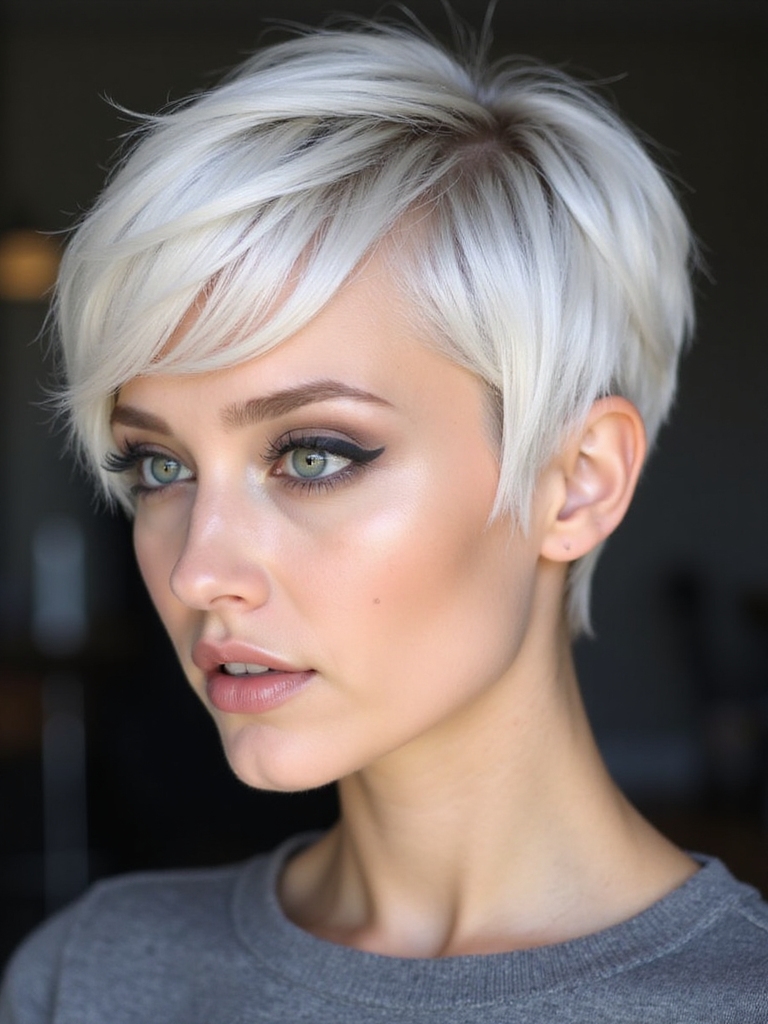
A side-swept pixie takes the classic short crop and adds a longer, feathered section that sweeps across the forehead in place of a straight-across fringe.
That sweep softens a pixie’s usual sharp edges, which is why this is the version worth showing anyone nervous about going that short for the first time.
A dab of pomade on dry hair keeps the swept section in place without looking wet or stiff.
| Priority | Best Match | Skip |
|---|---|---|
| Lowest daily effort | Textured Choppy Pixie or Short Wolf Cut | Micro Bob, which needs precise re-styling |
| Longest stretch before a trim | Wavy Lob or Pixie-Bob Hybrid | Micro Bob or Textured Choppy Pixie |
| Most volume, least length lost | Stacked Bob or Tapered-Nape Bob | French Bob, built for airiness rather than height |
The Tapered-Nape Bob
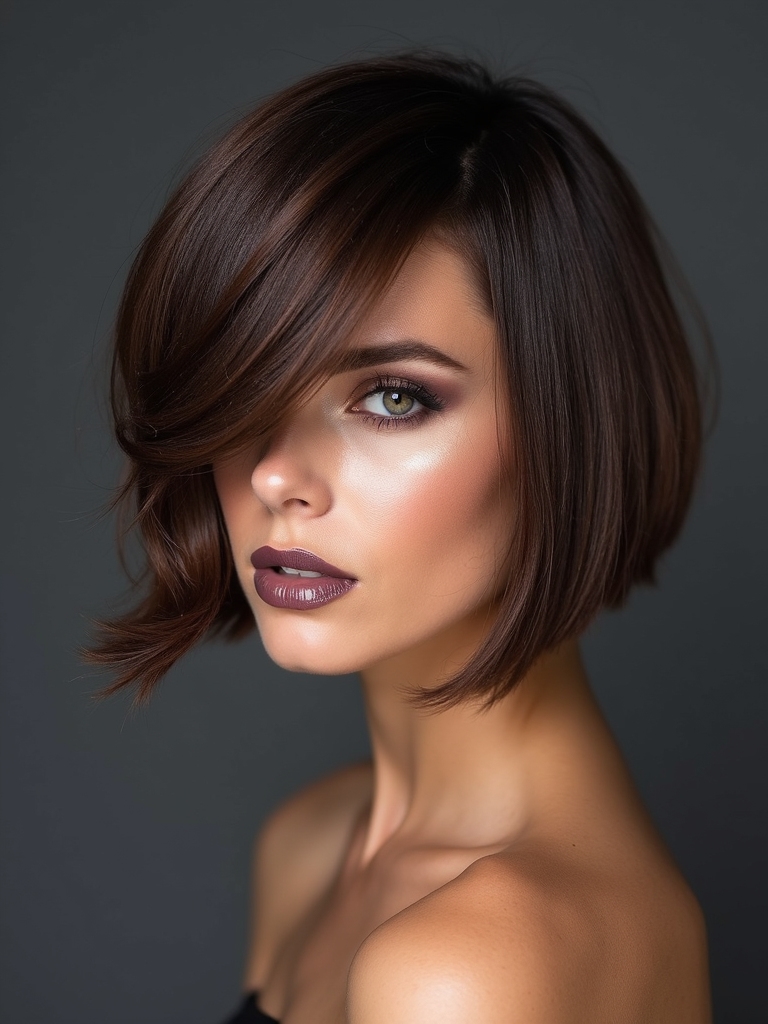
A tapered-nape bob cuts hair close at the back of the neck and lets it build gradually longer toward the front, adding visible volume through the crown without extra length anywhere.
Where the Volume Actually Comes From
It looks more polished than a stacked bob and suits straight to smooth wavy hair best, since the taper needs a clean surface underneath to actually show.
A round brush during blow-dry rolls the ends under for the cleanest version of this shape.
A Layered Crop for Fine Hair
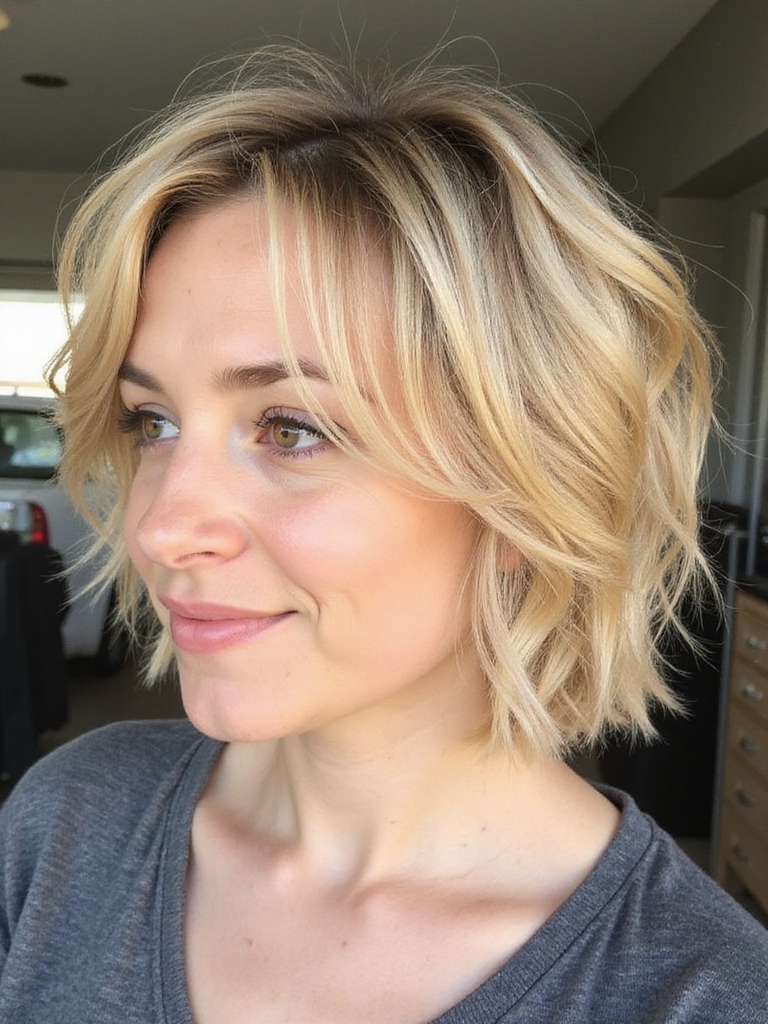
Fine hair loses volume fast at longer lengths, and a layered crop is often the fix. Shorter layers concentrated at the crown fake density the hair doesn’t naturally have.
The One Cutting Mistake to Avoid on Fine Hair
The perimeter should stay close to solid rather than heavily thinned. Over-layering fine hair just makes it look sparse, not textured.
A root-lifting mousse on damp hair, dried upside down, does most of the volume-building work before any product touches the ends.
Skip Heavy Thinning Shears
Thinning shears used too aggressively on fine hair remove strands rather than bulk, leaving see-through patches at the root. Ask for layers cut with scissors or a light razor instead, and be specific that your hair is fine.
Short Layers for Coily Hair
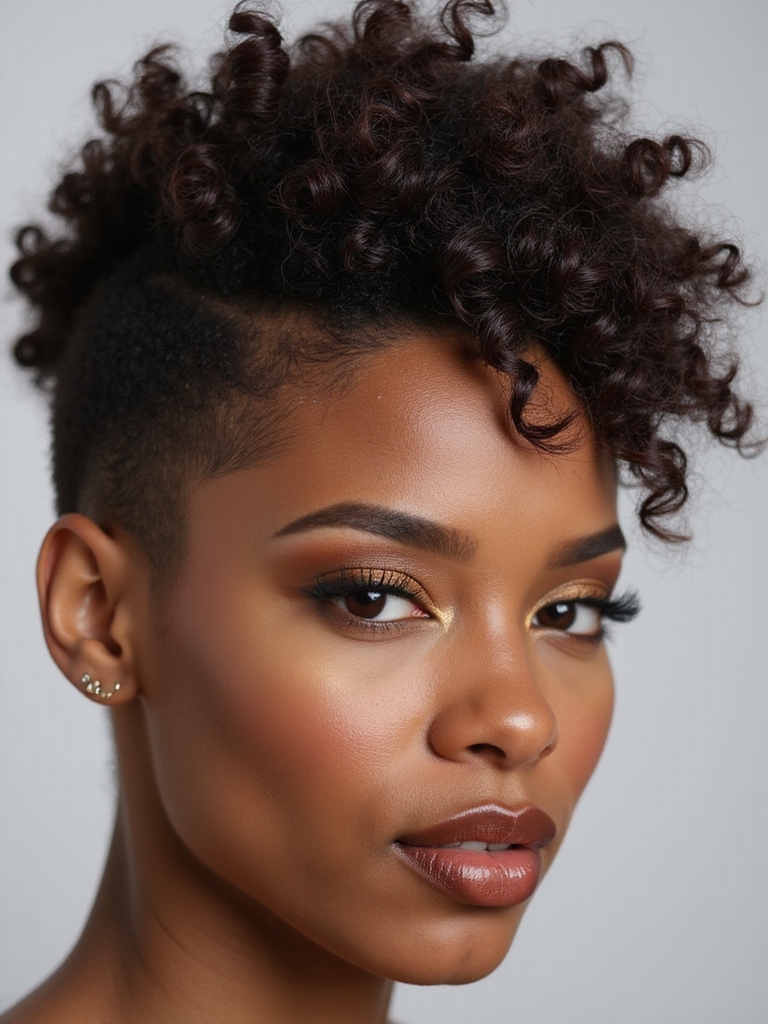
Coily hair needs the scissors working while it’s fully dry and already shrunken to its resting length; skip that step and the stylist is guessing at where the layers will actually land.
Cut Dry, at the Actual Shrunken Length
Done well, the layers let each coil spring into its own defined shape, breaking up what would otherwise merge into one dense, rounded silhouette.
A curl-defining cream on freshly washed hair, scrunched in rather than raked through, keeps the definition without disturbing the coil pattern.
Common Mistakes to Avoid
The most common misstep is bringing a photo of a cut without mentioning your actual hair type. A pixie that looks weightless on fine, straight hair behaves completely differently on coily or very thick hair, and a stylist needs that information going into the first cut.
The second mistake is over-washing. Short, layered cuts rely on a little natural texture to hold their shape, and daily shampooing strips exactly that. Stretching washes to every second or third day, with a texturizing spray in between, keeps the layers doing their job.
Budget for upkeep too. Short layered cuts show grow-out faster than long ones, so plan on around $55 for a basic shape-up, with a return visit roughly every five weeks to keep the shortest pieces from losing their line.
Modern Short Layered Haircuts, Answered
?How do I know if my face shape can handle a really short pixie?
Almost any face shape can, since a pixie’s layering is what does the flattering, not the shape of the perimeter. A longer, side-swept front section is the easiest adjustment for rounder or fuller faces specifically.
?Will a short layered cut work if my hair is thick and coarse?
Yes, and layering is often more necessary on thick hair than on fine hair, since thick hair needs somewhere for the extra bulk to go. Interior layers, not just perimeter thinning, are what remove that bulk properly.
?Can I still put short layered hair in a small ponytail or clip?
Anything from a lob or pixie-bob hybrid up can usually gather into a small, low ponytail once it’s grown out even slightly. A true pixie or micro bob generally can’t until it’s grown past the chin.
Sixteen Ways to Go Shorter
What ties these sixteen cuts together isn’t length. Every one of them uses layering to solve a specific problem: volume, texture, curl definition, or a graceful way to grow out something longer.
Save whichever one solves your specific problem. At the appointment, describe how your hair actually dries before showing the photo; that detail shapes the cut more than the picture does.
More Ideas Here