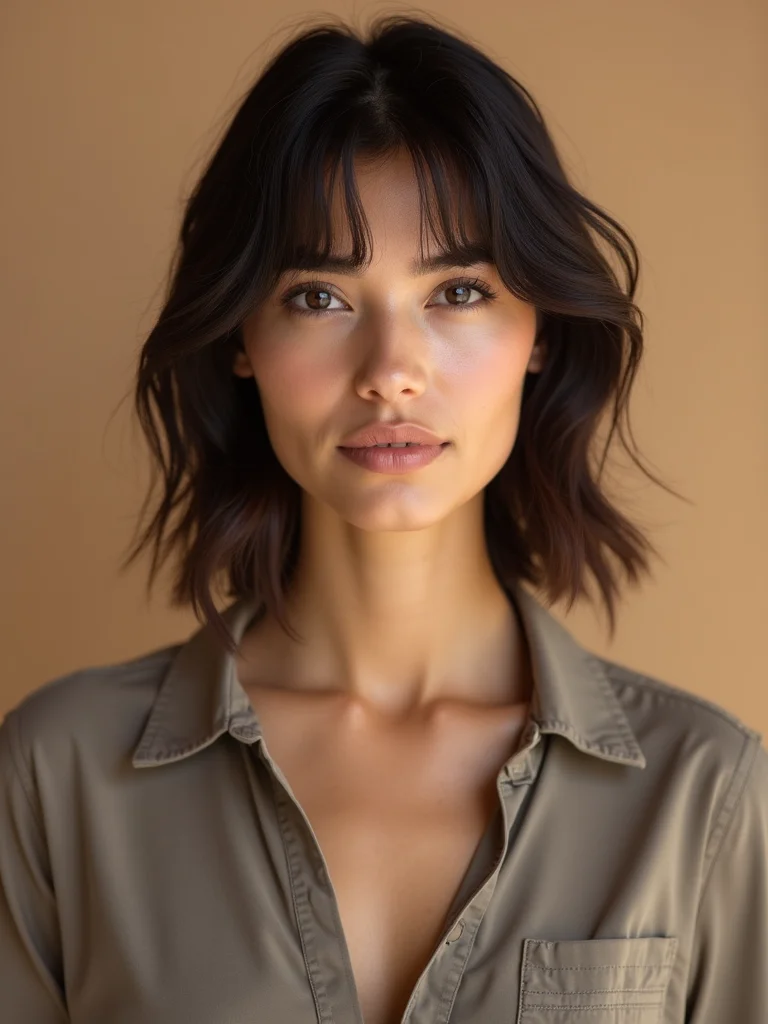
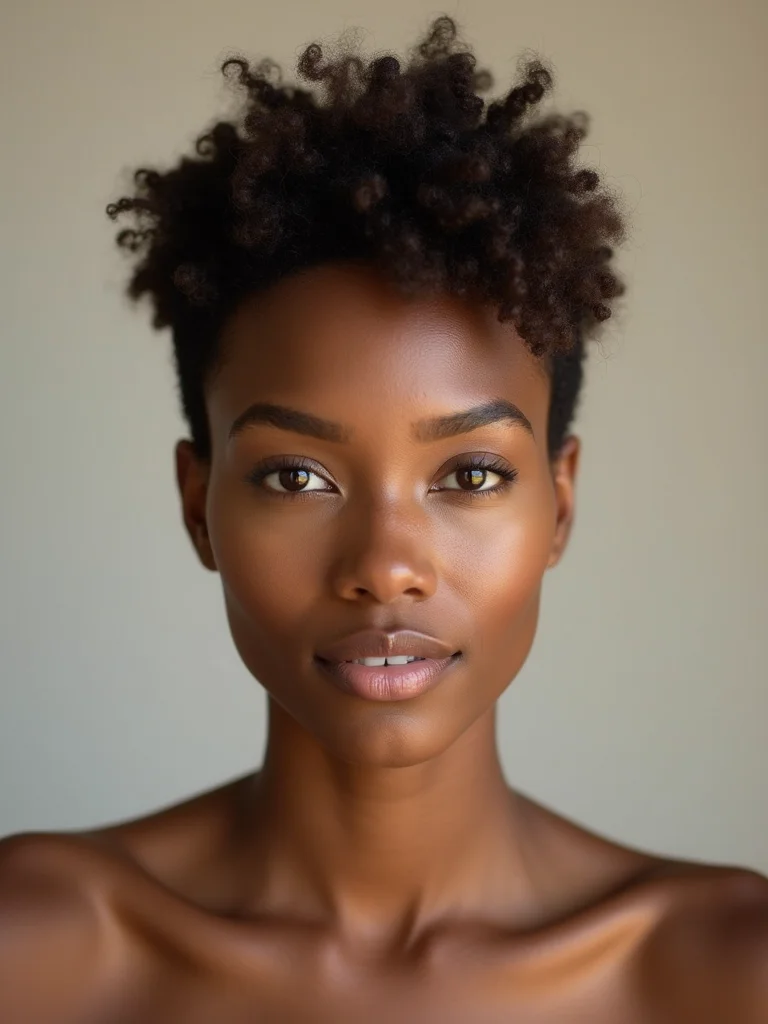
Among layered bob hairstyles, the good ones share one trait: tip your head forward, then back up, and the hair keeps moving for a beat after it stops. A one-length bob just sits there. That difference comes entirely from where weight gets removed inside the cut, a structural decision made long before any product or blow-dry technique enters the picture.
Sixteen ways that mechanic plays out follow below, organized by what the layers are actually doing for a specific texture or shape, along with the trim schedule and upkeep each one truly asks for.
What the Layers Are Actually Doing
- Layers remove weight from inside the cut, which is what lets a bob lift and swing rather than sit flat.
- Fine hair wants only a little weight removed, high up; thick hair wants more of it removed, from deeper inside.
- Curly hair needs the removal done on dry, unstretched hair, or the finished shape lands shorter and bulkier than planned.
- Shapes that stack the most weight at the crown, like an asymmetrical or stacked bob, trade a shorter trim cycle for that extra lift.
The Classic Jaw-Length Layered Bob
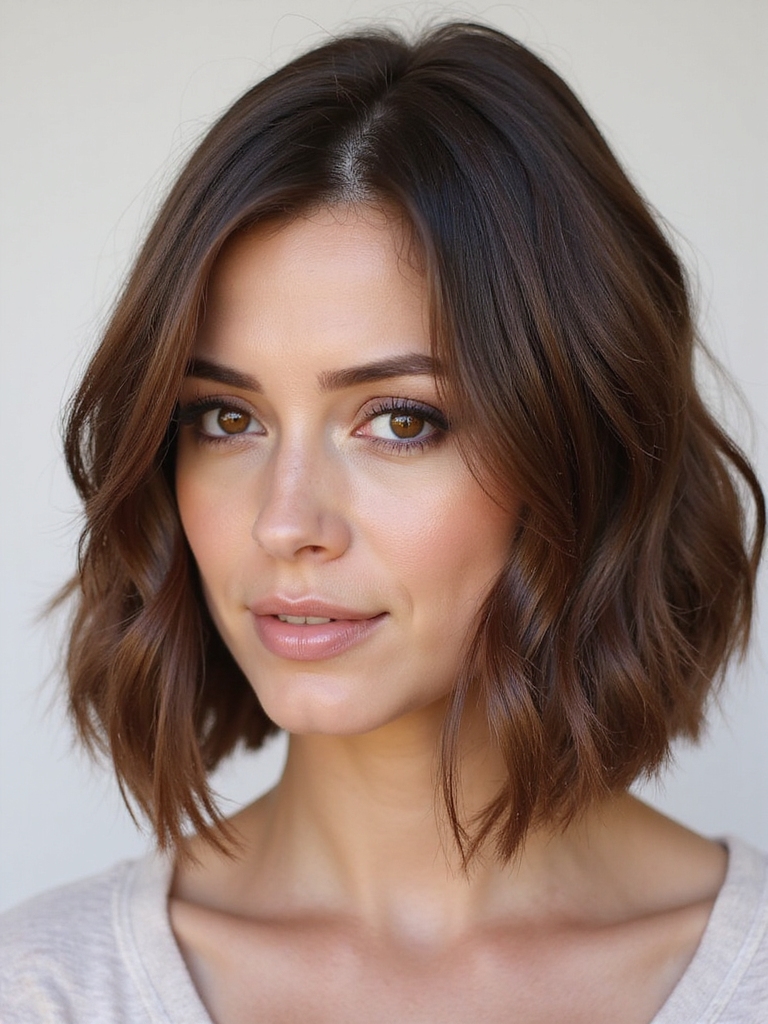
Landing at the jaw, this version threads soft, graduated layers through the mid-lengths so the perimeter stays neat while the hair underneath does the actual moving. It’s a dependable starting point precisely because it asks so little of any particular texture.
- The perimeter holds a clean shape while the interior carries the movement.
- Suits nearly every hair type without heavy modification.
- A trim roughly every seven to eight weeks, around $65 at most salons, keeps the line crisp.
Choppy Layers for Visible Texture
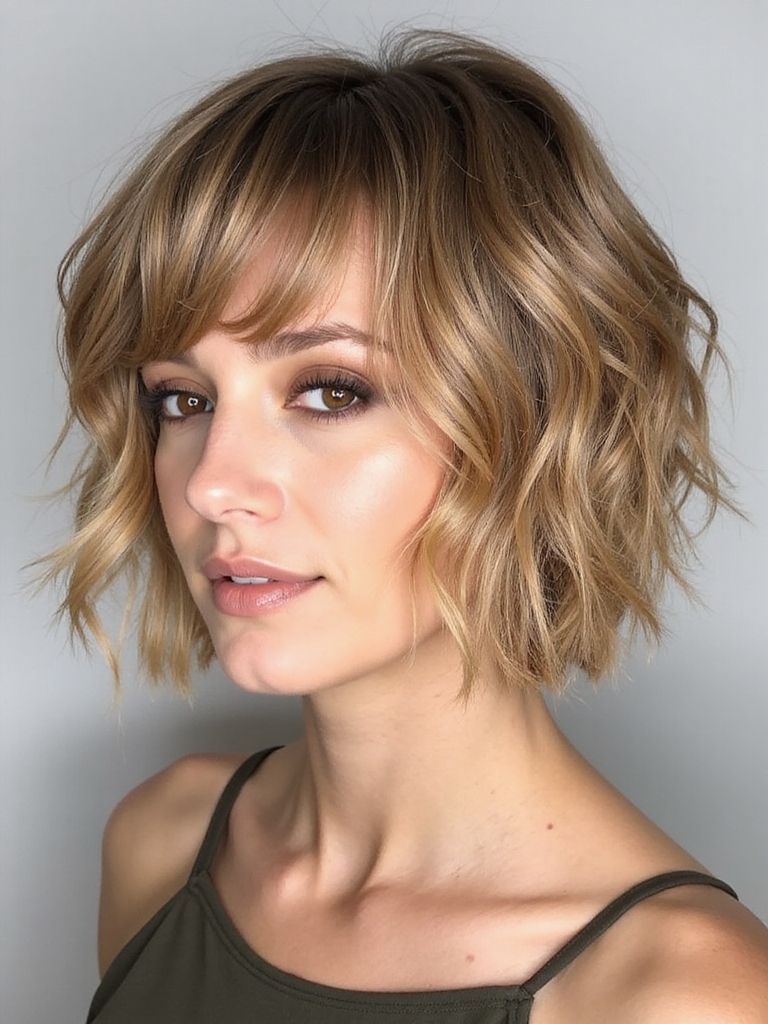
Cut with deliberate separation, choppy layers leave the ends piecey and textured, trading polish for texture you can actually see and feel. Where a sleek cut punishes a rushed morning, this one barely notices.
- Best on medium-to-coarse density, where the separation reads clearly.
- A texturizing paste worked into dry ends is the entire routine.
- Forgives a grown-out stage better than almost any other layered shape.
Trying to picture which layering approach fits your hair? Start here:
1My hair is fine and goes flat by midday.
Look at the fine-hair or stacked-crown versions. Both concentrate lift exactly where fine hair needs it most.
2My hair is thick and feels heavy no matter the cut.
The above-shoulder, internally layered version removes bulk from the inside without shortening the visible length.
Face-Framing Layers Around the Cheekbones
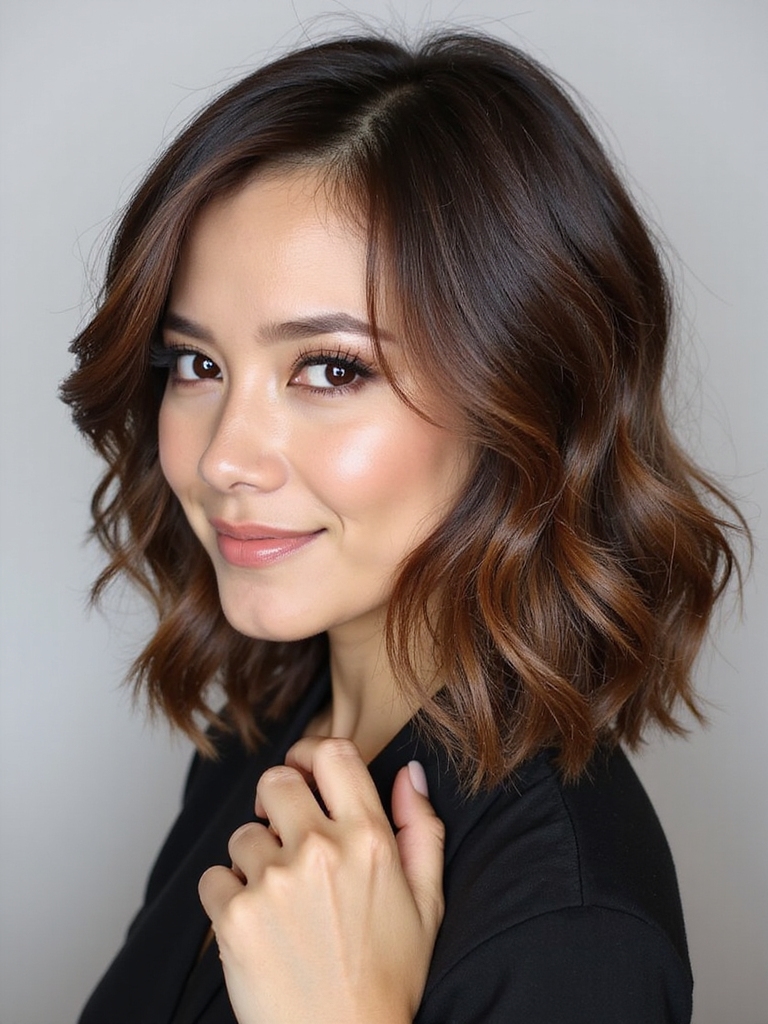
Starting short near the cheekbones and lengthening as they travel back, these layers sweep the front of the face like a soft curtain, concentrated specifically where framing matters most.
The effect comes from where the eye gets pulled: up toward the cheekbones and along the jaw, which reads as length on a rounder face and softness against a stronger jawline.
Because the shaping stays confined to the front, everything behind it can stay simple, blunt or lightly layered, without losing any of this section’s flattering effect.
Stacking Layers for Crown Lift
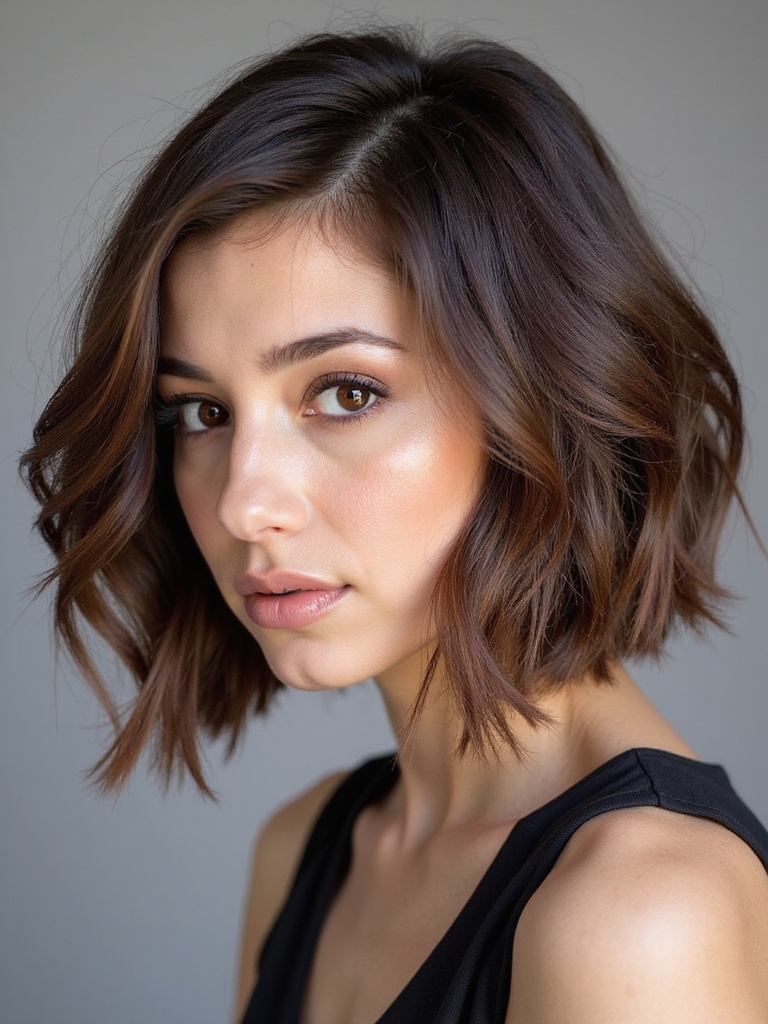
Short, graduated layers stacked tight at the back round out the crown and push volume noticeably higher, which is exactly the fix for hair that’s always gone flat right at the root.
Where this struggles is speed of grow-out: that short, stacked nape blurs faster than a longer, softer layer would, pulling the trim schedule in tighter than most other versions here.
- Delivers the most crown height of any shape in this range.
- Best suited to fine or naturally flat hair at the root.
- Needs a shaping visit closer to every four to five weeks to hold the line.
🅰️Classic and Jaw-Length
Soft, dependable movement that suits nearly any texture with the least daily effort.
🅱️Stacked and Crown-Lifted
Real height where hair falls flattest, at the cost of a noticeably shorter trim cycle.
The Collarbone Lob, Kept Light
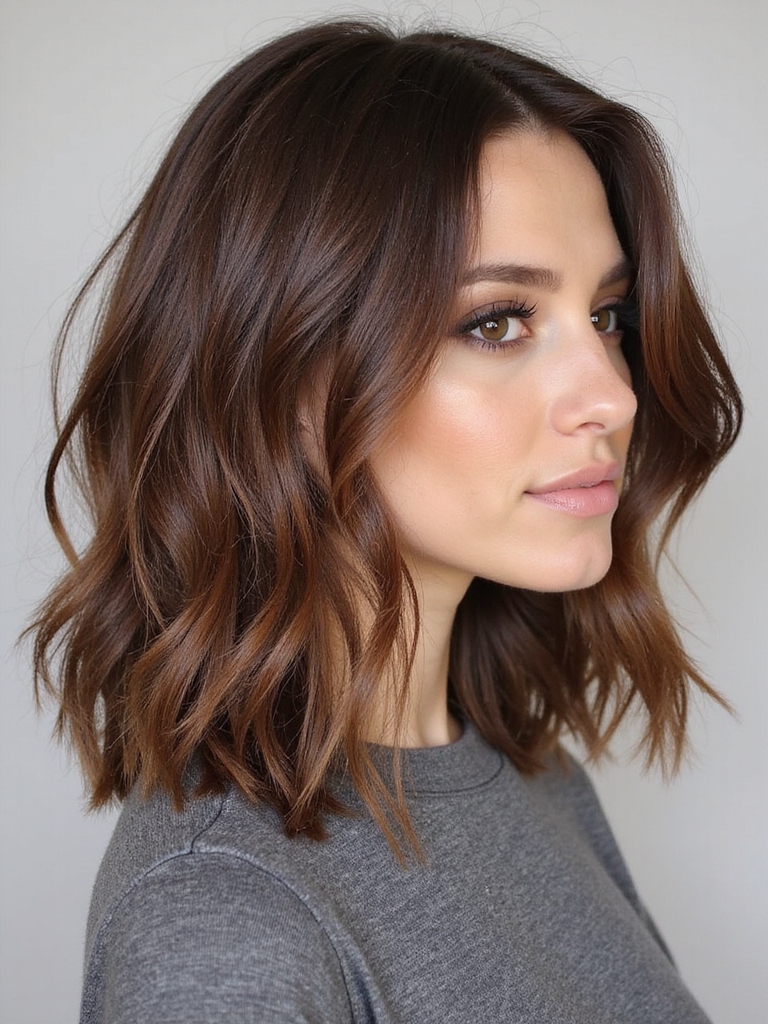
Grazing the collarbone, this longer version runs layers through the full length for soft, swishy movement spread evenly from root to end.
It’s the length that asks the least in exchange for the most range: long enough to gather into a low pony on a rushed morning, short enough to still feel like a real change from long hair.
- Keeps weight out of the ends so the length never sits in one solid block.
- Works across nearly every face shape and hair texture.
- Air-dries reasonably well thanks to the layering already built in.
Shaggy Layers for Undone Volume

Layered heavily throughout and finished with piecey, face-framing ends, the shaggy bob borrows its whole attitude from decades of rock-inspired shag cuts.
Matching the Layering to the Texture
The heavier the layering, the more body and movement the shape builds on its own, and the look actually improves the more relaxed it’s worn.
How much layering a specific head actually needs depends entirely on texture, which is worth sorting out with a stylist before committing to the density of the cut.
Curly Hair, Cut for the Pattern
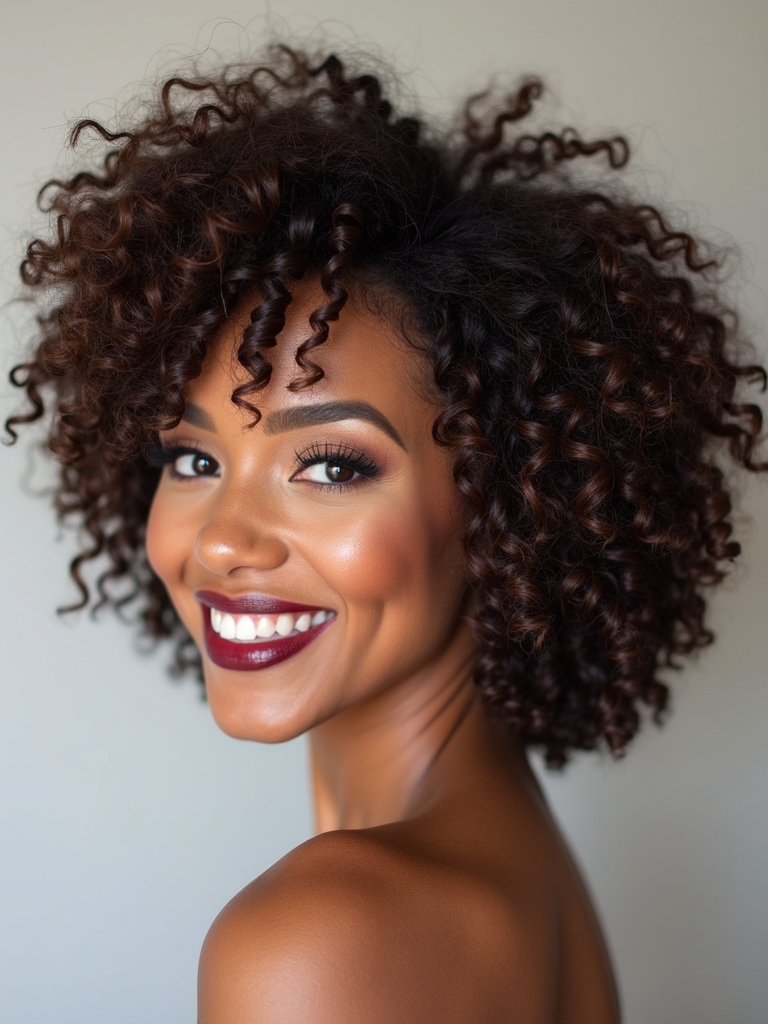
On curls, layers do structural work: removing internal weight is what stops the hair from piling into a heavy triangle shape as it dries.
Why Dry Cutting Isn’t Optional Here
The catch is real, though. A curly bob has to be shaped on dry, unstretched hair, with each curl trimmed exactly where it settles once it springs back up.
Skip that step and the risk is concrete: hair that dries noticeably shorter and bulkier than intended, with no way to undo it until it grows back out.
Wavy Layers for Beachy Movement
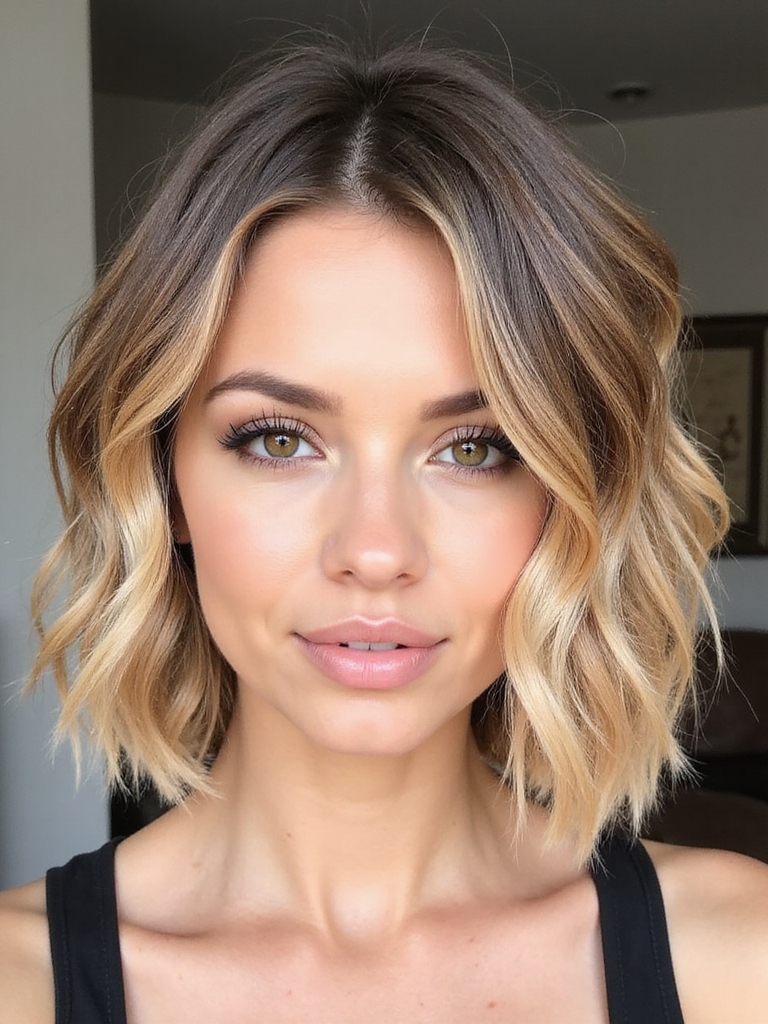
Layering and natural waves pair easily, since the layering gives each wave somewhere to bend and settle on its own.
- A light salt spray through damp mid-lengths is usually the entire routine.
- A loose wand-set with the ends left out keeps the finish soft.
- Waves dropping by afternoon usually means the layering itself is too heavy for the texture, a cut fix more than a product one.
Fine Hair, Kept Full
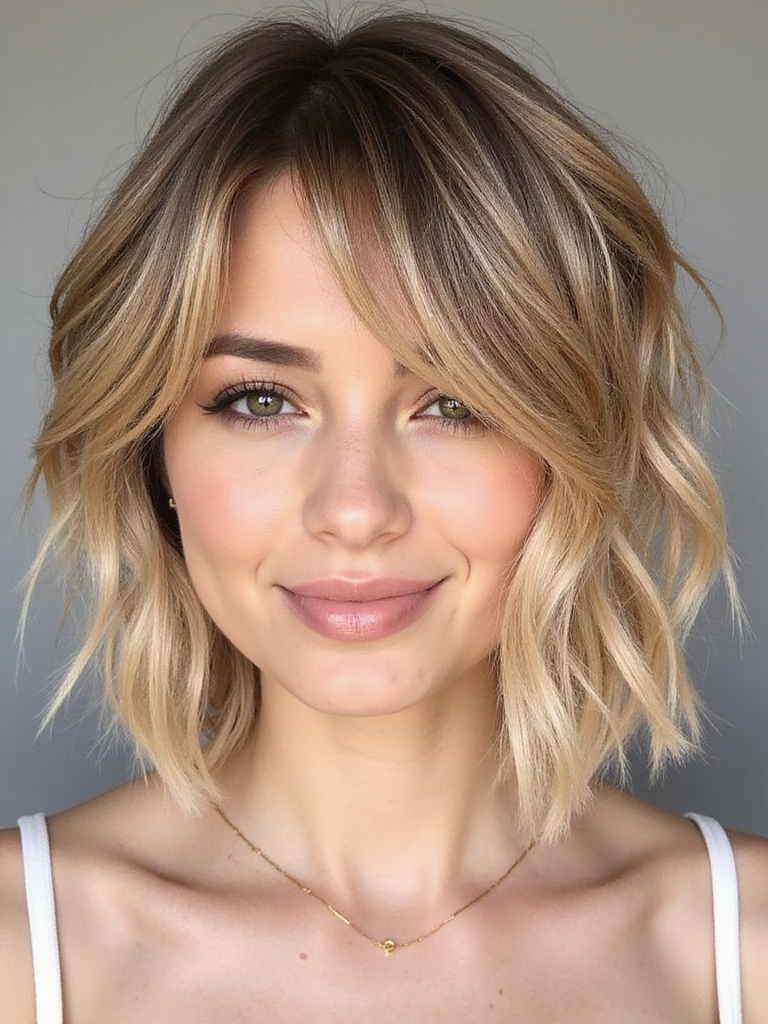
Fine hair generally does best with a blunt perimeter and only soft, high internal layers, since the solid edge keeps the ends reading dense while a little internal removal still adds lift.
- Over-layering is the single most common mistake made on fine hair.
- Ask specifically for layers kept subtle and high, well away from the ends.
- A root-lifting blow-dry does more for the finished look than any product applied to the lengths.
Thick Hair, Given Real Shape
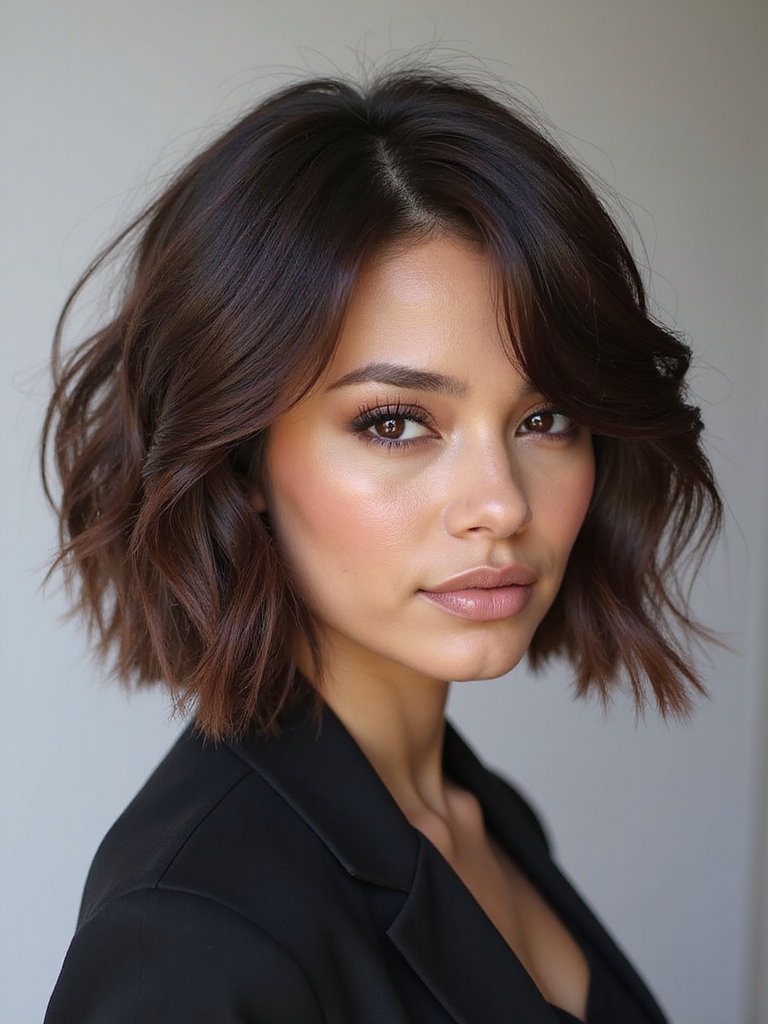
Thick hair runs into the opposite problem: too much of it. Cutting the length just above the shoulder and removing weight from the interior is what stops the ends from flaring out and away from the neck by midafternoon.
Once that internal bulk comes out, the ends fall and move the way a lighter texture would on their own, without the density fighting the shape from the inside.
Bangs Balancing a Layered Bob
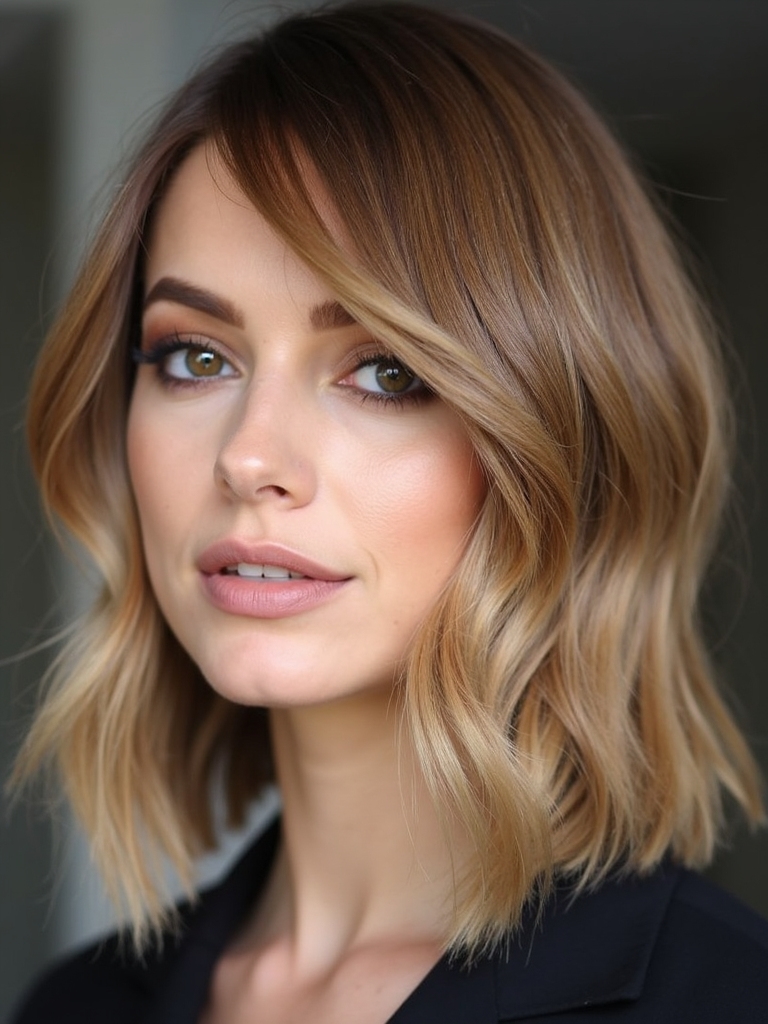
Adding bangs ties the whole shape together, echoing the movement already built into the layers as one continuous idea.
The real decision comes down to upkeep more than looks: a soft curtain fringe blends and forgives a missed appointment, while a fuller blunt fringe demands a touch-up on a noticeably tighter schedule.
- Curtain bangs blend naturally into the surrounding face-framing layers.
- Blunt bangs add more visual impact but need trimming every couple of weeks.
- Either version should echo the layering already built into the cut.
👍Why Bangs Suit a Layered Bob
- +Echoes the movement already built into the surrounding layers.
- +Curtain versions blend and grow out with almost no awkward stage.
- +Adds balance to the face without changing the overall length.
👎What to Weigh Before Adding Them
- –A blunt version needs trimming considerably more often than the surrounding layers.
- –Can add extra styling time on very straight, resistant hair.
- –Not every face shape benefits equally from added weight at the front.
Asymmetrical, With a Stacked Back
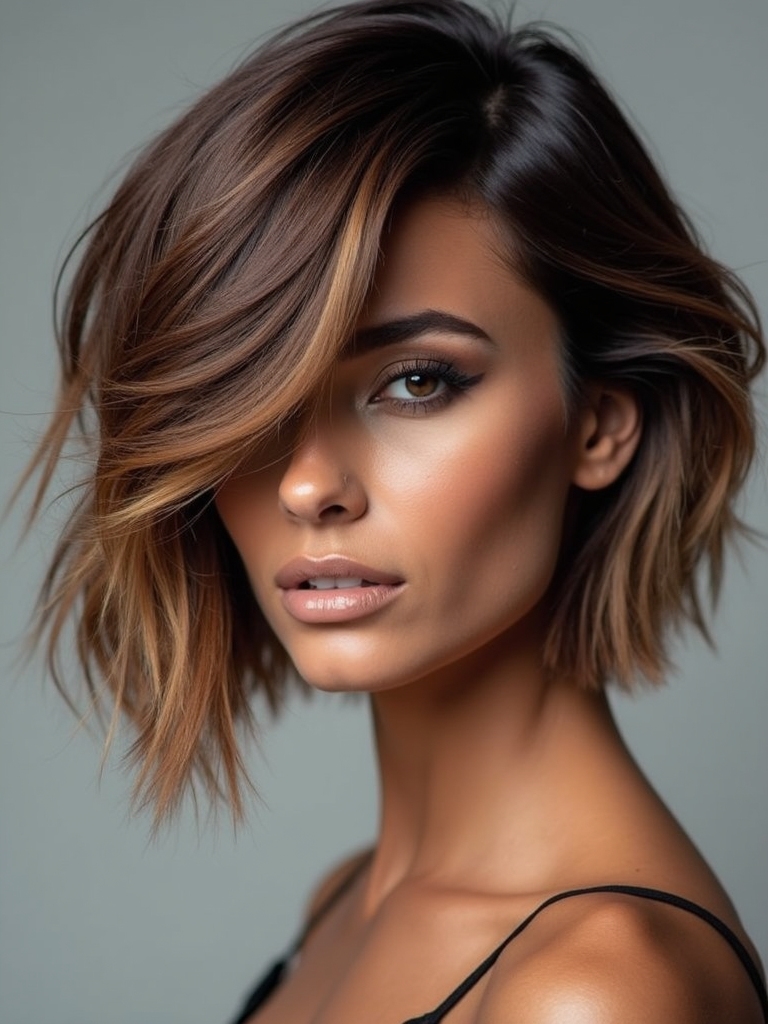
Stacking the back, leaving one side longer, and sweeping that length forward turns a layered bob sharp and modern, the diagonal pulling the eye while the stacked crown adds height where it counts.
- Reads styled even on a rushed morning, since the shape does most of the work.
- Best on straight to lightly wavy hair, where the angled line stays crisp.
- The shorter side outgrows the longer one first, so expect more frequent trims.
Razor-Cut for Airy, Feathered Ends
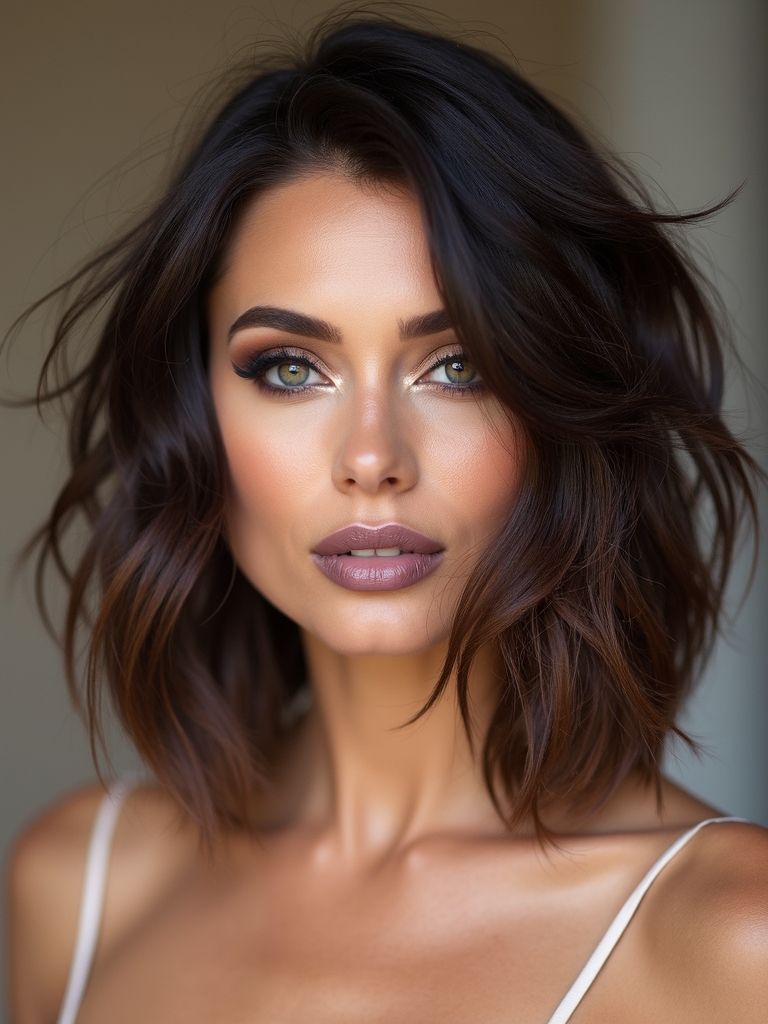
Razoring feathers the ends down to almost nothing, giving the cut the lightest, most weightless movement in this entire range, the kind that’s plainly visible when the hair gets shaken out.
- Best suited to medium-to-thick hair that has weight to spare.
- On fine hair, the razor needs a lighter hand or the ends thin out fast.
- Razored tips dry out faster than blunt ones, so conditioning matters more here.
A Blunt Perimeter, Layered on the Inside
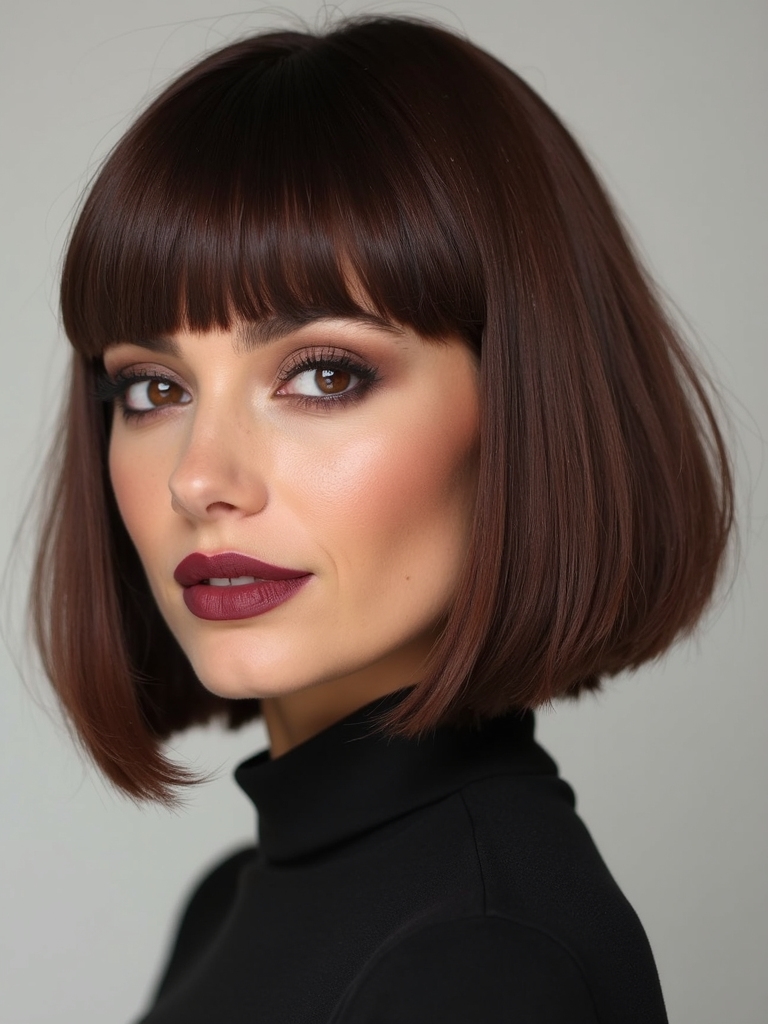
This version solves a specific problem: a strong, blunt line that still carries too much weight. A dense, one-length perimeter stays visible on the surface while softer layers get cut entirely inside.
- The outer edge reads as one clean length, exactly like a true blunt bob.
- Internal layers, invisible from the outside, let the interior move freely.
- Suits straight and wavy hair that wants lightness without losing the sharp edge.
ℹ️Why the Perimeter Stays Blunt
A perimeter left completely untouched by layering reads noticeably denser than one with even light layers cut into the edge, which is the entire mechanic behind pairing a blunt outer line with hidden internal layers.
The Blow-Dry That Actually Builds Volume

Layers create the potential for volume, but the blow-dry is what releases it, and most people release it from the wrong section entirely. The real gain comes from drying the roots first, lifted and directed upward, before the lengths get touched at all.
A root-lift mousse worked in at the crown while hair is damp gives the round brush something to hold onto, and drying that section fully before moving lower locks the lift in place.
A blast of cool air at the very end sets everything, and lift added only at the ends, after the roots are already dry, rarely survives past lunch.
A Maintenance Routine That Keeps the Shape Alive
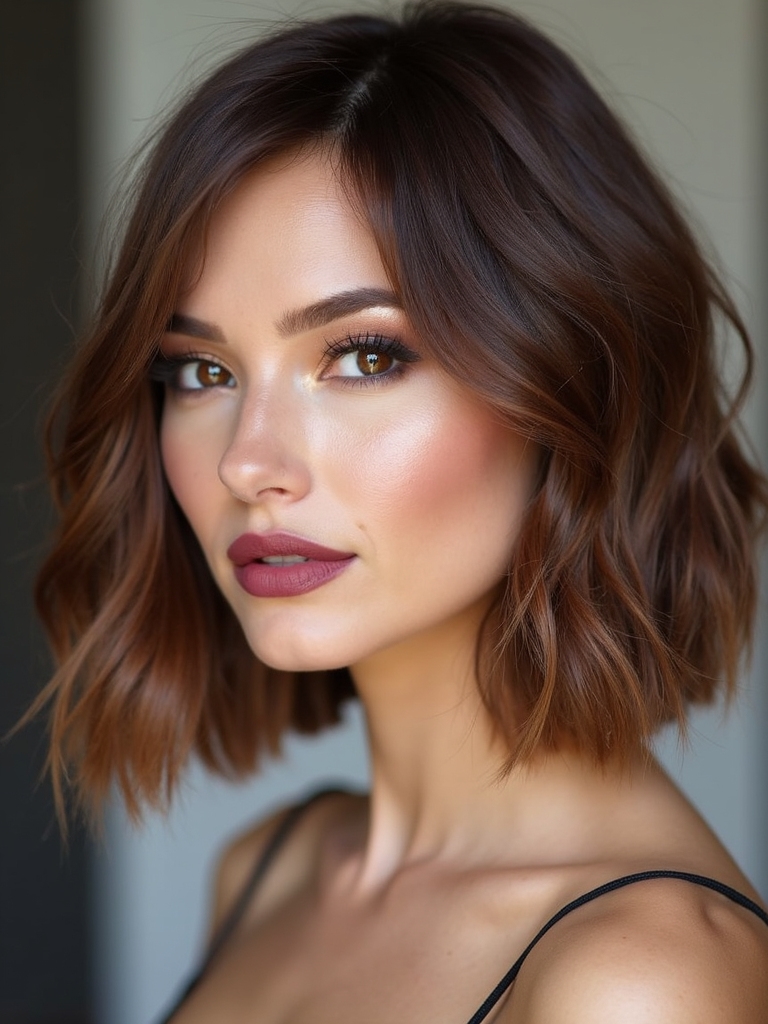
Layered bobs lose their shape faster than a blunt cut does, since the layers themselves are carrying the design. Push a shaping visit too far past the seven-or-eight-week mark and the layers blur into a heavier, shapeless mass.
Growing one out gracefully is really a running conversation with a stylist: softening the layers into the length at each visit keeps the grow-out even, and a weekly conditioning mask on the tapered ends keeps them from looking dry while the surrounding lengths catch up.
Who It Suits Best
A layered bob suits anyone who wants a bob’s short, easy length without sacrificing movement to a flat, one-length line. Fine hair gains lift it can’t hold on its own; thick hair loses bulk that would otherwise sit heavy; curly hair gets structure that keeps it from tripling in width.
It suits busy schedules too, since the cut itself carries most of the daily styling load once it’s shaped correctly. The trade-off worth accepting going in is trim frequency: the more dramatic the layering, the more often a shaping visit is needed to keep the shape from blurring.
Layered Bob Hairstyles, Answered
?Do layers make a bob look thicker or thinner overall?
It depends entirely on placement. Subtle, high layers add lift and the appearance of density, which reads as fuller on fine hair. Heavy layering carved low through the ends removes the weight holding hair together and can leave it looking sparse instead.
?How short can a layered bob realistically go?
Anywhere from a jaw-length crop down to a collarbone-grazing lob. The shorter the length, the more the layers control the overall shape, and the more frequently a trim is needed to keep the line looking sharp.
?Will a layered bob work well on straight, fine hair specifically?
Yes, provided the layering stays light and concentrated near the crown, well away from the ends. A blunt perimeter paired with subtle internal layers is usually the safest starting request for this texture.
Let the Layers Do the Work
What ties every version here together is the same underlying mechanic: layers remove weight from a specific place inside the cut, and that removal is what creates lift, movement, or softness, depending on where it happens. The style on top is really just a label for where the scissors did their work.
Naming a hair type and a goal, more volume, less bulk, softer framing, before naming a specific look gives a stylist far more to work with than a single reference photo ever will. Save whichever version matched a real need here, and lead with that description at the next appointment.
Worth a Look