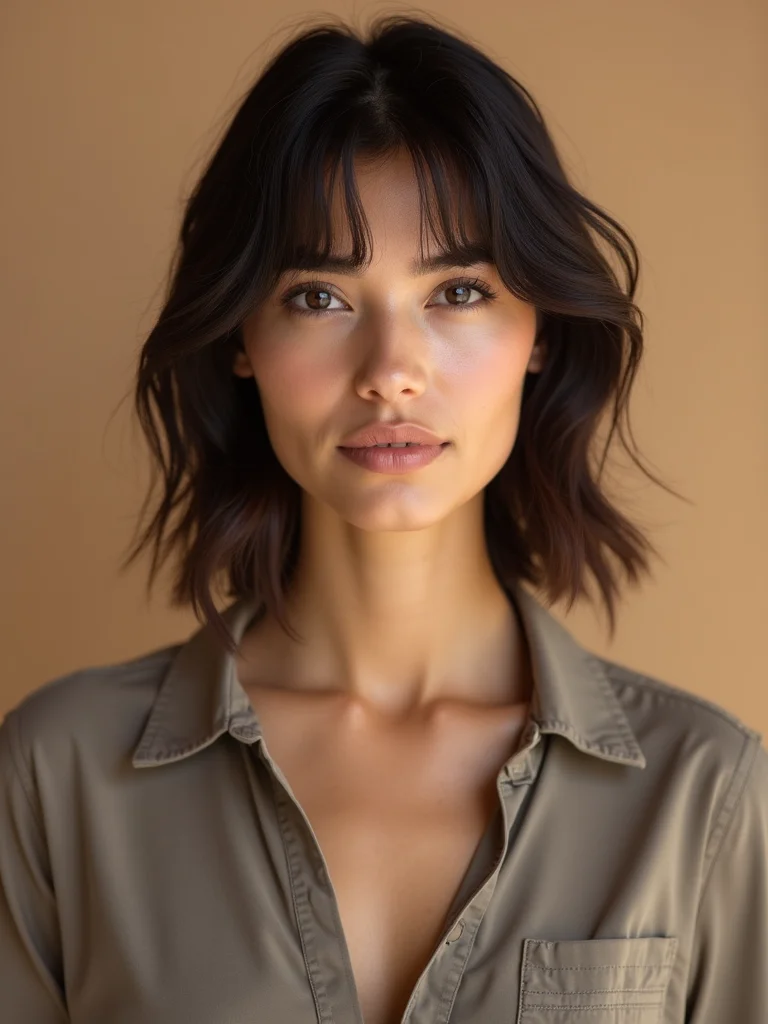
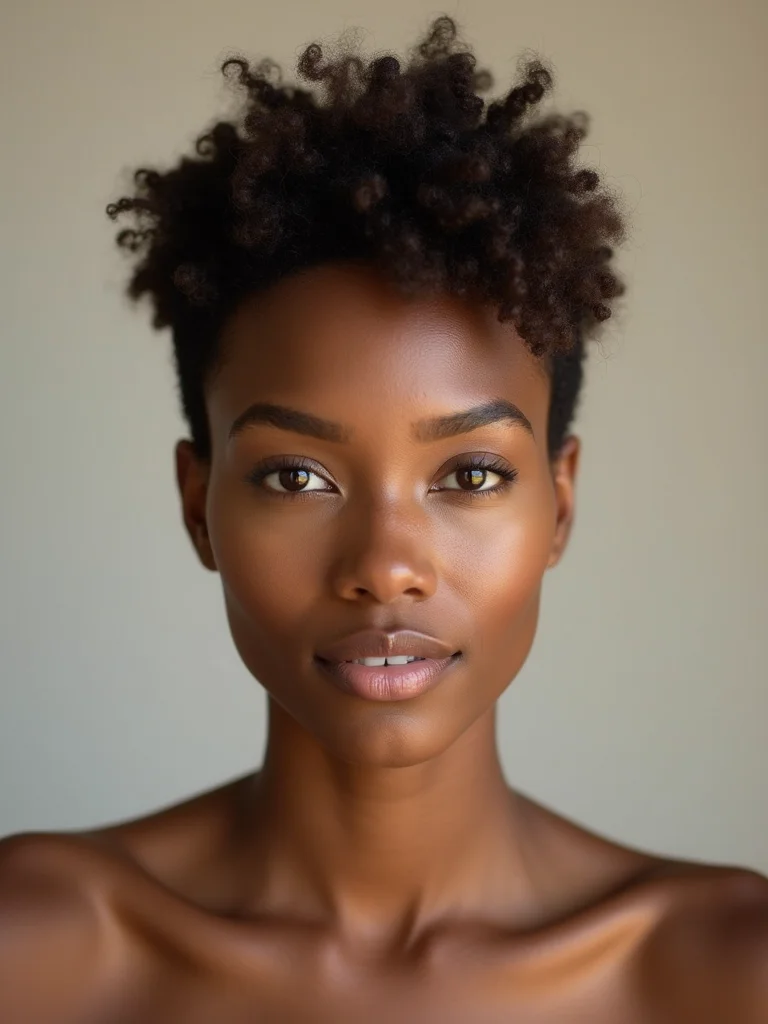
Most people who tell me they could never pull off bangs are picturing the wrong kind. They imagine a blunt, high-maintenance wall of fringe that needs daily blow-drying. Shaggy bangs are the opposite of that.
Because they’re cut with texture and softness built in, shaggy bangs forgive cowlicks, grow out gracefully, and bend to your face instead of fighting it. Below are fifteen versions, from barely-there wisps to bold micro fringe, with honest notes on who each one suits and what it asks of you.
The Quick Version
- Shaggy bangs are texturized rather than blunt, so they blend into your hair and forgive imperfect styling.
- They grow out softly, melting into your layers instead of leaving an awkward heavy line.
- There’s a version for every texture, including curly and coily hair, when they’re cut dry to account for spring and shrinkage.
- Most need a trim every three to five weeks, and a quick texture spray or a one-minute round-brush most mornings.
- If you’re nervous, start long and side-swept; you can always go shorter, but you can’t add length back.
The Soft Curtain Shag Bang

If I could only recommend one fringe to a nervous first-timer, it would be this one. Curtain shag bangs part down the middle and sweep out toward the cheekbones, framing the face in two soft pieces rather than covering the forehead.
Who They Suit
The shag texturizing keeps them from looking heavy, so they feather into your face-framing layers and blend as they grow. That blending is the whole appeal: there’s never an awkward stage. These are the gentlest cousins of classic curtain bangs, just choppier and a little rougher around the edges.
They flatter nearly every face shape because you control where the pieces fall. Longer and wider for a round or full face, shorter and closer for a long one.
The Choppy Micro Shag Fringe

At the other end of the spectrum sits the micro fringe: a short, choppy bang that lands well above the brows. This is the boldest look here, equal parts French-girl and editorial, and it makes a real statement about your face and bone structure.
Cut with shaggy texture rather than a blunt edge, it stays soft instead of severe, but be honest with yourself about upkeep. A micro fringe shows growth fast and needs frequent touch-ups to hold its shape. It suits strong features and people who actually enjoy a high-fashion edge.
Not sure which fringe is yours? Answer honestly:
1How much daily styling will you really do?
Almost none means air-dried piecey or long blended bangs; a few minutes opens up curtain, 70s, or voluminous styles.
2How bold do you want to look?
Subtle points to wispy or side-swept; bold points to a micro fringe or shullet bangs.
3What’s your texture?
Straight and wavy suit nearly all of these; curly and coily shine with a fringe cut dry to plan for spring.
The Bottleneck Shag Bang

The bottleneck bang splits the difference, fuller than a curtain fringe but not as heavy as a full one, named for its shape: rounded and shorter in the center, longer and winged-out at the sides like the neck of a bottle. Here’s why it works so well:
- The shorter center gives you the cute, full-fringe look without committing to a heavy wall of hair.
- The longer sides blend into your face-framing pieces, so it grows out painlessly.
- The curved shape flatters by softening the forehead while opening up the eyes.
Wolf Cut Shag Bangs

When the rest of your cut is a wolf, the bangs have to match its energy. On a wolf cut, the fringe runs piecey, separated, and a little wild, blending into the heavy face-framing layers that define the style.
This is for someone who wants edge and movement, not polish. The beauty is that the shaggy, undone texture means it looks better the less you fuss with it, so air-drying and a scrunch of texture spray is the entire routine on most days.
🅰️Curtain Shag Bangs
Soft, parted, low-commitment, and flattering on almost everyone. Grow out painlessly and need little daily work. The safe, universally pretty choice.
🅱️Micro Shag Fringe
Short, bold, and editorial. Makes a statement and highlights your features, but it’s the highest-upkeep choice here. For the confident.
The Wispy 70s Shag Fringe

The seventies shag is having a long moment, and its fringe is a big reason why. Airy, feathered, and parted to show a little forehead through it, this bang reads warm and retro without looking like a costume.
It pairs best with feathered layers through the rest of the hair. To get the look:
- Ask for a feathered, see-through fringe rather than a dense one.
- Style with a round brush, flicking the ends out and back away from the face.
- Finish with a flexible hairspray so it keeps that soft, moving, feathered shape.
Side-Swept Shaggy Bangs

Side-swept is the bang I steer the most hesitant clients toward, because it’s the lowest-commitment fringe there is. Cut long and textured, it sweeps across the forehead on a diagonal and tucks easily behind an ear when you want it gone. If you want to test the waters before a real fringe, see how a side-swept shape feels first:
- Keep it long enough to reach your cheekbone so you can pin or tuck it away.
- Have it texturized at the ends so it lies soft, not like a heavy curtain.
- Sweep it toward your less-dominant side for the most natural fall.
💡Stylist Tip
Bring a photo, but tell your stylist your cowlick and part situation before they cut. A fringe that ignores a stubborn cowlick will stick up no matter how you style it. A good stylist cuts the bang to work with where your hair naturally wants to fall, which is half the reason shaggy, textured bangs behave better than blunt ones.
Long Blended Shag Bangs

Not ready for a real fringe but want that face-framing softness? Long shag bangs are barely bangs at all. They start around the chin or lips and blend straight into your layers, giving you the frame without the forehead coverage.
This is the no-regret option, and the one I cut most often for clients growing out a previous fringe. The perks:
- Almost zero awkward grow-out, since they’re already long.
- The framing slims and softens the face like longer face-framing layers do.
- You can curl them in, flick them out, or tuck them back depending on your mood.
Curly Shag Bangs

Curly hair was made for shaggy bangs, but the cutting rules change completely. The single most important thing is that they get shaped dry, one curl at a time, since wet curls stretch under their own weight and bounce up shorter than intended once they dry.
Cut Dry, Always
Done right, a curly shag fringe falls in soft, defined coils that frame the face beautifully, with a heat tool rarely needed. Work a curl cream through damp hair, let it air-dry or diffuse on low, and the bang does its own thing.
If your whole head is curly, balancing the fringe with the right layers matters; these curly styles show how the shape comes together as a whole.
ℹ️Good to Know
A fringe restyles your face faster and cheaper than any other change, and unlike a big chop it costs you no length. That low-risk, high-impact math is exactly why bangs come back into fashion every few years and why nervous clients almost never regret starting with a soft, textured version.
The Coily Shag Fringe

Coily and kinky textures can absolutely wear a shaggy fringe, and it’s one of my favorite ways to frame the face on natural hair. Shrinkage is the key factor to plan for, so the approach is specific:
- Always cut on dry, stretched-out hair so the true length after shrinkage is what you see.
- Keep the shape rounded and a little fuller to balance the volume of the rest of the hair.
- Moisturize and define with a leave-in or custard so the coils clump rather than frizz.
Air-Dried Piecey Bangs

If the thought of blow-drying your bangs every morning is what’s stopping you, these are the answer. Air-dried piecey bangs are cut specifically to look good with zero heat, falling in soft, separated pieces straight out of a towel.
The trick is in the cut and a single product: a drop of light cream or a mist of texture spray smoothed through with your fingers as they dry. No round brush, no fuss.
They suit straight to wavy hair best. Very fine hair may need a tiny bit of help at the roots, but for most people this is the most low-maintenance bang on the list.
The Wispy Layered Fringe

The wispy fringe is the lightest touch of all: a sheer, see-through bang you can practically read through, thinned so much that it barely registers as a fringe and simply softens the hairline. It’s the gentlest way to dip a toe into bangs:
- Ask for heavy thinning so light shows through and the forehead isn’t covered.
- Keep it brow-length or just below so it frames the eyes without hiding them.
- Skip heavy products; anything thick will weigh the sparse hairs down and ruin the airy effect.
Shullet Shag Bangs

The shullet, a shaggy shag-mullet hybrid, is one of the boldest cuts going, and its fringe has to keep up. The bangs frame the shorter top and front while the length flows out the back, tying the dramatic short-long shape together. To make it work:
- Keep the fringe piecey and textured to echo the choppy layers of the cut.
- Let it blend into the shorter front pieces rather than sitting separate.
- Lean into the edge; this is a statement cut, so a tidy, polished bang would fight it.
The Off-Center Shaggy Fringe

Shifting your bangs off-center is a tiny change that completely alters the mood, trading symmetry for a relaxed, cool-girl asymmetry. The fringe parts to one side and falls heavier on that half, which adds instant edge.
Working With a Cowlick
It’s also a smart move for anyone with a strong cowlick or an uneven hairline, since an off-center part works with those quirks instead of against them. I often suggest it when a client’s hair simply refuses to part down the middle.
The shaggy texture is what keeps the asymmetry looking intentional and soft rather than like a part gone wrong.
Voluminous Face-Framing Bangs

For anyone who wants their fringe to add body rather than lie flat, voluminous face-framing bangs bring lift to the front of the hair while still framing the face. They’re fuller and bouncier than a wispy fringe, with the shag texture keeping them from going stiff or helmet-like. Build the volume like this:
- Blow-dry with a round brush, lifting the bangs up and back at the root for height.
- Add a whisper of root powder or mousse if your hair is fine and falls flat.
- Let the ends stay soft and feathered so the fullness reads natural, not bouffant.
Shag Bangs on a Lob

A long bob is a near-constant request in my chair, and shaggy bangs are what take it from nice to properly current. The textured fringe echoes the soft layers of the lob, pulling the whole look together into something relaxed and modern.
Pairing the Lengths
Curtain or long blended bangs suit a lob best, keeping it from feeling too neat or grown-up. The two textures, choppy bangs and a tousled lob, speak the same language.
It’s a great entry point if you already have a lob and want a refresh without a big chop, since you’re only changing the front.
Keeping Shaggy Bangs Looking Good
Any fringe asks for upkeep beyond the salon visit itself; that’s just how bangs work. The good news is that shaggy bangs are among the more forgiving styles to live with, because their texture hides far more than people expect.
Here’s what to actually expect once you’ve got them:
- Regular trims to hold the shape, more often for a short micro fringe; many salons trim bangs free between cuts, and a standalone fringe cut elsewhere runs about $20 to $50.
- A one-minute morning routine: a quick round-brush or just damp fingers and a little texture spray.
- Dry shampoo at the roots, since forehead oils make bangs separate and go stringy faster than the rest of your hair.
- Patience with grow-out, though shaggy bangs blend so well that the awkward phase is short and easy to pin back.
Shaggy Bangs Questions, Answered
?Do shaggy bangs work on fine or thin hair?
Yes, and often better than blunt bangs do. Because shaggy bangs are texturized and softer, they don’t expose how sparse fine hair can look the way a heavy, solid fringe does. Keep them on the wispier side, use a touch of root powder for lift, and skip heavy creams that would clump the few hairs together.
?Do shaggy bangs work with glasses or a round face?
Both, with small tweaks. With glasses, keep the fringe light and brow-skimming so it sits above or just touches the frames rather than tangling with them; a wispy or side-swept shape is ideal. On a round face, longer curtain or side-swept bangs that fall on a diagonal flatter most, because they add angles, while a short blunt micro fringe can emphasize width.
?Will shaggy bangs grow out awkwardly?
Far less than blunt bangs. Because they’re cut with texture and blended into your layers, they melt into your face-framing pieces as they grow rather than leaving a heavy, obvious line. When they reach an in-between length, a side part and a tuck behind the ear carries you through the last stretch.
?Can I cut shaggy bangs myself at home?
A small trim between salon visits is doable if you go slowly, cut dry, and snip upward into the ends a little at a time rather than straight across. But the first cut, the shape itself, is still worth leaving to a stylist; that initial texturizing and length placement is what makes shaggy bangs flatter, and it’s hard to undo a mistake on your own forehead.
The Most Forgiving Fringe There Is
If bangs have always felt like too much risk, shaggy ones are where to start. The built-in texture is what makes them so forgiving: they blend instead of sitting in a hard line, grow out softly, and bend to your face, your texture, and your cowlick rather than demanding you fight all three every morning.
Pick the version that matches the effort you’ll actually give and the boldness you’re after, then take a clear photo to a stylist and talk through your part and your hair’s habits before a single snip. Which one feels like you?
Related Reads