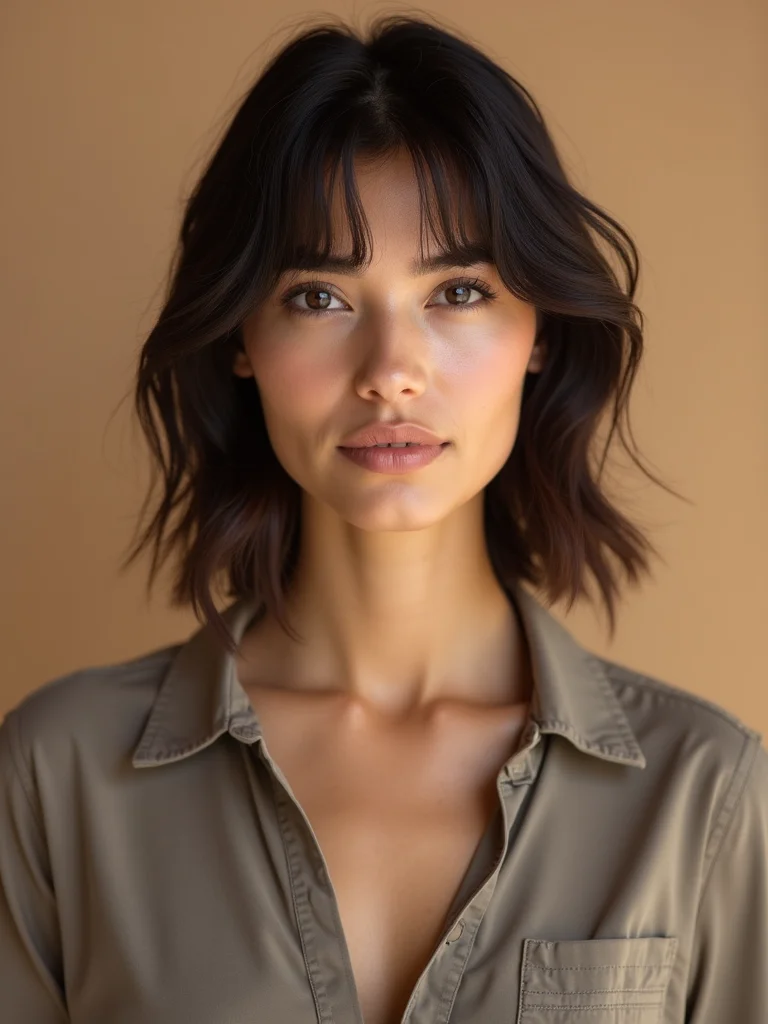
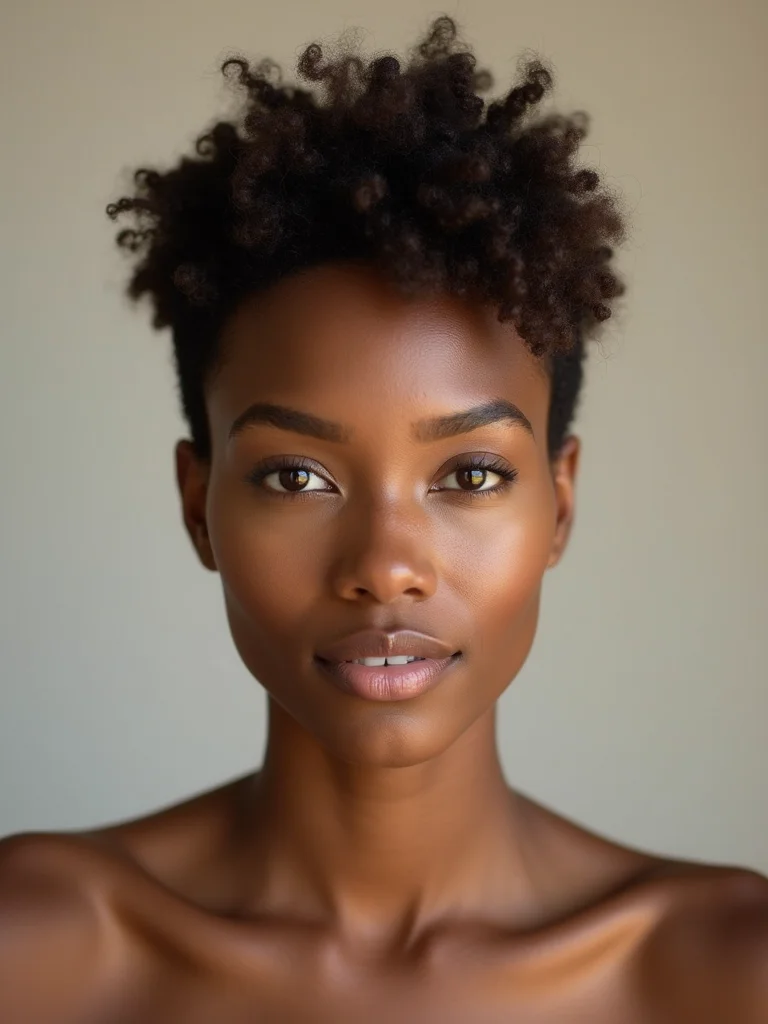
People assume the shaggy bob is a wash-and-go cut that takes care of itself. It mostly is, once it’s cut right, but that’s exactly the catch: this is a haircut that lives and dies by the cut, not the styling.
Get the layers and texture right in the chair and a shaggy bob really does look cool with zero effort. Below are ten versions I cut all the time, from the polished French shag to the wild wolf bob, with honest notes on which texture and which face each one suits.
The Short Version
A shaggy bob is a chin- to shoulder-length cut built on heavy internal layers, choppy ends, and face-framing pieces. That layered texture is what gives it movement and that undone, relaxed look, and it’s also what makes it forgiving: there’s no blunt line to keep perfect.
The version that suits you depends mostly on your texture and how much effort you’ll give it. Fine hair wants soft waves and razored ends for the illusion of density; curly hair wants the weight removed to avoid a triangle shape; and almost everyone benefits from some kind of fringe to complete it.
The Choppy French Shaggy Bob
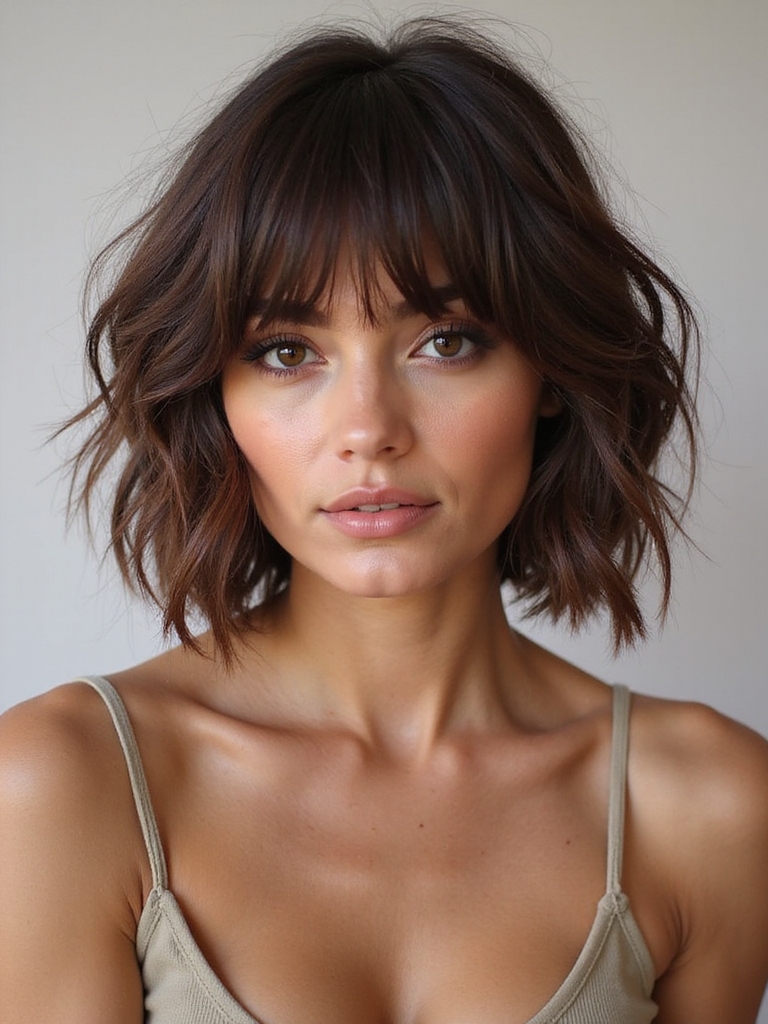
The French version is the most polished of the bunch, the one I cut for clients who want a cool, undone vibe but still need to look pulled together at work. It keeps a slightly stronger, blunter baseline than a true shag, then adds choppy layers and a soft fringe on top.
That combination is the trick: the structured bottom keeps it chic, while the texture above keeps it from looking stiff. It reads Parisian rather than rock-and-roll, and it’s the one I’d point a shag skeptic toward first.
It suits straight to slightly wavy hair best, since the contrast between the clean base and the broken-up layers shows most clearly on smoother textures.
The Wolf Bob
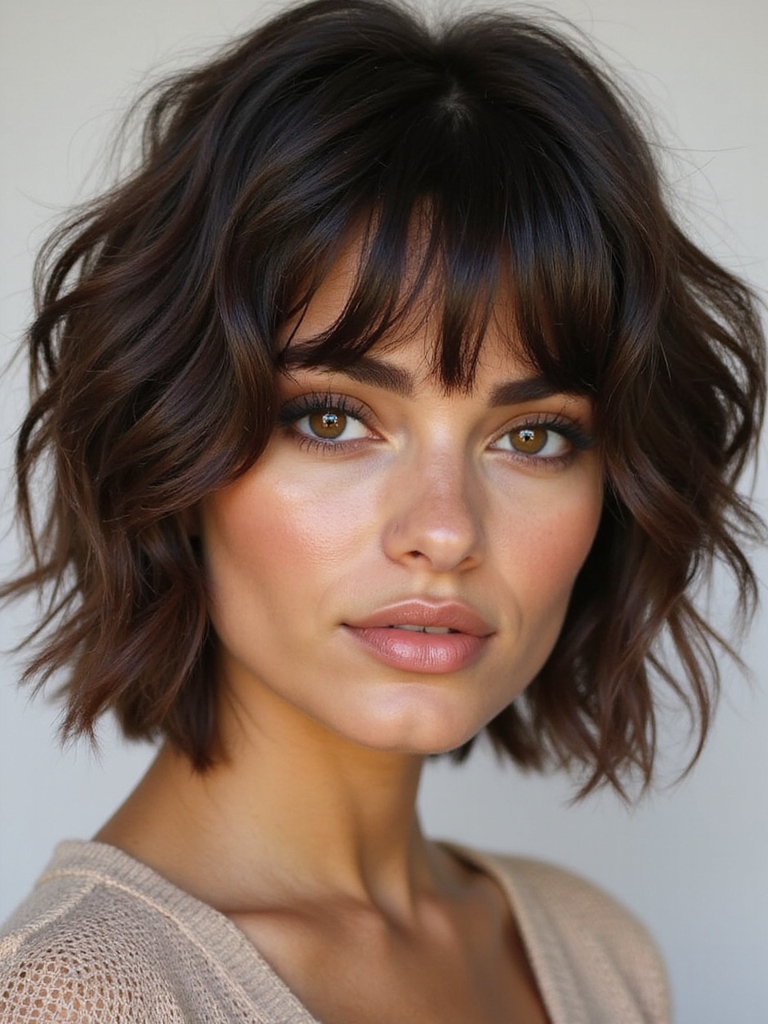
At the opposite end sits the wolf bob, which takes the shaggy, heavily layered energy of a wolf-style shag and crops it short. Think disconnected layers, a lot of volume up top, and piecey, separated ends.
This is the boldest, most editorial version and the one teenagers and creatives ask me for by name. It’s low-effort in practice, but it makes a loud statement, so it suits someone who wants to look a little undone and a little punk on purpose.
Because the layering is so aggressive, it needs hair with at least some natural body; very fine, very straight hair can struggle to hold the volume the shape depends on.
The One Real Risk
The shaggy bob is forgiving once it’s cut, but the cut itself is unforgiving of inexperience. Done badly, it turns into a shapeless mushroom or a wide triangle, especially on curly or fine hair. This is not the haircut to trust to a brand-new stylist or a deep discount; bring a clear photo, ask to see their texture work, and don’t be shy about saying how much layering you do and don’t want.
The Shaggy Bob With Curtain Bangs
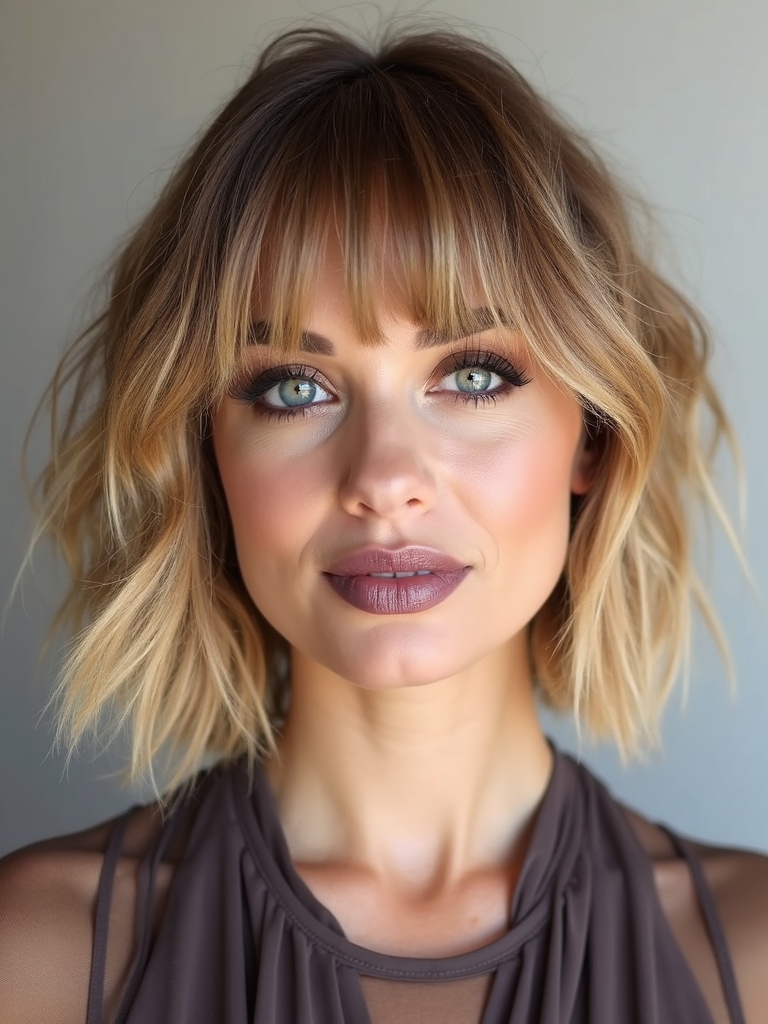
If I had to pick the single most universally flattering version, it’s this one. Curtain bangs sweep open from a center part and blend into the face-framing layers, which finishes the shape and softens almost every face.
The bangs and the bob speak the same language here, both soft, both parted, both growing out gracefully. It’s the combination I suggest most when a client wants a change that feels current but not scary, and the curtain fringe is what carries the look around the face.
The Micro Bang Shag Bob
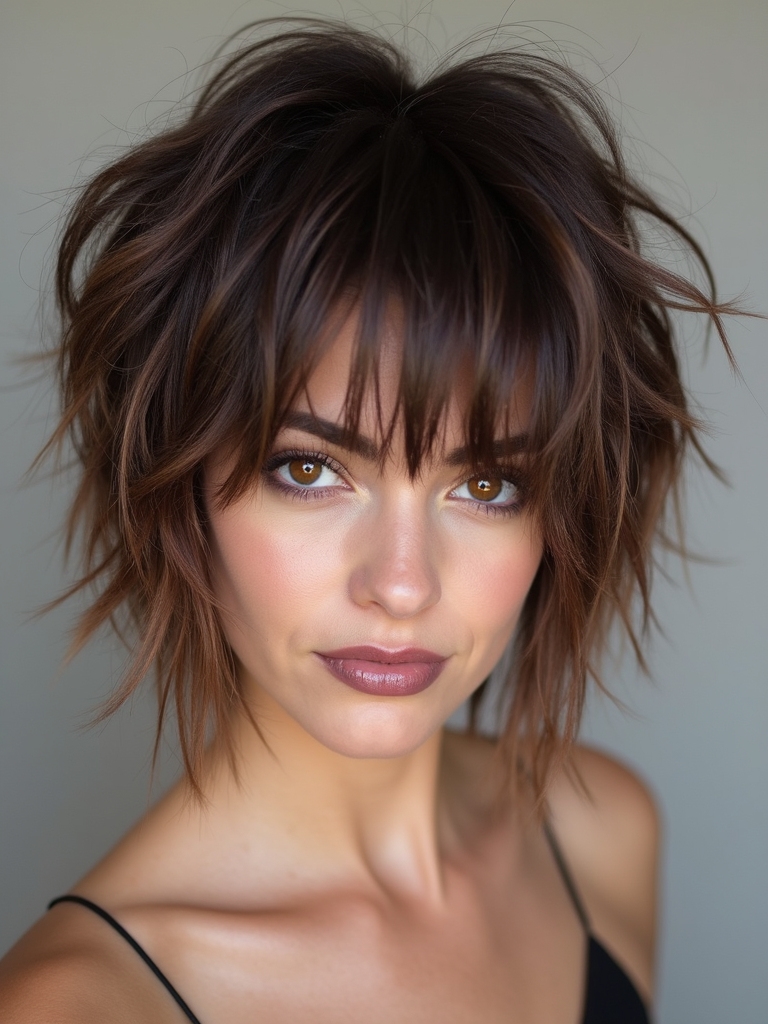
Pair a shaggy bob with a short micro fringe and you’ve got the most fashion-forward look on this list. The high, choppy bang sitting above a textured bob is pure downtown, the kind of cut that turns heads on the street.
Worth the Upkeep?
It’s a confident choice and a higher-upkeep one; that micro fringe needs frequent trims to stay sharp, and it puts your whole face on display. I save this recommendation for clients with strong features who truly want to be noticed.
The shaggy texture in the bob is what keeps the bold bang from tipping into severe, balancing the statement with softness everywhere else.
Two shag bob myths I bust in the chair regularly:
❌ Myth: A shaggy bob is just a messy bob.
✅ Reality: The opposite, really. A messy bob is usually a grown-out one; a shaggy bob’s undone look is engineered through precise internal layering. The mess is on purpose, which is exactly why it falls into place instead of just looking unkempt.
❌ Myth: Shags only suit young or trendy people.
✅ Reality: Not at all. The soft layers and face-framing flatter every age and actually take years off, because they break up hardness around the face. You simply dial the length and fringe up or down to match how bold you want to be.
The Wavy Shag Bob for Fine Hair
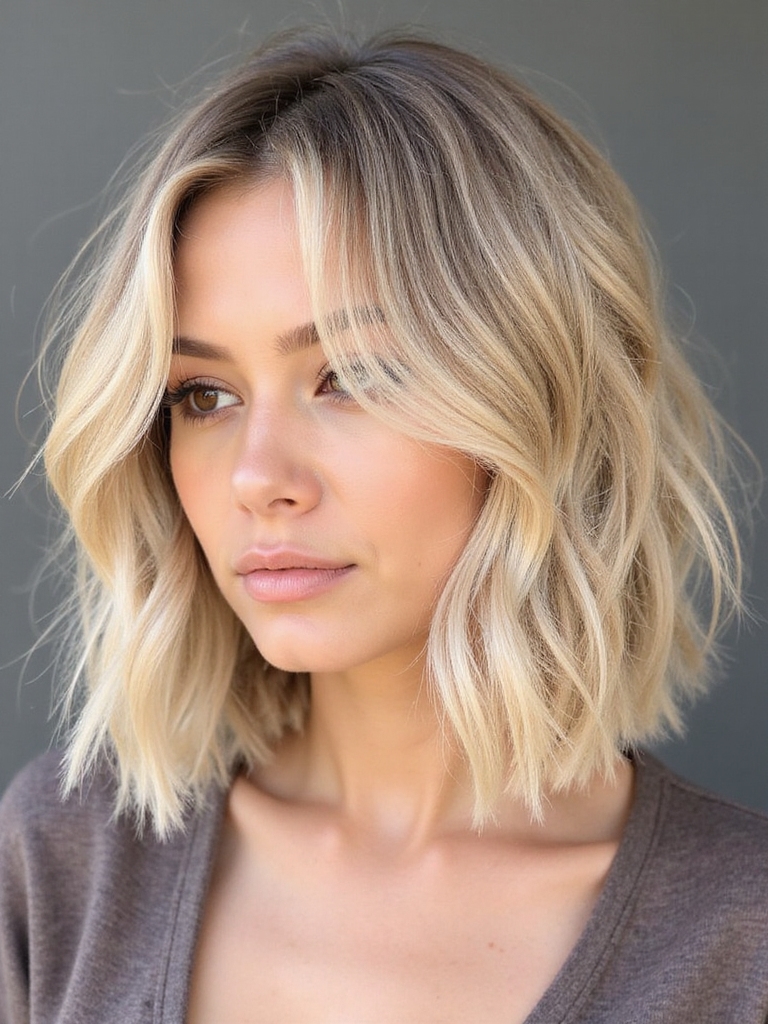
Fine-haired clients are often told to avoid layers, but a wavy shag bob is the exception that actually builds the illusion of thickness. Here’s why it works and how to get it:
- The choppy layers create separation, which tricks the eye into seeing more strands than there are.
- Bending the lengths into soft waves adds volume and stops fine hair from lying flat and limp.
- A texture spray or a light sea-salt mist is the only product you need; heavy creams will kill the lift. For a deeper dive, see the fine-hair version.
The Curly Shaggy Bob
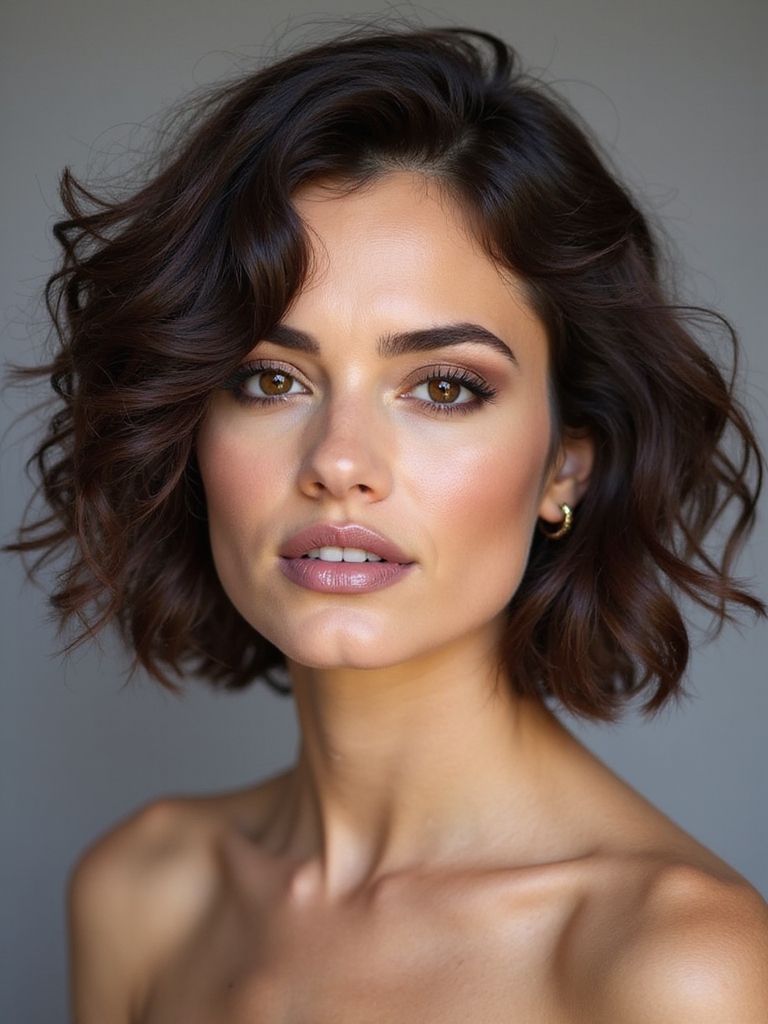
Curly hair and the shaggy bob are a natural match, but the cut has to be done with curls in mind or you end up with the dreaded triangle, flat on top and wide at the bottom. The fix is layering that removes weight through the body so the curls can spring up rather than pile out.
Cut dry, curl by curl, a curly shag bob falls in defined, voluminous coils that frame the face and need almost no heat. Scrunch in a curl cream on damp hair, diffuse or air-dry, and the shape does the work.
It’s one of the most freeing cuts I give curly clients, because it finally lets their natural texture carry the style instead of fighting it into submission. One honest reminder I give every curly client: curls don’t need tight tension or heavy daily manipulation to behave, so handle them gently, refresh with water and a little product, and let the cut do the shaping rather than pulling or over-styling.
Which shag bob is actually yours? Match it to your hair and your patience:
🎯Fine and flat
The wavy shag or razored version; both fake density and movement fine hair can’t manage on its own.
🎯Curly or coily
The curly shag bob, cut dry to remove weight and skip the triangle.
🎯Bold and low-patience
The wolf bob or micro-bang shag; loud looks that still air-dry into shape.
The Asymmetrical Shaggy Bob
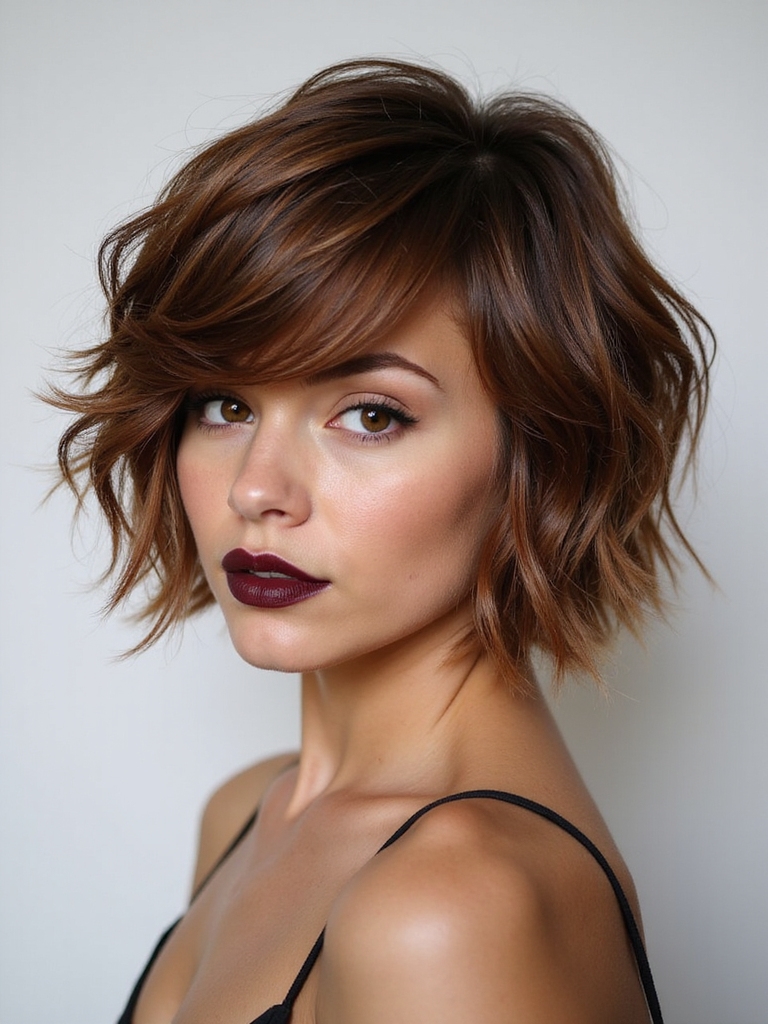
Cutting one side longer than the other adds an extra layer of edge to an already cool cut. The asymmetry plays beautifully against the choppy texture, giving the whole thing a deliberate, design-led feel.
How Far to Take It
It’s a great way to add interest if your hair is on the straighter side and you worry a shag might fall flat. The uneven lengths create movement and a focal point even when the texture alone isn’t dramatic.
Just know that the imbalance needs to be committed to; a barely-there difference reads like a mistake, while an inch or more looks intentional and sharp.
The Razored Shag Bob
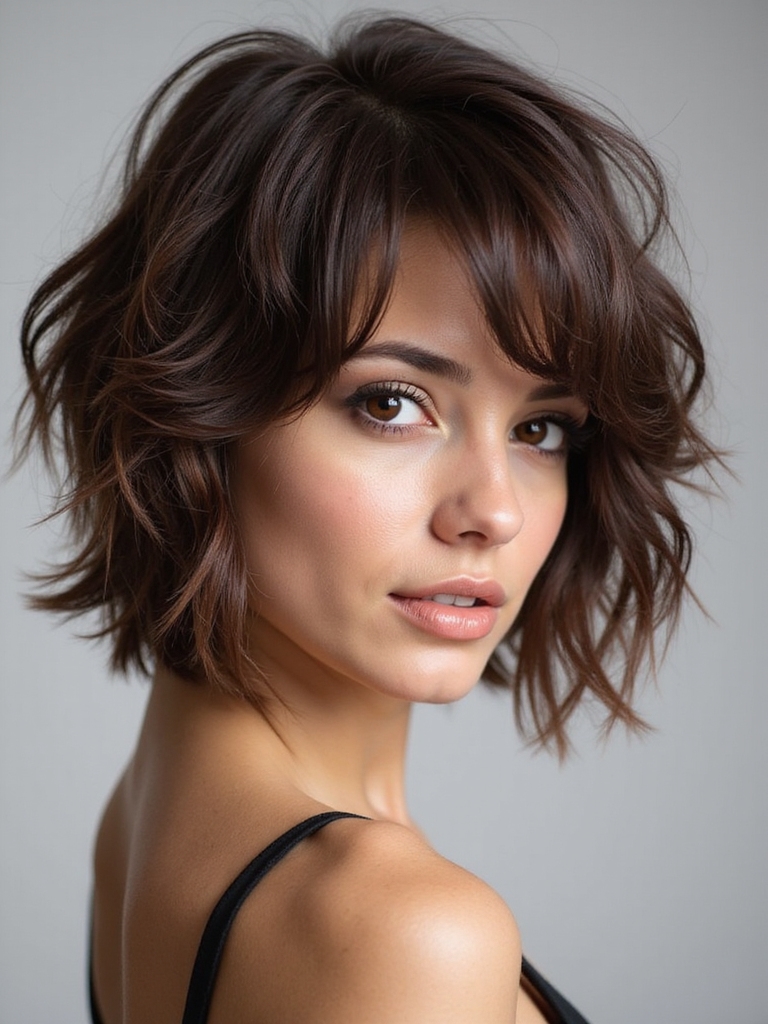
When a shag bob looks impossibly soft and wispy at the ends, a razor usually did it. Cutting with a razor instead of scissors creates feathered, tapered ends that blend so the layers melt together and move on their own.
It’s my favorite tool for the right head of hair, but it isn’t for everyone, and the trade-offs are worth knowing before you ask for it:
- It gives the wispiest, most relaxed texture and the most natural-looking layers.
- It works best on healthy, medium to thick hair; razoring can rough up fragile or very fine ends.
- It needs a stylist who’s truly skilled with a razor, so this isn’t the cut to gamble on at a new salon.
An Air-Dry, Razored Shag Bob
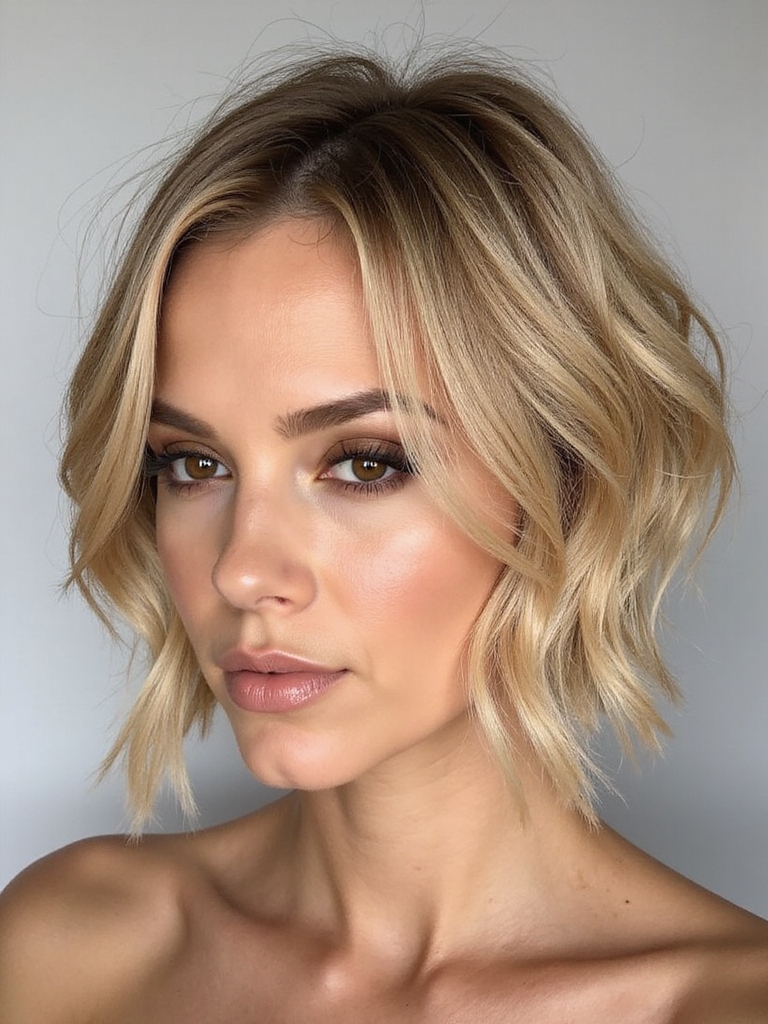
Here’s the version for people who refuse to own a round brush. The shag bob is one of the rare cuts that actually looks better air-dried. The texture is meant to fall naturally, so heat styling can work against it.
The Two-Minute Routine
The secret is all in the cut and one product. A skilled, layered, slightly razored shag is built to dry into shape on its own; you just scrunch in a leave-in or a curl cream as it dries and walk away.
This is the real promise of the shaggy bob delivered: wash, product, air-dry, done. For anyone whose mornings are chaos, it’s the most honest low-effort cut going.
How to Ask for a Shaggy Bob That Actually Works
Since the whole cut rides on technique, how you brief your stylist matters more than with almost any other style. Vague requests are how people end up with the mushroom or the triangle, so get specific in the consultation.
Bring the conversation to these points and you’ll walk out with the right shape:
- Name the version: French, wolf, razored, or simply soft and undone, and show a photo of it.
- Say your length goal in real terms, like chin, jaw, or collarbone, not just ‘a bob.’
- Tell them how much layering and face-framing you want, and how short you’ll let the shortest layer go.
- Be honest about your real morning routine so they cut something that air-dries if that’s all you’ll do.
- Ask how often it’ll need reshaping for your hair, usually every six to eight weeks, so the upkeep is no surprise.
The Shaggy Bob With Soft Balayage
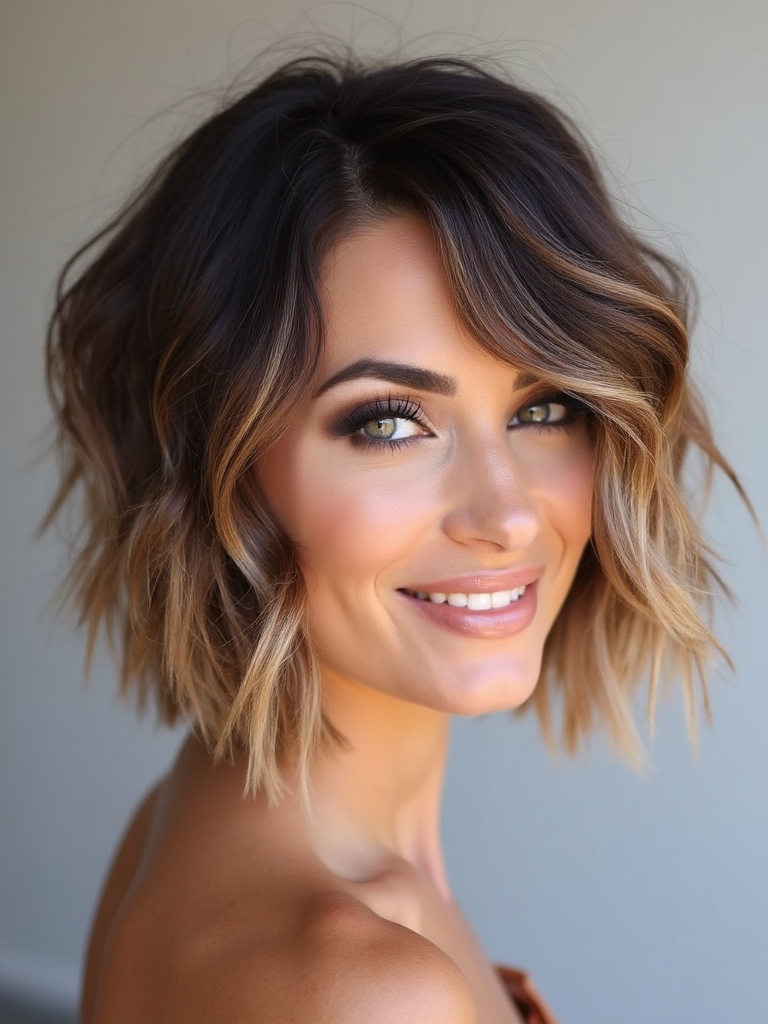
Color and a shag are made for each other, because painted-in lightness follows the movement of the layers and makes the texture pop. A soft balayage on a shaggy bob adds depth that a single flat color never can. Keep it flattering with a few principles:
- Brighter pieces around the face and at the ends emphasize the choppy layers and frame the face.
- Keep the roots soft and easygoing so grow-out is gentle and salon visits stretch to every three to four months.
- Expect a balayage to run roughly $150 to $300 depending on your length and your area; it’s the priciest part of this look by far.
Shaggy Bob Questions, Answered
?Is a shaggy bob high maintenance?
Day to day, no; it’s one of the lowest-effort cuts you can own, often just wash, product, and air-dry. The catch is the salon side: because the look depends entirely on the shape, plan on a reshape roughly every two months, otherwise the layers grow out, the cut goes heavy, and the movement disappears.
?Will a shaggy bob suit my face shape?
Almost certainly, because you adjust the framing to suit you. Round and fuller faces want longer, face-framing layers and curtain bangs to add length; longer faces can handle a shorter, fuller shape with a heavier fringe. The face-framing pieces are the part that does the flattering, so talk through your face shape with your stylist.
?Does a shaggy bob work on thick or coarse hair?
Beautifully, and it’s one of the best uses of the cut, because all that internal layering removes bulk and gives heavy hair movement it usually lacks. The only caution is to make sure enough weight stays at the perimeter so it doesn’t expand into a pyramid; a good stylist balances the de-bulking against keeping a clean outer shape.
?How is a shaggy bob different from a regular bob?
A regular bob is built on a stronger, often blunt outline with little internal layering, so it reads sleek and structured. A shaggy bob takes that length and adds heavy layers, choppy ends, and usually a fringe, trading the clean line for movement and a relaxed, undone feel. Same length, very different attitude.
It’s All in the Cut
If you take one thing from this, let it be that the shaggy bob earns its easygoing reputation only when it’s cut with skill. The low-effort look you’re after is built in the chair through layers, texture, and the right fringe, not faked every morning with hot tools.
So decide how much effort you’ll honestly give and how loud you want to look, then pick the one version on this list that matches both. The shaggy bob rewards that bit of self-honesty more than almost any cut I know. Which one feels like you?
Hand-Picked for You