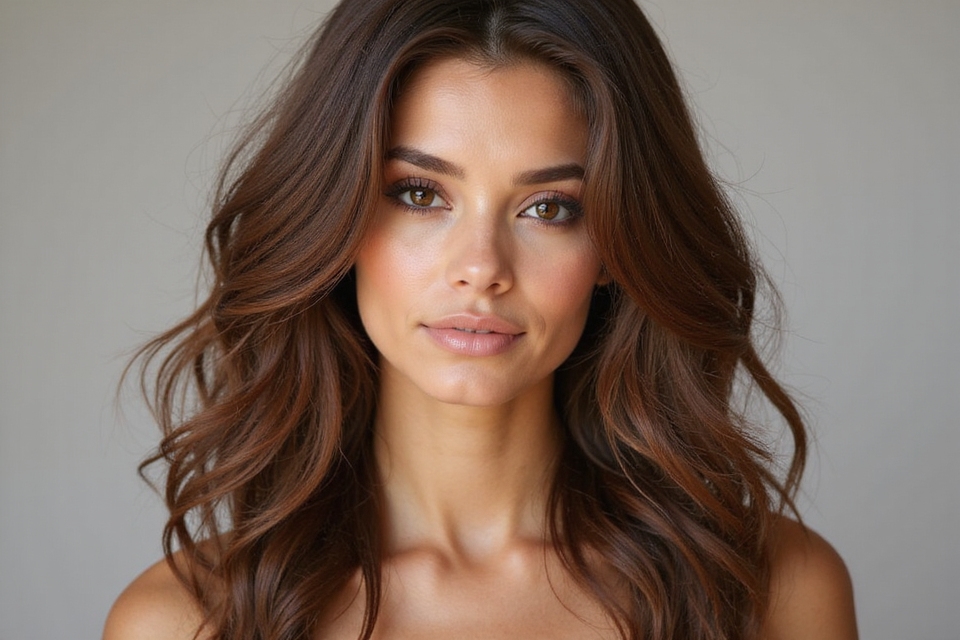
What does your hair actually want? That’s the question that changes everything with Black curly hair, because coils and curls thrive when you work with their nature and follow its lead. Once you learn your curl pattern and what it drinks up, the volume and definition follow on their own.
Black natural hair spans a whole range, from loose 3A curls to tight 4C coils, and every part of that range is worth celebrating on its own terms. This guide runs through the styles, techniques, and routines that keep curls healthy, defined, and full, from a perfect wash-and-go to protective styles rooted in generations of tradition, so your hair can do what it does best: bounce.
Curls, At a Glance
- Know your curl pattern (3A to 4C); it decides which products and styles work.
- Moisture is everything, since coils are naturally drier along the strand than straight hair.
- Protective styles and low manipulation keep length and health; wash-and-gos show off definition.
- Satin at night, gentle detangling, and a curl-literate stylist are the pillars of healthy curls.
Knowing Your Natural Texture

Everything starts with knowing your texture, because Black curly hair comes in many forms. Curl patterns run from loose, springy 3A curls through wiry 3C ringlets to dense 4C coils that draw up tight, and most heads carry more than one pattern at once. Your hair is its own map.
Your pattern decides what your hair needs. Looser curls hold definition with lighter products, while tighter coils want richer creams and more moisture to stay soft and springy. Knowing where you fall saves you a shelf of products that were never made for your hair.
There’s no better or worse pattern here, only different needs. Once you stop fighting your texture and start feeding it what it actually wants, the health, the definition, and the volume all fall into place.

Wearing Your Curls Like a Crown

Sometimes the best style is simply your curls worn big, full, and unapologetically high, a natural crown you don’t shrink for anyone. Volume is a feature of natural hair to celebrate, and letting it rise up and out is a statement all on its own. Let it take up space.
To get the height, stretch your damp curls gently with your fingers or a bit of banding as they dry, then pick out the roots with an afro pick once they’re fully dry. A light hand keeps the definition while lifting the whole shape up and out into that full, rounded crown.
Defined, Bouncy Ringlets

Springy, defined ringlets are what many people picture when they think of curly hair, and getting them comes down to technique and product. Luck has nothing to do with it. Definition comes from applying product to soaking-wet hair and letting the curls clump together into defined coils.
Definition Is a Technique
Work a curl cream and then a gel through drenched hair using the praying-hands method, then scrunch upward to encourage the coil. As it dries, a cast forms and holds the shape; once fully dry, scrunch out the crunch with a drop of oil for soft, bouncy ringlets.
The biggest secret is to stop touching. Every time you run your fingers through drying curls, you break the clumps and invite frizz, so apply, scrunch, and then leave them completely alone until they’re dry.
The Full, Lush Afro
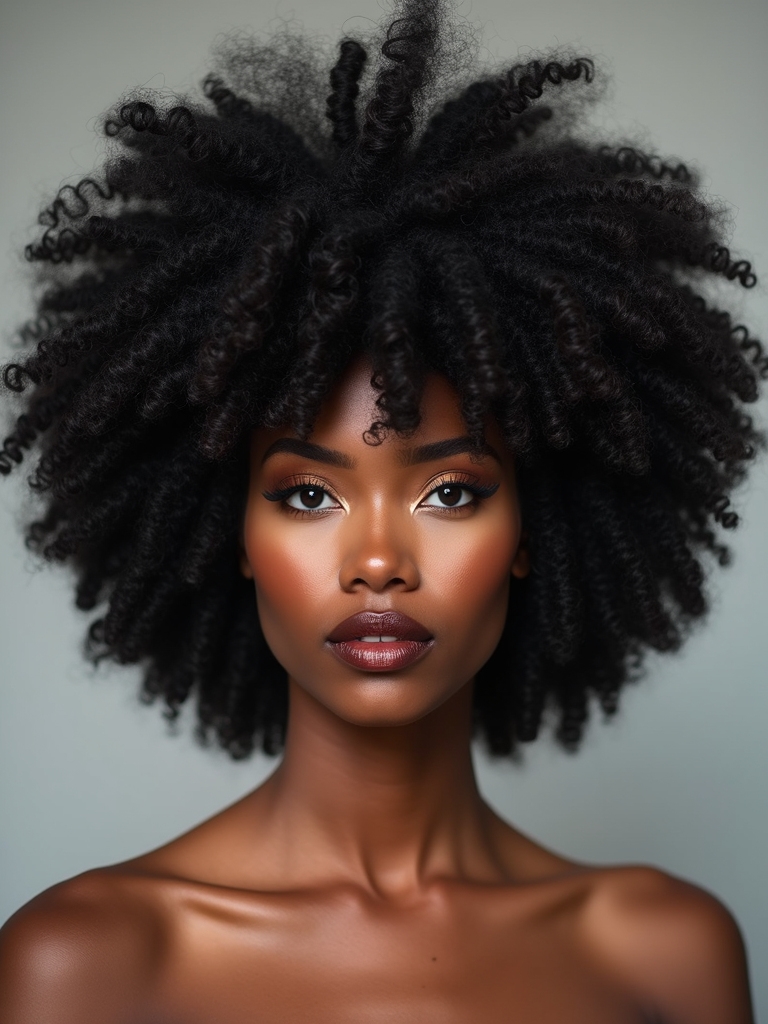
The afro is a timeless statement, a rounded halo of natural texture worn full and free, and it’s as much a look as it is a celebration of heritage. A healthy afro is all about moisture and even shaping. How to keep it full and soft:
- Keep it deeply moisturized so the coils stay soft and pick out evenly.
- Use a wide afro pick from the roots to lift and shape the round silhouette.
- Shape-up the outline with a trim, and dampen and re-pick to refresh it daily.
📋Keeping an Afro Healthy
- ✓Moisturize daily, since a dry afro loses its softness and even shape fast.
- ✓Pick from the roots with a wide afro pick to lift, never a fine comb.
- ✓Deep-condition weekly and sleep in satin to protect the shape overnight.
Styles Rooted in Heritage

So many natural styles carry real history, worn and passed down across generations, from cornrows and Bantu knots to locs and threaded updos. Wearing them is a connection to that heritage as much as a styling choice, and they hold beauty and meaning at once.
Beauty With Meaning
These styles are also deeply practical, protecting the hair while looking striking. Bantu knots double as a curl-setting method, cornrows tuck the ends away safely, and locs are a lifelong journey of their own. Each one honors the texture and celebrates it as it is.
Worn with pride, these looks are a quiet act of celebration. For a deeper dive, see the protective styles guide and the loc styles for versions rooted in the same tradition.
Embracing Your Natural Curls
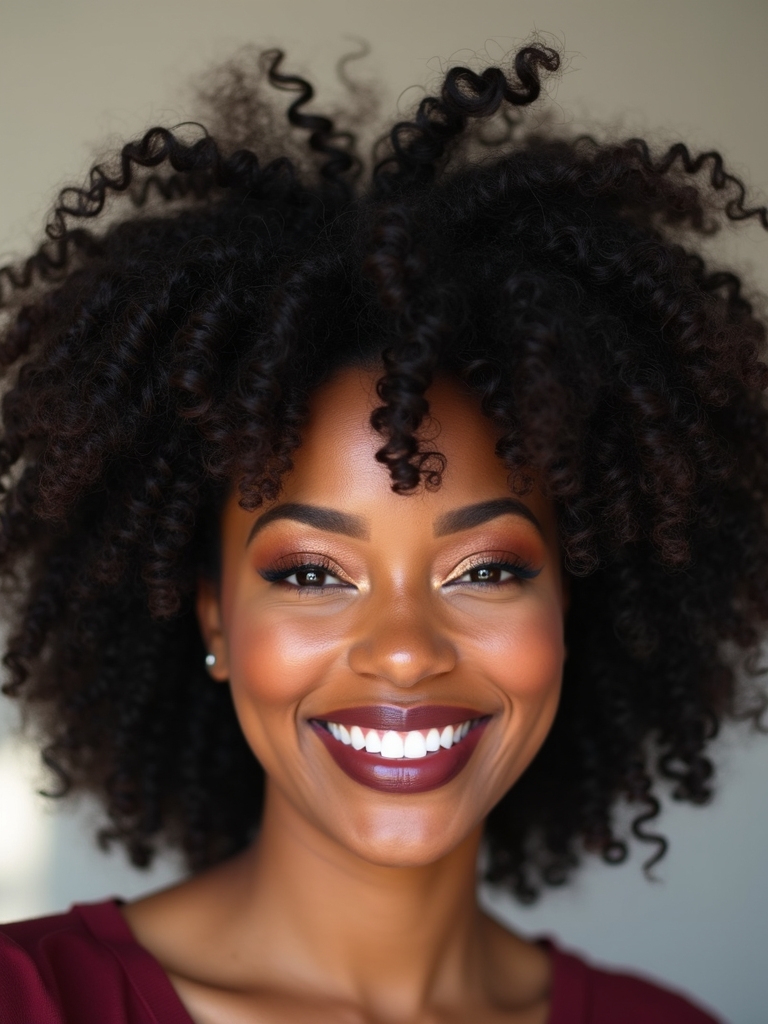
For a lot of people, going natural is a journey, and learning to love the texture that grows from your own head is the heart of it. After years of heat or relaxers, coming home to your curls can feel like meeting your hair for the first time. A few things that help:
- Give a big chop or a slow transition the patience it deserves; both are valid.
- Learn your curl pattern before buying products, so you feed what you actually have.
- Follow curl creators who share your texture, since seeing it worn well builds confidence.
The Products That Define Your Curls
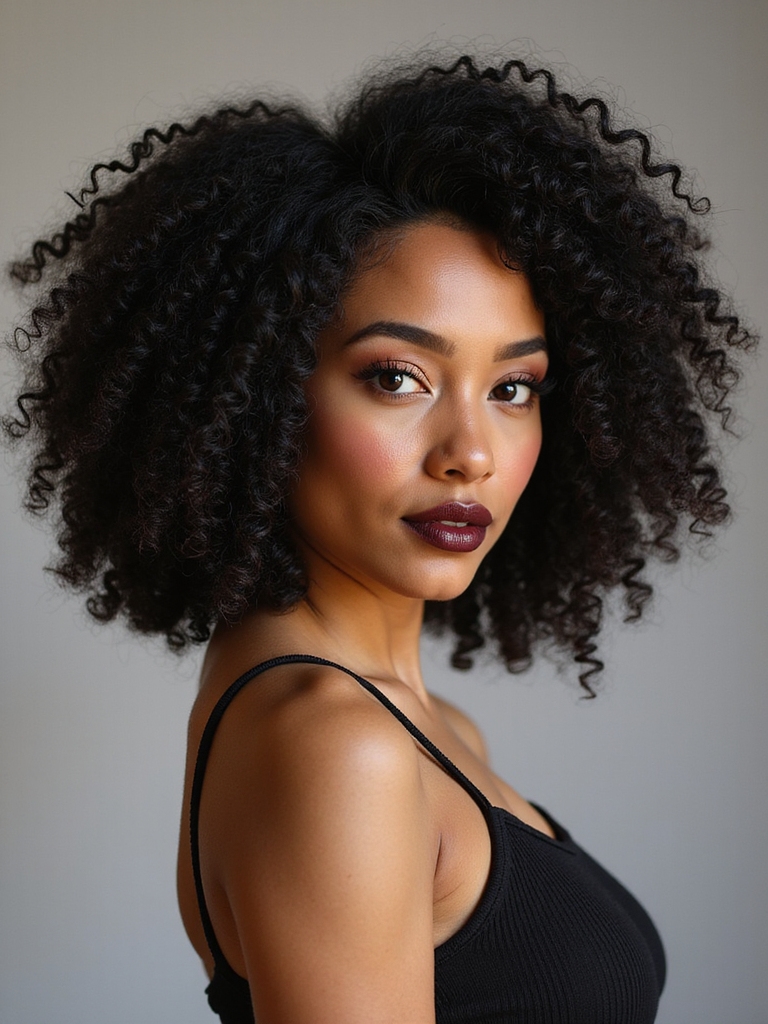
Great curls come down to the right products applied the right way, and the order matters as much as the products themselves. Layering from thinnest to thickest on soaking-wet hair is the foundation of nearly every defined style. The reliable sequence:
- Start on soaking-wet hair with a leave-in for slip and moisture.
- Follow with a curl cream for definition, then a gel to cast and hold.
- Scrunch upward, air-dry or diffuse, then scrunch out the crunch with a little oil.
The reliable wash-and-go layering order for defined curls:
1Soak and add leave-in
On soaking-wet hair in the shower, rake a leave-in through for slip and moisture.
2Cream for definition
Smooth a curl cream in with the praying-hands method to shape the curls.
3Gel to cast
Seal with a gel to form a cast, scrunching upward to encourage the coil.
4Dry and scrunch out
Air-dry or diffuse fully, then scrunch out the crunch with a drop of oil.
Accessories That Add Flair

The right accessory turns a simple curly style into a statement, and it can protect your hair at the same time. Silk scarves, headbands, hair jewelry, and beads all lift a wash-and-go or a protective style into something special.
Beyond looks, accessories buy you time between wash days and shield your edges from friction. A few favorites:
- A satin-lined headband smooths a third-day wash-and-go while protecting the roots.
- Beads and cuffs adorn braids, locs, and twists beautifully.
- A silk scarf tied back is both a style and an all-day edge protector.
Protective Styles for Length and Health

Protective styles hide the vulnerable ends and spare your hair the wear of daily styling, which is how many people hold on to length and keep their coils healthy season to season. They range from quick to intricate, and they give your hair a genuine rest. Popular options:
- Twists, braids, and buns keep the fragile ends tucked and protected.
- Keep any style snug but never tight, since tension at the edges causes thinning.
- Moisturize before you install and keep the scalp cared for while it’s up.
Detangling Without the Damage

Detangling is where a lot of breakage happens, so it’s worth slowing down for. Curly and coily hair should be detangled wet, drenched in a slippery conditioner, and worked from the ends up toward the roots so knots slide loose without snapping.
Fingers first, then a wide-tooth comb if you need one, and always in small sections. Rushing a dry, bare detangle is the single fastest way to snap fragile coils, so if you build the habit of setting aside real time on wash day to work through the knots gently and patiently, your curls will thank you by holding on to far more of the length you’ve been growing.
Cuts Made for Curls

A curl-literate cut changes everything, since curls have to be shaped for how they spring and shrink, not stretched straight and cut in a line. A stylist who shapes curls dry, working one spiral at a time, places the length where each coil actually falls — skip that step and the same head of hair can look either sculpted or triangular.
From a rounded shag to a tapered cut or a bold curly undercut, the right shape works with your density and pattern; browse short curly cuts for shape ideas. A dedicated curl cut runs more than a standard trim, often $80 and up, but it’s worth every cent for how the shape falls.
| Curl pattern | Flattering shape | Watch out for |
|---|---|---|
| 3A to 3B (loose) | Long layers, rounded shag | Over-layering, which thins the curl out |
| 3C to 4A (tight) | Tapered cut, rounded afro shape | Blunt lines that fight the spring |
| 4B to 4C (coily) | Sculpted taper, TWA, defined afro | Cutting stretched, which hides shrinkage |
Color on Curls, Done Carefully
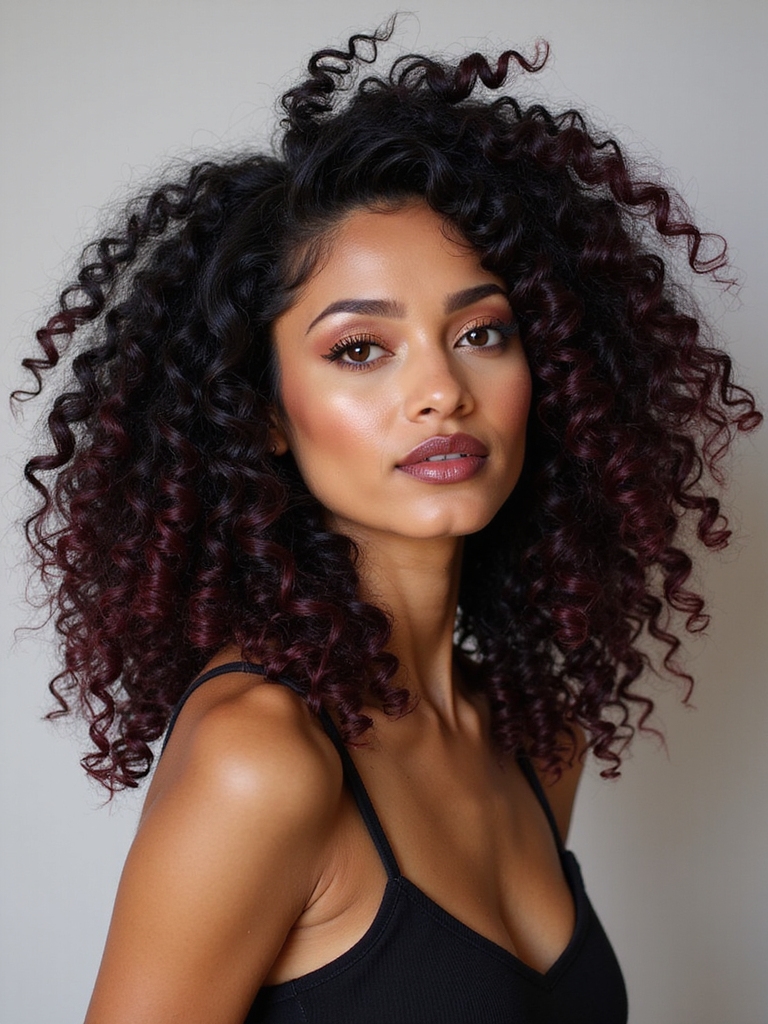
Color can bring beautiful dimension to curls, but curly and coily hair is drier and more fragile by nature, so it needs extra care through the process. Lightening in particular can leave coils thirsty, which is why a good colorist pairs it with bond-building and a serious moisture plan.
Balayage and highlights that follow the curl pattern light up the dimension without touching the roots too often. Whatever you choose, deep-condition faithfully afterward and go to someone experienced with textured hair, since color and curls together take real know-how to keep healthy.
The Perfect Wash-and-Go
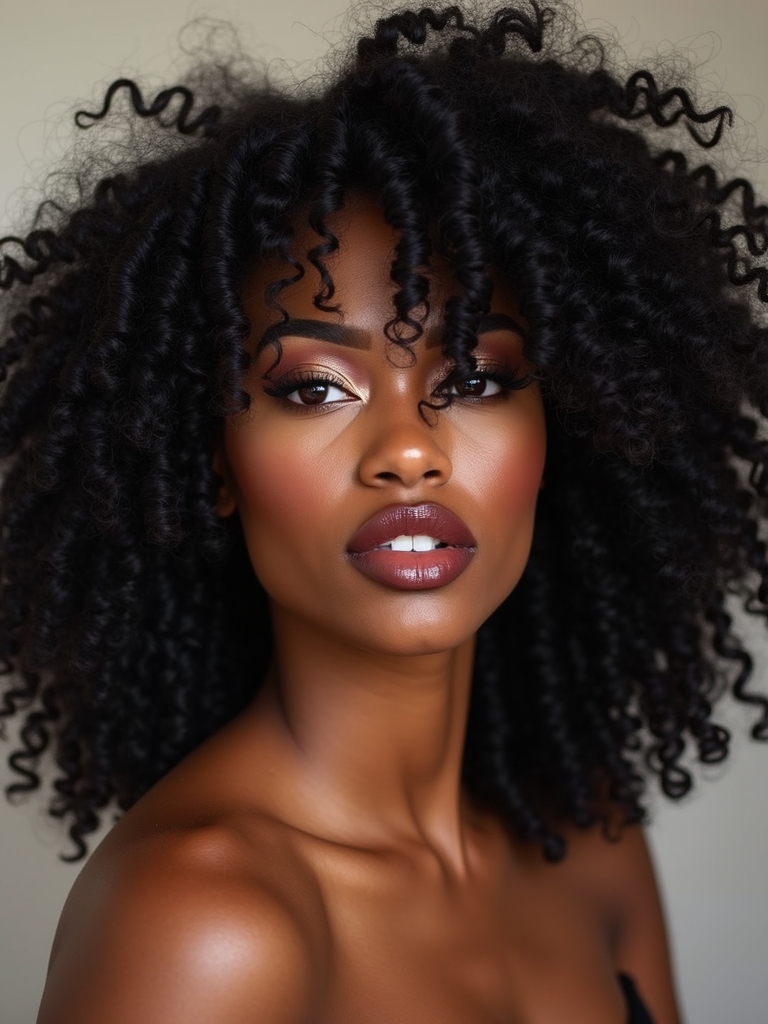
The wash-and-go is the everyday hero of natural hair, letting your curls dry in their natural pattern with product worked through for definition and hold. Done right, it’s the lowest-effort way to show off your texture in full. The quick method:
- Apply everything to soaking-wet hair in the shower, never damp or dry.
- Rake and then scrunch a leave-in, cream, and gel through in sections.
- Air-dry or diffuse without touching, then fluff the roots once fully dry.
Setting Curls Overnight

Your pillow does more to your curls than almost anything, so a few minutes of nighttime prep saves you from rebuilding the whole style at dawn. Shielding the coils while you sleep keeps them defined and stretches one good wash-and-go across three or four days. The nightly routine:
- Pineapple long curls into a loose, high, off-the-forehead ponytail.
- Sleep on a satin or silk pillowcase, or wrap up in a satin bonnet or scarf.
- Refresh in the morning with a water-and-leave-in mist and a gentle scrunch.
Looks That Inspire

Part of the joy of natural hair is how much it can do, and drawing on the range of iconic curly hairstyles is half the fun. From a towering afro to sculpted finger coils, the versatility is the point. A few to try:
- A twist-out or braid-out for stretched, defined, elongated curls.
- Finger coils or a defined wash-and-go for maximum spring and shine.
- A half-up puff or a sleek edge-laid bun for something quick and polished.
Not sure which style to try next? Start with your mood.
1I want maximum volume
Pick out a full afro or a stretched twist-out for height and body.
2I want defined, low-effort curls
A wash-and-go with the right product layering shows off your pattern.
Building a Curl-Care Routine
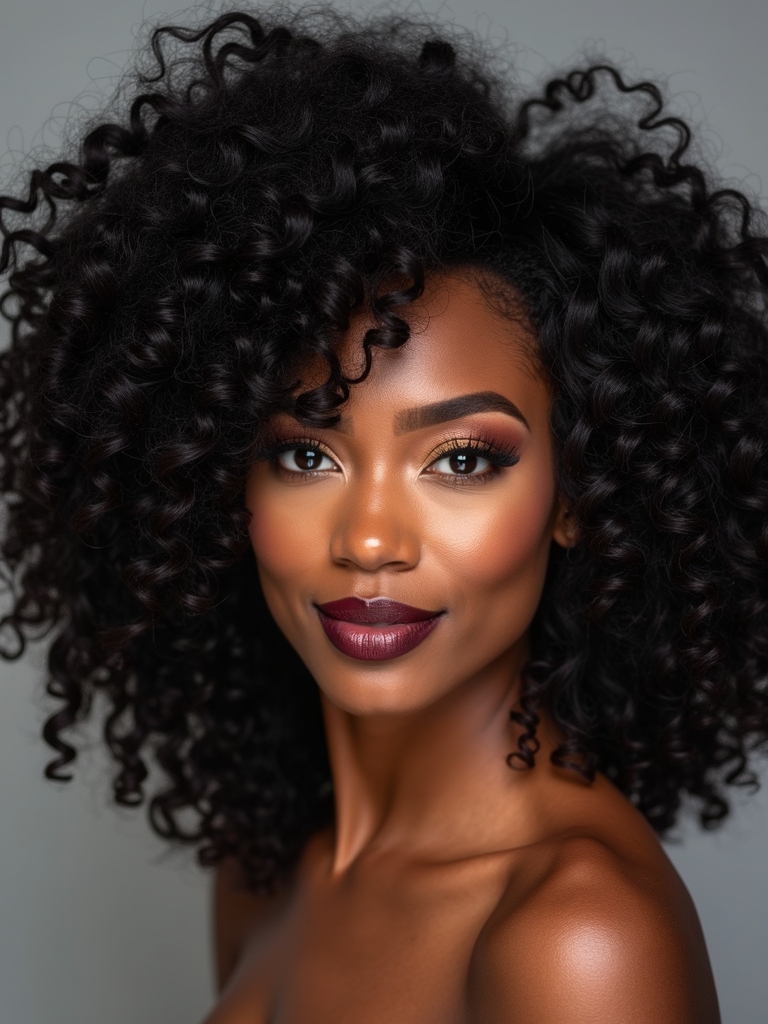
Healthy curls come from consistency, not from any single miracle product, and a simple weekly rhythm does more than the fanciest bottle. The backbone is regular moisture, gentle handling, and a balance of hydration and protein so the hair stays both soft and strong.
Build the routine around your wash day and keep it realistic. The essentials:
- Deep-condition weekly to replace the moisture coils naturally lack.
- Use the LOC or LCO method (liquid, oil, cream) to seal in hydration.
- Clarify occasionally to clear buildup, and balance moisture with a light protein treatment.
Passing Curl Confidence Forward

There’s a real shift happening in how natural hair is seen, worn, and celebrated, and every person who wears their coils proudly makes it easier for the next. The knowledge that used to be guarded and traded quietly is now shared openly, and that changes everything for anyone just learning their texture.
Celebrating your curls is bigger than a single style; it’s part of a wider reclaiming of natural beauty on its own terms. Every wash-and-go worn with confidence and every protective style honored as heritage keeps that momentum going, and it’s a beautiful thing to be part of.
Curl Mistakes Worth Avoiding
A handful of common missteps hold curls back more than any product ever could, and sidestepping them makes most of the difference. The one that ruins the most wash-and-gos is raking your fingers through curls while they dry, which shatters the clumps and turns definition into a frizz halo, so apply, scrunch, and then walk away.
Right behind it is under-applying product to hair that isn’t wet enough, since curl cream and gel only clump properly on soaking-wet strands. Brushing dry curls, using the wrong-weight product for your pattern, and refreshing with plain water and no sealant round out the usual definition-killers.
The other trap is chasing someone else’s curls. A 4C head will never do what a 3B head does, and it was never supposed to, so copying a wash-and-go made for looser curls only leads to frustration.
Learn your own pattern, feed it what it wants, protect it at night, and give it a curl-literate stylist, and your hair rewards you with health and volume it had all along. The goal was never to change your texture, only to understand it, and that understanding is where every good curl day begins.
Your Curls, Fully Alive
Black curly hair rewards understanding more than effort. Learn your pattern, keep it deeply moisturized, handle it gently, protect it at night, and lean on styles, from a defined wash-and-go to a protective braid rooted in heritage, that partner with your texture and follow its lead. Do that, and the volume, definition, and bounce show up on their own, because they were always there waiting.
So start with what your hair is actually asking for, build a simple routine you’ll keep, and find a stylist who speaks fluent curl. Celebrate what naturally grows from your scalp, in whatever style makes you feel most like yourself.
Worth a Look