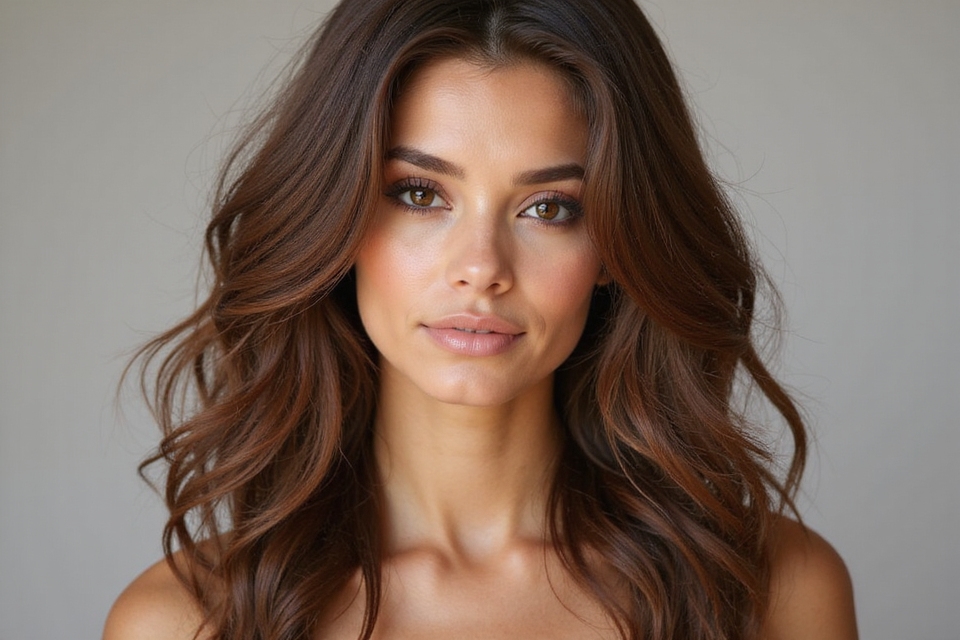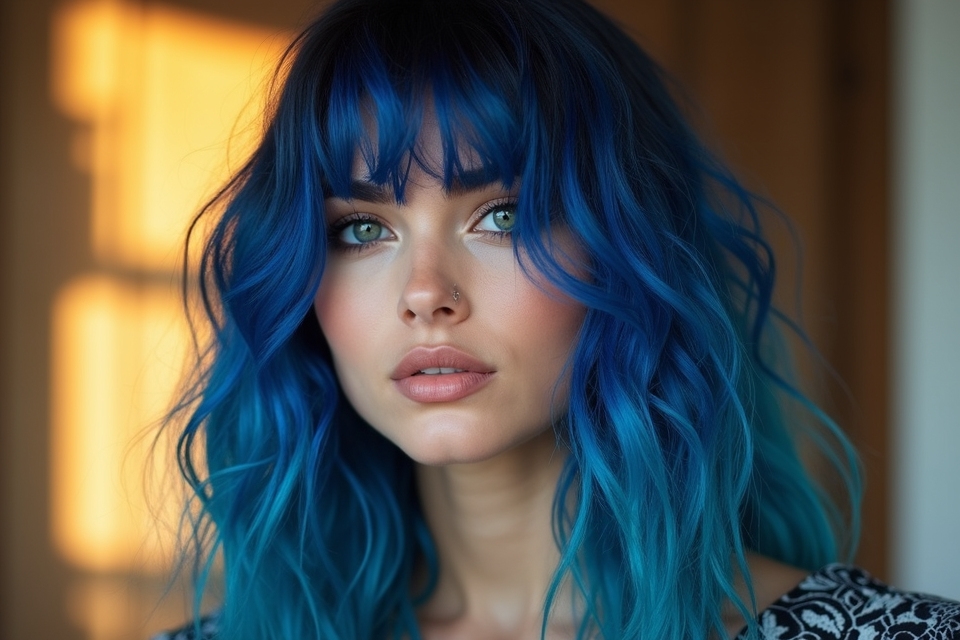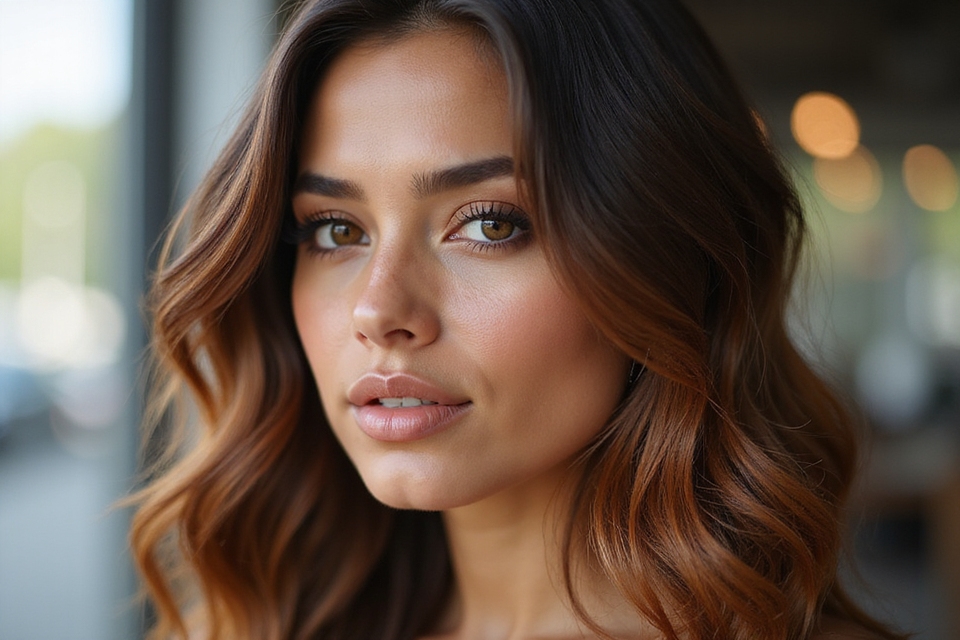
Three different colorists once talked the same client out of going lighter, all citing her deep complexion as the reason it wouldn’t work. She left a fourth appointment in a honey-warm caramel that made her whole face light up in the mirror. Hair color for brown skin isn’t limited the way that advice implied, it’s a wide-open canvas: rich, melanin-deep complexions hold up to shades that wash paler skin right out.
The only real rule that matters is matching color to undertone rather than to depth of skin. Below is a shade-by-shade breakdown, from warm caramels to bold jewel tones, with who each one flatters and how to keep it looking intentional.
Hair Color for Brown Skin, Quickly
- Undertone decides which shade works, not how deep the skin is; warm, cool, and neutral each have a distinct best-fit palette.
- Going lighter on brown skin is entirely possible with the right lift and a regular gloss to keep it clean.
- Bold jewel tones like burgundy and plum read as rich and grown-up against deeper complexions rather than costume-like.
Start With Your Skin’s Undertone

The single factor deciding whether a color sings or falls flat is undertone, and it has nothing to do with how deep the skin is. Brown skin spans warm, cool, and neutral undertones exactly like every other complexion, and that’s the actual variable to match hair color against.
The Wrist-and-Jewelry Test
Finding it takes under a minute. Checking the veins on the inner wrist in natural light works well: greenish veins point toward warm, bluish or purple toward cool, and a mix toward neutral. Gold jewelry that flatters usually signals warm; silver that pops usually signals cool.
Once undertone is confirmed, every recommendation that follows narrows down fast instead of requiring guesswork at each shade.
Best Hair Colors for Cool Undertones

Cool undertones glow against shades built on a blue or ashy base. Blue-toned veins and a preference for silver jewelry both point here. Cool browns, soft blue-blacks, and jewel tones like burgundy and plum bring out richness in the skin without adding warmth it doesn’t need.
What to Watch Out For
The colors worth approaching carefully are the brassy, golden ones, since too much orange or gold can fight a cool undertone and leave it looking muddy rather than warm.
A little warmth can still work here, as long as a colorist balances it with a cool-leaning gloss afterward. When unsure, an ashy or neutral version of nearly any shade tends to sit well on cool skin.
Best Hair Colors for Warm Undertones

Warm undertones are built for golden, honeyed, and coppery shades, and this is where brown skin tends to glow the most. Green-toned veins and a pull toward gold jewelry both point warm; lean into caramel, honey, warm chocolate, copper, and cinnamon here.
These shades echo the warmth already present in the skin instead of fighting it, and that harmony is exactly why they photograph so well.
The shades worth watching are the very ashy, cool-leaning ones, which can read flat or gray against warm skin. An overly cool blonde or a steely ash brown risks leaving warm complexions looking drained rather than glowing; if a cooler shade is still the goal, asking a colorist to keep a trace of warmth in the formula usually solves it.
Best Hair Colors for Neutral Undertones

A neutral undertone sits balanced between warm and cool, and that balance opens up an unusually wide color range. Blue-green veins and an equal pull toward both gold and silver jewelry both point neutral.
The choice here becomes less about what works and more about mood and upkeep, since nearly the whole spectrum is available. Pick by the feeling wanted:
- Warm shades like caramel and chestnut for a soft, sun-warmed look.
- Cool shades like ash brown or burgundy for something sharper and moodier.
- Neutral browns for a polished, everyday color that asks little of the calendar.
ℹ️Undertone Overrides Depth
Skin depth and undertone are two separate variables. Two people with the exact same depth of brown skin can have completely different undertones, which is why the same shade can look striking on one and flat on the other.
Deep Auburn

Deep auburn is a red-brown with real warmth built in, and it lands strikingly on brown skin with warm or neutral undertones. The red catches light and brings color into the cheeks, reading as healthy and luminous rather than flat.
Reds fade faster than nearly any other family, so protecting the color matters from day one. A color-depositing red conditioner, cool-water washes, and a periodic gloss keep auburn from sliding toward dull. For a deeper look at the full range, the auburn hair guide covers everything from subtle to bold within this family.
Gold Highlights Woven Through

Gold and honey highlights add light around the face without committing to a full color change, which makes this a natural first step before going lighter all over.
Woven through a dark base, gold pieces catch the sun and frame the face with a warmth that suits most brown skin comfortably. Placement matters more than volume here.
- Ask for face-framing gold or honey pieces rather than an all-over lift.
- A toning gloss keeps the gold from drifting brassy as it grows out.
- Refresh the placement every few months rather than chasing a perfectly even regrowth line.
Not sure which undertone family fits? Start here:
🎯Gold jewelry looks best against your skin
That’s a strong signal toward warm undertones; caramel, honey, and copper are worth exploring first.
🎯Silver jewelry looks best against your skin
That points toward cool undertones; burgundy, plum, and ash-leaning browns are the stronger starting point.
Rich Chocolate Brown

For something timeless and forgiving, rich chocolate brown is hard to top. Deep, glossy, and warm, it suits nearly every undertone on brown skin and delivers an expensive-looking shine without demanding much upkeep in return.
This tends to be the most requested color in a color consultation, and the reason is simple: it works reliably across a wide range of starting points.
Because it stays close to most natural dark bases, regrowth is soft and forgiving, stretching months between visits without an obvious line. An occasional gloss appointment is close to all it takes to keep the mirror shine intact.
Glossy Chestnut

Chestnut sits as chocolate’s warmer, redder sibling, a brown with a glint of auburn running through it that comes alive under direct light.
On brown skin it adds dimension without going fully red, making it a comfortable middle ground for anyone curious about warmth but not ready to commit fully.
- Warm and neutral complexions carry chestnut’s red glow the most naturally; cool skin can read it as slightly muddy instead.
- A warm-leaning gloss deepens the color and keeps it from fading flat.
- Pairs naturally with soft caramel pieces for extra dimension.
Caramel Highlights

Caramel is the highlight behind more transformations than almost any other shade on this list, and for good reason. That golden-brown tone, painted through a dark base, gives brown skin a sun-warmed glow that reads as expensive and natural at once.
It scales easily to budget and nerve, working as a full color or as soft, hand-painted pieces.
- Balayage caramel offers the softest grow-out with the least upkeep of any option here.
- Warm and neutral undertones pull the most gold out of this highlight; cool skin tends to flatten it toward beige instead.
- A gloss refresh keeps caramel from drifting toward brassy over time.
🅰️Chocolate Brown
Low-maintenance, forgiving regrowth, works across nearly every undertone.
🅱️Chestnut
A touch more red and warmth, still easy to maintain, best on warm and neutral skin.
Bold Burgundy

Burgundy is where brown skin gets to make a real statement. That deep wine red, somewhere between red and purple, looks luxurious against deeper complexions. It reads as bold without tipping into costume-like, a rare combination worth appreciating on its own.
- Cool and neutral undertones pull the deepest wine tone out of it; warm skin can shift it toward a plainer brick red.
- Darker bases may need a touch of lift first to show the color’s true tone.
- Protect it like any red family shade, with cool washes and a depositing conditioner.
Cinnamon Highlights

Cinnamon plays as caramel’s spicier cousin, a warm red-brown highlight that adds heat and dimension to dark hair. On warm-undertoned skin it glows like a sunset, bringing a cozy richness that suits cooler months especially well without asking for a full red commitment:
- Ask for cinnamon pieces woven through the mid-lengths for depth rather than an all-over saturation.
- The red-brown heat here suits warm and neutral skin specifically; cool undertones tend to see it read more brown than red.
- A warm gloss on a regular cadence keeps the spice from fading dull between visits.
Honey Blonde

Brown skin absolutely can go blonde, and honey is the shade that makes it look easy. A warm, golden honey blonde flatters deeper complexions far more reliably than an icy platinum, since its warmth harmonizes with the skin instead of competing against it. Getting there safely usually follows a familiar path:
- Lift gradually over a couple of sessions rather than forcing it in one visit.
- Keep the tone honey-warm and golden so it flatters skin instead of graying it out.
- Budget time for a toning gloss on a steady cadence, plus a bond treatment to protect the hair through the lift.
Cool Ash Brown

For cool undertones drawn to something modern and a little moody, ash brown is the move. This cool-toned brown, with its smoky, low-warmth finish, reads sleek against cool brown skin and offers a sophisticated alternative to the warmer shades on this list. Confirming a truly cool undertone first matters more here than with most other shades on this list:
- Best reserved for cool and true-neutral undertones; warm skin can look drained under ash.
- Ask a colorist for a soft ash with some underlying depth, rather than a flat, opaque gray-brown.
- A cool-toned gloss maintains the ashy finish, since it warms up gradually without one.
A couple of terms worth knowing before a color consultation:
📖Depositing conditioner
A regular conditioner with pigment mixed in, applied at home between salon appointments to keep tone from washing out too quickly. It maintains, not corrects.
📖Bond-building treatment
A repair service or product designed to rebuild internal hair bonds broken during lightening, most relevant for anyone lifting several levels at once.
Bright Copper

Copper is having a real moment, and it looks striking on brown skin. That bright orange-red, somewhere between penny and rust, makes warm complexions noticeably brighter. It takes a certain confidence to wear, but the payoff is a color that turns heads for the right reasons:
- Copper’s heat is built for warm and neutral undertones; cool skin tends to fight the orange rather than glow with it.
- Copper fades fast, so a depositing copper conditioner earns its place in the routine.
- Cool washes and minimal heat styling slow the fade from penny to dull.
Smoky Silver Highlights

Silver and smoky gray sit at the high-fashion end of this list, and against deep skin the effect can look remarkably sharp when it’s done with intention. The contrast between cool silver and warm brown skin reads editorial rather than accidental, working best on cool undertones where the silver harmonizes instead of clashing.
This is worth going into with open eyes, since silver is the highest-maintenance shade covered here. Significant lift on dark hair, an ongoing bond-building plan, and a purple-toning routine to hold off yellowing all come with the territory; this is a commitment color best maintained by a colorist who works with it regularly.
Plum and Berry Tones

Plum plays as burgundy’s more purple, more playful relative, and it sits beautifully on brown skin. That deep berry-purple glows against deeper complexions with a richness that manages to feel both bold and polished at once.
- Cool and neutral skin holds plum’s purple most clearly; warm undertones can pull it toward a duller brown-red.
- Dark hair usually shows plum best with a little lift underneath it first.
- Treat it like any fashion-forward shade: cool washes and a plum-toned depositing mask.
Balayage for Dimension

For movement and glow without a demanding routine, balayage answers the brief well. Hand-painted pieces in caramel, honey, or copper, blended through a dark base, give brown skin a sun-touched dimension that grows out softly with no harsh line. It’s the most forgiving way to add lightness to deep hair on this whole list.
- Grows out gently enough to stretch several months between salon visits.
- A warm-toned balayage tends to harmonize with most brown skin best.
- A gloss on a steady cadence keeps the painted pieces from turning brassy.
The Care Routine Behind Vivid Color

Whatever shade gets chosen, the care routine is what actually keeps it looking salon-fresh between visits. Color-treated hair, especially anything lightened, runs drier and more porous than untouched hair, so moisture and gentle washing matter more here than almost anywhere else in a routine.
The Non-Negotiable Basics
That’s doubly true if the hair underneath is also curly or coily, since that texture tends to run thirstier to begin with, even before color enters the picture.
The essentials stay simple: a sulfate-free, color-safe shampoo, cool-water rinses, and a weekly moisture or bond mask. A color-depositing conditioner in the right shade tops up pigment between visits and measurably stretches the color’s life.
Matching the Shade to Your Personality

Undertone narrows down which colors will flatter, but personality decides which one actually gets chosen. The right shade is the one that still feels like the same person underneath it, so weigh how much attention the hair should draw and how much upkeep actually fits day-to-day life.
Three quick questions tend to narrow the decision fast:
- Low-key and low-effort: a rich chocolate or chestnut close to the natural base.
- A glow without drama: caramel or honey balayage.
- Ready for a statement: burgundy, copper, or plum.
How to Get the Look
Bring a colorist two things at the consultation: a real, unfiltered photo of the target shade, and an honest account of undertone (or a willingness to do the wrist test together in the chair). Skipping this step is the single most common reason a color looks perfect on a screen and disappointing in person.
For anything involving significant lift, expect the appointment to run several hours and land around $150 to $300 depending on length and starting depth, not a quick in-and-out visit; a strand test beforehand catches problems a photo alone never will.
Wear the Color That Lights You Up
Brown skin is a canvas for some of the richest hair colors available, from a forgiving chocolate to a bold, glowing plum. Choosing by undertone rather than by outdated advice about what deep skin supposedly can’t wear opens up the entire spectrum rather than a narrow slice of it.
Bookmark the two or three shades here that match both undertone and nerve, and bring them to a colorist who’s visibly excited to work with the complexion in front of them, not one who talks in limitations before the consultation even starts.
Hand-Picked for You