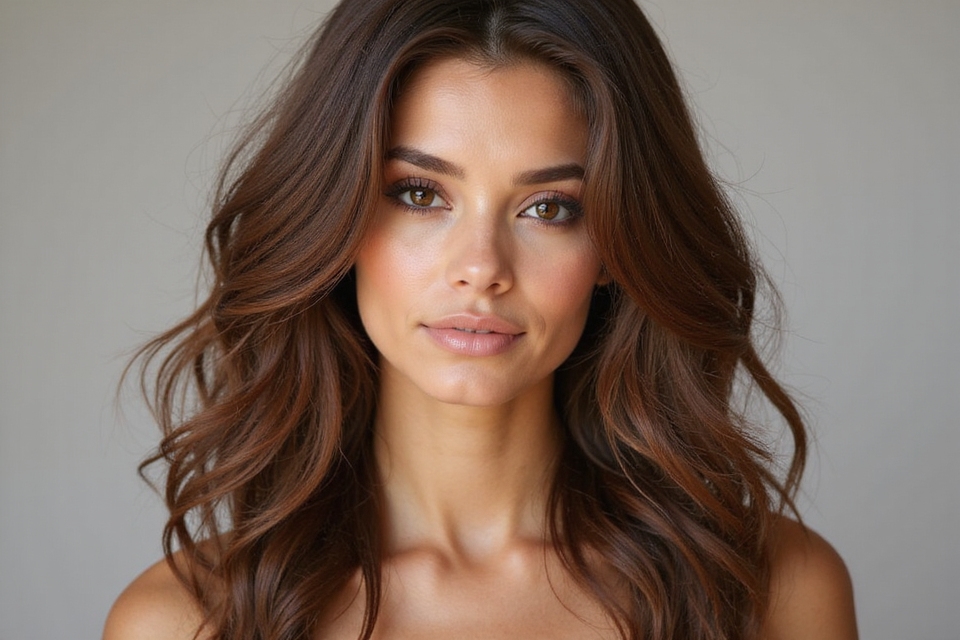
Ombre only has one rule: the ends have to be noticeably lighter or brighter than the root, with a soft gradient doing the work between them. Everything else is negotiable — how dramatic the shift is, which two colors you pick, how far up the head the change starts.
That single rule is also what makes ombre so forgiving compared to all-over color: the regrowth becomes part of the design. Below are twenty ways to wear the gradient, sorted from the lowest-commitment options to the boldest, with what each one actually costs to maintain.
Before You Book a Color Appointment
- The lighter or bolder the end shade, the more lightening the base needs first — which drives most of the cost difference between these twenty looks.
- Ombre grows out gracefully by design; a visible root line is part of the intended look, well before it becomes a sign the color needs an urgent refresh.
- Bold fantasy colors (rainbow, teal, deep purple) fade fastest and need the most frequent top-ups of any shade on this list.
- A colorist can usually build toward a dramatic shade gradually, over two or three visits, protecting the hair along the way.
Classic Brown to Blonde Ombre

This is the original ombre and still the easiest entry point: natural brown roots melting into blonde ends, usually two or three shades lighter than the base. Because the transition works with your own root color, upkeep stays low compared to almost any other color service.
The catch, if there is one, is patience. Getting the ends light enough to look truly blonde can take more than one lightening session on darker brown hair, especially if you want a bright, cool result. This is the one I point clients toward most often when they say they want a change but flinch at anything drastic. For the fully lightened version, natural blonde hair covers what that upkeep actually looks like.
Pastel Pink Ombre

Pastel pink needs a pale, pre-lightened base before the color goes on, since the dye itself is sheer and shows almost nothing over dark hair. Where this shade struggles is longevity: pastels are semi-permanent by nature and rinse out faster than any permanent color on this list.
- Best on hair that’s already blonde or has been lightened first.
- Fades within four to six weeks, faster with frequent washing.
- A color-depositing conditioner extends the tone between salon visits.
Rich Chocolate Ombre

Rich chocolate ombre keeps the whole look inside the brunette family, shifting from a deep espresso root into a warmer, lighter cocoa through the ends. No lightening is required if your natural color is already brunette.
This is the pick for anyone who wants dimension without the drama of going blonde. It comes across as healthy, glossy depth rather than a visible color change, which makes it an easy sell to a first-time colorist appointment.
🅰️Subtle Ombre (Chocolate, Ash)
Little to no lightening needed, low upkeep, easy to reverse or grow out.
🅱️Dramatic Ombre (Platinum, Rainbow)
Multiple lightening sessions, frequent toning, real commitment to upkeep and cost.
Icy Blonde Ombre

Icy blonde pushes the ends toward a cool, almost silver-white finish, which takes real lightening plus a purple or blue toner to cancel out the warmth every blonde naturally lifts to. For the all-over version of this same cool tone, icy blonde hair covers it in full.
- Needs significant lightening; rarely a one-visit result on dark hair.
- A purple shampoo between visits keeps brassiness from creeping back in.
- Toner fades faster than the lightened base, so plan on a refresh closer to once a month than once a season.
Fiery Red Ombre

Fiery red ombre takes a natural or dyed base into a vivid orange-red at the ends. This one is built to make a statement, not blend in quietly.
Where red struggles most is staying put. It’s the fastest-fading color family in hair dye, period, since the red pigment molecule is larger and washes out before other tones do. Expect to book a refresh close to monthly to keep it this vivid. See red hair for the full-head version of this same shade.
Subtle Ash Ombre
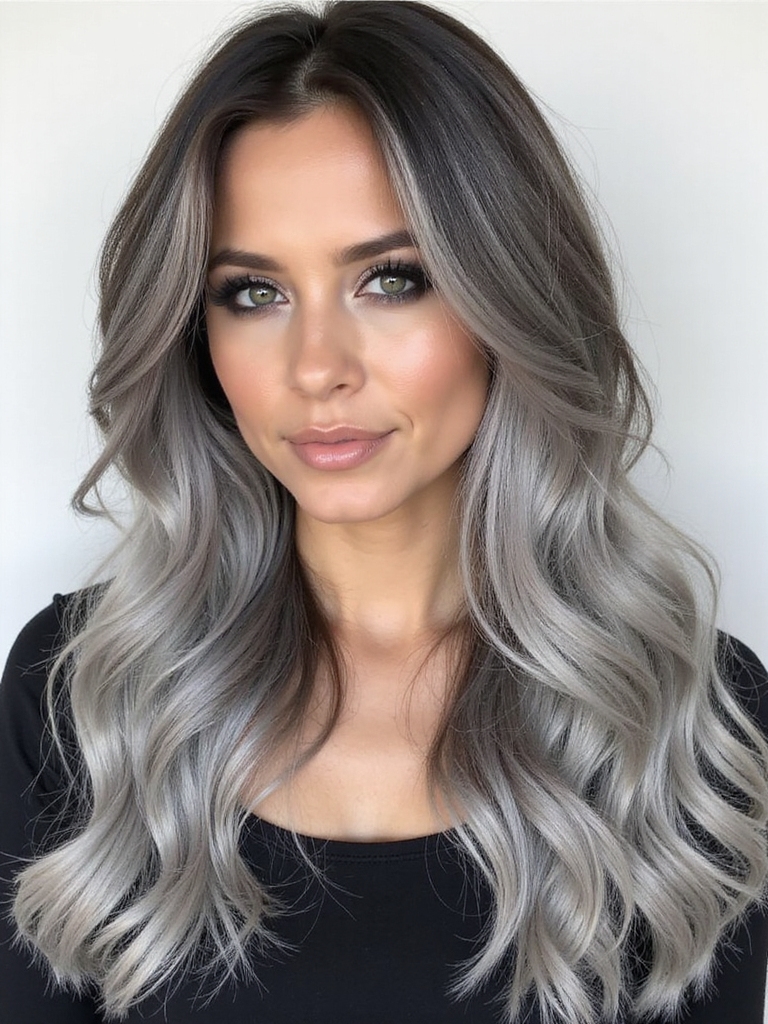
Subtle ash ombre cools the ends down a shade or two without pushing all the way to platinum, landing somewhere between your natural color and a muted, smoky blonde.
- Works on both brunette and blonde bases with minimal lightening.
- The understated result looks professional, which makes it popular for office settings.
- Ashy tones can look gray-adjacent under warm indoor lighting; check it in daylight before committing.
Rose Gold Ombre

Rose gold blends warm pink with a metallic gold undertone, landing softer and more wearable day-to-day than a straight pastel pink.
The advantage over other pastels shows up as it fades: rose gold ages into a warm blonde rather than a washed-out gray-pink, so the in-between stage looks more like a color choice than a color that’s dying.
- Best over a pale blonde or bleached base.
- A rose-gold-tinted conditioner refreshes the tone between full appointments.
- It fades gradually toward a soft peachy blonde.
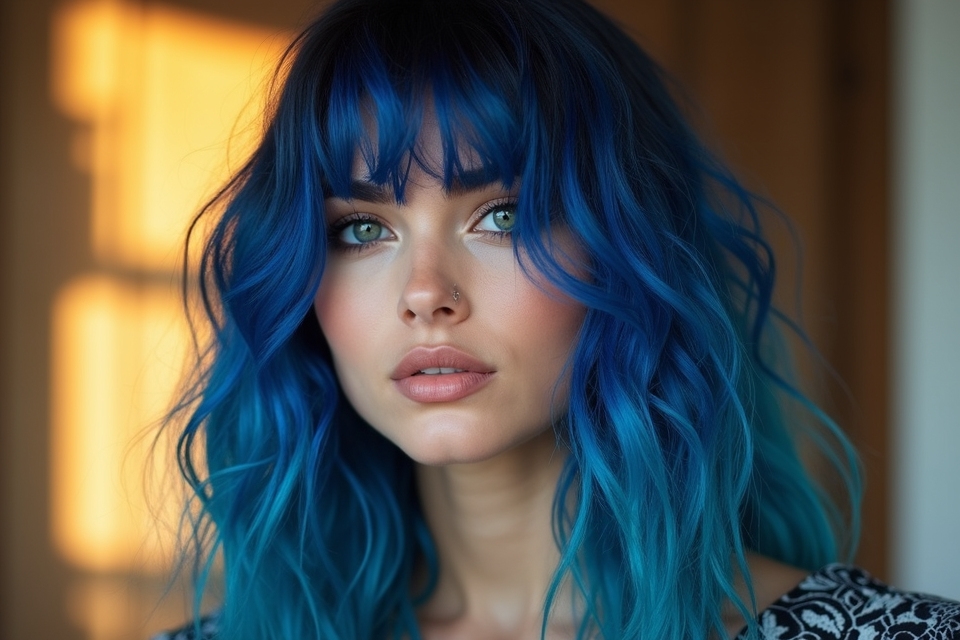
Midnight Blue Ombre

Midnight blue works directly over dark brown or black hair with little to no lightening, since the blue only needs to show as a subtle sheen.
In most indoor lighting it simply reads as very dark hair. Step into direct sun or a photo with flash, and the blue undertone comes forward. That low-visibility trade-off is exactly why it needs so little upkeep.
Platinum Silver Ombre

Platinum silver is the most extreme lightening job on this list, often taking several sessions spaced weeks apart to protect the hair from the damage a single aggressive bleaching would cause. For the fully gray-toned, all-over version, ash gray hair goes further into it.
- Requires healthy hair going in; a colorist may decline on already-damaged strands.
- Toning maintenance is near-constant, since warmth returns to lightened hair within weeks.
- A bond-building treatment during the lightening process is worth the extra cost.
Warm Copper Ombre

Copper has been having a real moment, and ombre is a low-risk way to try it without recoloring an entire head. The root stays close to natural while the ends shift into a warm, orange-leaning red-blonde.
Why Copper Reads Warmer Than Red
Unlike straight red, copper sits closer to the warm end of blonde, which means it can be built up gradually from an existing blonde or light brown base.
I always warn clients that this one fades faster than they expect the first time around; a color-depositing gloss on a roughly six-week cycle keeps the copper from sliding toward a duller strawberry blonde.
Smoky Lavender Ombre
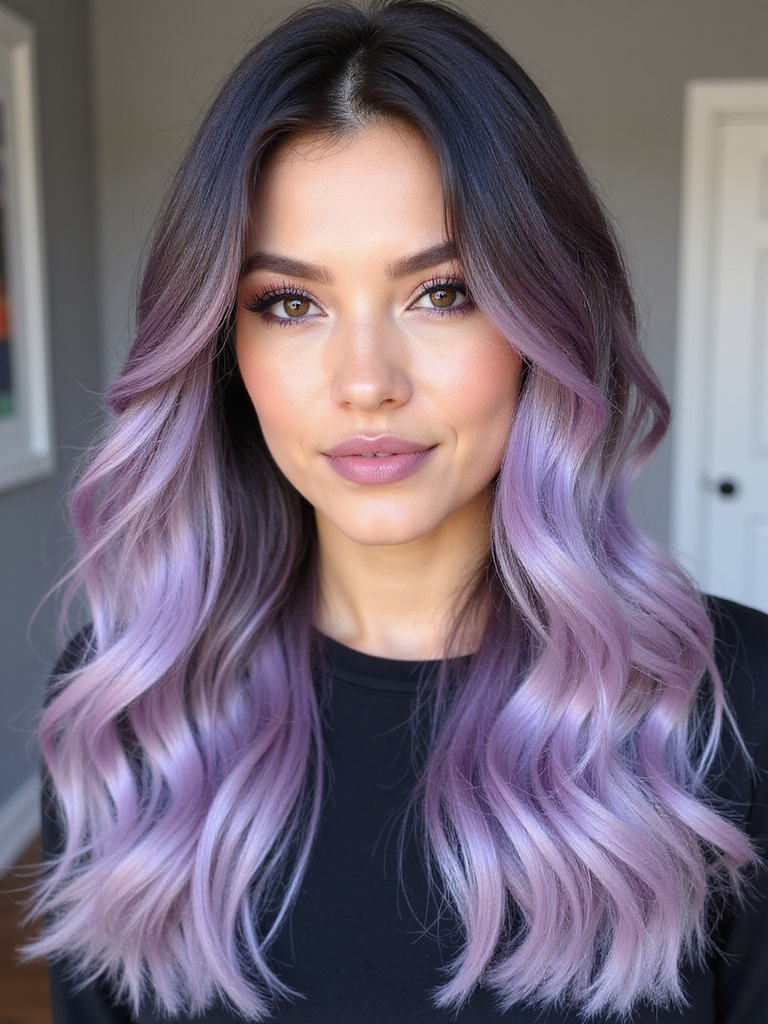
Smoky lavender softens the pastel-purple idea with a gray undertone mixed in, landing muted and a little moody. Balancing gray against purple takes a more practiced colorist than a straight pastel does, since the two tones can separate unevenly as they fade.
- Best over pre-lightened, ash-toned blonde hair.
- The smoky undertone hides regrowth slightly better than a pure pastel would.
- A silver or purple shampoo maintains the gray-lavender balance between visits.
Sunset Orange Ombre
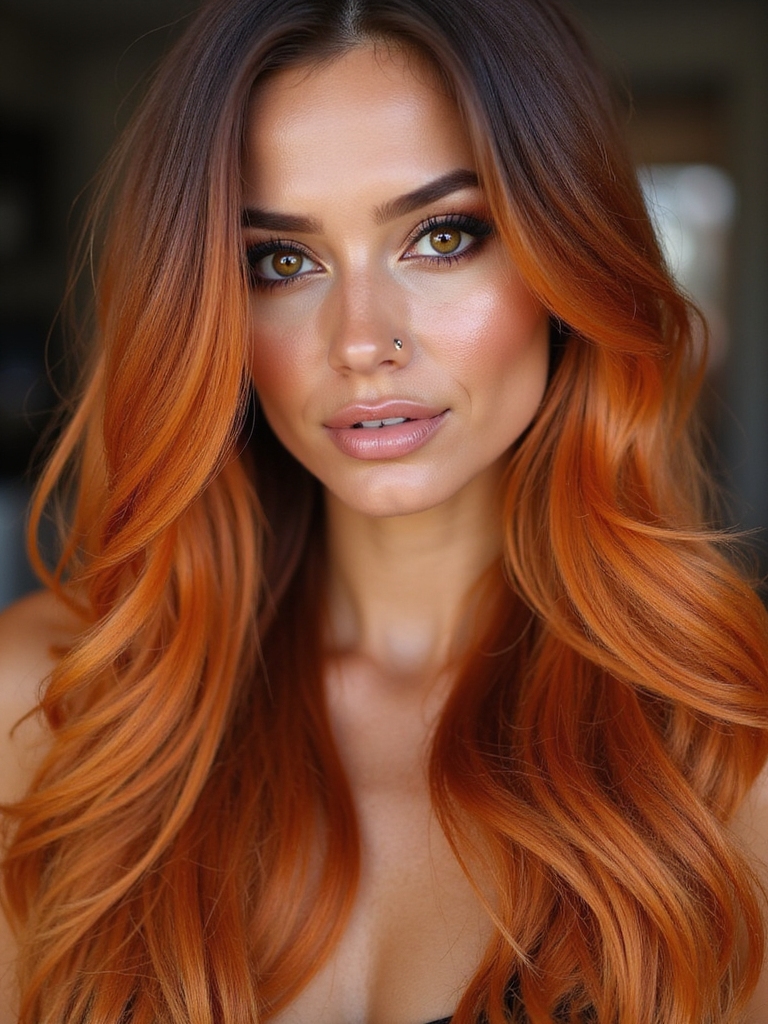
Sunset orange strings together red, orange, and yellow in one gradient, closer to an actual sunset than any single fantasy shade.
Getting three distinct tones to blend without a visible hard line is real technical skill; book this one with a colorist who has already done multi-tone gradients, ideally more than once.
Because it uses several vivid, unstable pigments at once, expect the outer tones to fade at different speeds, which shifts the balance of the gradient over a few weeks.
A term that comes up constantly when booking a bold gradient:
📖Pre-Lightening
Bleaching hair to a pale yellow or white base before a vivid or pastel dye goes on, since bright colors need a light canvas to show their true tone rather than muddying over natural pigment.
Teal Green Ombre

Teal green sits at the boldest end of the fantasy-color spectrum, and it needs hair lightened to a pale yellow or white base before the dye can show true.
Green fades in a specific, predictable way, sliding toward a dull, brassy yellow-green well before it disappears, so most people refresh it before it ever reaches that in-between stage.
This is a high-commitment color, both to install and to keep looking intentional over time.
Honey Blonde Ombre
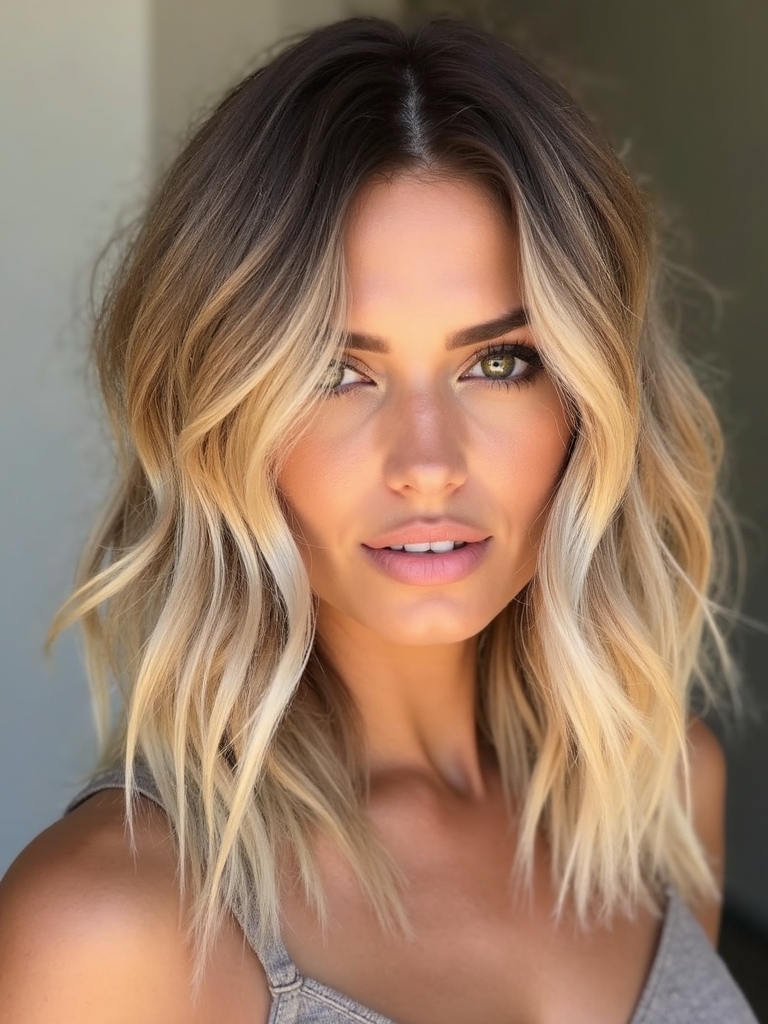
Honey blonde mimics what the sun does naturally to light brown hair, so it’s often the lowest-maintenance blonde ombre on this entire list. For the all-over take, honey blonde hair covers it start to finish.
- Blends easily with natural light brown or dark blonde roots.
- Warm tones need less toning upkeep than cool or ash blondes.
- A great first ombre for anyone nervous about going too light too fast.
Deep Burgundy Ombre

Deep burgundy pairs a dark root with a rich, wine-red end, giving brunettes a way to add color without lightening a single strand. Burgundy hair runs through the full-head version if you want to go further.
It suits fall and winter especially well, since the deep tone can look almost black in low light and reveal its red undertone in the sun.
A weekly gloss refresh keeps the wine tone from fading toward a flatter, duller brown between full color appointments.
Protect Light Fabrics
Semi-permanent reds, burgundies, and other saturated tones can transfer onto white pillowcases, towels, and collars for the first several washes. A dark towel dedicated to drying freshly colored hair saves a lot of laundry stress.
Soft Caramel Ombre

Soft caramel takes a brunette base into warm, honeyed ends that sit between blonde and light brown, keeping the whole look wearable for daily life.
Because caramel stays close to natural brunette and blonde tones, the grow-out is nearly invisible, which is the main reason clients request it as a low-drama first color change.
A gloss treatment every couple of months keeps the caramel from dulling to a flatter brown.
Tropical Rainbow Ombre

Tropical rainbow ombre blends several bright, distinct colors down the length of the hair, and it’s the single most maintenance-intensive option on this list by a wide margin. Rainbow hair covers the full-head version of the same idea.
Every section of hair has to be pre-lightened to near-white before any of the vivid dyes go on, since even one shade holding onto warmth will muddy the color next to it.
- Requires a fully pre-lightened base, section by section.
- Each color fades at its own rate, so the gradient shifts week to week.
- Best suited to hair that can handle repeated lightening without breaking.
Deep Purple Ombre

Deep purple ombre leans jewel-toned, keeping the saturation high and staying well clear of pastel lavender. It lands as a bold statement color without the full commitment of an all-over dye job.
A Bold Color for the Low-Key Dresser
A lightened base is still required for the purple to show as true violet; skip that step and it settles as a dark, barely-there tint over brown hair.
This shade rewards people who don’t mind a visible fade cycle. It moves through a whole range of purples on its way out, gradually, over several weeks.
💡Wash in Cool Water
Hot water opens the hair cuticle and pushes color out faster, especially on fantasy shades. Rinsing color-treated hair in cool or lukewarm water alone can add real time to how long a vivid ombre stays saturated.
Creamy Peach Ombre

Creamy peach softens rose gold’s pink with more yellow and orange, landing warmer and slightly more muted. It works as a gentler alternative for anyone who wants a pastel without leaning pink.
Of the pastels here, it blends into a natural blonde base the fastest once it starts fading, which makes the grow-out period noticeably less awkward than pink or lavender.
- Best on warm-toned blonde or pale brown bases.
- Pairs well with warm-toned makeup and jewelry for a cohesive look.
- A tinted conditioner keeps the peach from washing out too quickly.
Sandy Beach Ombre

Sandy beach ombre scatters several natural, sun-kissed tones through the ends, mimicking hair that’s spent a summer outdoors more than any single sharp gradient could.
It’s often recommended as a first ombre for exactly that reason: the multiple soft tones blend into almost any natural base, and the low-contrast result is nearly impossible to get wrong.
How to Get the Look
Every ombre starts the same way in the consultation, and it’s the part clients most often skip: bring a photo, but be specific about how far up the head you want the color to start and how dramatic the contrast should be. A colorist needs both pieces of information alongside the reference image.
Budget matters here more than with most color services. A subtle, low-lightening ombre can run $100 to $180; a full pre-lightened fantasy-color job, done safely over multiple visits, often runs well past $300. Ask for a price range at consultation before any bleach touches your hair.
Ombre Hair Color, Answered
?What’s the real difference between ombre and balayage?
Ombre is a horizontal gradient, darker at the root and lighter at the ends in a fairly uniform line. Balayage is painted on in vertical, hand-swept sections for a more natural, sun-lightened look with softer edges throughout.
?Can I get a bold ombre color without bleaching my whole head?
Yes. Since ombre only lightens the lower portion of the hair, the bleach stays confined to the ends and mid-lengths, leaving the roots and scalp untouched by the lightening process.
?How do I keep my ombre from looking like it’s just growing out badly?
Ask your colorist to soften the line between the two tones with some blending or babylights, rather than a hard, single-step color break. A soft transition still looks intentional even months later.
?Will ombre work on very short hair?
It can, though the shorter the hair, the less room there is for a gradual transition, so the color shift tends to look more like a distinct two-tone rather than a soft blend.
?Is ombre damaging if I already color-treat my hair?
It depends entirely on how much lightening the specific shade needs. Subtle, same-family ombres add little extra stress; anything requiring fresh bleach on top of existing color should go through a colorist who can assess your hair’s condition first.
Twenty Gradients, One Simple Idea
Underneath all twenty of these looks is the same basic idea: a gradient that lightens or brightens as it moves down the hair. What changes is how far you push it, and how much upkeep you’re actually willing to commit to.
Start the conversation with your actual hair’s current color and health, alongside the photo that caught your eye — that combination is what determines how many sessions stand between you and the shade you want.
More Inspiration