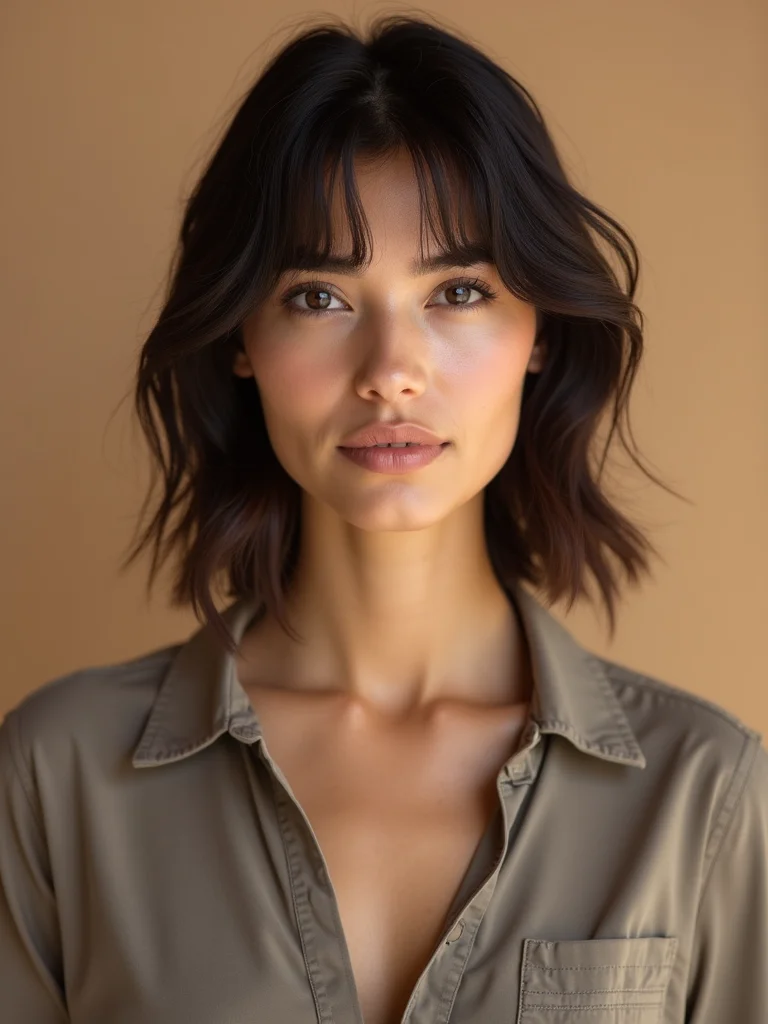
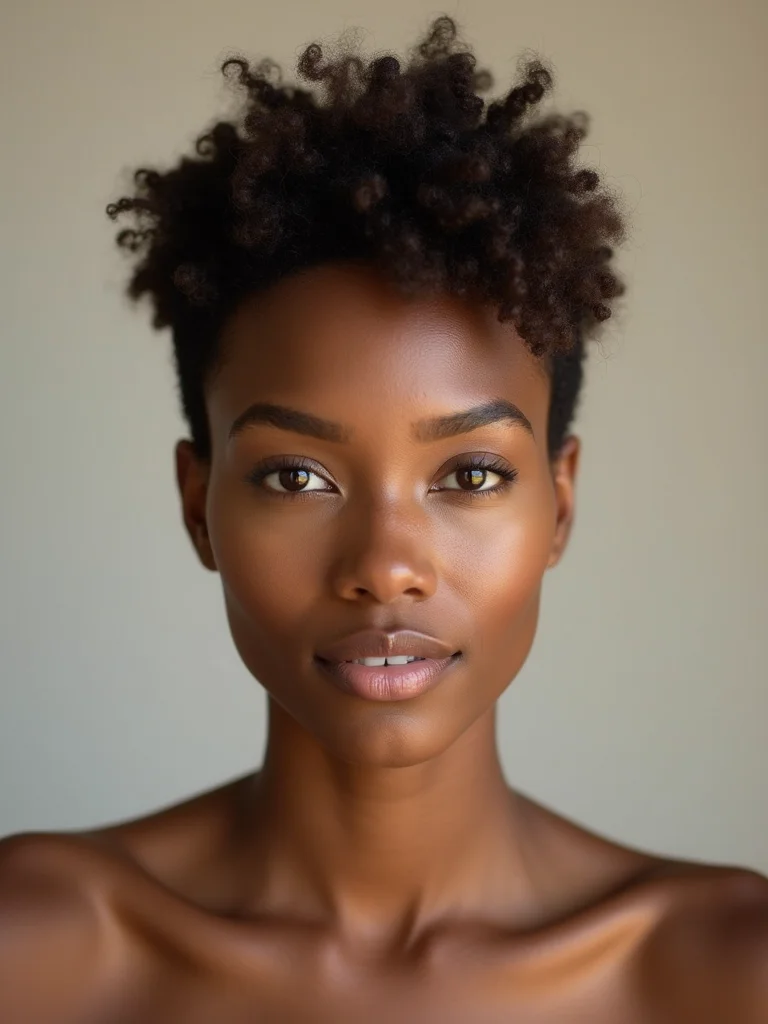
What happens when a face shape doesn’t have an obvious weakness to correct? Most haircut guides exist to fix something: widen a narrow jaw, soften sharp corners, add length somewhere. An oval face skips most of that math, since its proportions are already close to balanced top to bottom.
That’s less a limitation to plan around and more a wide-open field. Seventeen cuts follow below, sorted by how much daily effort each one takes and how bold a change it makes. Not entirely sure your face is oval? Our face shape quiz settles it in under a minute.
Before You Scroll Further
- An oval face isn’t the easiest shape because it has fewer options; it’s easiest because almost nothing looks wrong on it.
- That freedom shifts the real decision onto texture, effort, and taste rather than proportion.
- A pixie, a bob, and shoulder-length layers can all work equally well on the same oval face; the deciding factor is almost always maintenance tolerance, not flattery.
Classic Long Layers With Face-Framing
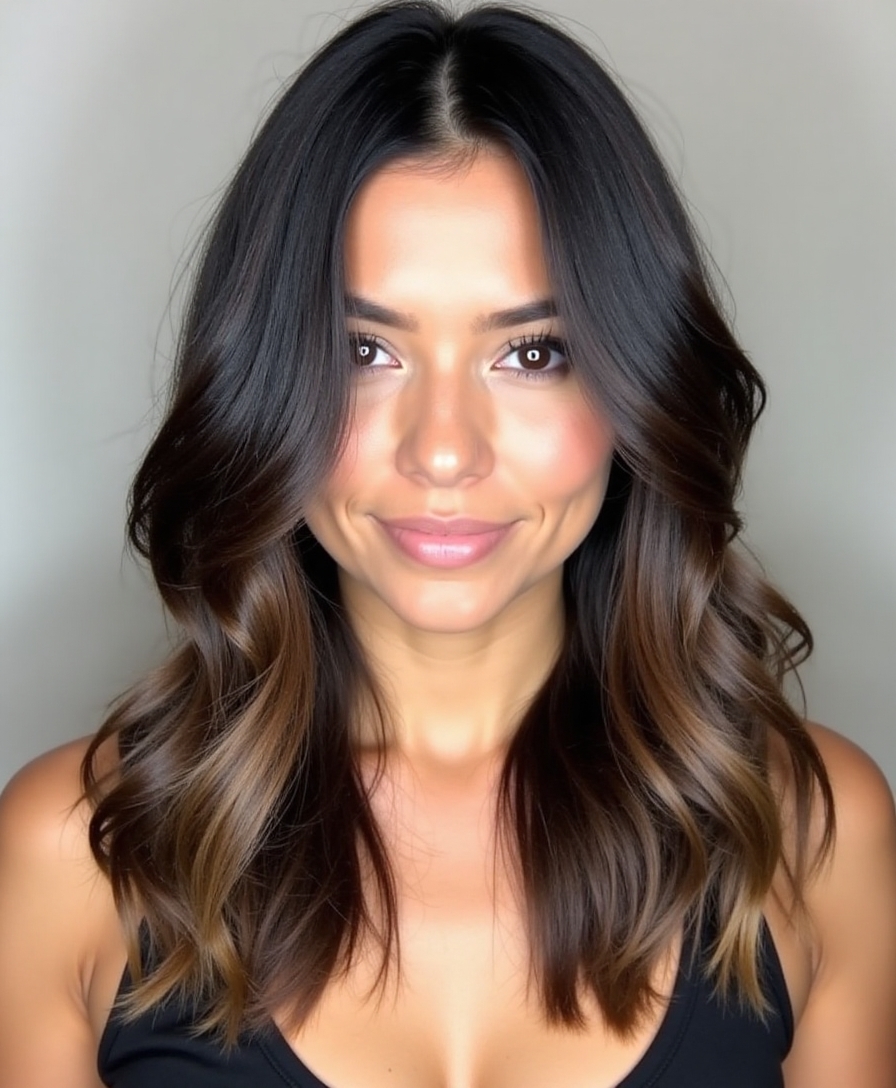
Long layers with a couple of shorter pieces near the face are the safest starting point on this whole list, mostly because there’s no proportion here that needs correcting in the first place.
- Works at almost any length, from collarbone to waist.
- A round brush or a curling wand both bring out the layering equally well.
- The easiest option to describe to a new stylist without a reference photo.
The Shoulder-Length Bob With a Side Sweep
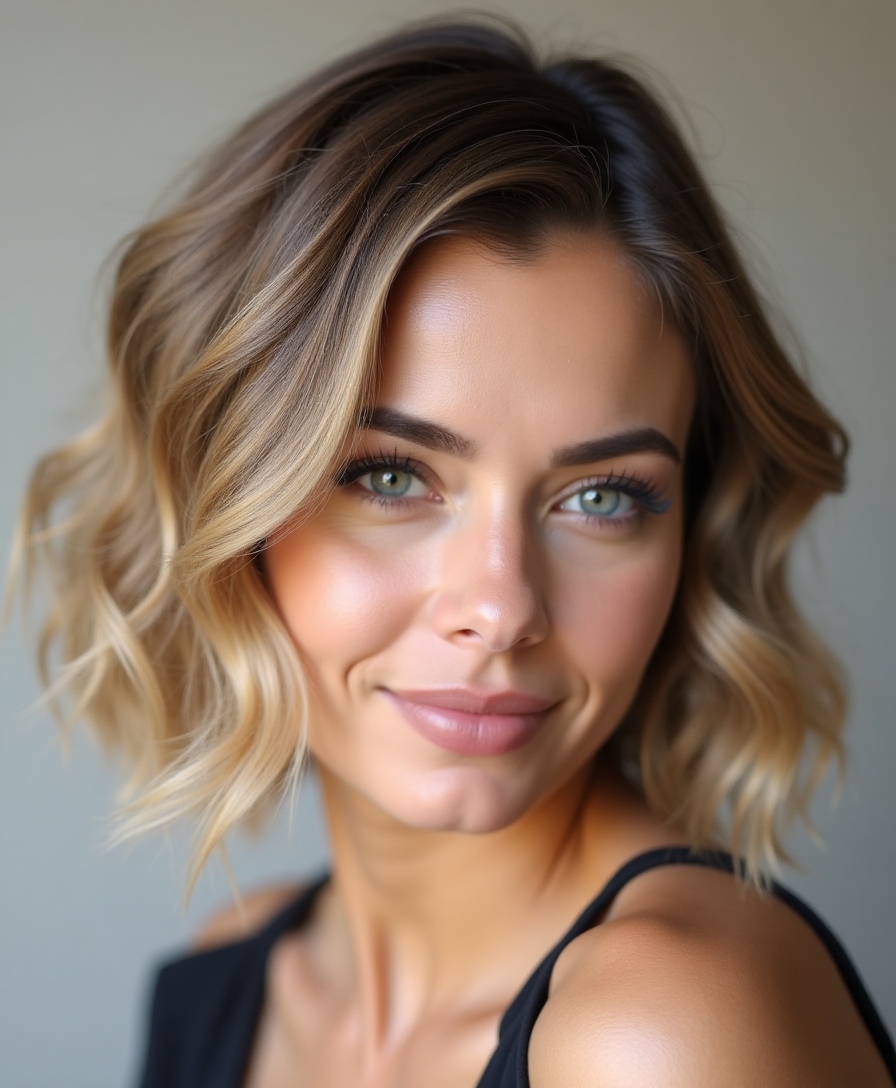
A shoulder-length bob with a side-swept part reads polished without much daily effort, and it’s one of the few lengths that transitions cleanly from smooth to slightly waved depending on your mood.
You’ll notice this length hits at a point that flatters most necklines too, and that alone keeps it a consistently requested cut year after year. For the same idea on other face shapes, round face haircuts covers how the styling changes.
The Textured Pixie With a Longer Crown
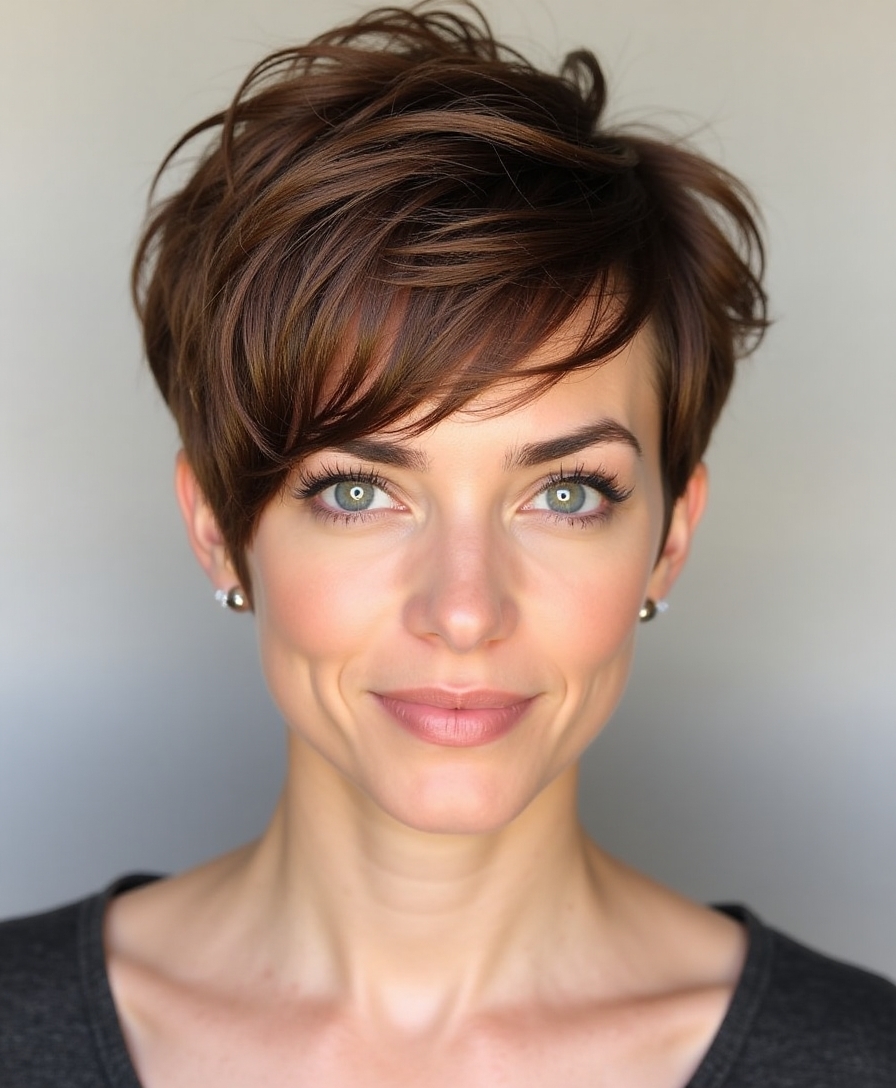
This is where an oval face’s balance really shows off: a pixie this short would need real justification on most other shapes, but here it just works. Pixie cut styles has more length and texture variations if this one appeals to you.
The longer crown adds a little height and keeps the whole silhouette from reading too severe. Expect a couple of minutes with texture paste to build the piecey finish.
I always ask clients considering this one to bring more than a single reference angle, since it’s a bigger commitment than most cuts here, closer to a specialty cut than a standard trim.
Curtain Bangs on Medium-Length Hair
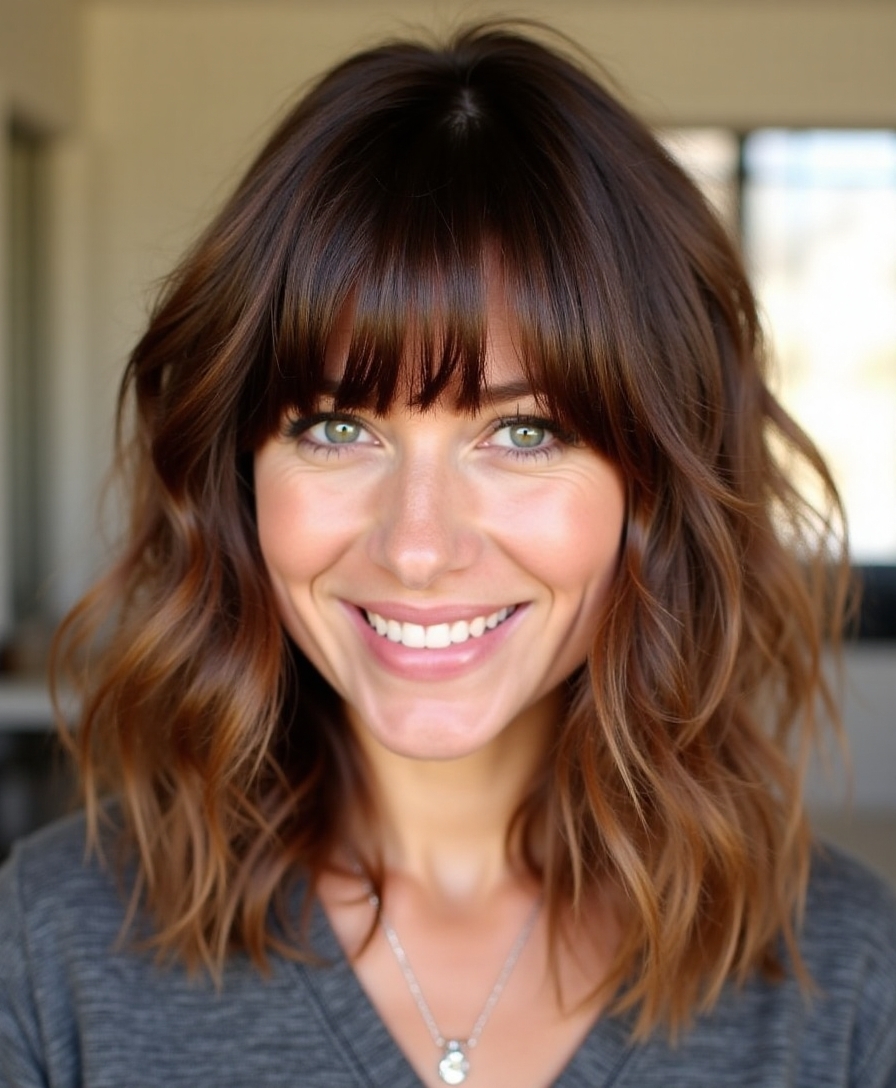
Curtain bangs part down the middle and sweep to either side, adding softness around the face without covering the forehead entirely.
Why the Middle Part Matters
The middle part is what makes curtain bangs work here specifically; it echoes the natural symmetry an oval face already has, rather than fighting it the way an off-center part might. See the curtain bangs guide for styling detail specific to the fringe itself.
Expect a quick shaping trim on its own schedule to keep the fringe from growing into your eyes between full haircuts.
🅰️Curtain Bangs
Parted and swept aside; softer, less commitment, easy to grow out or push back.
🅱️Blunt, Full Bangs
Straight across, more dramatic change, needs more frequent trims to stay sharp.
The Sleek Lob With a Center Part
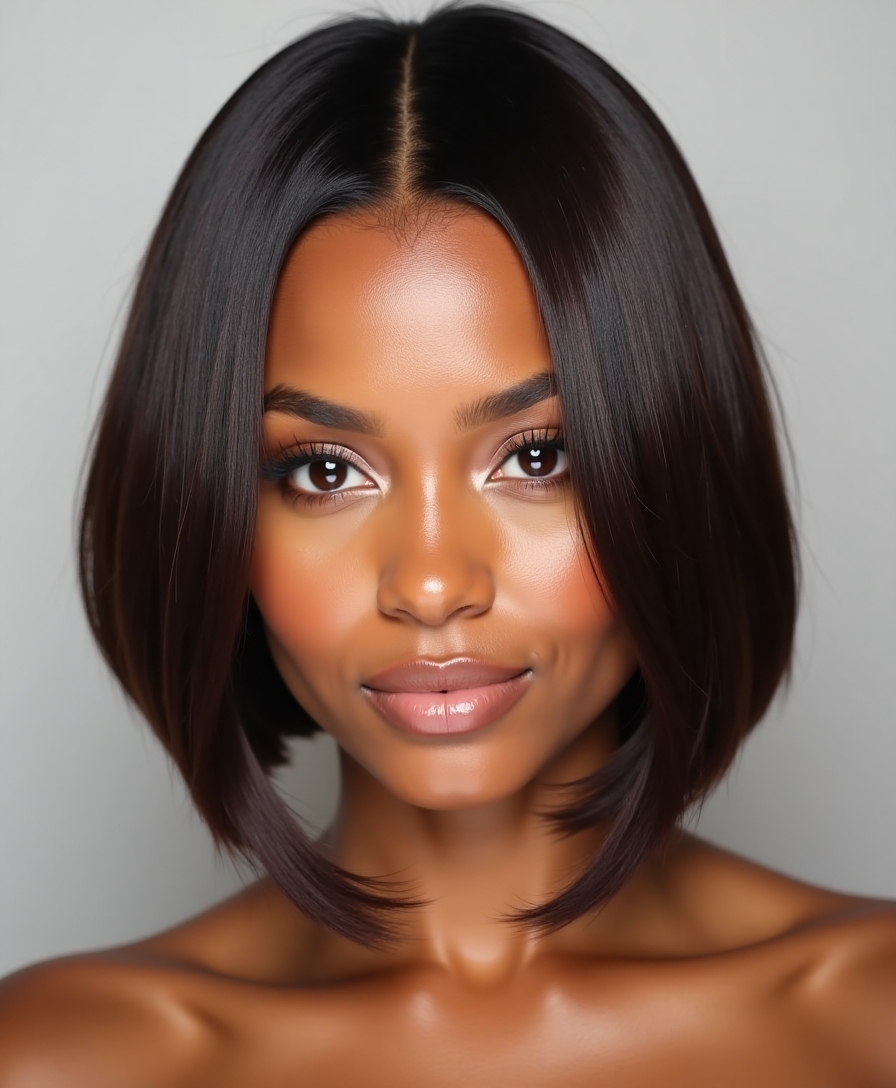
A blow-dried-straight lob with a clean center part is about as low-drama as this list gets, relying on the cut’s shape rather than any styling trick to look finished.
- A flat iron or a smoothing blowout both get the same sleek result.
- The center part reads modern here without needing a fringe to soften it.
- Grows out with almost no awkward in-between stage.
Wispy Bangs With Long Layers
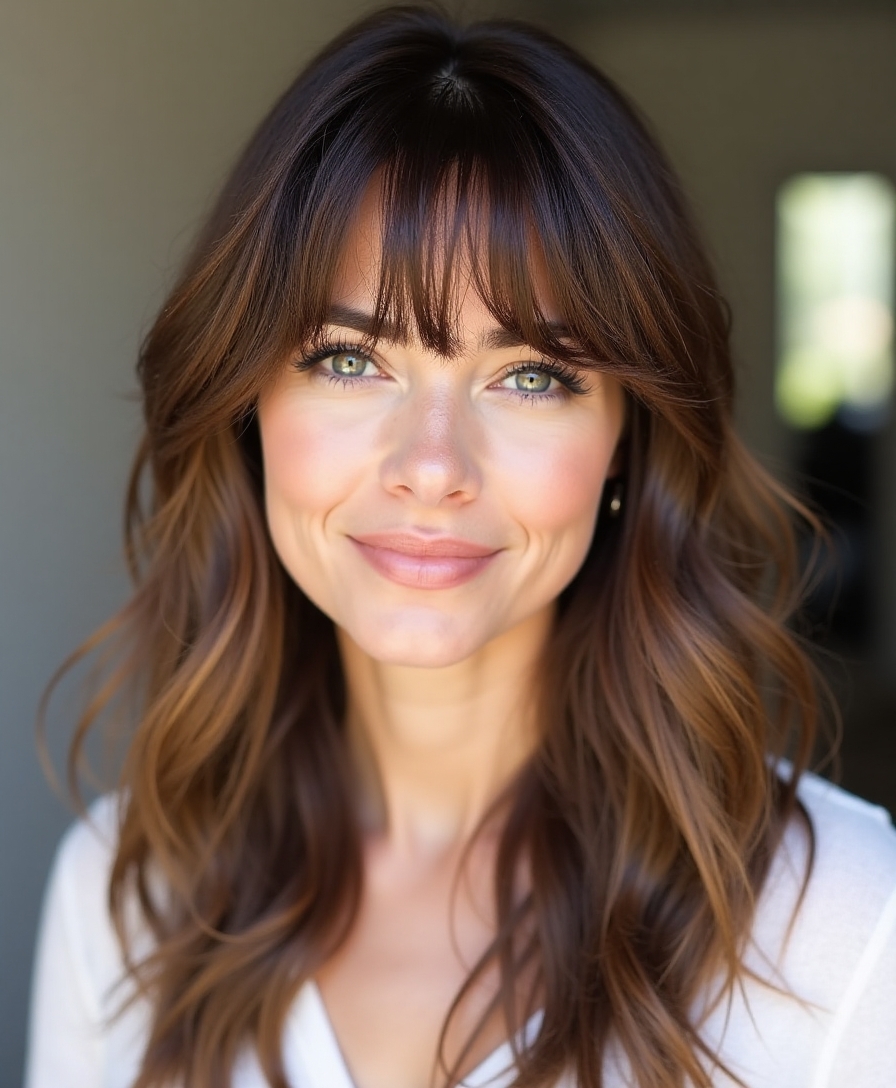
Wispy, broken-up bangs add texture at the forehead while letting plenty of skin show through, a lighter alternative to a full, blunt fringe.
Paired with long layers behind them, the whole look stays soft rather than heavy at the front.
- Best with at least a little natural texture or wave.
- A texture spray on dry bangs keeps the wisps separated.
- Grows out into face-framing pieces rather than an obvious hard line.
Trying to narrow down the field? Start with what matters most to you:
🎯I want the lowest possible daily effort
Look at the sleek lob or the classic long layers first.
🎯I want the boldest possible change
The modern mullet or the tapered pixie deliver the most drama.
The Shaggy Mid-Length Cut With Volume
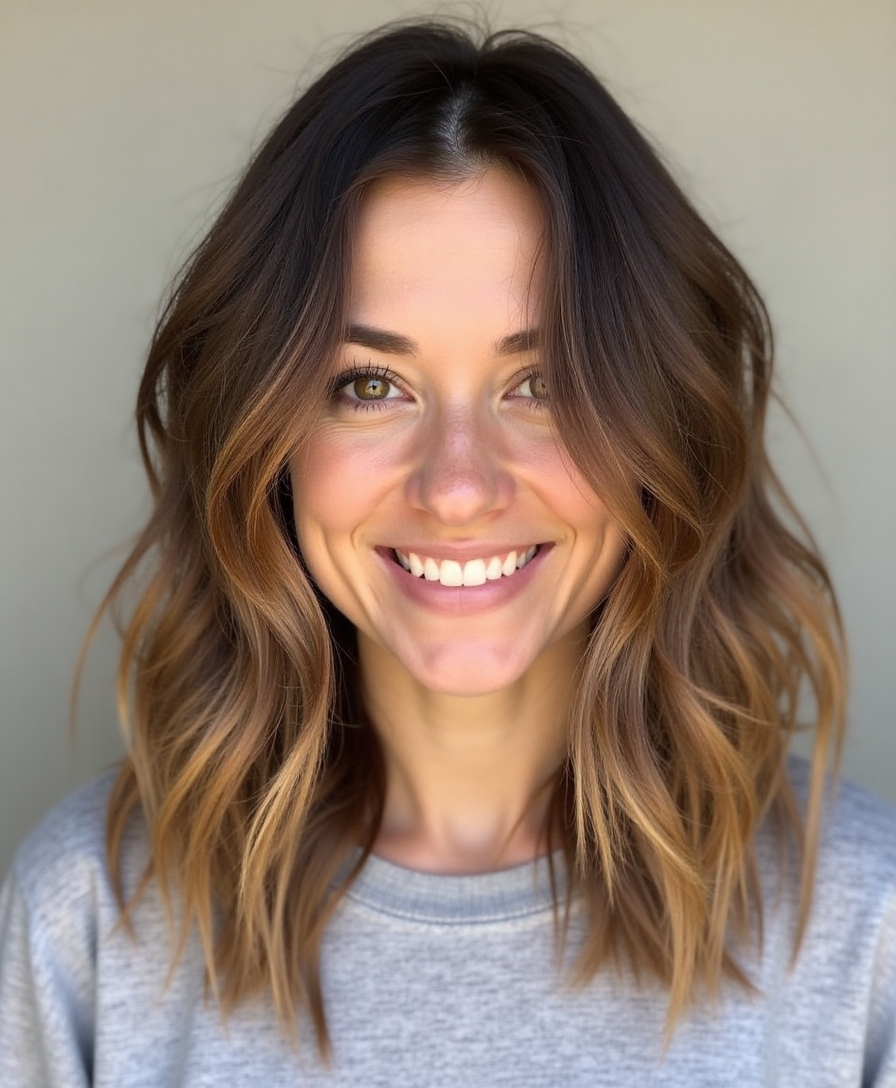
A shag built around the mid-lengths adds crown volume and choppy texture without needing to go short, a good middle ground for anyone unsure about committing to a full pixie.
- Rough-dry with fingers for the most natural version of the texture.
- A light mousse at the roots builds the crown lift.
- Reads more casual day to day than a polished lob or blunt bob would.
The Blunt Bob With Subtle Internal Layers
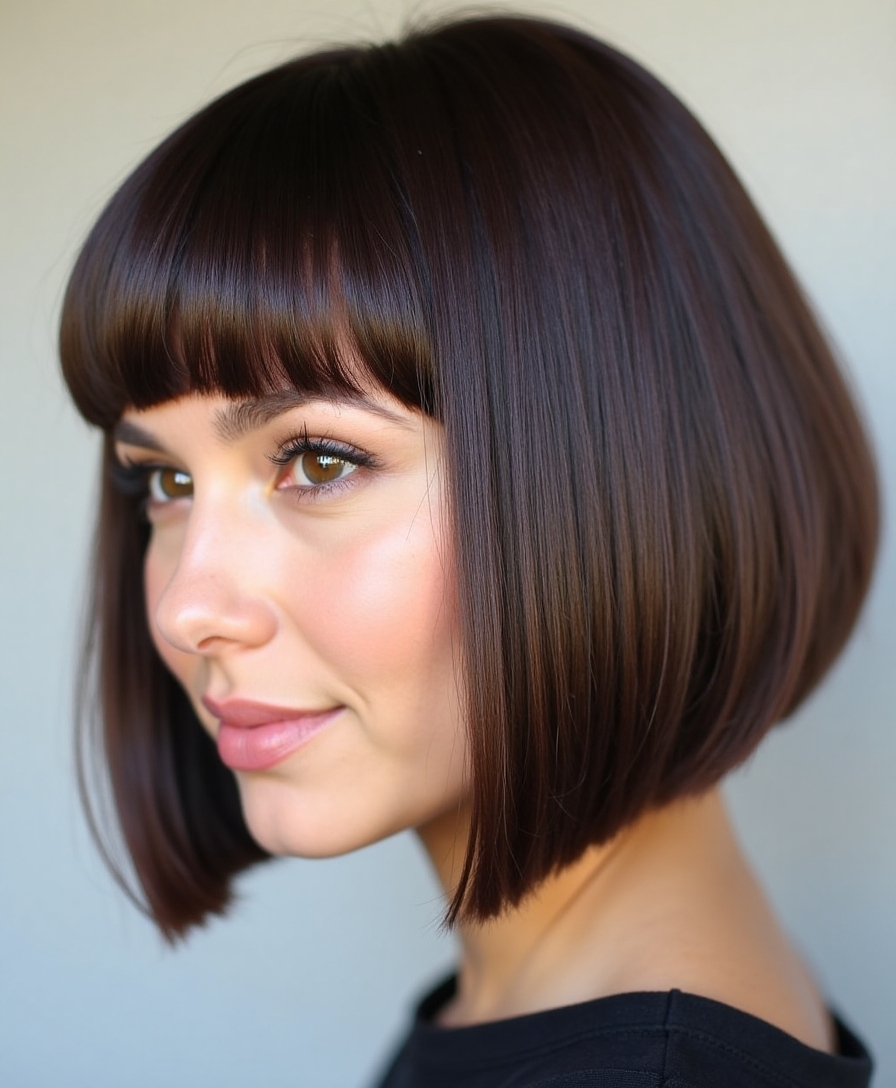
A blunt bob keeps a crisp, straight-across perimeter, while hidden internal layers stop it from sitting as one heavy, solid block. Bob hairstyles runs through more variations on the cut.
This is the version worth choosing when you want the graphic, defined look of a true blunt cut without the extra weight a completely unlayered bob carries.
A flat iron on the ends keeps the line looking as sharp as it was the day it was cut.
The Side-Swept Asymmetrical Cut
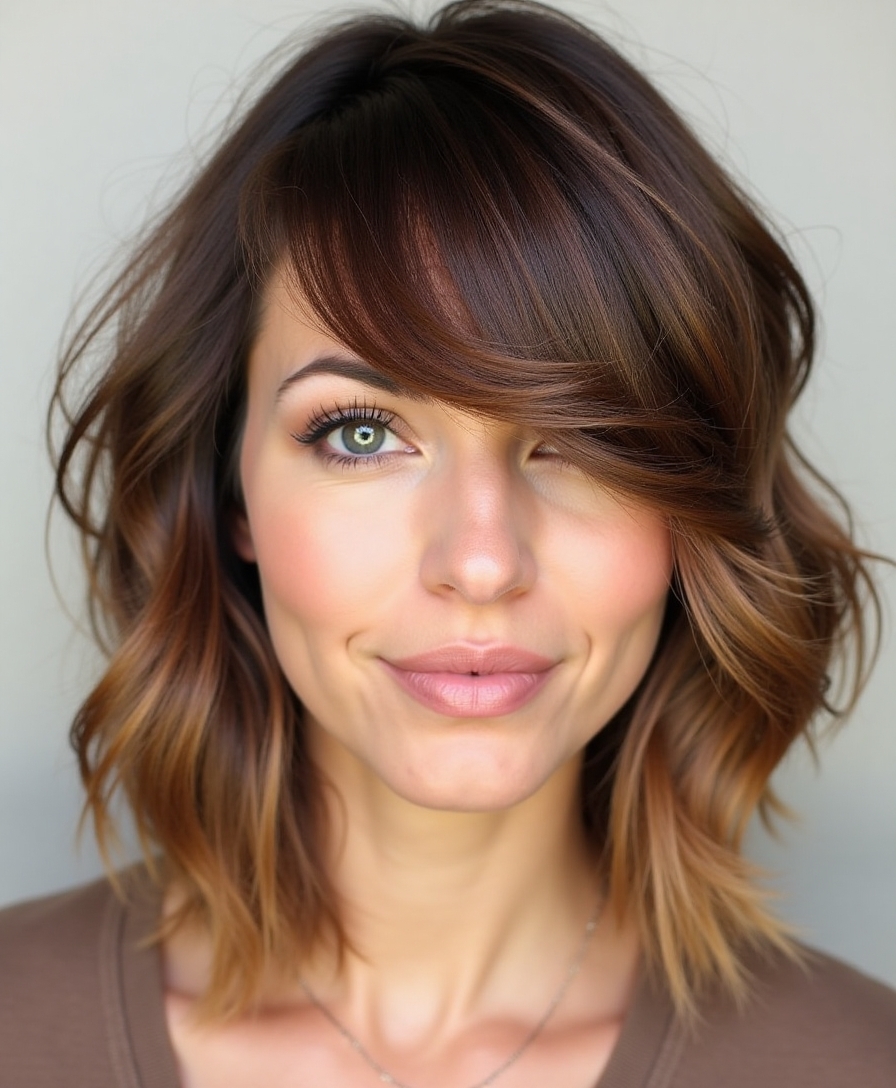
An asymmetrical cut keeps one side noticeably longer than the other, a bolder choice than most of this list, though it costs little in overall length.
It photographs distinctly from either side, which some people love and others find takes getting used to. Give it a couple of weeks before deciding either way; the adjustment period is real.
- A deep side part shows off the length difference best.
- Needs balanced internal layering on both sides to avoid looking thin on the shorter one.
- Harder to grow out evenly than a symmetrical cut.
Feathered Layers With Soft Ends
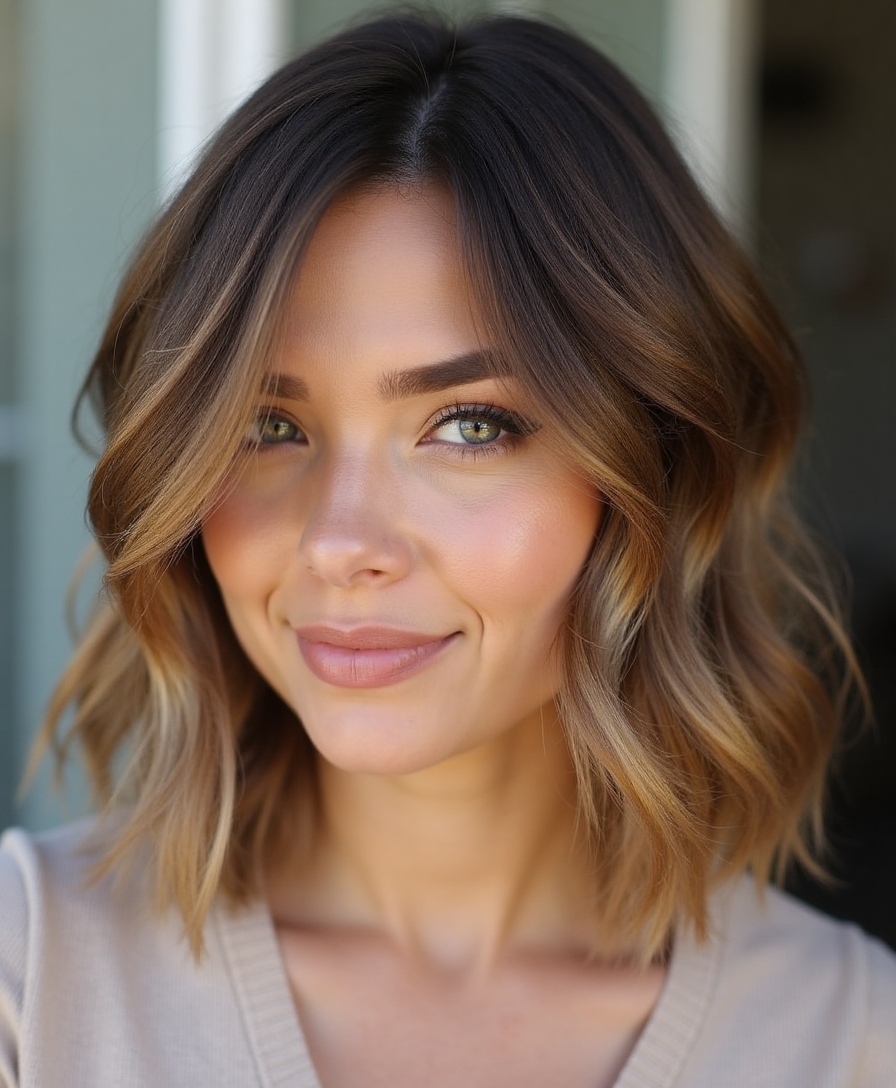
Feathered layers taper the ends into fine points rather than a blunt line, producing a softer, airier finish throughout the length.
- Suits straight to wavy hair better than very curly hair.
- A round brush during blow-dry brings out the feathering most.
- A gentler, more forgiving cut to style than most choppier options.
ℹ️Balance Cuts Both Ways
A truly bad haircut on this face shape is almost always about poor execution rather than a wrong shape choice. Bring a clear reference and a clear sense of your own maintenance limits, since the stylist’s skill matters more here than the cut itself.
The Modern Textured Mullet
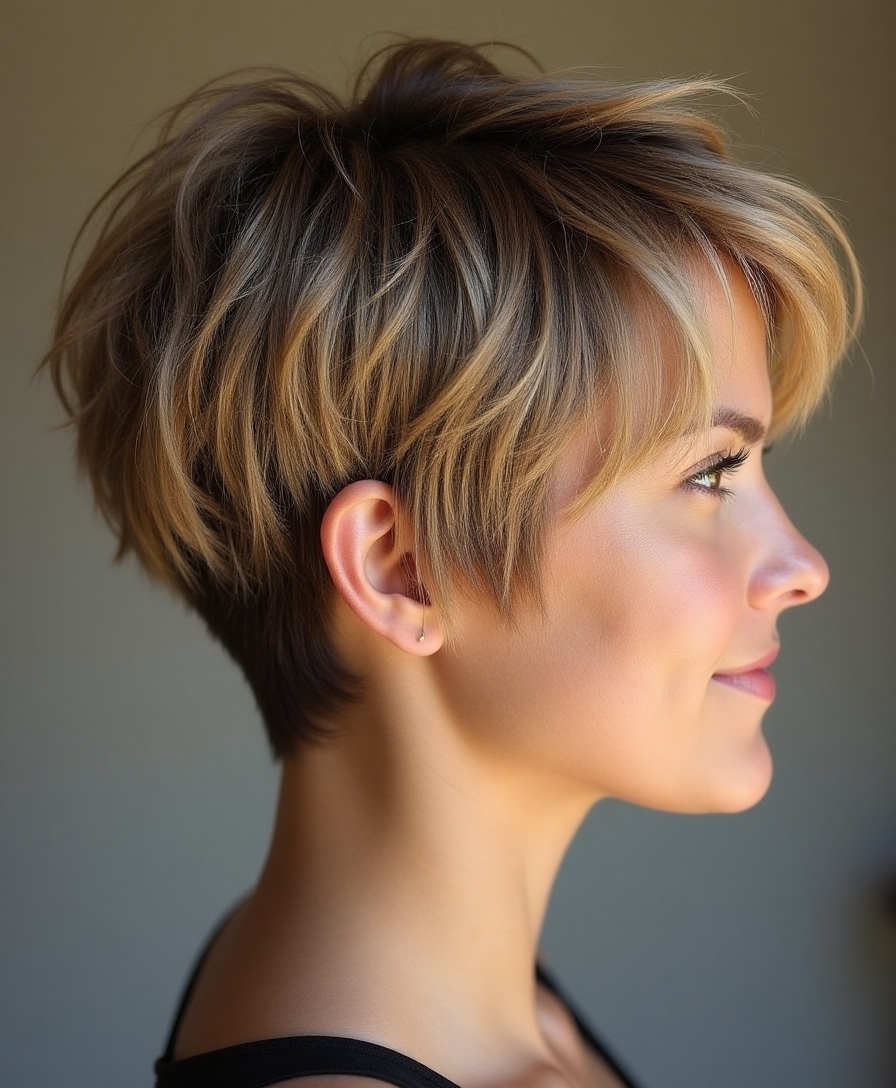
A toned-down mullet keeps shorter, choppy layers up top and longer length in back, delivering the boldest, most fashion-conscious statement anywhere on this list.
- Best for anyone truly comfortable drawing attention. For the shorter, edgier version of this idea, wolf cut hair pushes it further.
- Needs more frequent shape-ups, often $30 to $50 for a quick crown reshape between full cuts.
- A finishing paste, worked through dry, keeps the disconnection crisp. Clients who go this bold rarely regret it, in my experience, but they do wish someone had warned them about the upkeep first.
Beach Waves With Face-Framing Angles
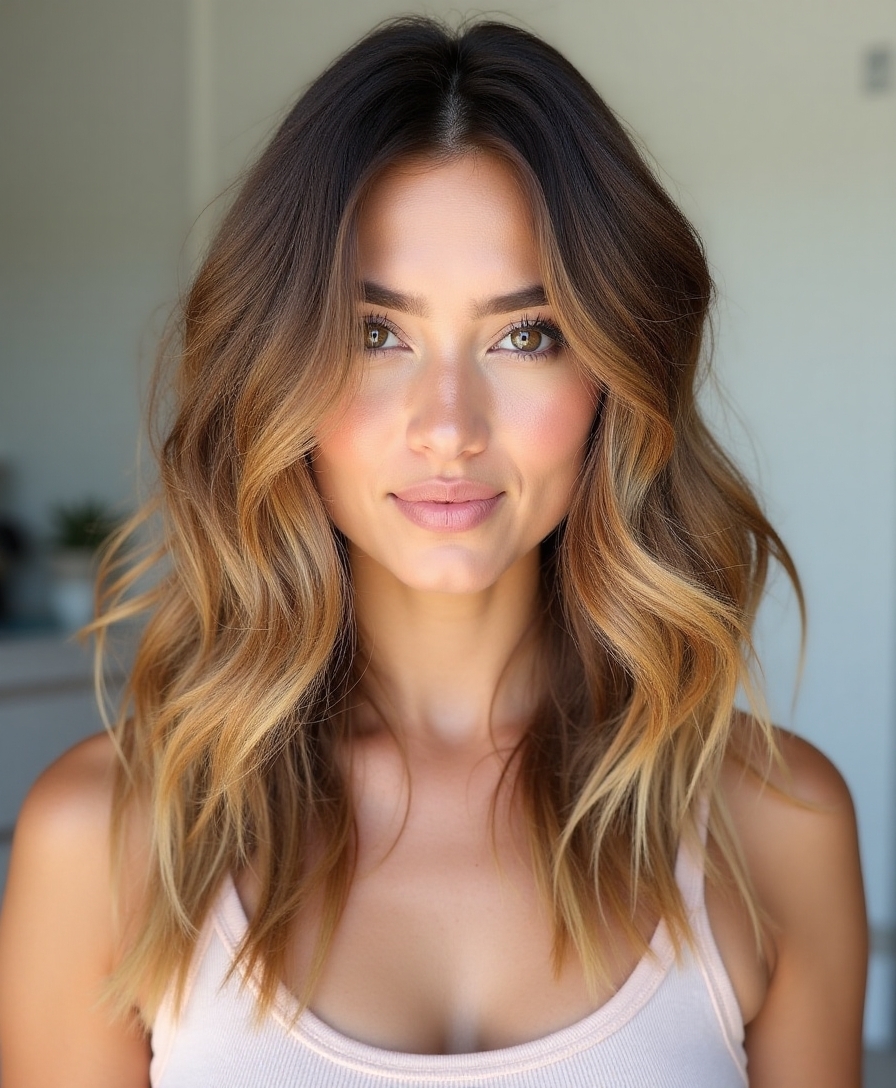
Loose, undone waves paired with a few angled face-framing pieces give this cut a relaxed, low-effort energy that still looks deliberate.
It reads casual without looking unfinished, which is a harder balance to strike than it sounds.
- Salt spray on damp hair, then an air-dry, covers most of the styling.
- A wand works just as well for anyone without natural wave.
- Holds up better on second-day hair than freshly washed hair.
The Choppy Short Cut With Length Left on Top
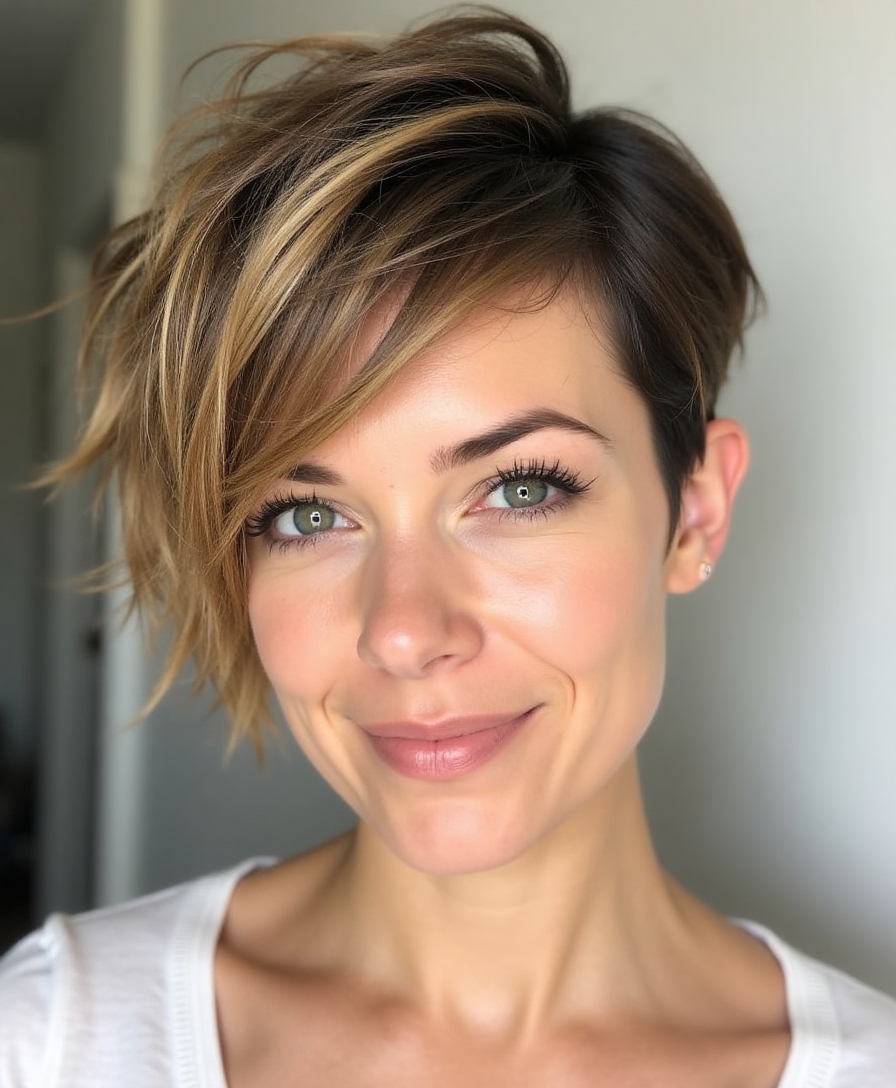
Cutting the sides and back short while leaving enough length on top for texture builds a cut that reads edgy without going full pixie.
It’s a strong option for anyone who wants a shorter cut but isn’t ready to give up the ability to style the top a little differently each day.
Quick gut check before you commit to a shorter cut:
1Do you reach for a straightener or wand most mornings already?
A shorter, texture-reliant cut like the choppy short style will fit your existing routine.
2Do you mostly air-dry and go?
Longer, layered options like the shaggy mid-length or beach waves ask for less daily intervention.
Long Bangs With Graduated Layers
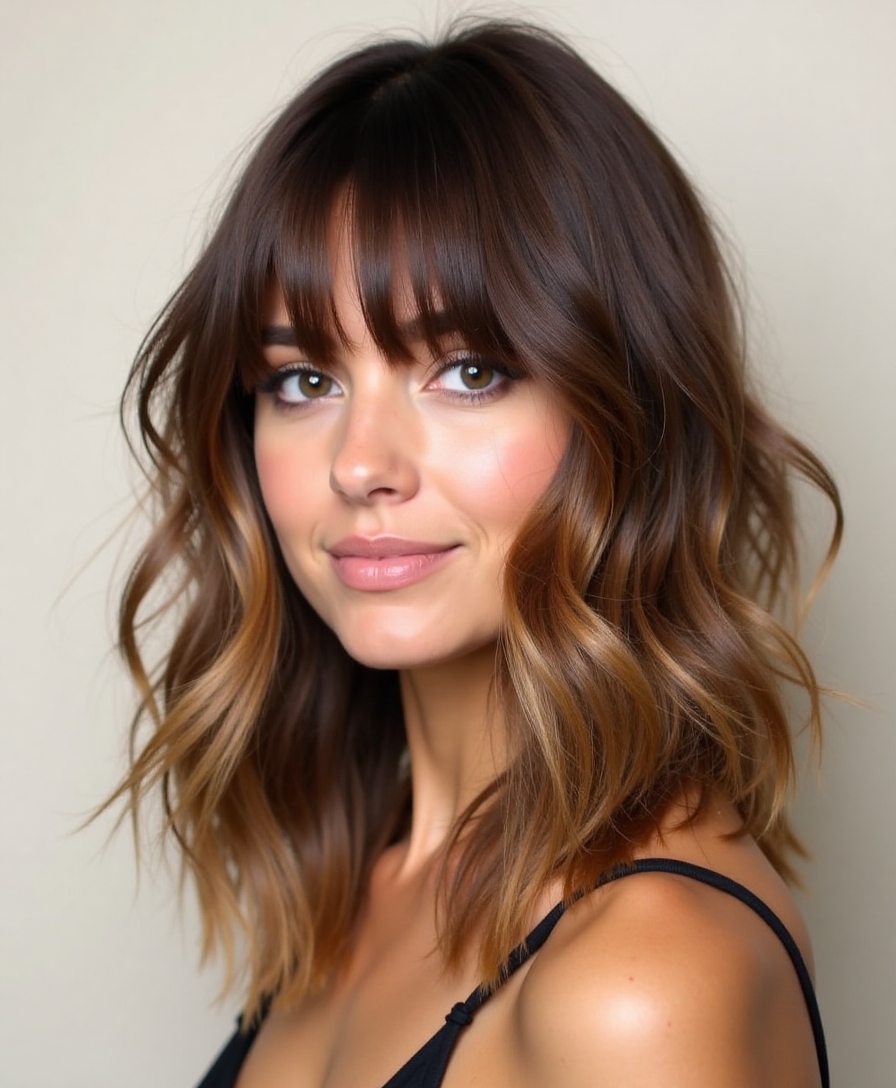
Long, eyebrow-skimming or longer bangs blend into graduated layers behind them instead of standing apart as a separate, obvious fringe.
This length of bang is more forgiving day to day than a shorter, blunt one, since it can be swept aside on a day you’d rather not deal with it.
- Blends into the surrounding layers with almost no visible seam.
- Easy to grow out into a full fringe or grow past entirely.
- Needs a quick trim of its own between full haircuts.
The Stacked Bob With a Hidden Undercut
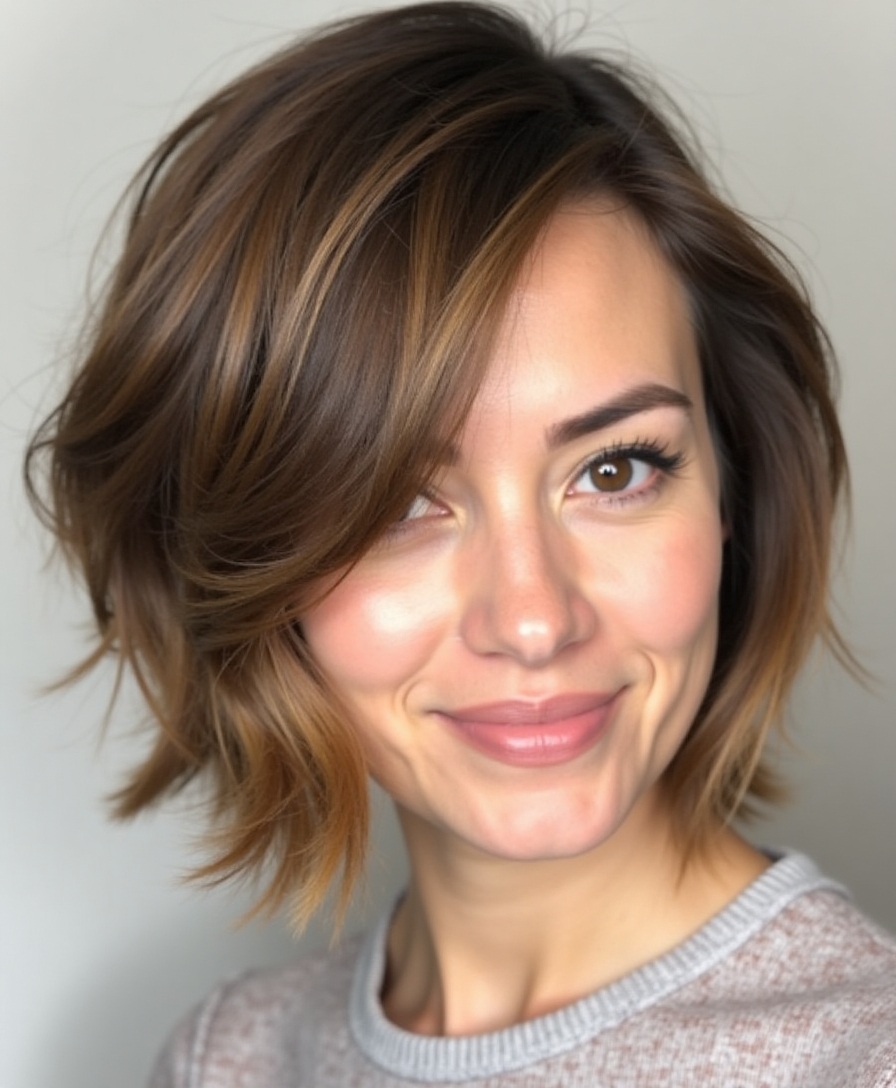
A stacked bob builds graduated layers into the back for extra volume, while a hidden undercut underneath removes bulk that would otherwise make the stacking look heavy.
- The undercut stays completely hidden under the top layer of hair.
- Best for hair with enough density to need the extra thinning.
- A rare combination of dramatic volume and reduced overall weight.
The Tousled Mid-Length With Side Bangs
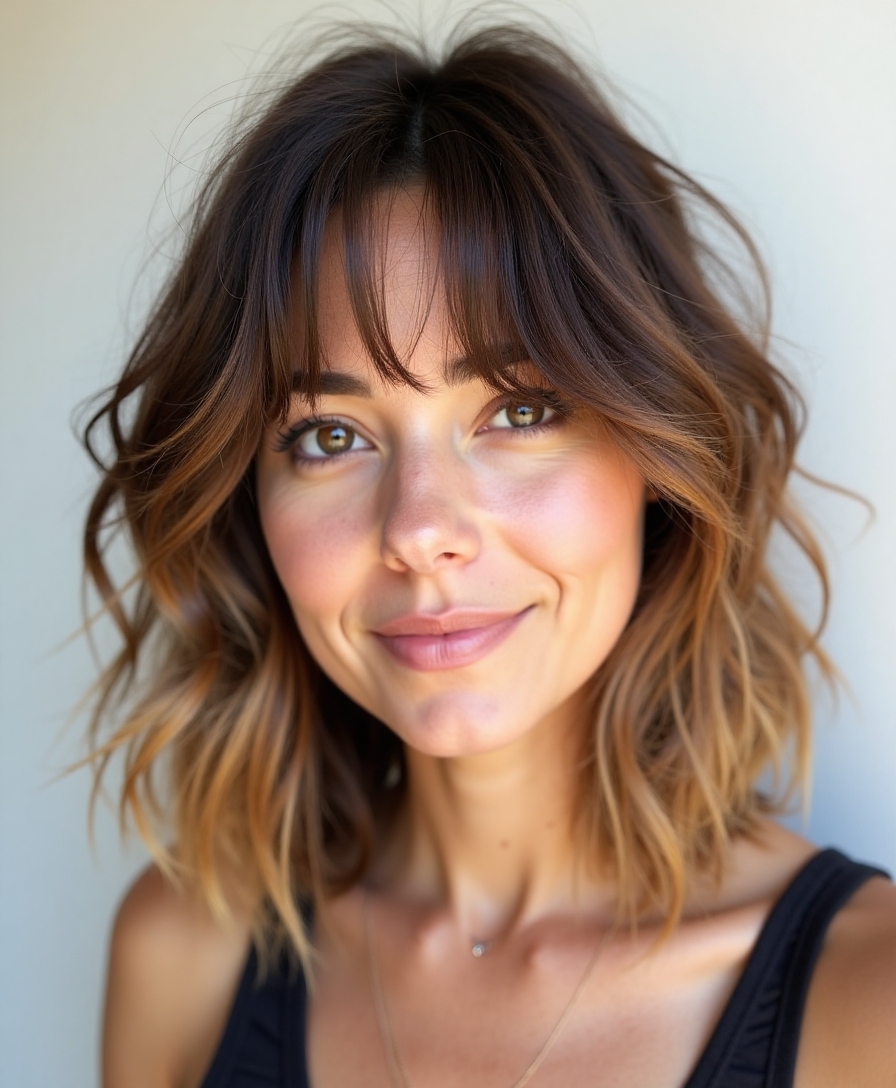
A deliberately undone, tousled mid-length cut paired with side-swept bangs leans into texture rather than polish, built for someone who wants to look put-together without much active styling.
The side bangs blend into the layers below them, so the whole thing looks like one continuous shape rather than a cut plus an obviously separate add-on fringe.
The Tapered Pixie With Long Crown Layers
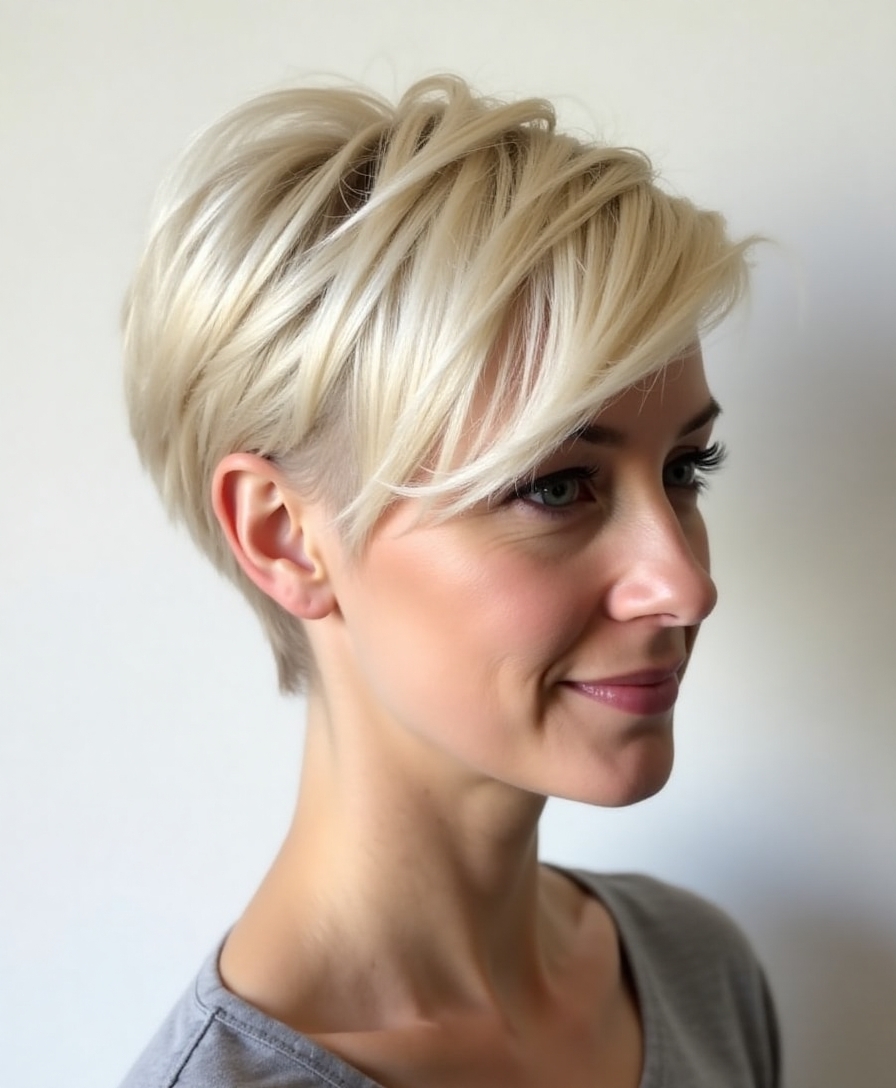
A tapered pixie keeps the sides and back close to the head while leaving noticeably longer layers on top, giving you something to actually style each morning rather than a uniform crop.
The longer crown pieces can be swept back, pushed forward, or left tousled, which is more versatility than a typical short pixie offers.
For anyone coming from long hair, this cuts away more length than almost anything else here, so expect an adjustment period before it feels routine.
The Range Is the Whole Point
Seventeen cuts, one face shape, and almost none of them exist to fix something about it. That’s the real takeaway here: an oval face gets to choose based on lifestyle and taste rather than damage control.
So what actually matters to you day to day: low effort, bold change, or something in between? That answer will narrow this list down faster than any face-shape rule ever could.
More Inspiration