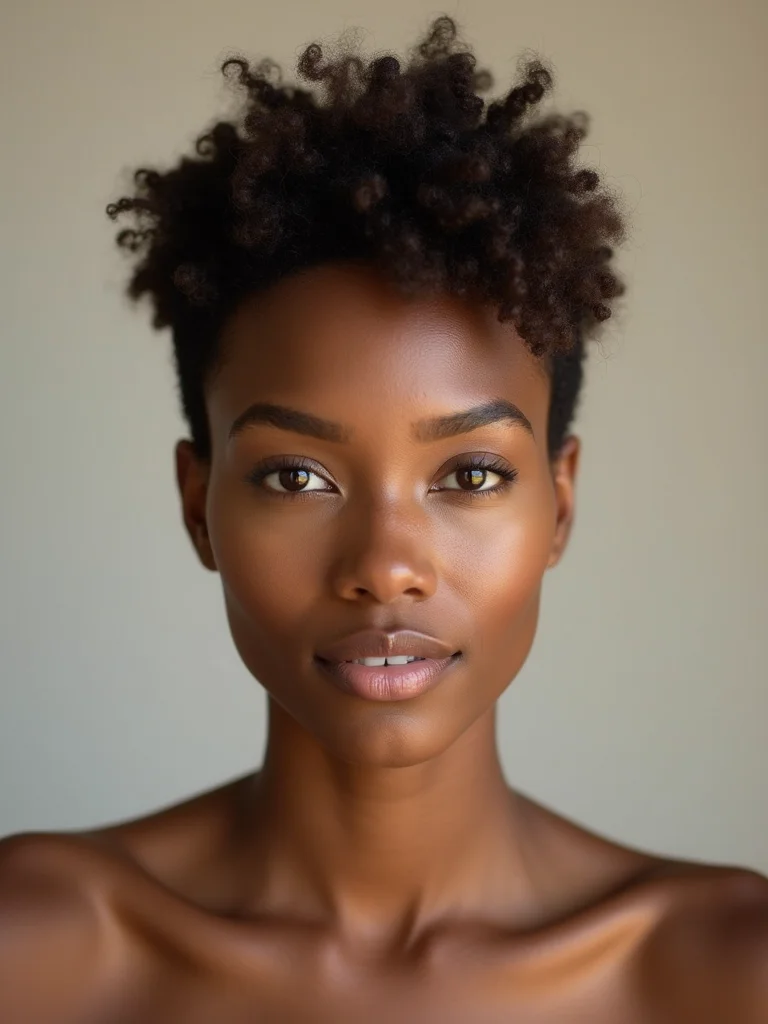
Most haircuts fall apart the moment you skip a blow-dry. A shag does the opposite: skip the styling, let it air-dry a little messy, and it often looks better for the neglect. That’s the whole appeal in one sentence.
What follows is the full picture: every length and texture, which face shapes it flatters, the right products and color, and how to grow one out without a rough patch in between.
Everything, Fast
Why is a shag considered low-maintenance? The volume and movement come from the cut itself, not from styling, so it falls into shape with minimal help and often looks better a little undone than freshly smoothed.
Does it work on every hair type? Yes, though the layering shifts to match. Curls and coils get cut dry to protect the pattern, while straight hair usually needs shorter layers or a fringe to fake the movement it lacks naturally.
What’s the actual trade-off? The shape carries the whole look, so reshapes matter more here than on most cuts. Expect to trade daily styling time for a more frequent trip back to the chair.
The Modern Shag

The shag has been reinvented more times than almost any other cut, and the version worn today has little in common with its seventies original. Soft, blended layers replace the old spiky, aggressive chop, and face-framing pieces do more of the work than a hard, choppy line ever did. The result feels relaxed rather than retro, wearable in an office as easily as anywhere else.

What Makes the Modern Shag Different

What carried over from the original is the core mechanism: heavy internal layering that removes weight and lets the hair actually move.
Then vs. Now
What changed is the finish. The current version blends rather than chops, softening the transition between short and long pieces until the whole shape looks intentional instead of harsh.
That softness is also why it flatters such a wide range of people now. The cut bends to whatever hair shows up instead of forcing one silhouette on everyone.
Making the most of a first shag consultation:
1Bring photos of your own hair type
A shag that looks incredible on straight, fine hair can behave completely differently on thick or curly strands.
2Name a length you’re not willing to lose
Layering removes weight, not necessarily length; say clearly which one matters more to you.
3Ask to see the back before you leave
Most of what makes a shag distinctive happens at the crown and nape, areas you can’t easily check yourself in a mirror.
Best Face Shapes for Shaggy Layers

A shag flatters an unusually wide range of faces because the layers and face-framing pieces move to wherever they’re needed most.
Round or full faces do best with longer framing that lengthens rather than widens. A long face benefits from added width at the sides and a fringe to shorten it visually. A square or strong jaw softens under wispy framing right along the edges, while a heart-shaped face balances with a touch more fullness near the chin.
- Round: longer framing that lengthens the face
- Long: width at the sides plus a fringe
- Square or heart: soft framing at the jaw or chin
Products That Bring Out the Texture

A shag wants roughly the opposite of what most styling routines chase. Where sleek styles want slip and shine, this cut wants grit and separation, so the layers stay piecey instead of falling flat and smooth.
Keep It Light
A texture spray or sea-salt spray does most of the actual work, with a light cream or a single drop of oil reserved for dry ends only. Heavy serums and rich oils work against the cut, weighing the texture straight back down.
Two or three light products, used sparingly, are all this style needs. A drugstore texture spray runs a few dollars, especially next to what a professional reshape costs.
Short Shag Variations for Maximum Impact

Going short is the boldest way to wear a shag, and it happens to be especially kind to fine hair, where there’s no extra weight left to flatten the lift. It’s usually the first thing I suggest to a fine-haired client who feels like nothing ever holds its shape.
Bold and Fast
The trade-off shows up at the salon, not in the mirror: short shapes lose their form fastest, so a shape-up roughly once a month keeps the crop from blurring.
Styling, on the other hand, is about as easy as this list gets, often nothing more than a little paste worked through with fingers. It suits someone confident enough to want a statement with almost no morning routine behind it.
🅰️Want maximum impact
Go short. Less hair means less weight, so the lift and texture read strongest.
🅱️Want lower commitment
Stay medium to long. The grow-out is gentler and the reshapes are less frequent.
Medium Shags That Frame Your Features

The medium shag, somewhere between the collarbone and the shoulders, is the length most first-time clients end up choosing when they can’t decide. It stays long enough to pull back on a rough day while keeping enough lift up top that it never falls flat.
The length keeps overall weight manageable while the layers above build real body, framing the face with soft pieces short of a full commitment to short hair. It also crosses nearly every texture cleanly, growing out with no single awkward stage to survive.
Long Layered Shags for Real Drama

Long hair left alone tends to hang as one heavy, flat sheet, and a long layered shag exists specifically to fix that without sacrificing a single inch.
The layers thread through the length and carve out the dead weight dragging it down, so the drama comes from movement rather than from a shorter silhouette. Hair that used to lie limp finally swishes and shows its own shape.
It also happens to be the lowest-commitment version here, since there’s no dramatic chop involved and the long layers grow out almost invisibly over time.
The Curly Shag Done Right

Curly hair and a shag are chasing the same goal from different directions: shaped volume instead of a heavy, triangular mass. Getting there means the cut has to be cut dry, watching each curl settle into its true, sprung position before deciding where the layers land.
On tight, type-4 coils specifically, that means cutting on stretched hair and removing weight carefully enough that the curl pattern stays intact rather than thinning away its definition. I’ve watched a wet cut go sideways more times than I can count, since the coils spring up shorter than anyone expects once they dry.
- Must be cut dry so the true curl pattern shows before cutting
- Type-4 coils need stretched hair to reveal the real length
- A curl cream on soaking-wet hair, then a low diffuser, finishes the look
“Ask specifically whether a stylist cuts curly hair dry before booking a curly shag. A stylist who only wet-cuts curls, however skilled otherwise, is the wrong fit for this particular request.”
The Shag on Straight Hair

Straight hair gets written off as the wrong texture for a shag more often than any other, and that reputation isn’t earned. It simply needs the cut to manufacture the movement the hair won’t create on its own.
Requesting plenty of shattered, piecey ends matters more here than anywhere else, since a blunt line stands out sharply against poker-straight strands. Keeping the length a bit shorter, or adding a fringe, gives the hair somewhere to actually hold that movement instead of falling flat by midday.
The Shag on Wavy Hair

Naturally wavy hair gets along with a shag better than almost any other texture. The wave already supplies the movement and texture the cut exists to show off, so the two elements do most of the work without much help.
The Easiest Match
Layering here mostly amplifies a bend that’s already present, freeing the waves to fall with real body instead of sitting weighed down under their own length.
It’s the texture where the low-maintenance reputation holds up best: wash, add a little product, let it air-dry, and the look is nearly finished on its own.
Bangs and Face-Framing Options

More than any other single choice, the fringe decides how a shag actually comes across day to day. Curtain bangs split center and sweep outward, an easy match for nearly any face with barely any grow-out stage to survive. Wispy bangs stay light and see-through, the softest and most forgiving option, especially on fine hair. Micro-bangs sit short and bold, delivering the highest impact alongside the highest upkeep of the three.
Color That Plays Up the Layers

Color is a quiet way to make a shag’s texture work harder for its money. Painted-in dimension follows the movement of the layers themselves, so lighter pieces catch light and make the whole cut read fuller and busier than one flat shade ever could.
Why It’s Worth It
A soft, grown-out-looking placement suits the style’s relaxed spirit best: brighter pieces around the face, a smudged root so the grow-out stays gentle.
Budget around $180 for the placement, meaningfully pricier than a single-process color up front, but it earns that cost back by stretching the time between salon visits considerably longer than a flat, all-over shade would allow.
Tools and Techniques for Daily Styling

Styling a shag day to day takes surprisingly little, which is really the entire point of choosing one. Skip the round brush and the flat iron on most days; the cut is built to fall into shape with fingers and a single product.
The actual kit needed comes down to a texture or sea-salt spray as the main tool, a diffuser for curly or wavy textures that need drying without crushing, and a wide-tooth comb or pick for detangling instead of a brush.
- A texture or salt spray as the one essential product
- A diffuser for curly or wavy textures specifically
- A wide-tooth comb instead of a brush, always
Growing Out a Shag Gracefully

For anyone hesitant about commitment, a shag happens to be one of the more forgiving cuts to grow out of.
Because the layers are soft and blended rather than blunt, they taper into the growing length instead of leaving one heavy line behind. Asking a stylist to keep reshaping just the face-framing and longest pieces as it grows prevents the whole thing from collapsing into a single flat length along the way.
- Layers taper into new length instead of leaving a hard line
- Ask for the face-framing pieces to be kept up as it grows
- Even total neglect just produces a softer, longer shag
Humidity Changes the Math
A shag that holds its shape perfectly in dry weather can go noticeably fuller and less controlled the moment humidity climbs. Anti-humidity spray on dry days does more for a shag than it does for sleeker cuts, since separation is the whole look, and frizz reads differently on texture that’s already meant to be undone.
Building Your Shag Inspiration Folder

The single most useful thing to bring to a shag appointment is a small, curated folder of photos, and the value depends entirely on which photos make the cut.
Choose the Right Photos
The common mistake is saving beautiful shags on hair that looks nothing like your own. A folder that actually helps saves examples on similar texture and density, so the layering translates accurately.
Include at least one photo of what to avoid, too. Telling a stylist what not to do carries just as much information as what to copy.
Common Shag Mistakes to Avoid

A shag goes wrong in a fairly predictable handful of ways, and I see nearly all of them repeat themselves once they’re pointed out. Rarely is the cut itself actually bad; it’s usually a mismatch between the request and the execution.
The most common: trusting a curly or coily shag to a stylist who cuts it wet, using product heavy enough to flatten the texture the cut was built to create, and brushing it out rather than separating pieces by hand, which erases the whole point of the layering.
Keeping a Shag Sharp

The one real demand a shag makes in exchange for its easy styling is staying on top of the shape, since the entire look depends on the layering holding its structure. I can usually tell within a few seconds of a client sitting down whether it’s been too long since the last visit.
Skip that upkeep and the layers grow heavy, gradually flattening the cut into something closer to a plain layered style. A regular reshape, sooner for shorter versions, before the layers visibly drop, is the whole ask; many salons handle a fringe touch-up free between full appointments, and curly or color-treated hair benefits from a weekly deep-conditioning treatment to keep the texture healthy.
- A regular reshape before the layers visibly drop
- Many salons touch up a fringe free between full cuts
- Weekly deep conditioning helps curly or color-treated hair
Shaggy Haircut Questions, Answered
?What does a typical morning actually look like with a shag?
Usually a couple of minutes: scrunch in texture spray or cream on damp hair, then either air-dry or rough-dry with fingers while it’s still down. There’s rarely a brush involved and almost never a full blow-out, which is the main reason the mornings stay short.
?Do shaggy haircuts work on thin or fine hair?
Very well, especially the shorter versions. The choppy layers create separation that reads as more density than is actually there, and removing weight lets the roots stand up rather than lying flat under it.
?What’s the real difference between a shag and a wolf cut?
A wolf cut pushes the shag concept further, with a more dramatic jump between a short, disconnected crown and longer ends. Every wolf cut is technically a shag, but plenty of shags stay far softer than a wolf cut ever does.
?Can color-treated or slightly damaged hair still get a shag?
Generally, yes. The layering itself doesn’t add meaningful stress to the hair. What matters more is the styling routine chosen afterward; leaning on air-drying rather than daily heat keeps compromised strands from getting worse.
The Cut That Rewards Doing Less
A shag works because the effort happens once, in the chair, instead of every single morning after. Find the length and texture-specific version suited to your hair, keep up with the reshapes, and otherwise leave it alone.
It looks better the less you fuss over it. That trade, styling effort for salon consistency, is the whole case for choosing one.
You Might Also Like