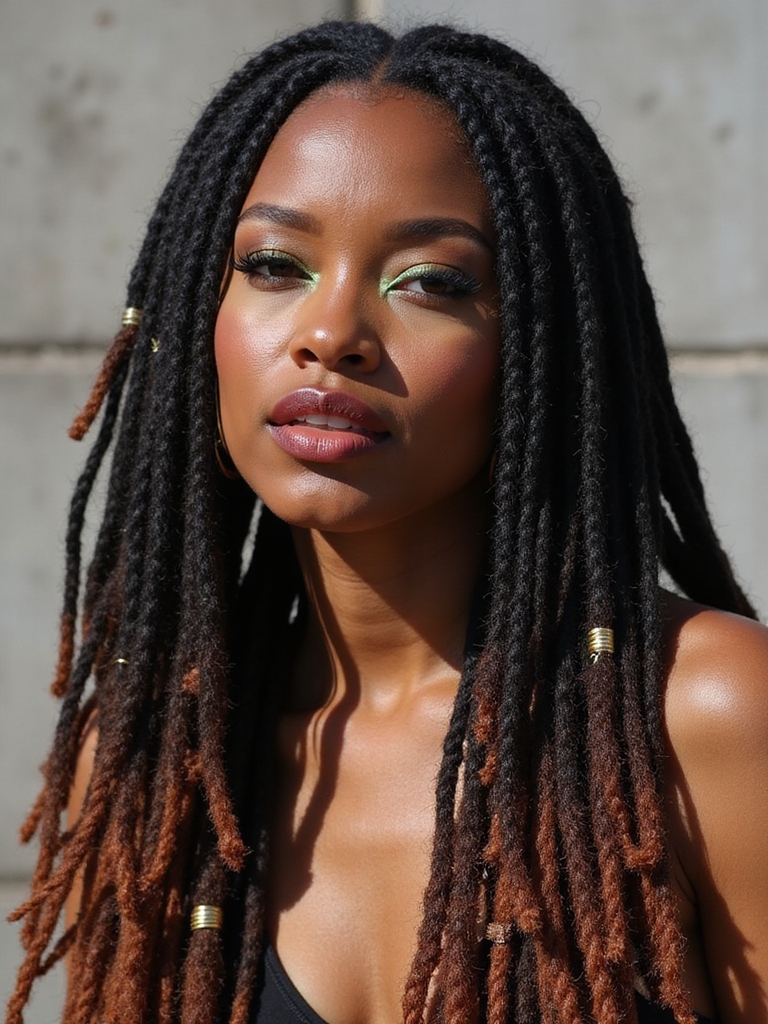
The funny thing about old money hairstyles is that the look has almost nothing to do with money. I have done head-to-toe designer clients whose hair screamed for attention, and a schoolteacher with a simple low bun who looked like she summered somewhere with a name. The difference is never the price tag.
It is restraint, polish, and hair that actually looks well cared for. Quiet luxury, old money, stealth wealth, whatever you call it, the hair codes are the same: nothing too done, nothing stiff with product, no trend you can date to a single year. This guide breaks down the styles and, more importantly, the habits behind that understated look, so you can borrow it whatever your actual budget.
The Old Money Hair Code
Old money hair is not a single style; it is a set of codes. Healthy, glossy hair comes first, because shine and condition read as expensive far more than any cut does. Then comes restraint: classic shapes, soft and natural finishes, and never a trend you could date to one year.
The good news is that none of it requires real wealth. Regular trims, a glossing treatment, a silk pillowcase, and a light hand with product will do more for the look than an expensive haircut ever could. The luxury signal is care, not cost.
What Old Money Hair Really Means
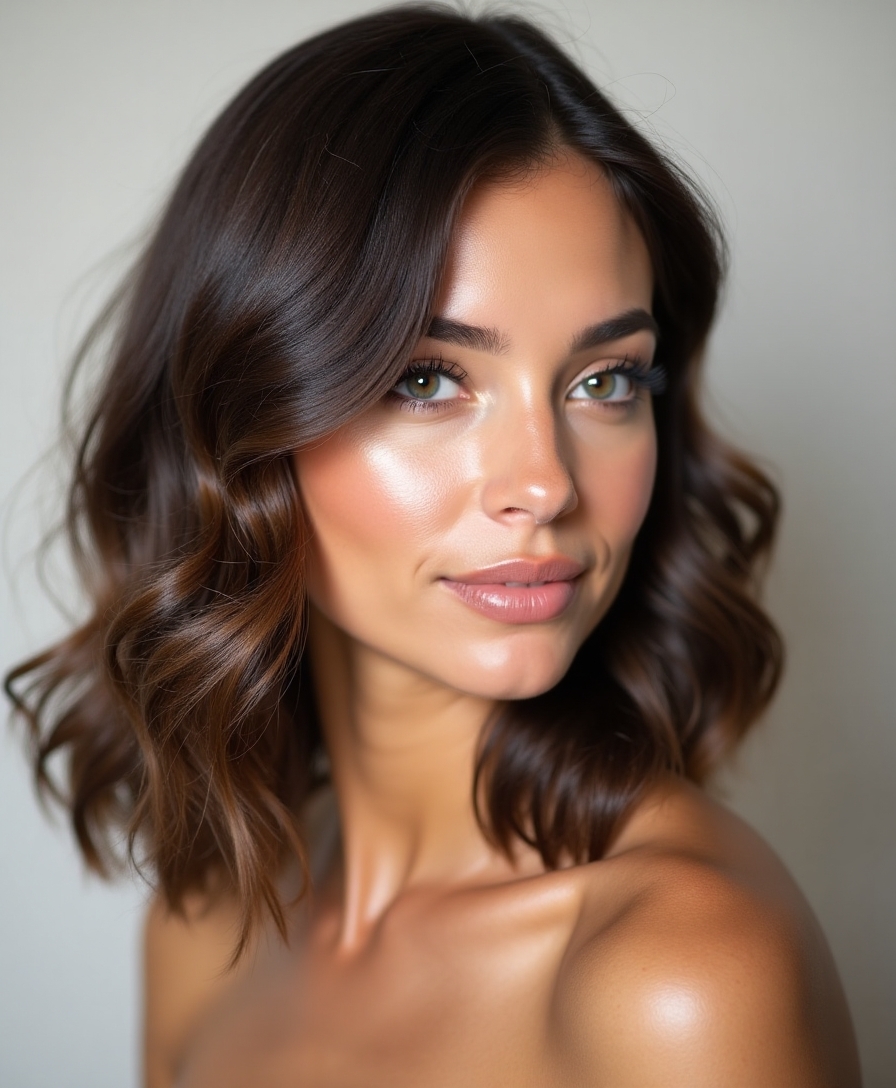
Before any single style, it is worth understanding what the look actually signals, because once you see it you cannot unsee it. Old money hair is built on health first and trend last: glossy, well-conditioned hair in a classic shape that could have been worn twenty years ago and will still look right in twenty more.
Health First, Trend Last
What it deliberately avoids is just as telling. No crunchy gel, no obvious extensions, no color so bold it dates the photo, no style so sharp it looks like it took an hour. The whole point is hair that looks like you have always had it and never had to try.
That is why the most expensive-looking hair in the room is often the simplest. The signal is not the style; it is the condition of the hair and the restraint of the finish, which is exactly what this guide will help you build.
The Classic Old Money Bob
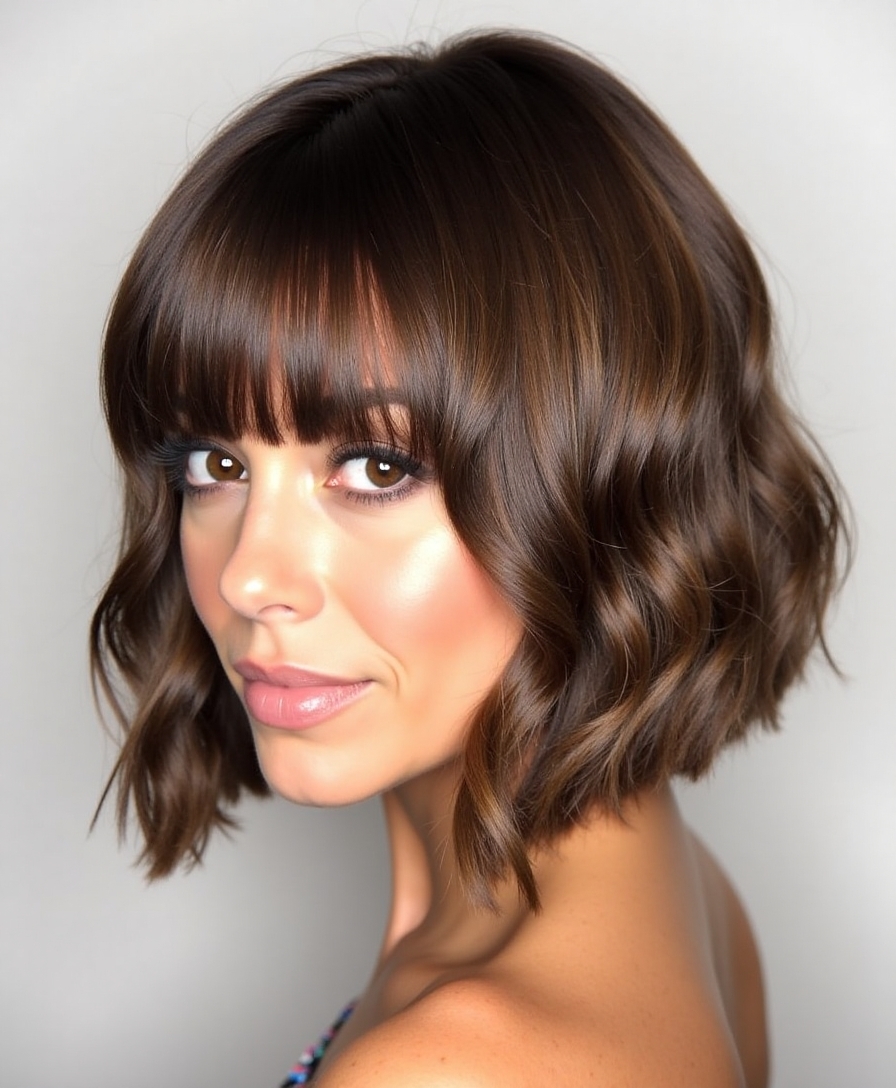
Nothing says quiet luxury like a well-cut, healthy bob. Sitting between the chin and collarbone with soft layers for movement, it is the most classic of the quiet-luxury cuts, polished without being severe, and timeless enough to skip every passing trend.
The secret is in the upkeep, not the shape. A bob only looks expensive when the ends are blunt and healthy, so it lives on regular trims and a glossy finish rather than a clever cut. Worn smooth with a center or soft side part, it is the cut that quietly signals you have it together. See our bob ideas for the lengths.
- A chin-to-collarbone length with soft layers stays timeless well past any single trend cycle.
- It lives on healthy, blunt ends, so keep up with trims.
- Wear it smooth with a clean part for the quietest polish.
Two things people get wrong about the old money look:
❌ Myth: Long extensions and a dramatic color make hair look luxe.
✅ Reality: Usually the reverse. Obvious extensions and high-contrast color read as high-effort and high-maintenance. The quiet-luxury signal is hair that looks like your own at its healthiest, not added to or heavily processed.
❌ Myth: It means lots of product and a perfect set.
✅ Reality: The opposite is true. Stiff, lacquered, overly-set hair announces the effort behind it, which is the one thing the aesthetic avoids. Soft, natural, lightly-finished hair is what looks quietly expensive.
The Sleek Low Chignon
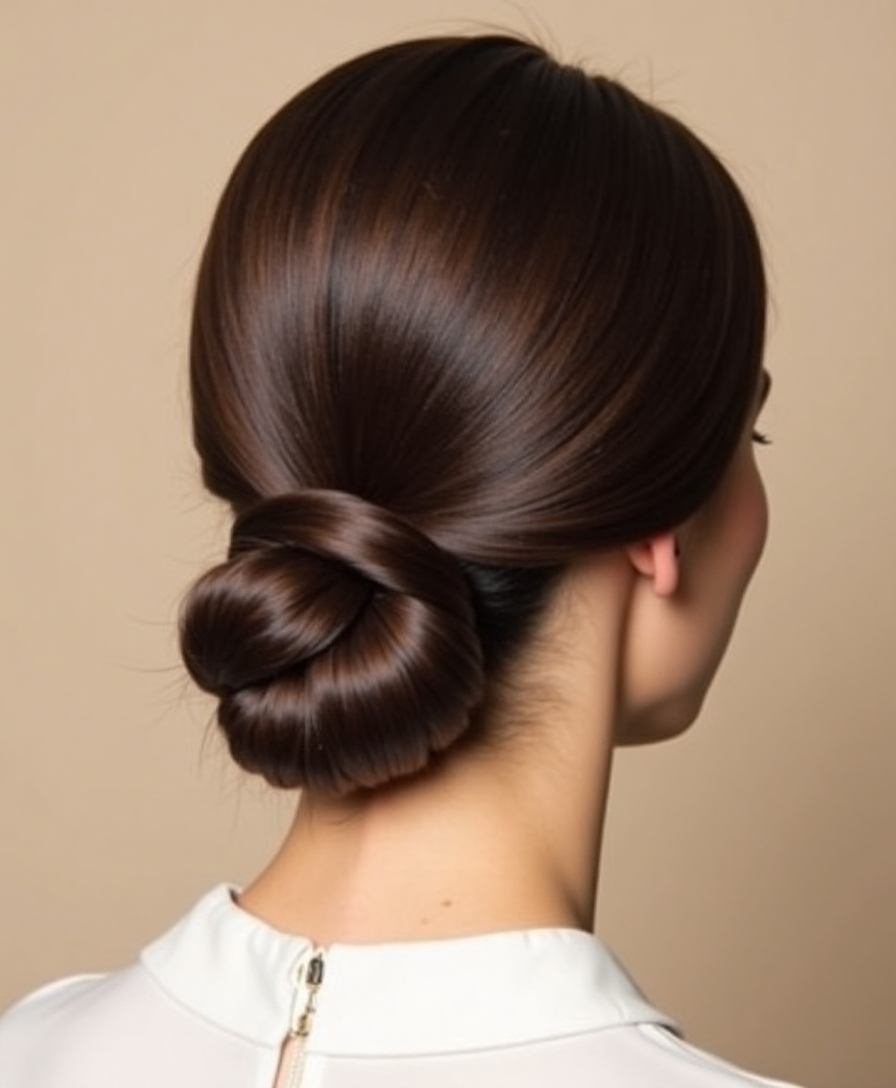
If there is one style that defines this aesthetic, it is the low chignon, that smooth coil pinned at the nape. It is the quiet uniform of galas, weddings, and box seats, because it is elegant without being flashy and lets jewelry and bone structure do the talking. It is the look I reach for whenever a client says she wants to look expensive without looking like she tried, since a clean chignon does exactly that. Our low bun guide covers the technique.
- Smooth and pinned low at the nape, never high or showy.
- Lets jewelry and bone structure take center stage.
- Keep it sleek but not lacquered; a soft finish looks noticeably richer than a stiff one.
The Timeless French Twist
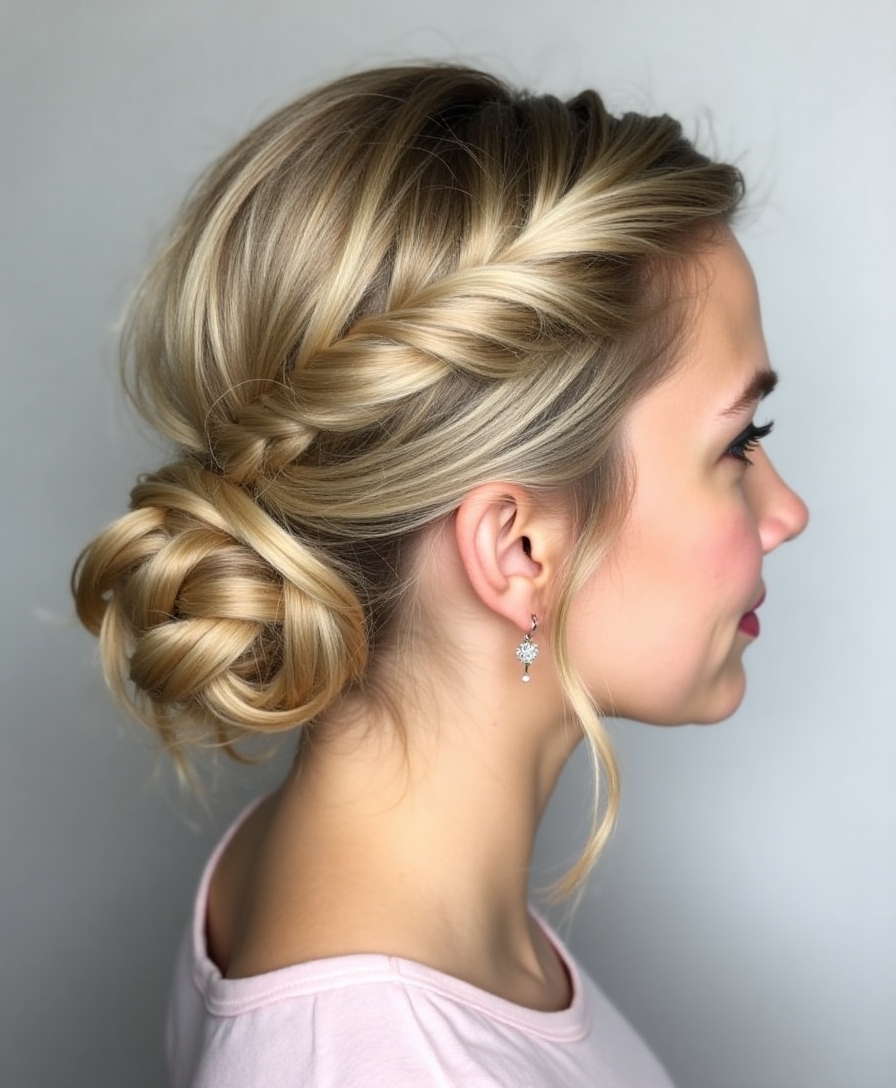
The French twist is the chignon’s more structured sister, a vertical roll tucked up the back of the head that has signaled understated elegance for generations.
It is dressy without a single flashy element, which is precisely the old money formula, and it carries a wedding or a formal evening with quiet authority. Worn slightly soft rather than rigidly sculpted, it looks modern instead of matronly, and it keeps every strand controlled while the look stays serene.
- A vertical roll that carries real formality without a single flashy element.
- Keep it slightly soft so it looks current, not stiff.
- Ideal for weddings and black-tie, where restraint is the point.
Does your hair read quiet-luxury? A quick gut check:
1Can you date your style to a single year?
If a trend pins your look to one season, it works against the timeless code. Old money shapes could have been worn decades ago and still will be decades from now.
2Is your hair shinier than it is styled?
Good. Condition and gloss signal luxury more than any cut. If you are spending more on styling than on the health of your hair, flip the ratio.
3Does it look like it took an hour?
If so, soften it. The aesthetic is hair that looks like you woke up with it, not hair that announces the effort behind it.
Polished Shoulder-Length Waves
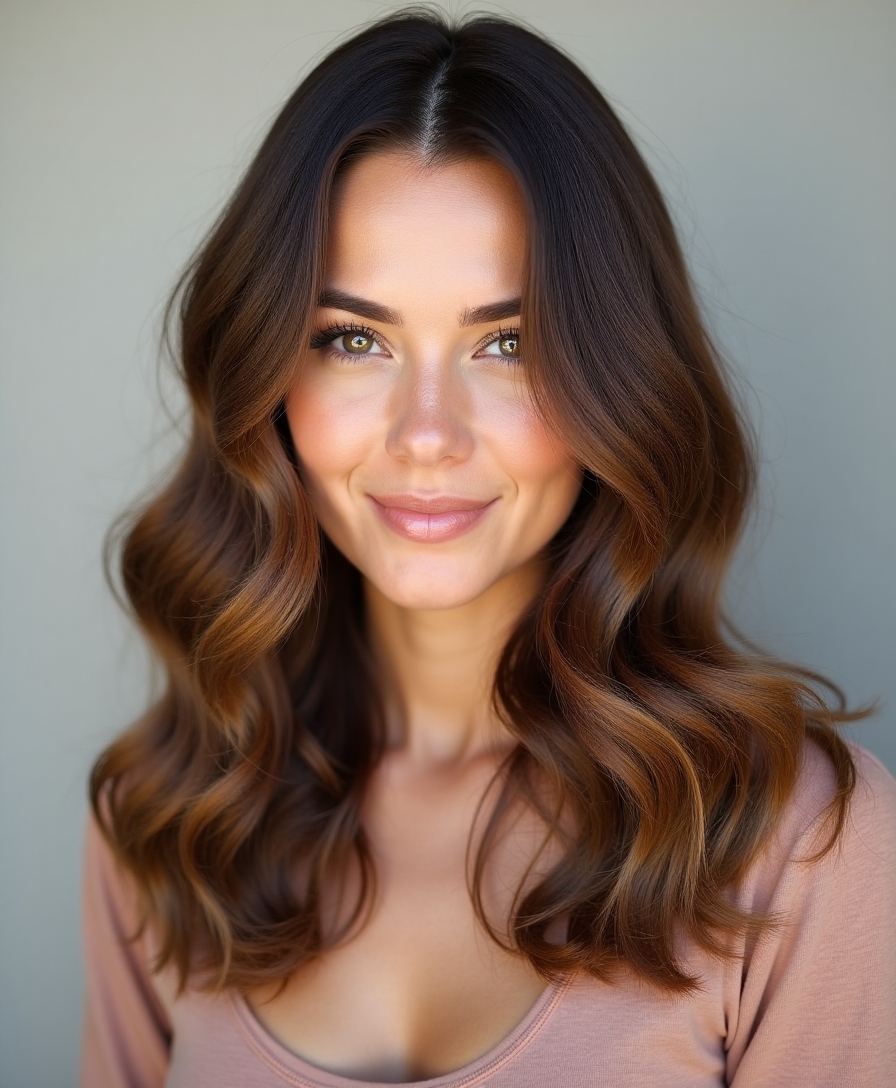
Worn down, old money hair lives in soft, polished waves at shoulder length, the kind that look brushed-out rather than curled. The distinction matters: tight, defined curls or beachy texture both announce that a tool touched the hair, while a loose, swept wave simply looks like naturally good hair.
Loose, Not Curled
The trick is to curl loosely and then brush the curl out, so what is left is movement rather than a set. A large barrel or a few velcro rollers, followed by a soft brush-through and a small amount of shine cream worked through the ends, gives that expensive, undone bend.
It is the most-requested look behind every quiet-luxury reference, because it is the one that whispers good genes and a good blowout rather than effort. Healthy, glossy lengths are what make it work, which brings everything back to condition.
The Quiet Blowout
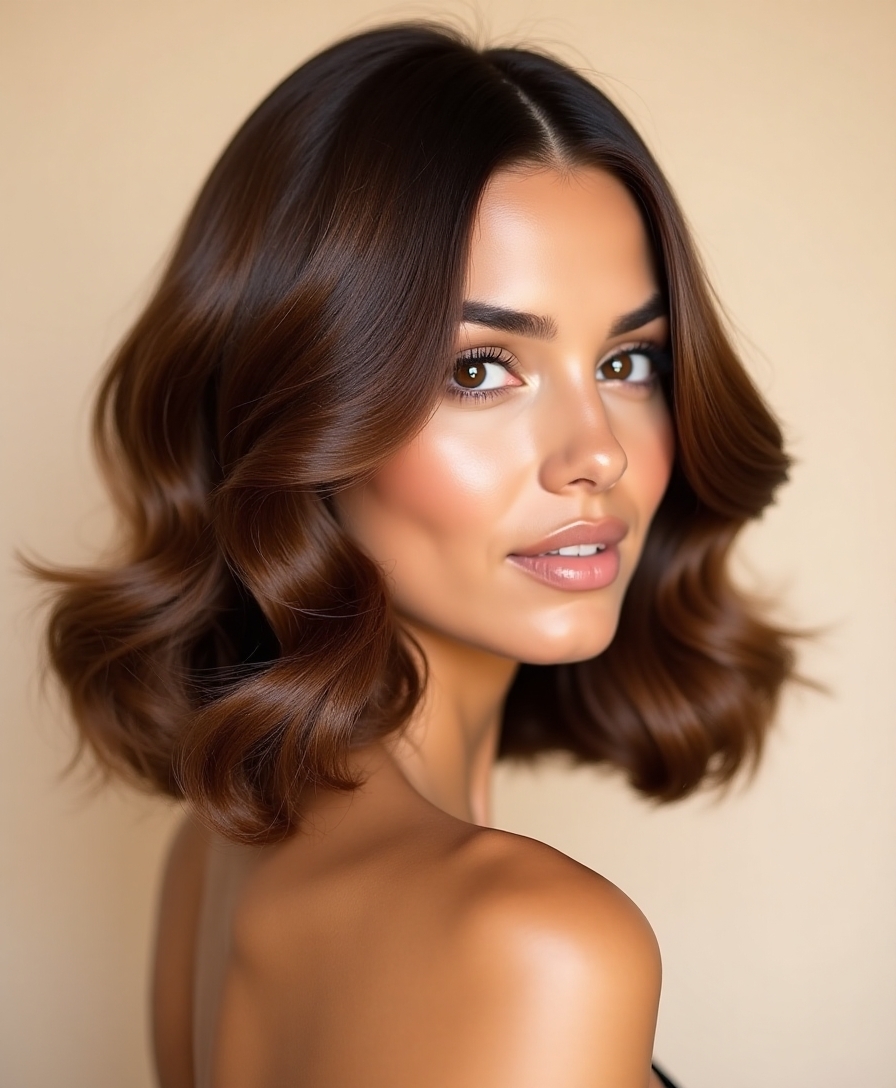
Unlike the brushed-out wave above, the quiet blowout is barely waved at all; it is about a smooth, straight-falling finish with gentle body at the ends, not bends through the lengths. It is soft and natural, with movement rather than drama, falling in a clean, glossy sweep rather than a styled bombshell shape, which would read as trying too hard.
A good one is more about smoothness and shine than volume, finished with cool air and a whisper of serum rather than teasing and spray. It is the everyday foundation of the whole look, and it is worth learning to do gently at home so your hair always looks quietly done.
- Soft and smooth with natural body, never big and bouncy.
- Finish with cool air and a touch of smoothing cream, skipping the teasing comb and spray entirely.
- Aim for healthy and clean rather than styled and dramatic.
| The Old Money Signal | The Trend-Chasing Signal |
|---|---|
| Healthy, glossy, conditioned hair | Bold color that dates the photo |
| Soft, natural finishes | Crunchy gel or a rigid set |
| Classic shapes worn for years | A cut you can date to one season |
| One discreet accessory | Statement clips and oversized bows |
The Elegant Side-Swept Style
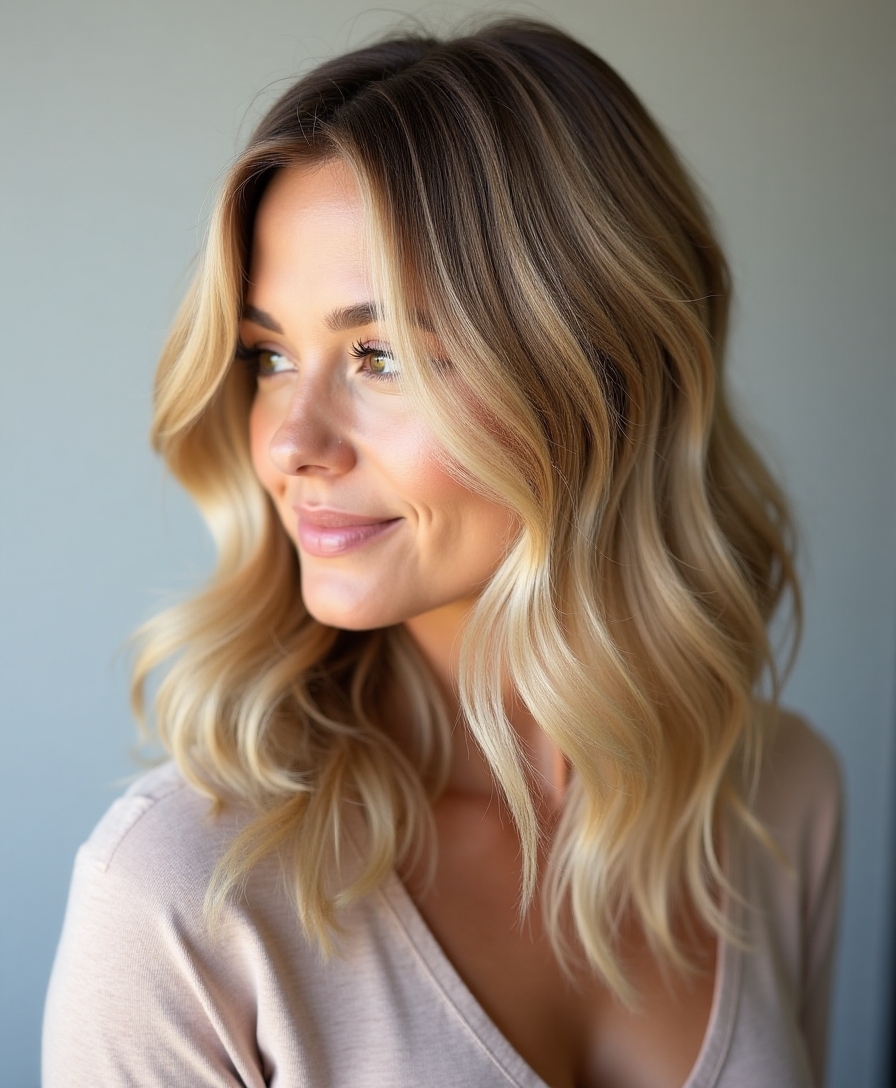
Sweeping the hair to one side, whether worn down or pinned, is a quietly glamorous way to dress this look up for an event. The deep side part adds soft volume and a flattering diagonal, and it carries an old-Hollywood elegance that never goes out of style, all without a single trendy element.
- Make the part deeper than your natural one, then comb the sweep flat with a little cream.
- Wear it swept down for day, or pin the sparse side at the nape for evening.
- Old-Hollywood elegant rather than of-the-moment.
Pearl and Other Quiet Accessories
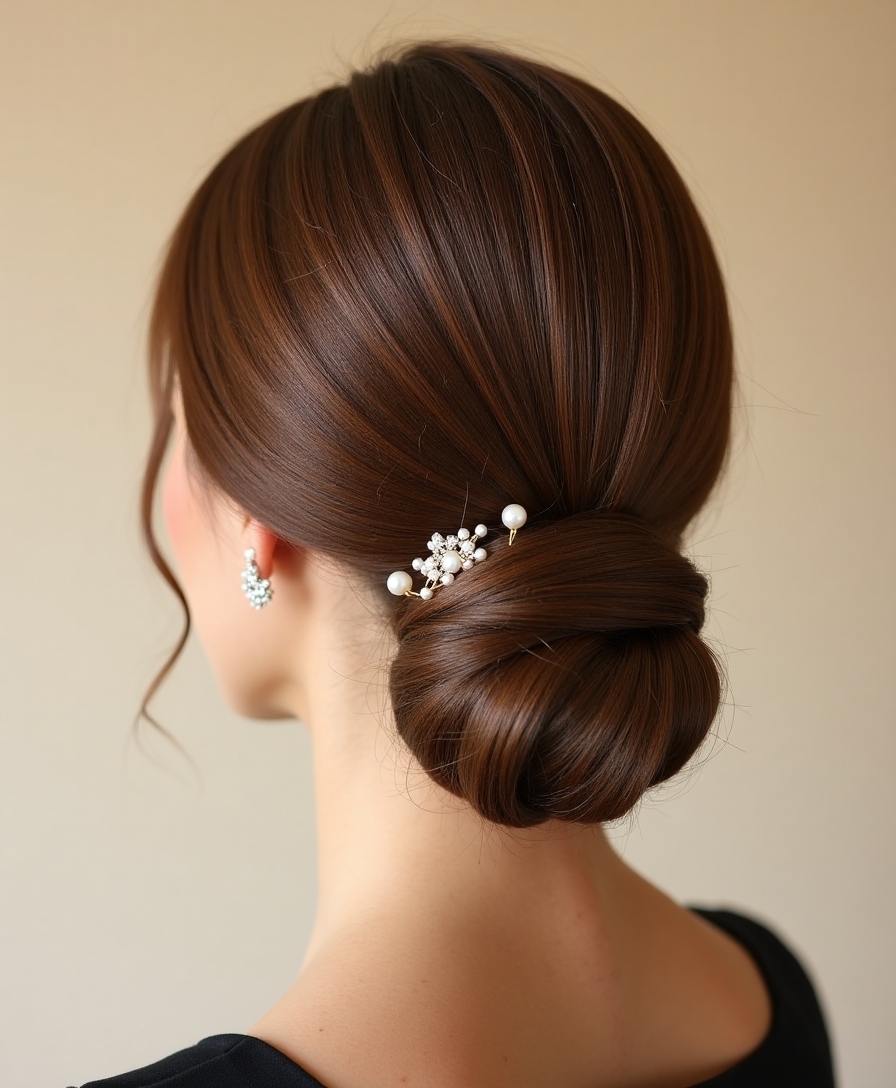
Accessories here are a study in restraint, never the statement clips or oversized bows of a trend cycle. A few pearl pins, a thin velvet ribbon, or a single tortoiseshell barrette add a quiet, heritage touch that feels inherited rather than bought.
The rule is subtlety: one understated piece, real or convincingly so, placed simply. A pearl pin tucked into a chignon or a slim ribbon at the nape of a low ponytail looks polished and considered rather than costume-like.
Quality matters more than quantity here, but it does not have to be expensive; a simple, well-made piece in a classic material does the job. Discretion, not the price tag, is what makes an accessory feel inherited.
“Do not ask for a trend by name. Ask your stylist for a classic, healthy shape that suits your hair and a glossing treatment, and tell them you want it to look natural and easy rather than done. Then say you would rather come in for regular trims than chase a dramatic change. That conversation, not a big cut, is what builds the look.”
Refined Half-Up Styles
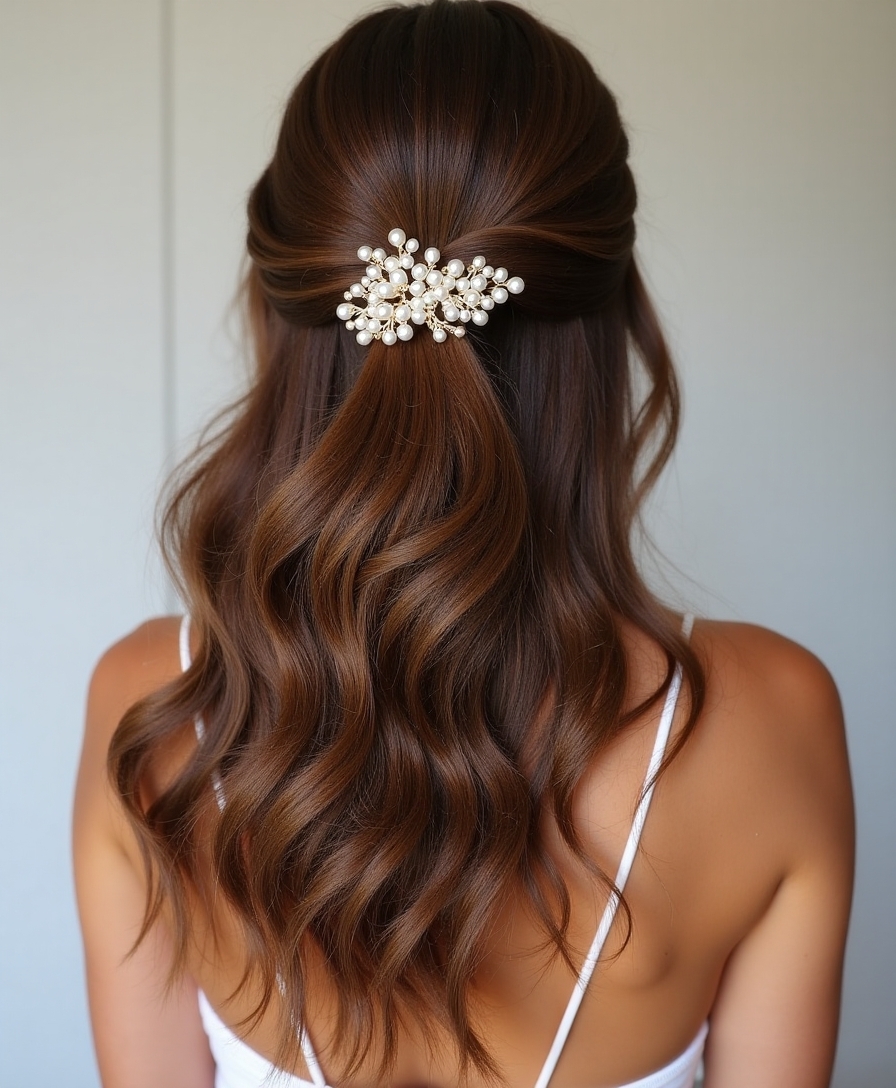
A simple half-up style is the most everyday-wearable version of the look, keeping the hair off the face while leaving soft length down. The key to the refined version is smoothness and a clean line; gather the top section neatly, secure it with a small clip or a discreet tie, and keep the rest polished. Skip the teased crown or the tousled pieces, since the quiet-luxury half-up is all about a clean, controlled, almost preppy neatness.
- Gather the top section smoothly, with no teasing or bumps.
- Secure it with a discreet clip or a covered tie, nothing flashy.
- Keep the length below polished and sleek, not tousled.
Old-Hollywood Swept Waves
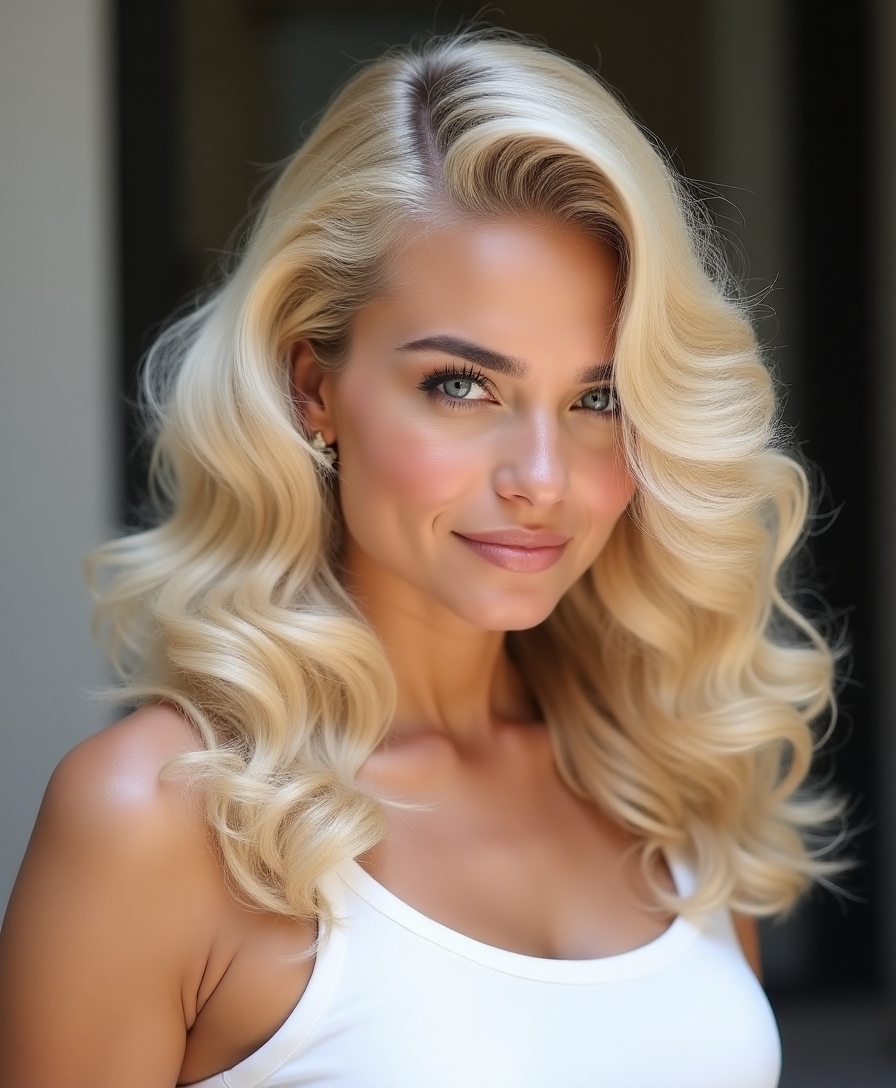
For a formal evening, old-Hollywood waves, deep, polished, and swept to one side, are the dressiest expression of it. Think of the soft, sculpted waves of mid-century film stars: glamorous, yes, but in a restrained, timeless way that never tips into costume.
The modern version keeps the wave soft and the shine high rather than rigidly set, landing as elegant rather than theatrical. Set the waves with a large iron, then brush them out into a smooth, glossy sweep and pin one side back for that classic, gracious silhouette.
- Deep, polished waves swept to one side for evening.
- Brush the set out so it is soft and glossy, never rigid.
- Pin one side back for the classic, gracious silhouette.
The Sophisticated Low Ponytail
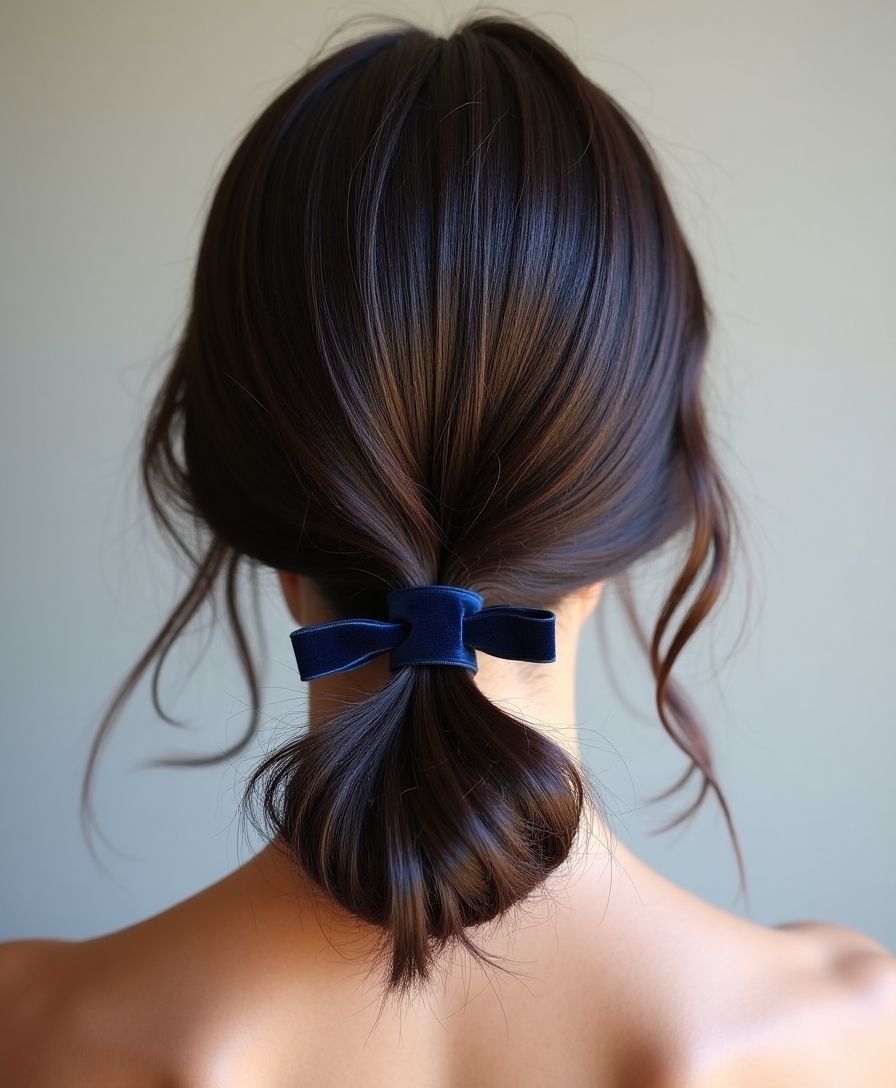
The low ponytail is the most underrated style here, and the one I recommend most for everyday, because it is quick yet quietly polished. Gathered low at the nape and smoothed clean, it looks far more refined than a sporty high pony and works for the office, lunch, or a simple evening.
The detail that lifts it is taking one small piece and coiling it around the elastic until the tie vanishes completely, which instantly makes the whole thing look pricier. A little shine product smoothed over the top finishes it.
It is proof of the whole old money principle: the simplest style, done smoothly on healthy hair, beats the most elaborate one every time. See our ponytail ideas for more refined versions.
Subtle Face-Framing Layers
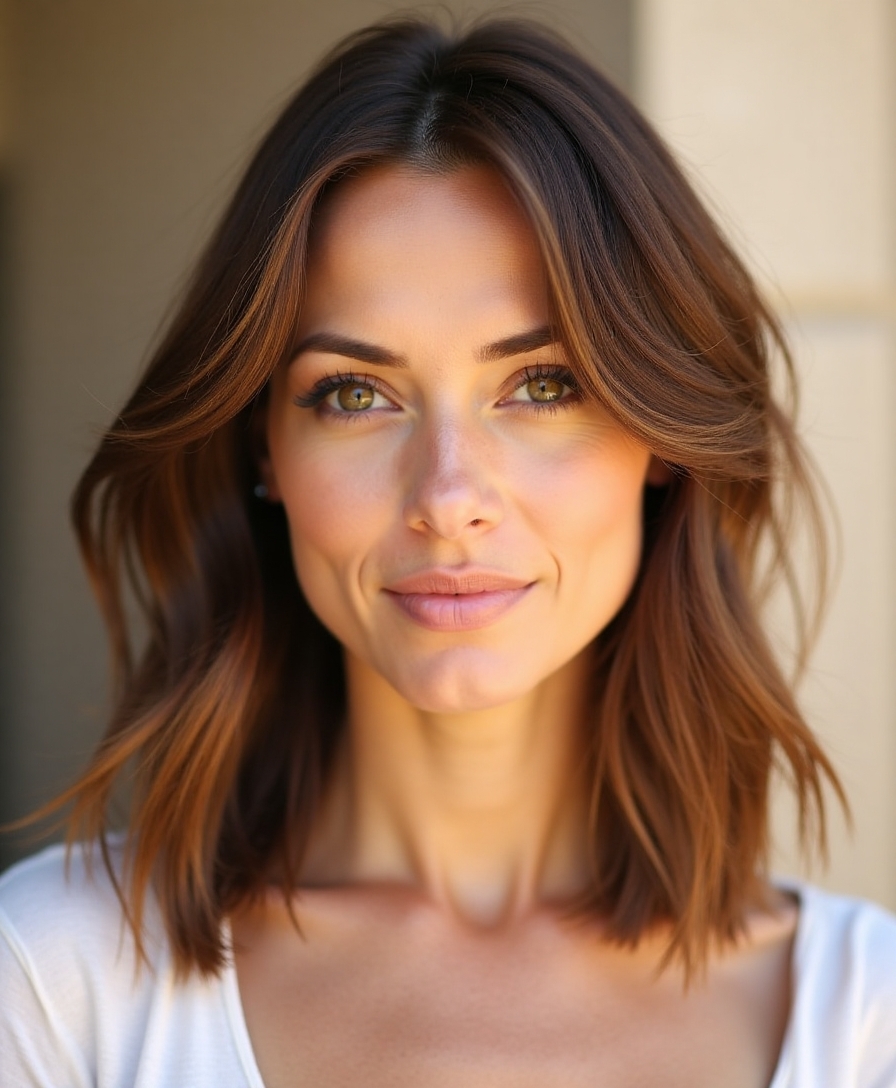
Where trend-driven cuts shout with bold layering or a heavy fringe, this aesthetic frames the face with the softest, most subtle pieces. A few long, gently graduated layers around the face add movement and flatter your features without ever looking like a statement cut.
The point is that they should be barely noticeable, soft enough that the hair simply looks like it falls beautifully on its own. Skip the choppy, obvious layers and the blunt bangs; the quiet-luxury version stays so understated it passes as natural rather than cut.
- Long, soft face-framing pieces, never choppy or obvious.
- They should look natural, as if your hair just falls that way.
- Skip blunt bangs and heavy layering, which date the look.
Quietly Classic Braided Styles
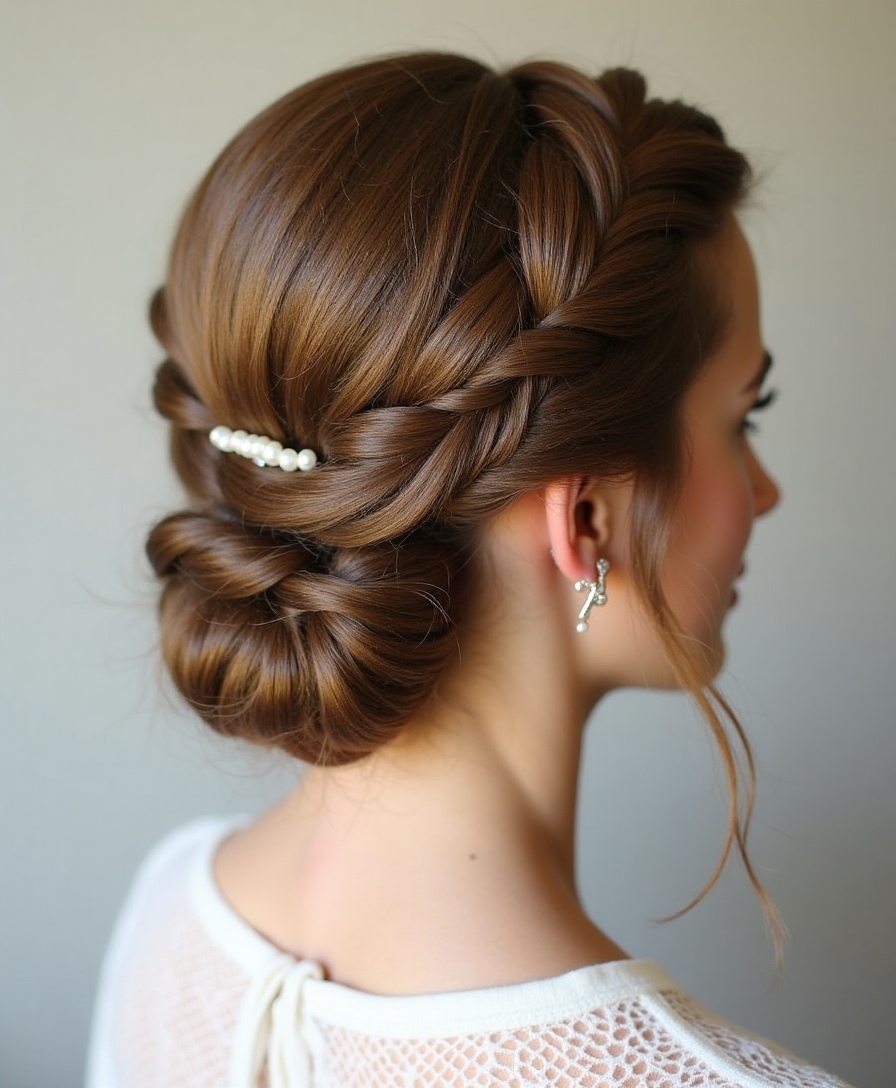
Braids carry deep heritage across many cultures, and worn simply and neatly they bring a refined, classic touch to the look. The quiet-luxury versions stay understated: a single loose braid, a low braided bun, or a thin braid tucked along the hairline, always smooth and polished. Worn with respect for their roots and kept simple, a braid lands as timeless and elegant.
- Keep braids simple and smooth, not intricate or showy.
- A low braided bun or a single soft braid carries real refinement on its own.
- Tuck a thin braid along the hairline for a quiet, classic detail.
Modern Vintage Rolls
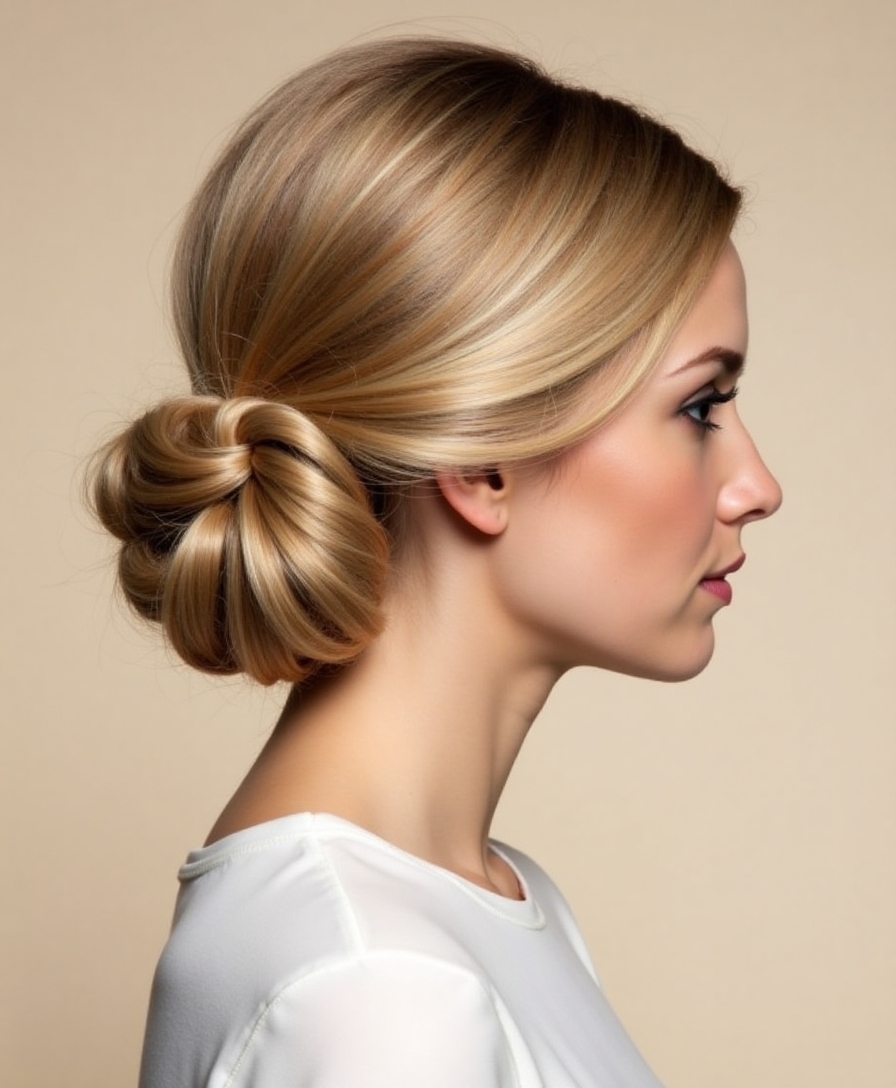
A soft pinned roll, the modern descendant of the victory roll and the pin curl, adds a touch of vintage polish to the look without looking like a costume. The trick is to keep it soft and singular: one gentle rolled section pinned back, rather than a head full of rigid set curls.
Worn this way, a roll at the temple or the nape comes across as a refined, heritage detail rather than a themed look. It is a lovely way to dress up a low bun or a half-up for an event, adding that quietly vintage, inherited feeling the whole aesthetic is built on.
Hair Care for Lasting Elegance
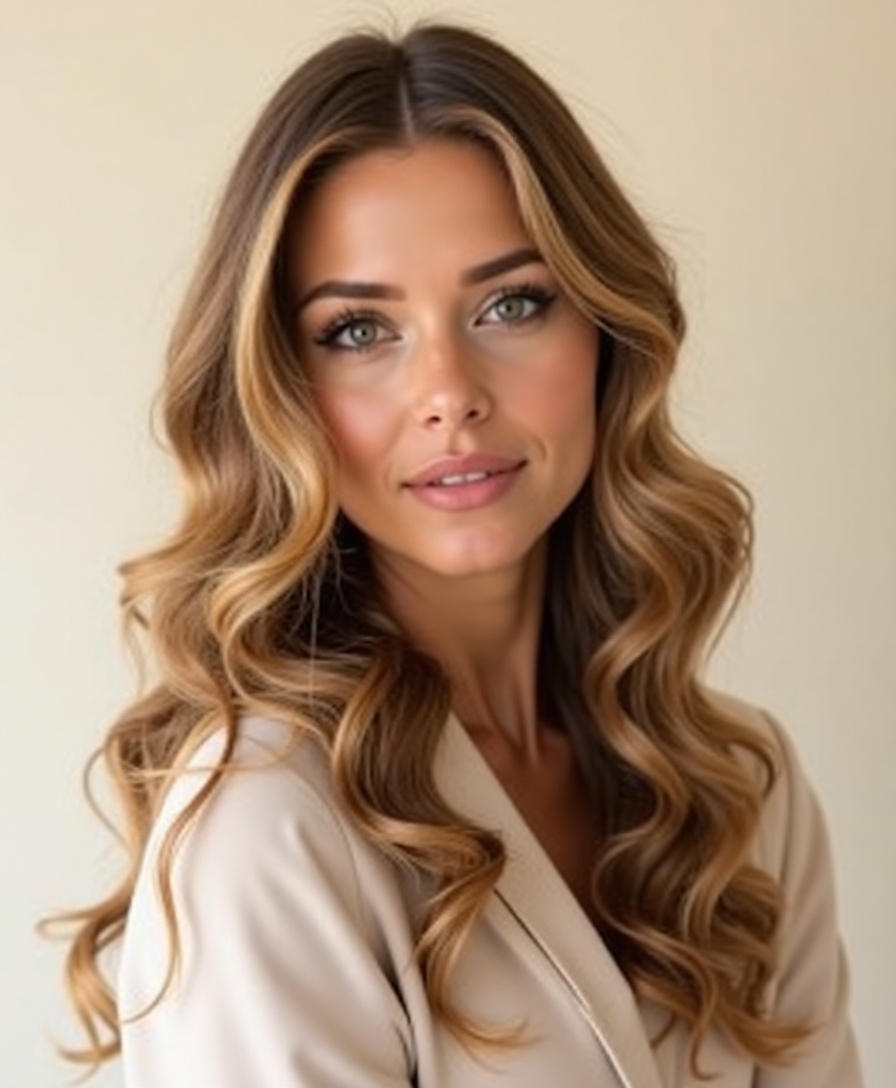
Here is the real secret the styles only hint at: the whole effect is ninety percent care and ten percent style. The single biggest thing you can do to look expensive is to have healthy, glossy, well-conditioned hair, because shine and condition read as luxury in a way no cut can fake. Everything else is just keeping it simple on top of that foundation.
- Get regular trims so the ends always look blunt and healthy.
- Add a glossing or bond treatment, priced around $40 at most salons, for shine.
- Sleep on silk, go easy on heat, and use a light hand with product.
- Choose a classic shape and a natural color over anything trend-driven.
Old Money Hair Questions, Answered
?How do I get that brushed-out, expensive-looking wave at home?
Curl loosely with a large barrel or a few velcro rollers, then let it cool completely and brush the whole set out with a soft brush. Brushing is the step most people skip; it turns defined curls into soft, glossy movement. Finish with a small amount of shine cream, skipping hairspray altogether.
?Can I get the old money look on a small budget?
Yes, and that is the point. Regular trims, a glossing treatment, a silk pillowcase, and a light hand with product cost little and do most of the work, since the look is about condition and restraint rather than an expensive cut or color.
?What hair color fits the old money look?
Natural, low-contrast shades that look like your own hair at its healthiest, think soft brunette, deep blonde, or a subtle gloss over your natural color. Anything high-contrast or trend-driven, like bold money pieces or fashion shades, works against the quiet-luxury effect.
Let Your Hair Whisper
Old money hair is not a haircut you can buy; it is a quiet set of choices anyone can make. Put health first with regular trims and a glossing treatment, choose classic shapes over trends, keep the finish soft and the accessories discreet, and you have the whole code, whatever your budget. The most expensive-looking hair in any room is almost always the simplest and the healthiest.
So pick one of these styles, or simply start with the care that underpins all of them, and let the loud trends pass you by. The quietest hair in the room is usually the one that looks like it cost the most, precisely because it is not trying to.
Next Up