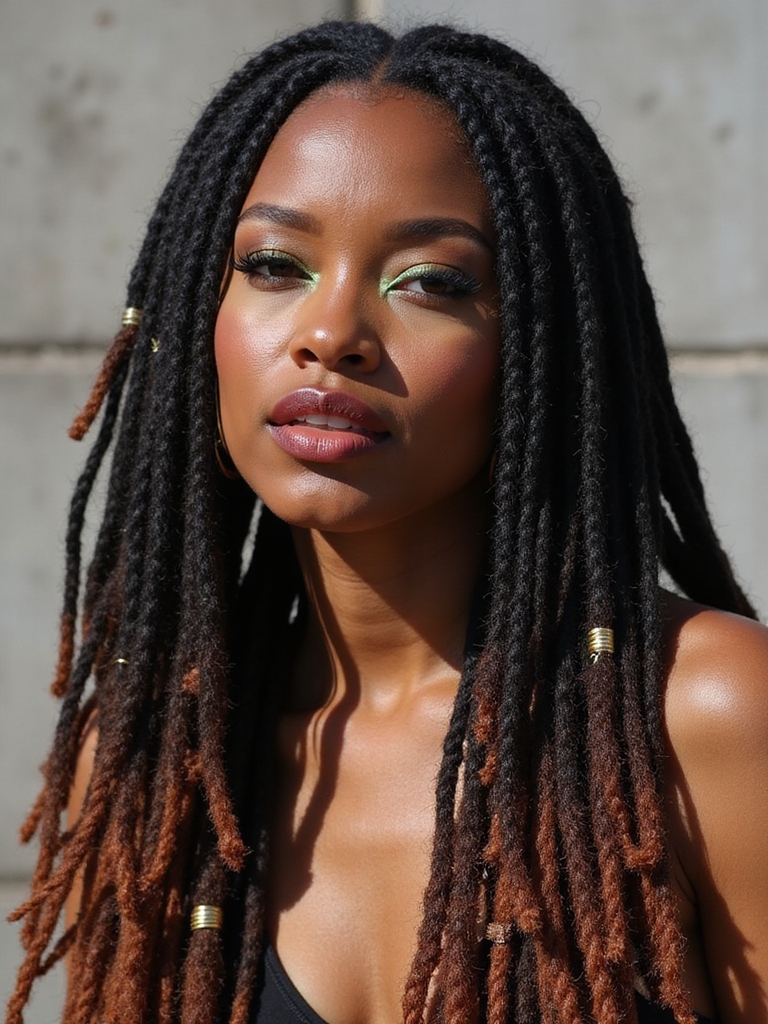
Most loc guides jump straight to styles. This one starts a step earlier, with the thing that actually decides what your locs can do: the type of loc you have. A set of micro locs and a set of freeform locs are both dreadlocks, and they will style, hold, and age completely differently.
So these dreadlocks women hairstyles are organized the way I think through it in the chair, type first. We will walk through the main loc types and what each is best at, then the cuts, updos, color, and finishing touches that make the most of whichever you wear. Know your type, and the right styles get a lot more obvious.
Quick Answers Before You Choose
Does my loc type really change my styling options? Yes, more than length does. Fine types like micro locs and sisterlocks bend into intricate styles; thicker traditional and freeform locs favor bold, simple shapes.
Which type is lowest effort? Freeform and traditional locs ask the least day to day. Micro locs and sisterlocks look refined but need a specialist and longer maintenance sessions.
Can I change my mind later? Your type is mostly set at install, but every type still takes sculpted updos, seasonal color, and accessories equally well; nothing about your options narrows for good.
Micro Locs: Fine and Endlessly Versatile
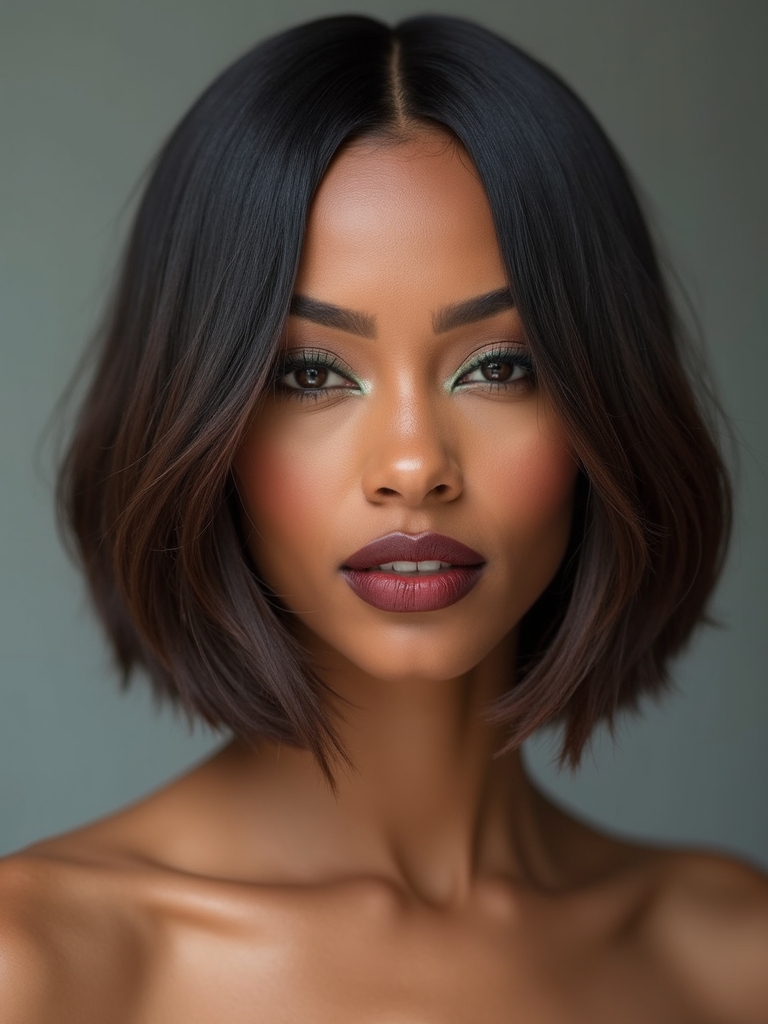
Micro locs are the finest standard type, each about the width of a toothpick, with a full head running 200 or more individual locs. That density is the whole appeal: the more locs you have, the more intricate the styling, since fine locs braid, twist, and pin into detail that thick locs simply cannot.
They read polished in any setting. The flip side is that all that detail means a higher section count to install and to maintain, and that is where the time and the money go.
The trade-off is the investment. A micro loc install is a multi-session commitment that can run $400 to $800 or more, and upkeep means your loctician works through hundreds of individual sections by hand, which is exactly why the chair time adds up. This is a type for women who want maximum versatility and will pay for it in both time and money.
I always tell clients eyeing micro locs to be honest about their schedule first. The look is worth it, but the upkeep is real, and a fine set neglected too long is harder to bring back than a thicker one.

Sisterlocks: The Trademarked Fine Loc
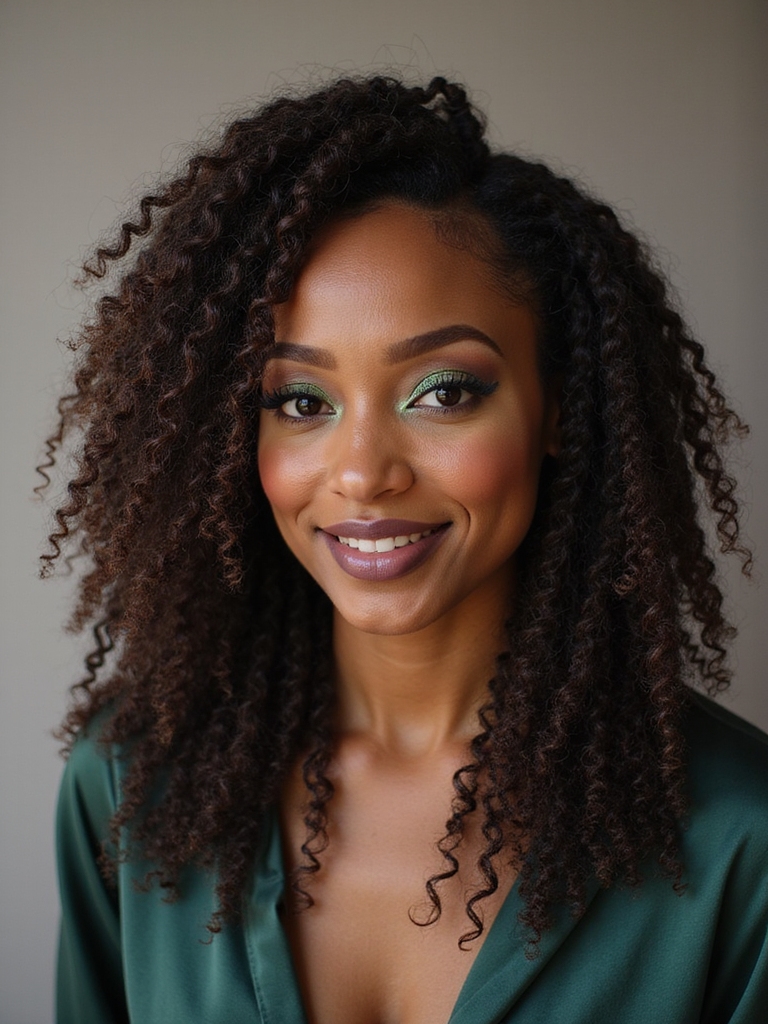
Sisterlocks are a specific, trademarked technique, not just any small loc, installed with a special tool and a precise grid by a certified consultant. The result is a very fine, lightweight loc that moves almost like loose hair and suits a wide range of professional and personal styles. The precision is the point. Here is what sets them apart:
- They are installed and maintained only by certified Sisterlocks consultants, which protects the method.
- The initial install is a long, detailed session and a real financial commitment.
- Re-tightening uses a specific interlocking pattern, so book a certified consultant who knows the method.
Not sure which type you have or want? A quick way to narrow it:
1Decide your effort level
Low effort points to freeform or traditional; high-detail styling points to micro locs or sisterlocks.
2Match it to your budget
Fine types mean longer, pricier install and maintenance; thicker and freeform types cost less over time.
Traditional Locs: The Timeless Classic
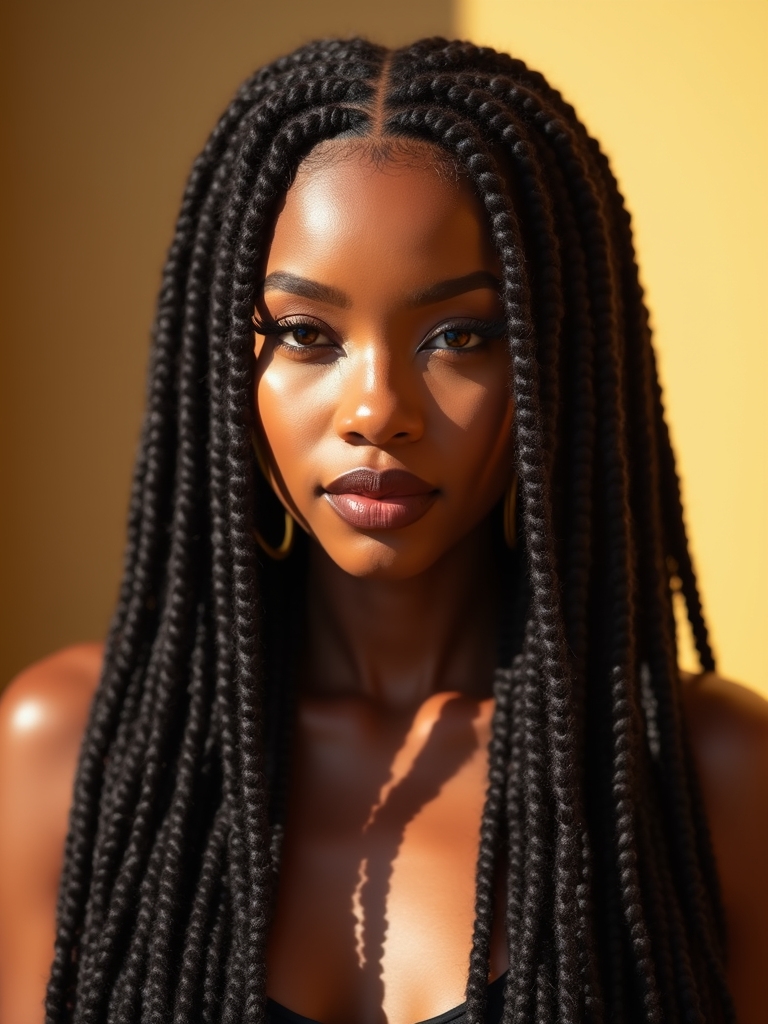
Traditional locs are what most people picture: medium-to-thick locs started with two-strand twists, coils, or comb work, then maintained with regular retwists. They are the most common type for good reason. They balance presence and ease. They look substantial. They ask little.
Why Traditional Locs Suit Most Women
Day to day, they ask little. Plan on a retwist roughly once a month to six weeks out, and between appointments the locs mostly look after themselves. They carry every style in this guide, from a sleek bun to a sculpted updo.
For a woman who wants locs that feel timeless and forgiving, this is the type I recommend most often. After years in the chair, I have watched traditional locs flatter brand-new clients and twenty-year wearers with the same easy grace.
Freeform Locs: Natural and Hands-Off
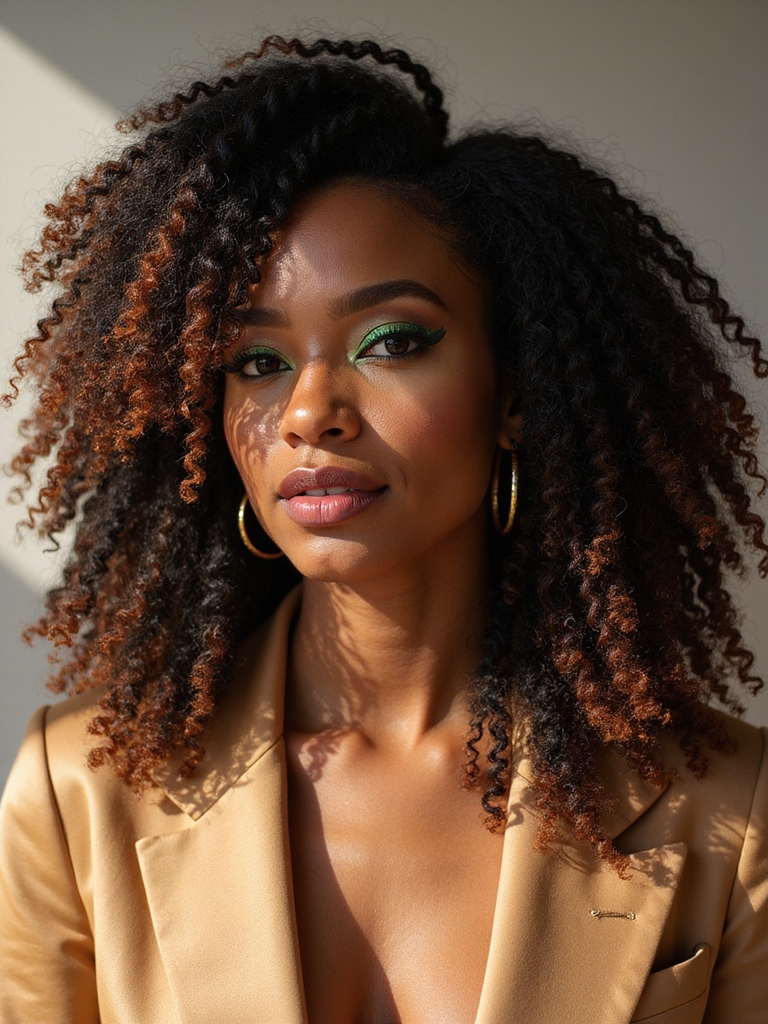
Freeform locs form on their own terms, with little to no parting or retwisting, so the hair locks the way it naturally wants to. Sizes vary. Shapes are organic. No two locs match. For many women this is the most meaningful type, a return to how locs form without intervention, and it carries deep cultural and spiritual significance for some.
What Freeform Asks of You
The upkeep is the lightest of any type: wash, separate locs occasionally so they do not join at the root, and let them grow. There is no retwist schedule and no salon dependency.
What you give up is uniformity and predictability. Freeform locs will not look like a neat grid, and that is exactly the point for the women who choose them.
👍Why Women Love Locs
- +One set wears endless styles, from sleek buns to sculpted updos.
- +Most types are low-fuss day to day once established.
- +Locs carry real cultural weight and grow more personal with every year you wear them.
👎What to Plan For
- –The locking journey takes patience, often a year or more to mature.
- –Fine types need a specialist and longer maintenance sessions.
- –Tight, repeated tension styling can thin the edges if you are not careful.
Bohemian Locs With Beads and Shells
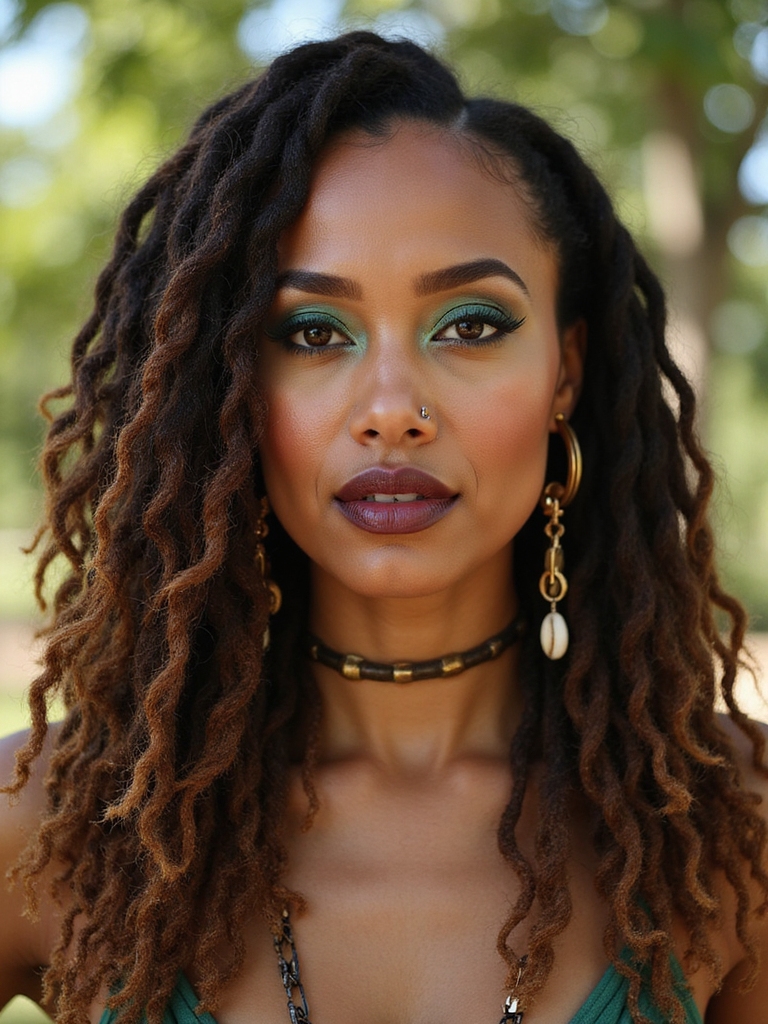
Bohemian styling is less a loc type and more a way of dressing any set, layering in cowrie shells, wooden beads, and thread wraps for a free-spirited, collected look. The shells in particular carry deep cultural meaning, with roots in West African adornment traditions that long predate the trend.
Adorning Without Adding Strain
What I love about this approach is that it grows with you. Most women add and remove pieces over years, building a personal collection that tells a small story of where they have been.
Keep heavier beads higher on the loc so the weight does not pull, and spread them across the set rather than loading a few locs. Beyond that, this is pure personal expression.
The Loc Bob
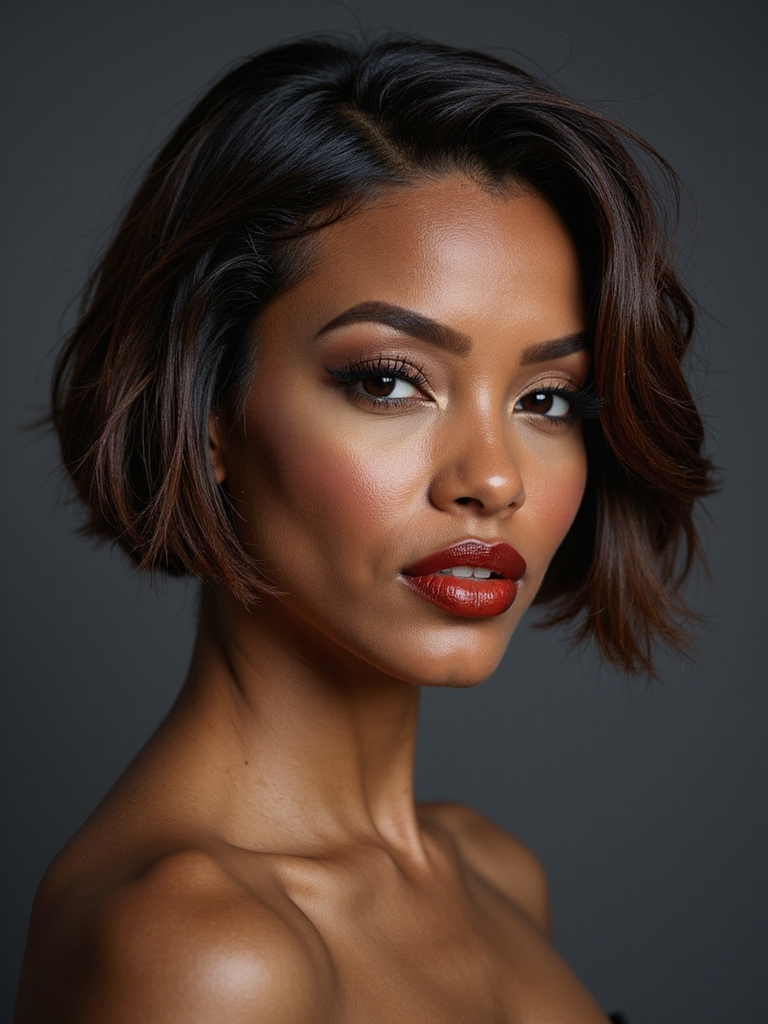
A loc bob is proof that locs do not need to be long to make a statement. Cut to the shoulder or jaw, the bob gives you a sharp, modern line with real movement at the ends. It works on every loc type, though thicker locs give it more graphic weight. The clients who come to me bored with long locs almost always leave lighter and happier after the cut.
It is a low-fuss choice with one catch worth knowing. For the full range of short shapes and how to ask for the cut, see the loc bob gallery. A few quick notes:
- A center part keeps both sides falling level for a crisp, symmetrical line.
- A tighter cut needs its roots touched up more often if you want that hemline staying crisp.
- Sealed, blunt-cut ends give the cleanest edge; ask your loctician to seal them.
The most stubborn myth about women’s locs:
❌ Myth: Locs are dirty or unwashable
✅ Reality: The opposite is true. Locs need regular, thorough washing with residue-free products; buildup and trapped moisture are what cause problems, not cleansing.
❌ Myth: Locs limit your hairstyles
✅ Reality: One loc set wears more styles than most loose hair, including buns, updos, half-ups, color, and sculpted shapes that loose hair cannot hold.
Long Layered Locs
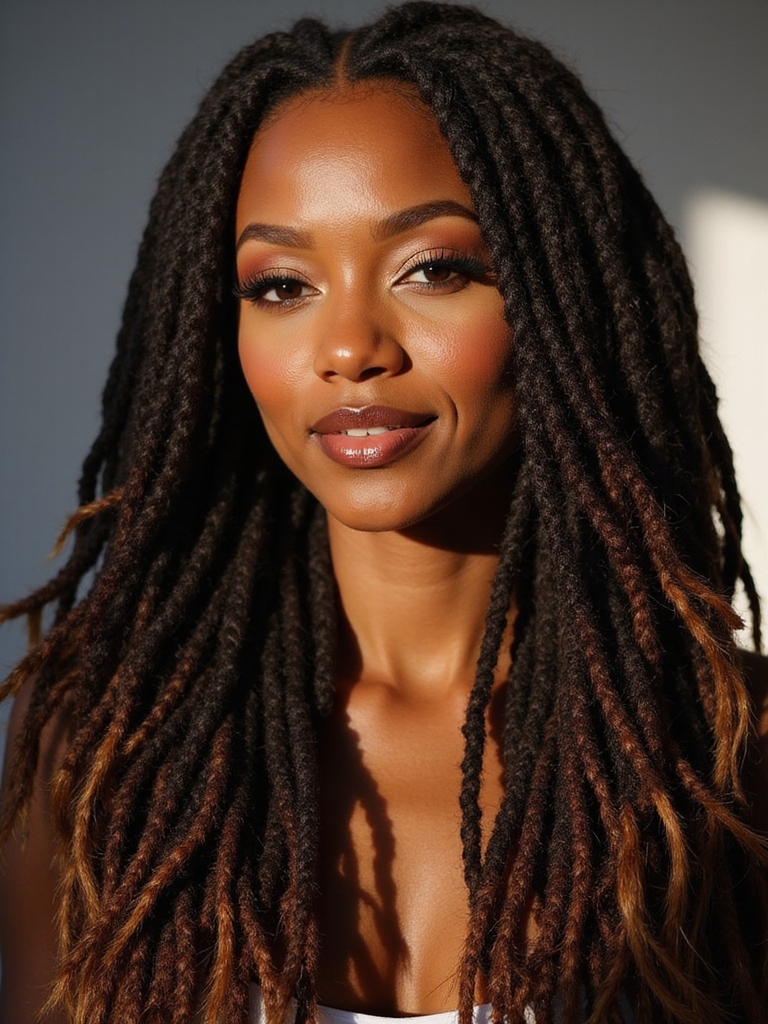
At the other end, long locs cut into layers move with real drama. Varied lengths through the set keep a long head of locs from sitting as one heavy curtain, adding shape and swing instead. This is the reward type, the look that only shows up after years of patient growth, and that patience is exactly what makes a long, healthy, layered set turn heads.
Worn loose, long layered locs need almost nothing on a given day, though the weight is real and worth respecting. Sleep on satin, and lean on loose-worn styles to keep the length healthy as it grows. The longer loc looks has more ways to wear it once you’re past shoulder length, from half-up styles to full updos.
High Buns and Top Knots
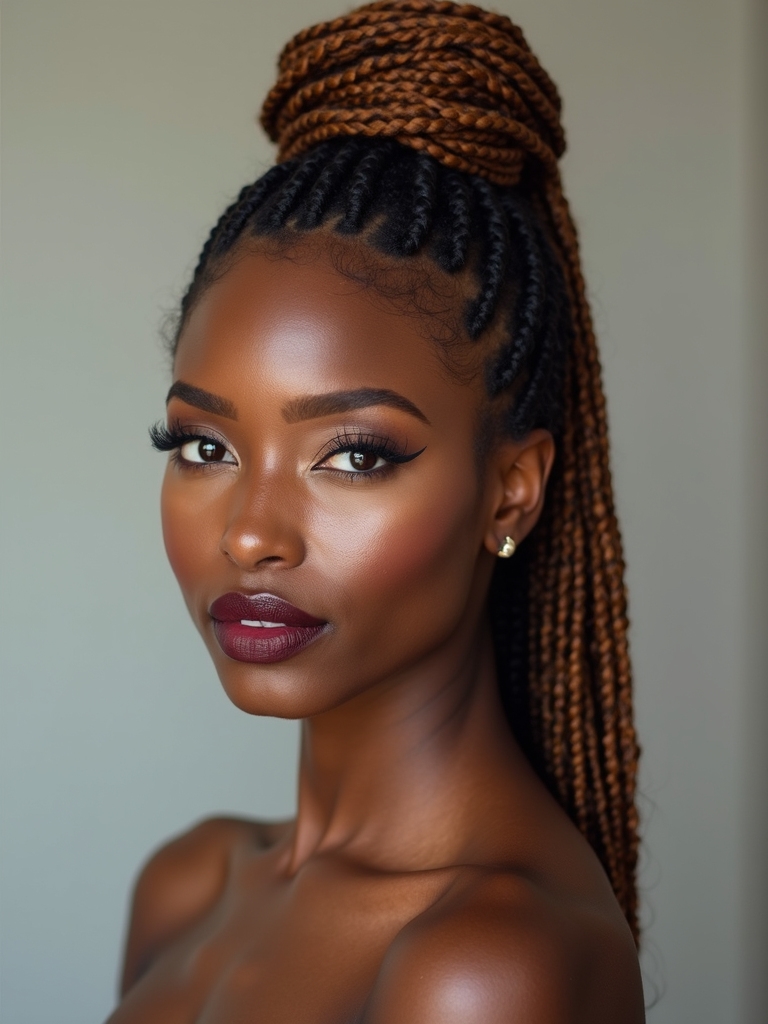
The high bun is the everyday workhorse for every loc type. Gather it, coil it, pin it — two minutes, and you have a finish that carries an office or a dinner out. It works whether you have fine sisterlocks or thick traditional locs, and it is the style most women reach for on a busy morning. Build it well:
- Use a wide satin-covered band so the gather holds without biting at the root.
- Coil and pin, then wrap a loc around the base to hide the band.
- Vary the height day to day so the same spot is not loaded every time.
“If you are at the very start, choose your loc type for the maintenance you will realistically keep up, not the photo you love most. A well-kept traditional set will always look better than a neglected micro set, no matter how striking the inspiration picture was.”
Half-Up, Half-Down Styles
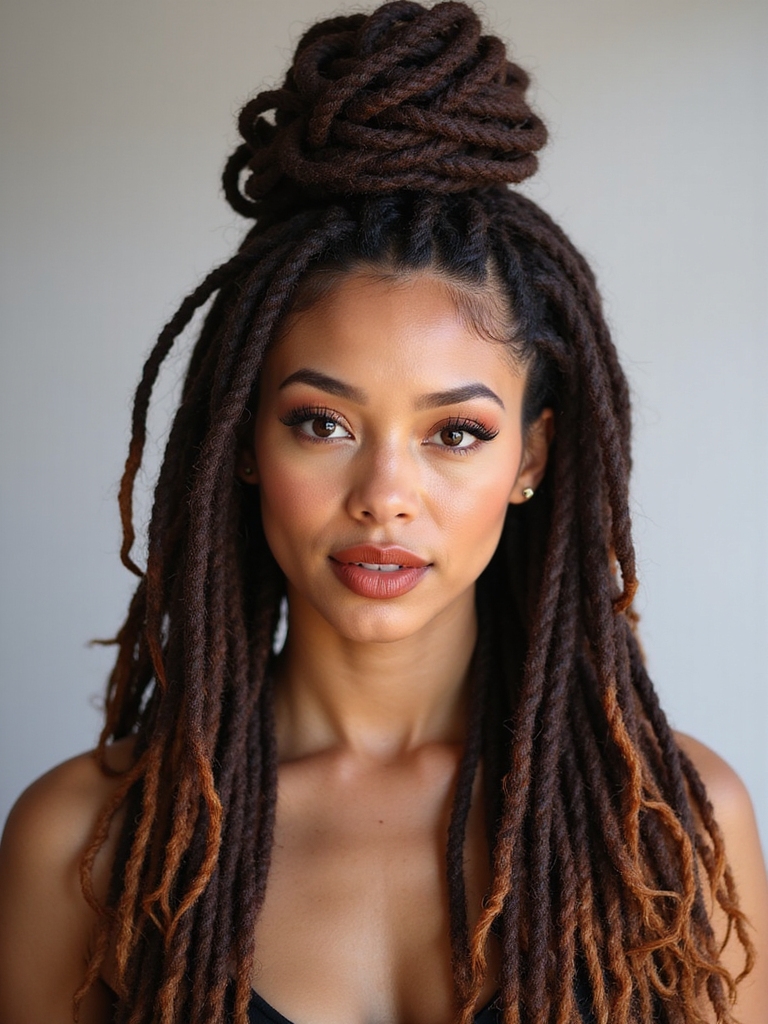
Half-up styles split the difference perfectly, lifting the crown section off your face while the rest of the locs hang free. You keep your length on show and still look pulled-together, which is why this is such an easy daily win for every type. Here is the quick method:
- Gather the top third of the set at the crown and secure with a soft band.
- Coil it into a small knot or leave it as a half-pony, whichever you like.
- Leave a few locs loose at the temples to frame the face.
Braided Loc Updos
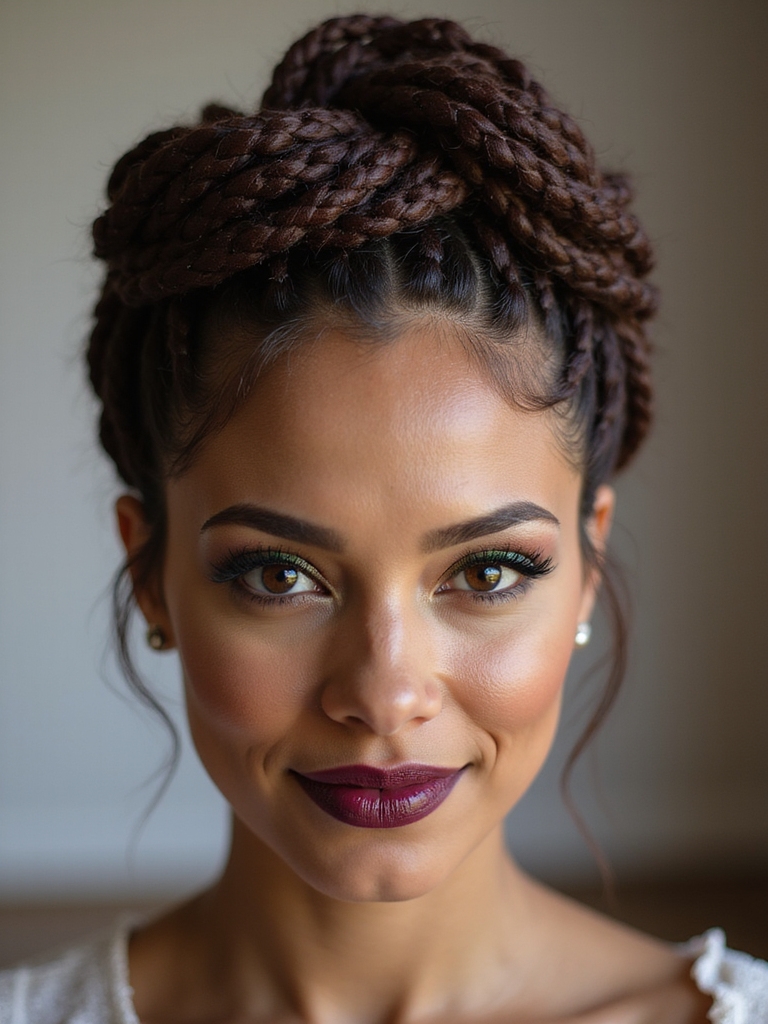
When the occasion calls for it, braided and twisted updos turn locs into something sculptural. Flat-braiding sections and pinning them into a crown or chignon gives a structured, formal finish that holds for hours, which is why locs shine at weddings and galas. This is usually salon territory for the most intricate versions. A few pointers:
- Mature, well-locked hair holds these shapes; very new sets slip free.
- Budget $80 to $150 and an hour or more for detailed event styling.
- For a full gallery of formal arrangements, see the loc updo styles.
Loc Petals and Bantu Knots
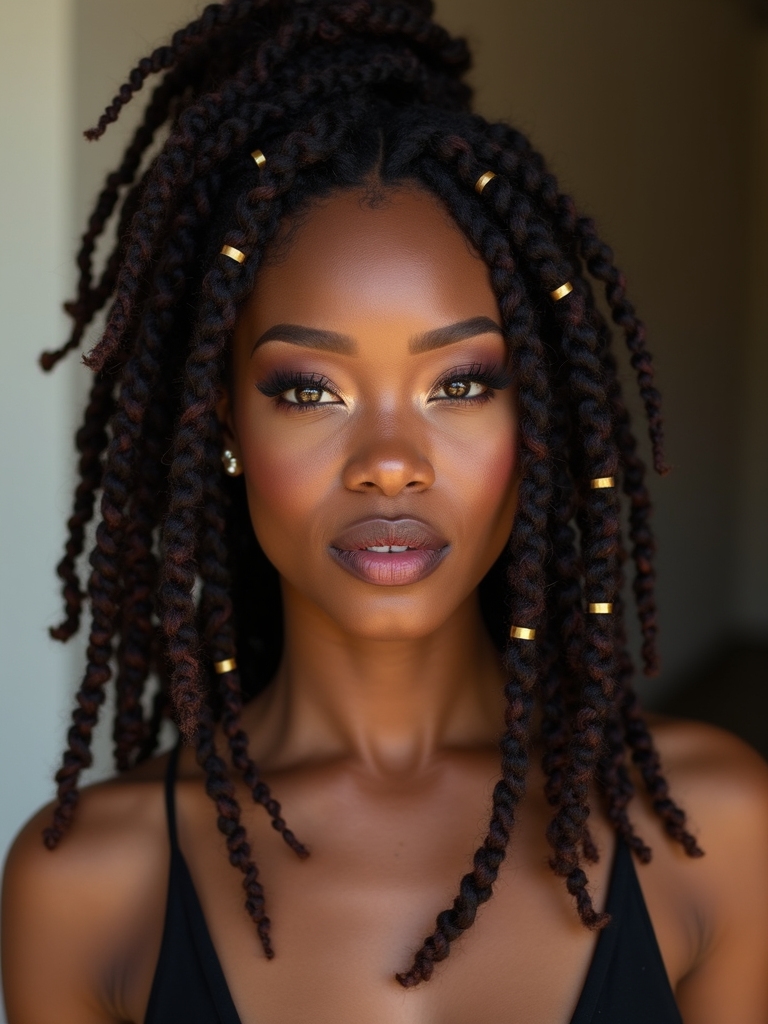
For the creative end, locs fold and coil into sculptural shapes. Loc petals are sections folded back and pinned flat into rounded, flower-like forms, while bantu knots coil sections into tight little buns across the head in a pattern with deep roots in southern African tradition.
Fine Versus Thick for Sculpted Shapes
Both turn the locs themselves into the design, and both photograph with real personality for events or simply for a day you want something different. Finer locs make crisper petals; thicker locs make bolder knots.
These take time and a steady hand, so they are worth booking a stylist for the first time. Once you have watched it done, the simpler versions are doable at home.
Color: Highlights and Ombre
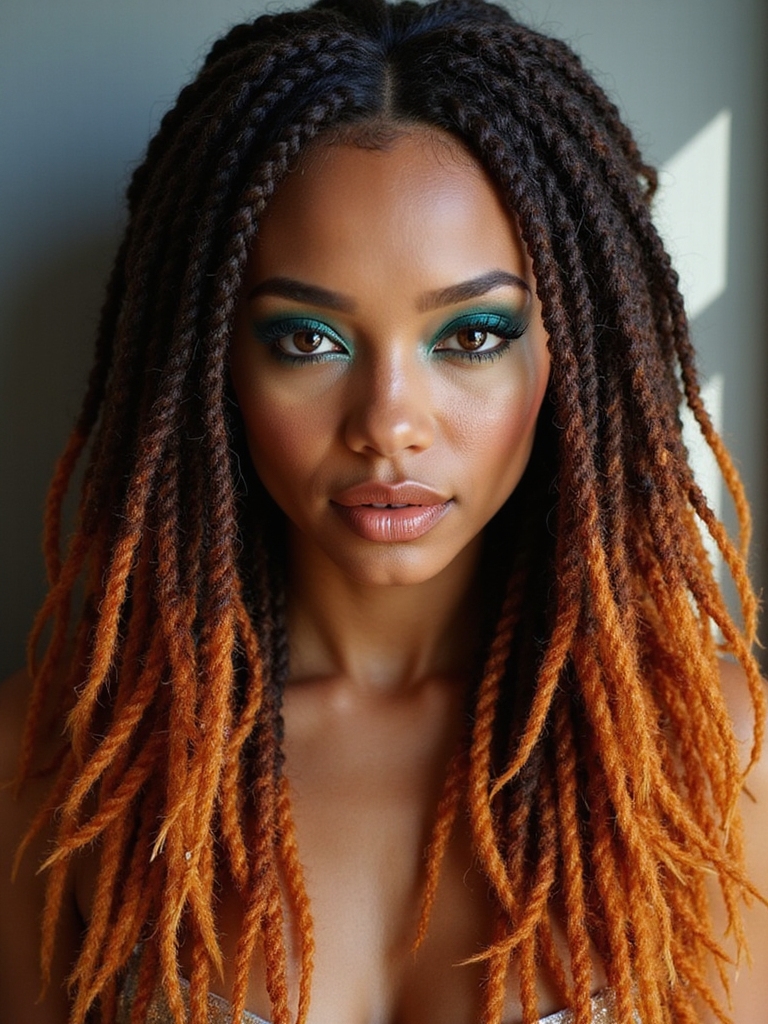
Color brings a whole new dimension to any loc type. Scattered highlights catch the light for a subtle, sun-touched depth, while a full ombre runs darker at the root into a brighter or warmer tone down the length, playing out over a long visual span on extended locs. Both let you transform the look without changing the locs themselves. Worth knowing first:
- Lightening locs is slow to reverse, since the color lives inside the loc structure.
- Book with someone who colors locs day in and day out; a general salon colorist can misjudge how the structure absorbs lightener.
- Lightened locs run noticeably drier afterward, so build a deep-condition or oil treatment into the routine.
Protective Wraps and Scarves
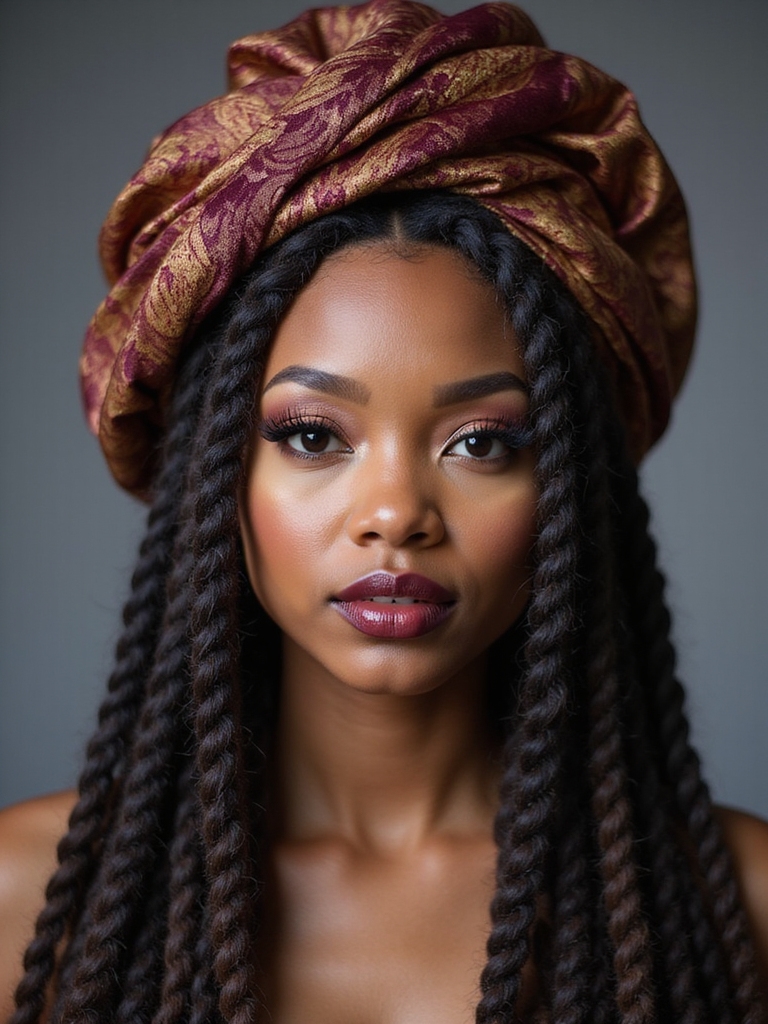
On the days you want zero fuss, a wrap or scarf does it all. A silk or satin headwrap covers a wash-day set, protects the locs from weather and friction, and looks fully intentional. Headbands and partial scarves dress a simple gather in seconds.
Beyond style, this is genuine protection. Silk and satin cut down on friction and help hold moisture in overnight, so they earn a permanent spot in the wash-day rotation.
Keep a couple in rotation, a print for personality and a neutral for everything, and you have an answer for every low-effort morning.
A Realistic Maintenance Routine
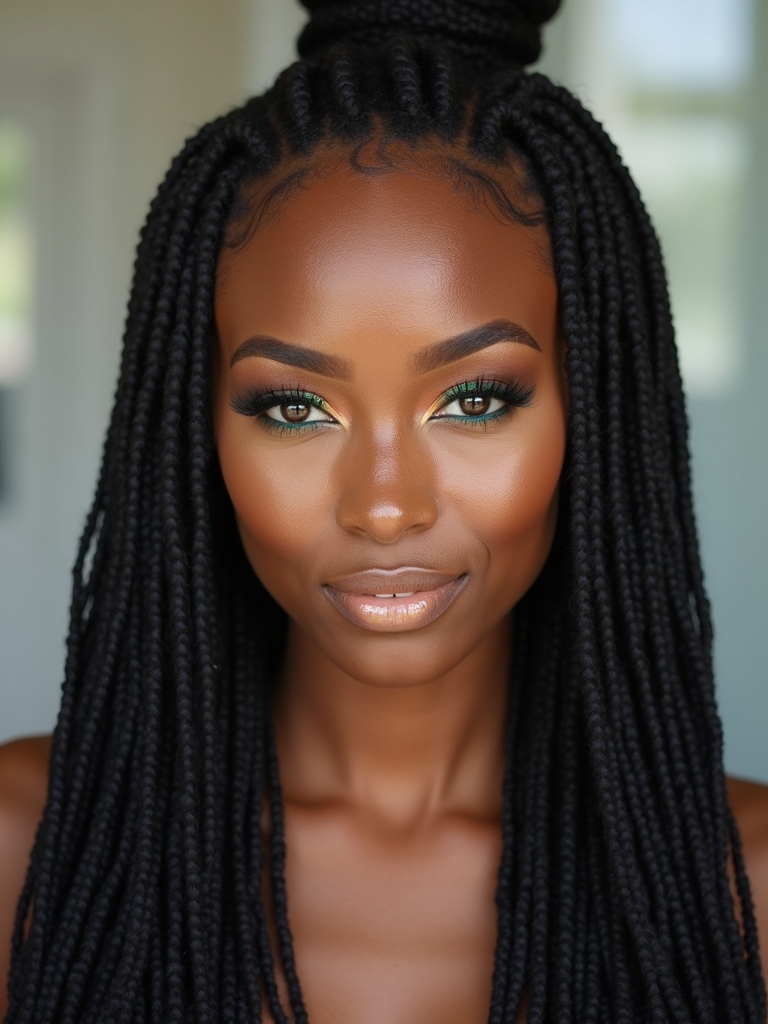
Good styling rests on healthy locs, and that comes down to a steady, unfussy routine rather than constant intervention. The single most important habit is tension awareness: the styles that pull from the root, worn tight every day, are the leading cause of thinning edges in loc wearers, so rotate them and ease off at the first sign of tenderness. The rest is simple upkeep:
- Retwist on your type’s own schedule; traditional locs land around the five-to-six-week mark for most women, and resist over-tightening.
- Wash regularly with a sulfate-free, clarifying cleanser, and dry fully to avoid mildew deep in the loc.
- A satin bonnet at night, or at minimum a satin pillowcase, keeps moisture locked in and stops the ends from catching on cotton fibers.
Accessories That Make Locs Yours
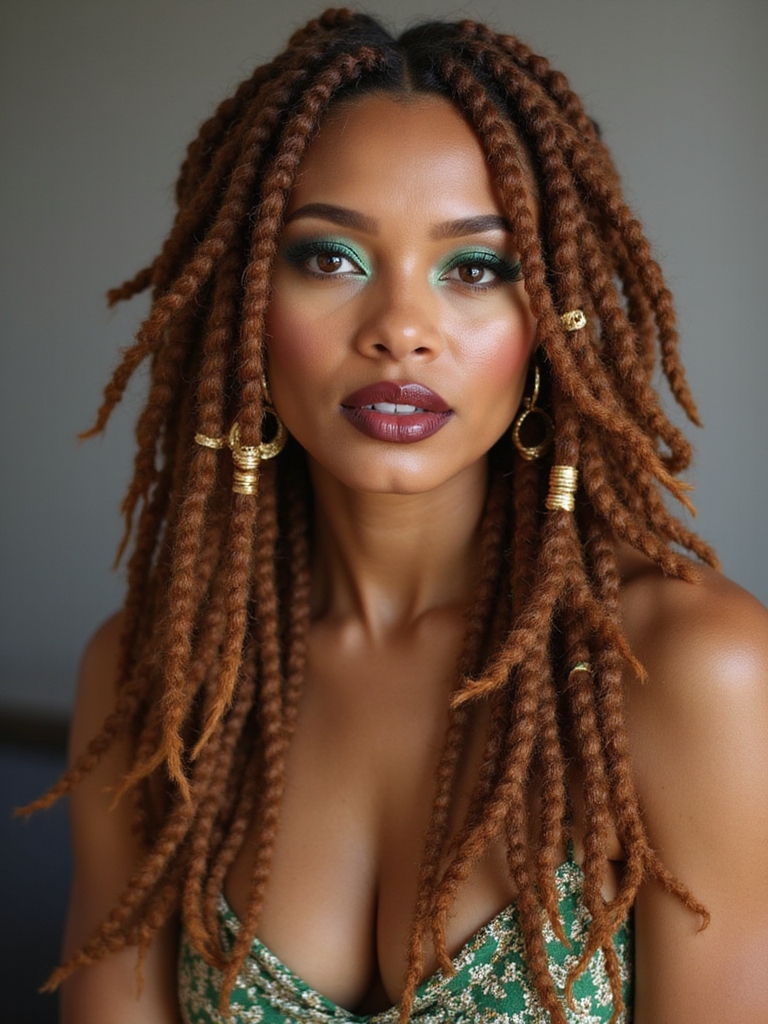
The final layer is the most personal one. Cuffs, pins, and beads let you turn the same set of locs into a different mood for a different day. Wraps add another layer for when you want more coverage. None of it changes the locs; all of it changes the look, and together they build into a collection that is entirely your own. A few ways in:
- Gold or silver cuffs add instant shine; place them higher so weight does not drag.
- Decorative pins dress an updo for an event in seconds.
- Mix metals and woods so the whole effect feels collected and personal.
What to Expect From Your Loc Type
A few honest expectations help you choose well. Fine types, micro locs and sisterlocks, cost the most to install and maintain but reward you with the widest, most intricate styling range. Traditional locs sit in the comfortable middle, easy to live with and able to do nearly everything. Freeform asks the least and gives you the most organic, individual result, at the cost of uniformity and predictability.
No matter which type you land on, the fun part carries over: a sleek bun works as well on freeform locs as it does on fine sisterlocks, color takes to any of them, and the accessory game is wide open. Choose the type that fits your budget and your patience, then let this guide point you to the cuts and styles that suit it. For more day-to-day ideas, the loc styling ideas and curly loc looks go further.
Common Questions About Women’s Locs
?How long do locs take to fully mature?
Most sets take 12 to 24 months to fully lock, depending on your hair texture and loc type. Finer types and tightly coiled textures often lock faster, but the full journey rewards patience.
?Which loc type is best for thin or fine hair?
Sisterlocks and micro locs distribute fine hair across many small locs, which often suits thinner hair better than fewer thick locs. A consultation with a specialist is the safest first step.
?Do I really not have to wash my locs?
You should wash them, and regularly. The no-wash idea is a harmful myth; locs need real cleansing with a gentle, buildup-free cleanser, plus full drying, to stay healthy and odor-free.
?How much do locs cost to start and maintain?
It varies widely by type and region. Fine sets like micro locs land in the $400-800 range to install, sometimes more, with pricier upkeep sessions, while traditional locs cost less and typically retwist for $50 to $100 a visit.
?Can I switch loc types later?
Mostly no; your type is set at install, since you cannot make thick locs fine. You can combine or grow them out, but the cleaner path is choosing the right type from the start.
Start With Your Type, Style From There
Locs are not one look, they are a category as wide as the women who wear them. Once you know your type, micro, sisterlocks, traditional, or freeform, everything downstream gets simpler: which cut flatters it, which updo actually holds, how color behaves on it, and which accessories work. That whole toolkit stops feeling overwhelming and starts feeling like a wardrobe you get to build over years.
Wherever you are in the journey, starter set or waist-length, there is a style here for the locs you have right now. The best one is rarely the most complicated; it is the one that fits your life and the type you are growing.
More Inspiration