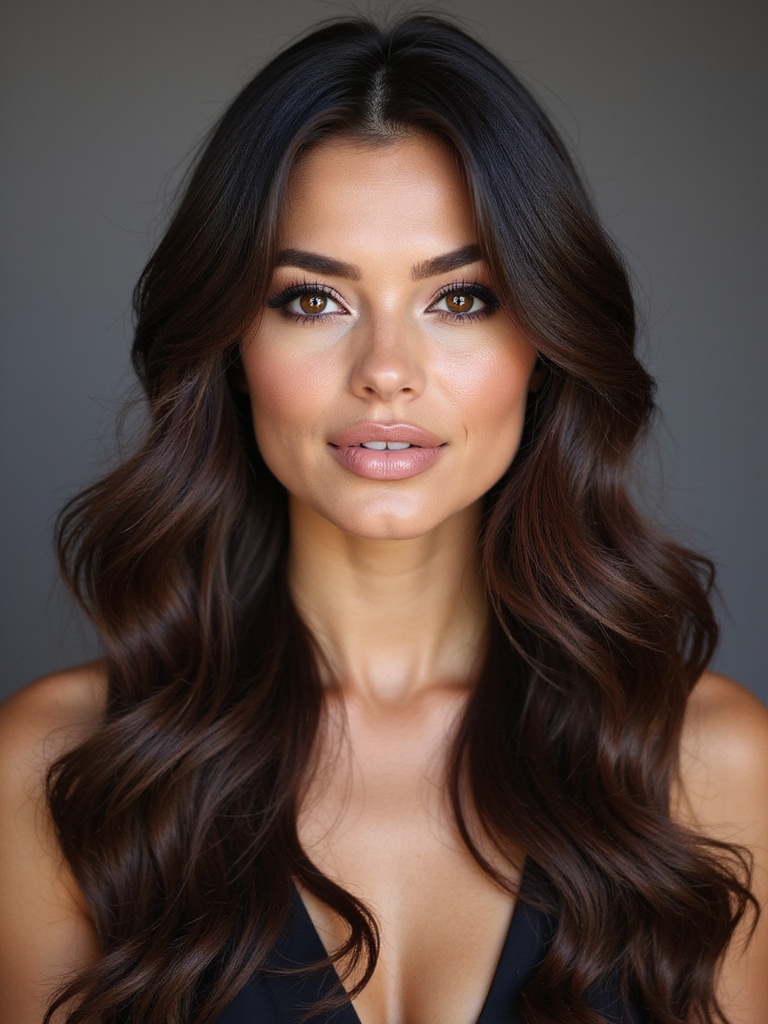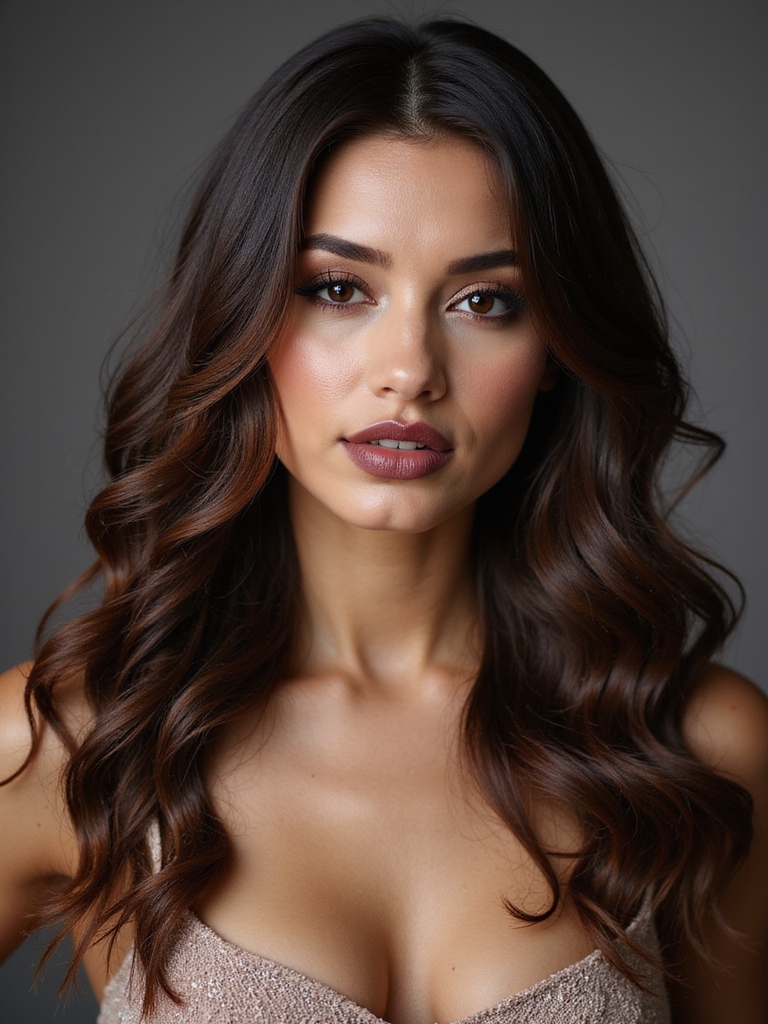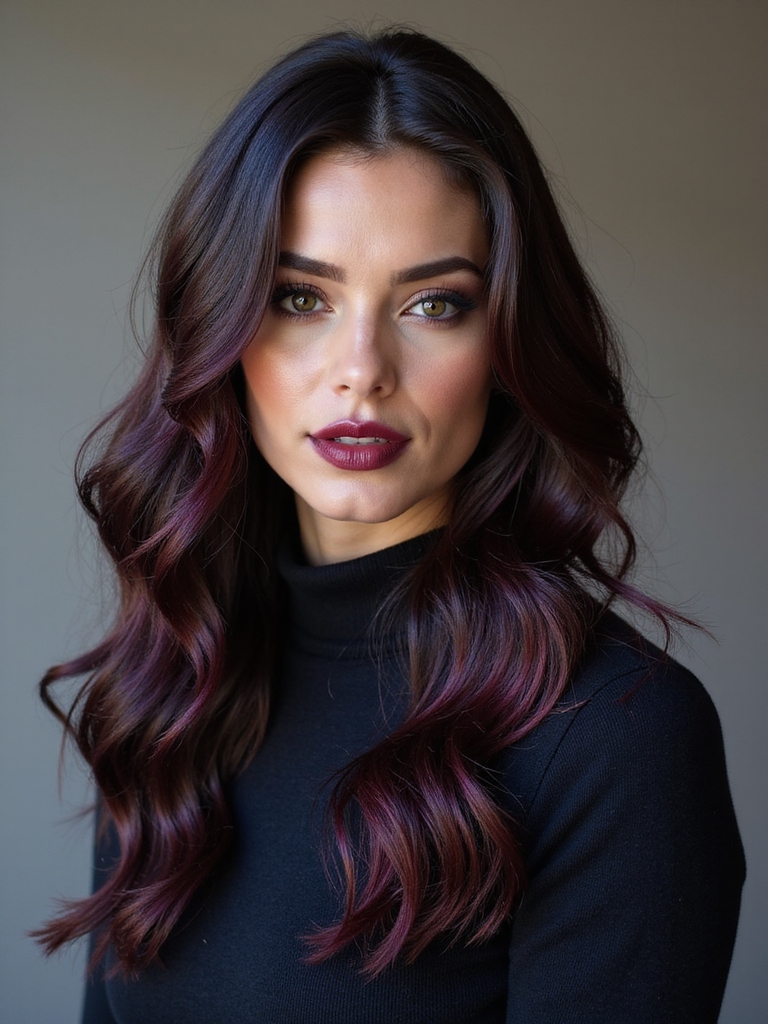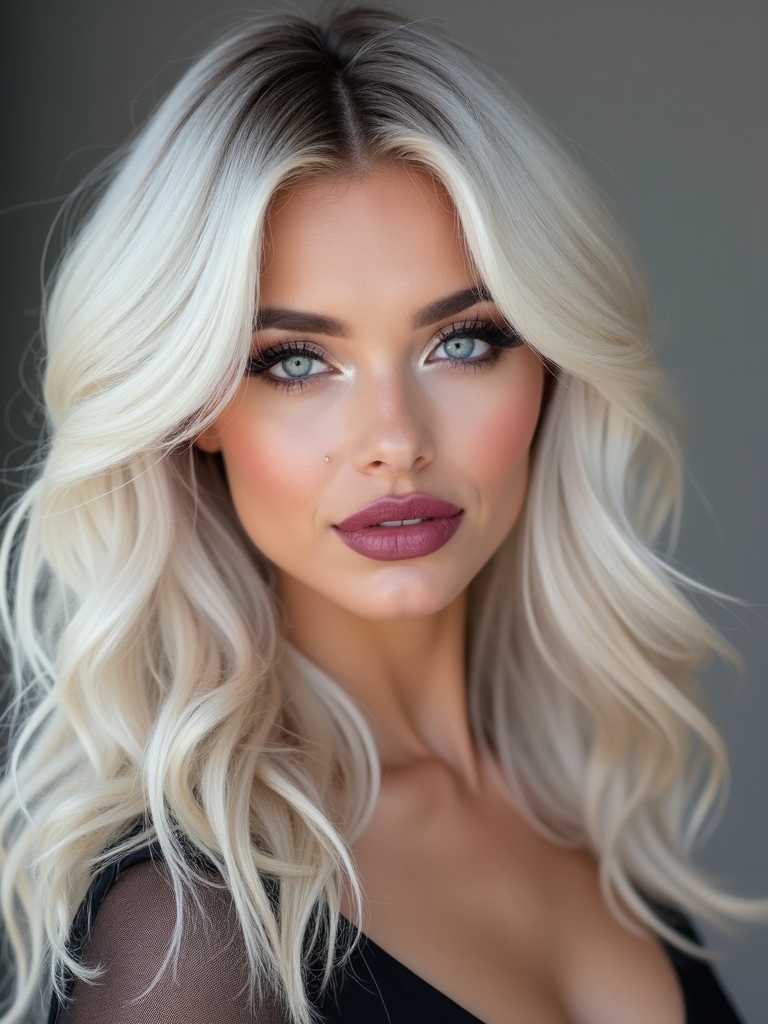
Why does the blonde that looked so alive in August suddenly wash you out by December? The answer is light. Winter sun sits low and gray, and it drains warmth out of cool platinums while pushing brass to the surface of golden shades.
So the winter question is not just which blonde, but which blonde for your skin and your upkeep budget. I have sorted fifteen shades below by undertone and maintenance, with the placement and toning each one actually needs. Find the one that fits the face looking back at you in the mirror.
Winter Blonde, Answered Fast
Which winter blonde flatters pale, cool skin? Icy platinum, pearl, and ashy balayage. Their blue-violet base cancels the gray cast that cold light throws on fair complexions.
What if winter washes me out? Add warmth: honeyed golden, sandy beige, caramel face-framing, or vanilla. A few warm pieces around the face put color back in your skin.
What is the lowest-upkeep option? A rooted or shadowed-root blonde. Regrowth blends instead of fighting you, so you can stretch salon visits to ten or twelve weeks.
Icy Platinum Blonde for a Striking Winter Glow
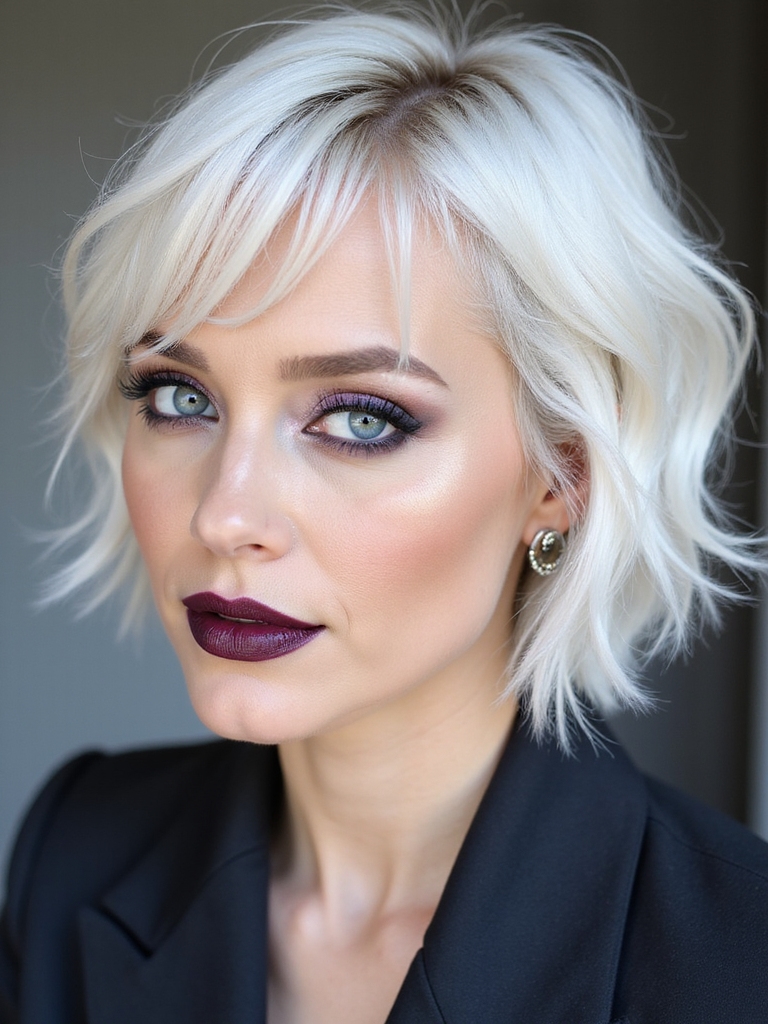
Icy platinum is the boldest blonde on this list and the most honest about your upkeep. It looks almost silver, with no gold left in it, and that cool sheen is exactly what makes pale skin look lit from inside rather than gray. It is also the highest-commitment shade here. Here is what it asks of you:
- A toner refresh every three weeks or so, because platinum yellows the fastest of any blonde.
- A bond builder like Olaplex worked in at every lightening session, since reaching this level strips the hair hard.
- Cool-toned styling: a flat, glassy finish shows platinum off, while frizz reads dull and dirty at this level.
Pearl Blonde for Soft Winter Luminosity
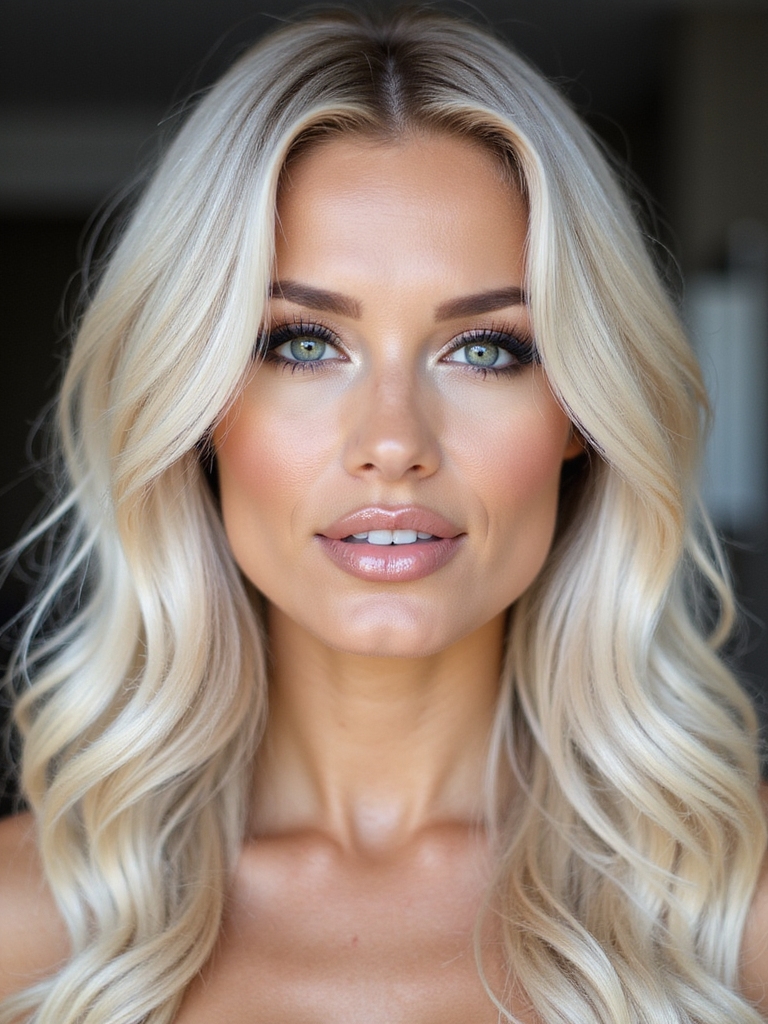
Pearl blonde is platinum with the volume turned down. It keeps the cool, silvery base but adds a faint iridescence, so it lifts a dull complexion without the stark, high-contrast edge that full platinum brings. This is where I send a lot of nervous first-timers, the ones who fall hard for icy blonde in photos but flinch the moment they picture how severe full platinum can look up close on their own face.
Who Pearl Suits Best
What keeps pearl from going flat is a little depth underneath. A few soft lowlights through the mid-lengths give the cool tone something to bounce against, and the color looks dimensional instead of like a single sheet of gray.
Maintenance is gentler than platinum but not hands-off. If you lean toward a cooler result, an ashy blonde without the brass takes the same toning routine. A purple gloss roughly every five weeks holds the pearl finish, and a weekly purple shampoo swap keeps brass from creeping in between visits.
“Before you book any platinum or icy shade, ask yourself honestly how often you will really come in. Cool blondes are the most beautiful and the most demanding. If a four-week toner is not realistic, a sandy beige or rooted blonde will look better on you in month two than a neglected platinum ever will.”
Honeyed Golden Balayage for Cold-Month Warmth
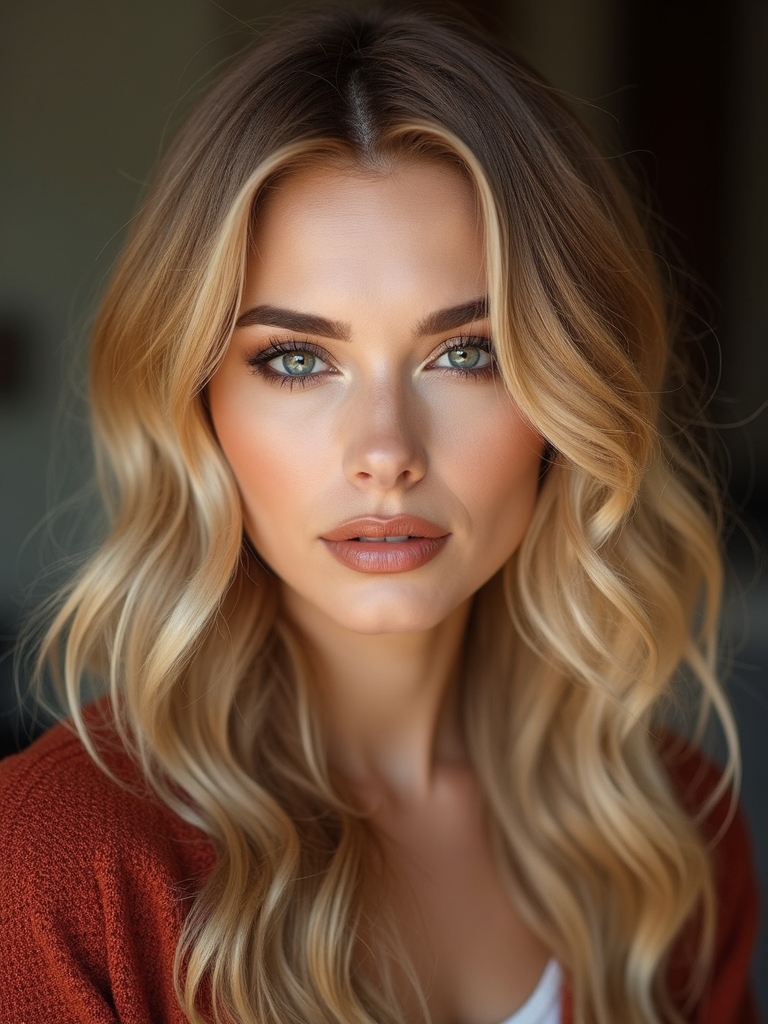
If winter leaves you looking tired, warmth is the fix, and honeyed golden balayage is the easiest way to get it. Think amber and butterscotch threaded through the lengths rather than an all-over gold. The warm tones reflect back onto your skin and put life into a complexion that cold light tends to flatten. If you want it deeper, a true caramel blonde takes the same idea a level richer.
Balayage placement is what keeps this low-fuss. Because the color is painted on freehand and left soft at the root, regrowth stays quiet and you can stretch appointments to nine or ten weeks. A warm-toned conditioner and a gloss every second month are enough to hold the glow.
Face-Framing Money Piece Slices
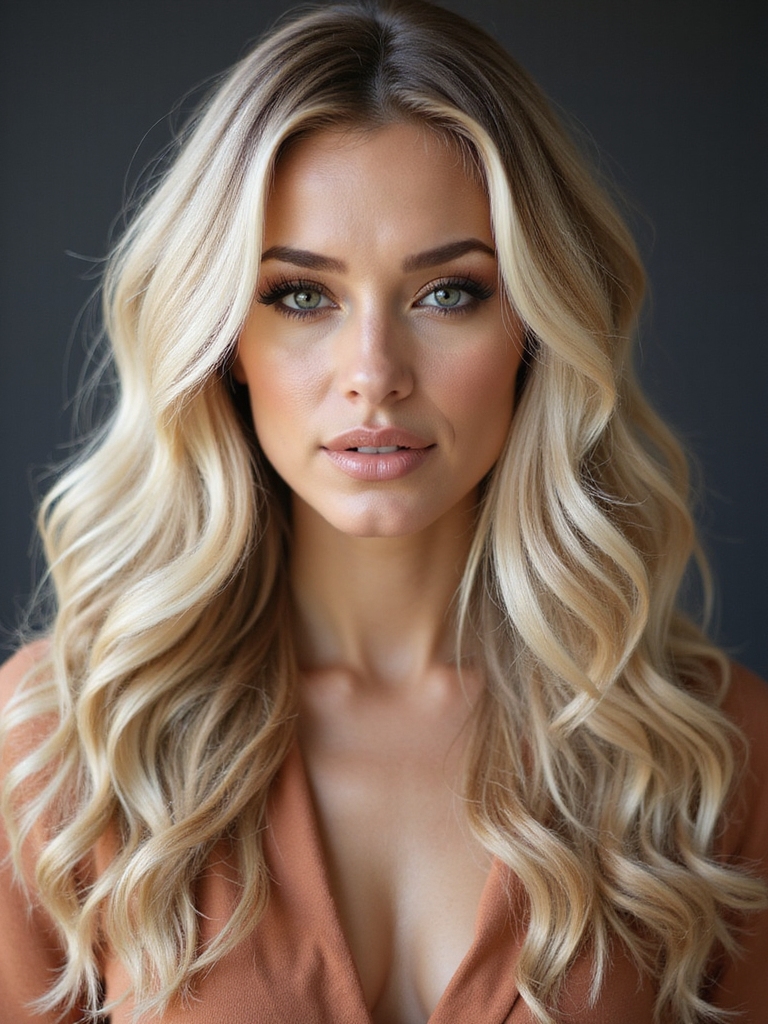
A money piece is the smallest commitment with the biggest payoff. Two brighter slices sit right at the front, framing your face, while the rest of your color stays where it is. That brightness near the skin is what your eye reads first, so it lifts the whole look without a full lightening session.
Subtle or Bold
I love this for anyone testing the blonde waters. You get the face-flattering glow for a fraction of the cost and damage of a full head, and if you decide it is not for you, it simply grows down and out over a few months without ever leaving the hard demarcation line that an all-over blonde would.
You can go subtle and blended or chunky and graphic depending on your nerve. Either way it is a smart winter move, since it brightens the face exactly where pale skin needs the help.
🅰️Cool Blonde
Platinum, pearl, ash. Flatters fair, cool skin and reads modern, but yellows fast and needs toning every three to four weeks.
🅱️Warm Blonde
Honey, caramel, vanilla. Puts color back in a washed-out face and grows out softer, with glosses every couple of months instead of constant toning.
Ashy Balayage With Shadowed Roots
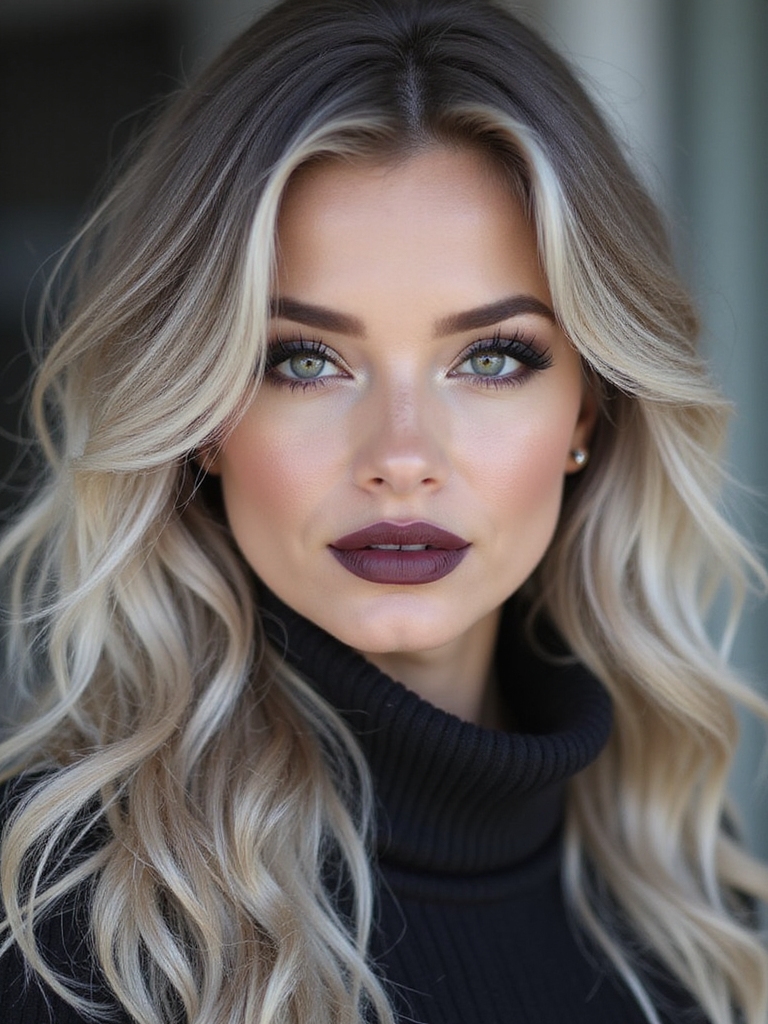
Ashy balayage is for the woman who wants blonde with zero brass and almost no maintenance panic. The cool ash tone feels modern and clean, and the shadowed root means your regrowth was the plan all along, not a problem to chase. Among cool blondes, this is about as forgiving a grow-out as you will find.
Keeping ash ashy is the only real work, and it happens at home as much as in the chair. Cool tones fade warm, so your routine has to fight back:
- A purple or blue shampoo once or twice a week to neutralize yellow before it builds.
- A salon gloss every seven weeks or so to reset the ash.
- Heat protection and a sulfate-free wash, since dryness shows up as dullness on cool blonde.
Champagne Blonde for Subtle Sophistication
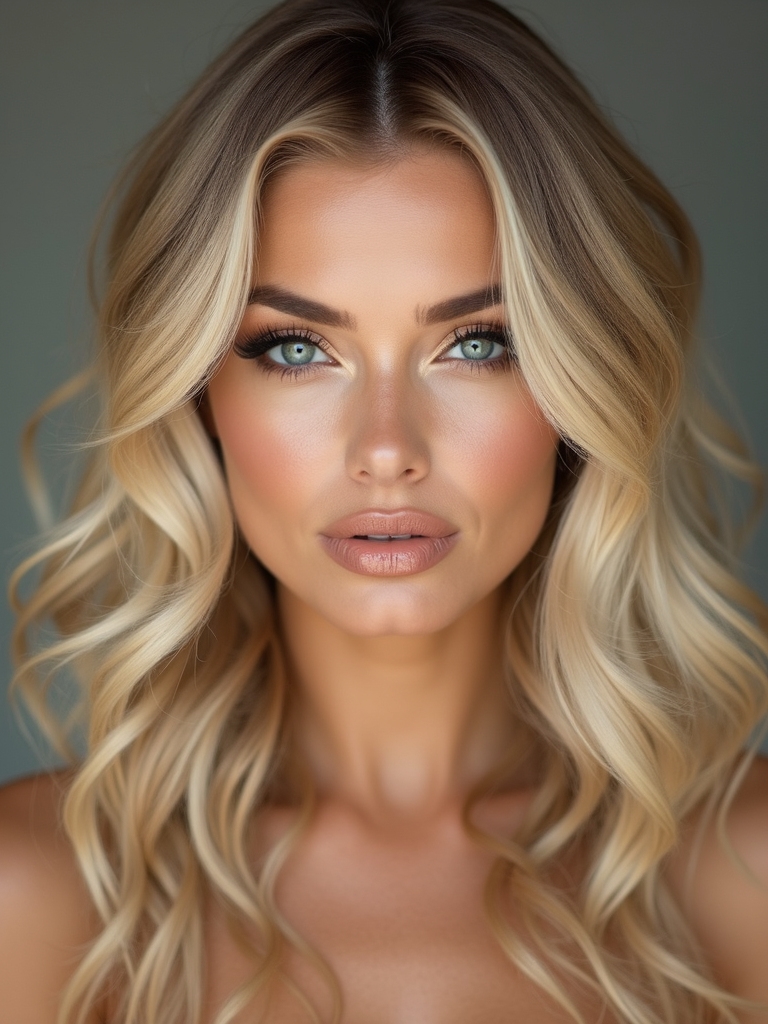
Champagne blonde sits right on the line between warm and cool, and that balance is its whole appeal. It has enough warmth to flatter most skin tones but enough ash to stay polished, so it never tips into yellow or into harsh gray. On camera it photographs soft and expensive, which is why I get asked for it before the holidays every year.
I build it with delicate ashy-gold pieces over a slightly shadowed root, then finish with a gloss for shine. It is a low-drama shade in the best way, dimensional and current and quiet enough to wear to a conservative office, yet still bright enough at the face that the people who see you every day will notice something is different even if they cannot name it.
Not sure which way to lean? Match your honest answer to a shade.
1Winter light leaves my skin looking gray and tired
Go warm: honeyed golden, caramel face-framing, or vanilla put life back into your complexion.
2I forget appointments and hate visible roots
Go rooted or beige: shadowed and neutral blondes stretch to ten or twelve weeks without a hard line.
Frosted Ends on a Brown Base
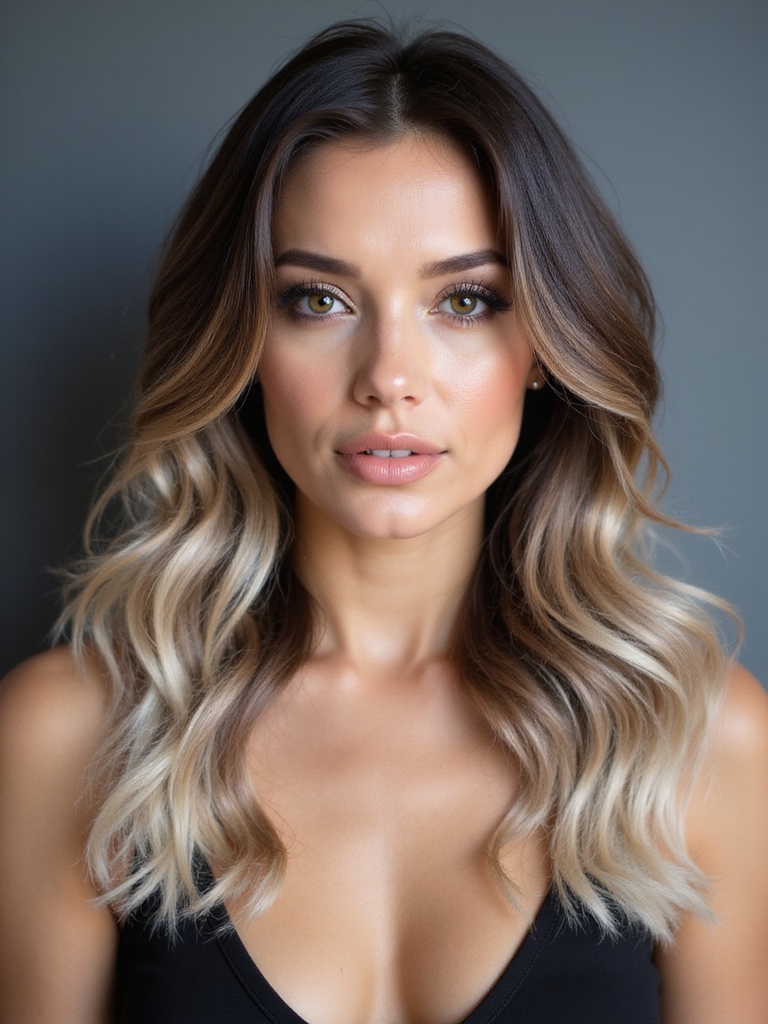
Not ready to lose your brown? Frost only the ends. Keeping your natural brown through the root and lightening just the last few inches gives you an icy, cold-weather contrast while the rest of your color stays grounded and dark. It is blonde commitment-lite, and a smart pick if you want brightness near the face without going all in.
Placement matters more than amount here. I keep the frost concentrated around the face and on the ends where light naturally hits, then tone it cool so the contrast against brown stays crisp instead of muddy. Upkeep is the easy part.
Because the dark root carries the whole grow-out and the lightened ends are the only part that ever needs attention, you can go months between salon visits and still look intentional, topping up the frost with a quick gloss whenever the cool tone starts to soften.
Sandy Beige Blonde for Easy Upkeep
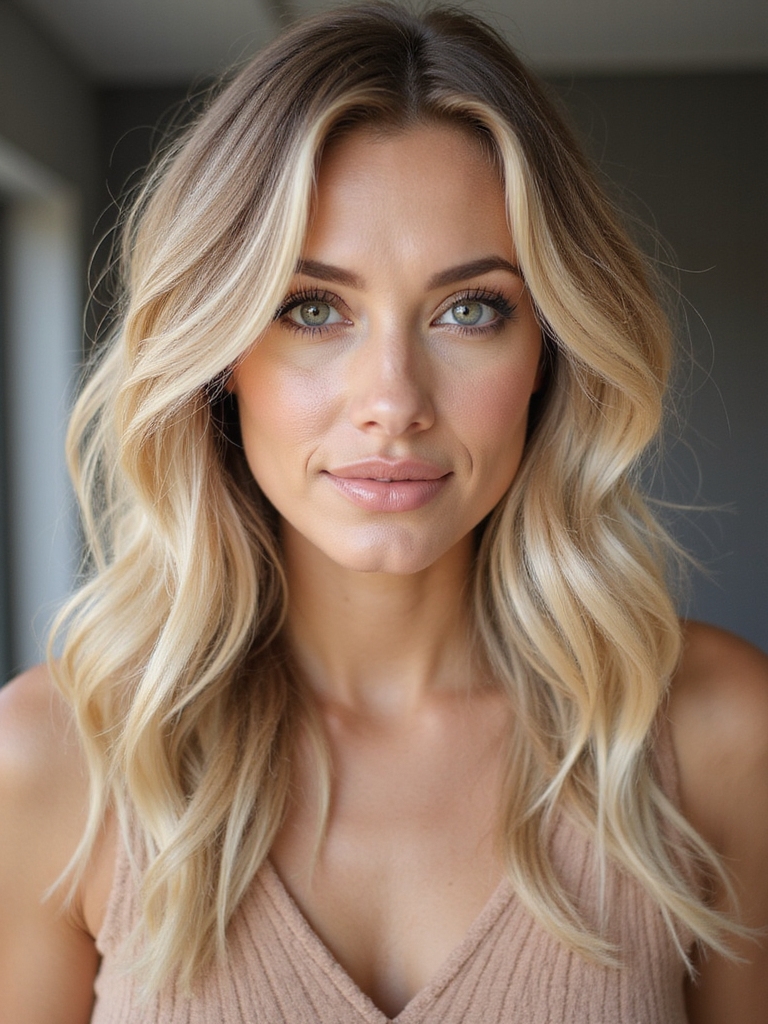
Sandy beige is the blonde I recommend most to busy clients, and it is not a compromise. The neutral beige base splits the difference between warm and cool, which is exactly why it flatters such a wide range of skin tones and, because it sits so close to most natural levels, hides regrowth better than almost any other blonde on this list. That is the whole appeal.
The reason it grows out so kindly is the base color. A neutral beige is close enough to most natural levels that the line between salon color and new growth stays soft. That is what lets you stretch to ten or twelve weeks without a visible root.
Style it however you like and it holds up. Beige has just enough depth to look luminous in flat winter light, where a brighter blonde might wash out. For a wearable shade that forgives a missed appointment, it is hard to beat, and it pairs well with the other winter blonde shades for cold light if you want to mix tones.
👍Why Winter Blonde Works
- +Bright pieces near the face counter the gray, draining cast of low winter light.
- +Rooted and balayage placements make regrowth look intentional and cut salon trips.
- +There is a winter blonde for every undertone, warm or cool.
👎What to Plan For
- –Cool shades like platinum need toning every three to four weeks or they yellow.
- –Dry winter air dulls blonde fast, so hydration is non-negotiable.
- –Reaching the lightest levels stresses hair and calls for a bond builder.
Rose-Gold Blonde Accents for a Warm Twist
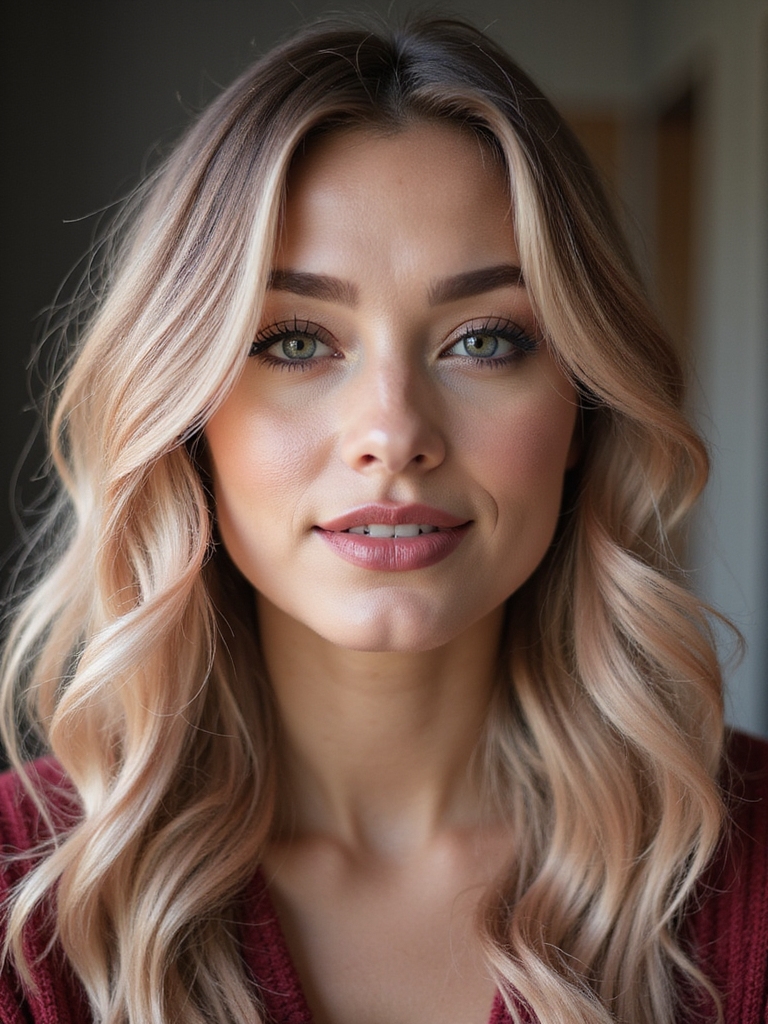
Rose-gold is how you warm a cool blonde without abandoning it. A few soft, rosy pieces over a blonde base feel cozy and a little unexpected, and the pink undertone is quietly flattering against winter skin. Keep it as accents, not an all-over, and the look stays modern. Here is how I place it:
- Around the face and through the mid-lengths, where soft contrast catches the most light.
- Layered over an existing blonde, so the rose lands as a tint rather than a full color change.
- Refreshed with a rose-toned gloss every month or so, six weeks at the outside, since the pink fades faster than the blonde underneath.
Ultra-Fine Winter Highlights for Dimension
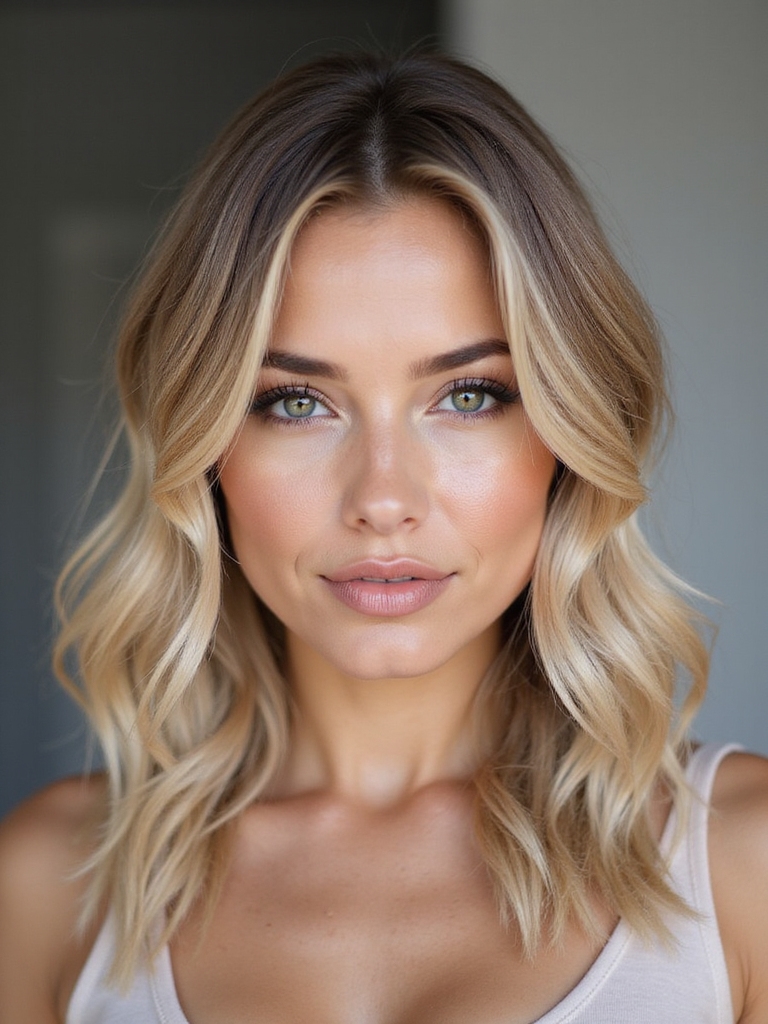
Babylights are the answer when your blonde looks flat and you cannot figure out why. They are ultra-fine highlights, mimicking the thin, sun-kissed strands you had as a kid, and they add shimmer and movement without lifting the whole head another shade.
What makes them work in winter is how they catch low light. Cold-season sun is weak, so a single flat blonde tends to go lifeless. Fine highlights break that up, scattering brightness around the face and through the layers so the color stays dimensional even on a gray afternoon. They also keep a bright winter color that resists fading from flattening out as the season drags on.
Because each piece is so small, the grow-out is soft and the upkeep is light. I usually pair a few slightly warmer babylights with cool ones for balance, which keeps the finish modern instead of striped.
Smoky Blonde Melting Into Deep Roots
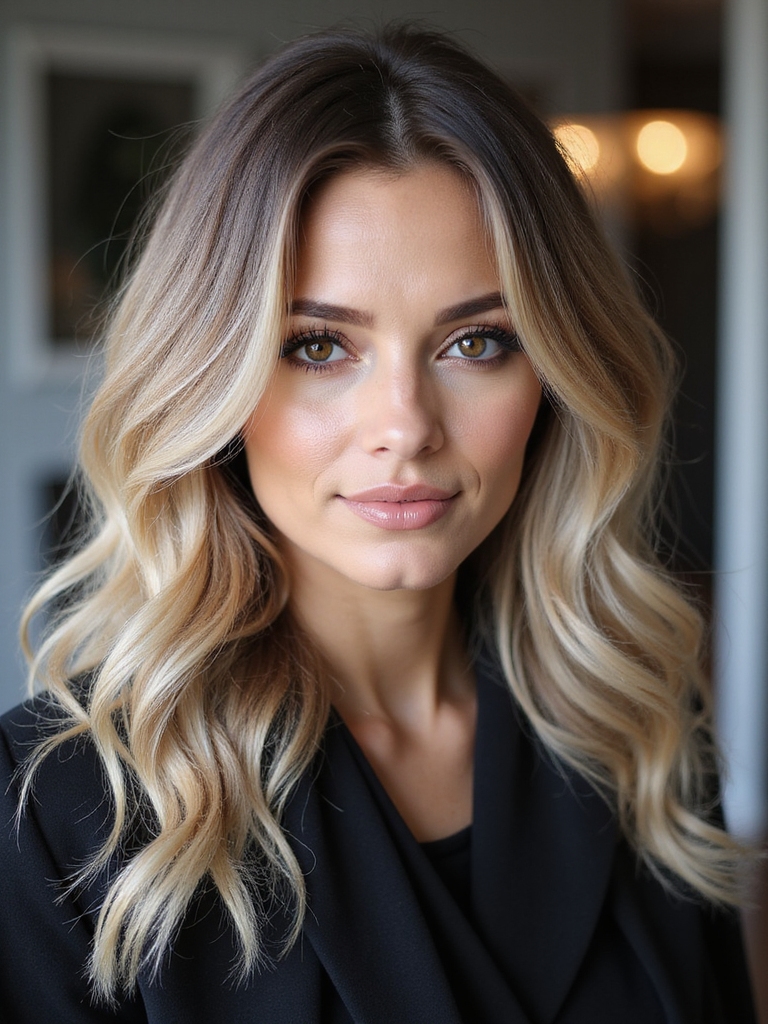
Smoky blonde is the edgiest grow-out on this list. Cool, shadowy blonde melts down into deep natural roots, so the color comes across moody and dimensional rather than bright and high-keyed. I suggest it to clients who want blonde to feel a little tougher, especially heading into the darkest months.
The melt is what makes it so wearable. There is no line to chase, which is why it earns its keep for anyone short on salon time:
- Soft tonal shifts mean regrowth disappears into the root.
- Cool undertones flatter winter light and keep brass down.
- It works on short bobs and long lengths alike, since the depth sits at the root either way.
Warm Caramel Face-Framing Highlights
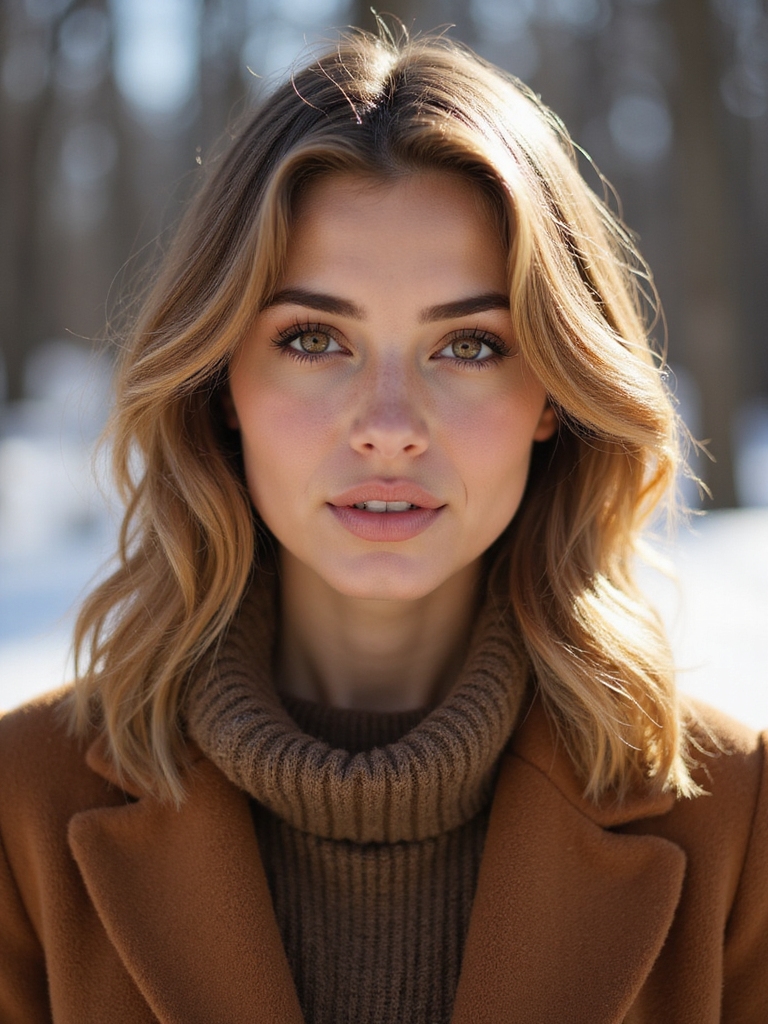
Caramel face-framing highlights are pure warmth where you need it most. Placed right along the hairline and over the cheekbones, those toffee-toned pieces put a glow back into skin that winter has drained. The first time a client sees them turned on against her face, the reaction is always the same: she leans toward the mirror. Here is how to get them right:
- Match the caramel to your base and undertone, going golden for warm skin and a cooler toffee for neutral.
- Concentrate the brightest pieces at the temples and hairline, where light frames the face.
- Keep them glossy with a warm gloss every eight weeks or so and low-heat styling between visits.
Platinum Blonde Bob at the Jawline
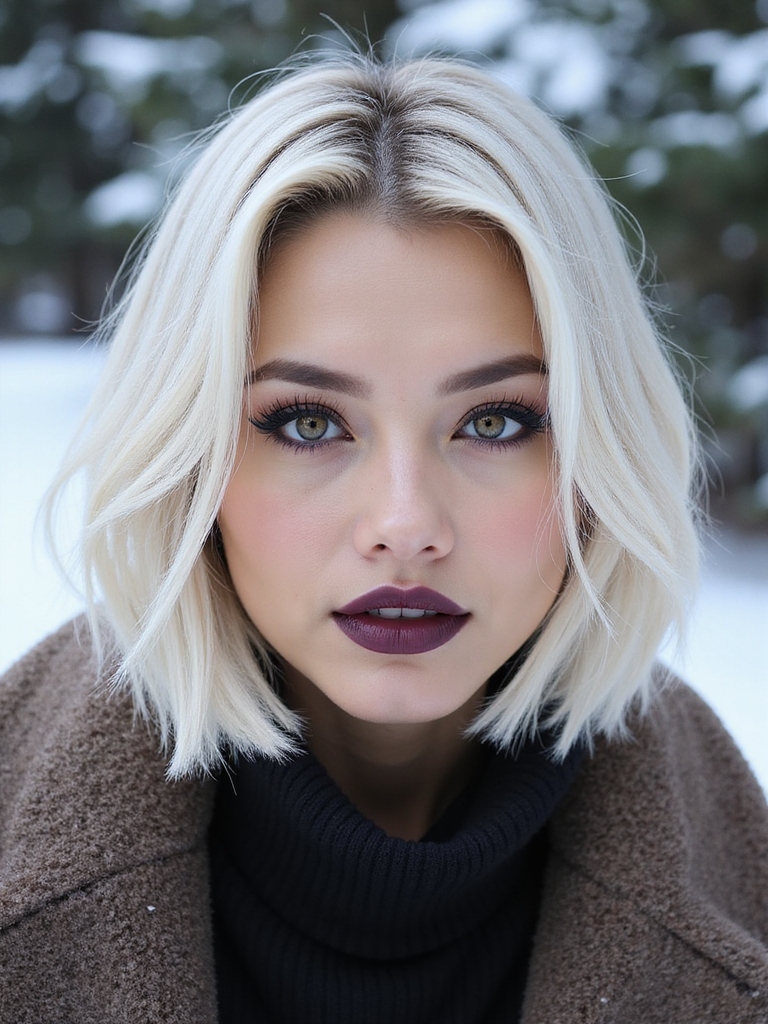
Sometimes the color and the cut should hit at once. A platinum bob is the boldest pairing on this page: an icy, near-white tone on a blunt, jaw-length cut that looks sharp against a heavy winter coat. The clean line and the cold color do the same job, which is cut through dreary weather and look deliberate.
It is a high-impact, higher-upkeep choice, and worth knowing what you are signing up for:
- A blunt cut at jawline length for the graphic shape; soft layers soften the effect.
- Toner on a monthly rhythm, since a bob shows root regrowth and yellowing fast.
- Minimal product and a smooth finish, because platinum at this length lives and dies on shine.
Soft Vanilla Blonde With Glossy Shine
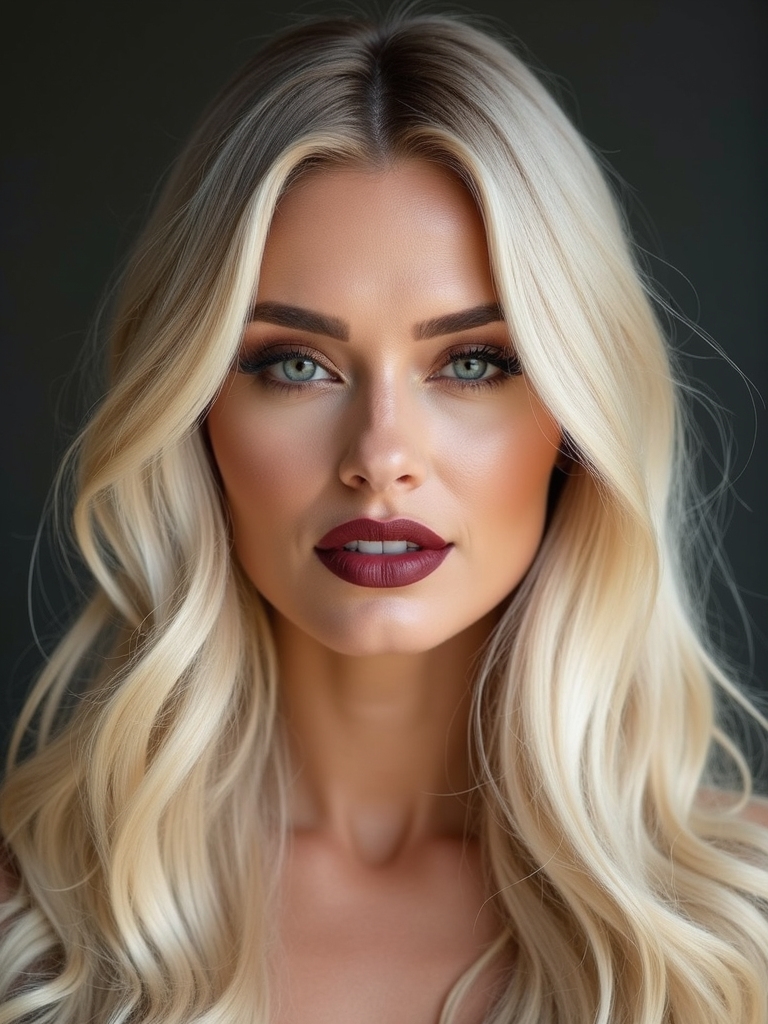
Vanilla blonde is the creamy middle ground, and the surprise is how differently it reads on cool versus warm skin. On a cool undertone it turns icy and clean; on a warm one it glows soft like butterscotch. Picture which version you want before your appointment, since the same shade name can land two ways.
Whatever your undertone, this shade lives on its finish. Vanilla looks rich and expensive when it is glossy and dull the moment it dries out, which winter air is happy to do. A glossing treatment every five or six weeks plus a weekly hydrating mask keeps it luminous through the dry months.
Rooted Blonde for a Soft Grow-Out
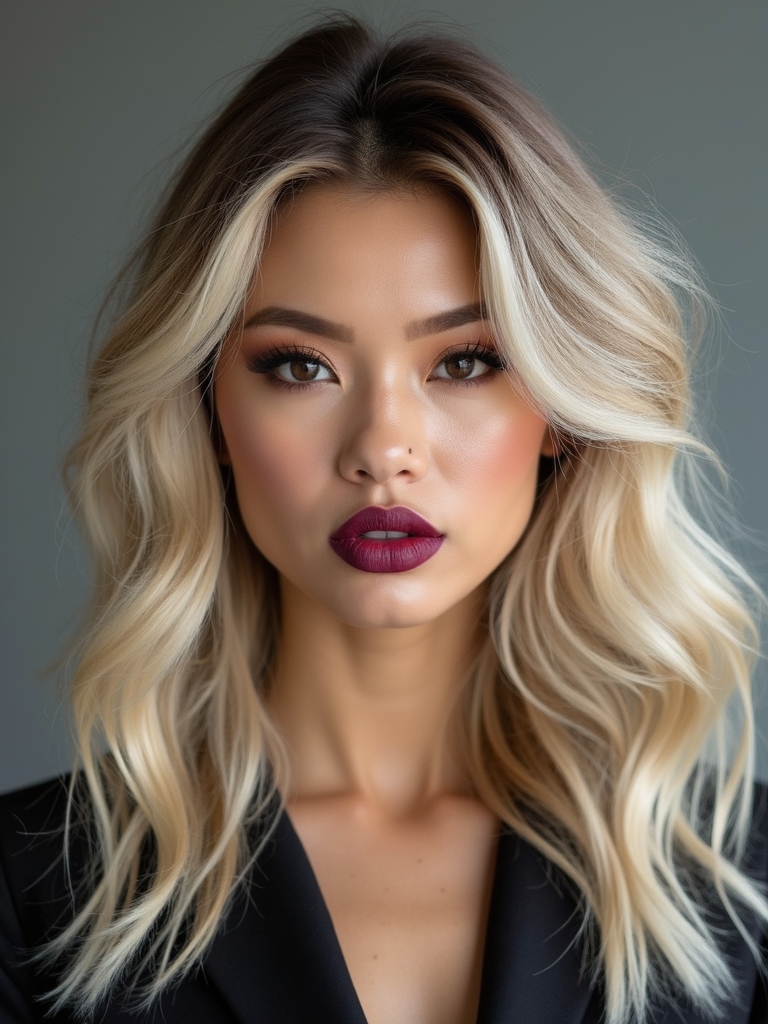
Rooted blonde is the low-maintenance answer to the blonde upkeep problem, and it is why I keep recommending it to clients who travel or just hate frequent appointments. Dark roots blend down into honeyed ends, so when your color grows, it looks intentional instead of neglected.
Why It Stretches So Far
The payoff is real freedom from the calendar. Because there is no bright root demanding a fill, you can stretch touch-ups to every twelve weeks and still look pulled together. The depth at the root also flatters cool winter skin and adds a soft, worn-in texture.
It suits both warm and cool blondes, which is part of why it works for so many people. Pick honeyed ends for warmth or ashy ones for a cooler finish, and the rooted base carries either one gracefully.
Styling Tips to Keep Winter Blonde Bright
Color choice is only half the work; the other half is fighting what winter does to blonde. Dry indoor heat pulls moisture out of lightened hair, and dull, parched strands look brassy even when the tone is fine. A weekly hydrating mask does more for your color than almost anything, because shine is what makes blonde look expensive. Add a heat protectant before any hot tool, since lightened hair scorches and yellows faster than virgin hair.
Between salon visits, let your toning products carry the cool. Swap in a purple shampoo once or twice a week for icy and ash shades, but go easy on warm blondes, where too much purple turns the gold flat and gray. If your blonde involves lightening textured or curly hair, ask your colorist to work with a bond builder and to keep tension off the hairline, since fragile, over-stressed edges are the real risk, not the color itself.
Winter Blonde Questions, Answered
?Which winter blonde is best for pale skin that washes out easily?
Add warmth near the face. Honeyed golden, caramel face-framing pieces, or a vanilla blonde with golden undertones reflect color back onto the skin. If you love cool blonde but wash out, keep the cool tone through the lengths and place a few warmer pieces around the hairline for balance.
?How do I stop my winter blonde from going brassy?
Brass is warmth coming through as cool tone fades. Use a purple shampoo once or twice a week for icy and ash shades, book a salon gloss every six to eight weeks, and keep the hair hydrated, since dry blonde looks brassy even when the tone is still fine.
?What is the lowest-maintenance winter blonde?
A rooted or shadowed-root blonde, or a neutral sandy beige. All three blend regrowth instead of fighting it, so you can stretch touch-ups to ten or twelve weeks. Balayage placement helps too, since freehand painting keeps the root soft and the grow-out quiet.
?How much does a winter blonde color usually cost?
It varies by region and salon, but a full balayage or all-over blonde with a gloss typically runs a few hundred dollars, while a money piece or partial highlight costs noticeably less. Low-maintenance options like rooted blonde save money over the year because you come in less often.
?Can I go blonde on dark or textured hair in winter?
Yes, but plan it as a journey, not a single appointment. Dark and textured hair often needs more than one session to lighten safely. Ask your colorist to use a bond builder and to keep tension off the hairline, and consider a rooted or partial blonde so the look is striking without lifting every strand.
Find the Blonde That Fits Your Winter
The best winter blonde is the one that flatters the face in your mirror and fits the upkeep you will actually keep. Start with your undertone, be honest about your schedule, and the shade almost picks itself, whether that is an icy platinum or a soft, rooted honey. If you are planning ahead, it helps to think in seasons and map out a full fall-to-winter blonde plan with your colorist.
Save this list and bring a couple of the looks to your colorist. A real conversation about your skin and your routine beats a screenshot every time, and it is how you walk out with a blonde that still looks bright in February.
Keep Reading