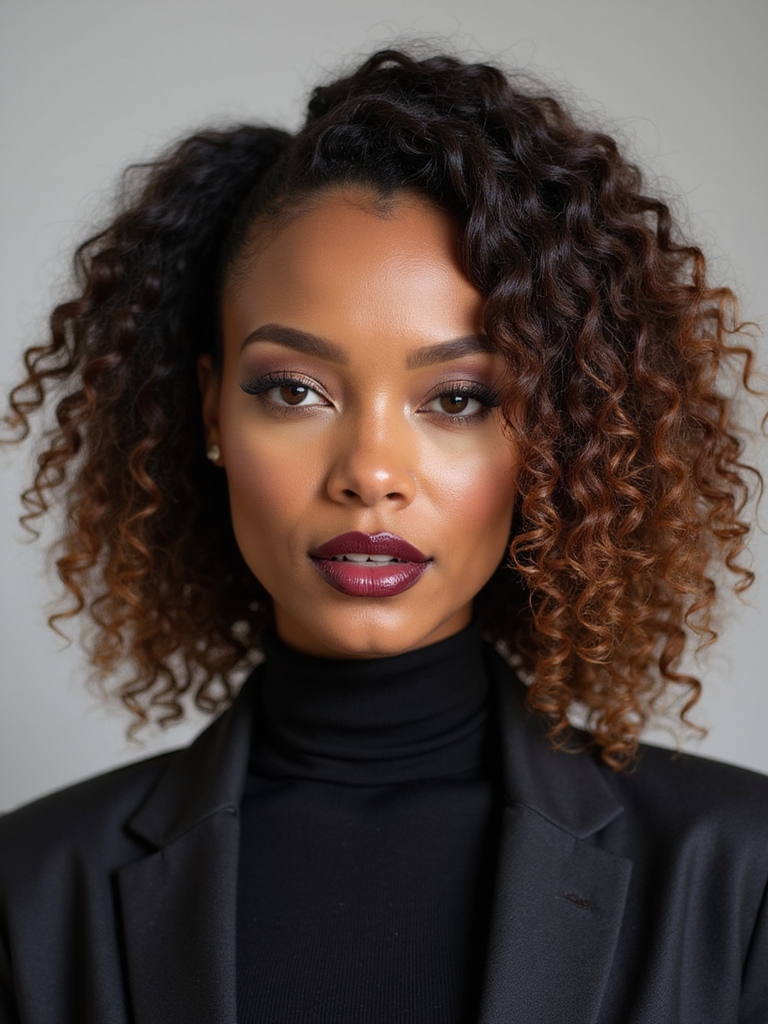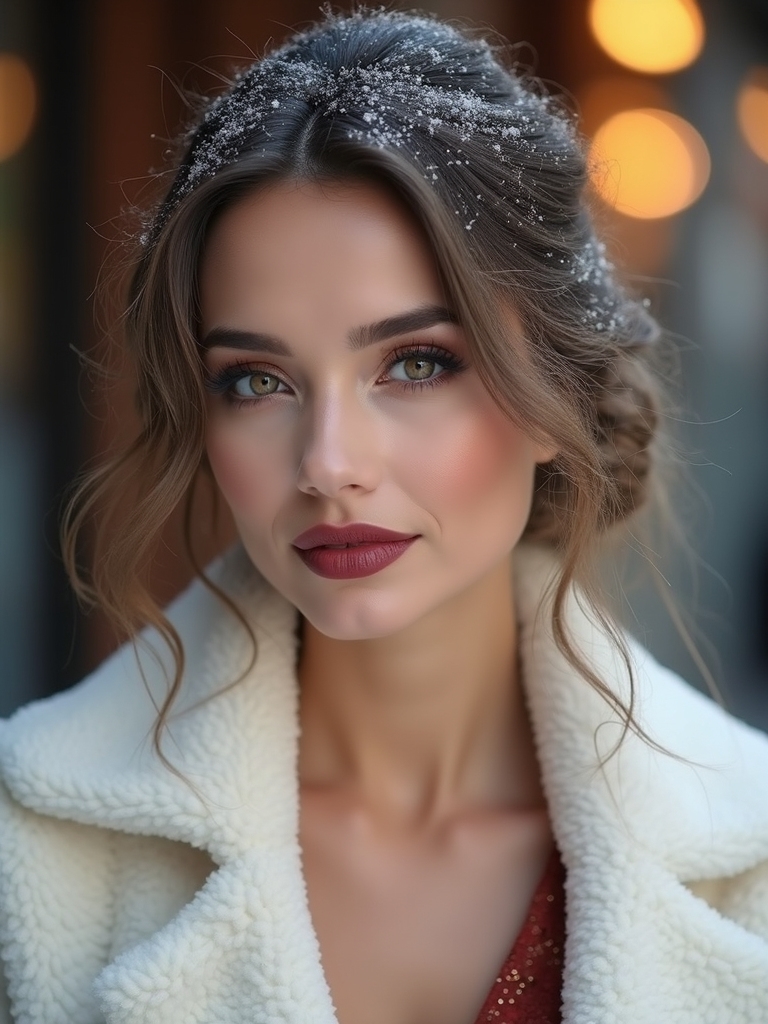
Every other season rewards a little effort with hair; winter punishes it. Static builds the second a hat comes off, dry air dulls the ends, and daylight runs out before there’s time for a curling iron. The best options are simple winter hairstyles that ask for almost nothing: pull, twist, pin, done.
Fifteen of them follow, each built to survive a commute, a beanie, and the kind of dry indoor heat that undoes everything by noon.
What Actually Works in Cold Weather
The pattern across every style below is the same: hide the hat line, cut down on static, and skip the heat tool entirely. Low buns and braids do all three at once, usually in under two minutes.
None of these need product beyond what’s likely already in a bathroom cabinet: a scrunchie, a few pins, maybe a spritz of dry texture spray, which matters most on the mornings there’s no time to think it through.
A Sleek Low Bun for Rushed Mornings
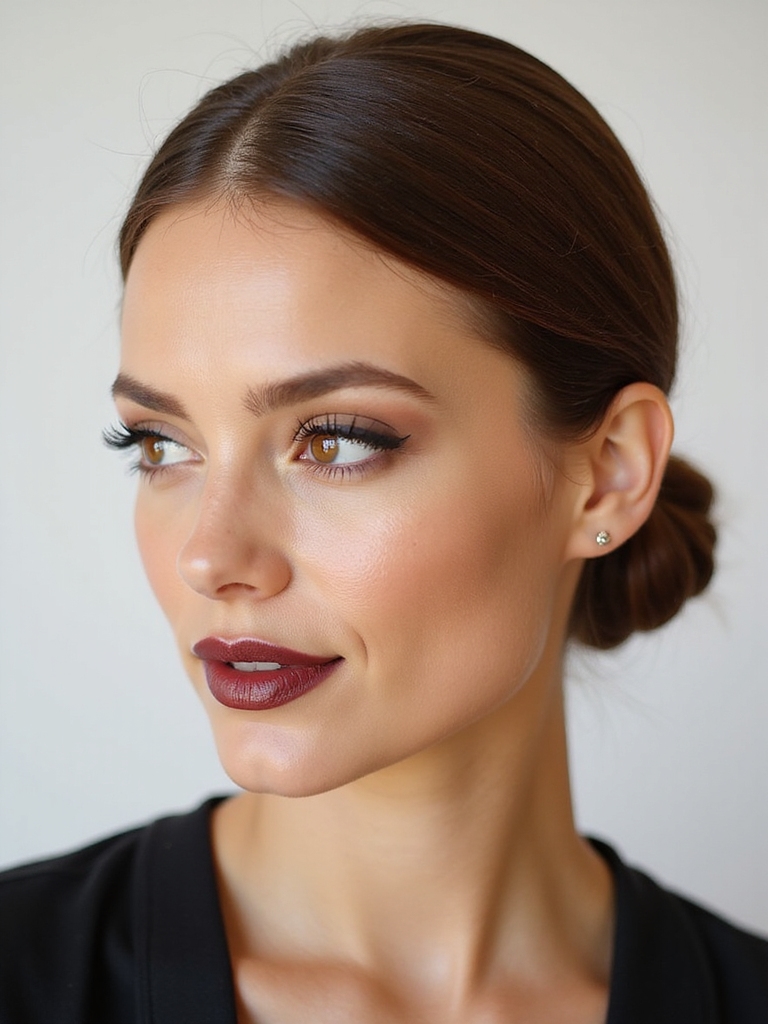
This is the style to default to on the mornings there’s no real plan, just a need to look finished fast. Sitting low at the nape, well clear of any hat or hood line, it survives a commute completely intact.
Why It Beats the Static
Smooth everything back with a touch of cream or gel to control flyaways, twist into a low knot at the base of the skull, and pin. A drop of oil worked between the palms first calms the static that dry winter air loves to generate.
It also happens to work best on hair that’s a day or two past washing, which is a rare case of convenience and results actually lining up.

A Wrapped Low Ponytail With Texture
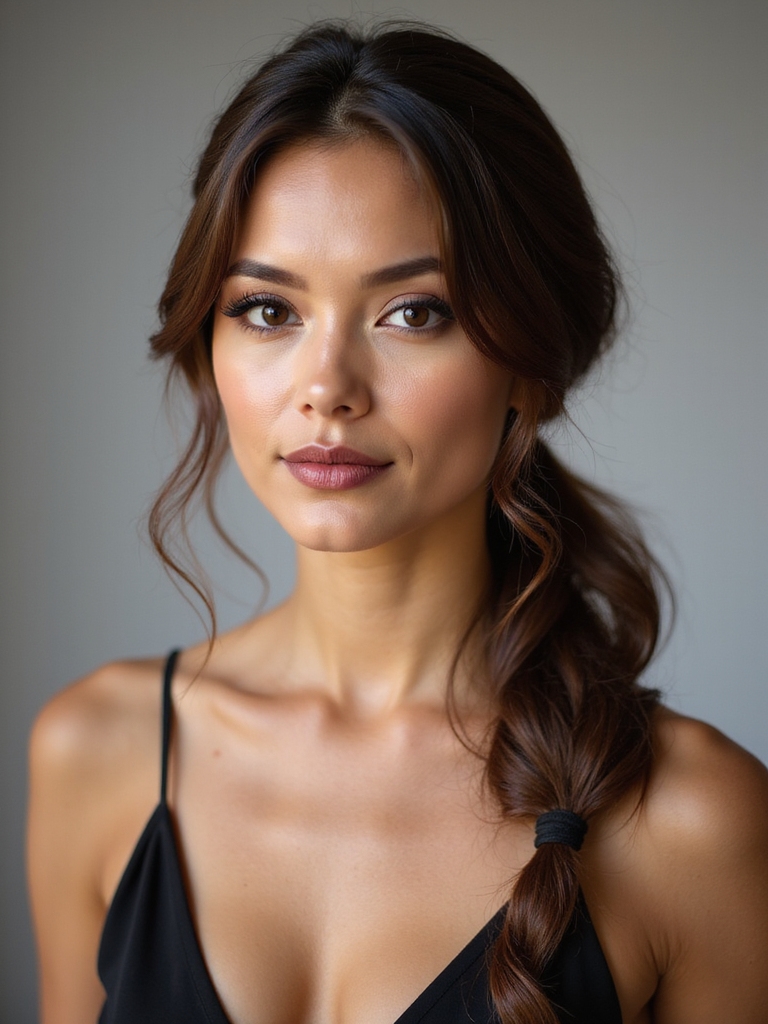
A low ponytail moves from errands to evening the moment a small section gets wrapped around the elastic to hide it. The texture keeps the whole thing from reading stiff, and the low placement clears a coat collar without any fuss.
- Gather hair low and loose, securing with a soft, thin elastic
- Wrap one small section around the base and tuck the end under, pinned out of sight
- Ease a couple of strands free at the temples for a softer line
📋Quick Kit for This Style
- ✓A soft, thin elastic that won’t snag on the way out
- ✓A small comb or just fingers for a clean part
- ✓One bobby pin to anchor the wrapped section in place
A Twisted Side Chignon for Dinner Plans
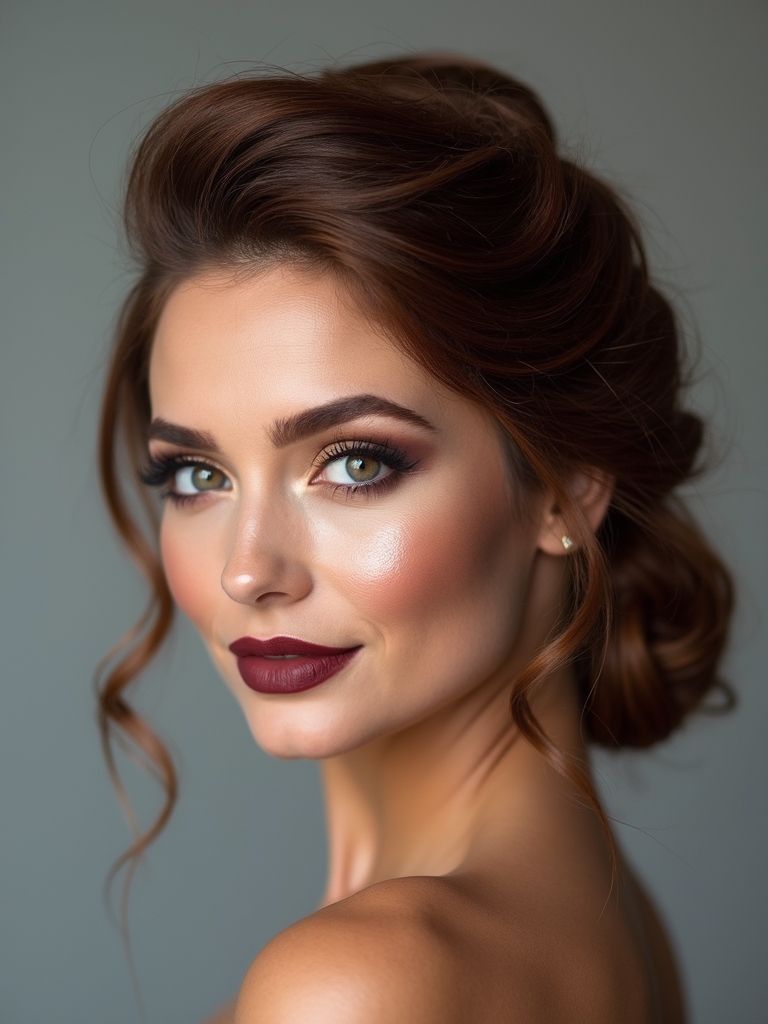
This one looks considerably fancier than the two minutes it actually takes, which is exactly why it earns a spot on nights that call for a little more polish. Sweeping everything to one side keeps the whole shape soft while it stays clear of a collar entirely.
Twist the full length toward one side at the nape, coil it into a low loop, and pin it in place. A couple of shorter pieces left out at the hairline keep the finished look from feeling too tight.
A Braided Headband for Grown-Out Bangs
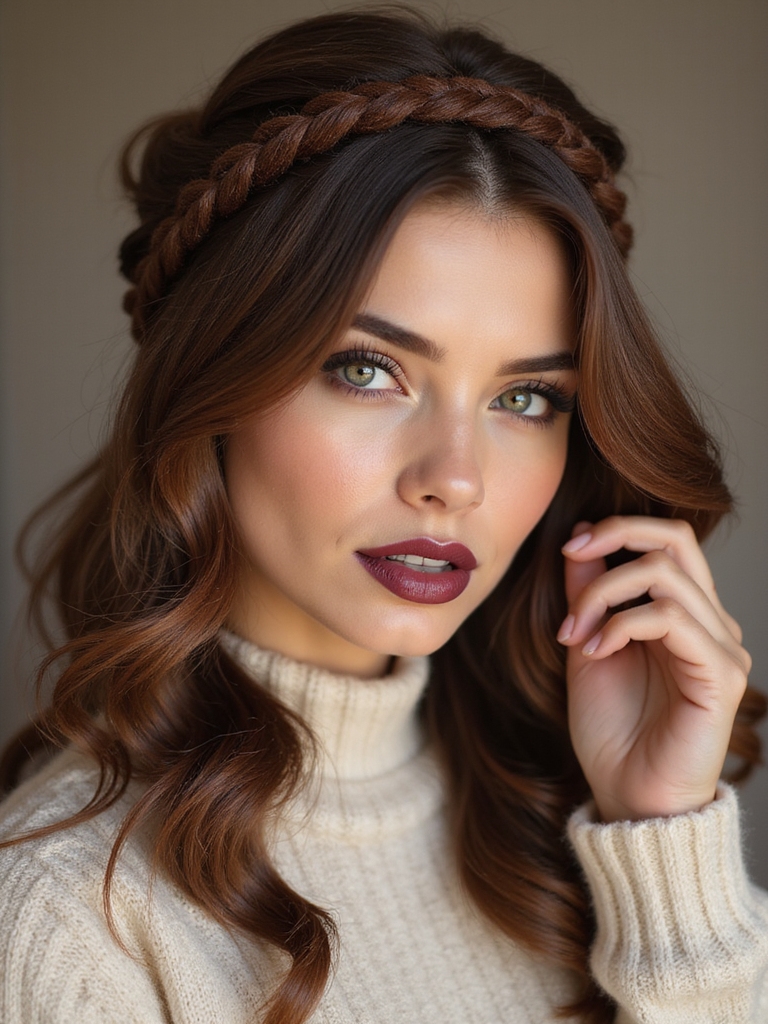
Braiding a section back from the hairline works like a built-in headband, and it solves a specific problem: keeping shorter face-framing pieces or grown-out bangs out of the way under a hat.
Take a section starting at the part, braid it back along the hairline, and pin it just behind the ear. The rest of the hair can stay loose or gather into a low knot separately.
- Braids anchor shorter pieces so they stop escaping under a hat
- Works well on bangs that are partway through growing out
- Pairs equally well with loose hair or a gathered style underneath
“Grown-out bangs cause more winter frustration than almost anything else clients bring up, mostly because a hat pushes them somewhere new every time it comes off. A braided section solves it structurally instead of fighting it with pins all day.”
A Loose, Undone Bun for Bad-Hair Days
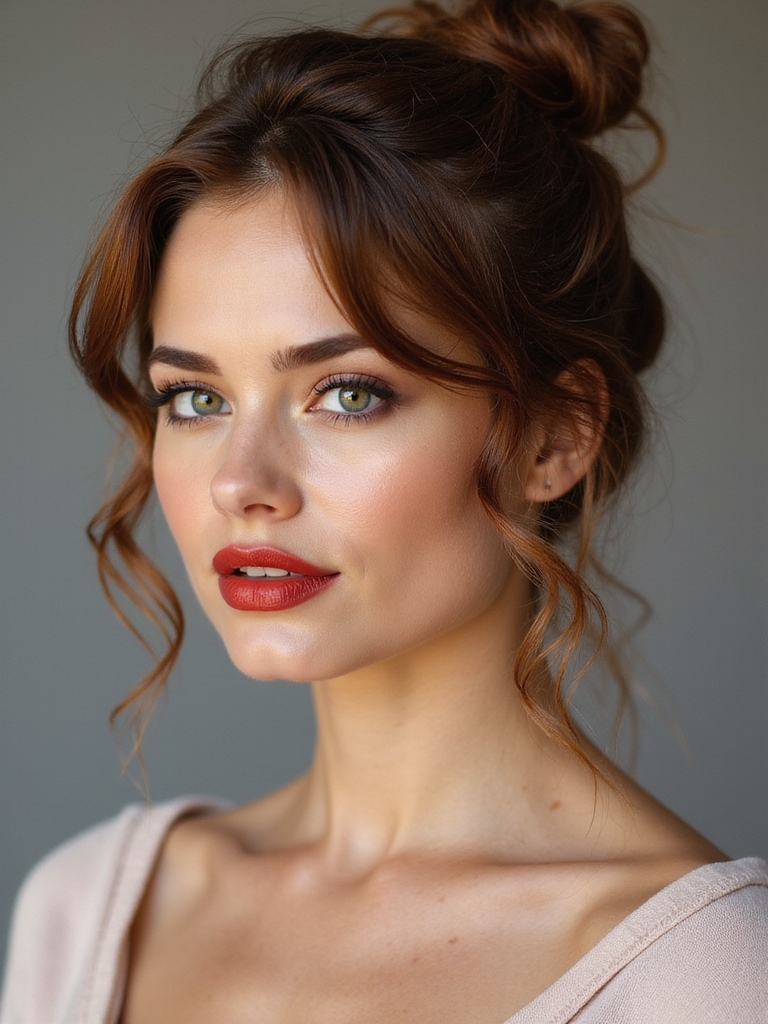
This is the fastest fix on the list for a morning that isn’t cooperating. No plan needed. Pulled up loosely, with a couple of pieces left hanging free, it looks intentional even on the days it absolutely wasn’t planned.
- Twist hair up into a soft, loosely gathered knot and secure with a scrunchie that won’t leave a dent
- Free two or three strands near the face for movement
- A light mist of dry texture spray at the roots adds grip and soaks up any oil a hat left behind
A Half-Up Twist That Clears the Face
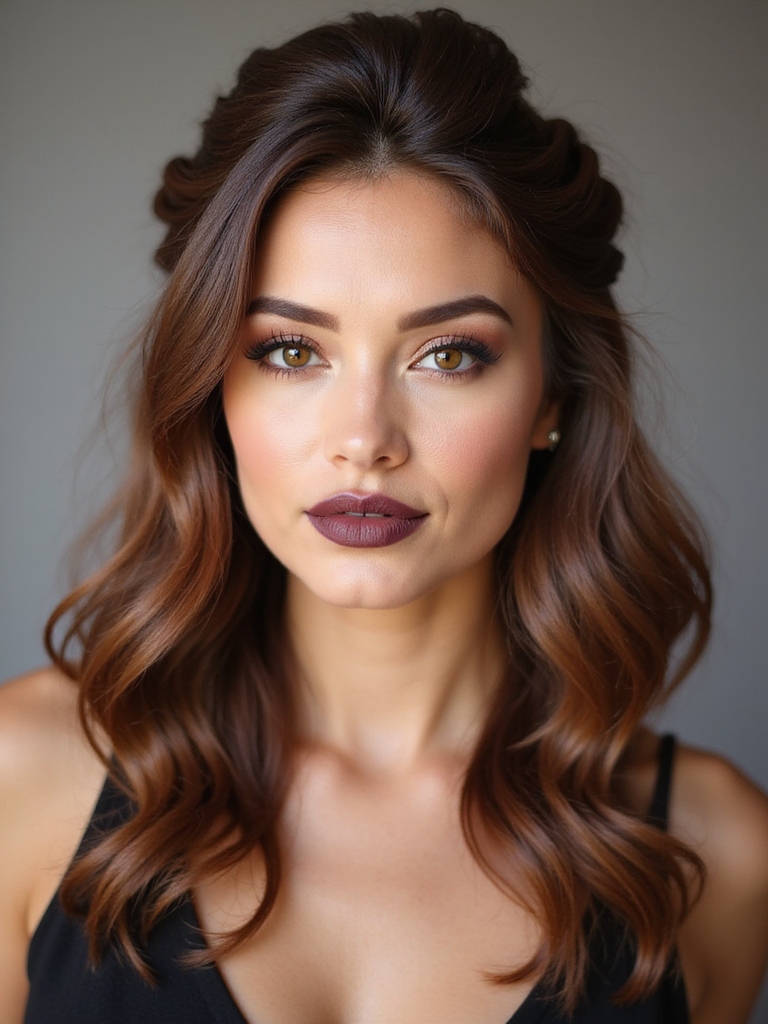
For anyone who wants length down but hair off the face, a half-up twist answers both at once. Twisting the crown section back and pinning it keeps the front clear while the rest falls loose over a scarf or sweater collar.
Twist the two front sections toward the crown and clip them together at the center part, or pin them instead. It takes well under a minute and looks polished enough for an office.
- Keeps length down while clearing the face completely
- A claw clip or two bobby pins is the only tool required
- Skip parting in the exact same spot daily; rotating it slightly avoids strain over months of repeat wear
A Low Knot Finished With a Silk Scarf
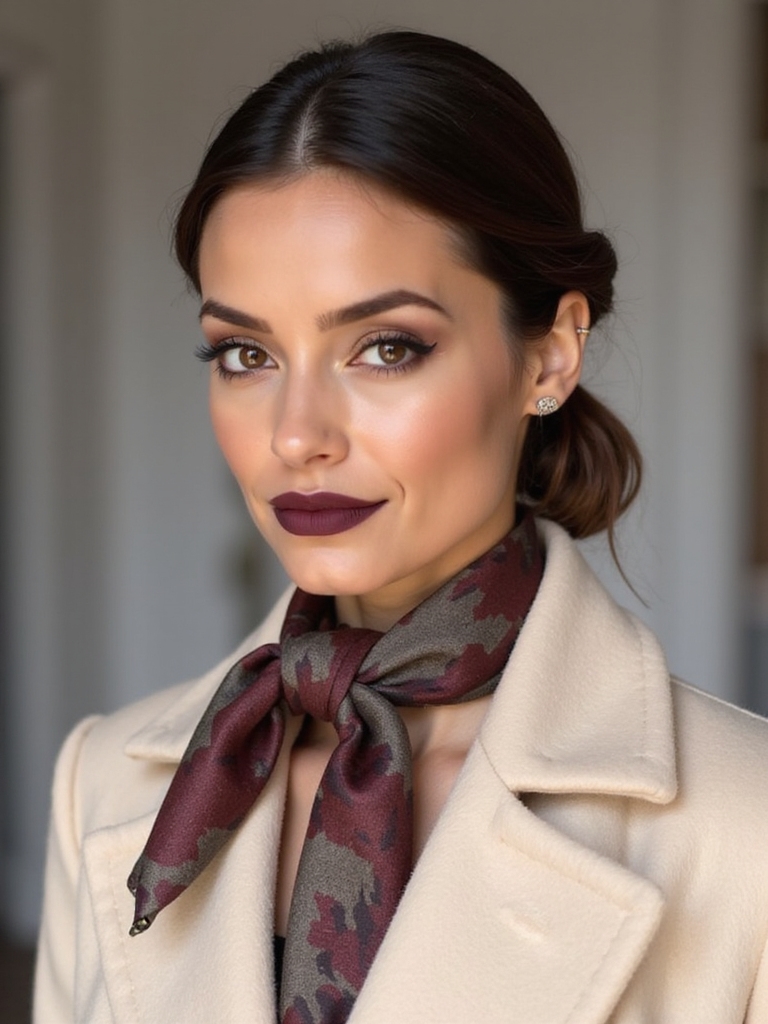
Tying a silk scarf around a low knot might be the most effective quiet weapon against winter static, since silk doesn’t generate the charge that wool or synthetic fabric does.
Gather hair into a low twist at the base of the skull, then wrap a folded silk square around the base or thread it through the twist itself. It hides any frizz underneath and adds a bit of color against a gray sky.
The same scarf also cuts down on the friction a sweater collar causes against the ends, worth doing since coats and scarves rub the same spot every single day for months.
Two Low Dutch Braids for Real Protection
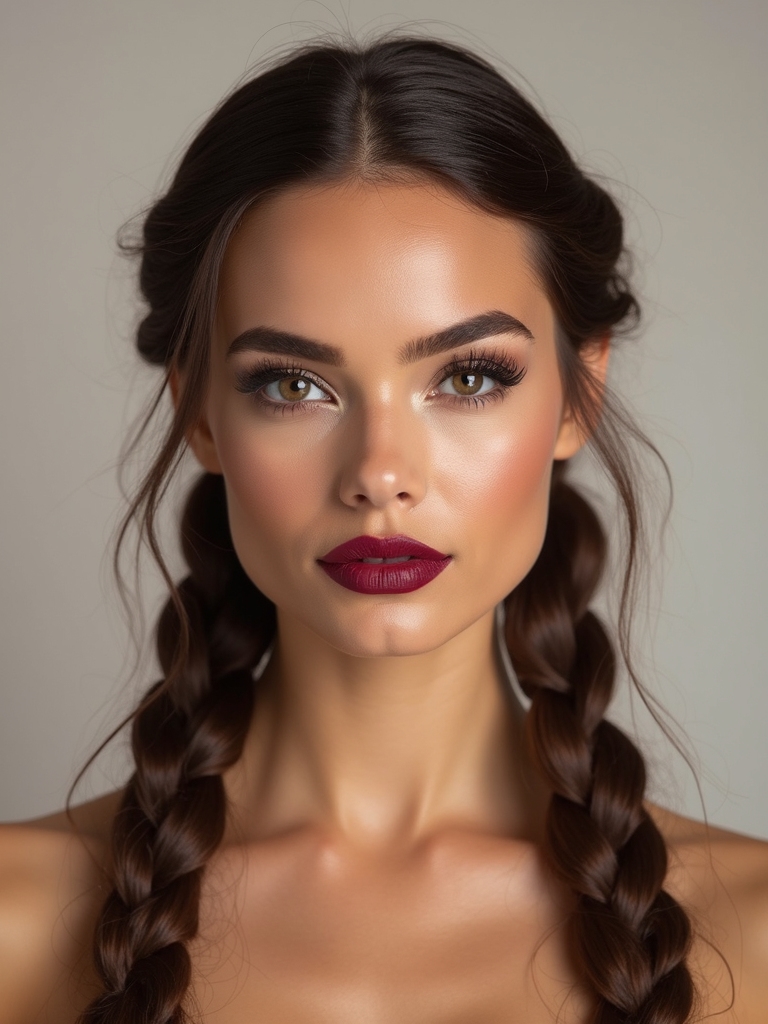
A pair of dutch braids does more protective work than anything else on this list, tucking every strand away from dry air and scarf friction for days at a stretch. Take them out later and there’s a bonus: soft, loose waves underneath.
Part down the center, then dutch-braid each side by crossing strands underneath instead of over, finishing with a small elastic at the ends. More braided ideas work the same principle across other lengths.
Soft Waves With a Deep Side Part
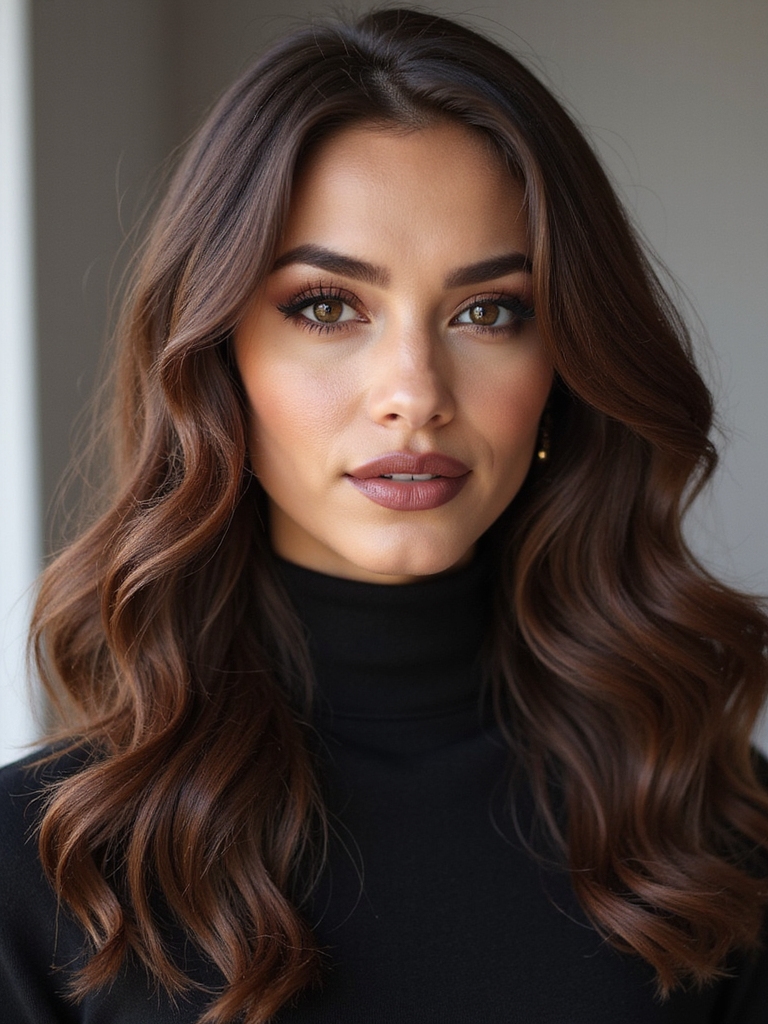
On the days hair is coming down regardless, soft waves paired with a deep side part hold up better in dry air than almost any other down style, and they tend to last several days without a redo.
The deep part itself adds volume that hat hair otherwise flattens. Bend sections with a wide-barrel iron, or set them overnight in loose braids, then break the wave pattern apart with fingers once it’s cool.
- A deep part fights the flattening effect of a hat better than a center part does
- Overnight braids skip heat entirely for the same wave pattern
- A small amount of oil on just the ends counters dry-air brittleness
A Braided Crown Built for Shorter Cuts
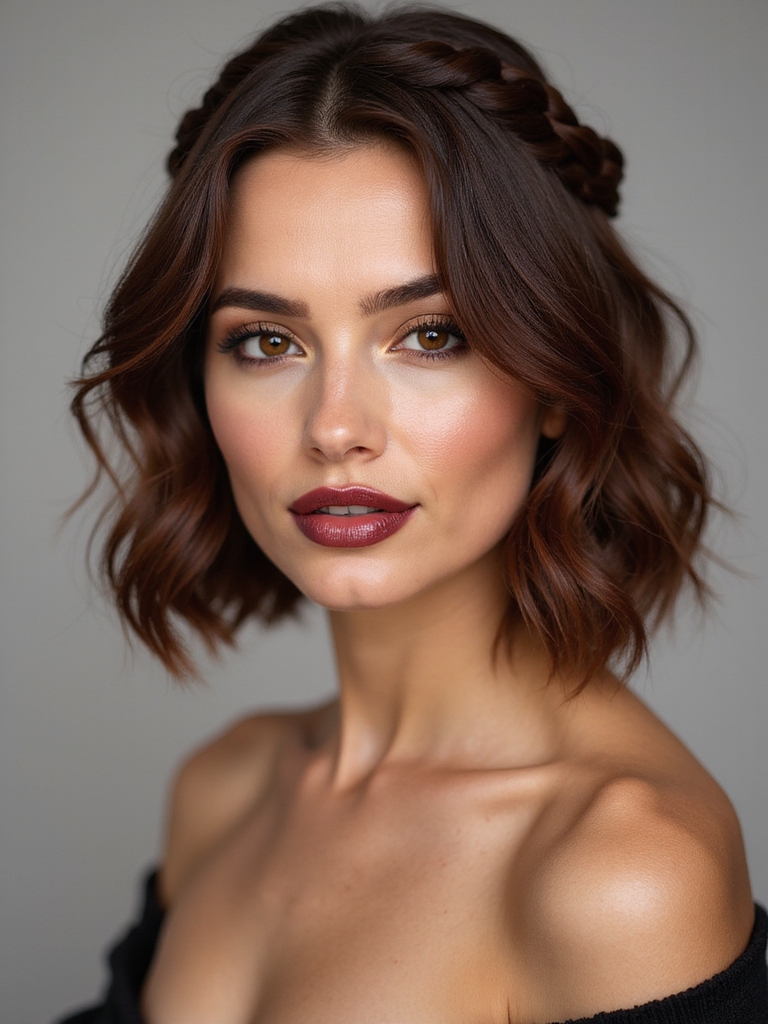
Short hair doesn’t sit out the winter updo conversation. A braided crown, sections braided along the top of the head and pinned across, works on bobs and lobs that are too short for a full bun.
Start one section above each ear, braid toward the back, and cross the two where they meet at the crown, tucking the ends underneath. It keeps shorter layers controlled under a hat and still looks put-together enough for a holiday gathering.
A Slicked-Back Pony With a Gel Finish
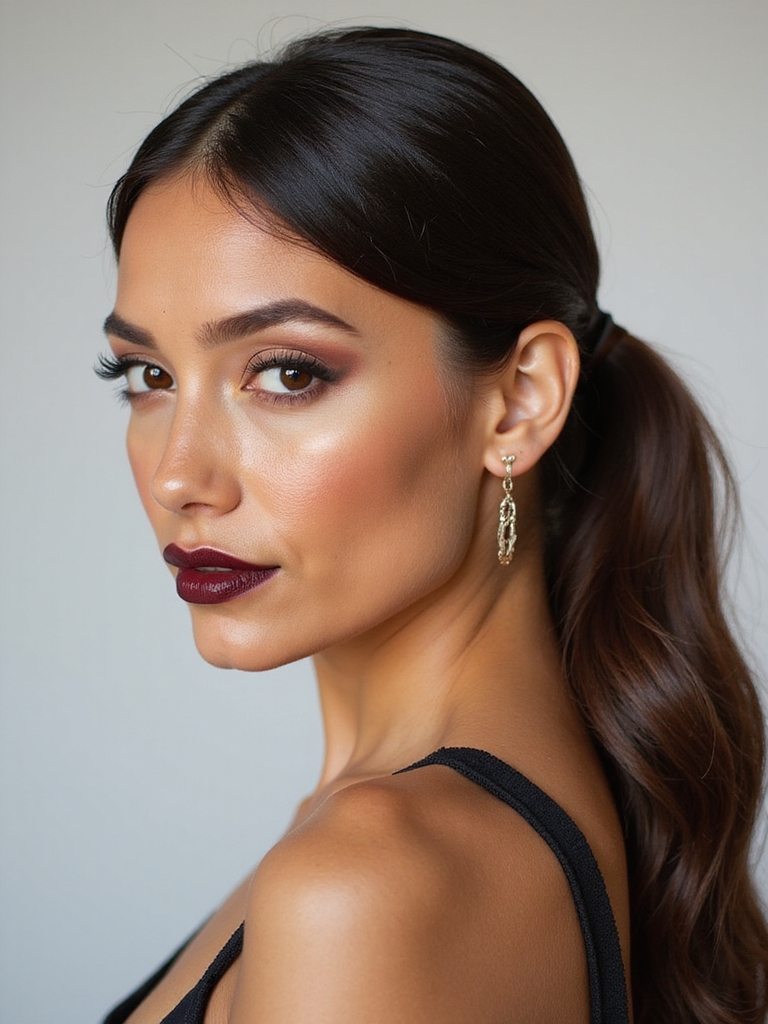
This is the sleekest, most deliberate-looking option here, and the gel is what separates polished from simply wet-looking. It also happens to sit completely flat under a beanie, which few styles manage.
Work a strong gel or pomade through damp hair, brush everything back tightly, and secure into a low ponytail. The slicked finish locks down flyaways before winter air gets a chance to lift them.
- A firm-hold gel or pomade is worth the extra grip over a lighter product
- Lies noticeably flatter under a beanie than most textured styles
- Locks down the flyaways that usually undo a style by midday
Quick check before picking a slicked style:
1Will this style need to survive a beanie for hours?
A slicked-back pony holds its line under pressure better than anything loose or textured.
2Is this second-day hair?
Even better here; a little natural oil helps the slick finish hold longer.
A Teased Top Knot for Extra Height
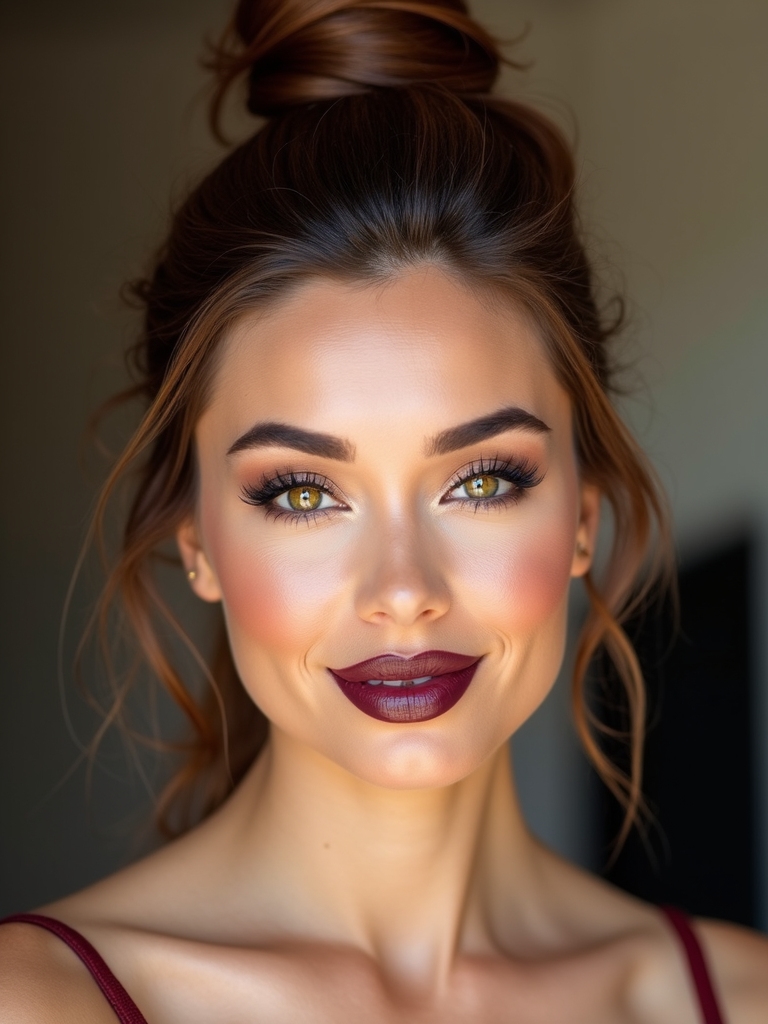
Flat, staticky winter hair has one real antidote: height. That’s it. A little teasing at the crown before gathering hair into a knot gives the whole style lift that a hat otherwise crushes flat.
Why Volume Matters More in Winter
Gently tease the crown with a fine comb, smooth the surface back over it, then gather everything into a high knot and secure. Leaving a couple of pieces loose at the front keeps the shape from looking too severe.
That extra height at the crown also balances out the bulk of a heavy coat, which flattens the visual proportion of almost any style worn underneath it.
A Romantic Low Twist for Evening

This is the prettiest five-minute option here. Nothing fancy required. It’s built entirely around a soft, twisted shape at the nape, held with nothing more than a few bobby pins.
- Split hair into two sections and twist each one back toward the center
- Cross the two twisted sections at the nape and pin them where they meet
- Leave a few soft pieces loose near the face to keep the shape from reading stiff
A style only needs to survive the walk from the car to the door looking intentional. Everything after that is what a coat collar was invented to hide.
Sleek, Straight Hair With a Center Part
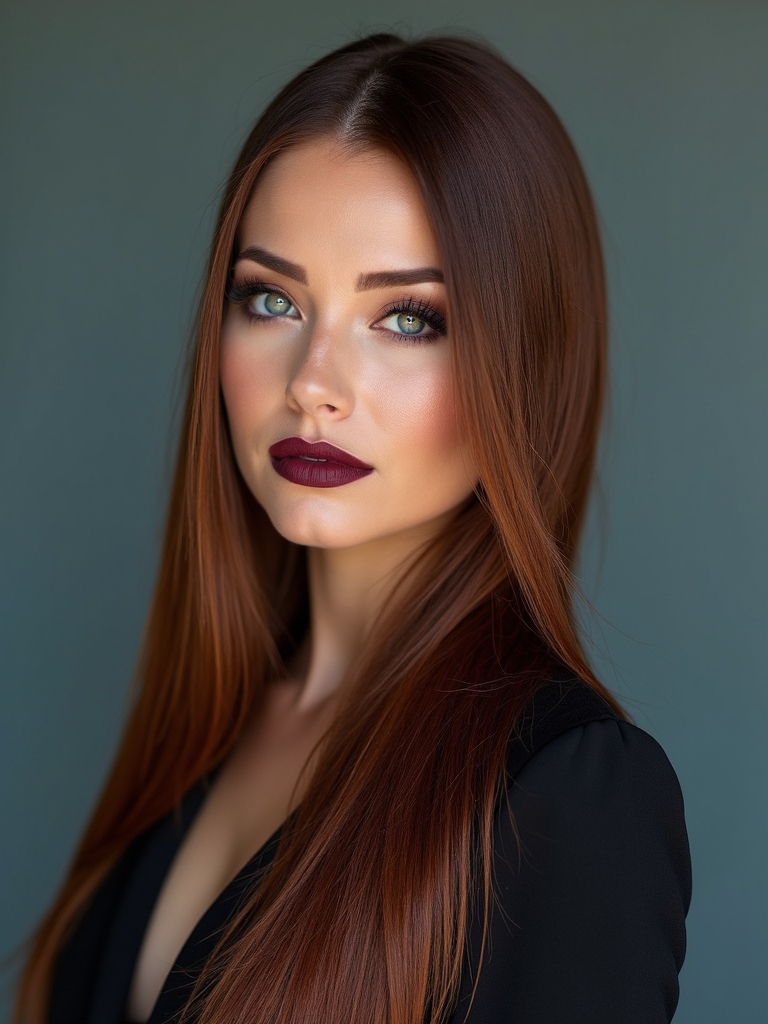
Sometimes the plainest option is the strongest one: dead-straight hair with a razor-clean center part. It reads modern, deliberate, and makes the most of a fresh blow-dry before the cold has a chance to undo it.
- Split a precise center part for a clean, symmetrical line
- Run a shine serum through the lengths before styling to fight static from the start
- Flat-iron in small sections for an even, glassy finish
A Low Bubble Ponytail With Playful Detail
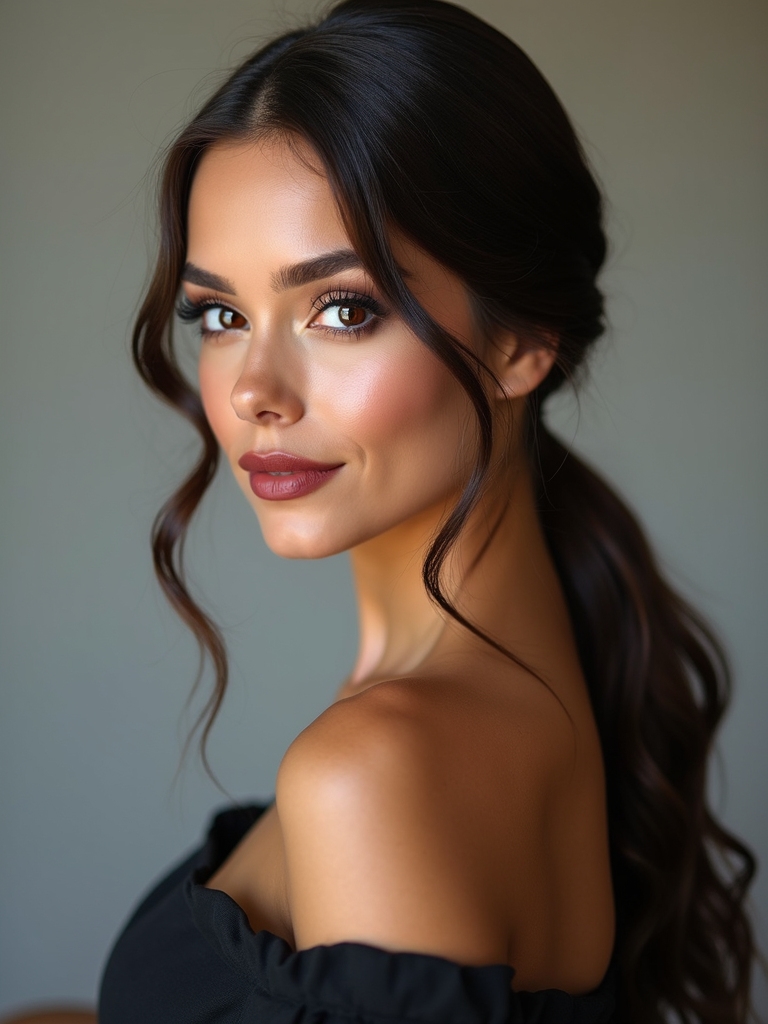
A basic ponytail gets an upgrade in well under two minutes with a row of small elastics added down its length to create rounded sections.
Tie a low ponytail, then space small elastics every couple of inches along the length. Gently tug the hair between each pair of elastics to puff it out into a bubble shape.
Wrapping the topmost elastic with a thin strand of hair hides it completely, and the whole effect looks far more deliberate than the couple of minutes it actually took.
Matching a Style to the Morning You’re Having
Some of these styles solve a five-minute emergency; others are worth the extra ninety seconds on a day there’s actually time. The low bun, the wrapped ponytail, and the loose messy bun cover the rushed mornings. The braided crown, the teased top knot, and the romantic twist earn their keep on days that call for a bit more polish.
Static, dryness, and hat hair are the three real culprits behind almost every winter hair complaint, and each style above tackles at least one directly. A leave-in cream or a dab of hand lotion smoothed over the surface settles static on the spot; a weekly moisture mask handles the dryness that builds over a full season; and anything built to sit low, like a bun or braid, already looks intentional flattened, which is the actual fix for hat hair.
Winter Hair Questions Worth Asking
?Why does hair go flat the second a hat comes off, even after a style held all morning?
A hat compresses hair against the head for hours, and once that pressure releases, strands often stay in that shape briefly before relaxing. Styles that sit low, like buns and braids, look intentional through that flattened stage instead of fighting it.
?Does dry shampoo still pull its weight once the weather turns cold?
It earns its keep in winter for a different reason than in summer: a hat pushes oil straight into the roots over the course of a day, and a light dusting lifts that oil back out fast. Washing less often in cold, dry weather is also common, which gives it more work to do between washes.
?Do braided or twisted styles need different care in winter specifically?
Moisture needs more attention, mainly. Heated indoor air is drier than most people realize, and it pulls water out of a tightly braided or twisted style faster than it would a loose one. A small amount of oil worked in every few days keeps the hairline from getting brittle enough to snap.
?Does static actually damage hair, or is it just annoying?
Static itself doesn’t damage hair, but the dryness that causes it often does, since dry, static-prone strands are more prone to breaking under normal brushing and styling. Treating the dryness solves both problems at once.
Two or Three Is All a Season Needs
Winter doesn’t have to mean hair hidden under a hat out of necessity. The styles that hold up best in the cold are also the least demanding ones: low buns that survive a hood, braids that protect ends in under a minute.
Pick two or three that fit the length and the mornings that actually happen, then run through them once on a slower day so they’re automatic by the next cold snap.
Where to Next