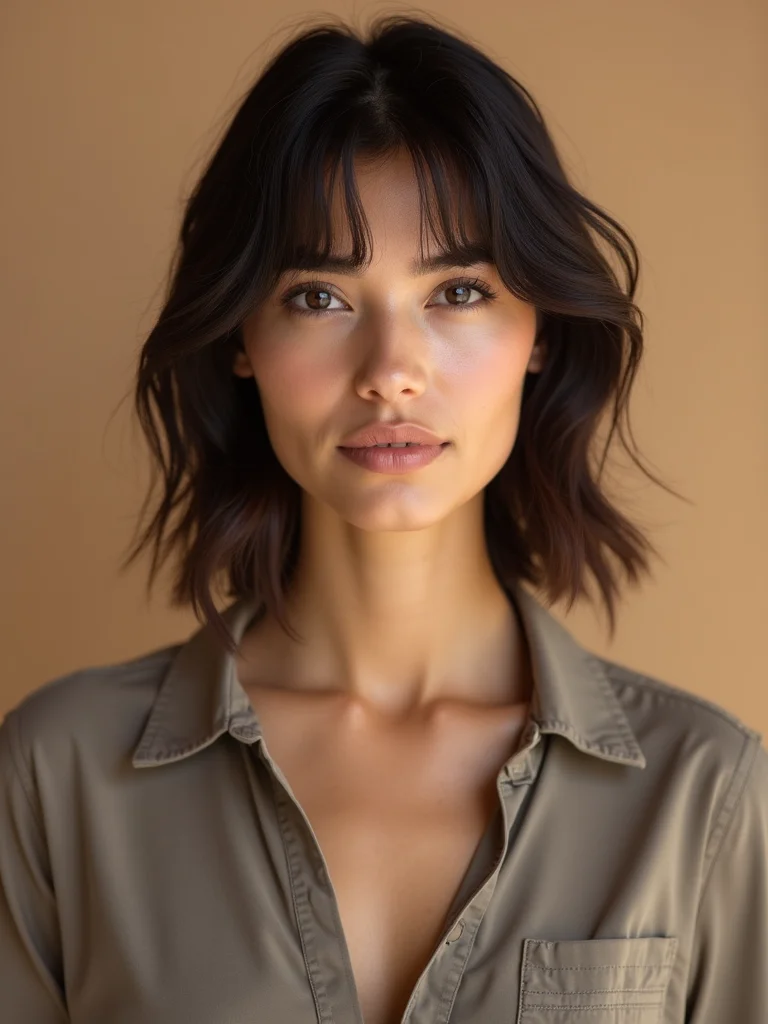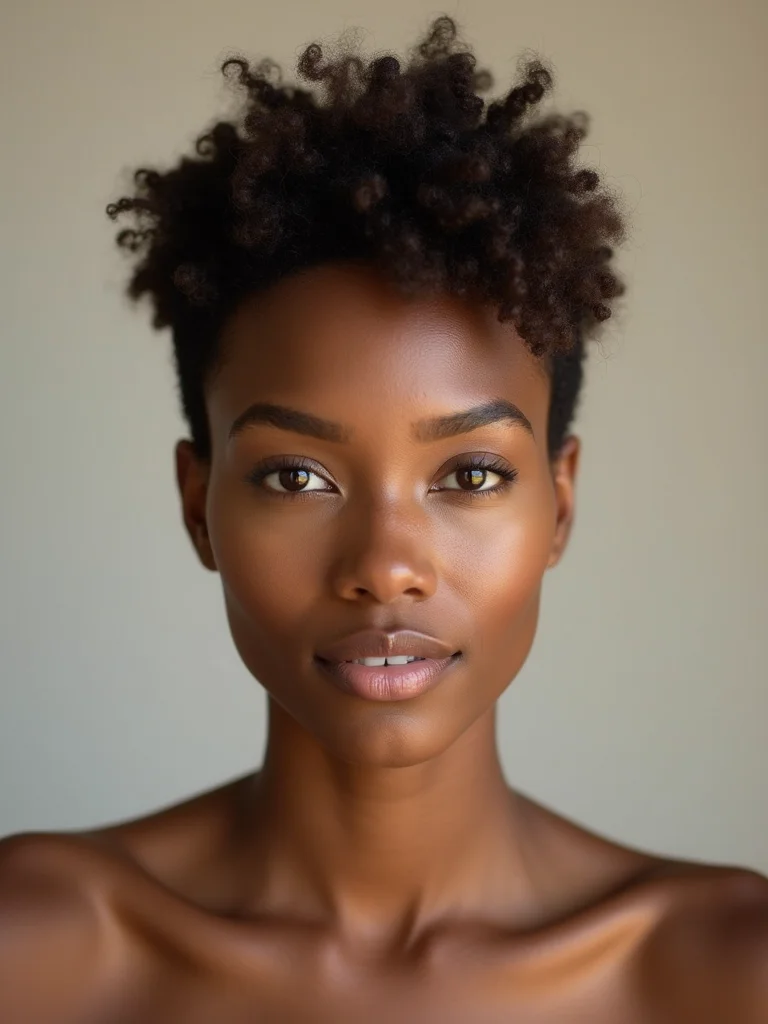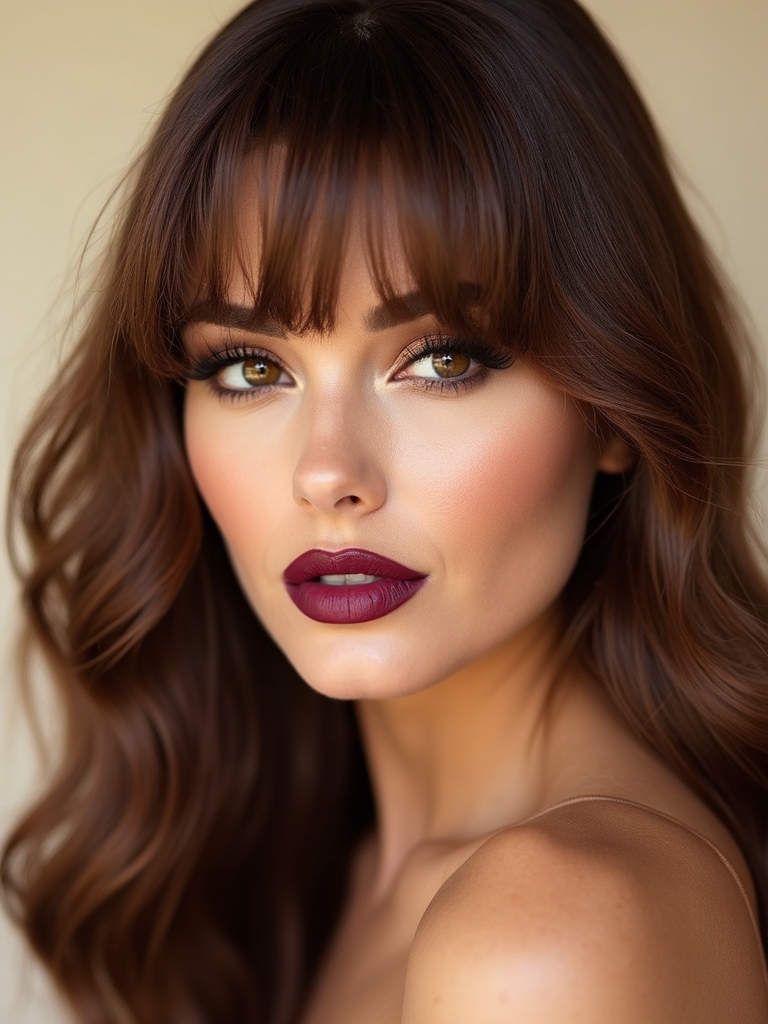
Fifteen minutes into a bang consultation, most people are still stuck on one question: not which fringe looks best in a photo, but which one they’ll actually keep styling six weeks from now. That second question matters more, because the bangs that flatter a long face will swallow a small one, and a wash-and-go texture asks for a completely different cut than poker-straight hair.
What follows is sorted by shape and texture, with who each one suits, how to style it day to day, and the upkeep that doesn’t show up in the inspiration photo.
Bangs, Quickly
- Curtain and wispy shapes flatter the widest range of faces and grow out with the least drama.
- Texture decides the cut more than face shape does; curly and coily fringes need to be cut dry, in their natural pattern.
- Trim frequency swings widely by style, from every couple of weeks for micro bangs to a couple of months for a long, grown-out fringe.
Wispy, Airy Bangs

For anyone testing bangs without full commitment, this is the entry point. Thin, feathery, and slightly see-through, wispy bangs add just enough fringe to soften a face without the visual weight of a full curtain. Because the strand count is lower, a few things follow naturally:
- They grow out with very little drama, since there’s less bulk to reshape as the length changes.
- A bad hair day shows less, since a piece or two out of place barely registers against the airy shape.
- Expect this shape to suit a higher forehead especially well, since it softens without fully covering it.
Blunt, Straight-Across Bangs

Blunt bangs are the boldest option on this list, a full, dense line cut straight across the forehead. On thick, straight hair they look graphic and striking, framing the eyes in a way no softer shape can match.
Density matters here more than almost any other factor. Fine hair tends to leave a blunt line looking sparse rather than solid, and a strong cowlick can split the shape right down the middle no matter how it’s cut. Daily styling is close to non-negotiable with this shape, since blunt bangs show every bend and part change within hours of drying.
Curtain Bangs That Frame Both Sides

Curtain bangs are close to the universal recommendation among fringe shapes, and the reasons show up quickly once the cut settles in:
- They flatter round, square, heart, and oval face shapes without much adjustment needed.
- They lengthen into softer, layered pieces with no awkward, blunt-edge stage to sit through.
- A soft part starting near the cheekbone gives the most natural, blended result as they lengthen. For wavy and straight hair specifically, the curtain bangs for wavy hair and curtain bangs for straight hair guides go deeper on styling by texture.
A Choppy, Undone Fringe

For a cooler, less polished feel, a choppy fringe cut with deep, uneven point-cutting delivers separated, piecey sections that read as deliberately undone. It pairs especially well with a shag or a textured bob.
The forgiveness built into this shape is real. Since the ends are meant to look uneven, a choppy fringe hides a cowlick better than almost any other option and shrugs off an imperfect styling morning without looking undone in the wrong way.
Side-Swept, Flattering Bangs

Side-swept bangs read as the low-risk option, cut longer and swept across the forehead on a diagonal. They frame the face gently, blend into the surrounding length, and feel far less drastic than a straight-across fringe.
The diagonal line does quiet, useful work on rounder and squarer face shapes, breaking up width without drawing extra attention to itself. They also grow out painlessly into face-framing pieces rather than hitting an obvious in-between stage.
Deciding between a bold or a softer fringe? Weigh it this way:
1Check the hairline first
A cowlick or a stubborn part can fight a blunt, straight line daily. A softer, side-swept shape works around it instead of against it.
2Be honest about morning time
Blunt bangs demand daily styling. A choppy or wispy shape forgives a rushed morning far more easily.
Micro Bangs With High Impact

Micro bangs sit high above the brows, sometimes closer to mid-forehead, and this is the fringe with the least room for hesitation. On the right person, it reads as artful and confident rather than accidental.
Commitment is the real cost here. Expect a trim roughly every couple of weeks, since even a small amount of growth changes the whole shape, and a face and hairline that feel comfortable on full display, since nothing about a micro fringe hides.
Curly Bangs and Natural Texture

Curly bangs are a joy when cut correctly and a real disappointment when they’re not. One rule matters above all others: the fringe has to be cut dry, in its natural curl pattern, so a stylist can see exactly where each spiral lands once it settles.
Why the Dry Cut Matters So Much
Cut wet, curly bangs spring up shorter than intended and sit far higher on the forehead than planned, since curl shrinkage happens after the cut, not during it.
Once cut correctly, curly bangs turn out to be low-effort, since the curl pattern handles most of the styling on its own with almost no additional work.
A couple of cutting terms worth knowing before a fringe appointment:
📖Point cutting
A technique where the scissors snip upward into the hair ends in short vertical strokes instead of a flat horizontal line, breaking up a blunt edge into something softer and feathered.
📖Dry cutting
Cutting hair in its natural, unstretched state so curl pattern and shrinkage are visible during the cut, not guessed at afterward.
Feathered, Flowy Bangs

Feathered bangs bring a soft, seventies-leaning flutter into the mix, cut and styled to flick gently away from the face in light layers. The effect adds movement and a bit of volume that flatters fine hair particularly well.
- Ask for soft, feathered layers through the fringe that flick outward rather than lying flat.
- A round-brush blowout curls the ends away from the face while drying for the classic flick.
- A light texture spray keeps the feathered pieces separated instead of clumping together.
Layered Bangs for Long Hair

For long hair, layered bangs blend into face-framing layers that get gradually longer, so the fringe melts into the rest of the length with no hard line anywhere. It’s the softest way to add a bang to hair that’s otherwise staying long.
This shape is easy to maintain day to day, since there’s no short, blunt fringe demanding constant attention. As the layers grow, they simply extend the frame around the face, making it a natural pick for anyone who wants a change without a full commitment. The face-framing bangs guide covers more variations built specifically for long hair.
Cowlick Check
A strong cowlick at the hairline can split a blunt, straight fringe right down the middle within days. Point it out during the consultation so the cut can work with it instead of fighting it every morning.
Piecey Shag Bangs

Shag bangs take the choppy fringe idea further, heavily textured and piecey, falling into separated tendrils that read edgy and a little undone. This is the fringe that completes a true shag haircut.
They’re built to be tousled rather than smoothed. Matte texture paste worked through completely dry hair adds grit and separation, while a round brush stays out of the routine entirely; fingers do all the shaping work here.
Bottleneck Bangs for Soft Contouring

Bottleneck bangs sit as the clever middle ground between curtain and full bangs, shaped like the neck of a bottle: shorter and rounder in the center, then lengthening toward the sides.
This shape delivers a touch more fringe than a standard curtain while staying nearly as forgiving to grow out, which makes it worth considering if a plain curtain shape has ever felt too sparse.
- Ask for a rounded center section that lengthens gradually toward the sides.
- Style by curving the center down and the sides back, using a brush and warm air.
- This shape flatters most face types, since the center rounding softens angles without adding much bulk.
A Long, Grown-Out Fringe

Sometimes the best fringe is the barely-there one. A long, grown-out fringe skims past the brows toward the cheekbones, delivering face-framing softness with the lowest upkeep on this entire list.
This is the natural landing point for shorter bangs as they grow, and plenty of people choose to stay right here rather than cutting back to something shorter.
- It tucks behind the ears easily on days when styling a fringe feels like too much.
- Trims land roughly every couple of months instead of every few weeks.
- It blends smoothly into the surrounding length for a connected, no-hard-line look.
Wavy, Beachy Bangs

For naturally wavy hair, fighting the wave with a fringe rarely pays off. Wavy bangs work with the texture instead, falling into a soft, beachy bend that looks relaxed without a flat iron anywhere near the routine.
- Curtain and side-swept shapes handle a wave most gracefully, since both already expect some movement.
- A little curl cream or sea-salt spray scrunched into damp bangs enhances the natural bend.
- Air-drying, then separating the pieces by hand once dry, keeps the finish soft rather than crunchy.
Baby Curtain Bangs

Baby curtain bangs take the classic curtain shape and cut it shorter and higher for a sweet, retro feel. They part in the middle like the original but sit closer to the brows, giving a younger, more playful frame.
- Expect a bit more upkeep than a full-length curtain, since the shorter length shows growth sooner.
- This shape flatters balanced foreheads and oval faces especially well.
- A light cream through the ends keeps the split clean without stiffness.
💡Beach Texture, No Ocean Required
A pea-sized amount of sea-salt spray on damp bangs, scrunched rather than combed through, mimics the same beachy bend without needing naturally wavy hair to start.
Coily and Kinky-Textured Bangs

Coily and kinky-textured bangs frame the face in a way no other hair type can replicate, and they deserve a stylist with real experience cutting that specific pattern. A defined coily fringe shows off the natural texture instead of forcing it into a shape it was never going to hold.
- Shrinkage is significant with this texture, so the cut has to account for how much the curl draws up once fully dry.
- Everything depends on a dry cut, done coil by coil, with a stylist who can see where the pattern actually lands rather than guessing from stretched hair.
- Keep any edge control or gel light near the hairline; a heavy hand there, applied daily over months, is a known contributor to traction alopecia along the front edge. A rich leave-in or curl cream keeps the fringe itself defined and hydrated. For protective options that pair well with textured bangs, the braids for black hair guide covers styles built for the same texture.
Maintenance & Care
Trim frequency depends entirely on the shape chosen, not on hair type alone. A blunt or micro fringe needs attention every couple of weeks to hold its line, while a curtain, wispy, or grown-out shape can stretch to a couple of months between visits without looking unkempt.
Many salons trim the bangs they originally cut for free between full appointments, so it’s worth asking rather than assuming a full booking is required, and a quick trim typically runs around $15 to $20 if it’s booked as a standalone visit.
Between salon trims, working a small amount of lightweight cream through the fringe keeps it from separating into awkward pieces, and skipping harsh clarifying shampoo on just that section helps it hold its shape a little longer.
The Right Fringe Comes Down to Two Honest Answers
Choosing bangs really comes down to two honest questions: what actually flatters the face, and how much daily styling will realistically happen. Getting both right turns a fringe into one of the easiest ways to change a whole look without touching the length.
Starting soft, with a curtain or wispy shape, is a reasonable way in for anyone still unsure, since both grow out gently if the cut doesn’t feel right after all. From there, the fringe bangs and french bangs guides cover a few more shapes worth comparing before the next appointment.
More to Try