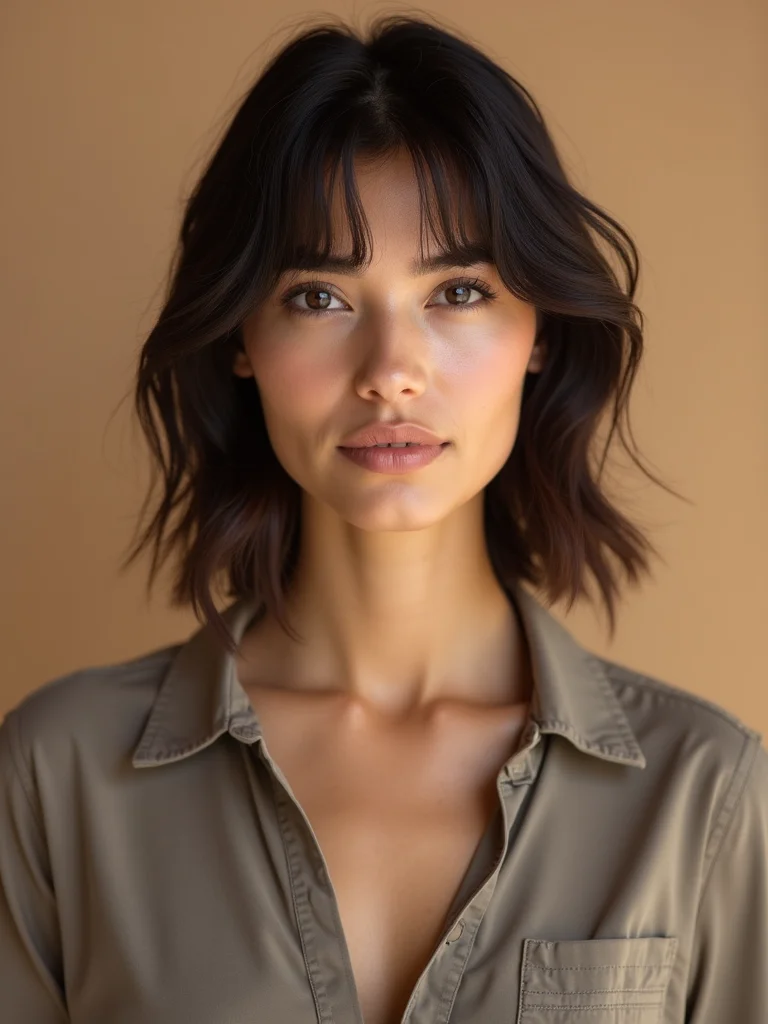
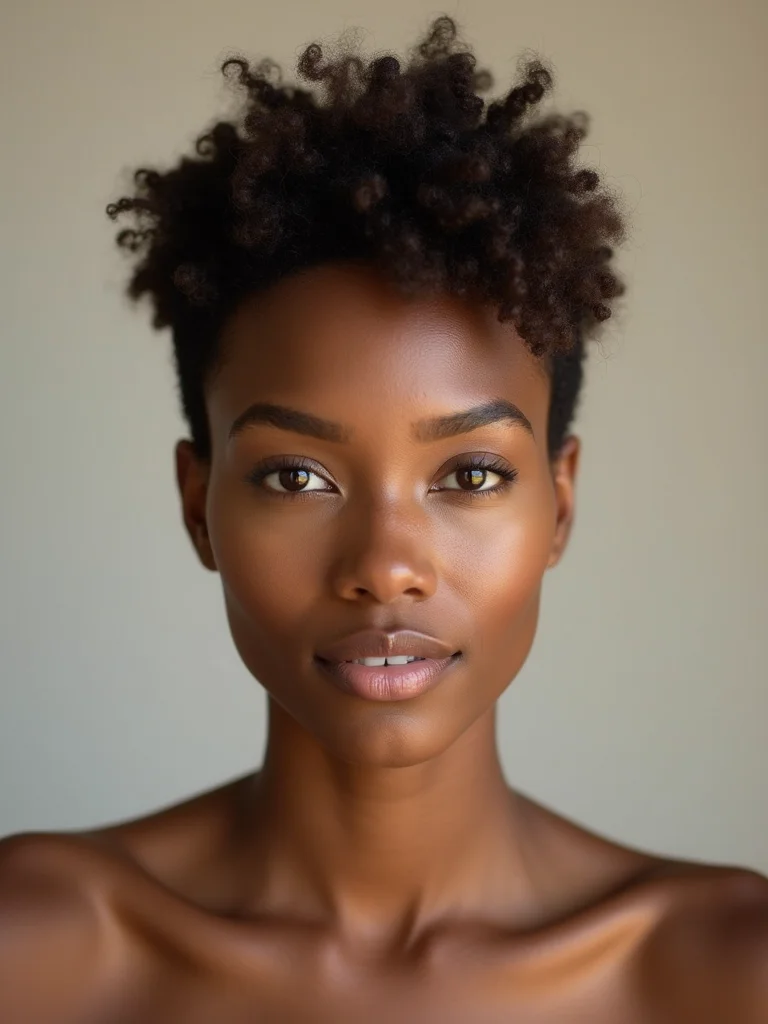
Picking a bob with fringe usually starts with a photo, but the detail that actually decides which pairing works out isn’t which one looks best on a screen. It’s how much upkeep effort fits into a real week between salon visits.
Each pairing below carries its true upkeep tier up front, sorted from the fringes that ask almost nothing of a morning routine to the ones that need a standing spot on the calendar.
What Actually Decides the Upkeep
Why do some fringes need trims twice as often as others? Blunt, short shapes like micro and baby bangs grow straight down into the eyeline, so even a small amount of growth changes how they sit. Softer, diagonal shapes like curtain and side-swept simply lengthen into the face-framing hair around them.
Is a curly fringe automatically higher-maintenance? Not from the cutting technique alone. The real added step is that it must be shaped dry, in its own curl pattern, with extra length left for shrinkage. Day-to-day upkeep after that sits closer to the low tier than the high one.
Does a longer bob make any fringe easier to manage? Somewhat. Extra length below the fringe gives grown-out pieces somewhere to blend, which softens the transition for nearly every fringe type paired with it.
Classic Blunt Bob With Micro Fringe

A micro fringe sits cut high above the brow, cropped noticeably shorter than a standard fringe, which makes it the boldest and most graphic option on this whole list.
The Highest-Upkeep Fringe on This List
Paired with a blunt bob, the two sharp lines reinforce each other into a confident, editorial statement. That boldness comes at a real cost: this pairing sits at the very top of the upkeep tier.
Plan on a trim roughly every ten days, since a short blunt line grows down toward the brow fast enough to change the whole shape within two weeks. Anyone hesitant should sit with the decision a while longer; there’s no quick way to undo it.

Textured French Bob With Airy Bangs

Airy bangs are cut full across the forehead but left thin and see-through, with visible gaps that let a little skin show through rather than a dense curtain of hair.
On a soft French bob, they sit at the opposite end of the upkeep scale from a micro fringe: a rough dry and a finger-sweep covers close to the entire routine.
The width is what separates this from a narrower wispy fringe. Growth barely changes the shape here, since there’s already so little density holding a defined line in the first place.
Sleek Glass Bob With Precision Fringe

A precision fringe is cut to a single exact, razor-sharp line, matched to a glassy, high-shine bob for a look where every edge is deliberate.
Upkeep That Lives in the Finish, Not the Length
It sits high on the upkeep tier for a different reason than a micro fringe: the length isn’t what demands attention here, the finish is. Straight, healthy hair, a flat iron most mornings, and frequent trims all become non-negotiable once that line goes uneven.
Budget for a trim every two weeks, since a precision line shows unevenness faster than almost any softer shape on this list.
Soft Curtain Fringe on a Mid-Length Bob

A curtain fringe parts near the center and opens to either side, and it earns its reputation as the lowest-effort fringe here for one simple reason: growth lengthens it into the face-framing pieces already surrounding it.
- On a mid-length bob, the fringe and the cut blend into one continuous line, no visible seam where haircut ends and fringe begins
- A rough dry, or nothing at all, usually holds the shape
- The bob with curtain bangs guide breaks down fifteen more pairings if this is the fringe worth exploring further
Choppy Bob With Piecey Eyelash-Grazing Bangs

Eyelash-grazing bangs fall right at the lashline, sitting longer than a micro fringe and noticeably softer to live with day to day.
Cut piecey and broken up on a choppy bob, the texture reads casual and undone, and that same texture keeps this fringe out of the high-upkeep tier despite sitting fairly short.
It still needs a trim on a fairly regular schedule, or grazing lashes slowly turns into brushing them, landing it closer to the middle of the scale than the bottom.
Two honest questions before booking any fringe:
🎯How many minutes does the morning routine actually have?
Under five minutes rules out precision and full fringes, which need a flat iron or real daily shaping to look intentional.
🎯How firm is the trim schedule, realistically?
A fringe that can slip a booking by two or three weeks without looking wrong is a very different commitment than one that can’t.
Curly Bob With Shaped Fringe

A shaped curly fringe frames the face with soft, springy coils, cut to follow the hair’s own pattern, the only real way the shape ends up holding.
One rule governs it completely: the cutting happens dry, in that natural curl pattern, with a bit of extra length built in for shrinkage. Skip that step and the coils spring up shorter than planned the moment they’re released.
Get that first cut right and the upkeep afterward sits closer to moderate than high, since the curl pattern itself does a lot of the work of hiding regrowth.
Wavy Shaggy Bob With Feathered Bangs

Feathered bangs move: cut with soft, tapered ends that flick outward, where a wispy or airy fringe tends to lie flatter and stiller.
Where the Low Tier Actually Sits
On a wavy shaggy bob, that movement blends straight into the layers, so the whole cut reads as one undone shape, fringe included.
This one sits solidly in the low-upkeep tier, and it’s worth seeing exactly where the other thirteen pairings on this list land by comparison.
| Tier | Typical trim cadence | Fringe types on this list |
|---|---|---|
| Low | Roughly monthly or less | Curtain, side-swept, swoopy, airy, feathered, curtain-flip |
| Moderate | Every three to five weeks | Eyelash-grazing, shaped curly, rounded, split |
| High | Every ten days to two weeks | Micro, precision, baby bangs, full fringe |
Asymmetrical Bob With Side-Swept Fringe

A side-swept fringe sweeps across the forehead on a diagonal, clearing the eyes with real ease.
An Angle That Grows Out Gently
Paired with an asymmetrical bob, it follows the cut’s own angle, so the fringe and the haircut read as one deliberate line planned together from the start.
It sits near the bottom of the upkeep scale: no hard horizontal edge to maintain, and the diagonal itself softens the look of regrowth for weeks at a stretch, much like the low-commitment shapes covered in bob with bangs.
Layered Bob With Wispy Face-Framing Bangs

Wispy face-framing bangs are narrower and finer than airy ones, breaking into just a few soft pieces that skim the brow line and disappear into the layers of the bob around them.
- Among the gentlest fringes to grow out, with no clear stage where it looks unfinished
- Draws the eye upward without adding visible weight to the front of the cut
- Pairs naturally with a layered or soft bob, where the movement already matches
💡Face-Framing, Not Face-Covering
If the goal is softness without a true fringe commitment, ask a stylist to cut these pieces a shade longer than shown here. A slightly longer version blends into the cut almost immediately and skips the growing-out stage most fringes go through.
Inverted Bob With Rounded Fringe

A rounded fringe curves gently across the brow, sitting a touch longer at the outer corners and slightly shorter through the center, tracing the natural arc of the brow line underneath it.
That curve opens up the eyes and warms the face, without the flat, heavy line a full fringe carries. On an inverted bob, it balances the sculpted volume built into the back of the cut.
Upkeep runs moderate: the curve needs occasional reshaping to hold its line, though it’s far more forgiving than any blunt shape on this list.
Long Bob With Swoopy Fringe

A swoopy fringe runs long and soft, curving down into the face-framing lengths of a lob, barely registering as its own separate piece across the forehead.
Barely any real forehead gets covered here, which puts this near the very bottom of the upkeep scale, right alongside curtain and side-swept shapes.
- Blows back and up, away from the forehead, with a quick pass of a brush
- Tucks behind an ear on days it needs to disappear entirely
- Grows into the rest of the lob’s length with almost no visible transition
Razor-Cut Bob With Soft Split Fringe

A split fringe divides cleanly down the center into two soft halves, a close relative of a curtain fringe but worn with a little more visible separation and piecey texture.
On a razor-cut bob, the tapered, feathery ends of the cut echo that same piecey finish, so the two pieces feel like they came from one plan.
- Low-upkeep and forgiving to grow out, since both halves simply lengthen into the surrounding hair, the same pattern behind the transformations in bob cut with bangs
- The razor finish favors straight to wavy textures; on tighter curl patterns, ask a stylist about scissor-finishing instead to protect the cuticle
- Holds its part with barely any daily styling once it’s grown in
Stacked Bob With Short Baby Bangs

Baby bangs sit shorter than any other fringe on this list, cut high and blunt well above the brow for a look with almost no subtlety to it.
Confidence First, Convenience Second
Against the structured volume of a stacked bob, they read as pure editorial confidence, the boldest single decision in the whole cut.
This is the highest-commitment pairing here, full stop: fast regrowth, a narrower range of faces it flatters, and trims that need to happen on a tight, predictable schedule.
Quick gut-check before booking baby bangs:
1Can you commit to a trim every ten to fourteen days without fail?
If not, a micro or precision fringe higher up this list asks nearly as much drama with slightly more breathing room.
2Would an even forehead and balanced features suit a very short, blunt line?
Baby bangs flatter a narrower range of face shapes than almost any other fringe here, so this is worth an honest look in the mirror first.
Box Bob With Blunt, Full Fringe
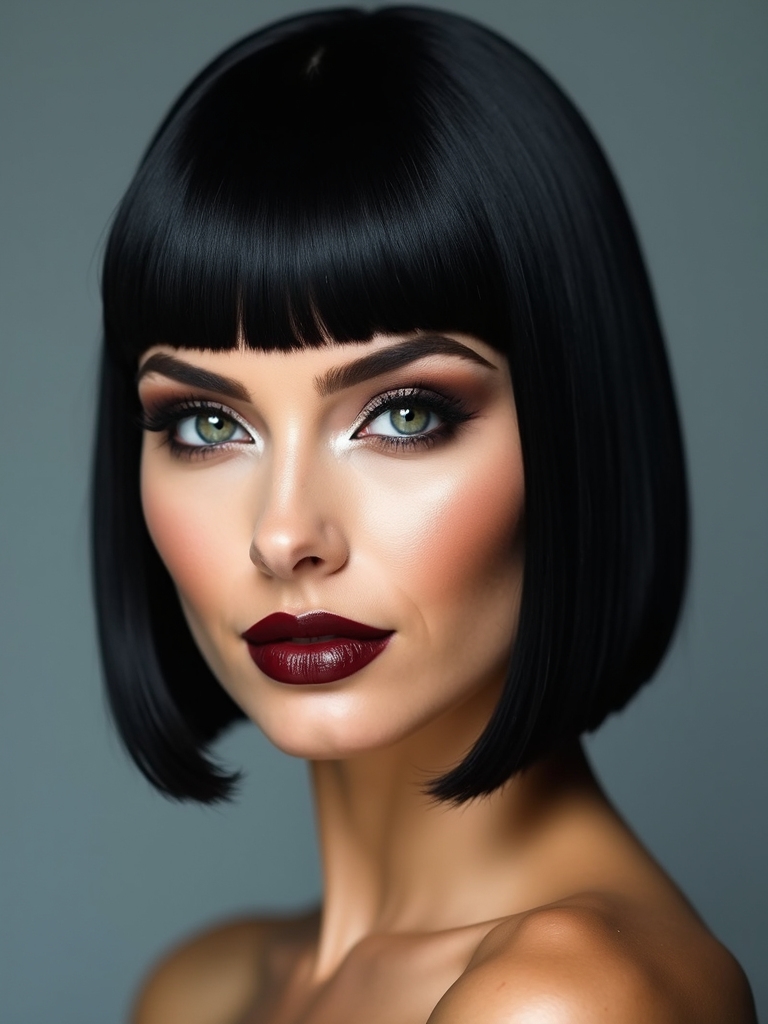
A full fringe runs in one heavy, graphic line straight across the brow, the most classic and dramatic shape on this entire list.
On a geometric box bob, the two strong horizontal lines reinforce each other into a bold, architectural look that frames the eyes and visually shortens a longer face.
It demands real upkeep to match: dense, straight hair to lie flat and full, plus trims on a schedule tight enough to keep that line even at the brow, the same trade-off weighed in bob haircut with bangs.
Tousled Bob With Curtain-Flip Bangs

Curtain-flip bangs take the basic open shape of a curtain fringe and flip the ends outward at the last second, adding a playful, slightly retro bounce to the whole thing. The flip is a styling choice more than a cutting one, so the same fringe can be worn straight or curved out depending on the day.
- Keeps every low-upkeep, easy-grow-out advantage of a standard curtain fringe
- The flip sets in with a single quick blow-dry session
- Pairs best with a tousled or wavy bob, where the extra movement already matches
Common Mistakes to Avoid
The upkeep tier a fringe belongs to is decided almost entirely by two things: how short and blunt the cut is, and how deliberately smooth the finish needs to stay. Skipping the honest conversation about which tier fits a real schedule is the single most common reason a fringe gets grown out within a couple of months of the first cut, a pattern covered from the mood side in bob hairstyles with bangs.
A second, quieter mistake shows up with texture: asking for a curly or coily fringe cut wet, or asking a razor to finish a very tight curl pattern. Both requests routinely produce a shorter, rougher result than the photo that inspired them, and both are easy to avoid just by naming the texture out loud before the scissors come out.
Most salons plan on around $15 for a fringe-only trim between full cuts, whatever the tier. What actually separates a cheap fringe from an expensive one over a year isn’t that flat fee, it’s how many times a calendar forces that fee to repeat.
?What’s the real difference between a curtain fringe and a side-swept one?
A curtain fringe splits into two roughly even halves from a center part, while a side-swept fringe sweeps almost entirely to one side on a deeper part. Both sit in the same low-upkeep tier and grow out in a similar, forgiving way.
?Can a fringe actually make a bob look shorter on the face?
A full or blunt fringe visually shortens a longer face by adding a strong horizontal line near the brow. Softer, diagonal shapes like curtain or side-swept do far less of that visual work, so they tend to flatter a wider range of face shapes overall.
?Why do some fringe types get called high-maintenance and others low-maintenance?
It comes down to how much the shape depends on staying exact. A precision or full fringe loses its whole point once it grows uneven, while a curtain or swoopy fringe simply lengthens into the rest of the hair without losing its shape.
?Is there a fringe type that works on almost any bob length?
Curtain and side-swept fringes come closest, since both are built around blending into the surrounding hair as they grow out over time. A longer or shorter bob mostly just changes how dramatic either fringe looks, a purely visual shift more than a mechanical one.
The Right Tier, Not Just the Right Look
Fifteen fringes, three honest upkeep tiers, and one real question left to answer: which end of that scale actually matches the week a person is living, not the one they wish they had time for.
Bring a tier and a fringe name into the next appointment alongside the photo, and the odds of walking out with something that still looks right in six weeks go up considerably.
More Worth Saving