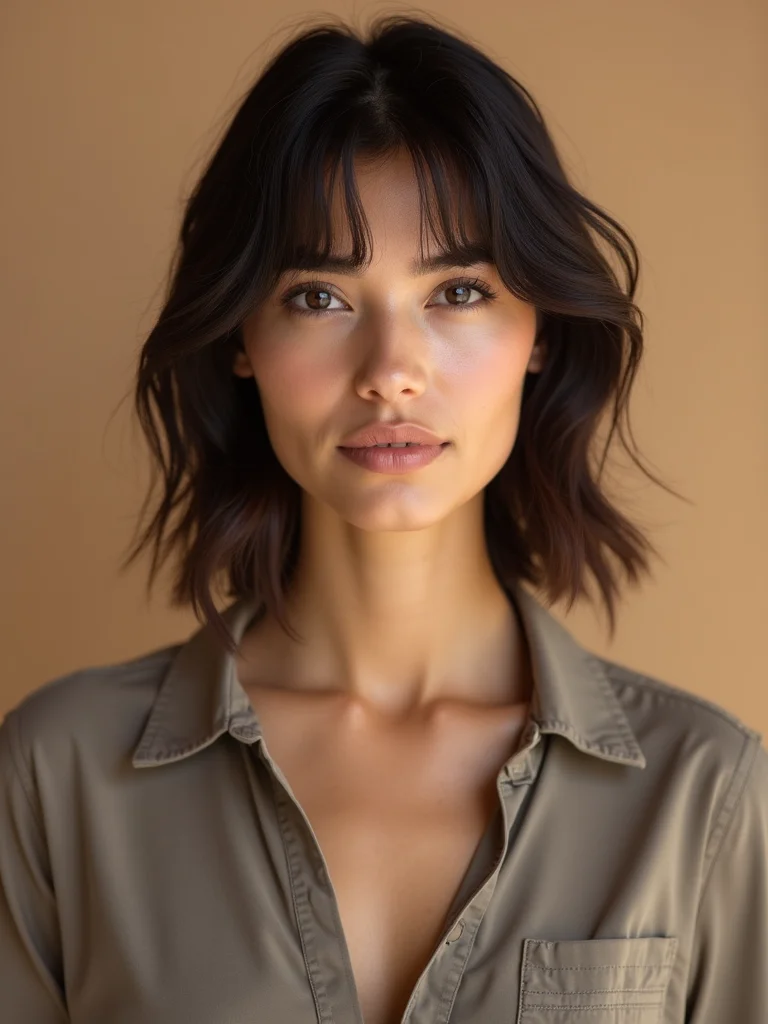
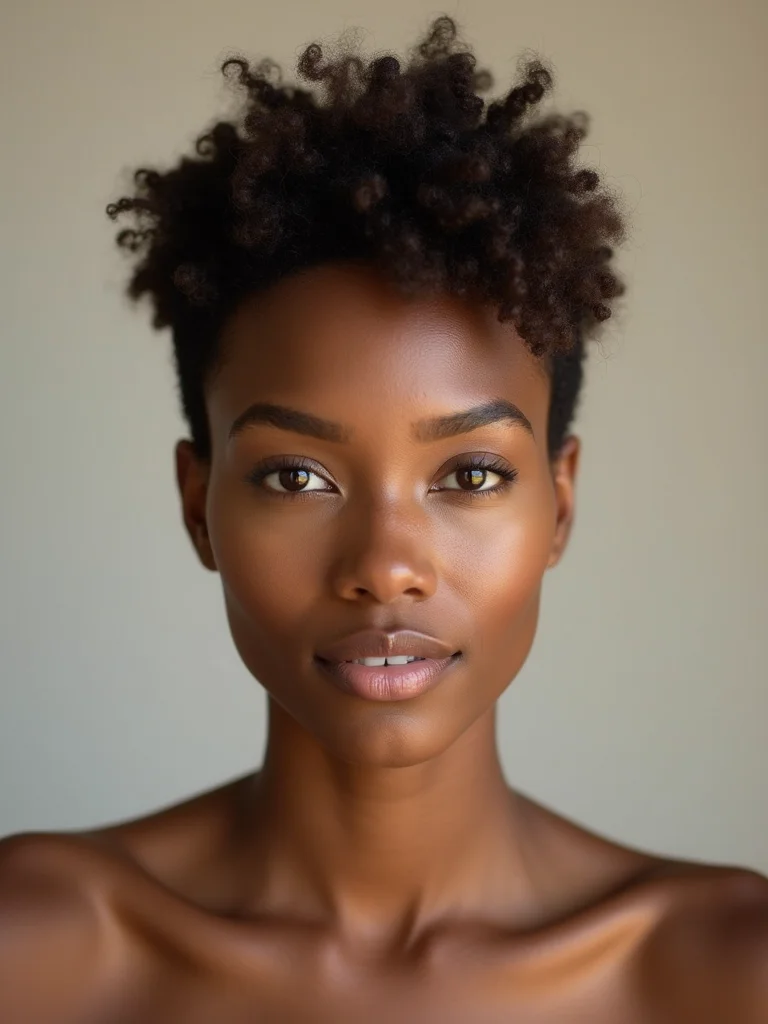
Side bangs are the fringe with the lowest failure rate of any bangs style, full stop. They sweep across the forehead on a diagonal instead of cutting straight over it, which is the single detail that keeps them from ever looking like a mistake mid-grow-out.
Fifteen versions follow below, sorted by length, face shape, and texture, along with the honest trade-offs each one asks for. Side bangs work for fine hair, thick hair, curls, and nearly every face shape, but what counts as “working” still shifts depending on which version gets cut.
Reading the Fringe Before You Cut
Side bangs sweep diagonally across the forehead and blend into the surrounding layers as they grow, which is what makes this the most forgiving fringe to try for the first time. Length and weight should track face shape and texture: longer, cheekbone-grazing pieces suit round and square faces, while lighter, wispy ones suit fine hair.
A fringe trim runs a fraction of a full haircut, often free between visits at many salons, and holds its shape for about 3 to 4 weeks before it needs a reshape.
Soft Wispy Side Bangs
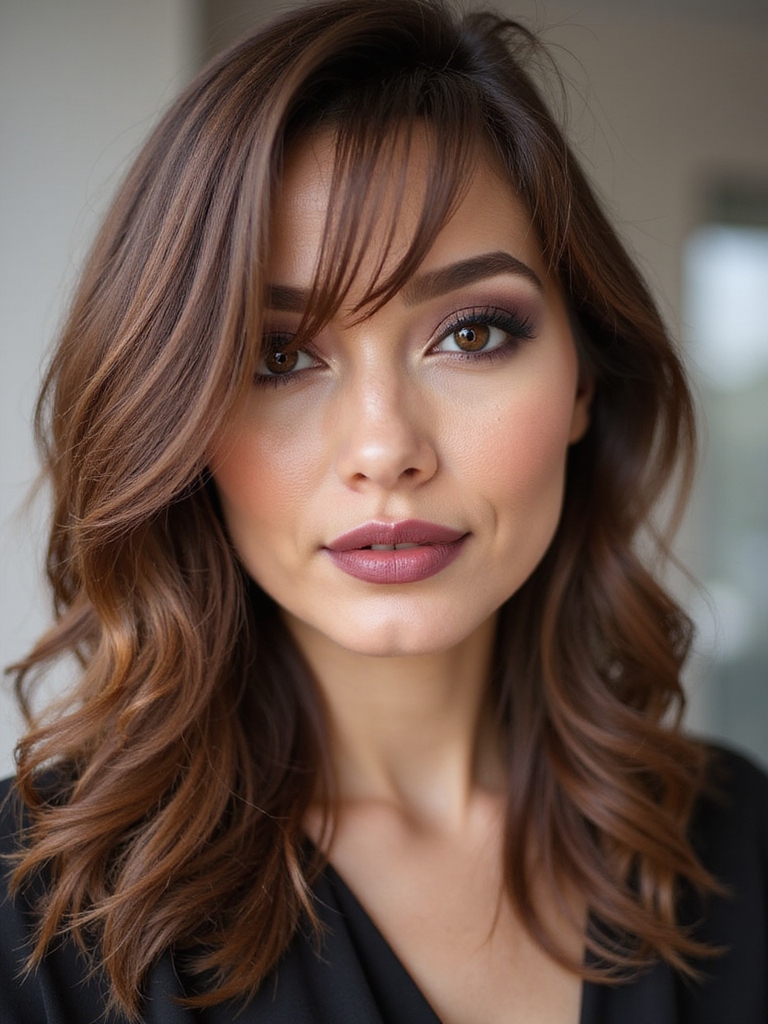
Soft, wispy side bangs are the easiest fringe to live with day to day. The ends are feathered thin, so they fall in airy, see-through pieces that skim the brow, light and barely there.
Why First-Timers Start Here
This is usually the version recommended to anyone nervous about commitment, since it melts into the surrounding length as it grows out, with no obvious in-between stage to manage.
Styling stays simple: a quick blast with the dryer, pushed to the side while damp, then a small amount of light cream worked through the ends to keep them piecey and full of texture.
A Long, Cheekbone-Grazing Fringe
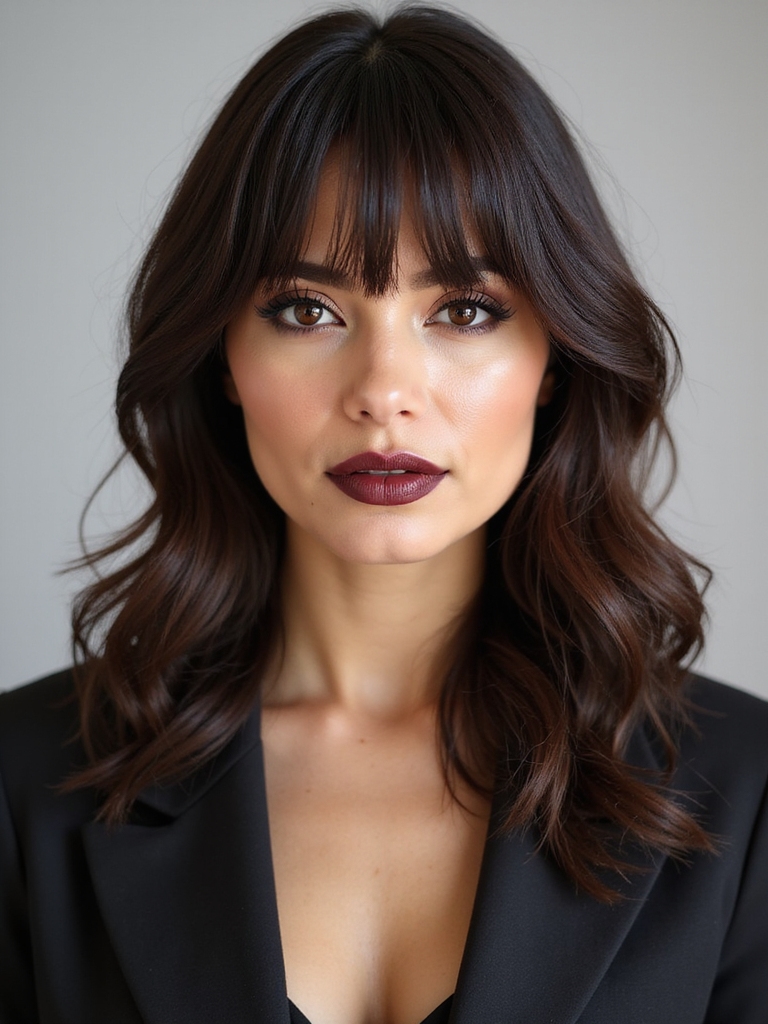
A long side fringe that grazes the cheekbone is the version most requested at the moment, and it earns the popularity. It frames the eyes, sweeps past the cheek, and tucks behind the ear on days it needs to disappear. The long layered hair with side bangs guide covers this pairing at greater length.
- Ask for the longest piece to hit the cheekbone or jaw, blended into the surrounding layers.
- A deep side part gives the fringe enough length to sweep fully across.
- At this length, it grows out gracefully and can double as face-framing layers on its own.
Where This Fits Least Well
Wispy side bangs work against very thick, coarse hair, where the thinning needed to keep them light can leave visible gaps where soft, separated pieces should be. The catch: what reads as airy on fine to medium hair can look sparse and uneven on hair that’s naturally dense, so ask a stylist about density before committing to this version specifically.
Feathered Side Bangs
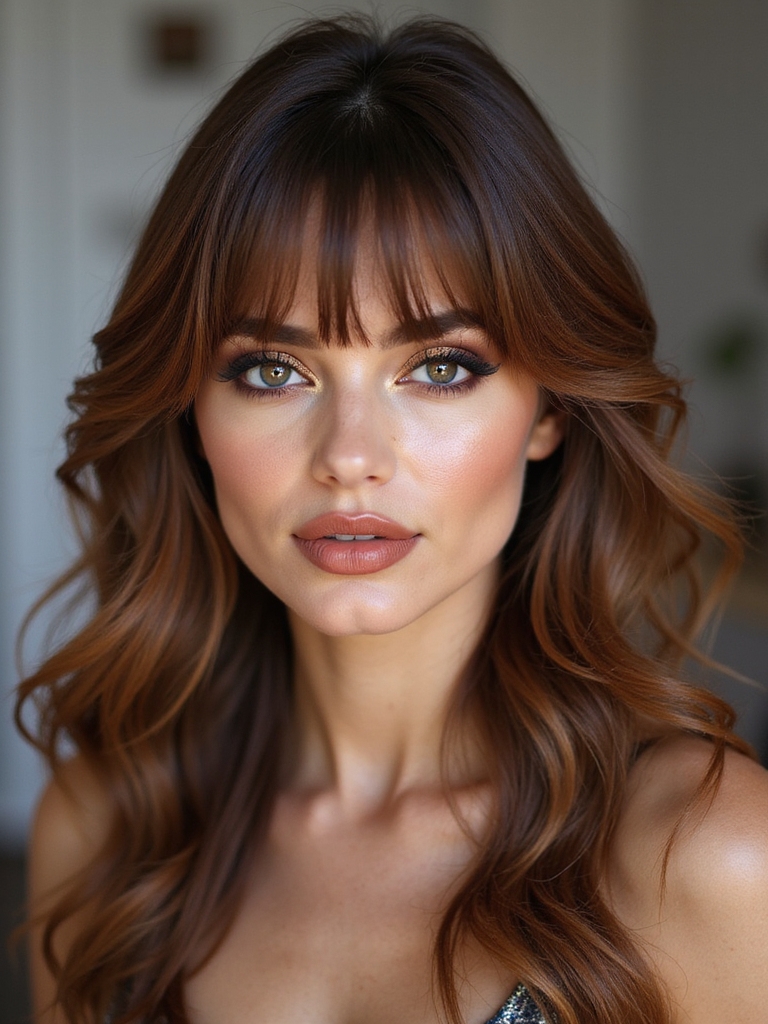
Feathering takes a side bang from one solid shape to soft, separated movement. A stylist thins the ends at an angle, breaking them into fine pieces that catch light and move independently, none of it sitting heavy on the brow.
Anyone bangs-curious but nervous about commitment tends to land here, since the feathering keeps everything light enough that growing them out stays a soft, gradual process, no hard line to manage, no obvious point where the fringe stops looking like a fringe and starts looking like an accident. A light hand with product keeps the movement from collapsing into one clump. It takes almost nothing.
Side-Swept Curtain Bangs
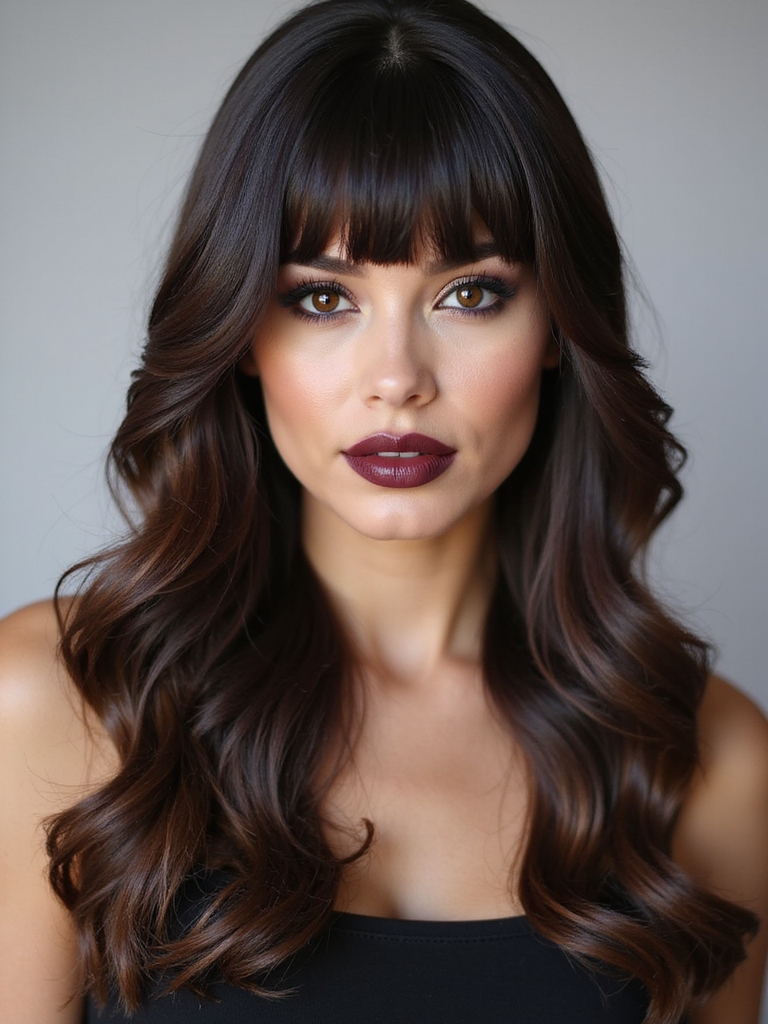
Worn to the side, curtain bangs sit somewhere between a fringe you’d call true and layers cut specifically to frame the face. They part off-center and sweep out wide, longer than a classic side bang, softening both edges at once. For the full range of parting options, the curtain bangs with a side part guide breaks it down.
- The off-center part adds asymmetry that keeps the whole look easy, undone in a good way.
- Blow them out with a brush, directing airflow backward off the forehead.
- They flatter a broad range of face shapes, which is most of the reason they get requested so often.
A Fringe Cut Into Textured Layers
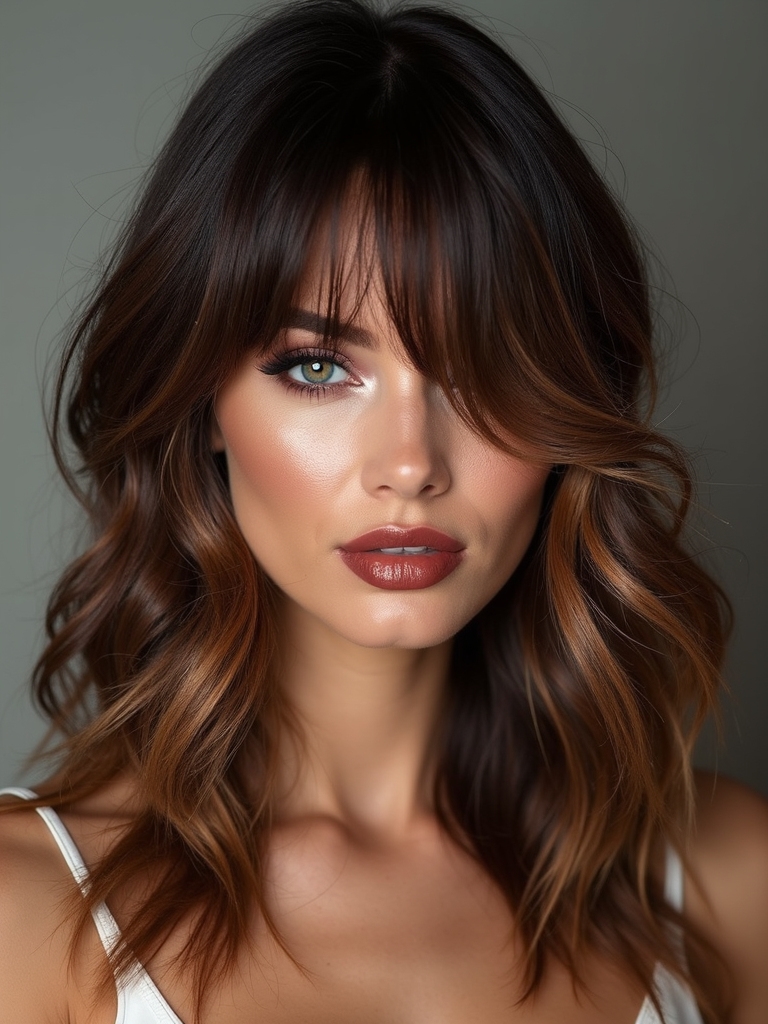
Pairing a side fringe with textured layers gives a fringe that looks like it belongs to the cut, not something added after the fact. The layers behind the bangs pick up the same movement, so the join between fringe and layer disappears.
- Works across most lengths, from a layered bob to long, shaggy layers.
- The key detail: connect the bang to the first layer so there’s no visible step.
- Style the whole section together with a light texture spray, not the fringe alone.
Blunt Side Bangs With a Crisp Edge
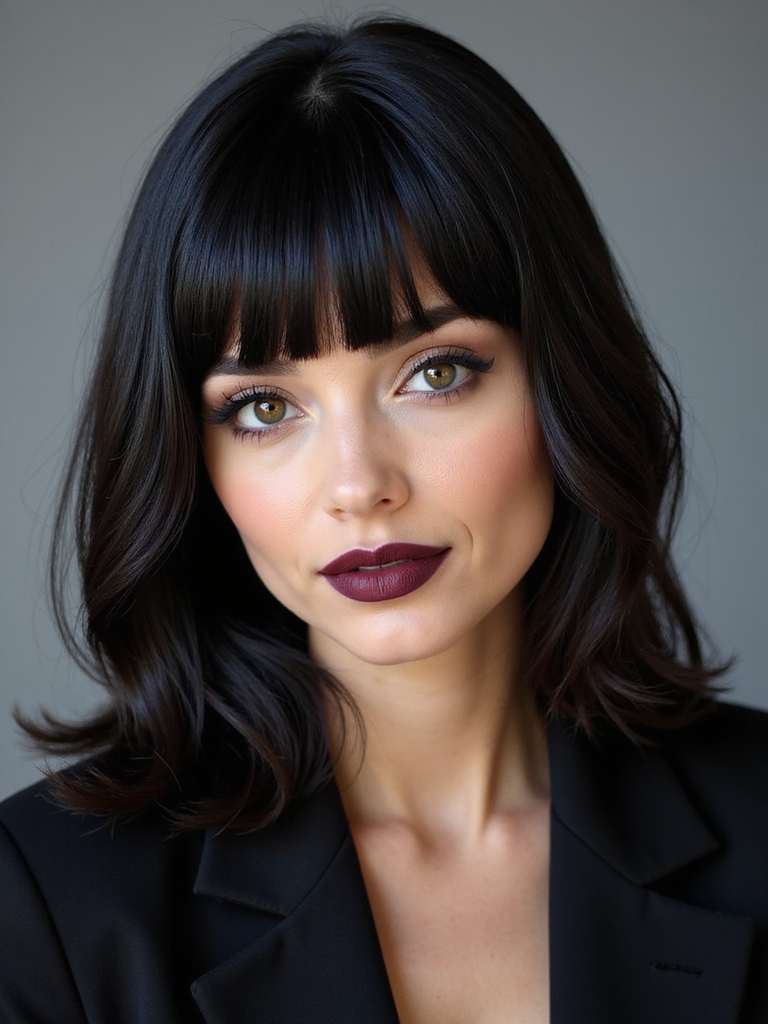
Not every side bang is soft and wispy. A blunt edge version keeps a heavier, defined line swept to one side for a bolder, more graphic frame, one that makes an actual statement rather than a quiet suggestion. The short bangs guide has more on wearing a defined fringe at shorter lengths.
The Trade-Off
It suits thicker hair that can carry the weight of a solid line. On very fine hair, the same edge often looks sparse.
The catch is upkeep. A blunt edge shows every bit of growth fast, so trims land on a noticeably tighter schedule than a softer, feathered version would need.
Side Bangs for a Round Face
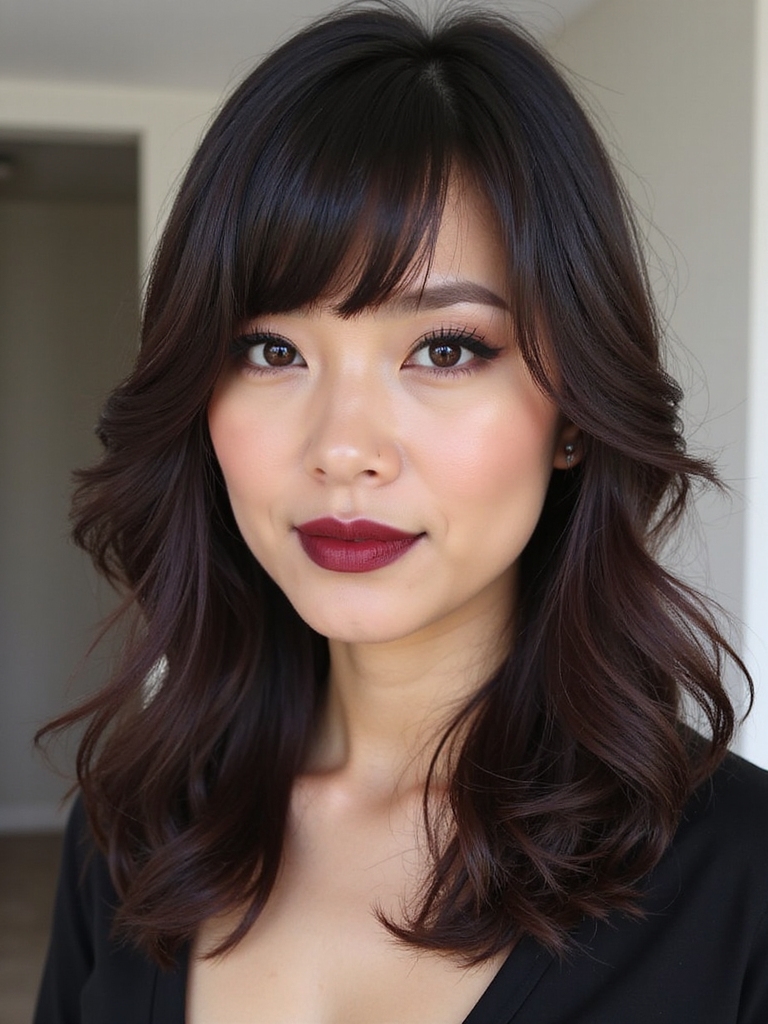
A round face benefits from side bangs built around length and angle. Cut on a diagonal, the fringe draws a vertical line that elongates the face, and keeping the longest pieces near the cheekbone pulls attention downward.
Height at the crown and length past the chin help balance the proportions further, so the face doesn’t read wider than it actually is. It’s a small adjustment. Most of the visual work happens in that one diagonal line, not in anything added elsewhere to the cut, which is why this pairing shows up so often in round-face recommendations specifically.
Softening a Square Jaw With Side Bangs
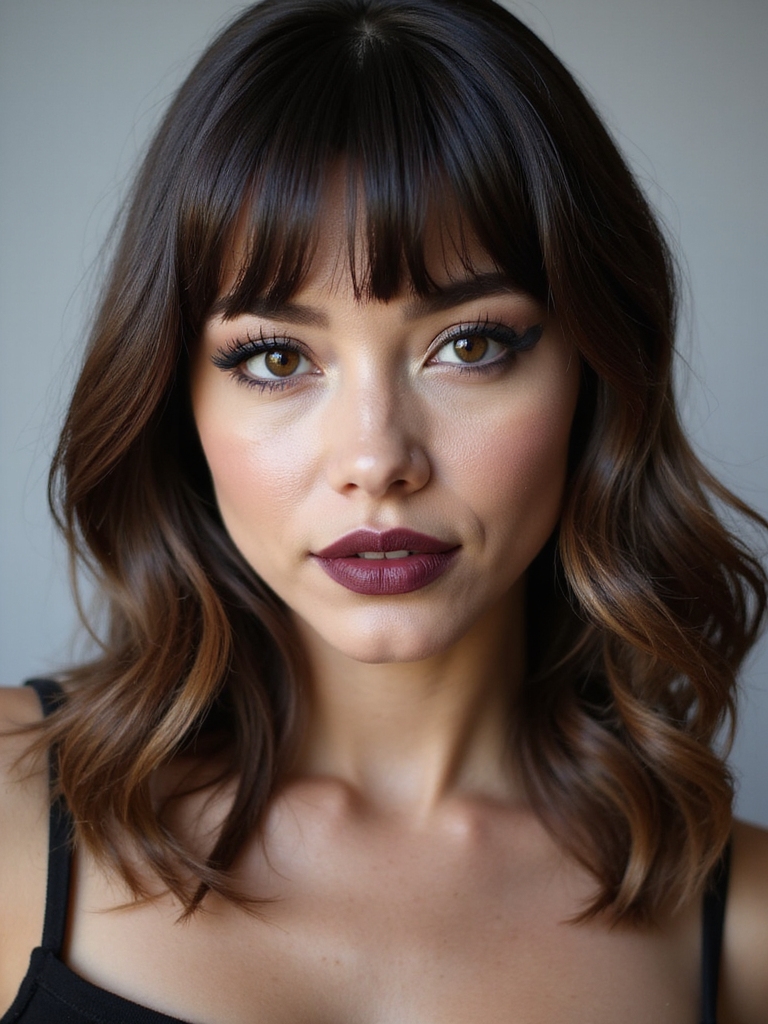
A square face carries a strong, angular jaw, and a soft side fringe is one of the simplest ways to balance it. Wispy, feathered pieces falling on a diagonal soften the forehead and pull attention up and away from the corners of the jaw, where the shape carries most of its visual weight.
A light, textured fringe flatters those angles; a thick, blunt one tends to echo them instead. Letting the pieces blend into face-framing layers around the cheek carries that softness further down.
The diagonal is doing more work than people realize on a round face. A straight-across fringe fights the shape; an angled one works with it.
Balancing a Heart-Shaped Face
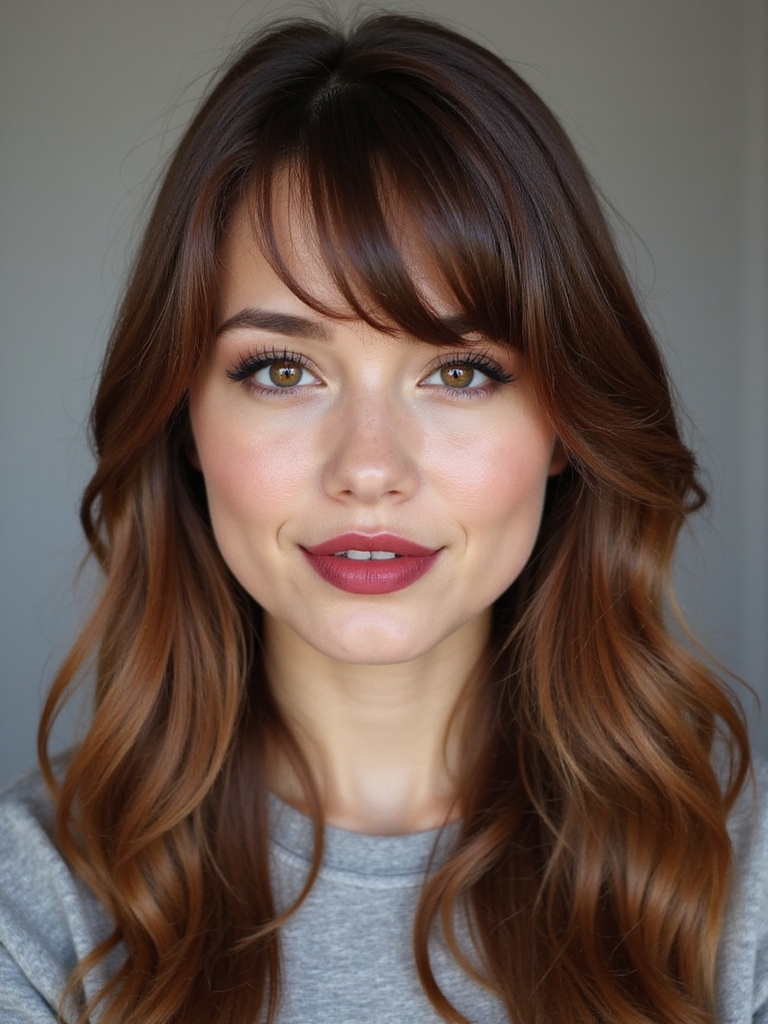
A heart-shaped face carries extra width up top, near the hairline, and narrows down toward the chin, so the goal with side bangs is softening that upper width while keeping the rest of the shape light.
- A wispy, side-swept fringe covers part of a wider forehead while staying light.
- Letting the bangs blend into longer layers adds a little fullness back near the jaw.
- A full, heavy fringe tends to make the forehead look wider, not narrower, on this face shape.
Side Bangs on an Oval Face
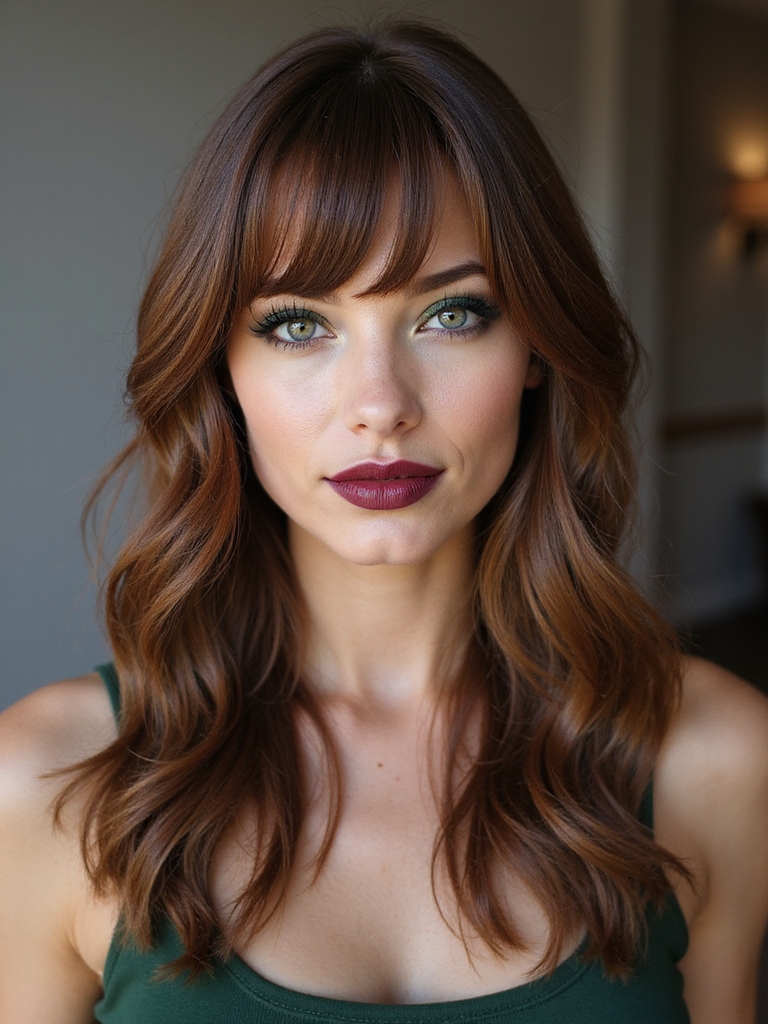
An oval face is the one shape that can wear nearly any fringe, which means side-swept bangs here become a matter of preference more than correction.
There’s room to experiment with length, weight, and angle here, since the proportions stay balanced regardless. A long, dramatic sweep works one season; a shorter, piecey version works just as well the next.
For anyone who wants a single starting point, a medium-length side bang that just clears the outer eye corner is about as low-risk as this decision gets.
💡Reading Your Own Forehead Width
Hold a ruler flat across the hairline and the cheekbones. If the forehead measurement is noticeably wider, that’s the heart-shape signal, and it’s the detail worth mentioning to a stylist before they pick a fringe weight.
Curly and Wavy Side Bangs
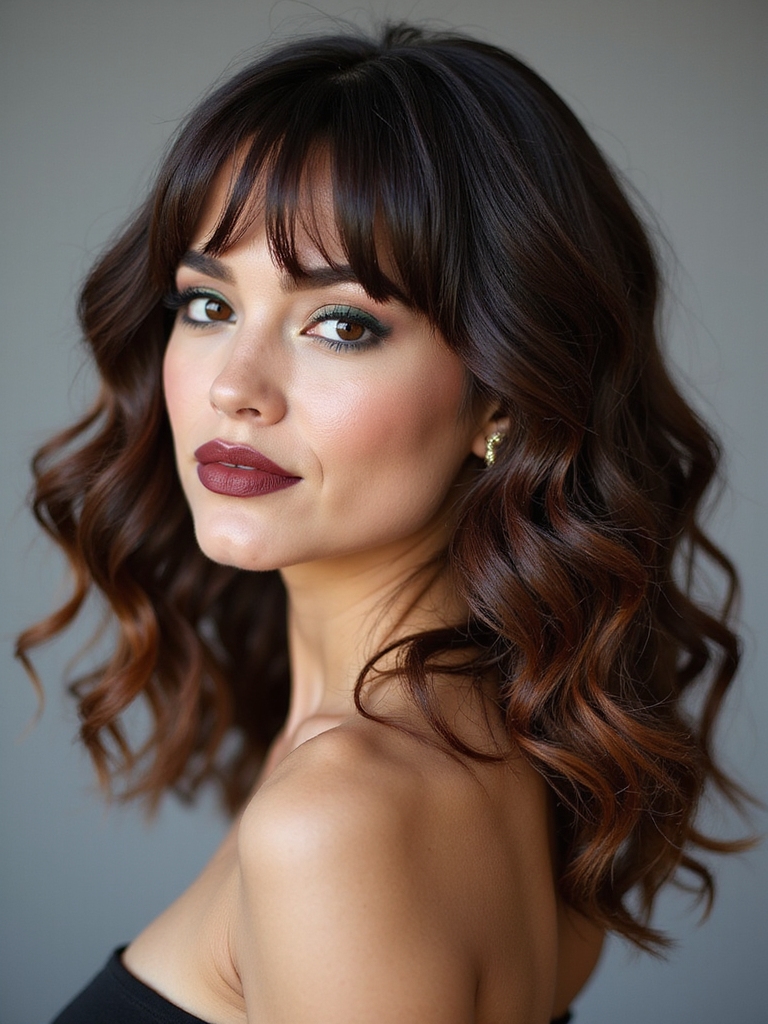
Curly and wavy hair wears side bangs well, despite what plenty of clients have been told elsewhere. The one rule that actually matters: curly bangs get cut dry, so the pattern and spring stay visible while the stylist works.
- Keep them on the longer side going in, since curls shrink and a short curly bang can spring up far higher than expected.
- A little gel or cream scrunched into the fringe, then air-dried, holds the pattern without frizz.
- A wet cut on curly bangs is the single most common way this goes wrong.
Side Bangs for Fine Hair
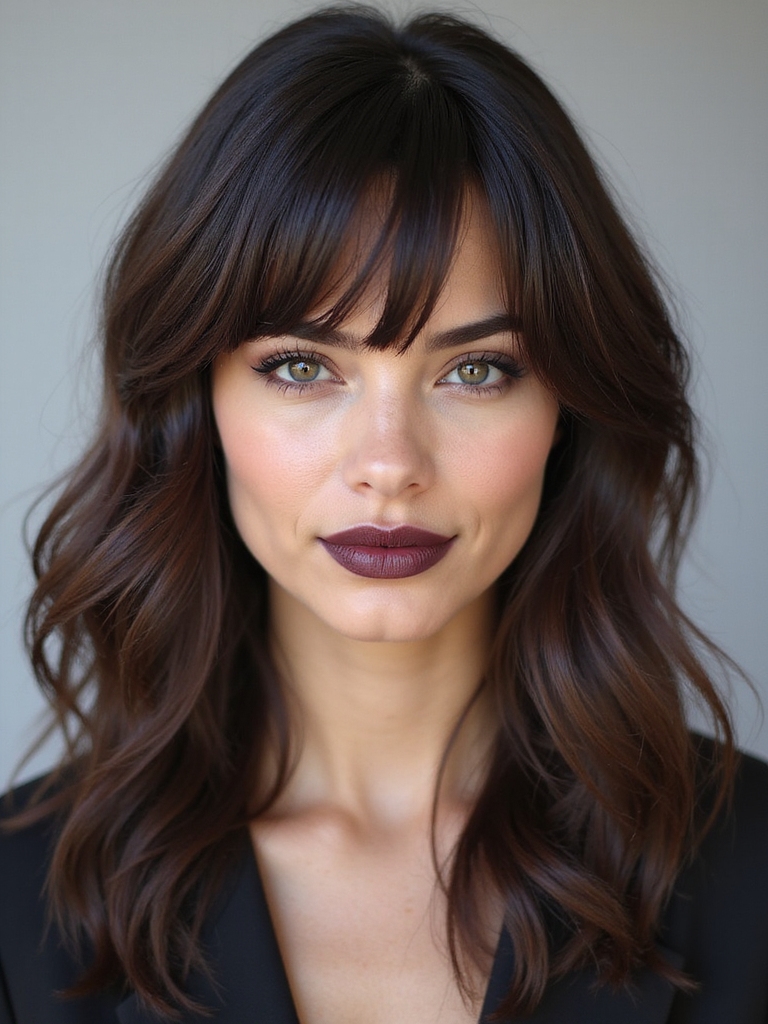
Fine hair and side bangs pair well, since a fringe adds the impression of fullness exactly where it shows most, right at the face.
Soft, wispy bangs work better here than a heavy blunt line, which tends to look thin and separated once it’s on fine strands. The goal stays the impression of density, not actually adding weight.
- A little volumizing product at the root lifts the fringe off the forehead.
- Keep the fringe light and wispy for the most natural-looking fullness.
- Go easy on product overall; fine hair turns greasy fast with too much added.
👍What curly side bangs offer
- +Brings real movement right to the face
- +Grows out with almost no visible line to manage
- +Works on nearly every curl pattern when cut dry
👎What to plan around
- –Shrinkage makes length hard to judge on the first day
- –Humidity changes how the fringe sits day to day
- –Needs a stylist experienced cutting curls dry
Side Bangs for Thick Hair
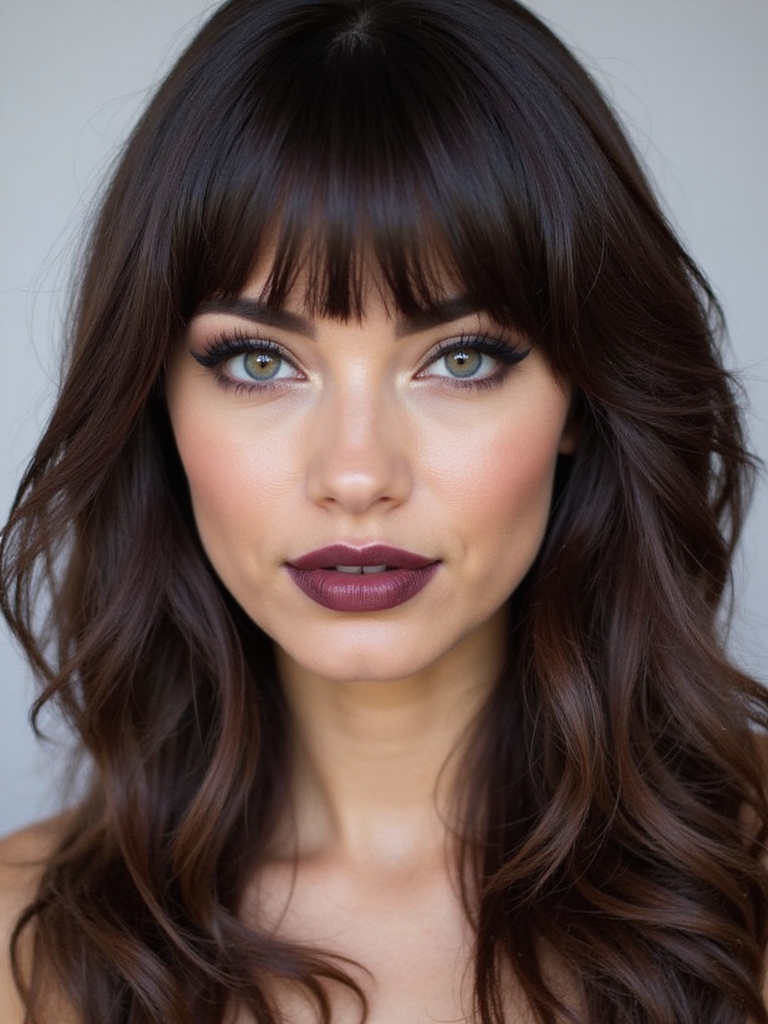
Thick hair has the opposite challenge: a side fringe can turn heavy and overwhelming fast if the bulk underneath isn’t addressed. Internal thinning is the fix, letting the fringe sweep softly instead of sitting like a slab. The shoulder-length hair with bangs guide covers more ways to manage density at longer lengths.
- Ask for the bang to be point-cut and thinned from underneath to remove weight.
- Keep it long and sweeping so the density reads as fullness, not bulk.
- A vent brush trains the heavier hair where to fall during a blow-dry.
Styling Side Bangs Without Heat
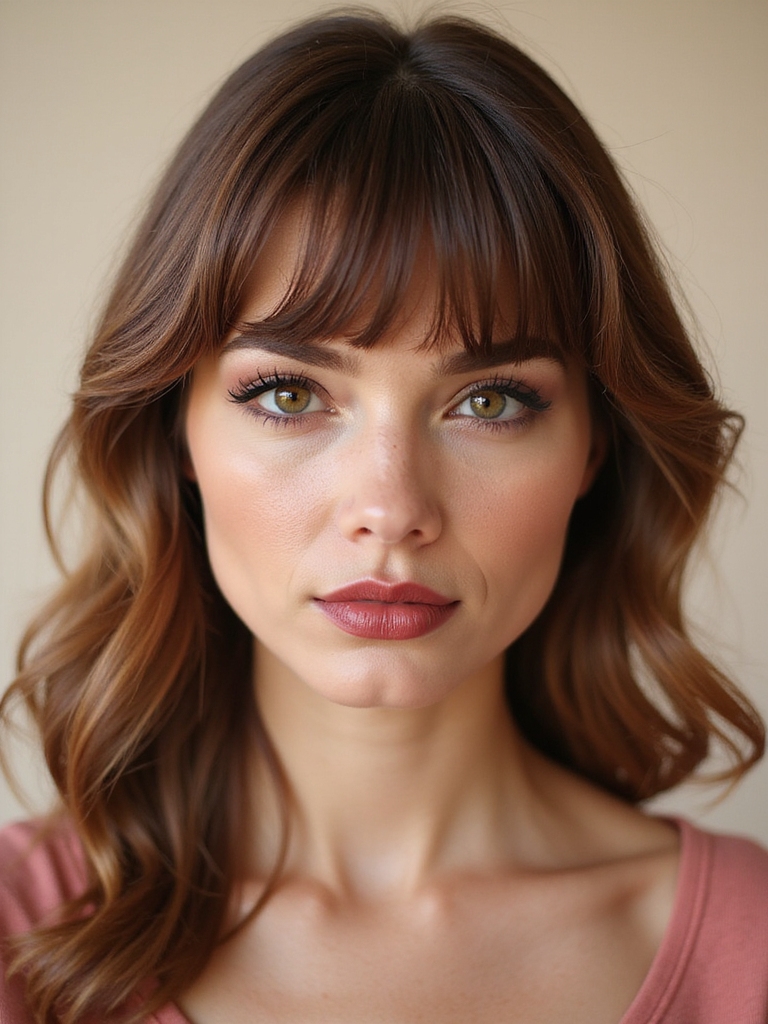
A hot tool isn’t required to wear side bangs well. Cut correctly, they fall into place as they air-dry, which saves mornings and spares the hairline daily heat exposure.
- Comb the fringe over while it’s still damp, smooth with a fingertip of cream, and let it dry in place.
- Clipping it flat against the side while drying trains the direction, no heat involved.
- A stubborn cowlick usually settles under a clip or soft headband for a few minutes while getting ready.
Keeping Side Bangs in Shape
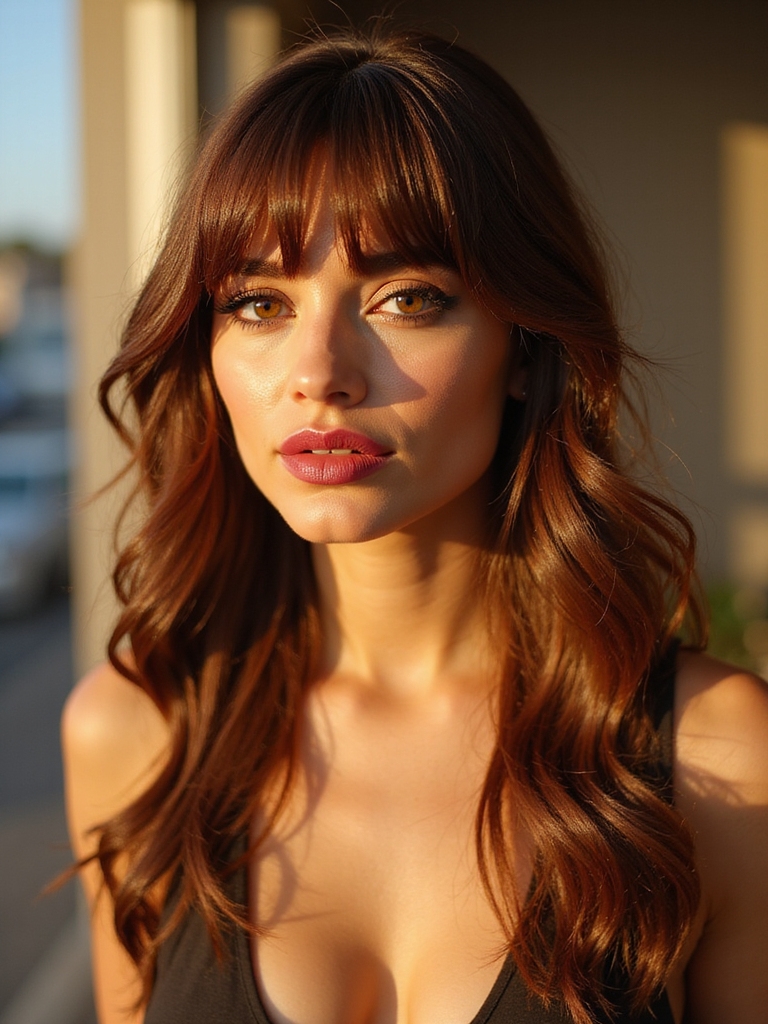
Side bangs stay easier to maintain than a straight-across fringe, but they still need attention on a schedule. As they grow, the shortest pieces drift past the cheekbone and start losing their shape, which is the cue to book a trim.
A fringe trim alone runs a fraction of what a full cut costs, often around $15 to $30, and many salons build it into regular visits at no charge at all.
For anyone ready to grow them out for good, side bangs are forgiving: sweep them back into the layers or pin them off the face, and the transition stays gentle the whole way through. The short bob with bangs guide covers how this pairs with shorter lengths overall.
Common Mistakes to Avoid
The most common mistake is cutting the fringe too short on the first visit, before anyone knows exactly how it will fall once styled. A longer starting point can always come down; a fringe cut too short has to grow out first.
The second is skipping the density conversation. What works on fine, straight hair rarely translates directly to thick or curly hair; real adjustment is usually needed, so an honest description of the hair’s actual behavior matters more than the reference photo itself.
Side Bang Questions Worth Asking
?Will side bangs make my forehead look bigger or smaller?
Usually smaller. The diagonal sweep covers part of the forehead and breaks up the space, and a long, angled side bang does this most effectively. A short, blunt fringe can occasionally have the opposite effect.
?How is a side bang different from a curtain bang?
A curtain bang parts in the center and frames both sides evenly; a side bang sweeps mostly in one direction from a deeper part. Some curtain bangs get pushed to one side, landing somewhere between the two styles.
?Can side bangs be added to a haircut I already have?
In most cases, yes, without touching the rest of the length. A stylist sections off the front and cuts the fringe into the existing layers, though the final shape depends on how much length and density are already there to work with.
?Do side bangs work with glasses?
Generally yes, though frame shape matters. Bangs that sweep well above the brow line of the glasses tend to work best; a fringe that lands right at the top rim of the frames can look crowded.
The Fringe Worth Trying First
Side bangs ask relatively little in exchange for a real change: no dramatic in-between stage, no daily heat requirement for most versions, and a shape that adjusts to nearly every face and texture on this list.
Save whichever version above matches the current hair length and texture, then bring it to a consultation along with an honest note about the morning routine. For a broader spread of parting and length options beyond side-swept, the side-swept bangs guide is worth bookmarking too.
Related Reads