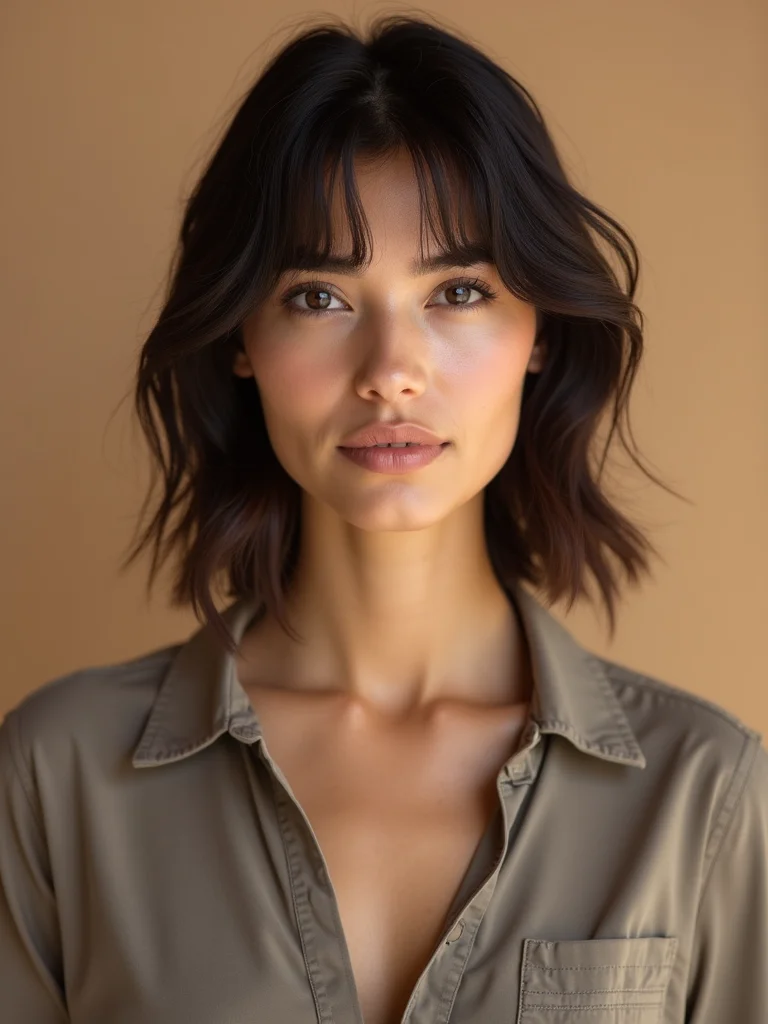
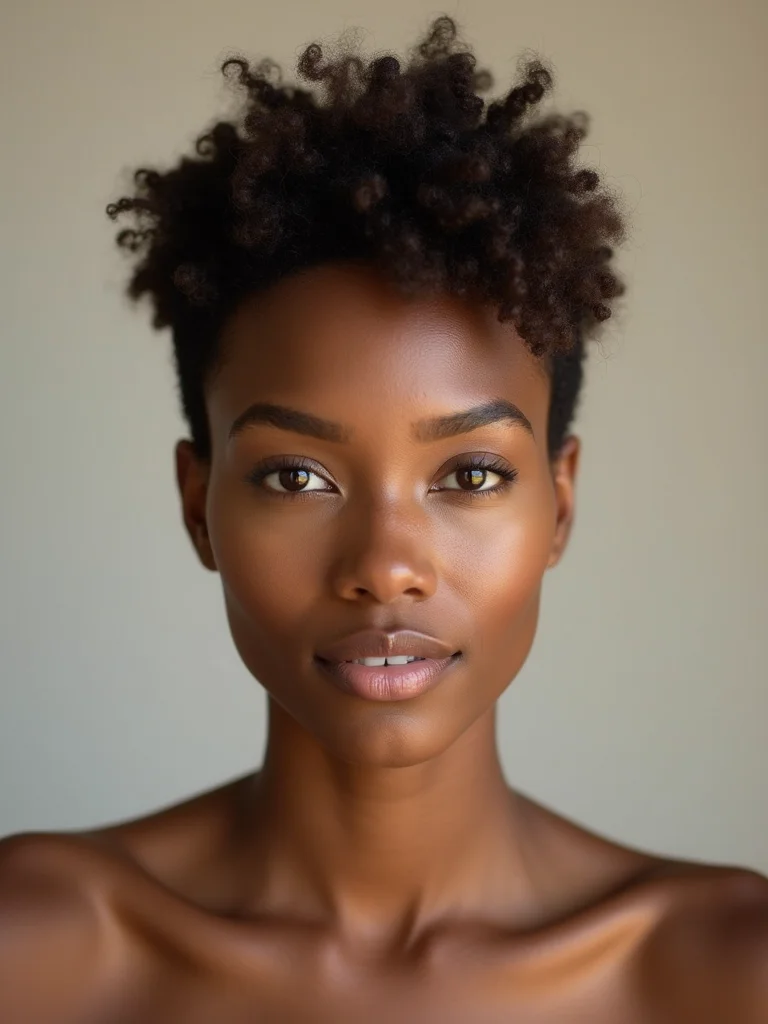
A stylist holds up two photos of the same haircut, one from a 1976 magazine and one from last month’s inspiration board, and asks a client which one she’s actually asking for. Most of the time she can’t say. The silhouette looks almost identical; what’s changed is everything underneath it.
The versions below are sorted by what makes each one specifically modern rather than a straight revival, along with the practical parts most guides skip: what to actually say at the consultation, how it grows out, and which products keep it from looking crunchy or overdone.
What Actually Separates Modern From Retro
| Detail | 1970s Version | Modern Version |
|---|---|---|
| Layering | Heavy, uniform, blow-dried into shape | Piecey, irregular, air-dry friendly |
| Fringe | Full, blunt, curled under | Curtain or wispy, left loose |
| Finish | Smooth and set | Textured, slightly undone on purpose |
Curtain Bangs Are What Modernized the Whole Shape
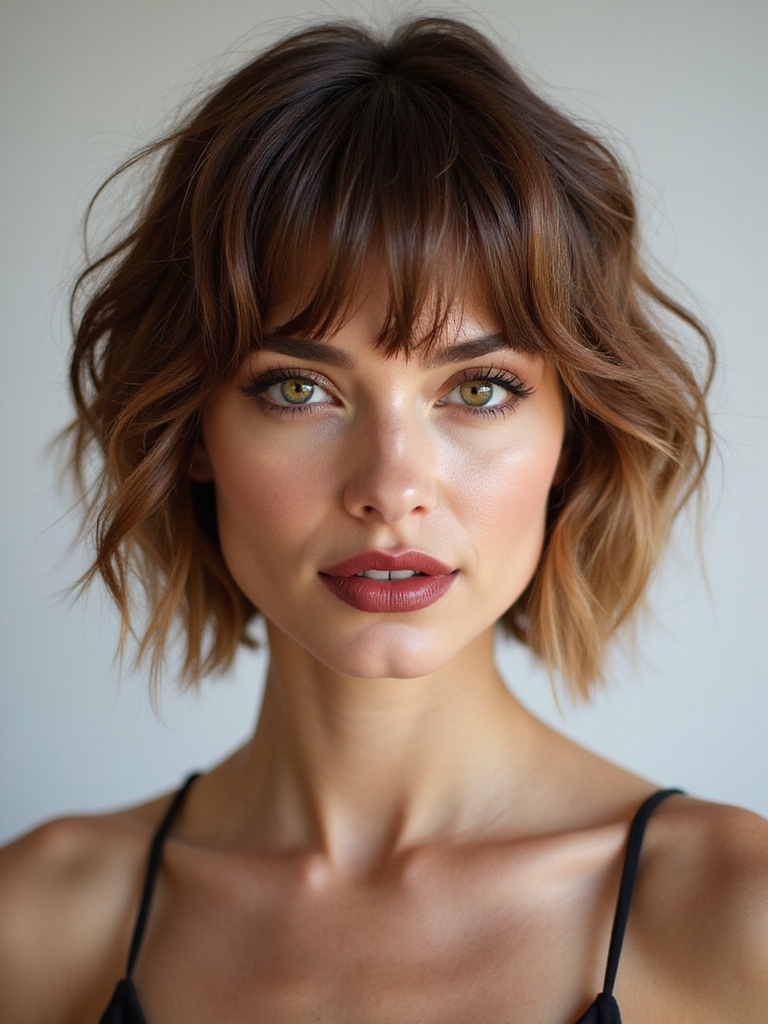
Swap the original’s full, curled-under fringe for a center-parted curtain, and the entire shag reads current instead of costume. The bangs part naturally and blend into the layers instead of sitting as a separate block across the forehead.
By week three, once the fringe has settled into its part, it barely needs a brush to fall the right way, which is a big part of why this pairing became the default modern version rather than just one option among many.

The Soft, Worn-In Modern Chop
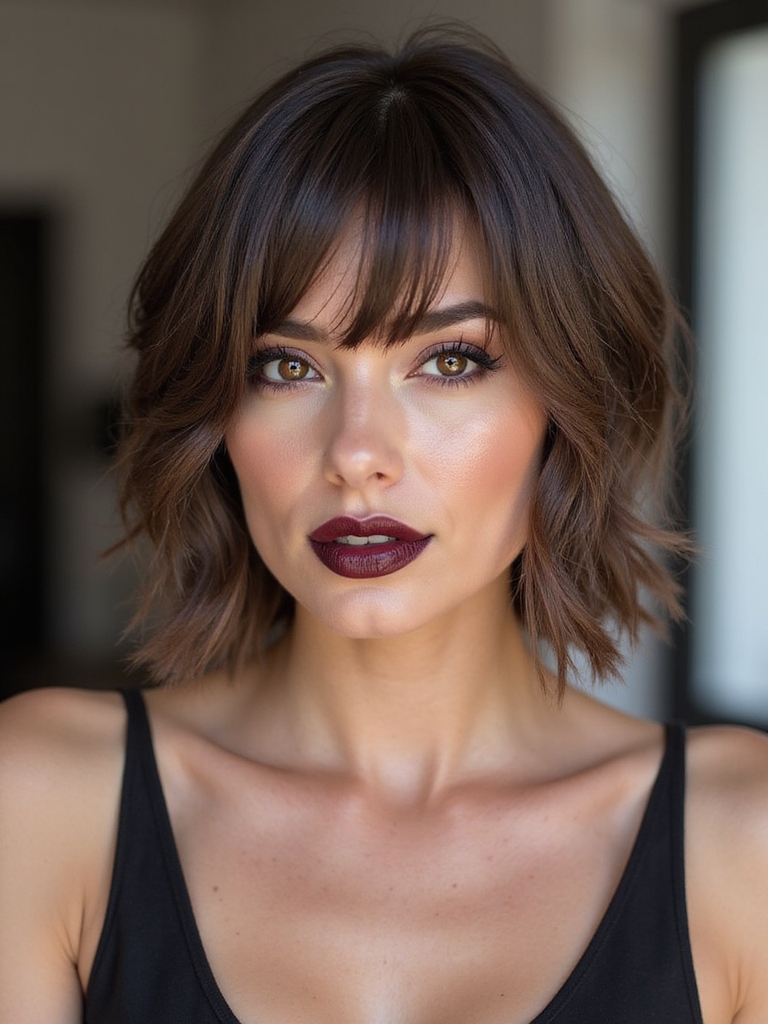
This version keeps the layering gentle rather than aggressive, so the texture reads worn-in and easy instead of deliberately choppy. It’s the closest thing on this list to a shag someone could wear to a formal office without a second look.
- Softer layering blends rather than separates into distinct pieces
- Suits nearly any texture without much adjustment
- The easiest version to grow out into a longer layered cut later
A few terms come up constantly once the conversation moves past just saying “shag.”
📖Disconnection
A deliberate gap in length between two sections, most often the crown and the rest of the head, rather than one gradual blend.
📖Point-cutting
Cutting into the ends vertically rather than straight across, which breaks a blunt line into softer, irregular pieces.
A Micro Shag for Short Hair
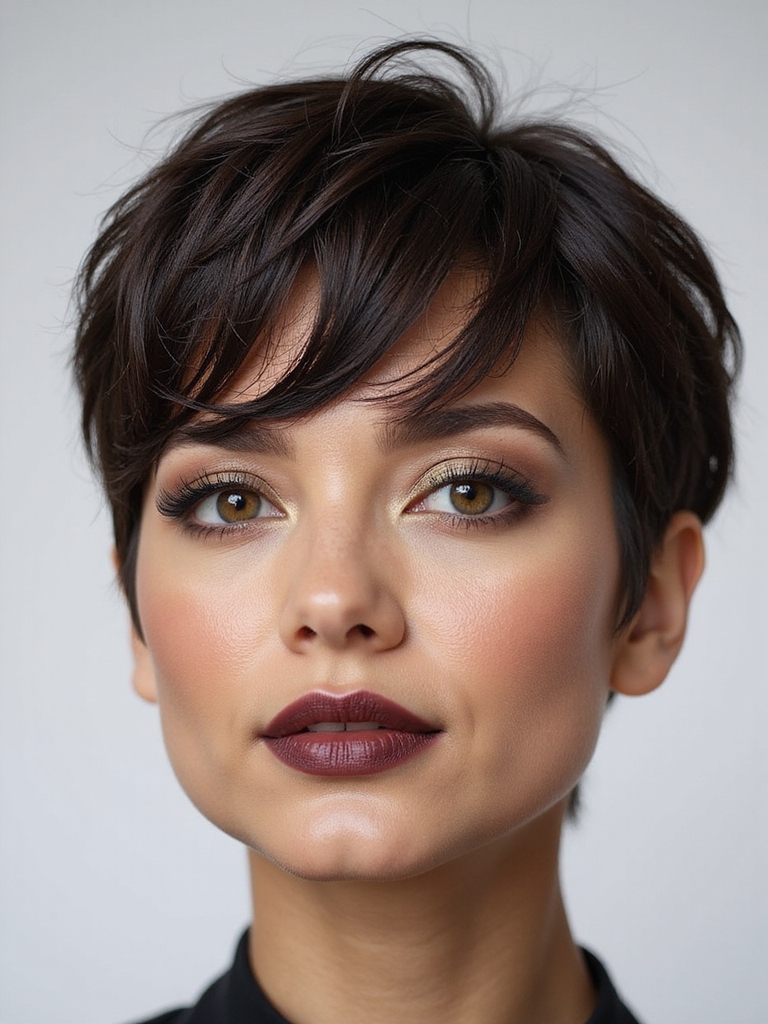
Cropping the shag down to a short length concentrates the texture instead of spreading it out, so the choppy layering reads bolder here than on any longer version.
In a small space like a short crop, every layer shows, which means the cutting has to be precise even though the finished look is meant to appear undone.
It suits confident, low-fuss wearers best, since there’s very little length left to hide behind if a section grows in unevenly.
The Wolf Cut Pushes the Texture Further
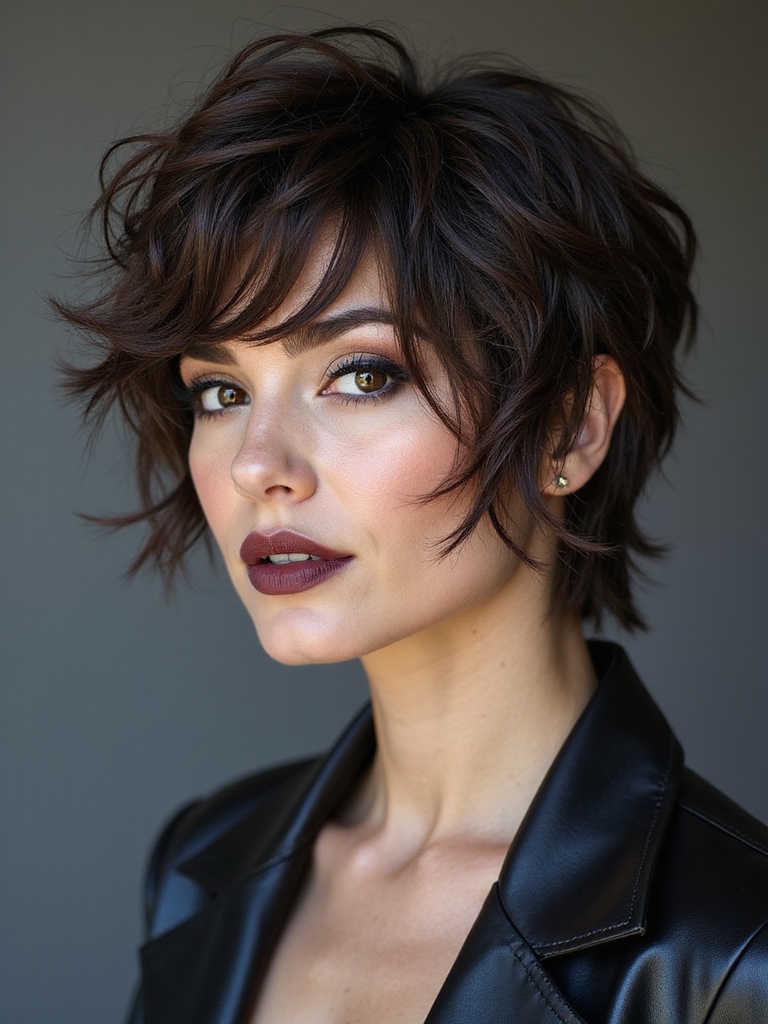
Heavier crown layering mixed into the shag’s usual texture is what turns it into a wolf cut, adding real height on top while the rest of the shape stays shaggy through the lengths.
- The boldest, most texture-forward variation on this list
- Best on medium to thick density, which holds the crown lift through the day
- Grows out faster than a softer shag, since the crown disconnection is doing most of the work
A Shaggy Bob at Jaw Length
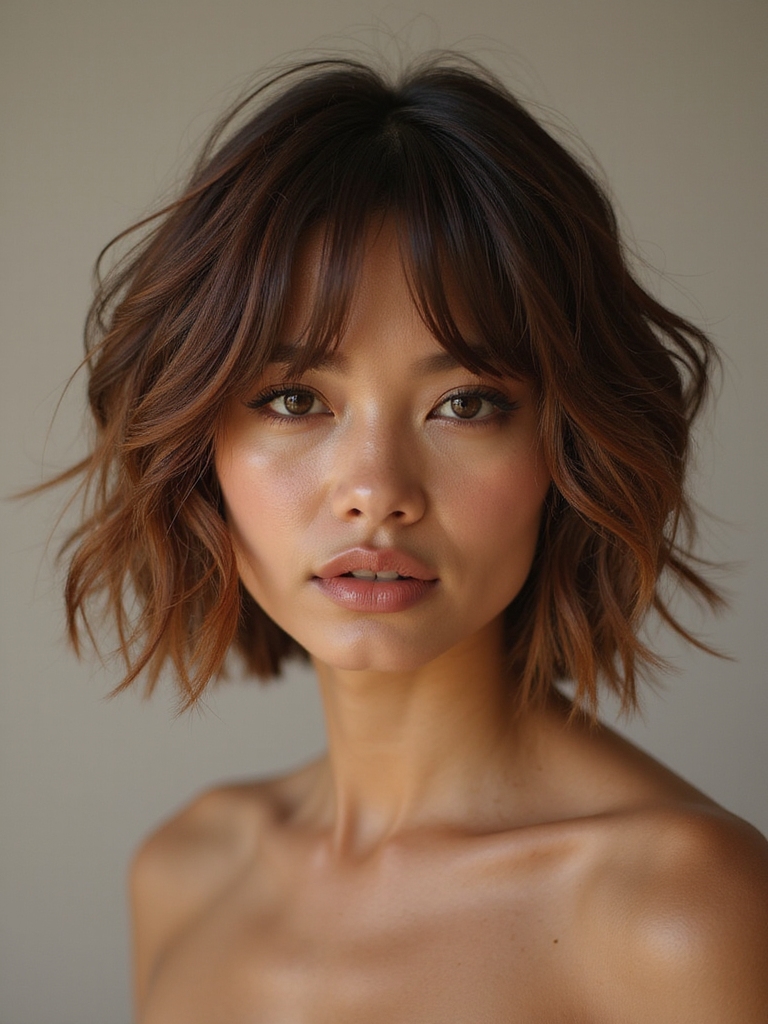
Bringing shag texture down to a jaw-length bob keeps the cut wearable for someone who wants the movement without committing to a full head of layers.
- Airy, piecey ends replace the usual blunt bob perimeter
- A texture spray on dry hair defines the separation
- The shortest, most low-commitment shag variation available
A Long Shag With Face-Framing Pieces
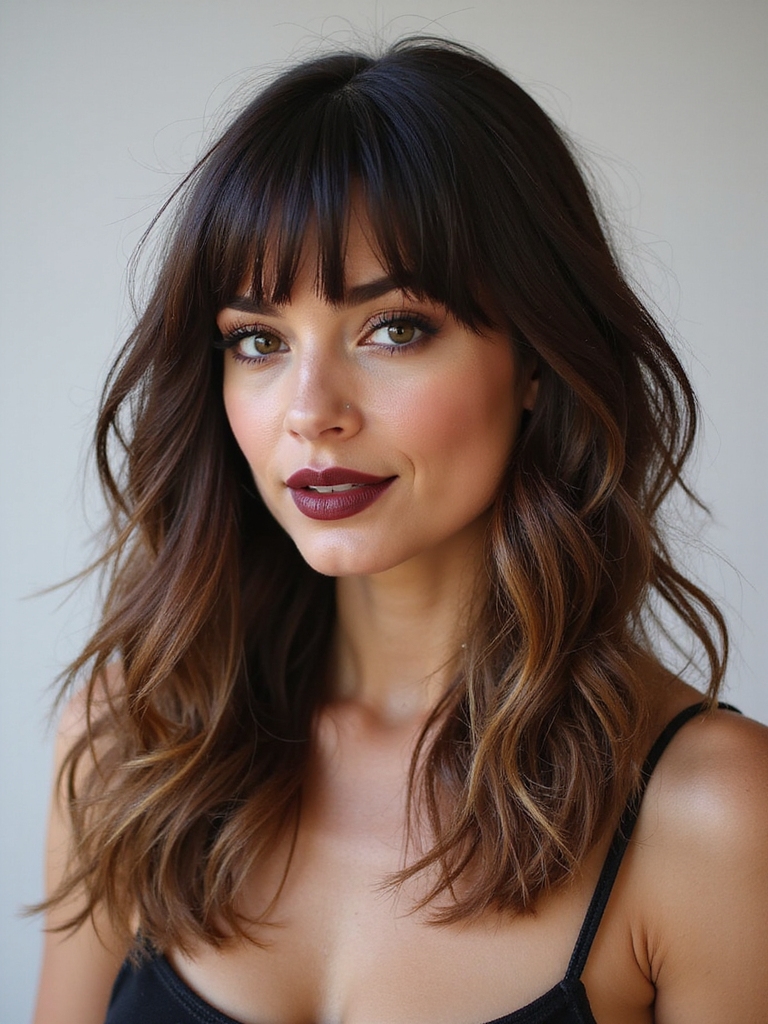
Keeping real length while still layering heavily enough to earn the name “shag” takes a careful hand; too little layering and it just reads as long hair with a fringe.
Keeping Length Without Losing the Shape
Face-framing pieces up front carry most of the visual texture, while the rest of the length moves as a single, slightly layered mass behind it.
It’s the version most requested by anyone unwilling to lose length for the sake of the trend.
A Wavy Take That Leans Into Natural Movement
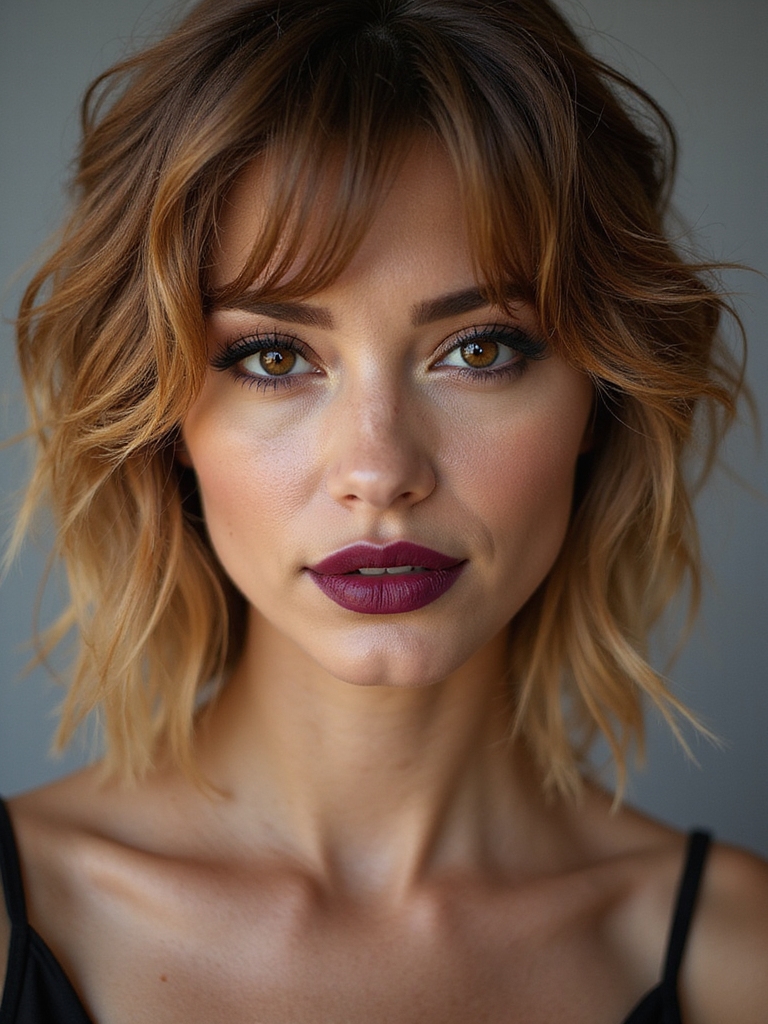
On wavy hair, the shag’s layering gives an existing bend somewhere to go, turning a loose, shapeless wave into something with real dimension.
Letting the Wave Do the Styling
The texture and the wave reinforce each other instead of competing. That’s largely why this version needs the least daily styling of anything on this list.
A salt spray on damp hair and an air-dry usually covers the whole routine.
A couple of assumptions about the modern shag turn out to be backwards.
❌ Myth: Myth: any layered cut with a fringe counts as a shag.
✅ Reality: Fact: the layering pattern is what defines it, not the fringe. A shag without curtain bangs is still a shag; heavy, uniform layers with a curtain fringe usually aren’t.
❌ Myth: Myth: a modern shag needs constant restyling to look current.
✅ Reality: Fact: most versions are built specifically to air-dry, and daily heat styling tends to push the look back toward the dated original rather than keeping it current.
A Curly Shag Built for Volume
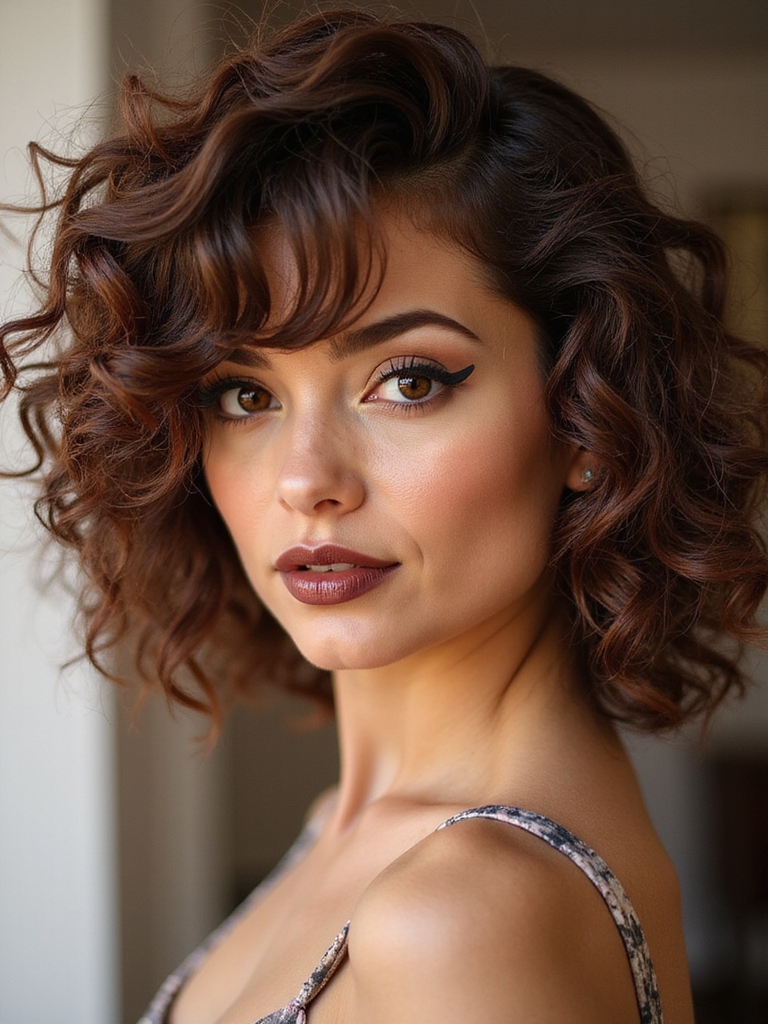
On curly hair, shag layering releases the weight that would otherwise flatten the crown and lets each curl spring into its own defined shape.
The cut has to happen fully dry, curl by curl, since a wet measurement gives a stylist almost no useful information about where the pattern will actually land.
- Book specifically with someone experienced cutting curls dry
- A curl cream on soaking-wet hair is typically the entire styling step
- Expect noticeably more volume once fully dry than it showed in the chair
A Modern Shag Built for Fine Hair
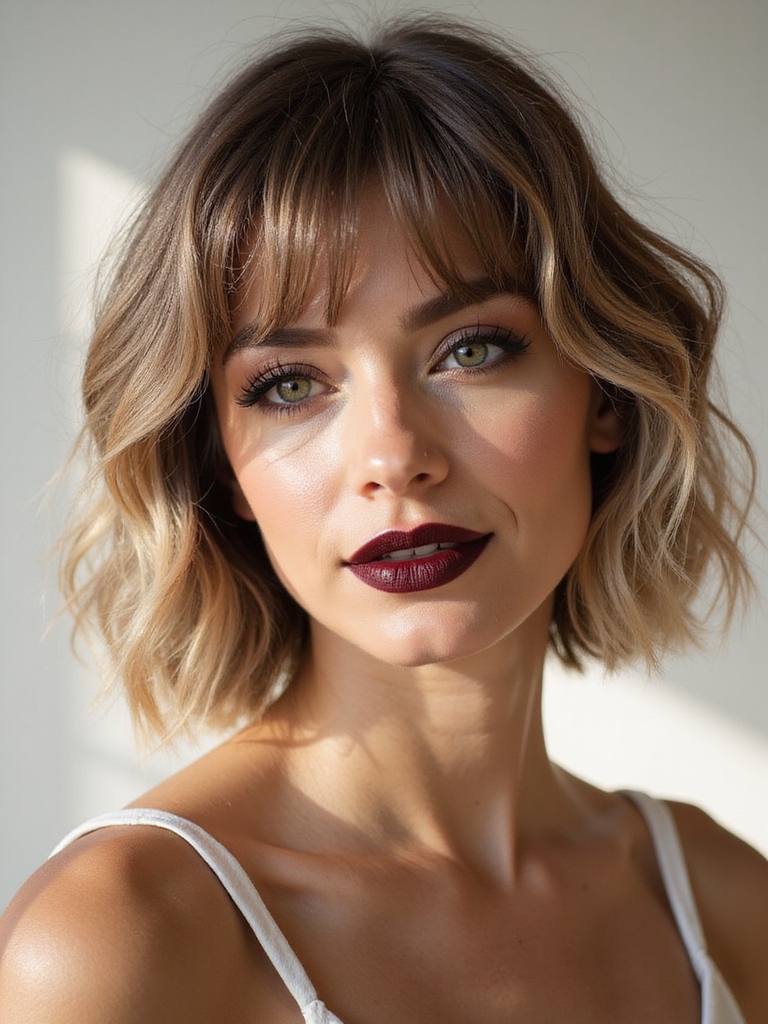
Fine hair needs the layering placed with real restraint here, since too much texturizing strips away the small amount of density fine strands already have.
- Soft, high layers add lift without thinning the visible ends
- A root-lift mousse does more for the finished shape than most styling tools
- Over-texturizing is the single most common way this version goes wrong
Debulked Layers for Thick Hair
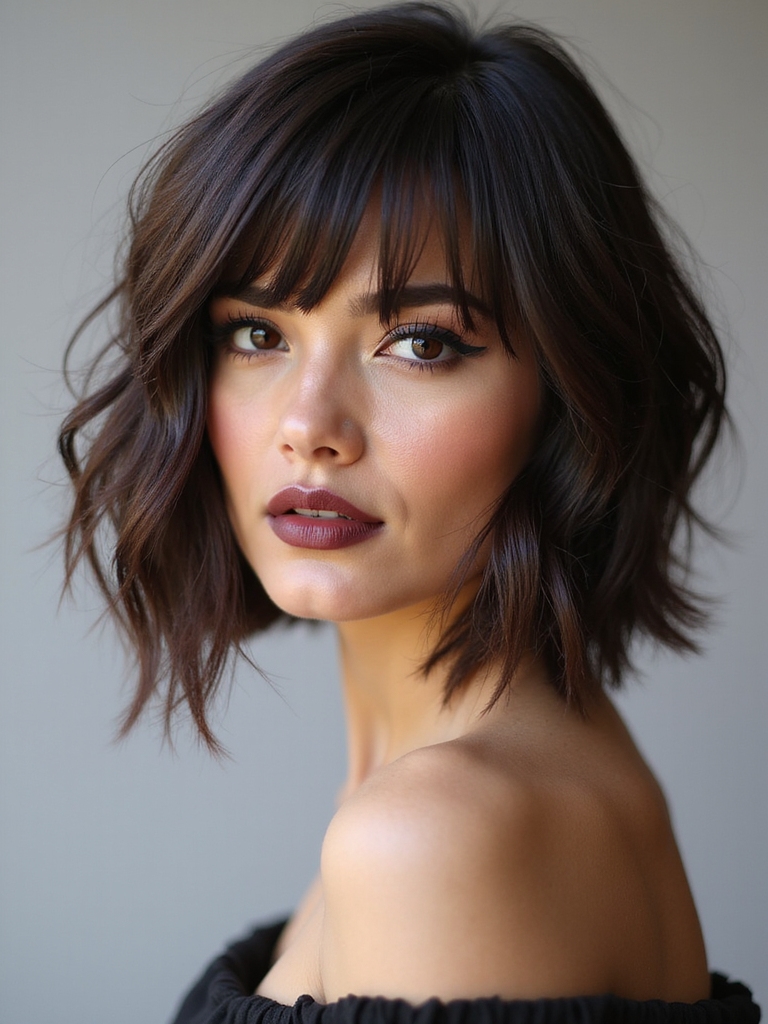
Thick hair carries more weight into a shag than any other texture, so debulking the interior is what keeps the shape moving instead of sitting heavy by afternoon.
- Ask specifically for interior weight removal, not just surface texturizing
- A smoothing cream on the ends keeps de-bulked hair from frizzing
- The visible layering can stay fairly subtle since the real work happens underneath
Styling a Modern Shag Day to Day
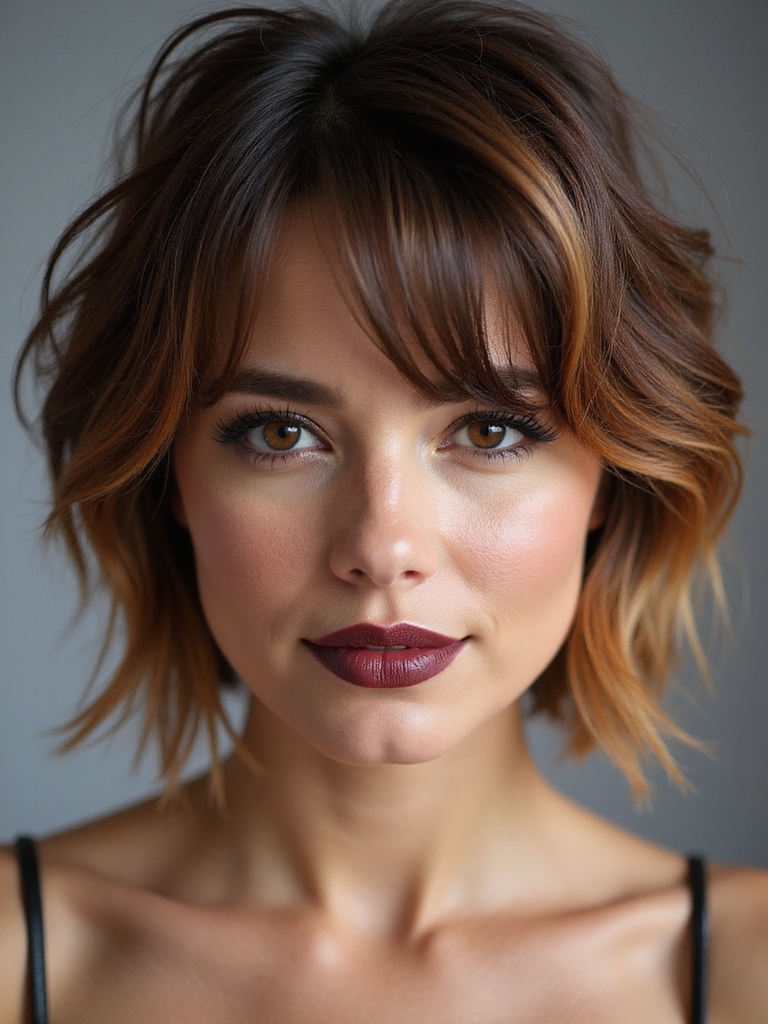
Most versions here are built to air-dry, which is part of what makes them feel current: a shag styled with a diffuser or a curling iron every morning starts to look more like the 1970s original than an update on it.
The routine stays close to the same three moves regardless of which version above someone chooses.
- Scrunch a lightweight product through damp hair, then leave it alone
- Pinch the ends between fingers to encourage separation as it dries
- A quick refresh on day two, rather than a full restyle, keeps it looking current
The Products That Keep It From Looking Crunchy
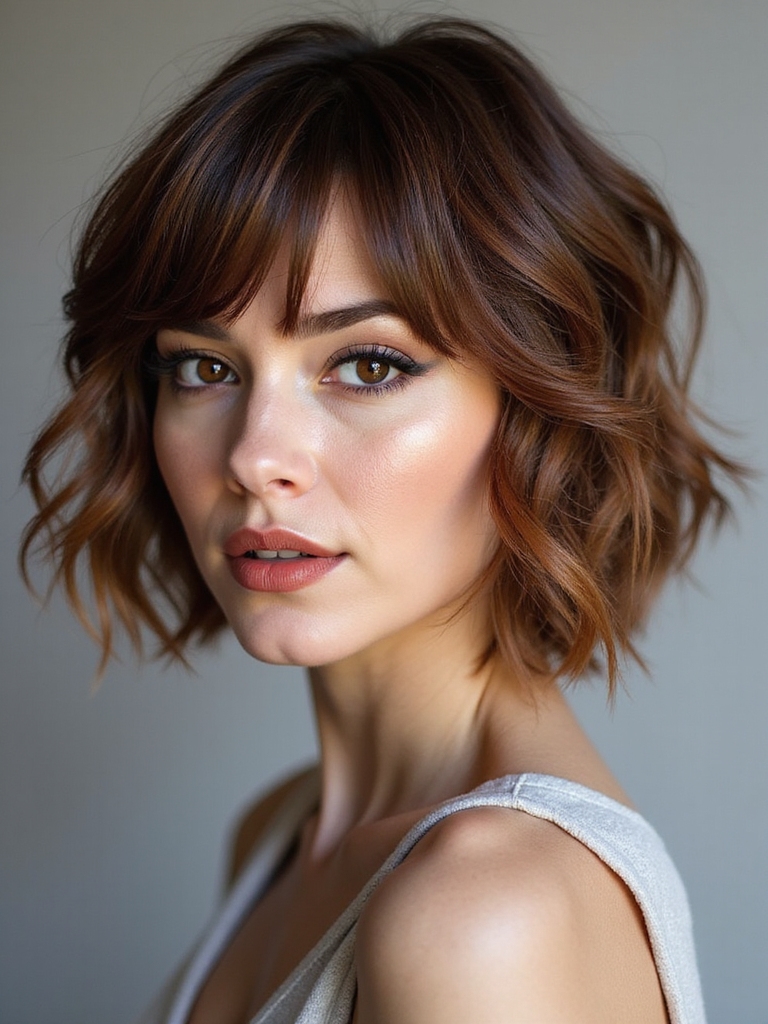
The wrong product is what most often pushes a modern shag back toward looking dated, since heavy gels and anything glycerin-based tend to clump the pieces together instead of separating them.
Weightless, glycerin-free formulas hold the texture without the stiff, crunchy finish that reads as an older, more set style.
- Look for creams or sprays labeled weightless or texturizing specifically
- Avoid heavy gels, which glue pieces together rather than defining them
- A little goes further than expected; start with less than feels like enough
The daily routine most modern shags actually need:
1Scrunch, don’t smooth
Work a lightweight product through damp hair with a scrunching motion, never a flat pass.
2Separate while drying
Pinch sections between fingers as the hair dries to keep the pieces distinct rather than blended.
Bringing the Right Shag Details to the Consultation
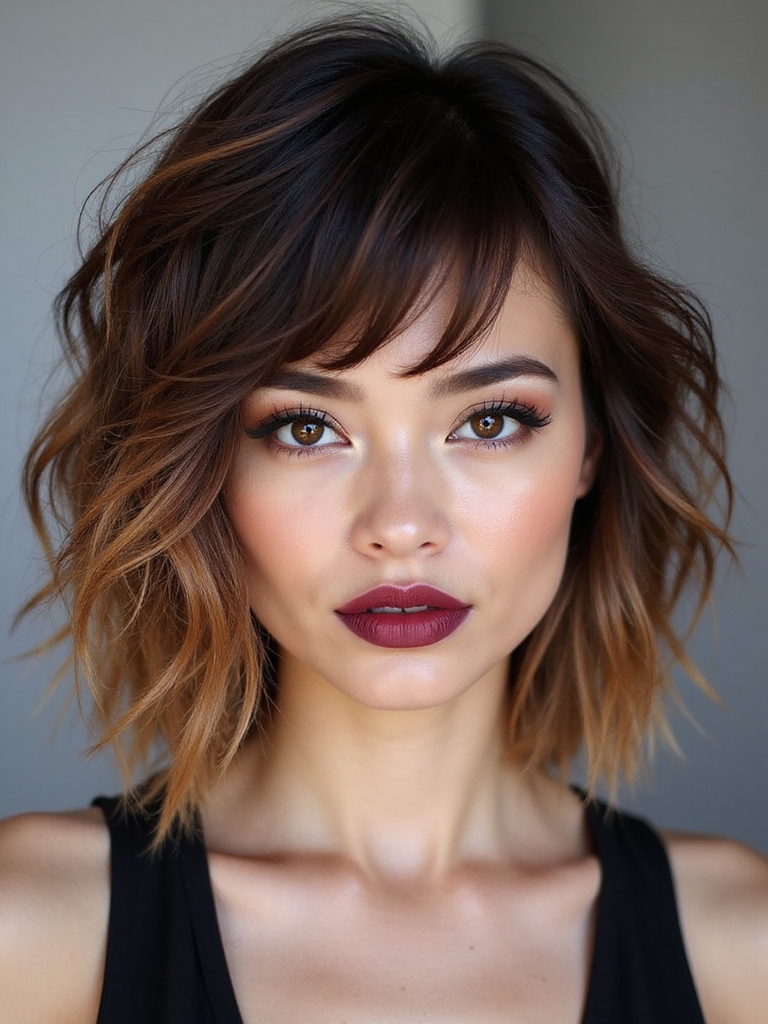
“Shag” means very different cuts to different stylists, which makes it one of the riskiest single words to say and stop there. Length, layer intensity, and fringe style all need to be specified separately.
Bring a photo, but also describe the three things that actually distinguish one shag from another: how much length is coming off, how heavy the layering should be, and whether a fringe is part of the plan at all.
Growing Out a Modern Shag Gracefully
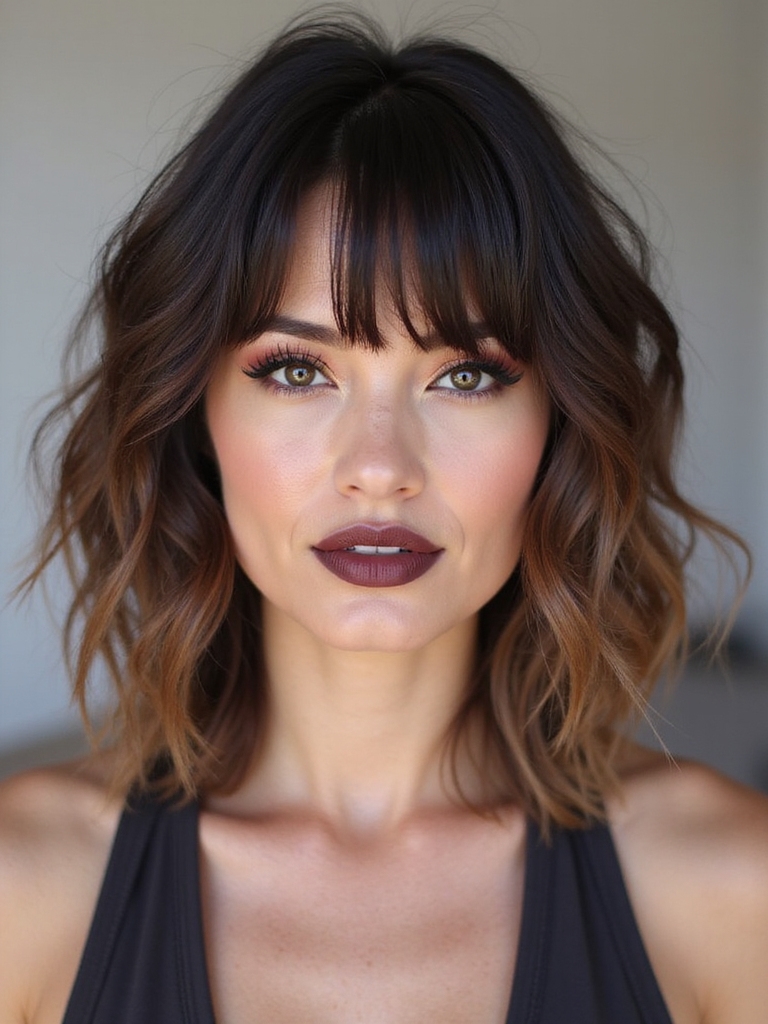
A shag grows out in stages rather than losing its shape all at once, since the layering that made it a shag in the first place just gets longer and softer over time.
- The fringe, if there is one, usually needs the most frequent attention
- Plan on a reshape close to every ten weeks to keep the layering defined
- Letting it grow past that point turns the shape into softer, longer layers rather than an awkward stage
ℹ️Why Wording Matters at the Consult
Two clients can both ask for a “modern shag” and describe completely different cuts. Naming the length, the layer intensity, and whether a fringe is included removes almost all of the guesswork a single word leaves behind.
Modern Shag Looks Worth Saving
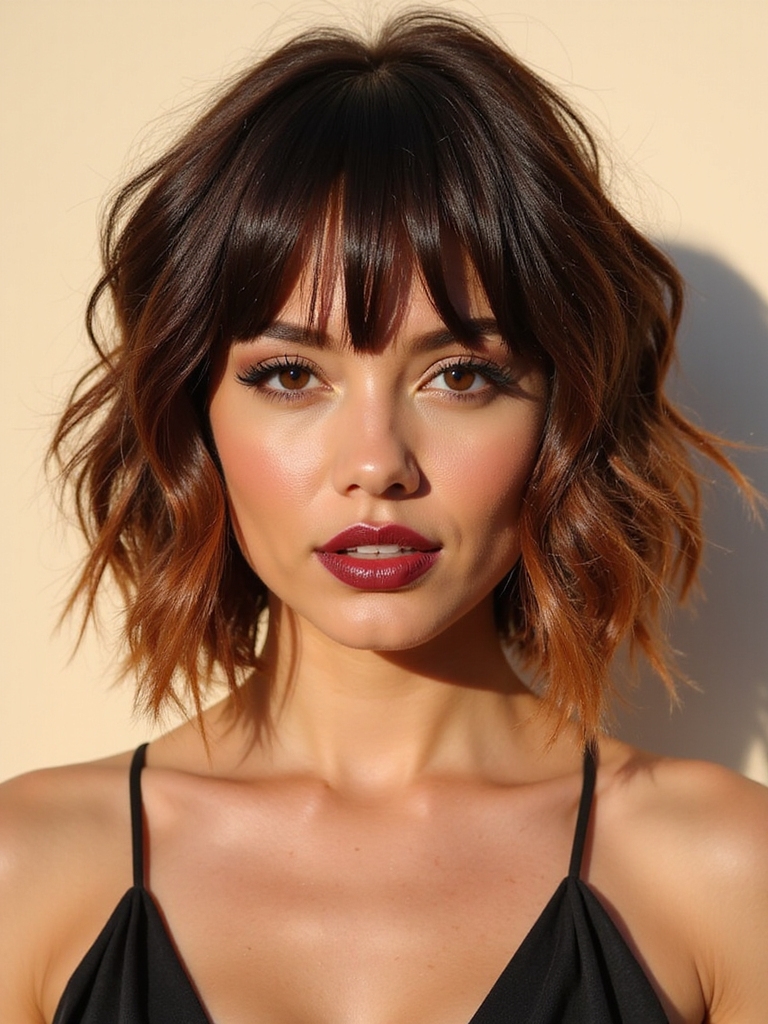
A single saved photo tells a stylist less than a folder of four or five, since the pattern across several images shows what someone is actually drawn to rather than one flattering angle.
Save examples across a few different lengths and layer intensities, even ones that don’t seem quite right, since the differences between them are often what clarifies the actual request.
The goal isn’t finding the one perfect photo. It’s building enough of a pattern that a stylist can translate the idea onto a completely different head of hair.
What to Expect
A modern shag is typically priced like a standard cut rather than a specialty service, plan on around $70 at a mid-range salon, with wolf-cut and heavily texturized versions sometimes running a bit more for the added time.
Most versions settle into a five-to-ten-minute daily routine once the initial growing-in period passes, though a fringe or heavily disconnected crown will ask for more frequent trims than a softer, all-over version does.
Modern Shag Questions Worth Sorting Out
?What actually makes a shag read as modern instead of dated?
Piecey, irregular layering that air-dries well, paired with a loose curtain fringe rather than a full, curled-under one. Heavy, uniform layers styled smooth tend to read as the original 1970s version instead of an update.
?Can I get a modern shag without cutting off much length?
Yes, with layering placed carefully enough to earn the texture without a dramatic length change. The long shag version on this list is built specifically for that trade-off.
?How do I avoid ending up with the wrong version of a shag?
Bring more than one reference photo and describe the length, layer intensity, and fringe style separately rather than relying on the word “shag” alone to communicate all three.
The Shape Is Old; the Details Are Not
Every version above borrows the same rough silhouette that’s been around since the seventies. What actually reads as current is almost entirely in the details: how the layers are placed, how the fringe is cut, and how it’s styled once it’s grown in.
Before booking, it’s worth asking which specific details are pulling a chosen photo toward modern rather than retro, since that’s the part worth naming out loud at the consultation.
Keep the Inspiration Going