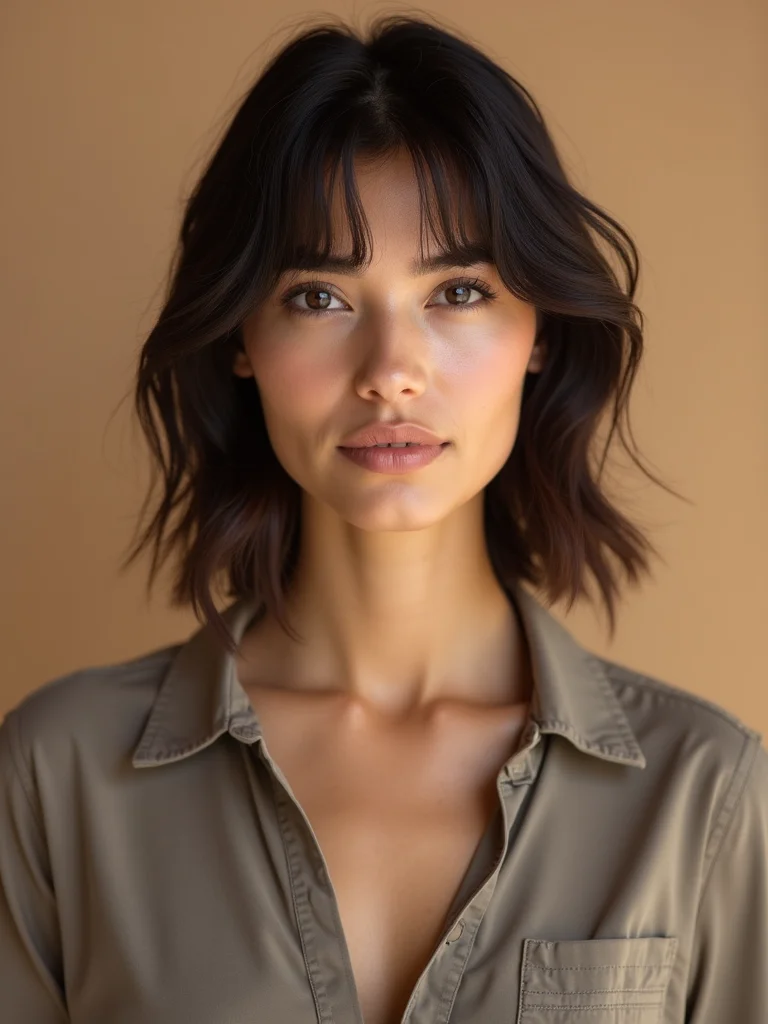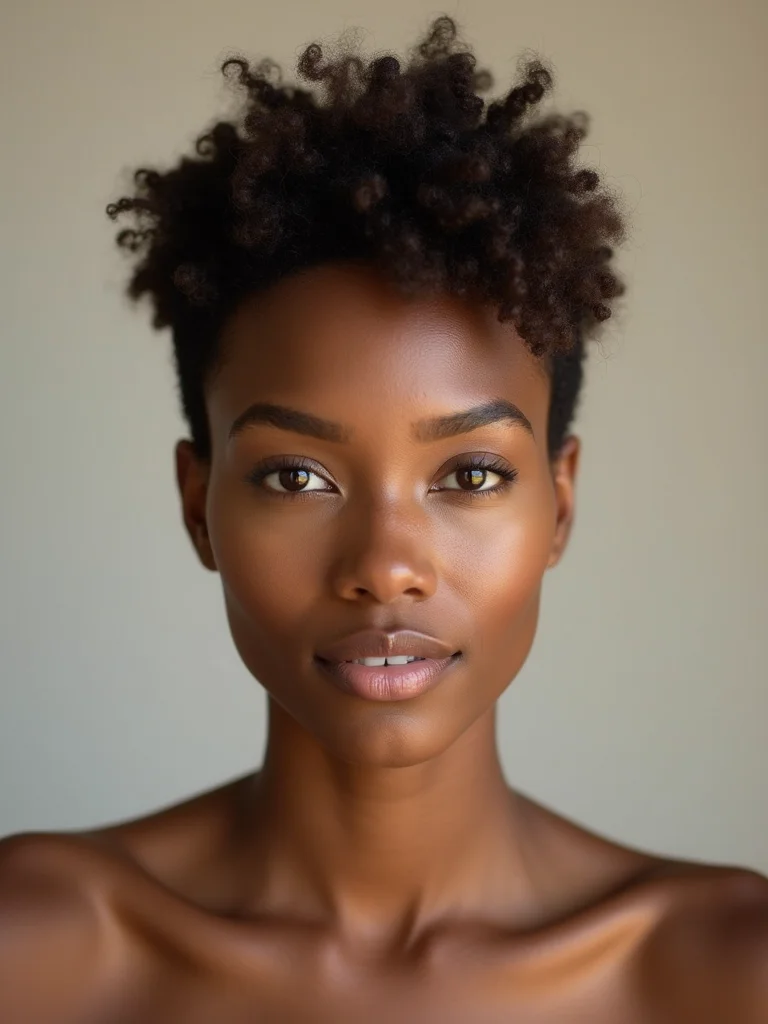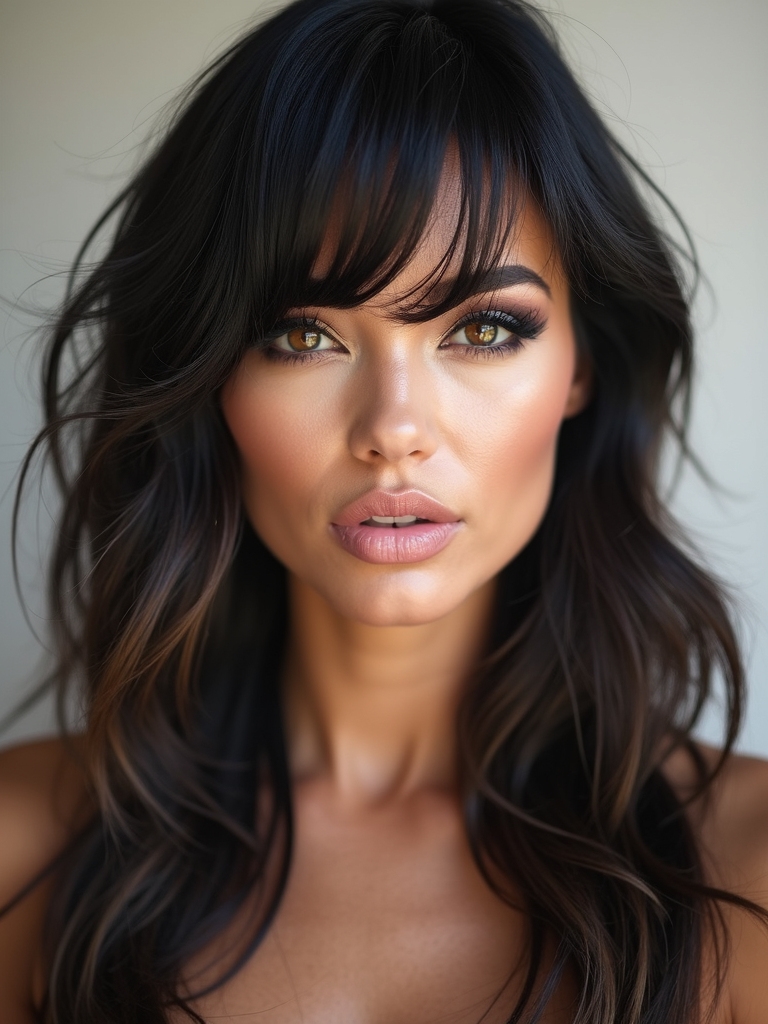
A long shag cut earns its versatility from one adjustable variable: where the stylist places the shortest layers. Move that placement around the head and the same basic shape does completely different work depending on what you bring to the chair.
Fine hair gets volume it can’t generate alone; thick or curly hair gets weight removed so density can actually move. Fifteen versions follow, from the gentlest feathered take to a fully shattered finish, with honest notes on what changes for each texture. For the shorter, punchier read on this same shape, see our medium shaggy hairstyles.
Matching the Shag to Your Hair
| Hair type | What changes | Best pick here |
|---|---|---|
| Fine or straight | Layers concentrate near the crown for volume | Feathered or minimal-weight |
| Thick or curly | Weight removed lower down so density can move | Choppy, textured, or coily |
Feathered Long Shag
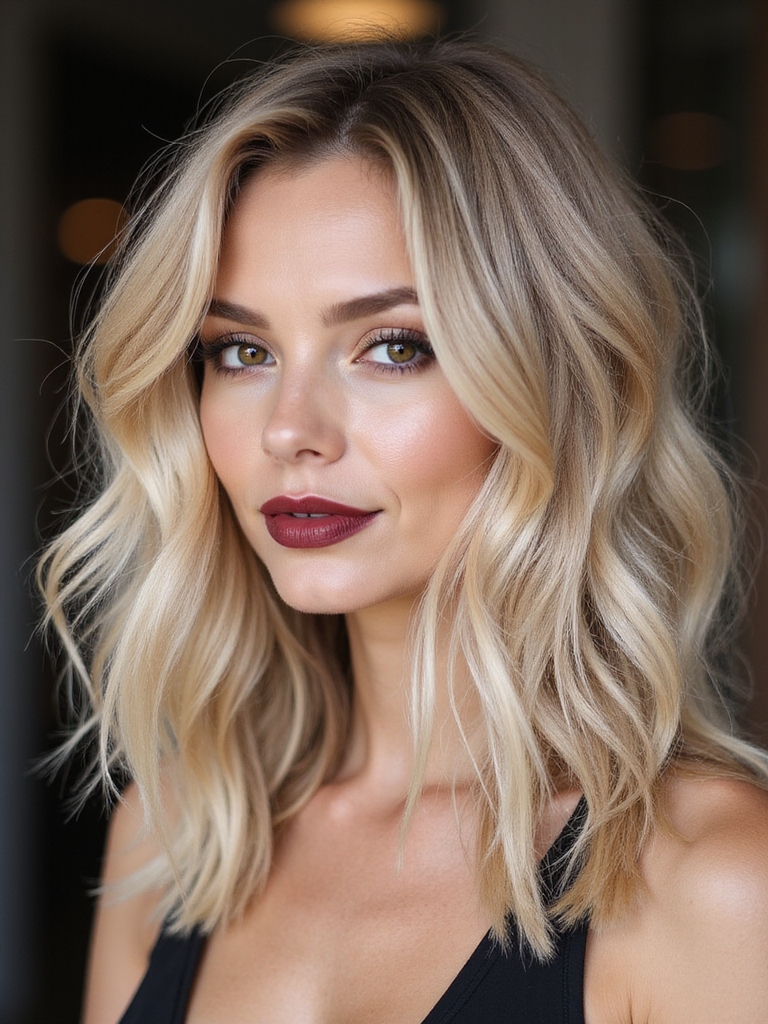
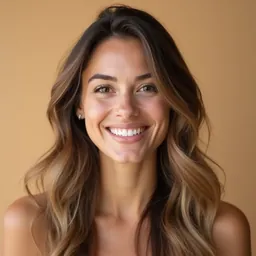
The feathered version is the gentlest read on this whole list: thin, tapered pieces spread evenly through the mid-lengths, never piled into one dramatic zone. Nothing about it shouts, which is exactly the point.
- Suits the broadest range of hair types of any version here.
- Ask specifically for tapered, not chunky, layers to keep the effect this soft.
- A blow-dry with a medium round brush, roots lifted first, brings out the shape.
Choppy Long Shag
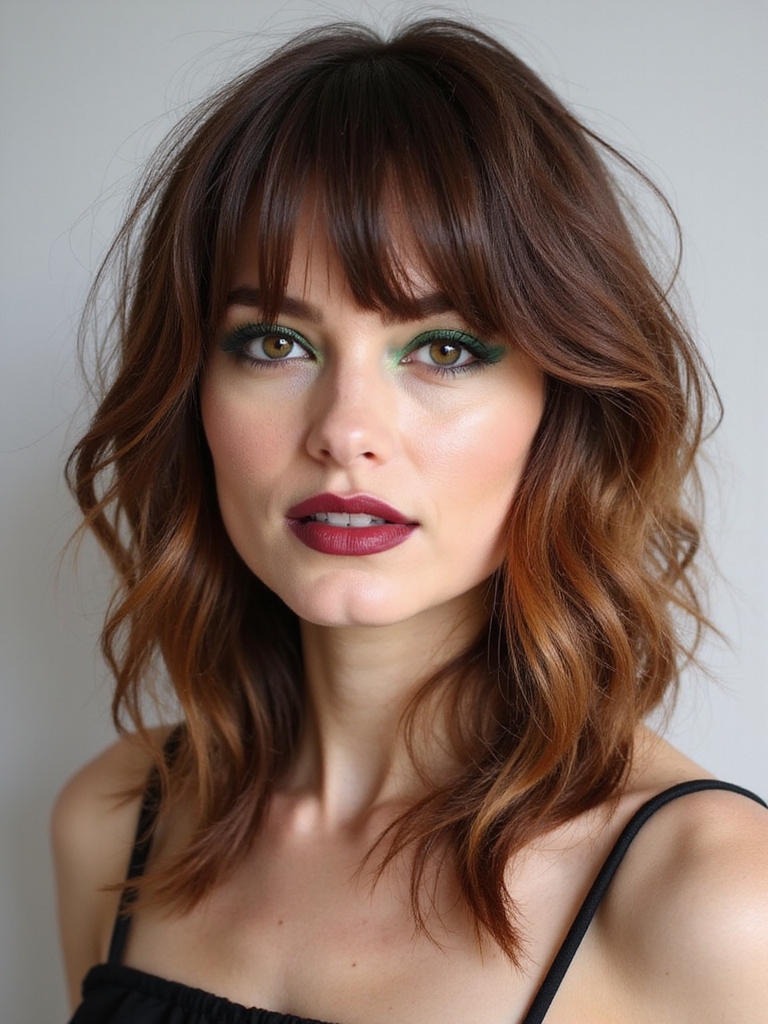
At the opposite end sits the choppy shag: heavy, uneven layers cut short and deliberately rough, usually paired with a curtain fringe for maximum textural payoff.
Expect this one to need real density underneath it. Medium to thick hair carries the heavier layering without looking thin at the ends; on very fine hair, the same chop can expose more scalp than intended, so ask your stylist to scale the boldness down.
- Built for medium-to-thick density that can absorb heavy layering.
- A texture cream scrunched through dry hair pushes the chop forward.
- The boldest, most attitude-forward shape on this list.
Which long shag actually matches your hair?
1My hair is thin and won’t hold volume on its own
Start with the feathered or minimal-weight version, both built to fake body without thinning already-fine ends further.
2I have real texture and want to show it off
The choppy, textured, or shattered version puts the maximum amount of movement on display.
3My hair is naturally curly or coily
The curly or coily version, both cut dry to match how your specific pattern actually falls.
Long Curly Shag
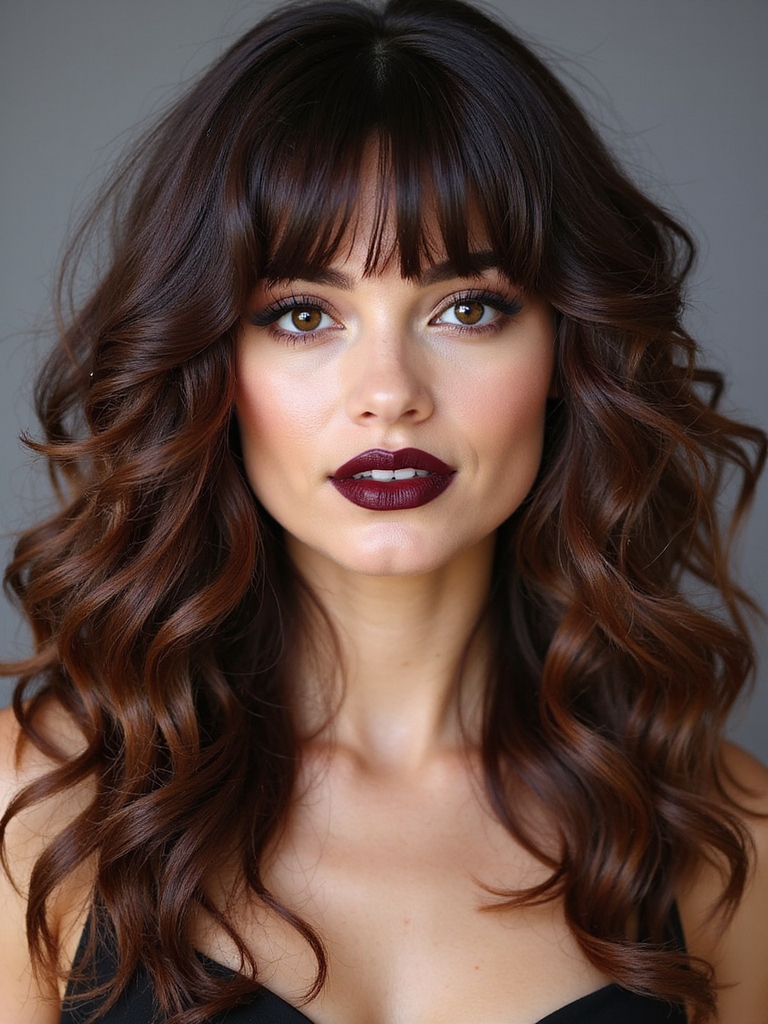
On curly hair, a long shag works by giving each coil room to spring, so it never stacks into a dense triangle near the bottom. The stylist typically works curl by curl, dry, checking where each one actually lands only once it’s had a chance to draw up.
Cutting it wet skips that step entirely, and the layers often land shorter than planned once the curl pattern kicks back in afterward. That’s the whole reason this version calls for someone who specifically works with textured hair.
- A dry, curl-by-curl cut is close to non-negotiable here.
- Book with a stylist who works with curl patterns specifically, not just straight-hair layering.
- A defining cream on damp hair, then a diffuser on low heat, finishes the shape.
Textured Long Shag
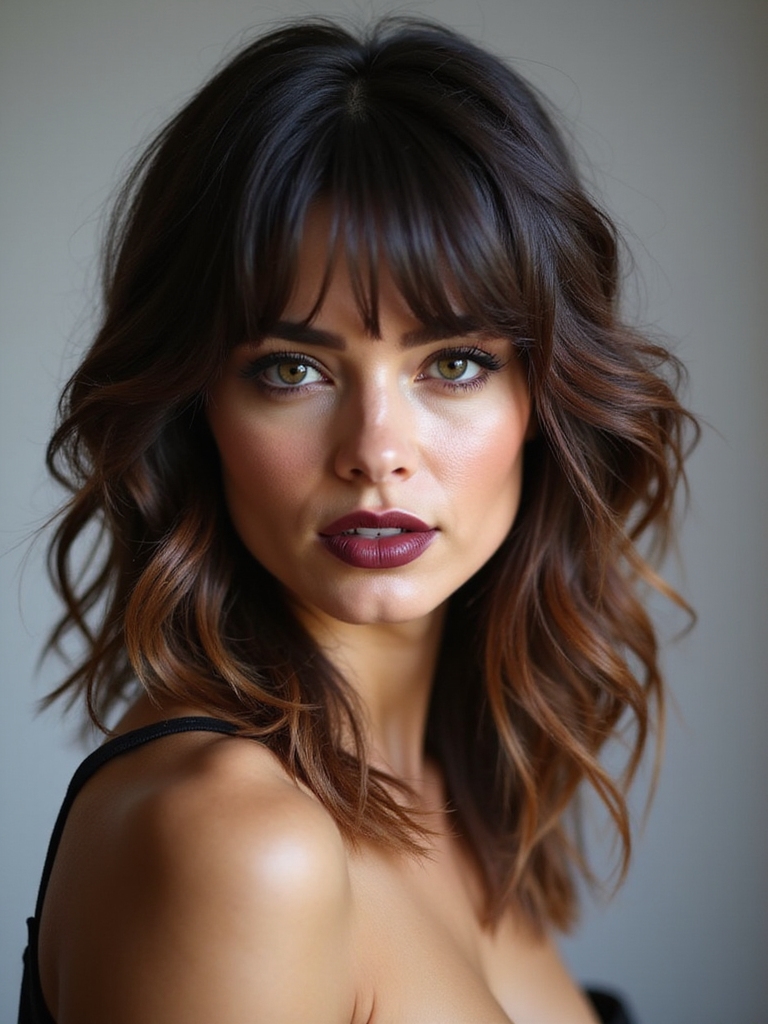
This version leans almost entirely on cutting technique, with the layer placement itself barely changing. Slide-cutting and point-cutting carve the ends into distinct, moving pieces with real separation between them, and the amount of grit works like a dial you can turn up or down independently of the cut’s actual shape.
- Needs medium to thick density to absorb heavy texturizing without thinning at the ends.
- Tell your stylist directly how much grit you want before they start cutting.
- For more texture-forward shapes at other lengths, see our shag haircut roster.
Face-Framing Long Shag
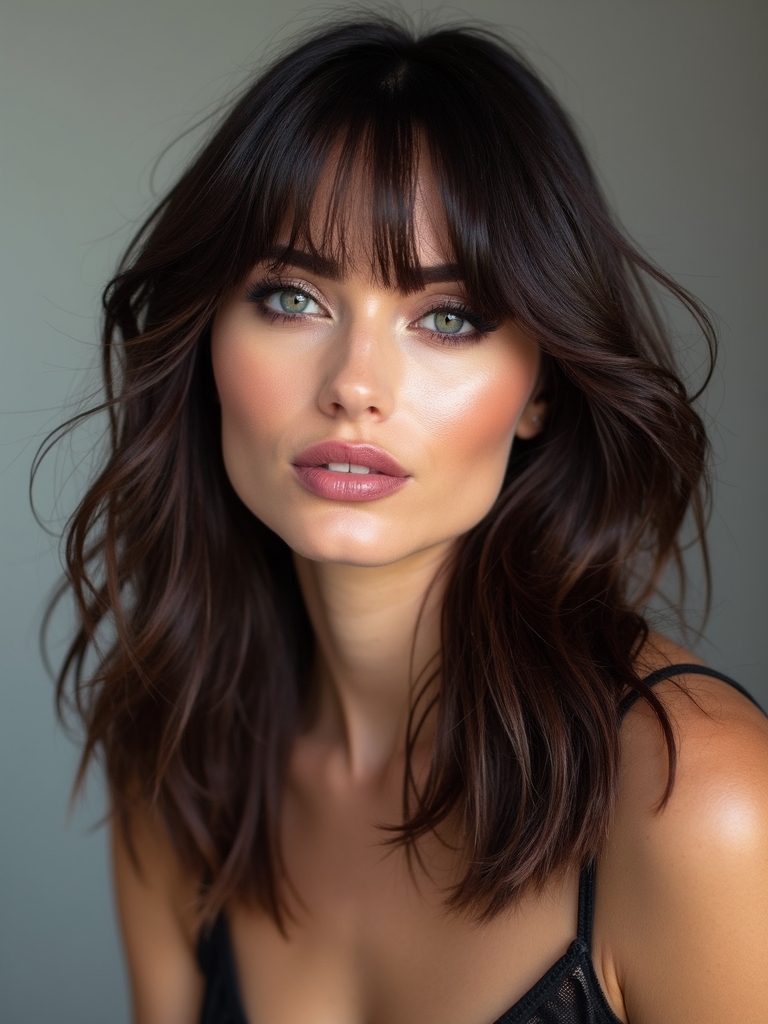
Long, lighter pieces cut around the cheekbones and jaw pull attention toward the face and soften whatever angle is there, blending into the surrounding layers so the whole front moves as one unit.
One placement decision, two different effects
Where the shortest piece starts changes the entire effect: at the cheekbone, it lifts a rounder face; lower, near the jaw, it elongates one instead.
Since this comes down to placement, not texture, it works across nearly every hair type on this list. Ask your stylist exactly where they plan to start the shortest piece before they cut.
Wavy Long Shag
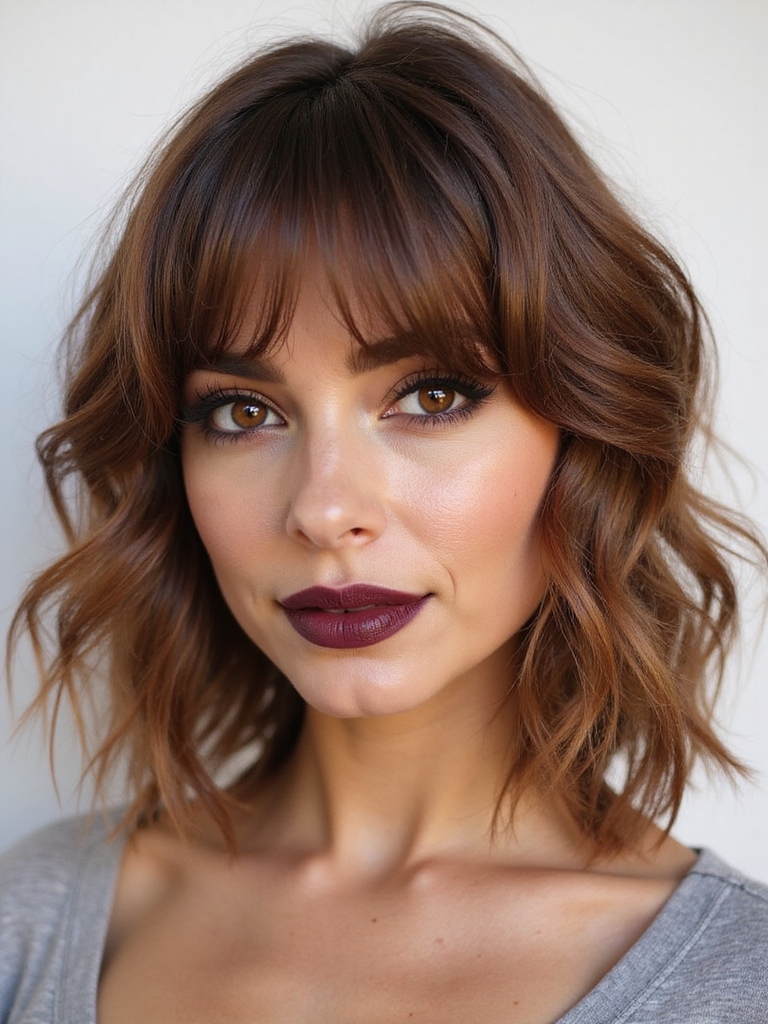
Wavy hair may be the easiest possible match for this cut, since the natural bend already supplies exactly the kind of texture a shag is built to show off. The layers just give the wave somewhere to break along its length.
- Needs the least daily styling effort of any version here.
- A salt or texture spray on damp hair, followed by an air-dry, covers most of the routine.
- Looks more intentional, not less, several days past a wash.
📋Before You Book a Long Shag
- ✓Bring a photo, but be specific about how much texture versus length you actually want.
- ✓Mention your natural texture so your stylist can plan the layering around it, not against it.
- ✓Ask where the shortest layer will start; that single detail decides most of the final shape.
Sleek Long Shag
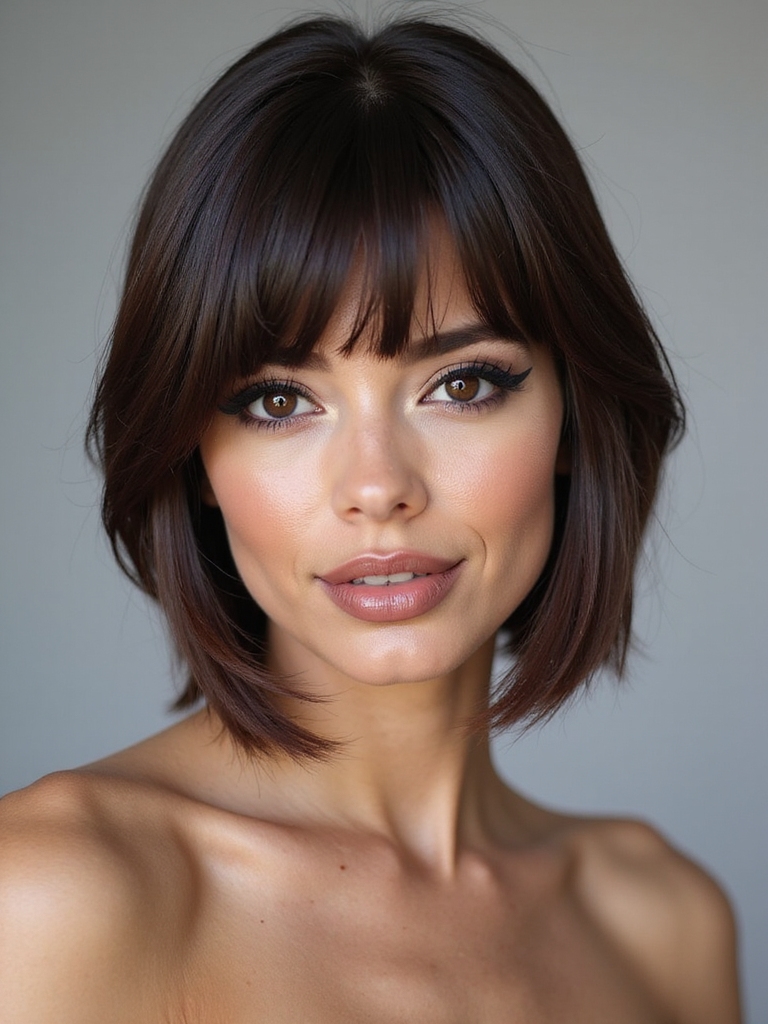
On straight hair, the shag’s movement comes entirely from the internal layering and point-cut ends, since there’s no natural texture to lean on. Skip that internal layering, and the same basic shape can fall flat.
- Needs more deliberate internal layering than any wavy or curly version.
- A round brush during the blow-dry and a light shine product carry the gloss.
- A feathered fringe helps bring in movement the hair itself won’t supply.
See-Through Bang Long Shag
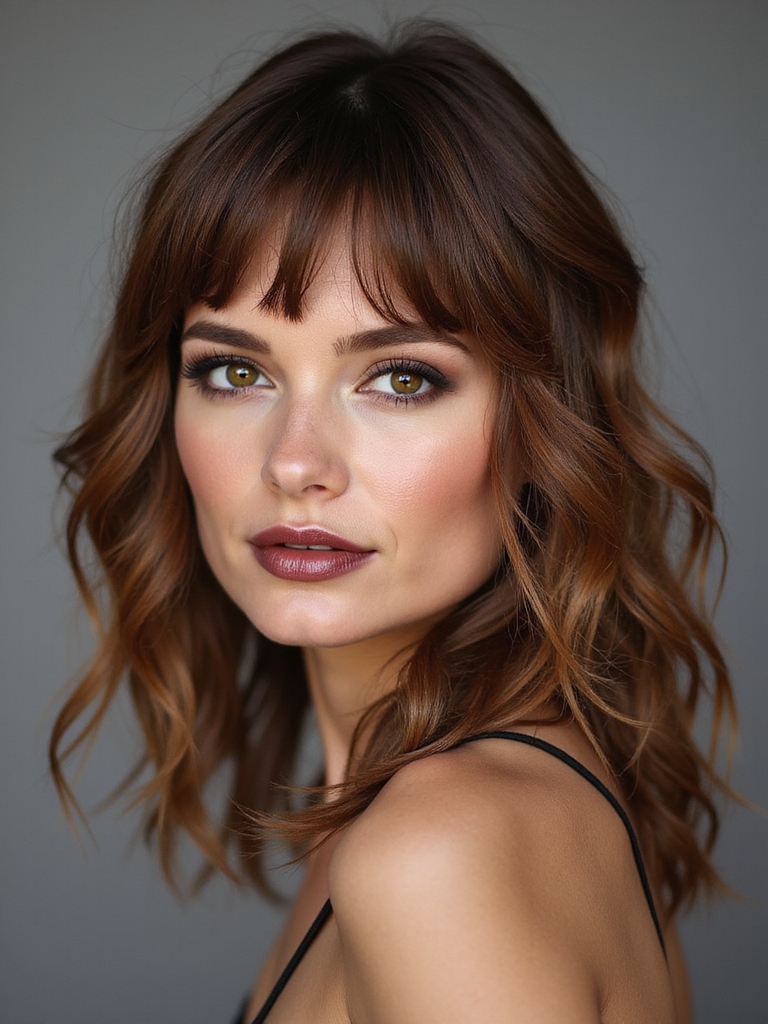
A sheer, barely-there fringe pairs well with a shag on fine or delicate hair specifically because it carries almost no weight of its own. The wispy pieces let a little forehead show through at the edges.
- The lightest fringe option for hair that can’t support a dense, blunt bang.
- Grows out with fewer awkward in-between stages than a full fringe.
- Works best point-cut, never as a straight-across blunt line.
Coily Long Shag
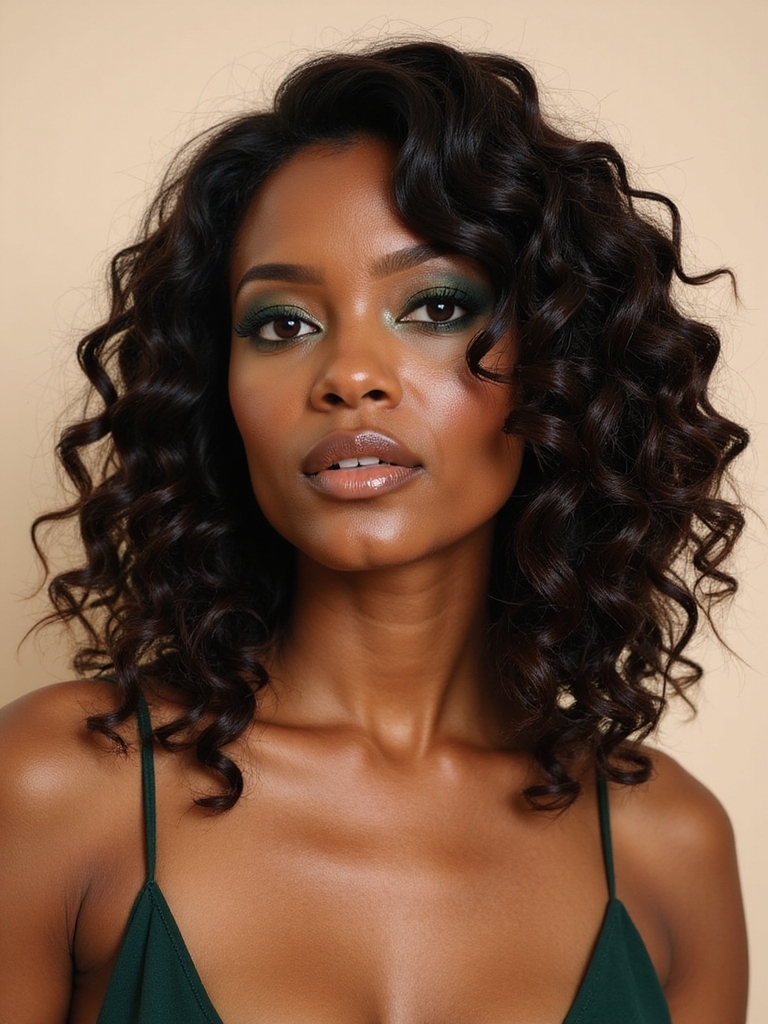
On coily hair, a long shag builds real volume by releasing weight through the crown, letting density lift into real shape and movement. Like any curl pattern, cutting it has to happen dry, coil by coil, from someone who has real experience with how textured hair behaves once it’s released from a stretched state.
- Builds volume by removing weight, not by adding length.
- Requires a dry, coil-by-coil approach from a stylist experienced with textured hair.
- Delivers some of the most dramatic volume of any version on this list.
Minimal-Weight Long Shag
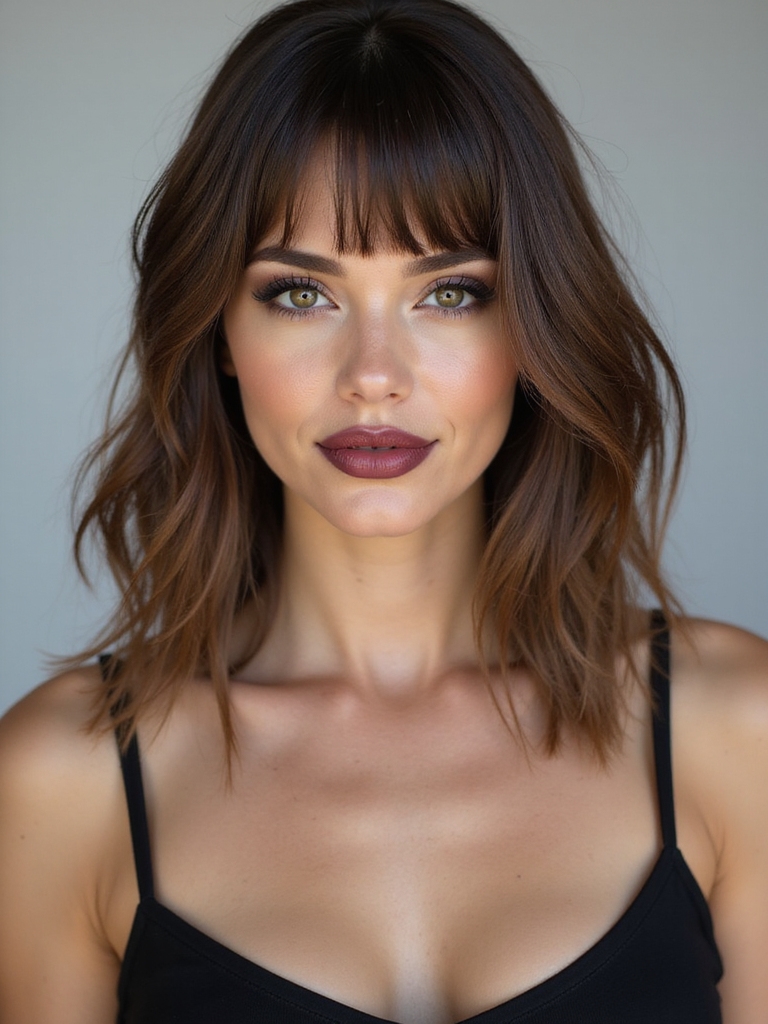
Fine hair needs a different kind of restraint: light, airy layers placed specifically for the appearance of body rather than aggressive texturizing that leaves already-thin ends looking sparser.
The layering concentrates near the roots, where it lifts and adds the impression of density, while the perimeter stays fuller and mostly untouched. A volumizing mousse applied at the roots before any blow-dry does more here than extra product on the lengths ever will.
Bottleneck Bang Long Shag
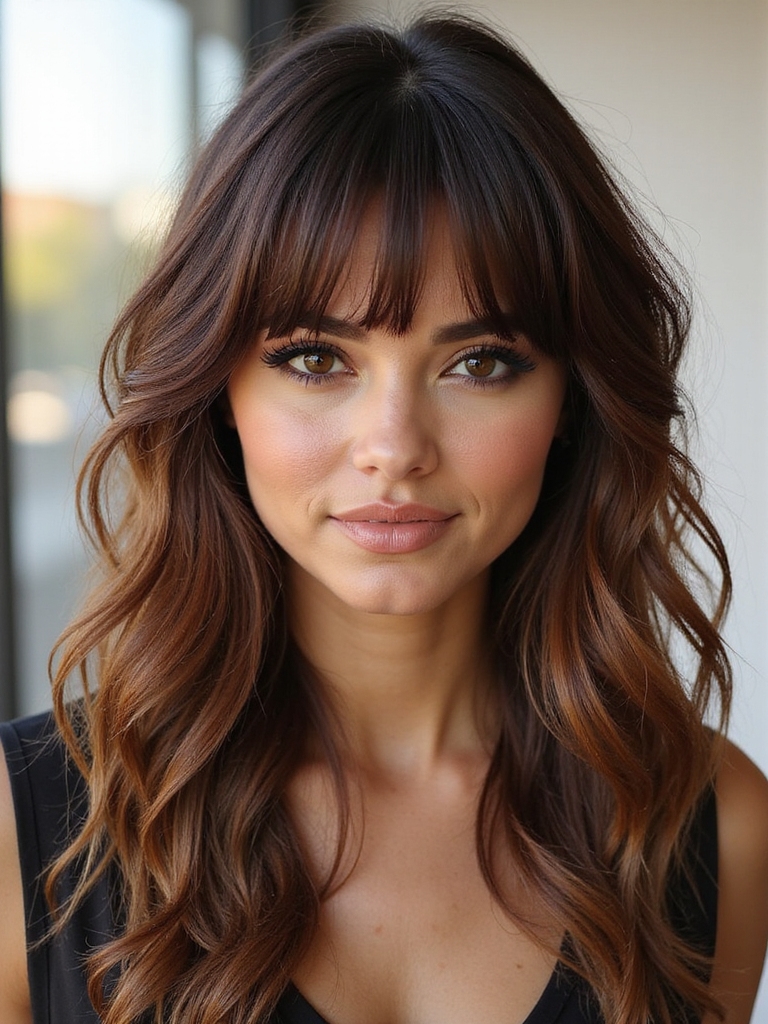
A bottleneck fringe pairs longer, tapering pieces on either side of the face with a slightly shorter center section, narrowing like the neck of a bottle.
Where the bottle narrows
It frames the face closely while still parting open enough to feel soft. On a shag, that shape blends directly into the surrounding face-framing layers, so the fringe comes across as part of the cut itself.
It flatters rounder and heart-shaped faces especially well, since the narrowing draws the eye inward. For more fringe shapes, our curtain bangs guide covers the rest.
💡Fringe Placement
A bottleneck fringe only works if the shortest center piece is cut while your hair is completely dry and styled the way you’ll actually wear it. Cutting it wet on this particular shape is one of the most common reasons it ends up too short.
Beachy Long Shag
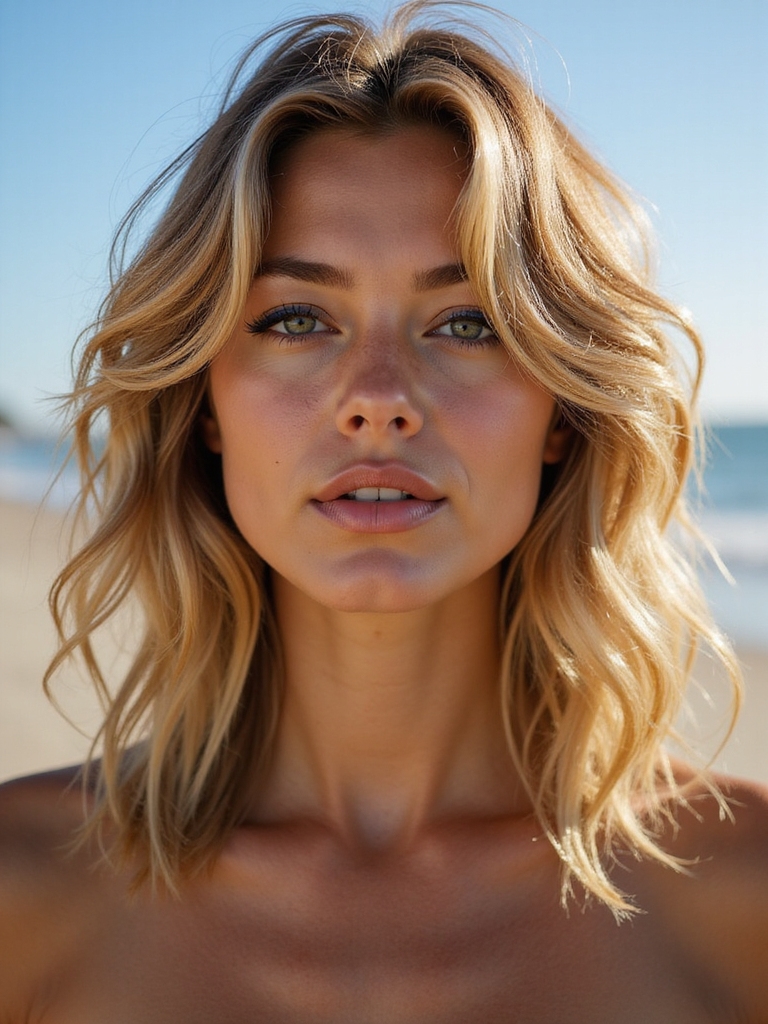
A beachy long shag leans into loose, sun-softened texture for a relaxed, low-effort feel, the layers worn tousled, nothing styled into anything precise.
Built to improve with neglect
It rewards a slightly messy finish more than any other version on this list. A texture spray on damp hair and an air-dry cover close to the entire routine.
It also gets better-looking, not worse, the longer it goes between washes, which makes it the lowest-maintenance option here day to day.
Volumized-Crown Long Shag
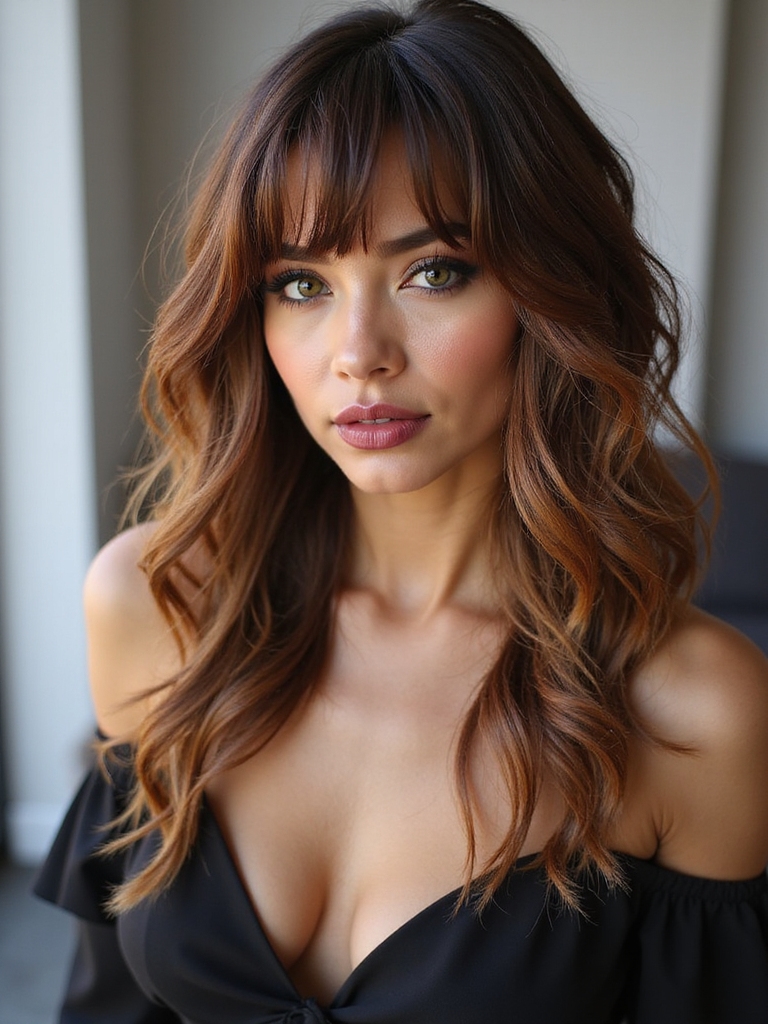
When flat roots are the actual problem, a volumized-crown shag concentrates the shortest layers directly at the crown, building height exactly where limp hair needs it most.
- Targets root volume specifically, above anything else.
- Most useful on fine or straight hair that falls flat by midday.
- A root-lifting spray plus a round brush pulling straight up at the crown carries the height through the day.
Root Volume, Not Length
Concentrating layers at the crown for volume means those pieces will always look noticeably shorter than everything around them, even at full length. If you’re protective of length overall, ask for a lighter touch at the crown than what’s described here.
Elongated Long Shag
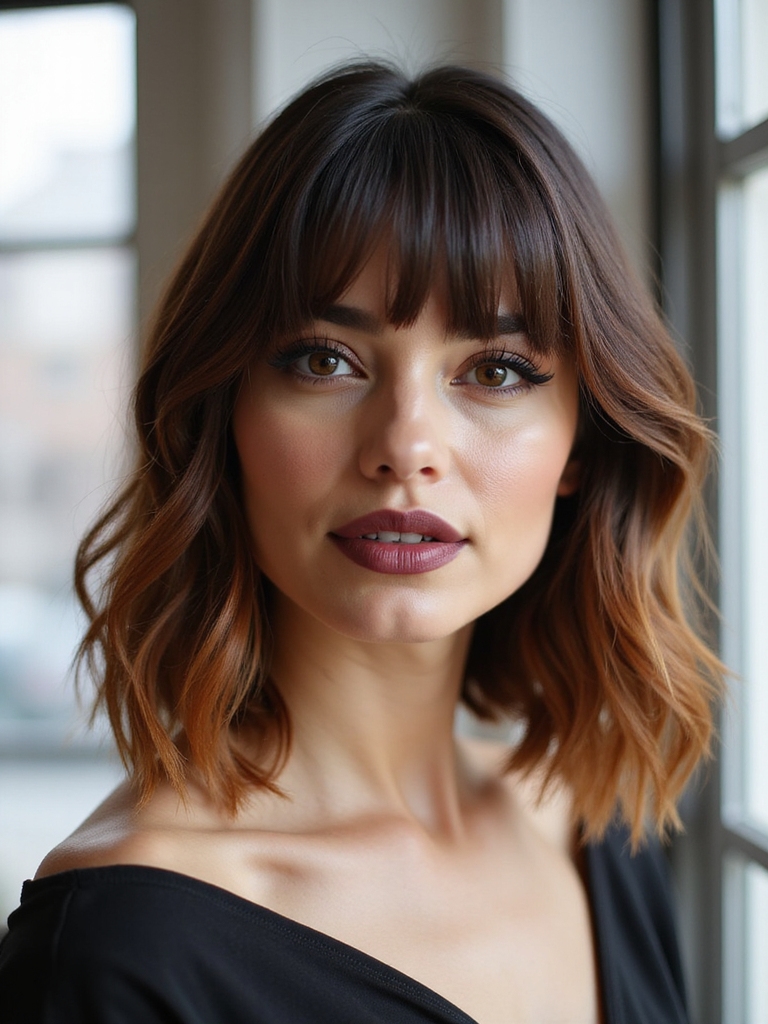
For anyone protective of their length, an elongated long shag keeps the perimeter long and full while building movement through hidden, invisible layering tucked inside the cut rather than up near the surface.
- Adds shape without sacrificing visible length.
- The perimeter stays long even though real layering is happening underneath.
- A good option for anyone who’s spent years growing hair out and isn’t ready to see it get shorter.
Modern Shattered Long Shag
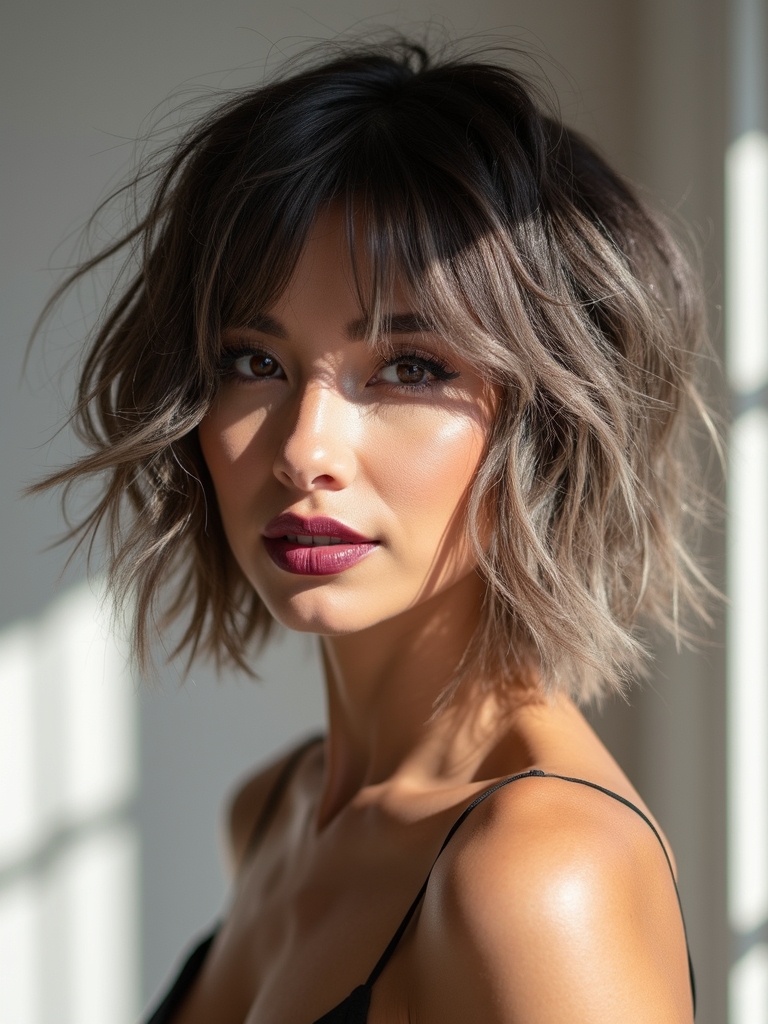
A shattered finish pushes the shag’s usual texturizing further, with the ends cut so aggressively broken up that almost no continuous edge survives anywhere on the perimeter. It’s the current, editorial-leaning end of the shag family, closer in spirit to a wolf cut than a classic seventies silhouette.
- The most texturized, least traditional version of the cut.
- Feels fashion-forward, further from classic seventies than any other version here.
- Needs a stylist comfortable with heavy point-cutting and razor work.
Styling Tips
Across every version here, the tools stay largely the same even as the technique shifts underneath: a round brush for lift and shine, a texture or salt spray for definition, and a light styling cream for curl or wave patterns.
Expect any long shag appointment to run close to two hours between the cut and the finishing style, priced at around $150. The internal layering takes real time no matter which version you’re getting. For the shape this cut is built on, see our layered shag.
Long Shag Cut Questions People Ask
?Does the same long shag look different on curly hair versus straight hair?
Yes, noticeably. On curly hair the layers remove weight and let curls spring into shape; on straight hair the same layer placement has to work much harder, since there’s no natural texture helping the movement along.
?Can I go from a one-length cut straight to the choppiest version of this shag?
It depends mostly on density. Thick hair can usually handle it in one appointment; fine hair often does better easing into heavy texturizing over two visits so the ends don’t end up looking thinner than intended.
?Why do some long shag versions need a dry cut instead of a wet one?
Curl and coil patterns shift once hair is released from being wet and stretched out. Cutting dry lets the stylist see exactly where each section lands in its natural state, rather than guessing where it will end up after it dries.
?How long does it take to grow out heavy face-framing layers if I change my mind?
Longer than you might expect, since those pieces are usually cut shortest and need the most catch-up time. Most people find the in-between stage manageable by tucking the shortest layers behind the ear or blending them with a bit of product until they reach the rest of the length.
?Is there a version of this shag that works if I have both curly and straight sections?
Yes. A stylist can blend the dry, curl-by-curl technique through the textured sections and standard layering through the straighter ones, using the same overall shape to unify both. Mention the mixed texture upfront, otherwise they may assume your whole head is one uniform pattern.
A Cut Worth Adjusting to You
A long shag earns its reputation by refusing to be one-size-fits-all. The same basic shape gets reworked entirely depending on what you bring to the chair, whether that’s fine hair that needs help holding volume or dense curls that need room to move.
If you’re on the fence, start by asking about the version closest to your current hair type before chasing the boldest photo you’ve saved. Let your stylist adjust the layering from there as you both figure out how far you want to push it.
Favorites to Revisit