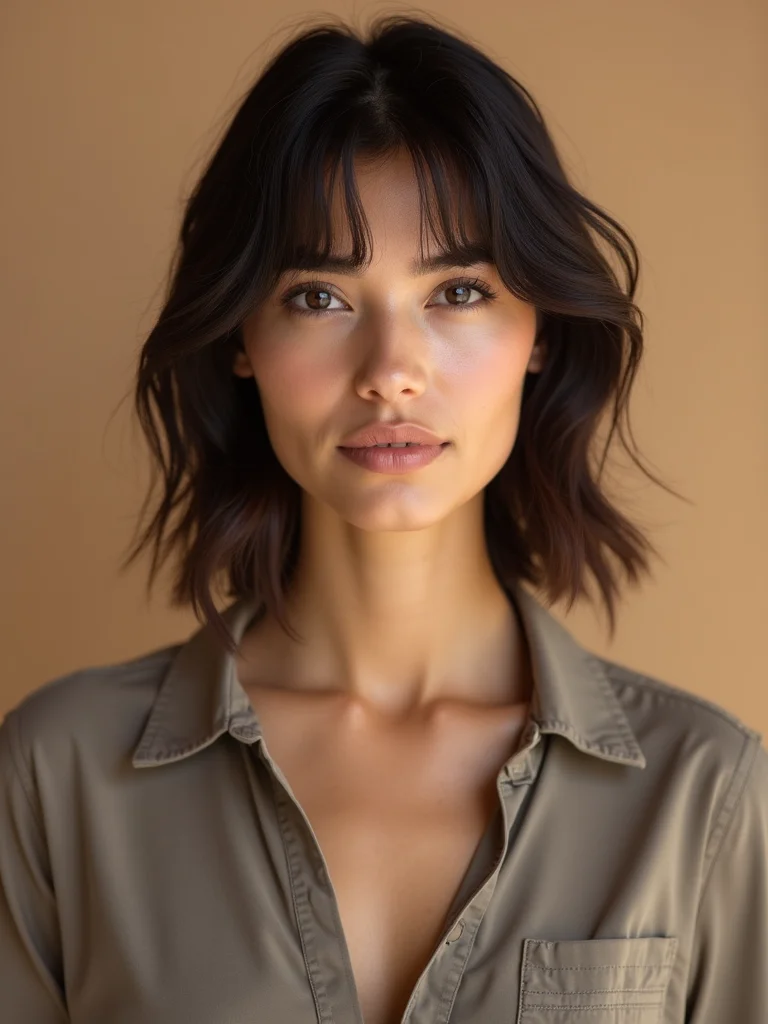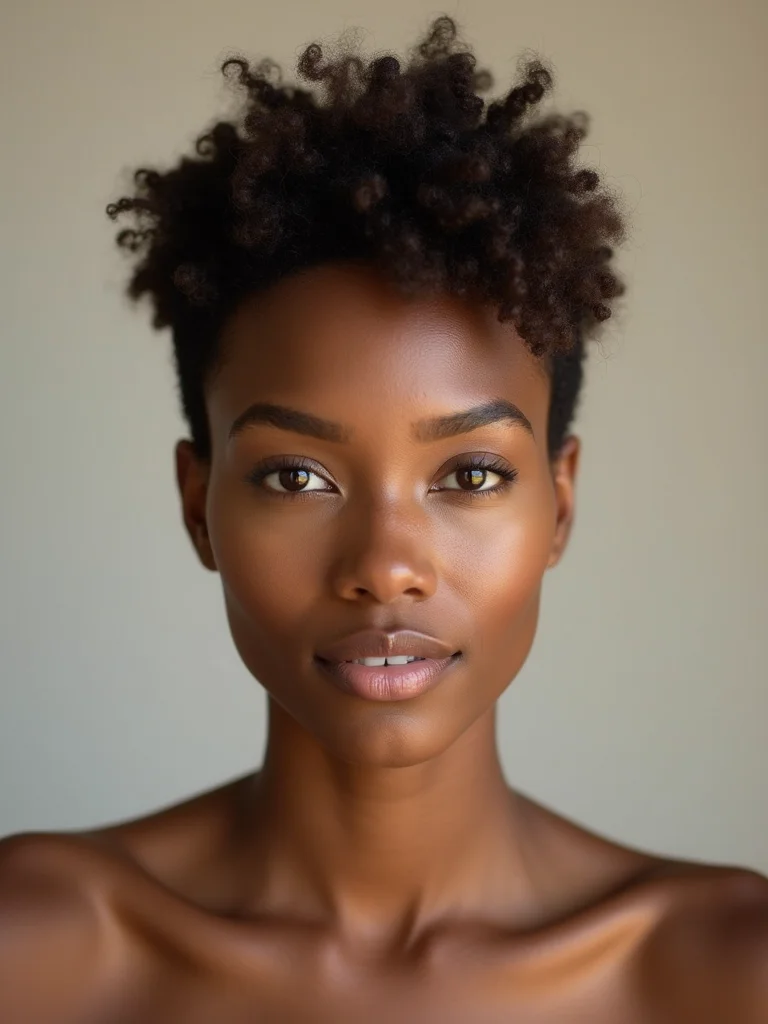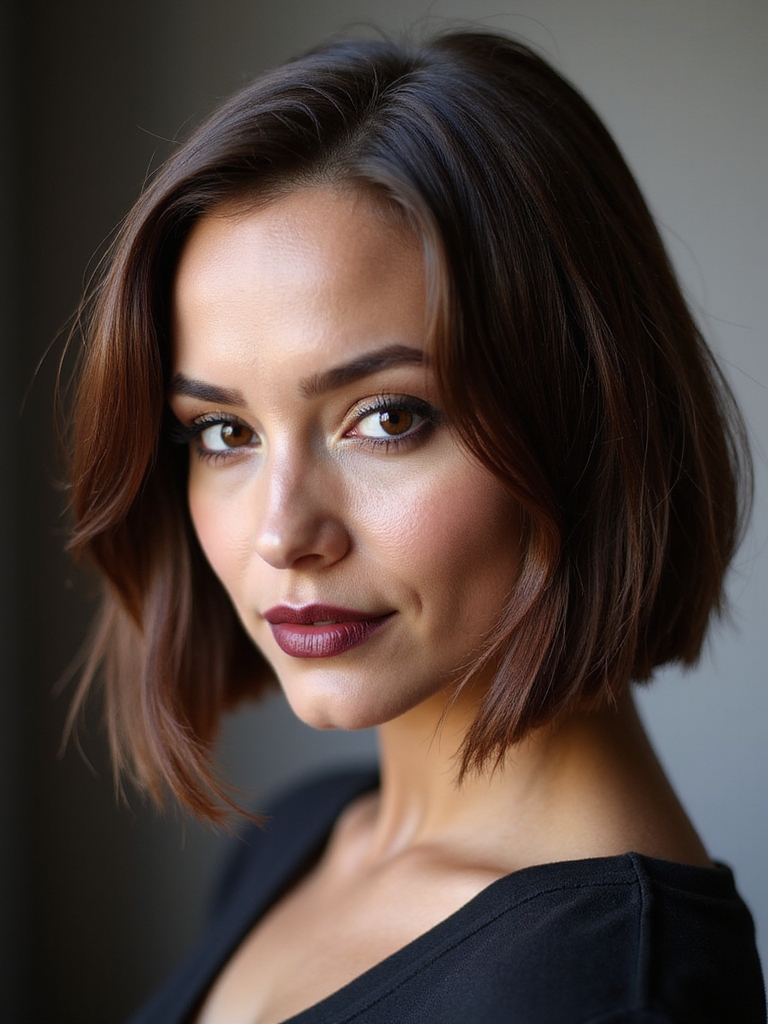
Will a bob actually suit your hair? Not your face, your hair, because the texture you are working with, fine or thick, straight or curly, decides more about whether bob hair turns out brilliant or frustrating than almost anything else. The same cut behaves like two different haircuts on two different heads.
So here are the ten most popular bobs right now, sorted by the hair type each one works hardest for. Find your texture, and you will find the bob that was built for it.
Bob Hair by Texture, in Short
- Fine hair looks fullest in a blunt or layered-for-volume bob that keeps or fakes body.
- Thick hair needs internal layers and texture so the bob moves instead of turning into a block.
- Wavy hair is the easiest bob texture there is; a tousled or shaggy bob shows it off with little effort.
- Curly hair earns a beautiful bob only when it is cut dry, in its own pattern, to allow for shrinkage.
The Blunt Glassy Bob, Best for Fine Hair

If your hair is fine, the blunt glassy bob is your best friend. By keeping every strand the same length and removing nothing, it gathers all the weight at one clean line, which reads as instant fullness, the very thing fine hair always wishes it had.
It works on thick hair too, where it shows off healthy, glossy density, but on fine hair it makes the biggest visible difference. The one rule is to skip internal layers and thinning, which would only take away the body you are trying to build.
A flat iron with a touch of shine serum finishes it like glass, and a full reshape runs roughly $40 to $65 at most salons. One caveat: if your ends are already damaged or heavily layered, grow that out before going blunt, or the clean line will look thin and stringy.

The Beachy Textured Bob, Best for Wavy Hair

Wavy hair is, honestly, the luckiest texture for a bob, and the beachy textured bob is its natural home. The soft, undone waves you spend money trying to fake, your hair makes on its own, so the styling is barely styling at all.
Scrunch a little salt or texture spray through damp hair, let it air-dry, and break it up with your fingers. The cut should be a touch longer than you think to allow for the spring in the wave, but otherwise this is the lowest-effort bob there is. This is the bob recommended most to anyone who swears they will never pick up a curling iron, because the wave does all the work the iron otherwise would.
💡Judge It Air-Dried
Whatever your texture, do not judge a bob by how it looks freshly blow-dried in the salon. Have the stylist show its natural fall, air-dried and unstyled, because that is how it gets worn most days. A bob only loved after twenty minutes of styling is the wrong bob.
The French Bob, Best for Medium Hair

The chic, chin-grazing French bob with its soft fringe is happiest on medium-density hair that is neither too fine to hold the shape nor too thick to keep it light. It is the texture sweet spot where this cut just works.
If your hair is straight-to-slightly-wavy and middle-of-the-road in thickness, the French bob delivers that Parisian, undone look with very little fighting. Add a wispy fringe, a touch of texture, and resist over-styling; this one is meant to look a little undone. If your hair runs very thick, ask for some internal texture so the fringe and the lengths stay light; if it runs very fine, keep it blunt so the shape holds.
The Layered Volume Bob, Best for Flat Hair

If your hair is fine and falls flat no matter what you do, the layered volume bob builds the body into the cut itself. Stacked, graduated layers at the back create lift the hair cannot make on its own, and a few face-framing sections at the front keep the volume from looking boxy.
Body built into the cut
The blunt bob keeps weight low for a different kind of fullness; this one engineers height at the crown instead, so it is the better pick if flatness is the real complaint, not just fineness.
Blow-dry the back up and under, add a root-lift spray, and you have volume that holds. It does need trims on a tighter six-week cycle to hold the stack’s shape.
ℹ️Texture Changes Everything
Texture changes a bob more than length does. The same chin-length cut can read sharp and graphic on straight hair, soft and romantic on waves, and bouncy and full on curls, which is why two friends can ask for ‘a bob’ and walk out looking nothing alike.
The A-Line Bob, Best for Straight Hair

Straight hair shows off a clean line better than any other texture, which makes the A-line bob, cut short at the nape and angling longer toward the front, a natural fit. Every bit of that precise, forward-sloping shape looks crisp on smooth, straight hair.
It is a close cousin of the angled bob, and it rewards the polish straight hair makes easy:
- The sharp angle reads cleanest on straight, smooth hair
- Holds its precise forward line best on smooth hair with little natural wave
- A flat iron keeps the forward line precise
The Curly Bob, Best for Curly Hair
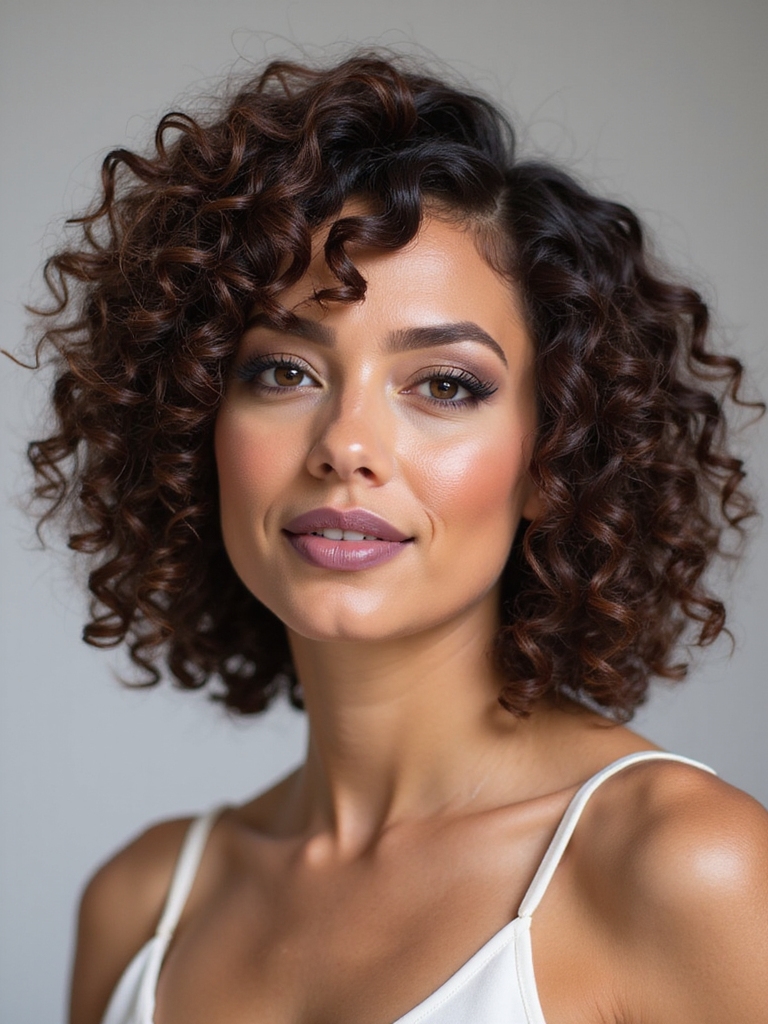
For curly and coily hair, a curly bob is a joy, but only when it is cut to respect the texture: dry, curl by curl, in your natural pattern, so each spiral lands exactly where it should. A stylist who works in your pattern can build a shape that looks intentional rather than like a shrunken triangle, which is the usual result of a wet curly cut that shrinks shorter than anyone planned for:
- Always cut dry, in the natural curl pattern, by a curl specialist
- Leave length to allow for how much curls shrink as they dry
- Style with curl cream plus a diffuser, never a brush
📋Is a bob right for your hair?
- ✓You know your texture and have a cut in mind that suits it
- ✓You are happy to book a shaping trim on a five-to-six-week cycle
- ✓You have matched the bob to your face shape, not just a photo
- ✓For curls, you have found a stylist who cuts curly hair dry
- ✓You have seen how it falls air-dried, not only blow-dried
The Shaggy Bob, Best for Thick Hair

Thick hair can turn a blunt bob into a heavy, triangular block, which is exactly the problem the shaggy bob solves. Its choppy, piecey layers remove bulk and let all that density move instead of sitting like a helmet.
It is the bob I steer my thickest-haired clients toward, because it works with the weight rather than against it, and the built-in texture means it looks good messy:
- Choppy layers remove bulk from thick, heavy hair
- The piecey texture lets dense hair move and breathe
- Texture spray and fingers are the whole styling routine
The Side-Parted Bob, Best for Any Texture

Some choices flatter across the board, and the side-parted bob with soft face-framing layers is one of them. A deep side part adds a swoop of volume and a soft diagonal that works on fine, thick, straight, and wavy hair alike.
Few bob decisions flatter this broadly, precisely because it is a styling choice as much as a cut; you can move your part and bring it to almost any bob you already have.
On fine hair the part adds lift, on thick hair the layers add movement, and on every face it draws a flattering line, which is why I reach for it so often. It costs nothing to test, too: move your part to the deeper side tomorrow morning and you will see most of the effect before you ever book a cut.
The Micro-Fringe Bob, Best for the Bold

Not a texture pick so much as a personality one, the micro-fringe bob pairs a blunt bob with an ultra-short, brow-baring fringe for a bold, fashion-forward statement. It belongs to the confident:
- Best on straight or gently wavy hair, without a strong cowlick at the front
- The shortest fringe needs its own trim inside a month
- Pair it with strong brows and lean into the drama. Cowlicks are the one real obstacle: a stubborn swirl at the hairline will fight a micro fringe daily, so check how your front pieces fall before you commit
The Long Bob, Best for the Nervous

If you are not sure your hair, or your nerve, is ready for a true bob, the long bob grazing the collarbone is the gentle answer that suits almost every texture. It is the lob I send every nervous first-timer home with:
- Long enough to still tie back and to grow out painlessly
- Flatters fine, thick, wavy, and curly hair alike
- The lowest-commitment, lowest-maintenance bob, and a soft landing for any texture
Keeping Bob Hair Healthy
Whatever your texture, a bob asks a little more of the hair itself than long styles do, because every inch of it is on display and there is nowhere for damage to hide. The upside is that a bob is short enough that healthy hair is easily within reach: the ends you are looking at are rarely more than a year old, so good habits show up fast.
Use a heat protectant every single time you reach for a flat iron or dryer, since a bob lives on both, and keep the shaping trims that stop the ends from splitting.
A weekly conditioning mask keeps fine hair from snapping and thick, coarse hair from drying out, and a silk pillowcase cuts the overnight friction that roughs up a blunt line by morning. Treat the hair well and the cut looks expensive; neglect it and even a perfectly cut bob starts to look tired and stringy within weeks, no matter how good the shape.
Bob Hair Questions, Answered
?Does a bob work on fine, thin hair?
Yes, and it often looks fuller than long hair ever did. A blunt or stacked bob keeps or builds weight up top, which reads as fullness. Just avoid heavy thinning and internal layers, which take away the body fine hair needs.
?How much does a bob cost to maintain?
Plan on a shaping trim every five to seven weeks, roughly $25 to $65 depending on the salon, plus a small kit of styling products. A bob loses its line faster than long hair, so the upkeep is the real cost, not the cut.
?Which bob is easiest to grow out?
A long bob or a softly layered one, because both blend into longer face-framing lengths as they grow rather than hanging awkwardly. Blunt, short, and stacked bobs take the better part of a year and need trims along the way to stay tidy.
Find the Bob Your Hair Was Made For
The reason some people adore their bob and others quietly grow it out is almost never the cut itself; it is whether it was matched to their hair. Fine, thick, straight, wavy, or curly, there is a version of this haircut that works with your texture instead of against it, and that is the one worth having.
So start with your hair, not a photo of someone else’s. Once you know which bob your texture was made for, take it to a stylist you trust, and browse our full range of bobs or our guide to the right cut for your face to fine-tune the rest.
Next Up