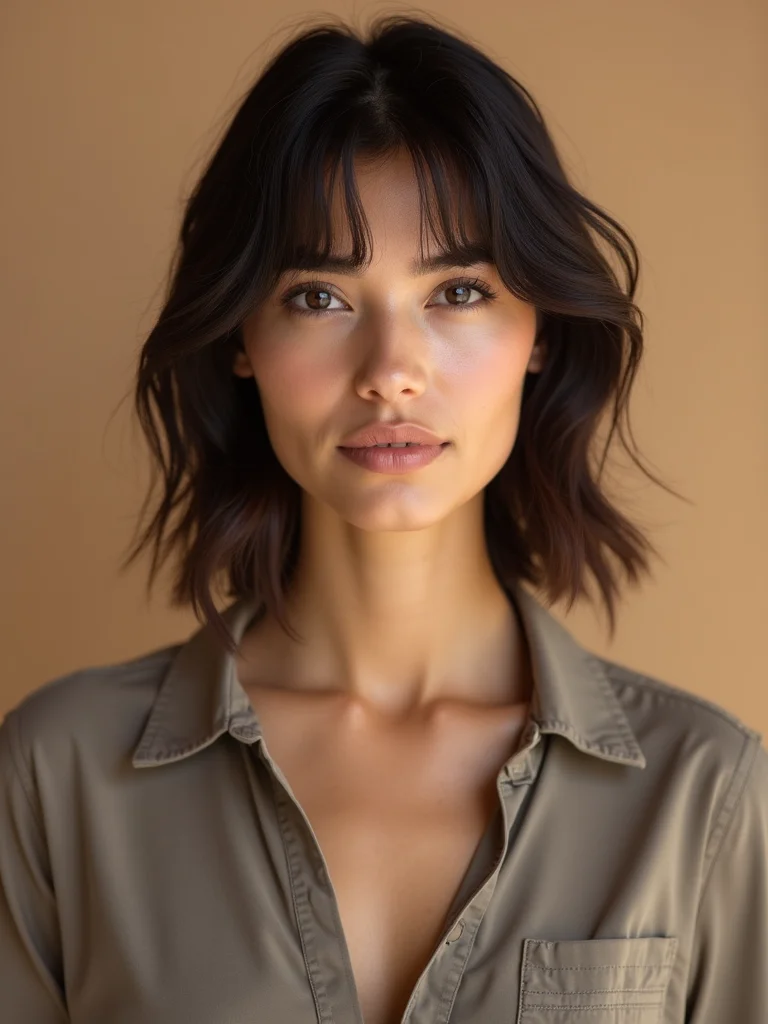
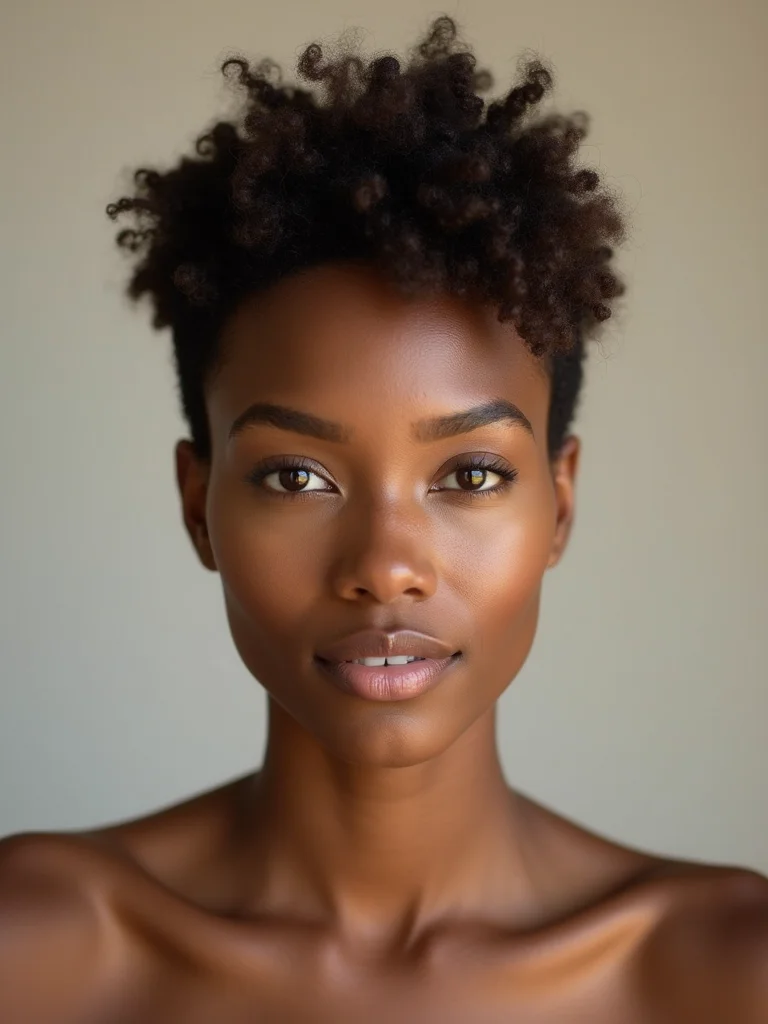
Why does the same length of hair look full and alive on one head and flat on another? Nine times out of ten, the difference comes down to layers, and long layered hair proves it more than any other length.
Long hair without them tends to hang as one heavy, shapeless curtain, while the right layers add body at the crown, movement through the length, and a frame around the face. The sixteen cuts below cover the shapes that actually work on long hair, with honest notes on which suits your texture and what to ask for.
Long Layers, Sorted by Priority
| If you want | Ask for |
|---|---|
| Maximum length kept | A U-cut or invisible internal layers |
| Dramatic shape and movement | A V-cut with face-framing pieces |
| More volume at the crown | Strategic layering built up through the top |
| Less bulk on thick hair | Internal debulking, not shorter layers |
Soft Face-Framing Layers
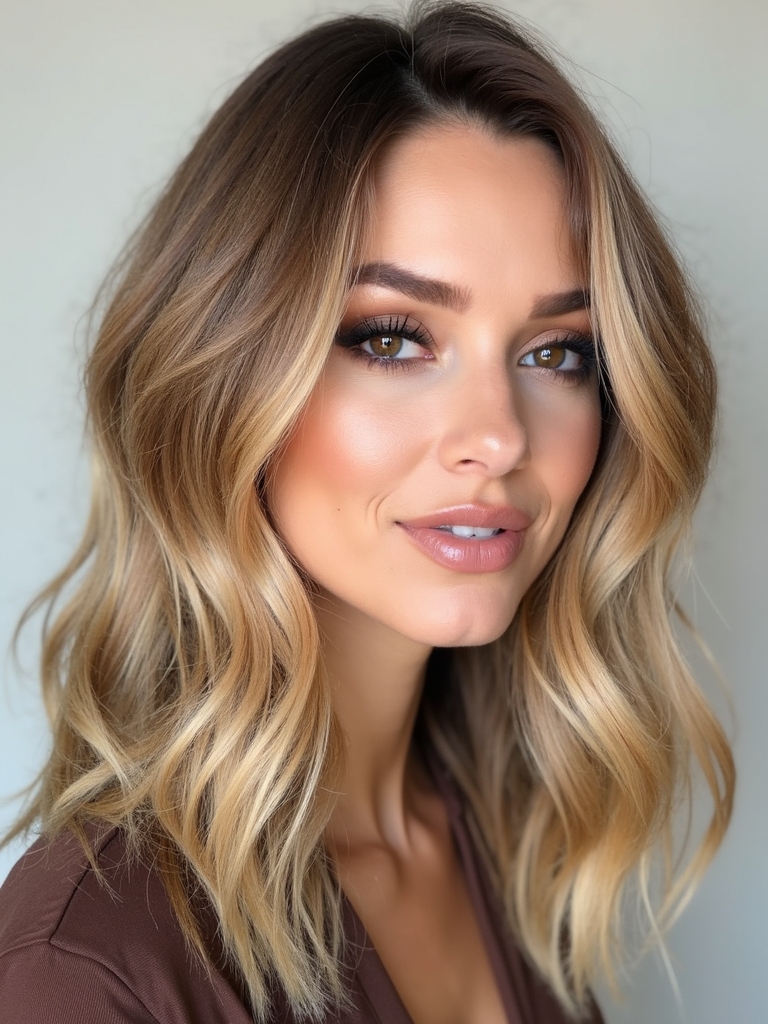
The gentlest entry point into long layers sits right around the face. Soft framing pieces are cut to trace the cheekbones and jaw, pulling attention toward the features and warming up length that would otherwise hang flat at the front.
What makes this approach so approachable is how little it asks: the back stays completely untouched, so every inch of length remains while the front gains real shape.
A brush directs these pieces back and down while drying, letting them settle naturally around the face. Keeping the shortest section right at the cheekbone helps it blend rather than stand apart.
Long Shag Layers With Curtain Bangs
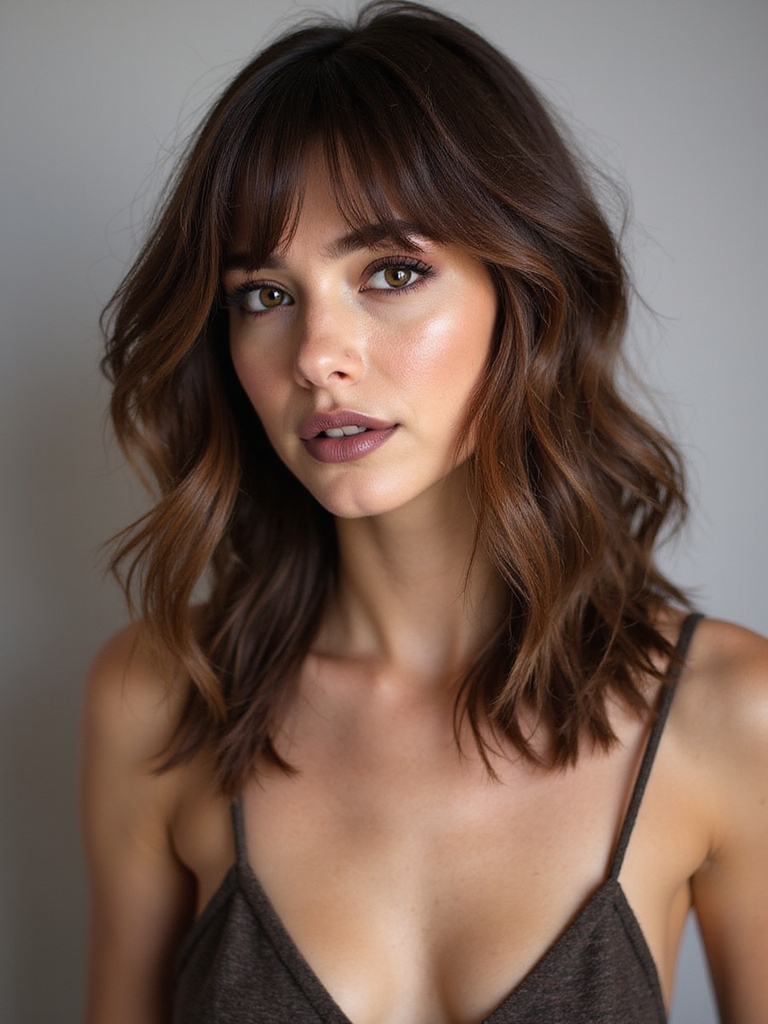
Shag layering turns long hair into a textured, full-bodied shape, and pairing it with curtain bangs pulls the whole cut together into one connected frame. Choppy layers stack from the crown downward, building both the volume and the broken-up movement a shag is known for.
- Choppy, stacked layers build volume starting from the crown.
- The center-parted fringe connects directly into the top layers.
- A texturizing spray brings out the piecey, shag-like movement.
Short, Airy Face-Framing Layers
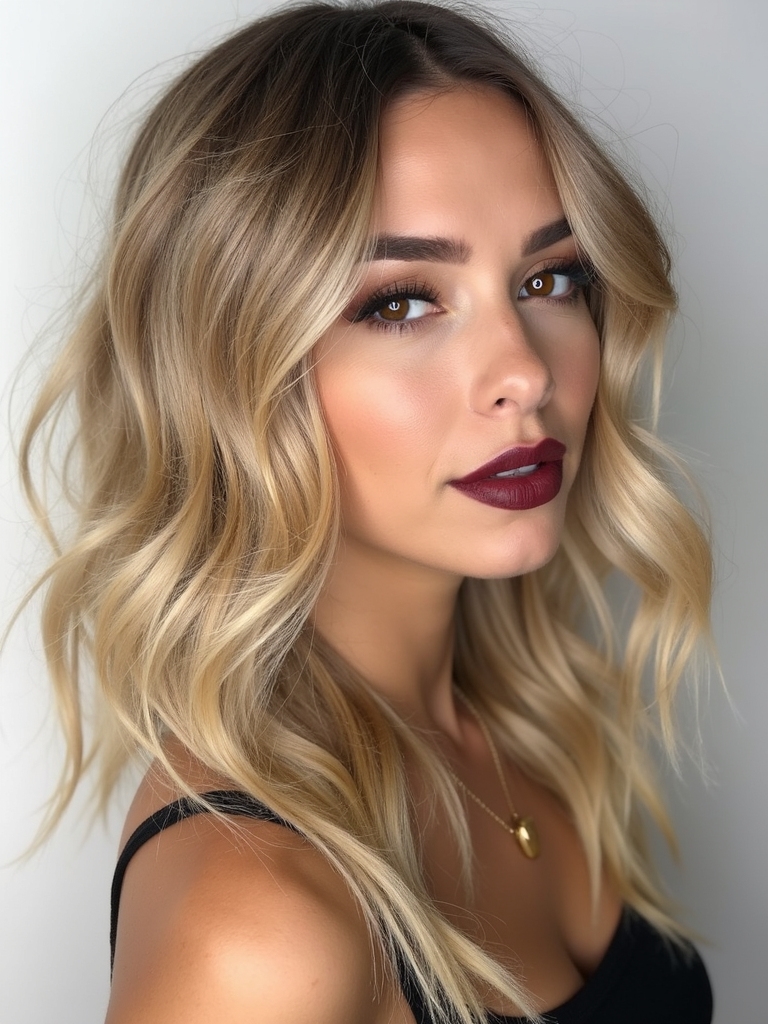
Taking face-framing layers shorter and lighter adds real lift to the front of a long cut. Where softer framing grazes the jaw, these pieces start higher, up near the cheekbone, feathered thin so they flick and lift with every movement.
Lift Right at the Front
The airiness is the entire point here. Cut thin and feathered, these shorter layers move independently and build the appearance of volume right where long hair tends to flatten out.
Because the pieces sit short, a little daily styling keeps them looking intentional. Lifting at the root with a round brush brings out the feathering and keeps the front from falling flat by afternoon.
A couple of terms worth knowing before this consultation:
📖Internal layering
Cutting weight out from beneath the surface so the outside keeps its length while the inside gains movement.
📖Graduation
A gradual change in length from short to long across a section, used to build a soft, continuous frame.
Rounded U-Shaped Layers
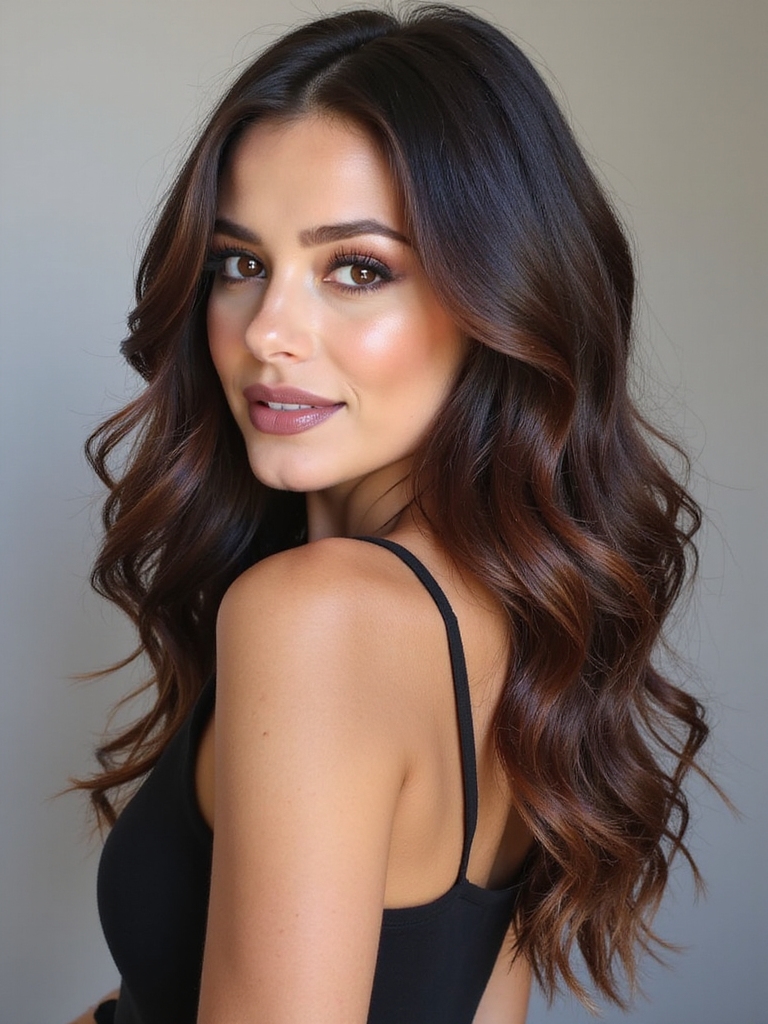
A U-cut sacrifices almost no length while still adding real shape. The perimeter is shaped into a soft curve, and the internal layers stay long and rounded, so the hair picks up gentle movement without losing density anywhere.
This is the safest option for anyone protective of their length, since the layering blends invisibly and the curved hem keeps the back looking full. Thick hair especially benefits, gaining shape and movement it might otherwise lack.
Tapered V-Cut Layers
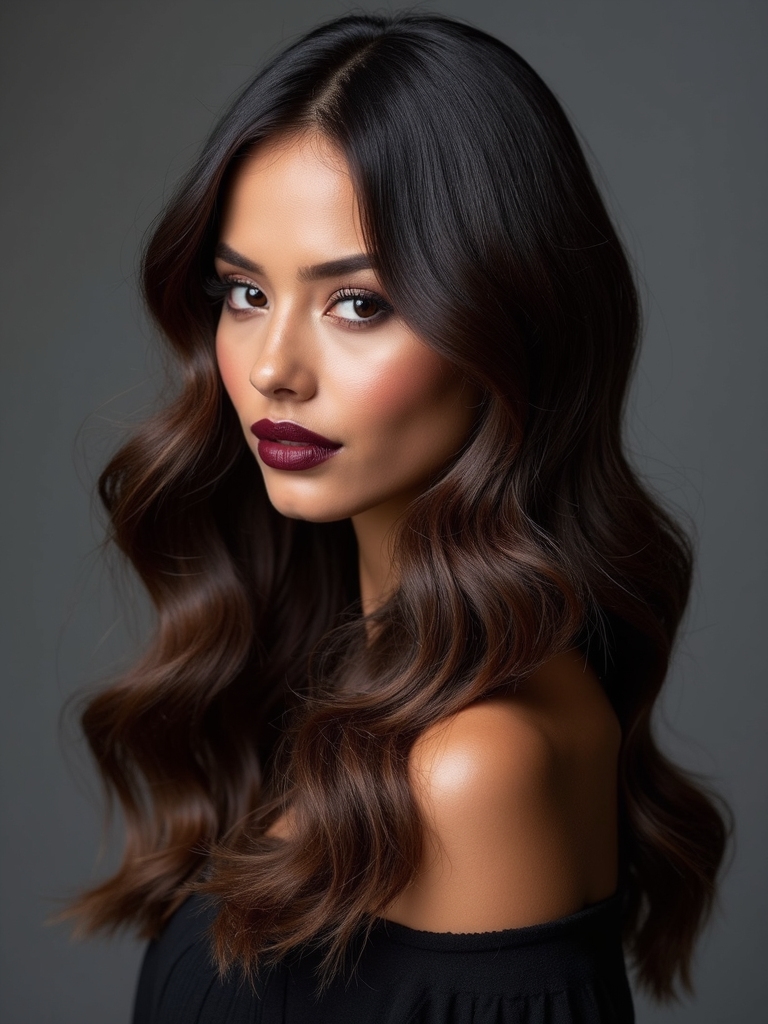
A V-cut makes more of a statement than a rounded U. The back tapers to a defined point, and the layers graduate more steeply toward the face, building real drama and a strong sense of movement down the length.
Thick to medium hair suits this shape best, since the steep graduation removes weight and lets the length flow freely. On finer hair, the point can read a bit wispy, so it’s worth a straightforward conversation with a stylist about density before committing.
Feathered Tapered Layers
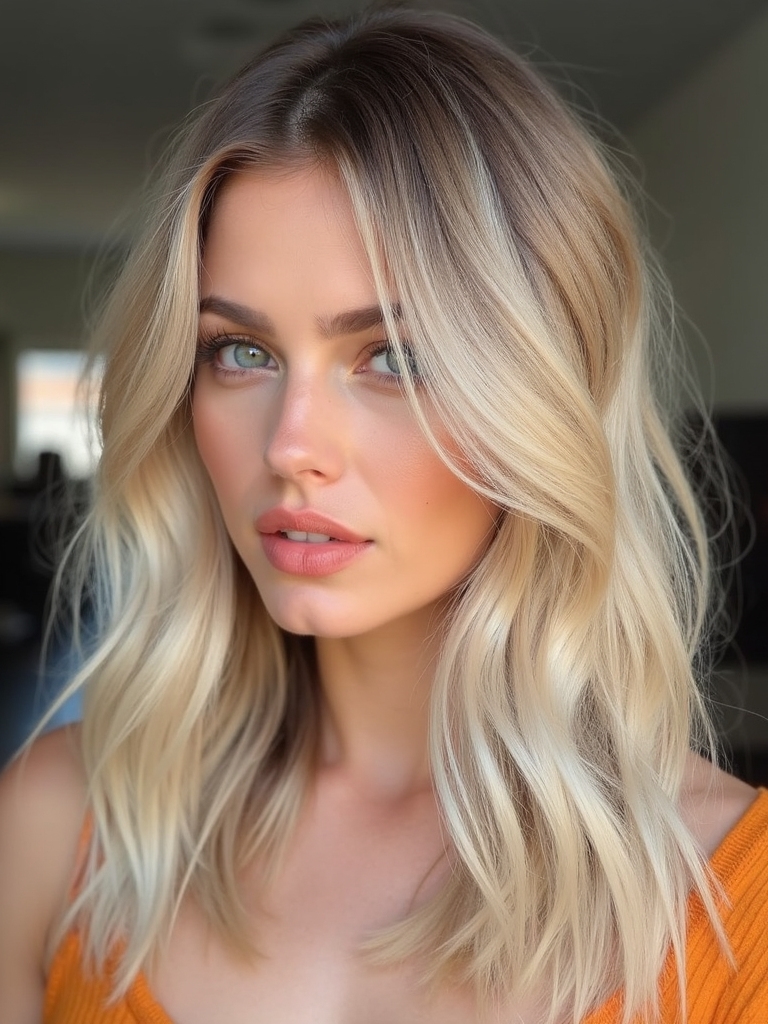
Feathered layers offer a softer, more retro-leaning way to shape long hair, with ends tapered into fine, wispy points so the whole cut carries a weightless kind of movement.
Soft, Flowing Movement
The layering blends gradually down the length and feathers out at the tips, giving long hair a bounce that catches light as it moves.
This low-drama option flatters most textures, particularly straight and wavy hair where the feathering shows up most clearly. It softens heavy length without making the bold statement a V-cut does.
Invisible Weightless Layers
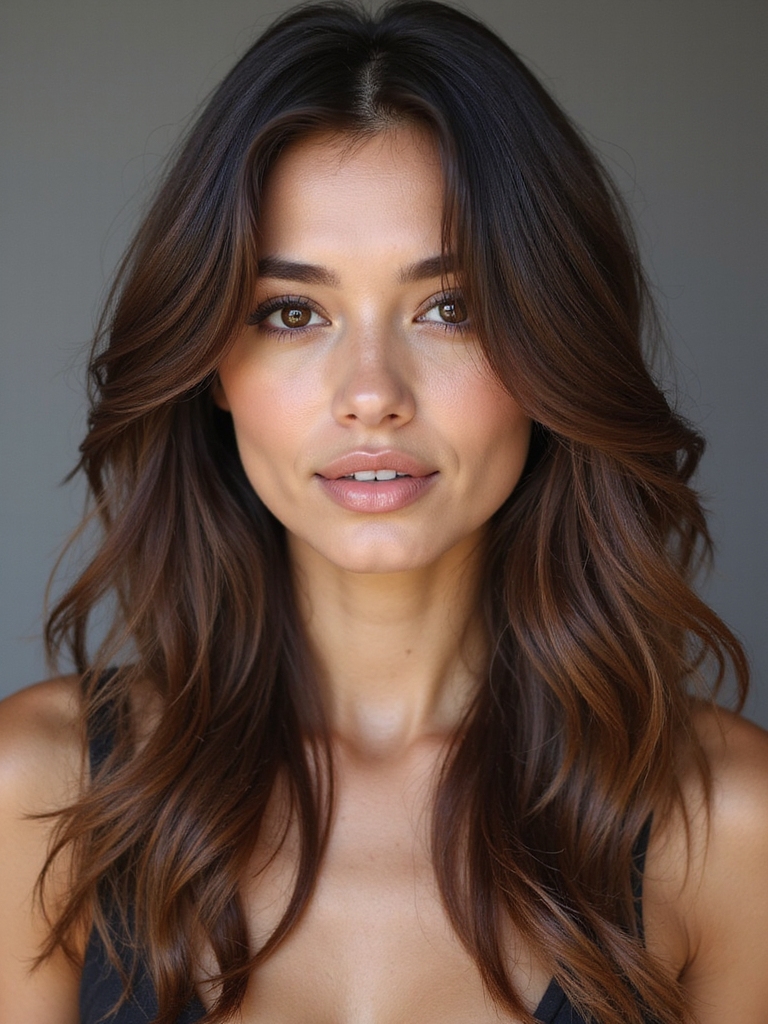
Invisible layers suit anyone who wants more body without changing how their hair looks on the surface. Cut entirely beneath the top layer, they remove some weight from the interior so the hair lifts and moves, while the outside stays smooth and appears one continuous length.
- All the layering happens hidden, beneath the visible surface.
- Builds real volume without thinning the visible ends at all.
- One of the lowest-commitment ways to add movement to long hair.
Long Layers With Side-Swept Bangs
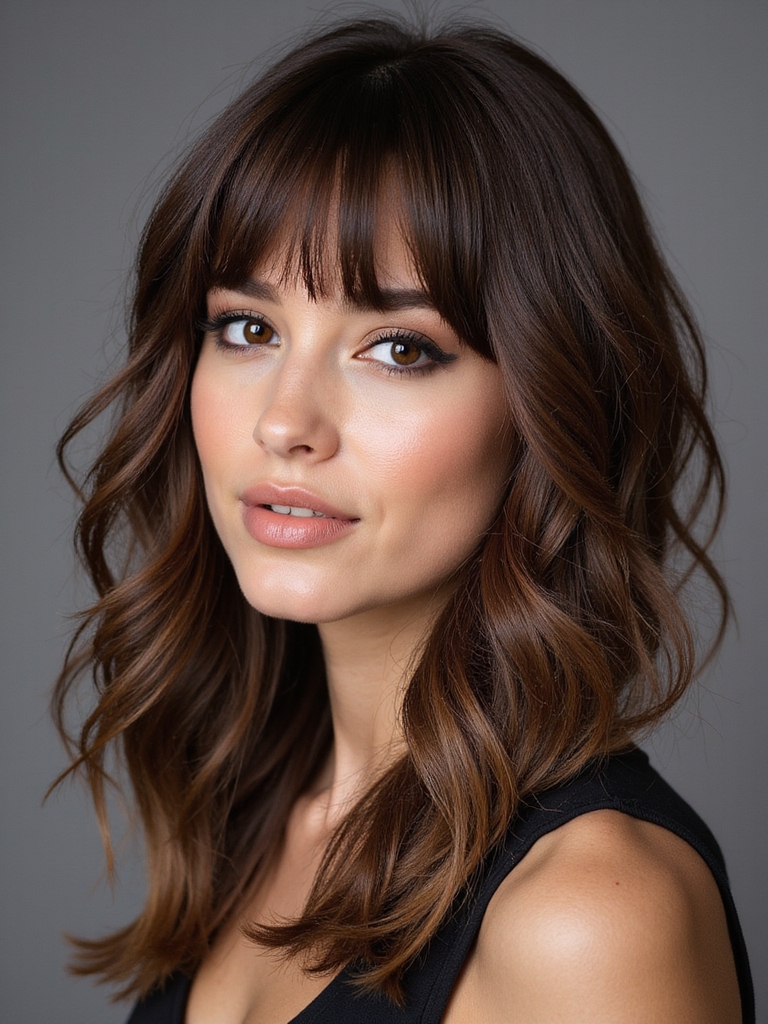
Adding a side-swept fringe to long layers brings a soft, flattering diagonal to the front. The bangs sweep across from a deep part and settle into the surrounding face-framing pieces, so the whole front moves as a single shape.
This is an approachable way to wear a fringe alongside long hair, since the swept shape grows out into the surrounding length with no hard edge to manage. A deeper part gives it the lift needed to stay out of the eyes.
The best long-layer cut is the one that solves your specific problem, whether that’s flat roots, heavy ends, or hair that won’t move.
Textured Beachy Layers With Piecey Ends
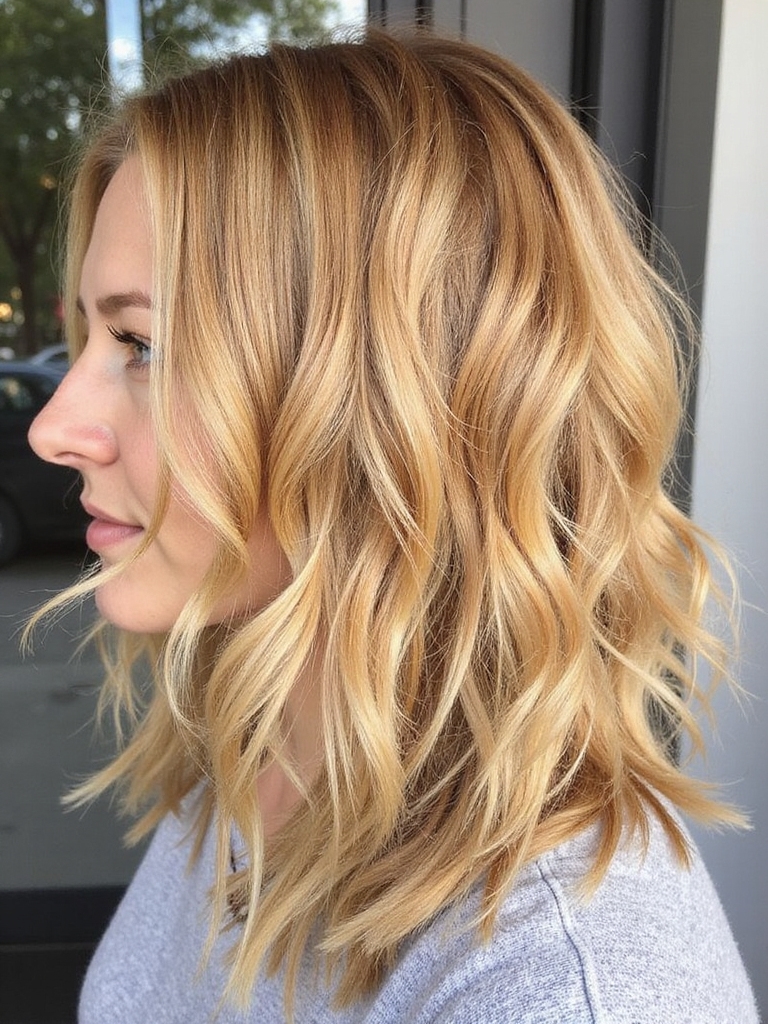
Beachy, textured layers turn long hair into a relaxed, undone shape full of natural-looking movement. The layers are cut to encourage a wave, and the ends are point-cut into separated, piecey tips that catch that bend as it forms.
Casual, Undone Texture
This texture reads casual and relaxed, well suited to long hair with a slightly worn, undone quality.
It plays especially well with hair that already has some natural wave, since that wave amplifies the piecey separation on its own. A light salt-based product on damp hair, followed by an air-dry, brings the whole texture out.
Cheekbone-Framing Graduated Layers
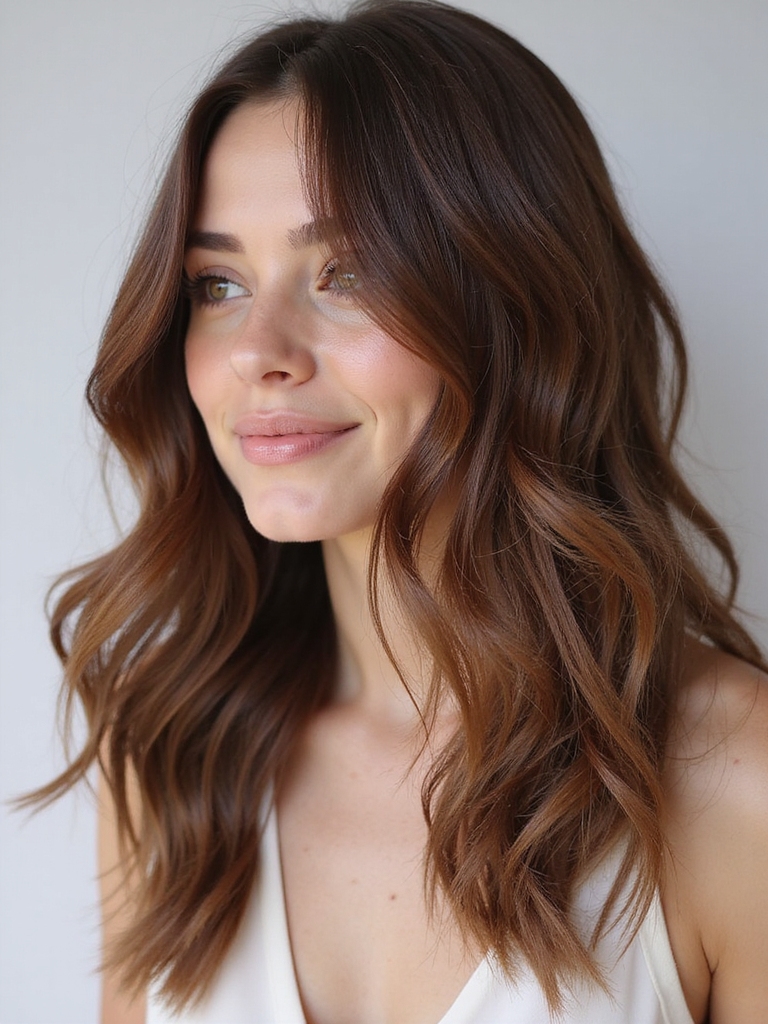
Graduating the layers starting at the cheekbones is a quietly flattering way to frame the face on long hair. The shortest pieces begin right at the cheekbone and lengthen gradually toward the ends, creating a gentle, continuous frame rather than one sudden short layer.
- The frame starts at the cheekbone and lengthens gradually from there.
- This soft graduation flatters round, square, and heart face shapes alike.
- Blends downward into the length with no hard, visible transition line.
👍Why Beachy Layers Work
- +Amplifies natural wave instead of fighting it
- +Forgiving of imperfect, low-effort styling days
- +Hides regrowth and slight unevenness well
👎What to Know Going In
- –Needs some natural texture to really land
- –Piecey ends require regular trims to stay defined
- –Not the choice for a sleek, polished finish
Long Layers With Blended Highlights
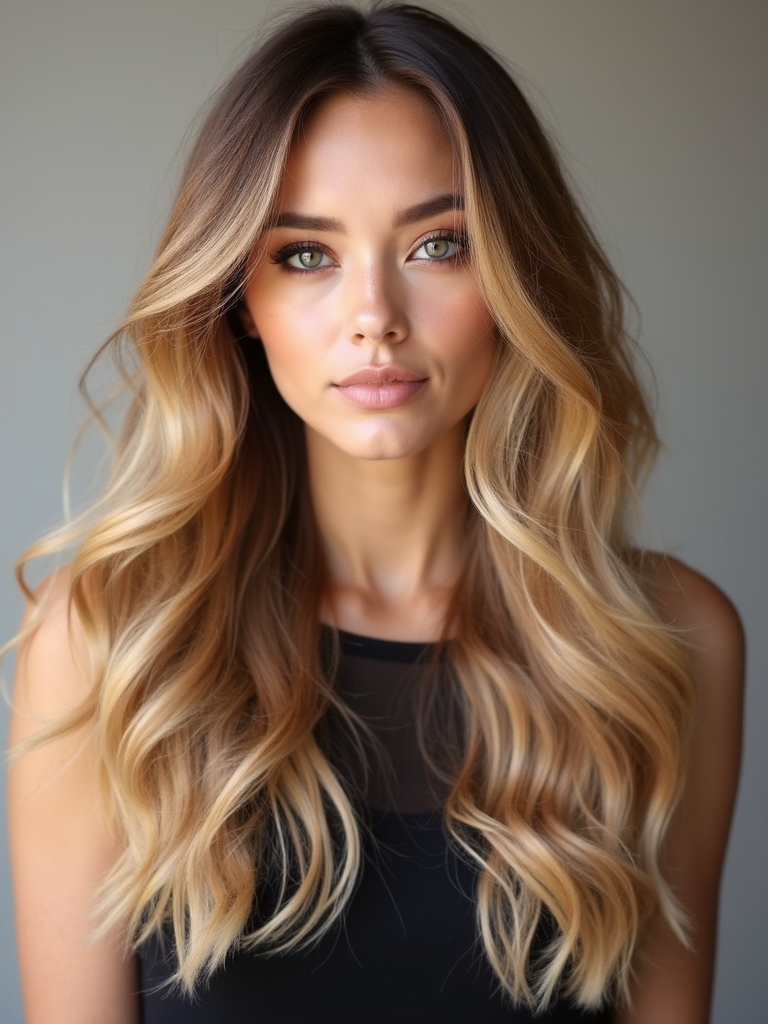
Color and layering amplify each other on long hair. Blended highlights woven through layered length catch light as the hair moves, so the layers show off the color’s dimension and the color shows off the layers’ shape in return.
Placement matters most here. Highlights painted to follow the layers and brighten the face-framing pieces add real depth without a harsh line at the root, and keeping the base close to a natural depth keeps upkeep manageable.
Plan on around $150 for a full highlight application on long hair, with a gloss on a periodic cadence to keep the color from dulling between visits.
Feathered Razor-Cut Ends
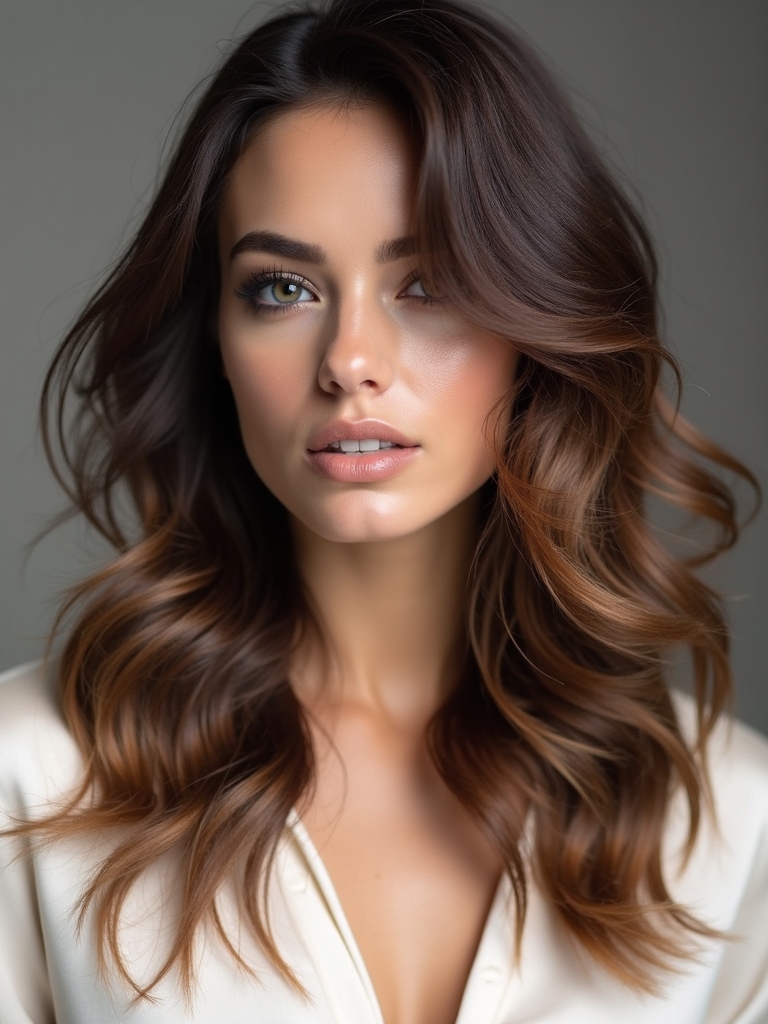
A razor finishes long layers with feathered, tapered points for the lightest movement on this entire list. Instead of a clean scissor line, the blade slices the ends into fine, wispy tips, so the layers feather away into softness at every edge.
This finish suits straight and wavy hair especially well, where the razored texture shows up most clearly. Very fine or already-fragile hair can fray under a razor, so a quick check on hair health with a stylist is worth doing before booking this specific finish.
Debulked Layers With a Flowing Perimeter
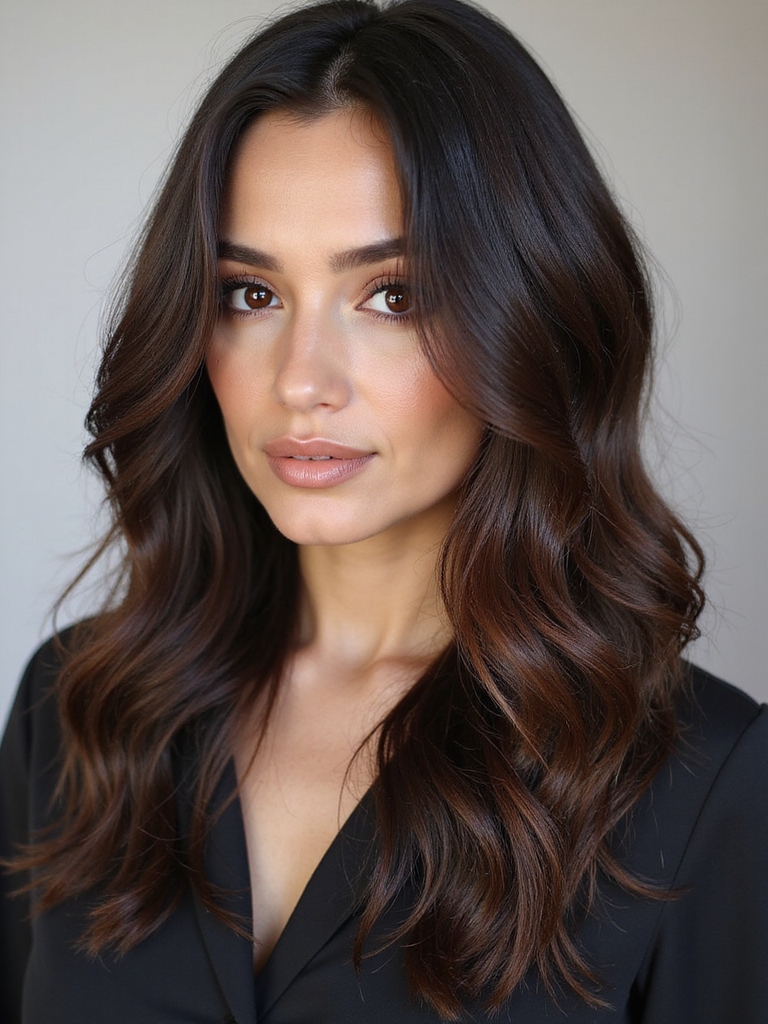
Thick long hair can turn into a heavy, pyramid-shaped mass without help, and internal debulking is how a stylist corrects that. Weight comes out from deep inside the cut while the perimeter stays full, so the hair bends and moves freely.
Keeping the thinning hidden matters most. Removing weight from the interior lets thick hair flow without the stringy, over-thinned look aggressive layering can leave behind.
- Removes interior weight while keeping the perimeter fully intact.
- Stops thick hair from building into a heavy, triangular shape.
- Keeps the ends looking full and healthy rather than thinned out.
Layered Volume With Face Framing
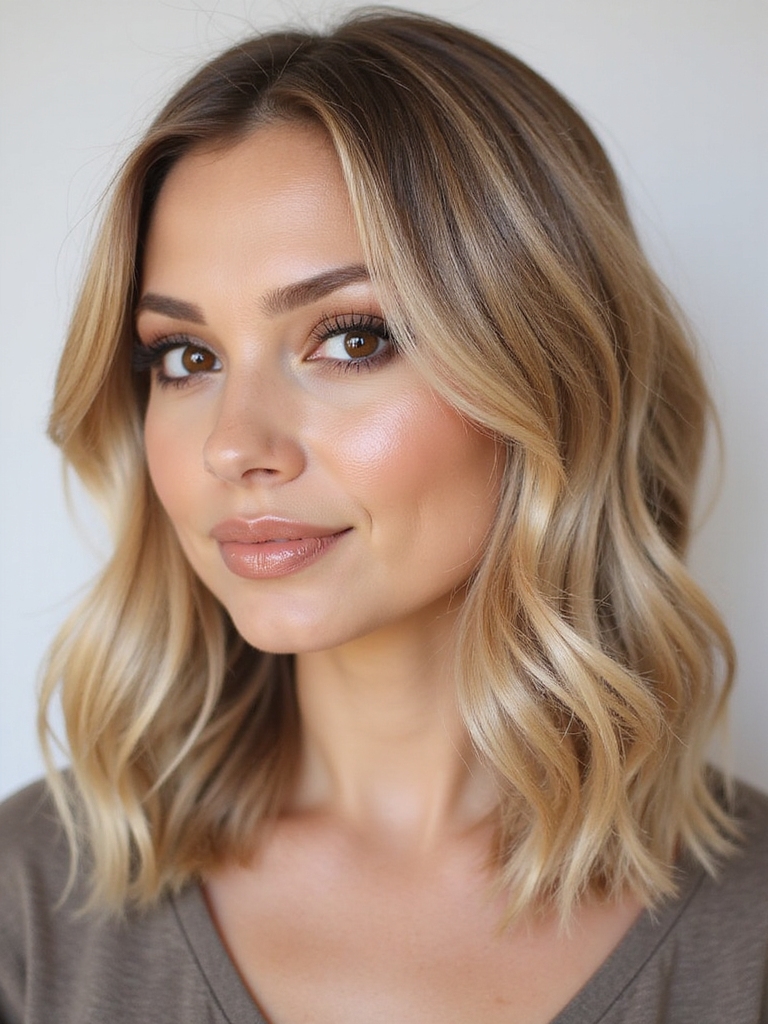
For long hair that falls flat at the crown, layering specifically for volume is the fix. Strategic layers built up through the crown lift the roots and add body exactly where long hair tends to collapse, while face-framing pieces pull the eye toward the features.
A volumizing mousse worked into the roots, followed by a round-brush blow-dry that lifts the crown layers, carries that body through most of the day.
Layered Curl Shaping
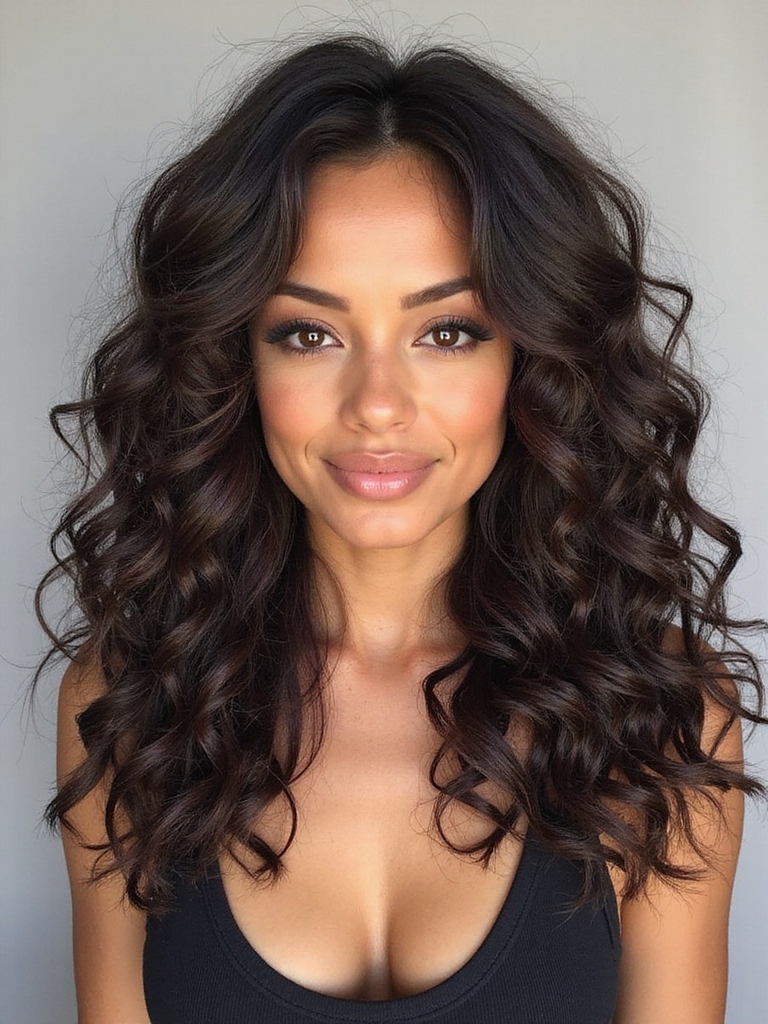
Curly long hair needs layers to hold its shape well, otherwise the curls pile up into a heavy triangle with flat roots and dense, weighed-down ends. Well-placed layers let the coils stack and spring into a balanced silhouette instead.
Shaping happens on completely dry, styled curls, giving a stylist a true view of where the pattern actually settles before any cutting begins.
- Layering keeps curls from piling into one heavy triangle shape.
- A dry cut accounts for real shrinkage, not stretched, wet length.
- Volume builds up top while movement stays defined through the ends.
Trying to decide between crown volume and face-framing? Compare the two goals.
🎯Volume at the Crown
Fixes flat roots; layers built up high through the top.
🎯Face-Framing Pieces
Fixes a flat front; shorter layers concentrated around the face.
Tapered Layered Ends
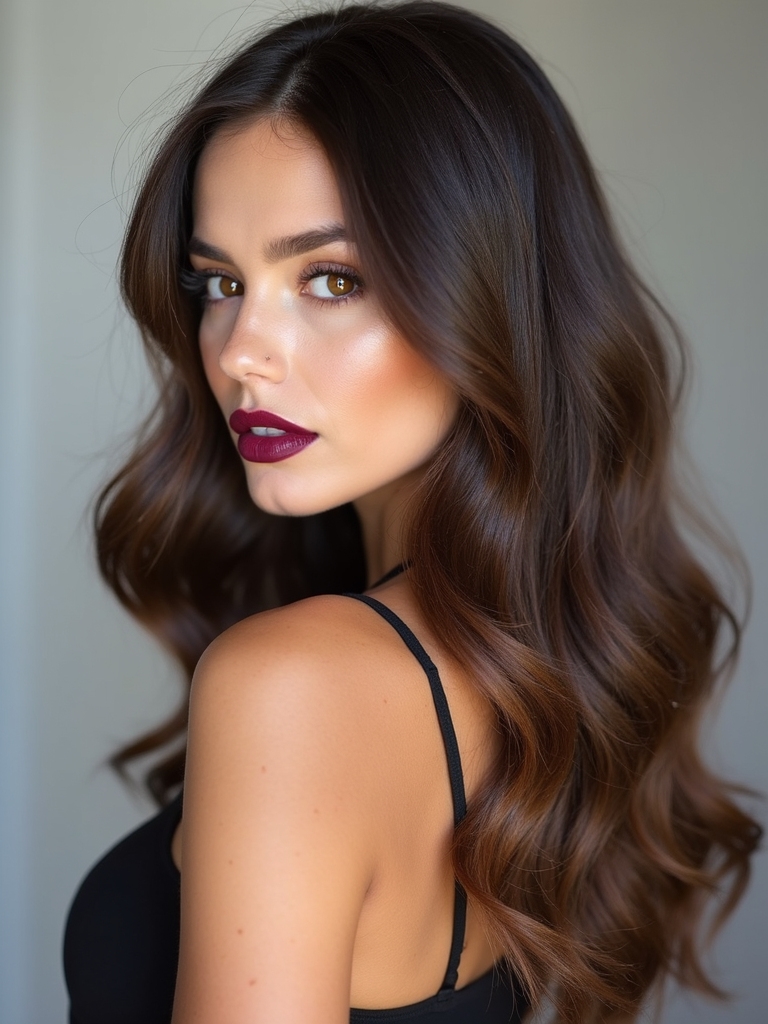
Tapered ends are the finishing detail that keeps long layered hair from reading blunt and heavy at the bottom. Instead of one thick, straight-across hem, the ends are point-cut and tapered so they thin gently into soft points, letting the whole length move more freely.
- Point-cut, tapered ends keep the hem from looking blocky or stiff.
- Lets the length flow rather than hang in one heavy, solid line.
- A small finishing touch that lifts nearly any long layered shape.
Who It Suits Best
Long layers work on nearly every face shape and hair type, though the right version depends on what matters most: keeping length, adding volume, or managing thickness. Anyone protective of their length does best with a U-cut or invisible internal layering, while anyone chasing real movement should lean toward a V-cut or feathered ends.
Fine hair benefits most from invisible or short face-framing layers, since both add lift without sacrificing visible density. Thick hair, meanwhile, almost always needs internal debulking specifically to flow well and stop puffing.
Long Layered Hair, Answered
?Will layers make my long hair look shorter overall?
Not necessarily. A U-cut or invisible internal layers keep the longest length almost untouched while still adding movement inside. Only steeper shapes, like a V-cut or short face-framing layers, trade away visible length for more drama.
?Which long-layer approach works best for thick hair?
Both a U-cut and a V-cut can carry internal debulking underneath them, pulling weight out from inside the cut so the hair flows instead of building into a heavy triangle shape. Losing bulk, not length, is the actual goal, so ask specifically for weight removed from the interior.
?What actually happens if curly hair gets layered wet instead of dry?
The cut ends up shorter and bulkier than intended, since curls spring back up a great deal once they dry. A stylist experienced with texture will always shape curly layers on dry, already-styled hair instead.
Layers Make Long Hair Move
Long hair earns its shape from what happens underneath the surface, not just the length itself. Whatever the priority — keeping every inch, building drama, or simply getting hair to move again — there’s a layered version built around that specific goal.
Bring a clear photo and a specific priority to the next appointment, and the right shape tends to follow from there without much guesswork.
Favorites to Revisit