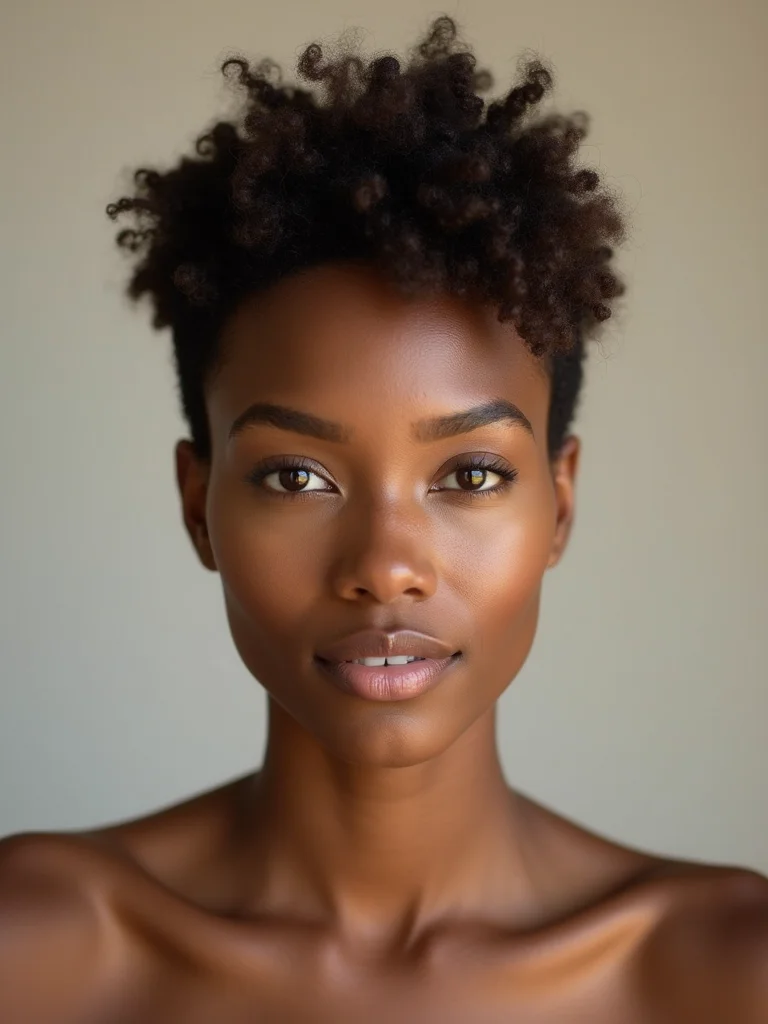
Can a haircut really look intentional when you have barely touched it? The French bob is the proof. It is a short, blunt-ish cut that lands around the chin or jaw, almost always with a fringe, and it is built to look a little undone on purpose.
Nine versions follow below, from tousled and air-dried to sleek and center-parted, along with how the shape shifts on curly and fine hair and the honest upkeep behind that barely-styled finish.
The French Bob, at a Glance
- A short, blunt-ish cut around the chin or jaw, almost always with a fringe, worn with its natural texture rather than smoothed flat.
- The cut does the work, so daily styling stays light, but the shape and bangs need salon trims every five to seven weeks.
- It works on curly, fine, wavy, and thick hair when the cut is matched to your texture and face shape.
What the French Bob Actually Is
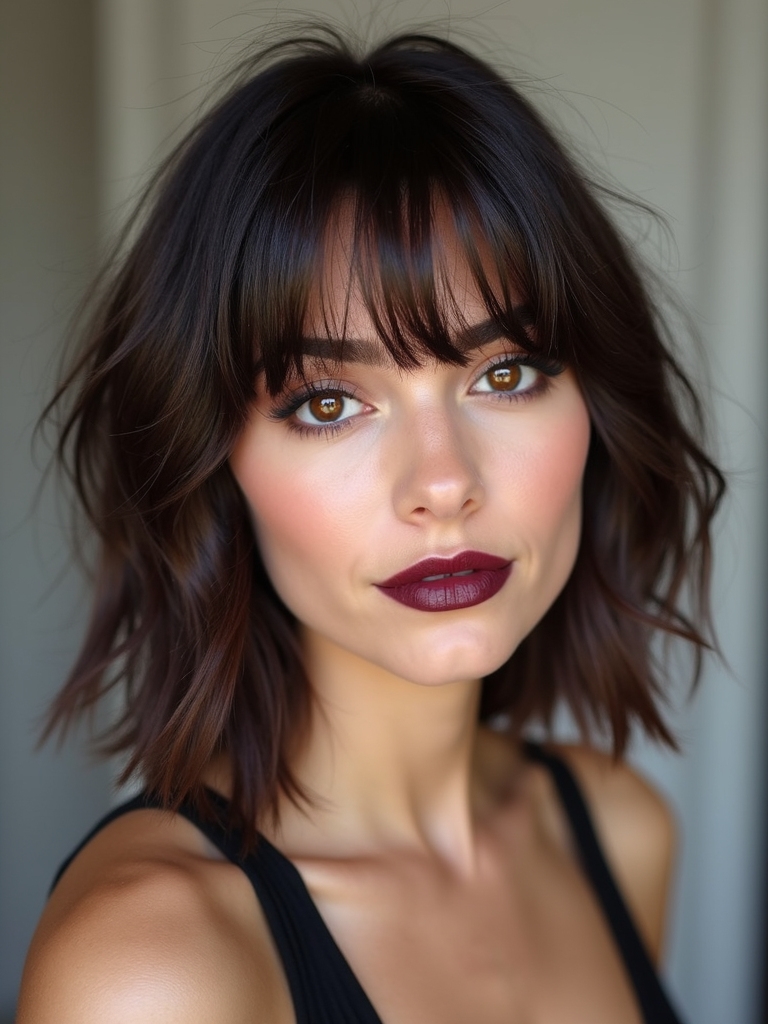
Strip the French bob down to its parts and it is a short, mostly blunt cut that hits somewhere between the chin and the jaw, nearly always with a fringe. What sets it apart is not a precise measurement. It is the attitude: a shape cut well, then worn with its own natural texture instead of fussed into place.
- Length that sits around the chin or jaw, solid enough to keep a clean line.
- A fringe almost every time, since it frames the face and ties the cut together.
- Natural texture left in, so the whole thing reads relaxed rather than overworked.

The Tousled, Air-Dried Version

Most clients pull up the same kind of photo on their phone first: someone who looks like they rolled out of bed and got lucky. That is the air-dried French bob, the version most people fall for. You scrunch in a bit of salt spray, let your natural wave do the shaping, and walk away.
It is also the most forgiving as it grows out. Loose texture blurs the perimeter, so you buy more weeks between trims than a smooth finish allows. The one thing I tell wavy clients: scrunch the spray in while the hair is still damp, then leave it be, because combing through dry waves breaks up the pattern you wanted. Work with the texture, not against it.
- Best on hair with some natural wave or bend to it.
- A salt or texture spray does more here than a hot tool.
- Grows out softly, with no sharp line to keep up.
A couple of things people get wrong before they book it:
❌ Myth: The French bob only works on thin, straight, Parisian hair.
✅ Reality: Curly, fine, wavy, and thick hair all wear it well when the cut is matched to your texture and face.
❌ Myth: Undone styling means no maintenance.
✅ Reality: The look is styling-light but cut-heavy. The shape and fringe still need regular shaping to stay sharp.
The Sleek, Polished Take
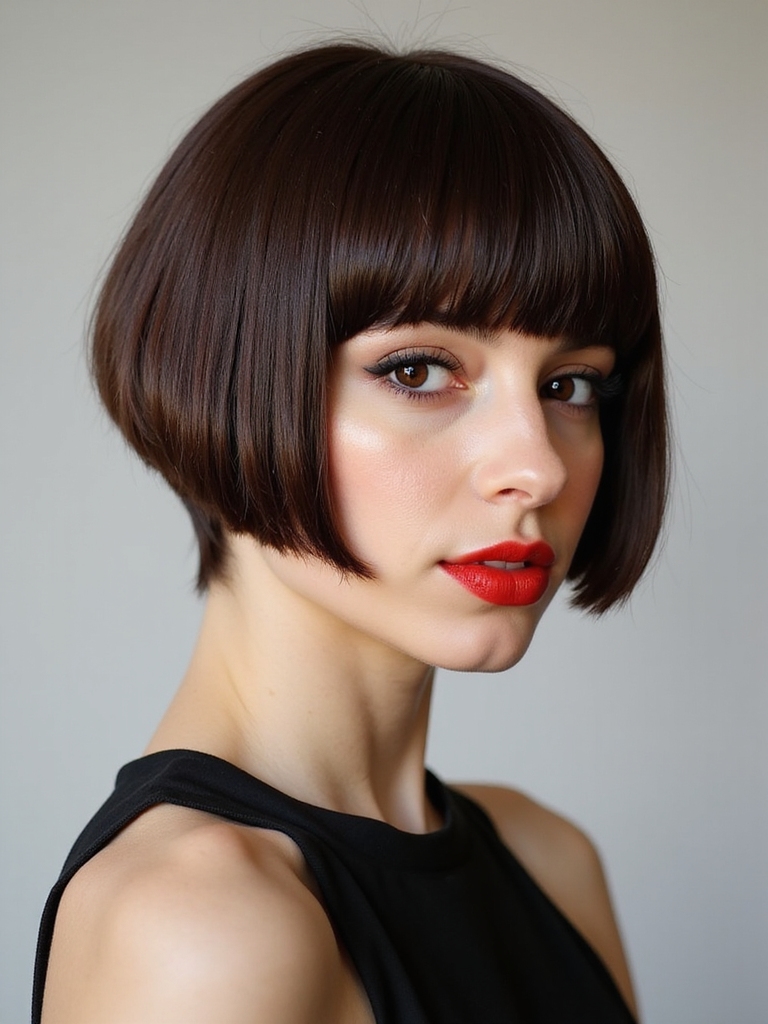
There are days you want sharp, not soft, and the French bob obliges. Smooth it with a brush and a flat iron, work a pea-sized amount of shine serum through the mid-lengths, part it down the center, and the same short cut reads crisp and modern.
That range is the quiet advantage. One cut takes you from a relaxed weekend to a polished evening with no salon visit in between. The trick on the sleek days is restraint: a low-to-medium heat setting, one pass per section, and a serum no bigger than a pea, since fine ends scorch and go limp if you overwork them.
The Curly French Bob
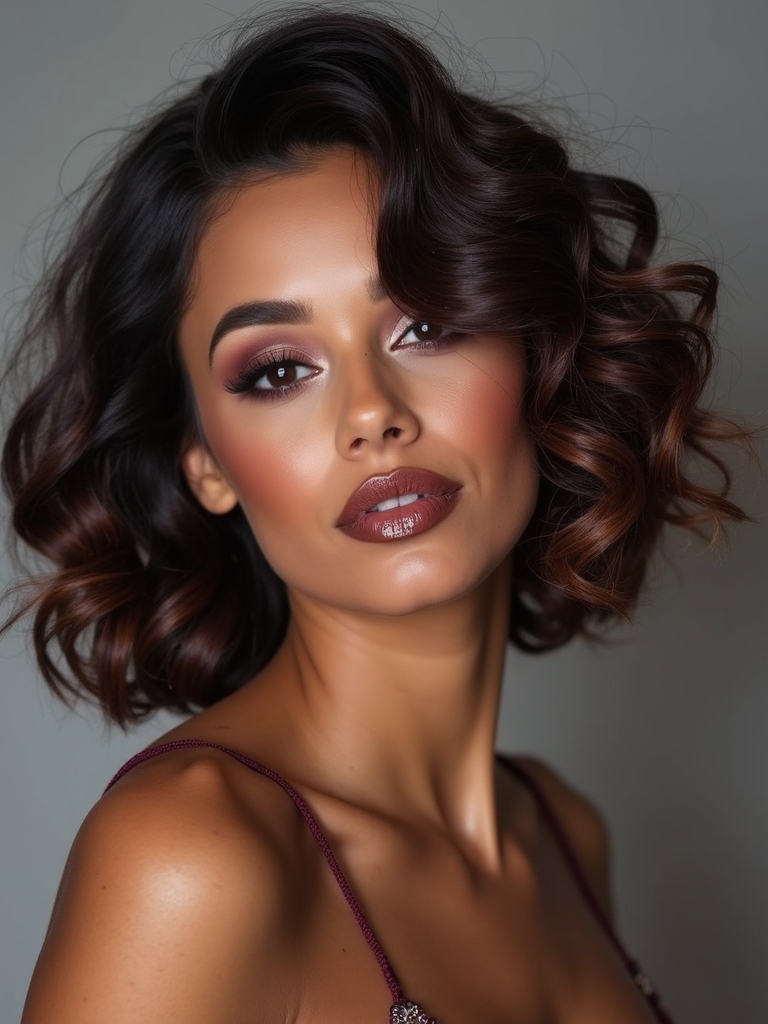
The first thing I do with a curly client is set the scissors down and watch how the hair actually falls. Curls wear a French bob beautifully, but I cut them dry and in their natural pattern so I can place the length where each curl lands, instead of guessing while it is stretched and wet.
Shrinkage is the whole game here. Curls draw up as they dry, so the finished length lands shorter than it looks on the cutting stool, and the fringe needs to be left longer so it springs into a soft frame rather than a tight ball. If you want the curl-first take, the curly bob guide goes deeper.
- Have it cut dry and in your natural curl pattern for accurate placement.
- Leave length to spare, since curls shrink as they dry.
- A low diffuser setting or a plain air-dry keeps the curl pattern defined instead of puffy.
About That First Wash
Curls keep shrinking for a day or two after a fresh cut as they fully dry and bounce back. Do not panic if it sits higher than it did in the chair; that is the shrinkage settling in, not a bad cut. Build it into your expectations and your stylist will leave a little extra length to account for it.
The Soft, Piecey Everyday Bob
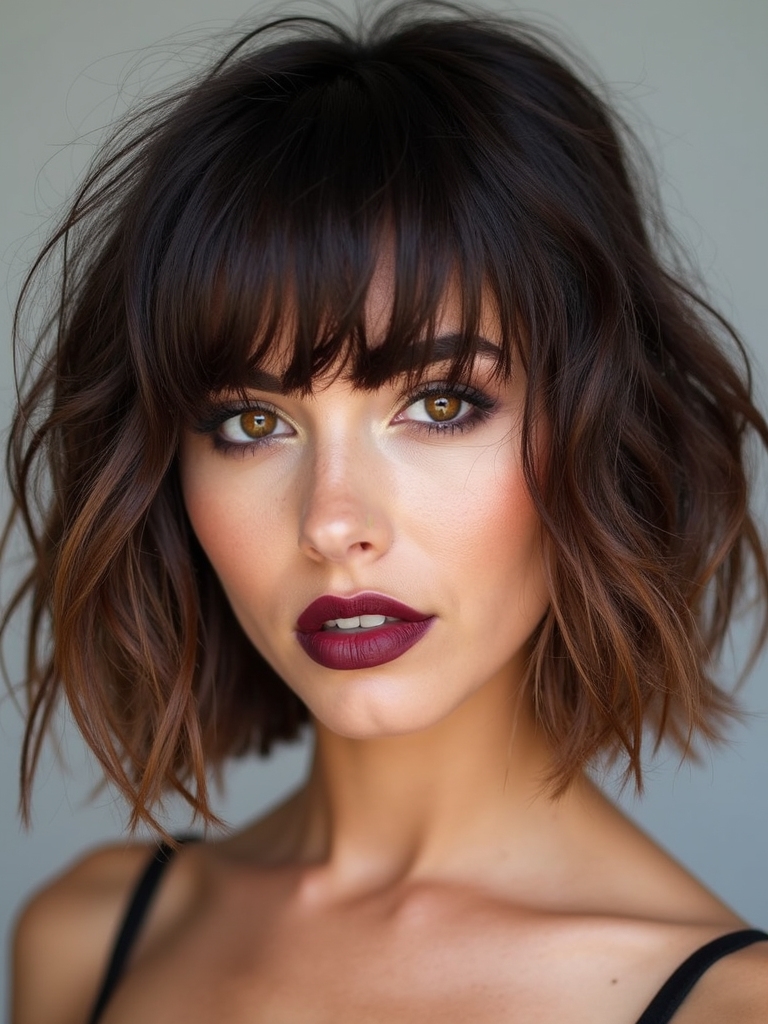
Not every day is a sleek day or a beach-wave day. The everyday French bob lives in between: soft waves through the body, piecey bangs that break up the fringe so it does not sit like a solid wall. It’s the wear-it-anywhere version, built for anyone after texture without the commitment of a heavy, solid fringe.
- Piecey bangs are easier to live with than a full, blunt fringe.
- A little texture spray separates the ends and keeps it soft.
- Forgiving on most hair types, since the texture hides unevenness.
The Fringe Carries the Whole Shape

Take the fringe away and a French bob is just a short bob. The bangs are what make it French. A fringe that grazes the brow gives the cut its softness and frames your features, which is why I rarely steer a client toward this style if they are firmly anti-bang.
A full, blunt fringe makes the boldest statement, while a piecey or parted version gives you the same framing with more room to see. For a closer look at how different bangs change the cut, the French bob with bangs breakdown runs through the options.
👍Why the fringe works
- +Pulls focus toward your eyes and features.
- +Adds fullness up front, which flatters fine hair.
- +Defines the cut as a French bob rather than a plain short one.
👎What it asks of you
- –Bangs need shaping more often than the rest of the cut.
- –A full, solid fringe is a commitment to live with daily.
- –Not the move if you push your hair off your face most of the time.
The Soft Curtain-Bang French Bob

If a full fringe feels like a commitment, curtain bangs are the gentle way in. They part softly down the middle and sweep to each side, framing your face without cutting straight across your forehead. First-timers land here most often, and it’s a close cousin to the bob with curtain bangs.
- Parts in the middle and sweeps to the sides, so it flatters most face shapes.
- Blends into longer layers as it grows, with no awkward stage to push through.
- A safer pick if you are nervous about losing the option to pull hair back.
The Classic Chin-Length Cut
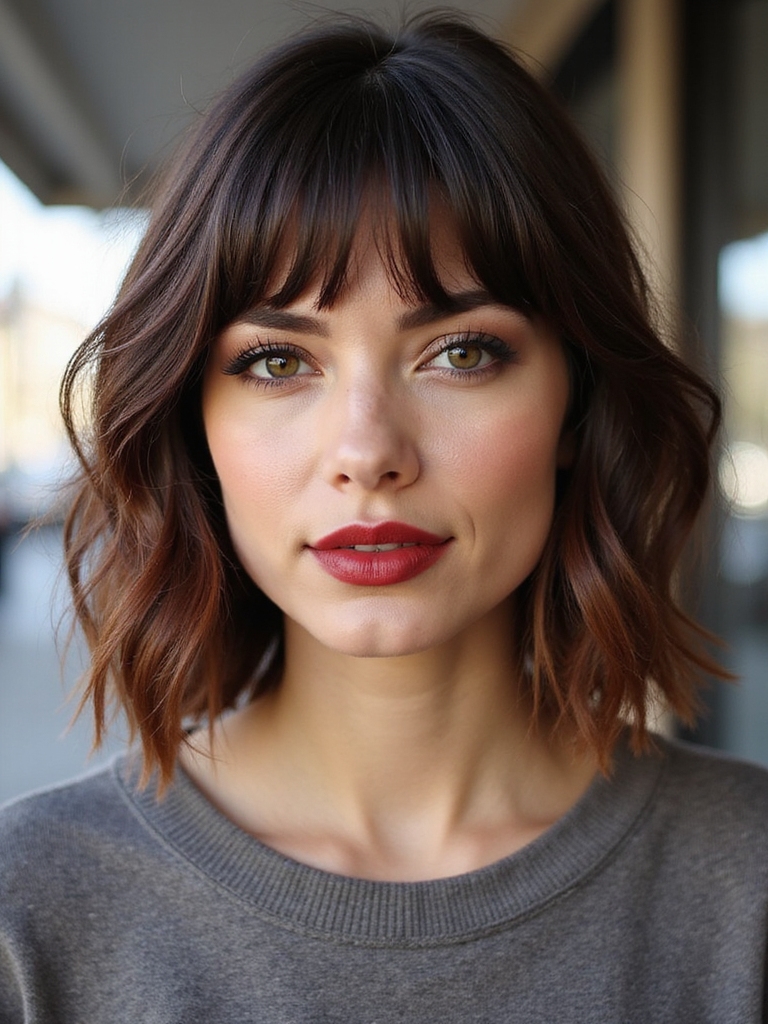
When someone pictures a French bob, this is usually the one: chin-length, tucked behind the ears, the ends left a touch soft. It is the sculpted, polished end of the family, and the most timeless of the bunch.
Start longer than the photo
It reads deliberate because the cut does the work, not the styling. A clean line at the chin holds its shape as it moves, and the length keeps the look grounded. Balanced and longer face shapes carry it with the least fuss, while a rounder face can drop the length just below the chin to draw the look down.
I always start a client longer than the photo they brought. You can take more off in two minutes, but you cannot add length back mid-appointment, so easing into the shape is the safe move. The chin-length bob is a good middle ground if you want to test the length first.
The French Bob for Fine Hair

Fine hair and a French bob are a better match than most people expect. A clean, solid line keeps every strand inside the shape, so the ends look dense instead of wispy.
Keep the line solid, skip heavy layers
The short length helps too. Hair that goes limp past the shoulders holds body and bounce at the chin. I reach for a solid, one-length finish on fine hair almost every time for exactly this reason.
A feathered, textured finish through the top adds the look of fullness without scattering the weight, framing the face while the perimeter stays dense. For more on this pairing, see bob hairstyles for fine hair.
Styling, Volume, and Upkeep
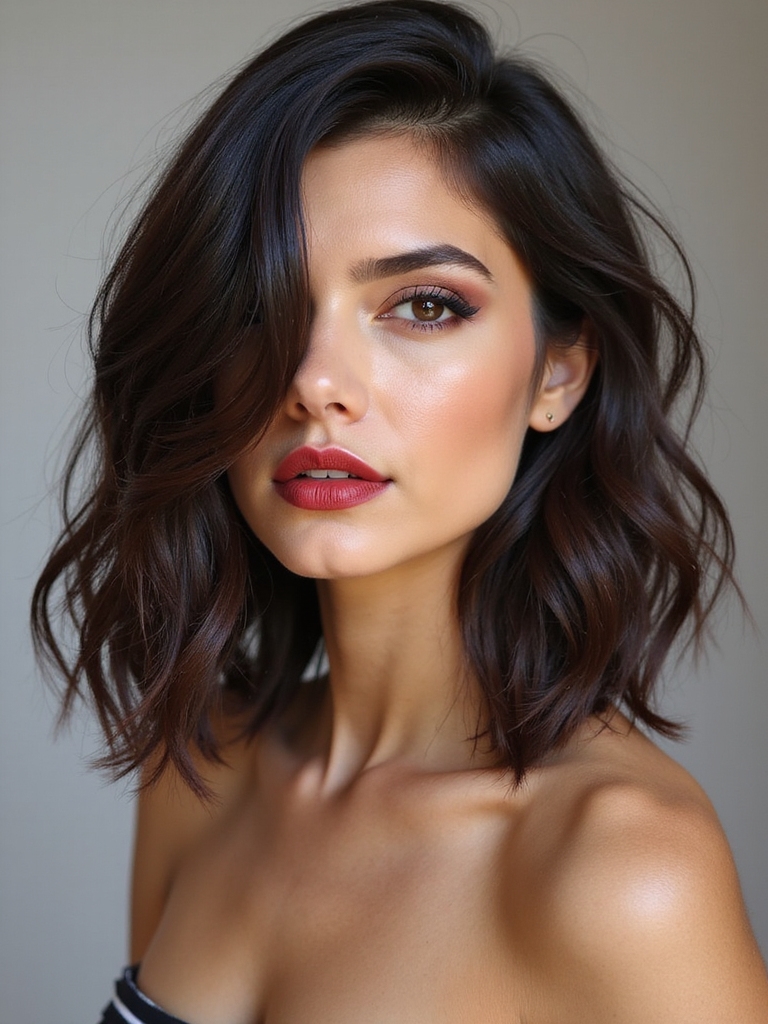
Day to day, this cut asks little. A deep side part adds volume in seconds, since it lifts the hair off the scalp on the heavier side and gives the whole bob a bit of swing. Beyond that, a little texture spray and your fingers do more than heavy tools.
The upkeep that matters happens at the salon and overnight. A satin pillowcase helps every texture hold its shape and cuts down on frizz, and a shaping trim keeps the line and fringe honest. Plan to spend somewhere around $40 to $80 per visit for a cut and fringe tidy, a little more in big-city salons.
- A deep side part adds instant lift at the roots.
- Style with texture spray and fingers, not a heavy round brush.
- Sleep on satin to protect the shape between washes.
Who It Suits Best
The French bob is more flexible than its reputation suggests, but it does have a sweet spot. It rewards people who want a real haircut to do the styling for them, and it asks for a little patience in return, both at the salon chair and through the occasional grow-out.
If you love a tucked-behind-the-ears, low-effort morning and do not mind a standing trim appointment, this cut tends to pay you back. If you change your length often or hate the in-between stage, that is worth weighing before you commit.
- Great for low-styling mornings and anyone who wants the cut to carry the look.
- A strong pick for fine hair that loses body at longer lengths.
- Less ideal if you want length flexibility week to week or dislike fringe upkeep.
French Bob Questions, Answered
?Where exactly does a French bob fall?
Right at chin level, give or take. It can sit a touch longer if you want room to tuck it behind your ears or to soften a rounder face, or a little shorter if you want a sharper, more graphic line. Chin level is the safe starting point because it flatters the widest range of faces.
?How often will I need a trim?
Every five to seven weeks for the cut, and sooner if you wear a full fringe, since bangs reach your eyeline fast. Many salons will tidy just the fringe between visits for little or nothing, which buys you time before booking a full cut.
?Can I get a French bob on curly hair?
Yes, and it can look wonderful. The one rule is to book a stylist who cuts curls dry and can show you their curly work, because a wet curly cut almost always finishes shorter and higher than you wanted once the curls spring back.
?Is the French bob hard to grow out?
The short length goes through an in-between stage, but a softer or curtain fringe blends into the growing length and takes most of the awkwardness out of it. Booking a shaping trim every few weeks keeps the line from looking shapeless while you wait.
Let the French Bob Be Itself
Here is the part that trips people up: the French bob looks better the less you do to it. The temptation is to style it into submission, but the cut is designed to hold its own shape, so the kindest thing you can do most mornings is leave it mostly alone.
If you have been circling this one, take a photo you like to your stylist and talk through length and fringe before a single snip. Start a touch longer than you think, keep the trims on the calendar, and let the cut hand you that pulled-together look on the days you least expect it.
Related Reads