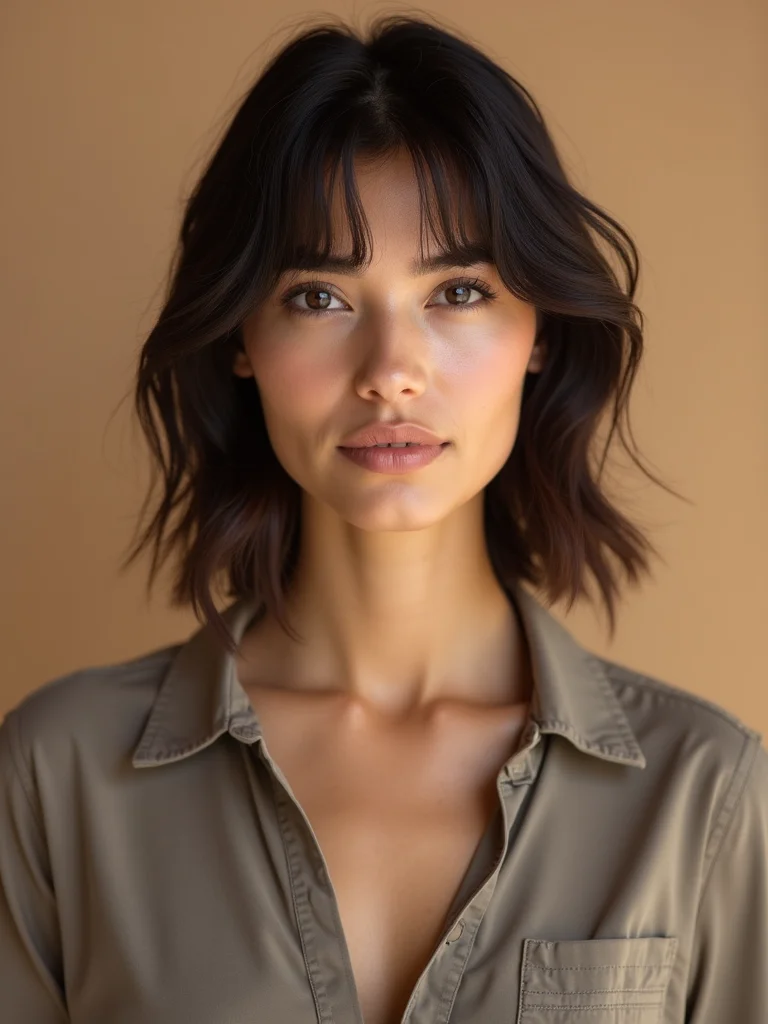
A shaggy pixie mullet is really two cuts sharing one head: a cropped, sculpted pixie up front, a longer, shaggy tail in back. Neither half looks out of place next to the other, which is the part that surprises people expecting a mismatch.
How much crown shows versus how much nape survives decides everything else that follows, punk or polished, editorial or retro, low-effort or attention-grabbing. Each version below leans that balance a different direction, with its own honest trade-offs on upkeep and styling.
The Balance That Defines Every Version
Crown-to-nape contrast is the one constant. Crop the front short and keep the back long enough to read as a tail, and the blend between those two lengths, sharp or feathered, is what separates a deliberate hybrid from an accident.
Cost typically runs $40 to $70 for the cut alone, about half of a full color-and-cut combination service, since the base cut is fast work once a stylist knows the shape. Expect the crown to need attention on a tighter schedule than the nape does, since shorter hair always shows regrowth first. Anyone weighing this against a full pixie roster without the nape can browse shaggy pixie cuts for comparison.
The Soft, Feathered Entry Point

If the word mullet makes you hesitate, this is where most people land first. The crown stays feathered and lightly cropped, and the nape only extends a few inches past it, so the whole shape looks closer to a long pixie than a full hybrid.
The blend between the two lengths carries the look: no hard line, just a gradual feather that keeps things office-appropriate on a Tuesday and interesting on a Friday.
- The gentlest version to grow out, since the feathering already blends any awkward stage.
- Easy to push bolder later by shortening the crown at a future visit.
- Comes across styled and polished, which suits a conservative workplace.
The Punk Micro Mullet

At the opposite extreme, the crown crops down close to the scalp while a short, choppy tail stays defiantly in back. This version commits fully to the contrast, landing close to what the edgy pixie hairstyles collection covers at its boldest.
What This Version Doesn’t Forgive
A client who books this one already knows what she wants before she sits down; there’s no length to hide behind if she second-guesses it halfway through the appointment.
Styling asks for almost nothing: a small amount of clay worked through with fingers on dry hair, no comb, no heat, just a few seconds of effort.
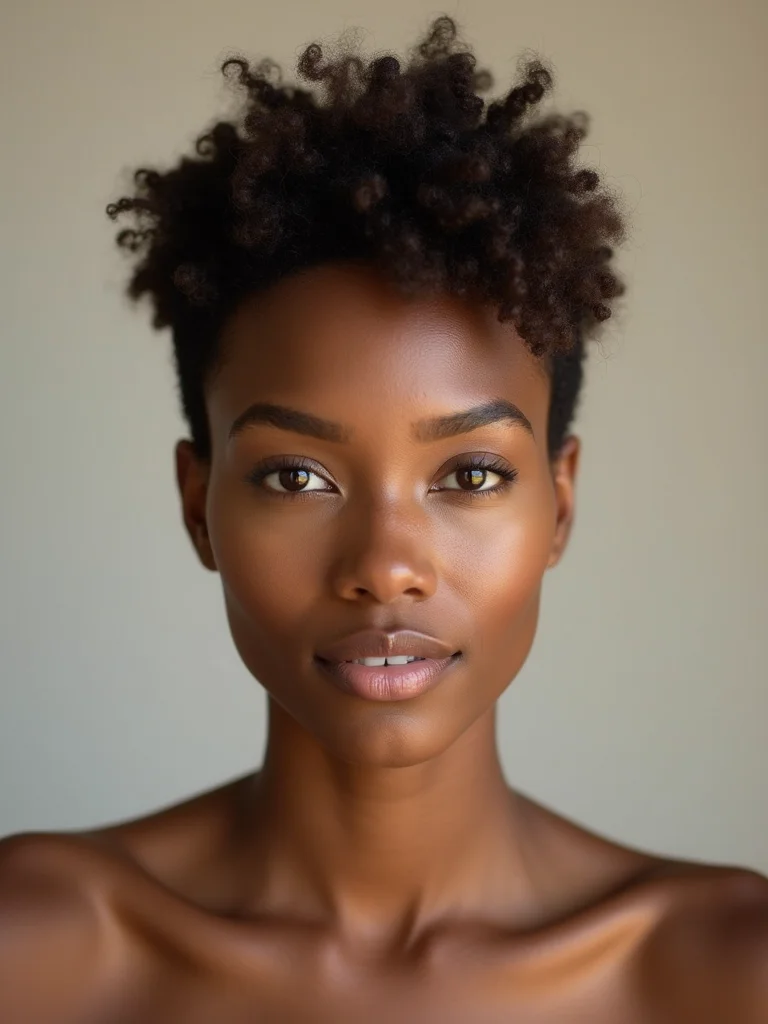
The Curly Pixie Mullet

Curl pattern changes the crown-to-nape math considerably, since curls at the crown compress upward while the same curls at the nape hang with more visible length than straight hair would show at the same cut length. A stylist working this shape has to account for that difference twice, not once, an approach the curly pixie cuts collection also leans on.
The payoff is a version that looks fuller and more sculptural than its straight-hair counterpart, with the curl doing volume work the cut alone can’t manage. On tighter 4A to 4C coil patterns, the nape especially benefits from staying a little longer than planned, since shrinkage pulls up more length there than the crown loses.
- Product goes in wet, from root to end, since reapplying mid-day disturbs the curl pattern more than it helps.
- A diffuser on low heat, or a fully hands-off air-dry, both work; high heat is the one real mistake here.
- The nape tends to hold its shape longer between trims than the crown does.
ℹ️Why Curl Changes the Length Math
A tight curl pattern can shrink visible length by 30 to 50 percent compared to the same hair stretched straight, which is why a curly crown often needs to be cut noticeably longer than it will end up looking.
The Retro Flip-Out

Flipping the nape ends outward sends the whole shape in a playful, seventies direction.
The One Version That Needs a Tool
Most of the other versions air-dry into shape on their own. This one doesn’t. A round brush or flat iron and a light hold spray are required to set the flip, which makes it the least wash-and-go option here.
Save it for occasions where the extra five minutes feels worth it, and let the same cut fall naturally tousled on an ordinary day.
Fine Hair Changes What Stays Long

Fine hair carries this shape differently than density does: the crown needs feathering for lift, but the nape can’t afford much thinning at all or the tail goes stringy and thin-looking.
Where Restraint Matters Most
Layering concentrates at the crown, where lift matters, while the nape stays comparatively fuller than it would on a version cut for thick hair. That asymmetry in technique is specific to fine hair; a stylist who treats both ends the same risks losing the nape entirely.
More than one client with fine hair has come back after two weeks worried the nape had gone thin, when really it had just been over-thinned at the first visit. Work mousse into the crown roots only, and leave the nape alone; it needs weight, not lift.
💡One Question Worth Asking First
Ask specifically how much length will be removed from the nape versus the crown; on fine hair, an uneven approach here is the most common regret clients report.
A Piecey Baby Bang on the Crown
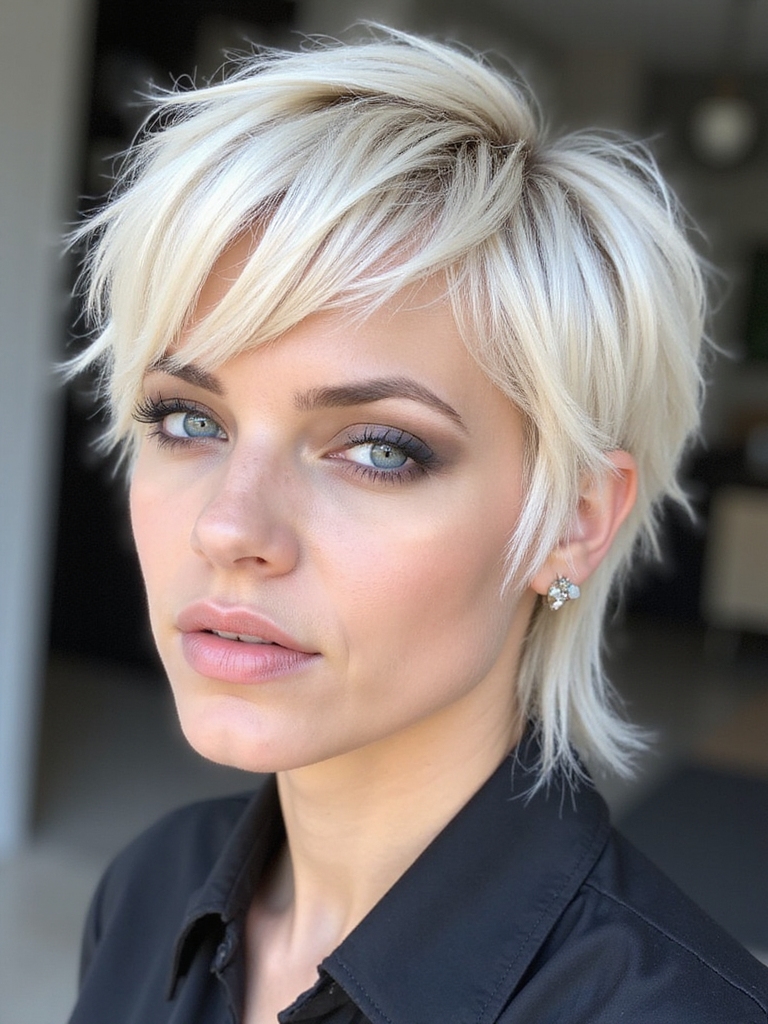
Adding a short, choppy fringe to the crown sharpens the whole hybrid into something more deliberate and editorial. The high, broken bang draws the eye upward, away from the nape, and pairs with a tousled crown texture for contrast.
- Balanced or longer face shapes carry a bang this short better than round faces do.
- Expect a fringe-only trim on a tighter cycle than the crown and nape need, since a few days of growth changes the proportion.
- Keep the bang piecey, not blunt, so it blends naturally with the shag texture around it.
Borrowing Volume From a Wolf Cut
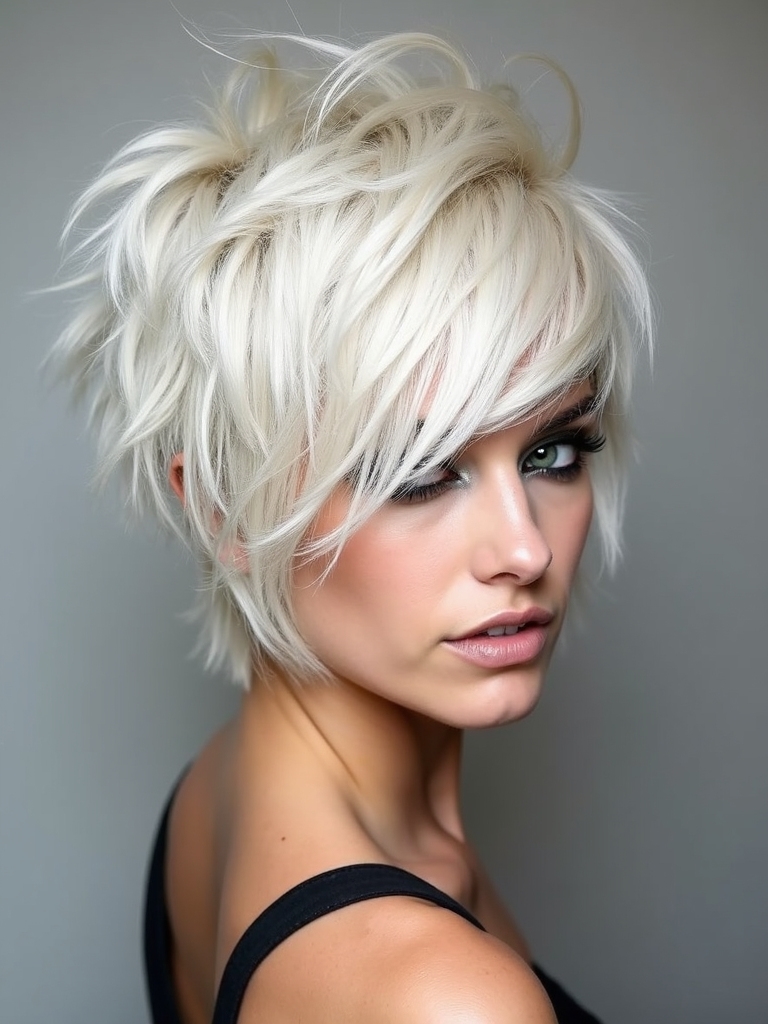
Pull in a wolf cut’s heavier, choppier layering and this becomes the most voluminous version of the hybrid. The crown stays cropped, but the layering throughout gets fuller and less controlled.
Hair with some natural body holds that heavier layering better than very fine strands do, which makes this one of the few versions where density actually works in your favor.
- Maximum texture and movement of any version in this set.
- A texture spray is the only product most people need to finish it.
- Pairs especially well with the punk micro crown for maximum contrast.
Directional Movement From a Razor

A razor worked along the nape specifically, moving in one consistent direction rather than crossing back and forth, gives this version its airiest flow between the crown and the tail.
The technique asks more of the hair than scissors do. Fine or chemically treated strands split more easily under a blade, so this version holds up best on healthy, medium-to-coarse hair with some resilience built in.
The directional effect softens within the first month as the razored ends relax, worth knowing going in if the sharpest version of the look is the whole point of booking it.
Face-Framing That Actually Changes Proportion

The pieces framing the face are where this cut gets personal, and a couple of inches of length or a different placement changes the whole read of a face far more than the crown-nape ratio does.
- Round faces: extra height at the crown plus wispy pieces skimming the cheekbones adds length rather than width.
- Heart faces: longer, softer pieces toward the jaw balance a wider forehead against a narrower chin.
- Square jaws: irregular, broken lengths around the face soften an angle a single blunt line would sharpen further.
An Undercut Beneath the Tail
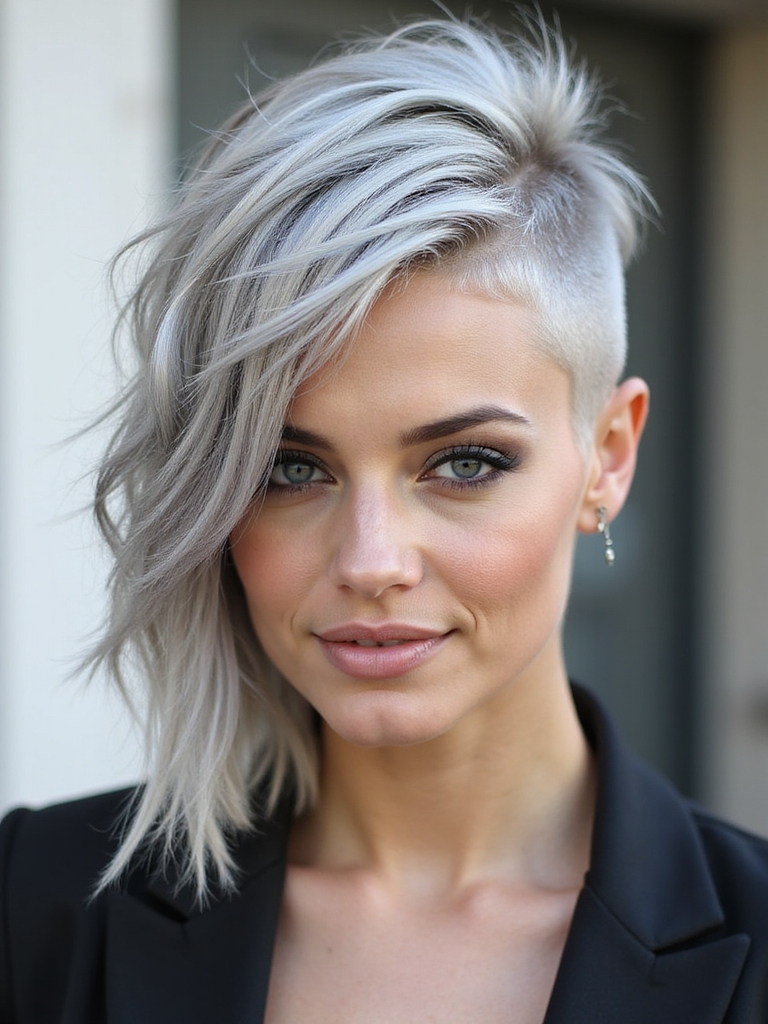
Rather than shaving the crown, this version buzzes a section underneath the nape itself, thinning the bulk where the tail meets the neck without shortening the visible length on top.
It solves a problem specific to thicker hair on this cut: a heavy, untreated nape can bulk up and lose the tapered look a mullet tail needs. The buzzed section underneath keeps that taper intact.
In practice, the shaved section is usually the first thing a client asks about at the second visit, well before the crown or nape need attention. Stubble simply outpaces layered growth.
Front-Heavy: When the Fringe Outweighs the Tail

The typical version splits visual weight fairly evenly between the cropped front and the shaggy back. A blunt micro-fringe tips that balance forward on purpose, pulling so much focus to the forehead that the nape reads almost like an afterthought glimpsed from behind.
That front-heavy effect is the whole appeal for anyone who wants the editorial statement without a dramatic tail. Pair it with a shorter, quieter nape; two loud elements competing for attention undercuts the effect either was going for alone.
Two terms that come up describing this fringe.
📖Blunt fringe
Cut straight across in one clean line, with no feathering at the ends.
📖Baby bang
A shorter, higher-set version of a blunt fringe, cropped well above the natural brow line.
Color That Plays Up the Contrast

Color can sharpen the crown-nape divide even further. Contrasting panels or money pieces placed at the front pull extra attention to the shortest part of the cut, sharpening the edge, similar to the placement work covered in the blonde pixie cuts gallery.
The math on short hair color runs opposite to what most people expect: the appointment itself costs less, roughly half of the shoulder-length version, but the regrowth line shows up in weeks, not months. Placement is what buys back that time.
For drama without the long-term commitment, a demi-permanent gloss fades out gradually and skips the visible regrowth line a permanent color leaves behind.
Easy Maintenance, Keeping the Contrast From Blurring

This cut lives entirely on the gap between crown and nape, and that gap is the first thing to soften as both sides grow at their own pace. A crown cropped very short needs attention sooner than a longer, feathered one does.
The fix is almost embarrassingly simple: get the follow-up on the calendar before walking out the door. Day to day, upkeep asks for little more than a small amount of product worked through dry hair.
Heatless Texture, Most Days

Most versions here wear well without any heat at all. Rough-drying with fingers and working a little matte paste or texture spray through covers most mornings in well under a minute.
For a bit more shape overnight, twisting a few damp sections at the crown before bed and releasing them in the morning builds movement without touching a single hot tool, which matters over months of frequent trims that already stress the hair enough.
👍Heatless Styling: The Upside
- +No cumulative heat damage on hair that’s already getting cut often
- +Faster than a full blow-dry routine
- +Works on nearly every version in this lineup
👎Heatless Styling: The Trade-Off
- –Less precise than a flat iron for the retro flip-out specifically
- –Overnight twists can shift if hair is very fine and slippery
- –Doesn’t smooth frizz the way heat styling would on humid days
The Details That Keep It From Looking Like Costume

Nine times out of ten, when a client asks why a photo they brought in didn’t translate, the answer traces back to one of three specific choices, not talent or luck.
Blend, Proportion, Finish
First is the blend: crown and nape should transition through layering, never meet at one hard line. Second is proportion, since a nape too long for an especially cropped crown comes across as dated.
Third is finish. Matte product keeps the texture looking deliberate; too much shine flattens the contrast this whole cut depends on.
Pixie Mullet Questions Worth Asking First
?Is a shaggy pixie mullet the same thing as a shaggy mullet?
Close cousins, not the same cut. A shaggy mullet keeps length and volume through the whole head; this version crops the crown pixie-short and keeps only the nape long. The pixie mullet comes across sharper and more editorial overall.
?Can I try this without committing to short hair permanently?
The soft, feathered version is the easiest to reverse, since most of the length stays intact and the crown can grow back out within a few months without an awkward stage.
?Does the nape get in the way under a collar or a scarf in winter?
Rarely, since most versions keep the nape short enough to tuck without bunching. The longer wolf-cut or retro flip-out takes are the two versions most likely to need tucking behind an ear under heavy outerwear.
?Will this work if I have a cowlick at the crown?
Often, yes, and sometimes it actually helps. A cowlick can add natural lift exactly where a stylist would otherwise have to engineer it, though it’s worth pointing out before the first cut so the layering can be planned around it.
?Is a mullet like this appropriate for a corporate office?
The soft, feathered version comes across professional enough for most workplaces. The punk micro or wolf-cut versions push further into statement territory, so the honest answer depends heavily on the specific office and how bold its dress culture already runs.
One Cut, Two Halves, Your Call on the Balance
One ratio decides all of it: how much of the head stays cropped versus how much grows out. Everything else, punk or polished, retro or editorial, follows from where that line falls.
Bring a clear photo showing exactly that ratio, and let a stylist confirm the blend and proportion before any cutting starts. For a pixie without the nape-length component, the shaggy pixie guide covers that ground; for the full-length version of the same idea, see the shaggy mullet guide or the broader pixie mullet family.
Keep Reading