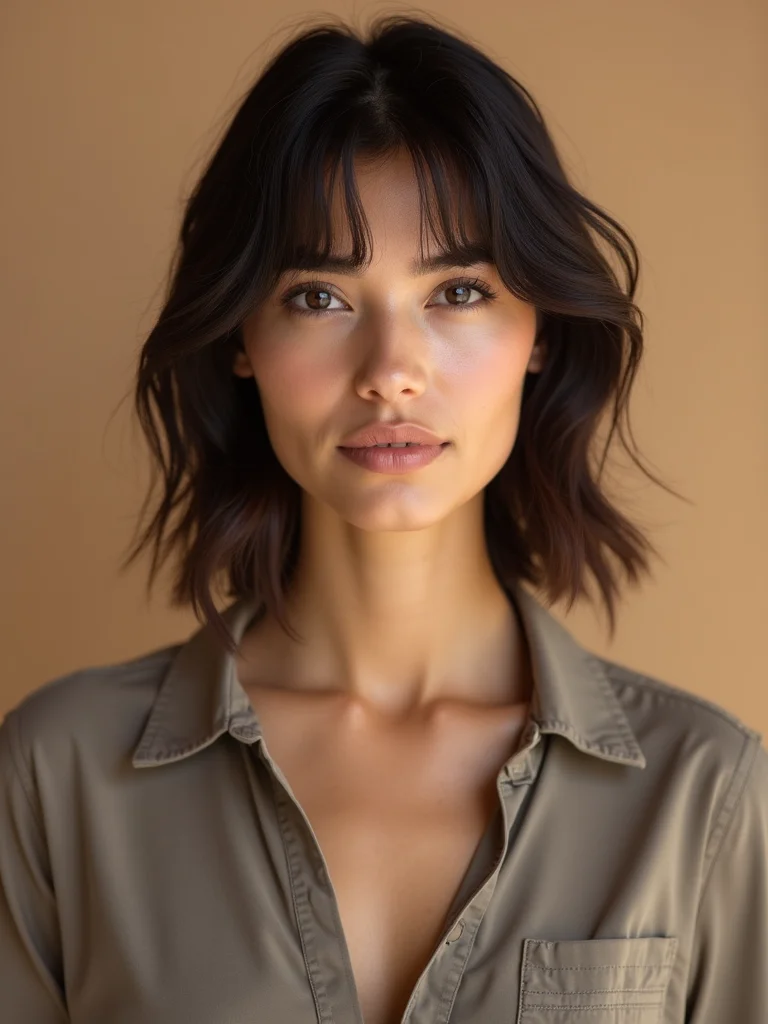
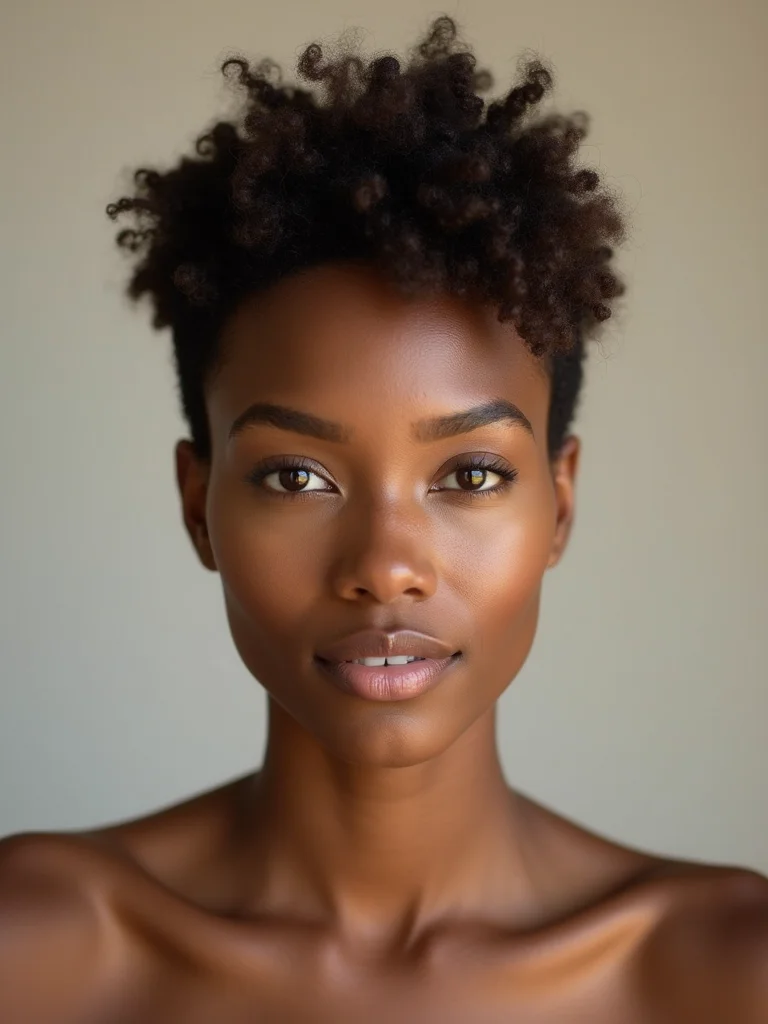
Half the disappointing shags out there started with one vague word. A client says shaggy haircut, the stylist pictures one version, the client meant another, and the two land somewhere in between that satisfies neither. The shag isn’t a single cut. It’s a whole family of named variations, and knowing which name to say out loud is most of the battle.
What follows is a plain decoder of that family, from the wolf cut to the mixie: what each name actually means, how it differs from its closest cousin, and the exact phrase worth bringing to the chair.
Say the Right Word
| Name | What It Signals | Best For |
|---|---|---|
| Wolf cut | Disconnected crown, dramatic length jump | Bold, fashion-forward clients |
| Shag bob | Shag texture at chin-to-jaw length | Office-friendly texture |
| Mixie | Mullet nape on a pixie-short crop | Confident, low-fuss short hair |
| Long shag | Same length, layers added for movement | Nervous first-timers |
| Modern mullet | Soft, tapered, wearable version | Trend-forward without the costume |
The Modern Wolf Cut

Show up with a wolf cut photo and there’s little ambiguity about what’s being requested: the boldest, most extreme member of the shag family. The name points to a heavily layered shape with a short, disconnected crown and longer, piecey ends, half mullet and half shag.
What Makes It a Wolf
Disconnection is what separates it from a plain shag, that deliberate jump in length between the short top and the longer bottom. Saying wolf cut specifically asks for that contrast, not just general shag texture.
It’s the most fashion-forward option on this list, best suited to someone who wants the cut to be the first thing people notice, not the last.

The Shag Bob

Shag bob is the word for shag texture packed into a shorter, chin-to-jaw length, the tidiest and most office-friendly member of the family. Saying it signals wanting the layers and movement of a shag without the wild drama of a wolf cut: a choppy, layered interior held inside a contained, bob-length shape that reads more polished. Add a fringe for extra face-framing, or skip bangs entirely for the version that reads most grown-up.
The Mixie

Mixie is the newest name in the family, and it confuses nearly everyone, so it’s worth knowing exactly what it means: a mullet and a pixie mashed together, a very short, choppy crop with a slightly longer, mullet-ish nape. It stays pixie-short through the top and sides while keeping a distinct longer tail at the back, and it’s choppy and textured everywhere, never sleek.
- Pixie-short on top and sides, longer nape at the back
- The boldest short option in the whole family
- Best for a confident, wash-and-go client
| Cut | Length | Signature |
|---|---|---|
| Mixie | Very short | Pixie top, mullet nape |
| Wolf cut | Short to medium | Disconnected crown |
| Shag bob | Chin to jaw | Contained, office-friendly |
The Curly Shag

Say shag with curly hair and a specific request is being made: a cut that removes weight so the curls spring up rather than piling into a flat-on-top, wide-at-the-bottom shape.
Say Dry-Cut
The word matters here because it signals a stylist needs to cut dry. Dry-cutting, curl by curl, isn’t optional on curls; watching the pattern settle into its true shape as it’s cut is the only way to place the layers where they actually belong.
On tight, type-4 coils, the same request means cutting on hair that’s been stretched out first, since coils can pull up dramatically shorter the moment tension releases.
The Long Shag With Curtain Bangs

Long shag is the gentlest, most-requested name in the family, the one steered toward nervous first-timers more than any other. It keeps existing length and threads soft layers through it for movement, usually paired with curtain bangs to frame the face.
Saying long shag rather than just shag tells a stylist not to take off length, only weight, so the result keeps the same length with noticeably more body. It’s about the lowest-risk way to test the whole family before going shorter.
The Modern Textured Mullet

The modern mullet has little in common with the eighties version. It’s a soft, textured, tapered shape with a shorter crown and front and a longer back, the shag layering keeping it current rather than costume.
The word modern or textured in front of mullet is doing real work; it tells a stylist the wearable, everyday version is wanted, not the harsh short-long line of the classic cut. That one adjective is usually the difference between a client who leaves thrilled and one who panics in the chair.
“Bring a specific reference photo when asking for a modern mullet, not just the word. The gap between the version pictured in a client’s head and a stylist’s default interpretation of mullet is wide enough to cause real disappointment without one.”
The Feathered Micro-Shag

Micro-shag means shag texture taken really short and, just as important, kept uniform: a cropped cut with dense, choppy layers throughout and no mullet tail at the back.
That’s the fast way to tell it apart from a mixie, which keeps a longer nape. It’s bolder than a shag bob but softer than a mixie, and since there’s no length to hide an uneven cut, precision matters more here than almost anywhere else on this list.
- Short overall but heavily textured, never a smooth, blunt crop
- Maximum lift, since the short length leaves nothing to weigh the crown down
- A confident, low-styling choice with zero room for a sloppy cut
Shattered Layers for Fine Hair

Shattered is a technique worth asking for by name, and on fine hair it’s close to the magic word. The perimeter gets chipped into an uneven, splintered edge instead of one clean line, and that broken outline is what disguises just how little hair is actually there. Asked for by name, it tells a stylist to texturize rather than simply thin, which is the real distinction that matters on fine strands.
The Thick-Hair Shag

For thick hair, the word that matters most is de-bulking, worth saying alongside shag every time. Thick hair can wear a shag beautifully, but only once enough internal weight comes out so it moves instead of sitting like a heavy block.
Ask for De-Bulking
Requesting a shag with the hair de-bulked tells a stylist to thin the interior while keeping the outer shape clean, exactly the balance thick hair needs to avoid ballooning into a pyramid.
Handled correctly, thick hair stops being the texture that fights a shag and starts being the one that wears it best, since there’s already plenty of body on hand; the cut just has to point it in the right direction.
The Airy Fringe and Micro-Bangs

More than any other single element, the fringe named decides the whole personality of a shag, so specificity matters here more than it seems like it should.
Wispy or airy bangs mean light, see-through, the softest and most forgiving option. Curtain bangs mean center-parted and swept to the sides, about the most universally flattering choice available. Micro-bangs mean short and set well above the brows, the boldest and highest-upkeep of the group.
- Wispy or airy: the softest, most forgiving option
- Curtain: center-parted, swept to the sides, broadly flattering
- Micro: short, set high, bold and the most upkeep-heavy
A couple of fringe myths worth clearing up:
❌ Myth: All bangs need daily flat-ironing
✅ Reality: Wispy and curtain bangs are built to air-dry into shape; only a fully blunt, sleek fringe usually needs heat.
❌ Myth: Micro-bangs suit every face
✅ Reality: They’re the most face-shape-specific fringe here; a consultation matters more for this one than any other option.
Face-Framing Shag Layers

Face-framing describes the shorter pieces cut around the face, and naming exactly where those pieces should sit lets a stylist tailor any shag version to specific features. For a round or full face, longer framing lengthens rather than widens. For a long face, framing with some width added shortens the face visually instead. For a strong jaw, soft framing right along the jawline takes the edge off sharper angles.
Root-Smudged Color for a Shag

Soft, grown-out-looking color matches a shag’s undone spirit better than anything sharp or high-contrast, a smudged root that follows the movement of the layers instead of fighting it.
Brighter pieces placed around the face and through the layers make the texture pop, while a soft root keeps the grow-out gentle enough that salon visits can stretch out. Plan on around $200 for the placement work involved, the priciest single part of the look but also the longest-lasting.
- Brighter pieces around the face make the layering pop
- A soft root stretches the time between salon visits
- The most expensive single element, and the one that lasts longest
👍The upside
- +Grow-out stays soft and low-maintenance
- +Adds visible dimension to the layering itself
👎The trade-off
- –The most expensive single addition on this list
- –Still needs periodic toning to stay soft rather than brassy
The Wavy Shag With Diffused Volume
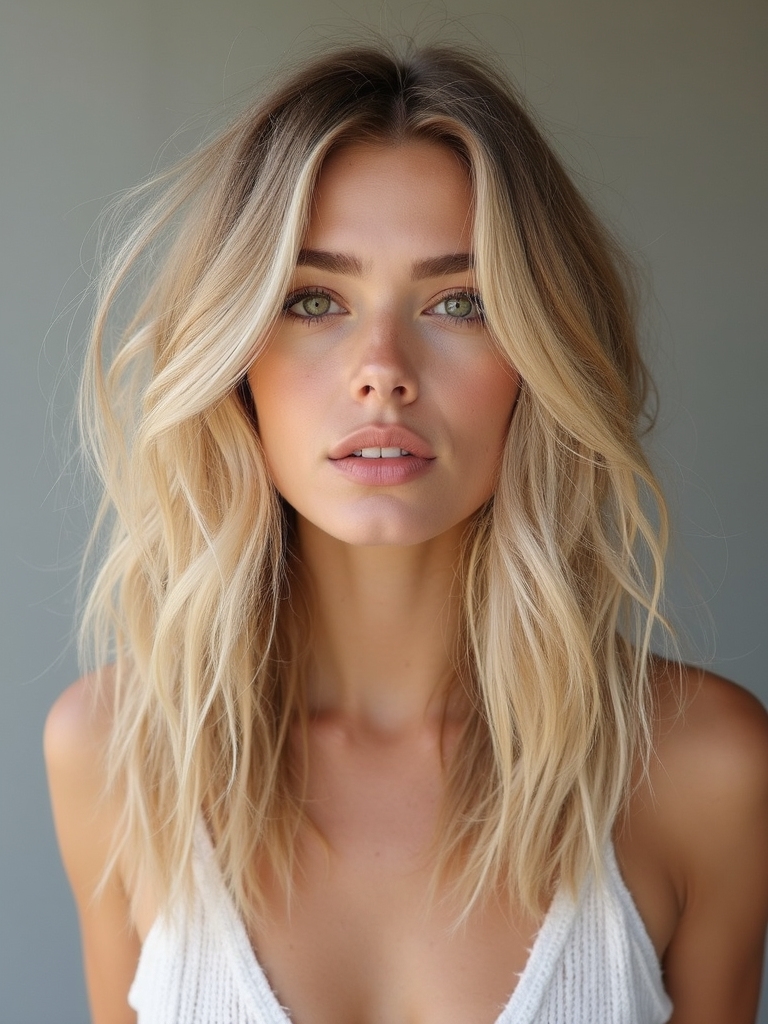
Naturally wavy hair usually only needs the word shag to get a good result, since the wave and the cut are a natural match on their own. A couple of extra words sharpen it further: wavy or air-dry shag tells a stylist to cut with the bend instead of against it, and diffused volume signals that diffusing rather than blow-drying smooth is the plan, so the cutting accounts for that finish from the start.
Air-Dry and Second-Day Styling

Here’s a styling detail rarely mentioned upfront: most shags actually look better on second-day hair than freshly washed, since a little natural texture gives the layers grip that slippery, clean hair lacks. Styling on second-day or lightly textured hair whenever possible holds the shape noticeably better.
Scrunching a texture spray or light cream into damp hair and letting it air-dry, rather than blow-drying smooth, does most of the real work. Refreshing on day two with a little water and leave-in, then breaking the pieces apart by hand, finishes the job without a full restyle.
A Shag for Every Texture

The shag has lasted decades because there’s a version built for nearly every texture, and naming the right one just points the cut in the correct direction from the start.
Straight or fine hair does well with shattered layers, shorter lengths, and soft bangs for lift. Wavy hair wants an air-dry or diffused shag that rides the natural bend. Curly hair needs a dry-cut curly shag that removes weight without leaving a triangle. Coily or type-4 texture wants a dry, stretched cut that shapes the volume while protecting the curl definition.
- Straight or fine: shattered layers, shorter length, soft bangs
- Wavy or curly: dry-cut, texture-matched layering
- Coily: dry, stretched cut that protects definition
Shaggy Haircut Questions, Answered
?Is a shaggy haircut hard to grow out?
It’s actually one of the easier cuts to grow out, which is part of the appeal. There’s no single hard edge waiting to reappear, since the layers taper into each other instead of stopping at one blunt line. Shorter, bolder versions like the mixie take longer to clear the awkward stage; a long shag or shag bob grows out almost invisibly.
?Is a shaggy haircut professional enough for an office job?
Easily, styled on the polished side. Smoothing the lengths slightly and keeping the part clean turns a shag bob or long shag into something that reads completely office-appropriate.
?What’s the actual difference between a wolf cut and a mullet?
A wolf cut is disconnected but roughly even in overall shape, one length family with a dramatic crown-to-end jump. A mullet keeps a truly short front and sides against a distinctly longer back section, a more literal short-versus-long split.
?How often does a shag actually need reshaping?
Plan on roughly every couple of months for most versions, sooner for anything with a defined fringe that needs its own upkeep between full visits.
?Does color-treated or slightly damaged hair rule out a shag?
Not usually, since removing weight through layering doesn’t put extra strain on already-compromised strands. What matters more is which finish gets chosen afterward; a version leaning on air-drying and diffusing spares fragile hair the daily heat that a sleek, flat-ironed shag would demand.
Say the Word, Get the Cut
The shag is about the most flexible cut there is, and that flexibility is exactly why a vague request goes wrong so often. Wolf, mixie, mullet, shag bob, long shag, plus the texture and fringe words alongside them, are what actually gets the picture in your head onto your actual head.
Pick the variation that fits your texture, your length, and your nerve, then walk in and say it out loud, ideally alongside a photo of someone whose hair starts in roughly the same place as yours.
You Might Also Like