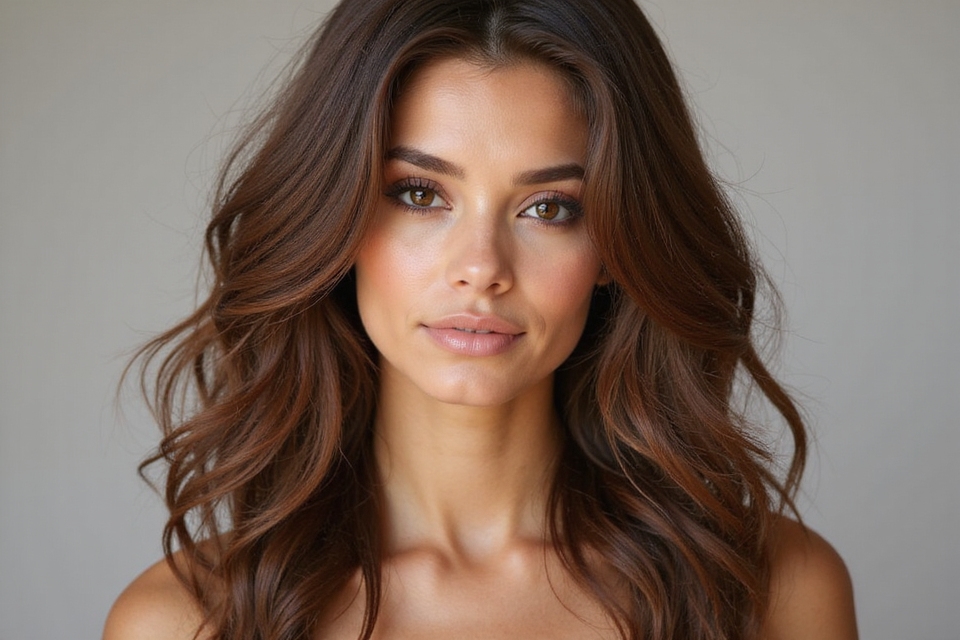
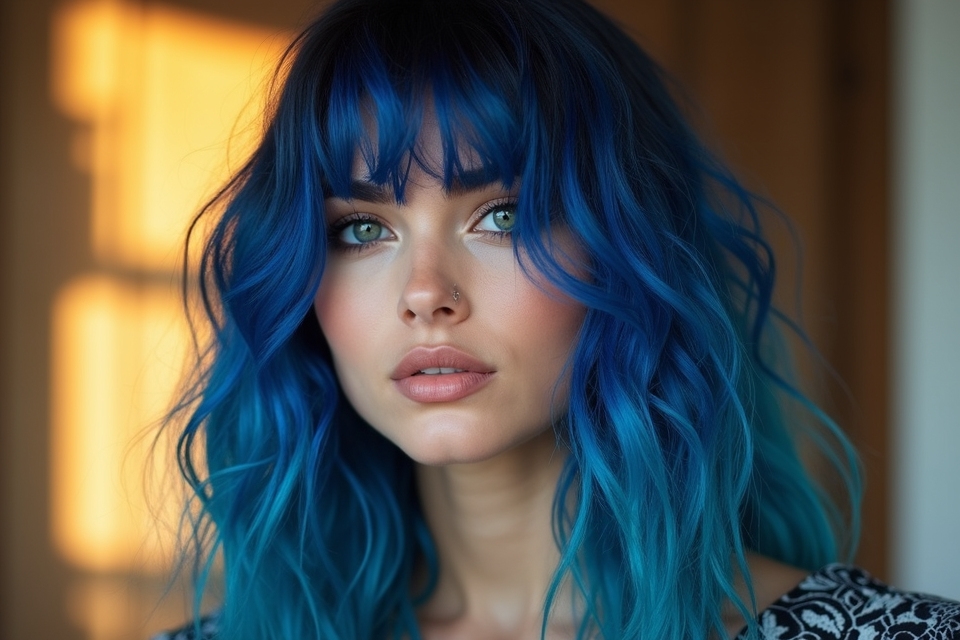
A client once spread twelve chocolate photos across my station and asked which one was best. The honest answer was that almost all of them would suit her, and the real choice was simpler than she thought. Chocolate hair color comes down to two decisions most people skip: how deep you want to go, and whether it should lean warm or cool. Get those right and the rest is just shine.
Below are sixteen chocolate ideas across the depth-and-temperature map, plus how the color shifts in different light and how to keep it glossy.
The Short Version
- Two decisions drive it: depth (milk to espresso) and temperature (warm or cool).
- Match temperature to your skin: warm tones for warm skin, cool for cool, mocha when unsure.
- Shine makes or breaks chocolate, so a gloss every couple of months is part of the color.
Classic Dark Chocolate

Start at the deep end and you land on classic dark chocolate, a near-espresso brown that holds its richness in almost any light. It is the shade most people picture first.
What makes it work is the warmth tucked inside the depth, so it never tips into cold, flat black. That hidden warmth is also why it photographs so well under both daylight and lamplight.
Cool and neutral skin wears the deepest versions easily, while fair, warm skin usually looks better a shade up. A single-process color like this runs about $65 to $120, and the upkeep is mostly a gloss. I send nervous first-timers here. It is hard to get wrong. Compare the range in our chocolate brown ideas.
Sultry Espresso Undertones

Push the base cooler and darker and espresso undertones take over, giving chocolate a deep, almost-black richness.
Dark without going black
It looks dramatic in low light and glossy in bright light, which is the whole appeal: depth that still moves.
This is the version for anyone who wants chocolate at the dark end while keeping a brown’s warmth. On already-dark hair it needs little to no lifting, so it is gentle and long-lasting.
Heads-Up
If your skin is very fair or warm, the deepest espresso-dark chocolate can wash you out and look harsh against your face. Going a shade or two lighter, toward mocha or a warm dark chocolate, keeps the richness without the drain. When in doubt, ask your colorist to hold a swatch near your face before committing.
Warm Mocha

Add a coffee warmth and chocolate shifts into mocha, the balanced brown that stays even between cool and gold.
The easiest chocolate to wear
Mocha is where I land most clients who cannot decide. Under warm light it glows; under cool light it stays rich instead of ashy, which is what makes it so forgiving.
It flatters the widest range of skin tones and sits in the safe middle of the whole chocolate map. If you are unsure where to start, start here.
Rich Truffle Accents
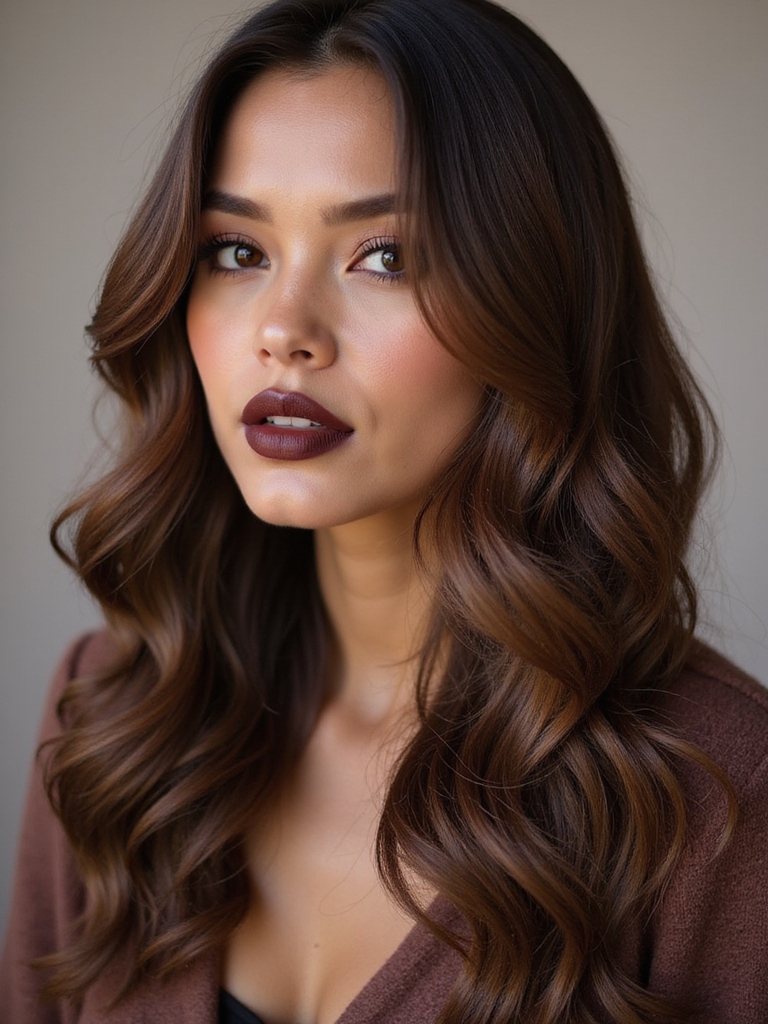
Truffle accents weave a multi-tonal depth through chocolate, blending warm and cool so the color shifts subtly as you move. The effect looks gourmet and expensive. A single flat tone simply cannot match it, and it grows out softly because the tones sit close together.
- Best for anyone who wants depth with a little movement
- Warm and cool pieces together keep it from looking solid
- A gloss ties the tones together and adds shine
| If you want | Lean toward | Skin it flatters |
|---|---|---|
| Deep and dramatic | Dark chocolate, espresso | Cool, deep |
| Warm and easy | Mocha, chestnut, hazelnut | Warm, golden |
| Bright dimension | Caramel, cocoa highlights | Warm, neutral |
| Cool and modern | Iced caramel, cherry-fused | Cool, neutral |
Subtle Cocoa Highlights

For brightness that stays inside the chocolate family, cocoa highlights lift the base just a touch. They keep the color firmly brown while adding soft light, so they look natural in any light and stay smooth and blended. Keep it understated.
Because the contrast is gentle, the upkeep stays low and the grow-out is soft. This is the move for someone who wants a little life in their brown but nothing that looks highlighted. It grows in so quietly you can skip a few appointments.
Sensational Chocolate Balayage

Balayage hand-paints warmer chocolate and caramel through the mid-lengths of a deeper base, so the dimension lands where light naturally hits.
The deep root keeps the grow-out forgiving. On long hair especially, this is the version I push hardest. It stops chocolate from sitting flat, and you skip the monthly touch-ups.
Expect $150 to $300 for a full balayage and about three hours in the chair. After that, a gloss every couple of months is all it asks. See a deep-base example in our dark brown balayage.
Keeping cocoa highlights subtle comes down to three asks:
1Stay close to the base
Ask for highlights only one to two shades up so they look like dimension, not stripes.
2Choose painting over foils
Hand-painted pieces blend softer and grow out without a line.
3Finish with a gloss
A tone-on-tone gloss melts the highlights into the base for a natural result.
Deep Chestnut Dimension

Lean the chocolate warmer and a chestnut dimension appears, all soft red-brown glow against the deep base. The red only shows when the light catches it, which gives the color a quiet, shifting warmth that flatters warm and neutral skin and looks especially rich under low, evening light.
- Warmer than plain brown, softer than a true red
- Shows most in sunlight and warm lamplight
- A cool gloss now and then keeps it from going orange
Milk Chocolate Lowlights

Lowlights are a clever way to add depth, not lightness. Weaving slightly creamier milk-chocolate tones through the base gives contrast from the lighter side and keeps the color from sitting one-note.
The mix of milk and dark chocolate looks warm and dimensional. It is also a smart fix if old highlights have left your base too pale and you want some richness back.
- Adds depth with no bleach, so it is gentle
- A good move after years of highlighting
- Ask for tones one to two shades apart for soft contrast
ℹ️Good to Know
Red and chestnut pigments have the largest molecules of any hair dye, which is why warm chocolates fade faster than cool ones. A cool-leaning gloss between visits slows that warm drift and keeps chestnut tones from sliding orange.
Chocolate Cherry Fusion

A whisper of cherry warms chocolate into a jewel-toned fusion, the red glowing beneath the brown when the light hits. It looks rich and a little unexpected, it suits cool and neutral skin, and it shows up on dark hair with almost no lifting, which makes it a low-commitment way to try a red edge.
- Glows most under warm, low light
- Fades first, so refresh with a red gloss
- More wearable than a full red; see cherry chocolate hair
Hazelnut Chocolate Harmony

Hazelnut brings a soft, nutty mid-brown into chocolate for a warm, easygoing blend. It lightens the mood of a deep base while staying close to it, and that nutty warmth sits comfortably on most complexions that lean warm or neutral, with low drama and easy upkeep.
- A gentle way to warm up dark brown
- Looks soft and natural, never bold
- Low upkeep since it stays near the base
Glossy Ganache Shine

Named for the glossiest chocolate confection, a ganache finish is less a new shade and more a treatment. It takes whatever chocolate you have and makes it gleam like poured chocolate.
Shine is the step most people skip, and with chocolate it decides whether the color looks rich or dull. A glossing treatment over smooth, healthy hair is what does it, and in bright light the difference is dramatic. I book mine every few months. It is the cheapest way to look pricey — around $40 to $65, and you are back out the door in thirty minutes.
Almond Chocolate Streaks

Almond streaks scatter soft, warm-beige brown pieces through chocolate for the gentlest brightening.
Brightening you barely notice
They look like natural, sun-touched dimension, which keeps the deep base dominant and the upkeep minimal.
This is a good pick if you want a hint of light with no visible highlight. The scattered placement grows out softly, so there is no hard line to chase.
Melted Chocolate Ombre

A melted ombre eases a deep chocolate root into a slightly lighter chocolate toward the ends, all within the brown family.
An ombre for grown-ups
It adds movement with quiet, low brightness, and because the gradient stays dark, it looks polished and smooth.
The deep root keeps regrowth soft, so it is easy to live with. For the full gradient idea, see these ombre color ideas.
Velvet Chocolate Melt

A velvet melt blends root, mid-lengths, and ends so smoothly there is no line anywhere, just a soft shift through chocolate tones. It looks plush and rich.
The blended placement keeps the grow-out gentle while the color stays deep and velvety. It is dimension at its most subtle, the kind that looks like your own hair, only better. Because there is no contrast to chase, it is one of the lowest-upkeep ways to wear rich chocolate.
- Best for a rich, smooth result with no contrast
- Grows out softly with no regrowth line
- Pairs beautifully with a gloss for extra depth
Frosted Chocolate Waves

Frosting the ends of chocolate with a cooler, lighter tone gives waves a soft, modern contrast that catches the light as the hair moves.
It draws the eye downward while the deep base keeps the upkeep low. This one looks best styled into loose waves, where the frosted ends can show off their movement. It is a fun way to test lightness before you commit to anything higher up the strand.
- Lightness concentrated on the ends for low upkeep
- Best shown off on waves or curls
- Keep the ends conditioned, since lightened tips run dry
Iced Caramel Chocolate Coating

Cooler caramel laid over chocolate gives an iced-coffee effect: warm caramel softened with a slightly cooler finish. It brightens chocolate while staying out of full gold, and it flatters neutral skin especially by balancing warm and cool in one shade.
- A middle ground between warm caramel and cool ash
- Flatters neutral skin best
- For warmer takes, see our caramel brown guide
Styling Tips
Color is only half of how chocolate looks; the finish does the rest. The fix I give most clients is simple: dry the hair smooth and work a drop of shine serum through the mid-lengths and ends, which lays the cuticle flat so the color reflects light evenly.
Skip heavy, waxy products that dull the surface, and rinse cool to hold the shine. If you wear waves, loosen them with your fingers instead of over-brushing, so the dimension in the color still shows. A weekly mask keeps the hair healthy enough to gleam, which is what makes any chocolate look rich.
Choosing Chocolate, Answered
?How do I choose the right chocolate hair color?
Start with depth and temperature. Decide how dark you want to go, milk to near-espresso, then whether it should lean warm (mocha, chestnut) or cool (espresso, cherry-fused). Match the temperature to your skin, and factor in shine, since a gloss is what makes chocolate look rich rather than flat.
?Does chocolate hair color suit every skin tone?
Close to it. Warm and golden skin glows with mocha, chestnut, and hazelnut, while cool skin suits espresso and cherry-fused tones. Neutral skin can wear either, so a balanced mocha is the safe middle if you are unsure.
?How much does chocolate hair color cost to keep up?
A single-process color often runs $65 to $120, and a balayage $150 to $300, depending on length and where you live. Either way, plan on a gloss every couple of months at $40 to $65 to hold the shine and tone, which is the real upkeep with chocolate.
Depth, Temperature, Shine
If chocolate ever feels like too many options, come back to the three things that matter: how deep, how warm, and how shiny. Everything else is a variation on those.
Decide where you sit on each, save a couple of photos that match, and bring them in. Nail those three and your chocolate will look rich and smooth in every light, well past the salon mirror.
More to Explore