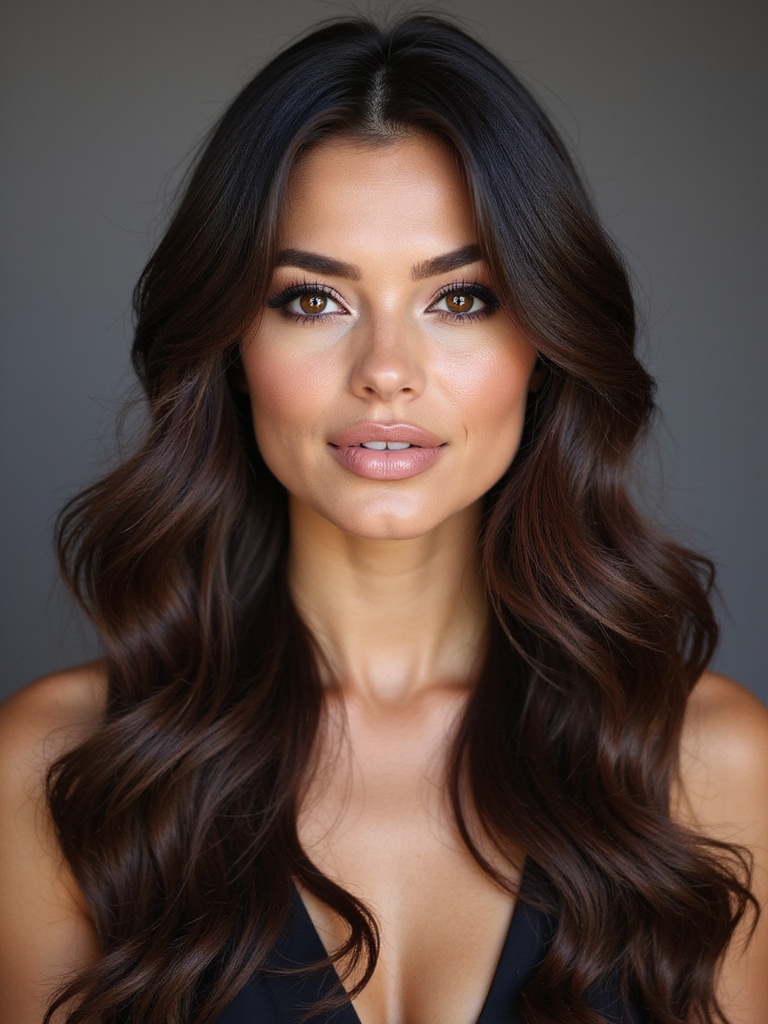
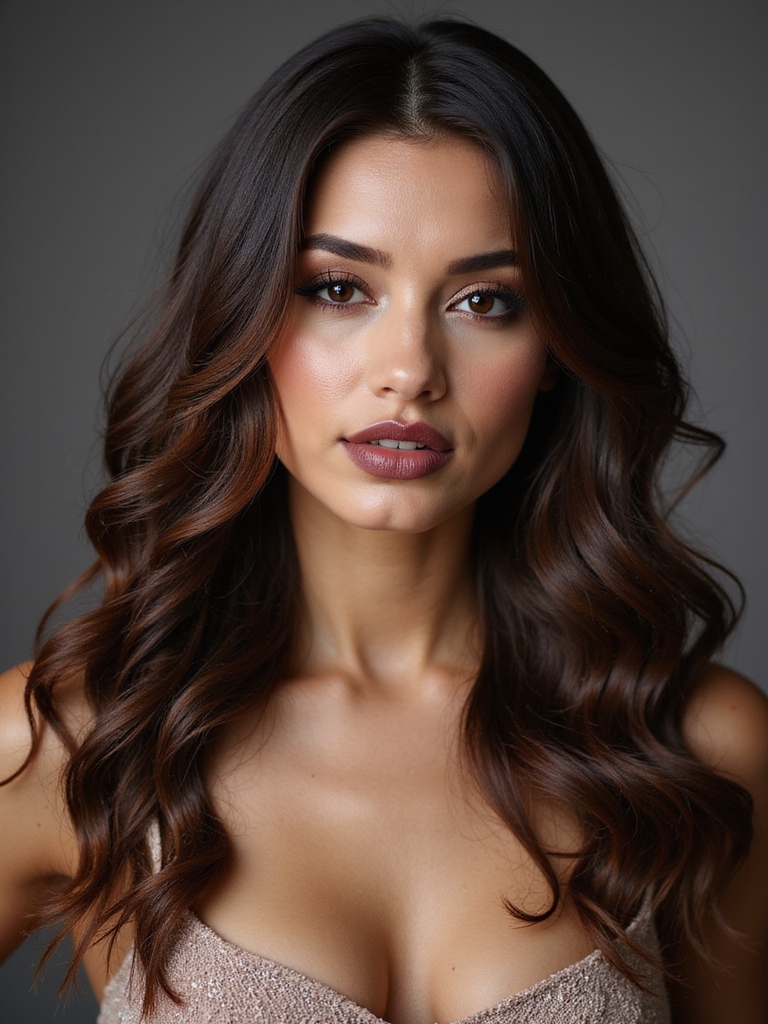
A client sat down last December with summer balayage gone flat and brassy under the gray daylight, and she said the line I hear every cold season: it just looks tired. Warm-weather color rarely survives the switch to short days and heavy knits. The light shifts, your wardrobe deepens, and last season’s tone looks dull against a wool collar.
Winter is the easiest time of year to get color right on deep skin, because rich, saturated tone is exactly what the season wants. So here is the winter hair color for Black women that actually glows—from espresso to aubergine—plus how to get it on natural, relaxed, or transitioning hair without wrecking your texture.
The Short Version
The shades that flatter deep melanin in winter share one thing: warmth and depth. Espresso, mahogany, chestnut, and soft auburn glow against rich skin with very little lift, which keeps your texture intact. Cooler statements like icy ash or aubergine work beautifully too, but they ask for more processing and more upkeep.
Whatever you choose, a clear gloss every 4 to 6 weeks is the single best thing for keeping color looking expensive between appointments. And if you’re going lighter on natural or transitioning hair, build in bond protection and weekly deep conditioning so your curl pattern stays healthy through the cold months.
Why Winter Is the Best Time to Go Richer

Winter does deep color a favor. The flat, cool daylight that washes out a bright summer balayage makes a rich espresso or mahogany look lit from within, and heavy knits and coats only deepen the effect. Saturated tone feels intentional in winter, where the same shade might have felt heavy back in July.
It’s also practical. Going darker usually means less lift, which is gentler on textured and color-treated hair, and the upkeep slows down with no sun constantly pulling your tone out. A richer winter color holds its look 6 to 8 weeks before it needs a refresh, versus the every-month chase a summer lightening job demands.
Choosing Shades That Flatter Deep Melanin

The best winter color for deep skin starts with your undertone, not a photo off Pinterest. Warm undertones glow next to warm shades—chestnut, caramel, copper, auburn. Cooler undertones can carry blue-black, icy ash, and the jewel violets and look incredible doing it.
Depth matters as much as hue. On rich melanin, mid-to-deep tones usually read more luxe than very light ones, because the contrast stays elegant. That’s why a deep mahogany or a soft honey balayage tends to flatter more than an all-over light blonde, which fights both your skin and your roots.
If you’re unsure, hold a few shades against your jaw in natural light and watch which one makes your skin look brighter. The black hair with lowlights approach is a low-risk way to test depth before you commit to all-over color.
A quick way to land on your winter shade:
1Find your undertone
Check the veins at your wrist and how gold versus silver jewelry looks on you—warm, cool, or neutral.
2Match depth to contrast
On deep skin, mid-to-rich tones usually flatter more than very light ones; save the brightest pieces for the face.
Rich Espresso and Deep Chocolate Tones

Espresso is the shade I recommend most for a first winter color, and for good reason. It’s nearly foolproof on deep skin. A near-black brown with a warm core, it adds dimension to a flat natural black without looking dyed, and it catches light on curls and coils where true black can go matte.
Keeping It Glossy
The whole look lives or dies on shine. A glossy espresso looks rich. A dull one looks like grown-out roots. A clear or chocolate gloss runs about $30 to $60 in the salon and lasts 4 to 6 weeks, which makes it the cheapest way to keep depth looking expensive.
It pairs with everything—bold lips, warm gold jewelry, a camel coat. And because it sits close to most natural levels, regrowth blends quietly, so you’re not booking a touch-up every three weeks just to hide a line.
Warm Mahogany With Caramel Highlights

Mahogany is espresso with the lights on—a reddish-brown that warms your whole complexion. I love it with a few hand-painted caramel pieces around the face, which brighten the look without committing to all-over lightening.
Why the Highlights Stay Subtle
Keep the caramel to face-framing pieces and a few through the mid-lengths. Too many and you lose the depth that makes mahogany flatter rich skin in the first place. A partial highlight plus the mahogany base runs roughly $120 to $200 depending on your length and salon.
On natural or transitioning hair, ask your colorist to keep the lightened pieces off your most fragile sections and to use a bond-builder during the lift. That protects your curl pattern, so the highlights move with your texture instead of frizzing against it.
📋Is mahogany right for you?
- ✓You have warm or neutral undertones
- ✓You want warmth without a full red commitment
- ✓You’re okay refreshing the tone every few weeks to keep it from fading
Honey Balayage for Soft Dimension

Honey balayage is the warm-glow option when you want lift without a hard line of regrowth. Soft, hand-painted honey tones brighten the face and melt down into your base, so as it grows there’s no stripe to chase every few weeks.
It moves beautifully on textured hair. The painted pieces catch light through a twist-out or a wash-and-go and add a dimension a single block of color can’t. On coils, placement is everything, since the curl folds the color in and out of view as it springs.
This is a lift, so it asks for care. Plan on a deep-conditioning routine and a bond treatment, and know that a full balayage on dark hair takes 3 to 4 hours and runs $150 to $300. The balayage for dark brown hair guide covers the painting technique in more depth.
Chestnut Brown With Copper Undertones

Chestnut is the cozy one—a warm brown with copper woven through that looks like firelight on deep skin. It’s richer than a plain brown and softer than a true red, which makes it the shade I point the copper-curious toward when full auburn feels like too much.
- Best on warm and neutral undertones; it can read muddy on very cool skin.
- Refresh the copper with a color-depositing mask every couple of weeks so it doesn’t fade dull.
- Striking on curls and braids, where the copper catches light on every bend and twist.
| Shade | Lift needed | Upkeep |
|---|---|---|
| Espresso / chocolate | Little to none | Low (gloss every 4 to 6 weeks) |
| Honey balayage | Moderate | Medium (deep-condition + bond care) |
Soft Auburn for a Cozy Glow
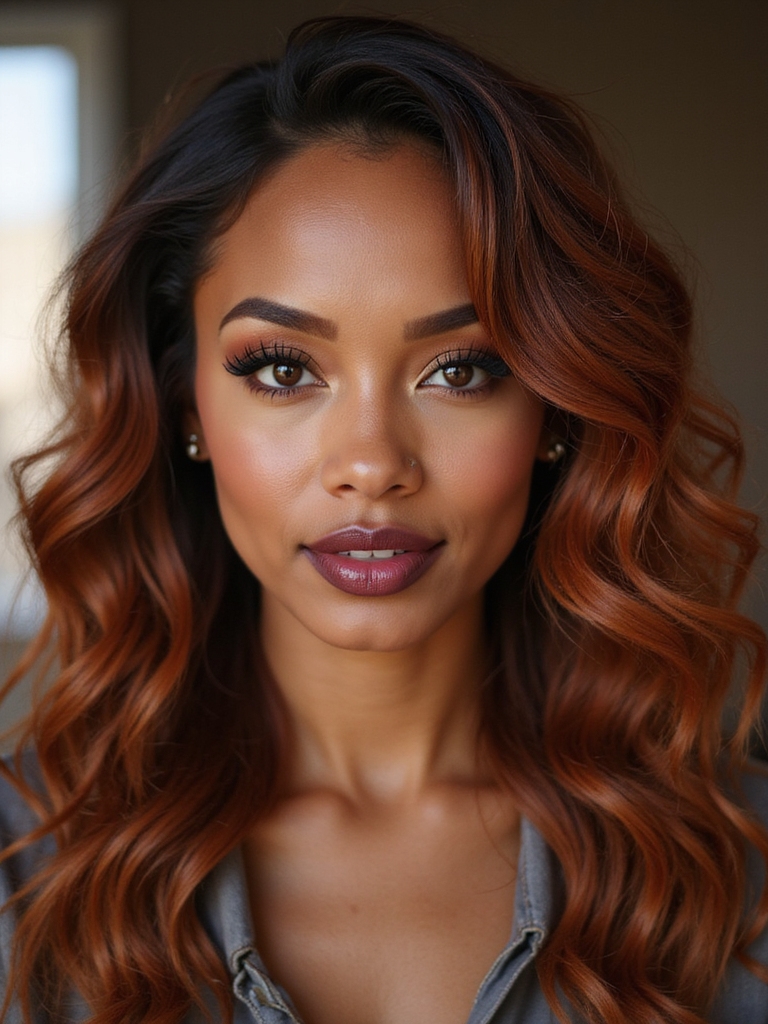
Auburn is the boldest of the warm family and the most rewarding under winter light. A soft red-brown, it warms your complexion the way a good blush does, and it photographs rich without ever sliding into costume territory.
Making Auburn Last
Red molecules are the first to fade, so auburn lives on maintenance. Wash in cool water, skip clarifying shampoos, and run a red-depositing gloss every few weeks. Budget a gloss refresh roughly every 4 weeks to keep it from drifting back toward brown.
It suits warm and olive undertones especially well. Pair it with gold makeup and cozy knits and the color does half your styling for you. The auburn hair guide goes deeper on keeping reds vivid through the wash cycle.
Icy Ash and Blue-Black Contrast
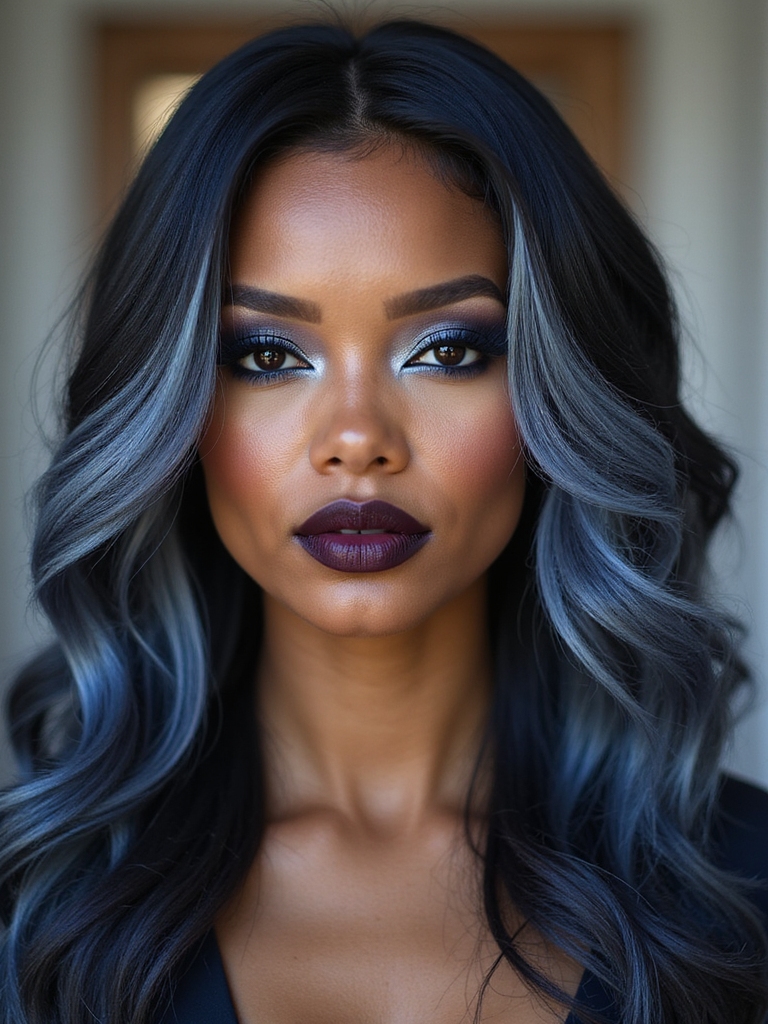
If warmth isn’t your thing, the cool side has real drama. Icy ash face-framing pieces against a blue-black base make a high-contrast look that sharpens your features and lands as modern and editorial. It’s the most striking option here, and the most demanding.
- The ash pieces need lift and then careful toning—plan for more chair time and more upkeep.
- A blue-black base deepens and adds shine, but it’s hard to reverse, so be sure before you commit.
- Soft blending at the line keeps the contrast from looking stripey on textured hair.
“Cool tones like icy ash and blue-black look incredible, but they fade and shift faster than warm shades on deep hair. Going in, expect a toning gloss every three to four weeks and a little more chair time—the upkeep is the real cost, not the first appointment.”
Aubergine and Plum for a Bold Statement

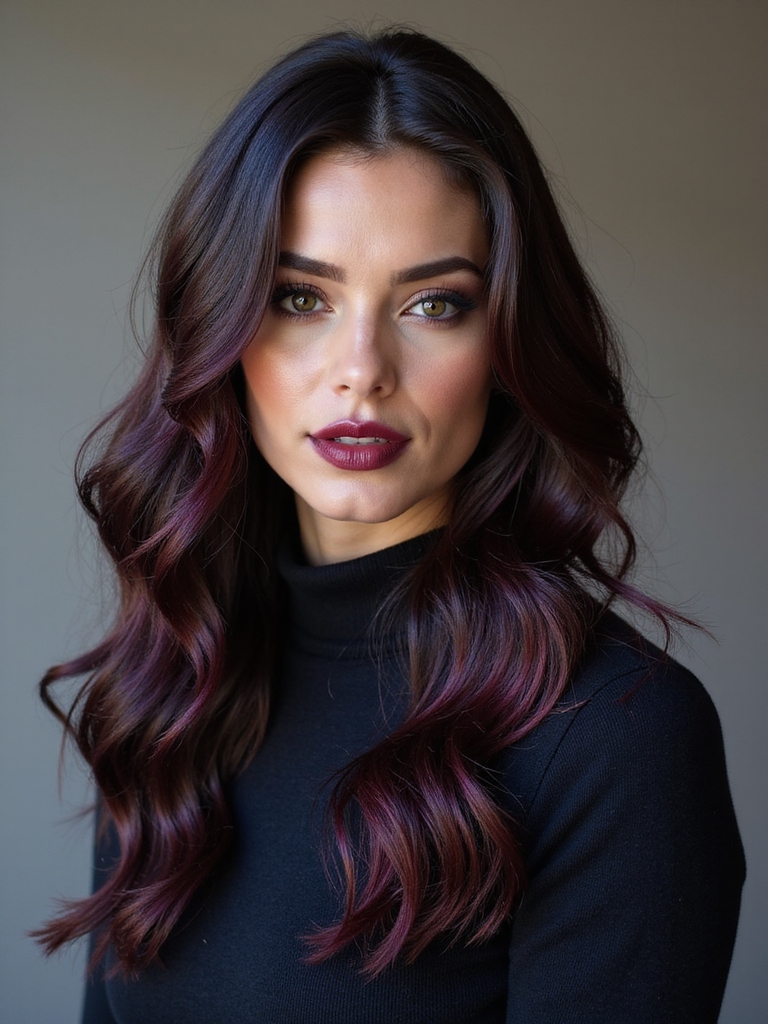
Aubergine and plum are my favorite winter risk—deep violet tones that warm rich skin and shift in the light from near-black to wine. They’re bold without being loud, and they flatter cool and neutral undertones in a way few colors manage.
- On darker bases the violet shows most in sunlight and good indoor lighting, which makes it a quiet luxury.
- Use a gloss finish and a little balayage so the plum has dimension and doesn’t sit flat.
- Purple fades faster than brown; a violet-depositing conditioner keeps it alive between visits.
Low-Maintenance Black Shades for Easy Regrowth

Not everyone wants the upkeep, and a refined black is the lowest-maintenance color there is. The move is to add dimension to your natural black—a soft jet, a black-brown, or a matte espresso that blends with your regrowth so there’s no visible touch-up line creeping in.
Kind to Your Scalp
This is the gentlest option for your hair and scalp, since it needs little to no lift. If your scalp runs dry or sensitive in winter, ask for an ammonia-free or demi-permanent formula, and keep the color off the scalp itself where you can.
It blends regrowth so quietly you can stretch 8 to 10 weeks between visits. For anyone protecting natural texture through the cold months, that low manipulation is its own kind of care.
Glossy Treatments That Boost Your Color

Whatever shade you land on, gloss is the secret weapon. It’s what separates expensive-looking color from the I-dyed-it-last-month look. A clear or tinted gloss deepens tone, fills in fade, and lays down the mirror shine that deep colors especially need to come alive.
- Book a salon glaze every 4 to 6 weeks, or use an at-home glossing kit between visits.
- Match a tinted gloss to your shade to refresh color; reach for clear when you only want shine.
- On natural hair, gloss adds slip and softness on top of the shine, which makes detangling easier.
How to Protect Color on Natural Hair

Color-treated natural and transitioning hair plays by different rules, and protecting it is what keeps your tone vivid and your curls intact. The clients whose color still glows in February are the ones who never skip their deep conditioner—I can usually tell at the sink who’s been keeping up. Lifting opens the cuticle, so the whole game after coloring is moisture, protein balance, and gentleness.
- Cleanse with a sulfate-free, color-safe wash and deep-condition weekly to replace lost moisture.
- Alternate a light protein treatment to rebuild strength where the lightening softened the strand.
- Seal with oils, sleep on satin, and trim regularly so color-faded ends don’t split upward.
Styling Tips With Bold Scarves

A fresh winter color deserves a frame, and a bold scarf or wrap is the fastest one. A jewel-toned silk against deep auburn or a printed wrap over blue-black pulls the eye straight to your color, and silk has the bonus of shielding your shade from the friction and dryness of wool collars.
Tie it as a headwrap, knot it at the neck, or layer a satin-lined hood—all of them keep your color from rubbing dull where fabric meets hair. A few makeup tweaks help too: warm shades love gold and bronze, while cool violets and ash pop next to a berry lip.
Bringing Clear References to Your Colorist
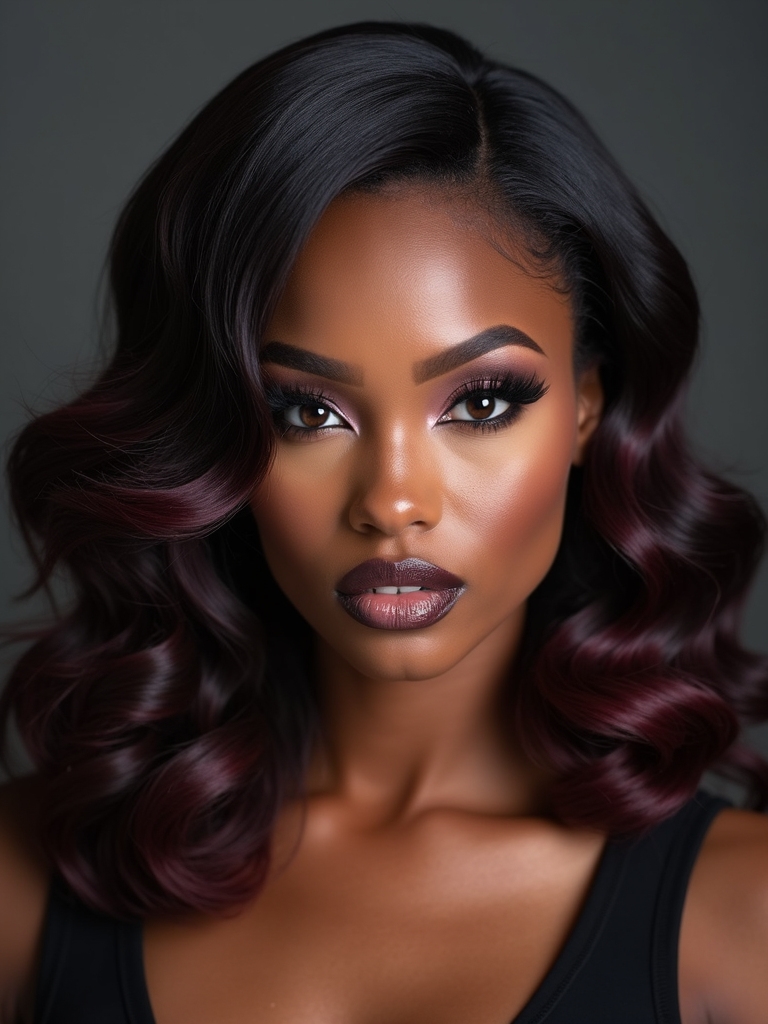
The fastest route to a color you love is a clear conversation before the first foil. Bring reference photos on deep skin specifically, since the same formula reads completely differently on a level-2 natural base than on the lighter model in most swatch photos.
Name the tones you like and the upkeep you’ll realistically commit to, and ask your colorist to be honest about what your hair can take. A good one will tell you when a look needs two sessions to do safely instead of forcing it in one.
- Show photos on skin and texture like yours, not just any pretty result.
- Say your real maintenance budget out loud—it changes the recommendation.
- Ask directly about lift, bond protection, and how many visits it will take.
At-Home Color Refresh Between Visits

Salon color lasts longer when you maintain it at home, and the moves that matter are simpler than the shelf makes them look. The goal between visits is to deposit a little tone and a lot of shine without re-processing anything.
The Three That Actually Matter
A color-depositing mask once a week refreshes faded tone. A demi-permanent root pen covers early regrowth on dark shades. And a weekly gloss or shine rinse keeps light bouncing off your color so it never looks tired.
Keep it gentle and pigment-friendly, and you’ll stretch a salon appointment by weeks. For more cold-season shades to bring to your next visit, the hair color ideas for winter roundup is a good browse, and if a deep wine is calling you, the burgundy hair guide covers that family in detail.
Winter Color Questions Black Women Ask Me
?What winter color is best if I don’t want to damage my natural hair?
Stay in the deep, warm family—espresso, black-brown, or mahogany—since they need little to no lift. A gloss adds shine and tone without re-processing. If you want lift, insist on a bond-builder and weekly deep conditioning to protect your curl pattern.
?How much does winter hair color cost for Black women?
It ranges with how much lift you want. Deep all-over shades plus a gloss are the cheapest to keep, partial highlights land in the middle, and a full balayage is the priciest and most time-intensive. Each shade above lists its own range so you can budget the exact look you want.
?How do I keep my color from fading or going brassy in winter?
Wash in cool water with a sulfate-free, color-safe shampoo, and use a tinted or clear gloss every few weeks. Reds and violets fade fastest, so a color-depositing mask between visits keeps them true. Satin at night cuts the friction that dulls shine.
Color That Honors Your Hair and Your Skin
The winter shades that work hardest for Black women all start from the same place: your undertone, your texture, and how much upkeep your life actually allows. Espresso and mahogany glow with almost no lift. Honey and ash give drama but ask for care in return. There’s a right answer at every maintenance level.
Whatever you choose, protect the hair underneath the color. Gloss it, condition it, and be honest with your colorist about what your strands can take. Done that way, winter color isn’t a risk to your texture—it’s a way to show it off.
Related Reads