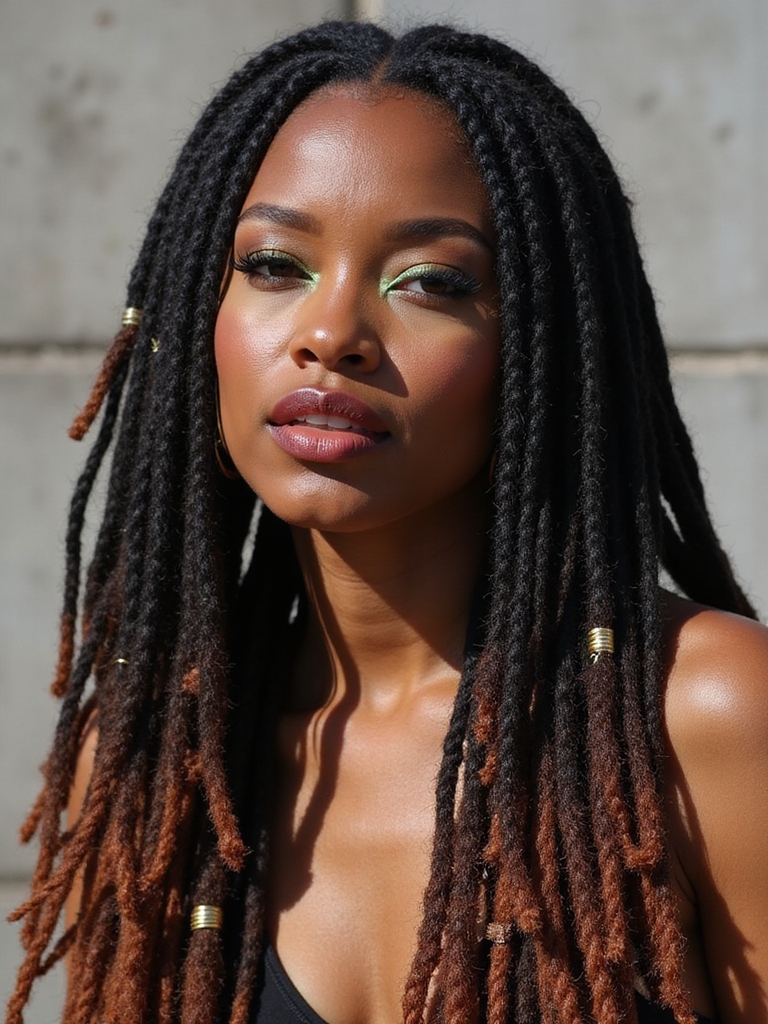
The salon phone starts ringing differently around the first properly warm week. Not for anything specific, just a lot of people asking what could be done, hair still carrying five months of hat static and dry indoor air and looking exactly its age.
Spring hair styles get talked about as trends, and the more useful way to sort them is by how much you are agreeing to. A gloss and a chin-length bob are both refreshes; only one of them is still with you in September. Fifteen options follow, arranged from reversible to permanent, with what each actually asks of you.
Sorting the Refresh From the Commitment
- Reversible in weeks: a gloss, face-framing pieces, a money piece. Twenty to forty minutes in the chair, and nothing to regret in a photograph later.
- Reversible in months: soft layers, curtain bangs, hand-painted highlights. These grow out kindly, with no hard line and no awkward shelf.
- Committed: a bob, a pixie, blunt bangs, pastel on dark hair. Real change, real grow-out. Worth doing, worth deciding on purpose.
The Angled Chin-Grazing Bob

The most-booked cut of the season, and it is not close. Part of that is symbolic, since removing four months of dried-out ends does something for a person that no conditioner manages. The rest is practical: a bob cut slightly longer at the front and grazing the chin puts a clean line right where a jaw wants one. Commitment level is high, though. This is a year of growing out ahead of you, so it deserves a decision rather than an impulse.
- Ask for chin-grazing with a slight forward angle, which flatters more face shapes than a level line
- Straight and wavy hair take it as cut; curls need dry cutting and about two inches of extra length
- Roughly a ninety-minute appointment, and expect a shape-up before summer ends
Soft, Tousled Beachy Waves

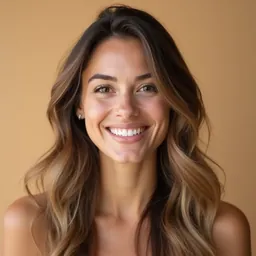
The seasonal default, and the least committal thing on this page, since it lives entirely in styling. Most home attempts fall flat by noon for one reason, and it is sequencing: product belongs on damp hair, heat belongs on dry hair, and fingers finish the job.
- Mist a salt spray through damp hair and scrunch upward toward the scalp
- Air-dry, or rough-dry and bend a few sections around a wide iron in alternating directions
- Break the set with fingers only, since a brush turns waves into frizz in one pass
How much change are you actually after this season?
1Something has to be different by Friday
Face-framing pieces or a gloss. Both are under forty minutes, both show up immediately, and neither one leaves anything behind.
2Winter needs deleting entirely
A bob or a pixie. Book a proper consultation, bring two photos, and walk in knowing you have signed up for a year of growing out.
Layers Cut for Easy Movement

For anyone not ready to lose length, layering is the gentlest thing a stylist can do. Weight comes out of the interior, the lengths start swinging again, and almost nothing measurable disappears off the bottom.
It sits in the middle of the commitment scale. Blended layers grow out invisibly, which is why the request should specify soft and blended. Chunky layering on the same head takes a year to disappear.
A Soft Face-Framing Layered Fringe

Curtain bangs have outlasted every prediction of their death, and the reason is structural rather than fashionable: they grow into face-framing layers, so there is no bad stage waiting. That single property makes them the safest bold-looking change available. See our curtain bangs guide for the shaping detail.
- Ask for the shortest point at the cheekbone, lengthening back into the layers behind it
- Part the fringe centrally, then dry each half outward over a large round brush
- A five-minute trim keeps the sweep sharp; skipping it simply gives you longer layers
Crisp Blunt Bangs

Blunt bangs are the highest-drama, lowest-length change on the list. Nothing comes off the back of your head, and yet the whole face changes, which is a strange and appealing trade.
What They Actually Ask of You
They are also demanding. A blunt fringe wants trimming every fortnight and a two-minute blow-dry most mornings to sit flat, because bangs left to air-dry pick up whatever cowlick lives at your hairline.
They behave best on straight-to-wavy hair. On curls a true blunt line fights the pattern all day, and a curly fringe cut with the same weight but softer edges is the better version of the same idea.
Sun-Kissed Dimensional Highlights

Hand-painted lightening is the color request that owns this season, and its advantage over old-fashioned foils is entirely about the grow-out. Painted color starts below the root, so no line waits to appear two months later.
Placement is where the technique lives. Colorists concentrate lift where sun would naturally find hair first, which on most heads means the top surface and the pieces closest to the face, while the underneath stays deeper.
The appointment is long. Three hours is normal for a full head, which is why a full balayage lands north of $200 in most US salons, and the payoff is stretching to two or three visits a year instead of chasing regrowth.
Soft Seasonal Pastel Colors

Lavender, rose, peach, and pale blue are the playful end of spring color, and they read sweet on most people who try them.
The catch sits underneath. Pastel is a tint resting on a very light base, so dark hair has to be lifted almost to platinum before any pastel goes near it, and that lifting is the step that damages hair and costs money. A bond-building treatment during the process is not optional.
They also drop fast, sometimes within six washes. For a first attempt, a pastel money piece or a hidden peekaboo panel gives the whole effect while risking about a tenth of your hair.
👍What pastel gives you
- +A distinctive color that stays soft rather than aggressive
- +Fades out on its own, so there is no hard grow-out line
- +Works in small doses, like a money piece or a hidden panel
👎What it takes
- –Dark hair must be lifted near platinum first, which is the damaging step
- –Tone drops noticeably within about six washes
- –Needs a bond treatment during lifting and gentle washing afterward
A Textured, Low-Maintenance Pixie

Warm weather is when people finally do it. A textured pixie with a longer top and piecey ends is the most freeing cut here and the one with the longest road back, which is the honest trade at the center of it. Two minutes of styling replaces twenty, and the payoff on a humid afternoon arrives immediately. Our chin-length haircuts guide covers the halfway option for anyone hesitating.
- Keep the top long enough to move; an all-one-length crop has no styling options at all
- A pea of matte paste through dry hair is the entire routine
- Shape-ups land roughly every five weeks, which is the real ongoing price of short hair
A Long, Layered Volume Boost

Long hair that has gone flat over winter usually has a weight problem, and length is rarely the culprit. Removing bulk from the interior lets the roots lift again without giving up a single inch, which is why this is the compromise most long-haired clients land on.
- Request long blended layers beginning around the cheekbone, nothing shorter
- Ask for invisible texturizing underneath to shed winter bulk without touching the outline
- Style with a mousse at the roots and a round brush lifting at the crown only
🅰️Keep the length, add layers
Interior weight comes out, movement comes back, and nothing measurable leaves the bottom. Grows out invisibly and can be repeated as often as you like.
🅱️Cut to the collarbone
A bigger visual change and less hair to dry, but you are committing to eight months of growing back if you miss it.
Soft Face-Framing Spring Layers

The smallest change with the biggest return on this entire page. Two or three shorter pieces cut around the face, starting at the cheekbone and cascading down, brighten the whole head without touching length or routine.
Ten Minutes, Nothing to Regret
It takes about ten minutes in the chair and often gets added to a trim for very little, which puts it firmly in the reversible column. Grow-out is invisible, because the pieces simply lengthen into the rest.
It is the standing suggestion for anyone who wants to feel different without deciding anything. More on the shaping in our face-framing layers guide.
Polished, Sleek Straight Hair

Texture dominates the season, which is exactly why glass-smooth hair looks so deliberate right now. It also flatters fresh color better than any wave does, since an unbroken surface shows tone continuously along its whole length.
Humidity is the opponent. A smoothing cream before heat and a shine serum after, with the iron passing once per section rather than three times, holds far longer than re-ironing throughout the day.
A Choppy, Layered Spring Texture

Where soft layers whisper, choppy ones announce. The ends are shattered with a razor or aggressive point-cutting so they separate into distinct pieces, and the whole cut looks a little undone on purpose.
It suits anyone who found their last layered cut too polite. Grow-out is forgiving, since broken ends stay broken-looking as they lengthen, which is one reason it stays popular with people who dislike frequent salon visits.
A Warm, Luminous Honey Blonde

Honey sits close to most natural levels, which is the entire argument for it. Warmth flatters more complexions than a cool ashy blonde does, and because the tone lands near the base color, regrowth arrives soft with no stripe at the part.
A glossing treatment between full appointments keeps it luminous and takes about twenty minutes at the bowl. That is the maintenance rhythm worth building, since honey dulls before it fades and a gloss fixes dull instantly.
Color words worth using at the consultation
📖Gloss
A semi-permanent tint that adds shine and adjusts tone without lifting. Twenty minutes at the bowl, holds roughly ten weeks, and cannot go wrong.
📖Level
The numbered scale for how light hair is, from 1 for black to 10 for palest blonde. Asking to go up two levels is far clearer than asking for lighter.
A Playful Nineties Revival

Two high buns, parted down the center, is the least serious thing here and the most fun. It costs nothing, damages nothing, and takes four minutes, which makes it the definition of a reversible change.
Leave a few pieces loose at the temples and tug the buns slightly open once they are pinned. Perfectly round buns look costumey; slightly collapsed ones look like a choice. Our hairstyles for fine hair guide has more shapes that borrow volume this way.
A Soft, Textured Modern Shag

The shoulder-length shag has been back long enough now that calling it a revival is generous. Feathered layers through the crown, a soft fringe, and ends left deliberately imperfect give it a seventies outline with a much lighter hand.
It works across textures, which is unusual for a heavily layered cut. Curls in particular take it well, since the layering gives coils somewhere to expand before they stack into a triangle. Our layered shag guide covers the shape properly.
- Ask for feathered crown layers and a soft fringe, with the ends left textured
- Salt spray plus a diffuser on low is the whole styling method
- Commitment is moderate; crown layers take several months to catch up to the length
Styling Tips
Whatever you pick, the first appointment of the season should start by removing damage before anything gets added. Color sits unevenly on porous winter ends, layers separate badly on split hair, and every product performs better on a strand with an intact surface. A trim first, then the interesting part.
After that the useful habits are dull ones. Swap the heavy winter mask for something lighter, because spring humidity plus a rich conditioner is how hair goes limp by March. Add a heat protectant if you have started ironing again. Use a UV-protective leave-in once the days stretch out, since sun fades fresh color faster than washing does. And book the follow-up before you leave, since the shape you paid for only holds if someone maintains it.
Spring Hair, Answered
?What is the lowest-risk spring change worth booking?
A gloss combined with two or three face-framing pieces. Together they take under an hour, price below a full color service, and both fade or grow out with nothing awkward left behind. It is the change to make when you want to feel different without deciding anything permanent.
?Is spring actually a better time to go lighter than autumn?
It is, for a practical reason. Lightened hair looks natural against increasing daylight and the sun keeps lifting it slightly on its own, so the color stays flattering as the season goes on. Lightening in November means fighting the tone back to warmth as the light drops.
?My hair feels dry and dull after winter. Cut it or treat it?
Cut first, then treat. Split ends cannot be repaired by any product, and a mask applied to damaged ends buys about a day of improved feel. Once the compromised inch is gone, a weekly treatment on healthy hair starts doing measurable work.
?Do I need to change products just because the season changed?
Only two things. Swap a heavy winter mask for something lighter, since humidity plus richness equals flat hair, and add sun protection once daylight stretches out. Everything else in your routine can stay exactly where it is.
Start Small, Decide Later
The mistake most people make in April is treating a seasonal itch as a mandate for something drastic. A gloss and a few face-framing pieces will scratch it, and if in six weeks the itch is still there, the bob has not gone anywhere.
Save whichever versions stopped you scrolling and open them at the consultation instead of describing them from memory. Photographs travel better than adjectives, and a stylist who can see the ends and the layering will tell you in thirty seconds whether it works on your hair.
Next Up