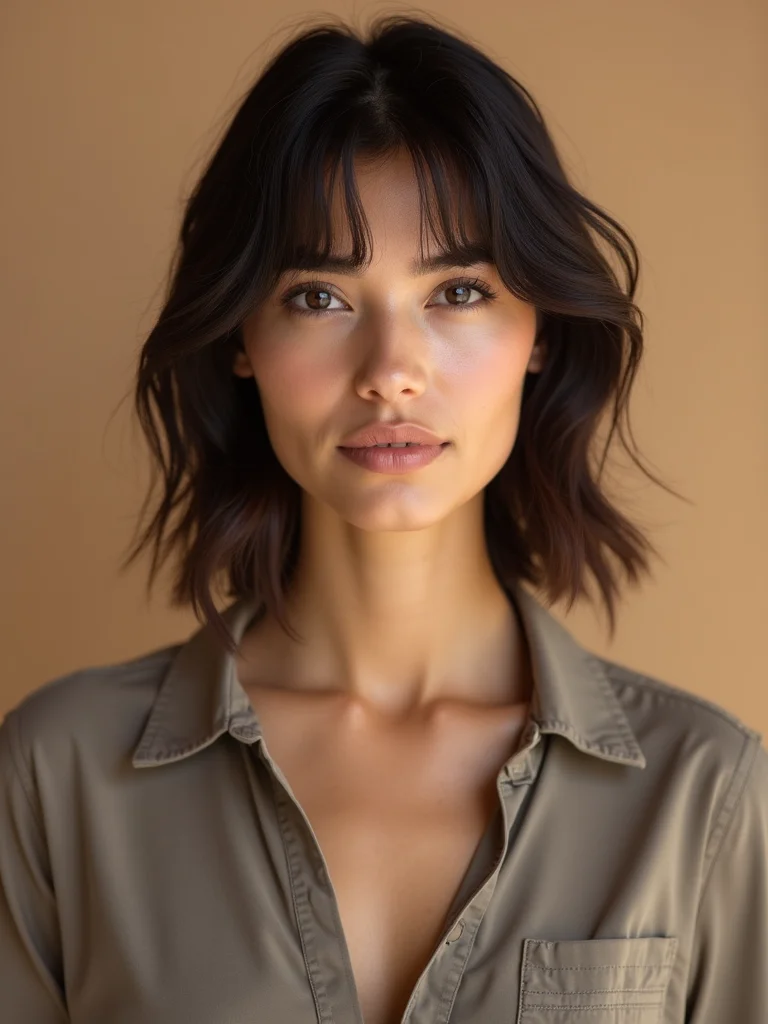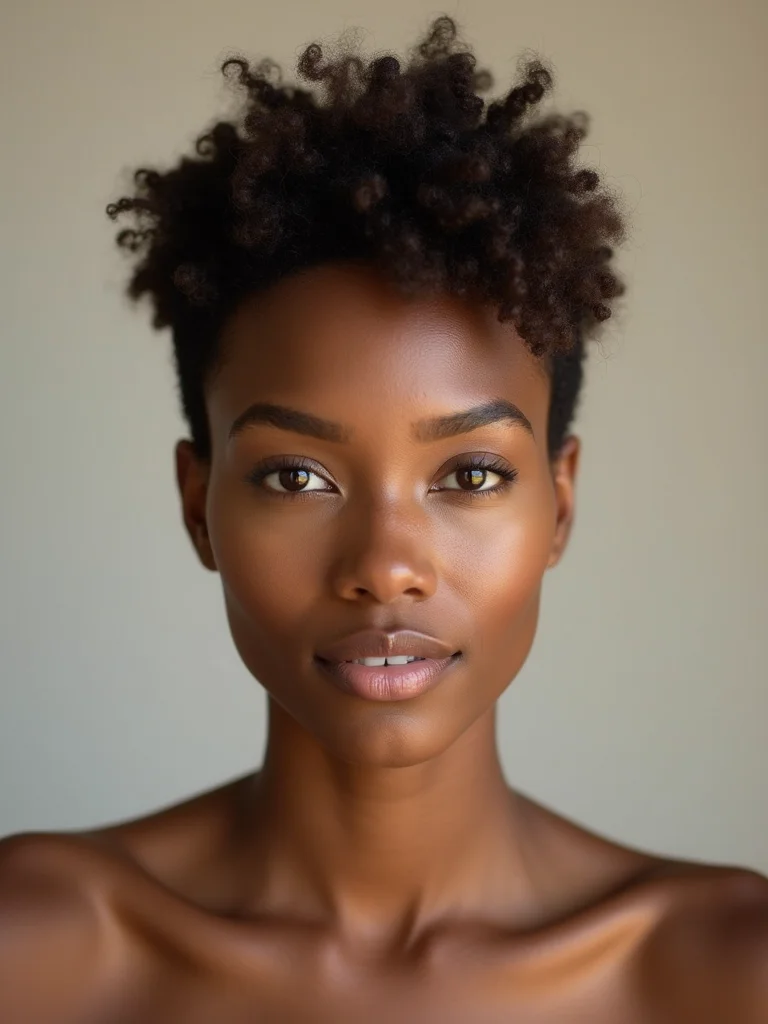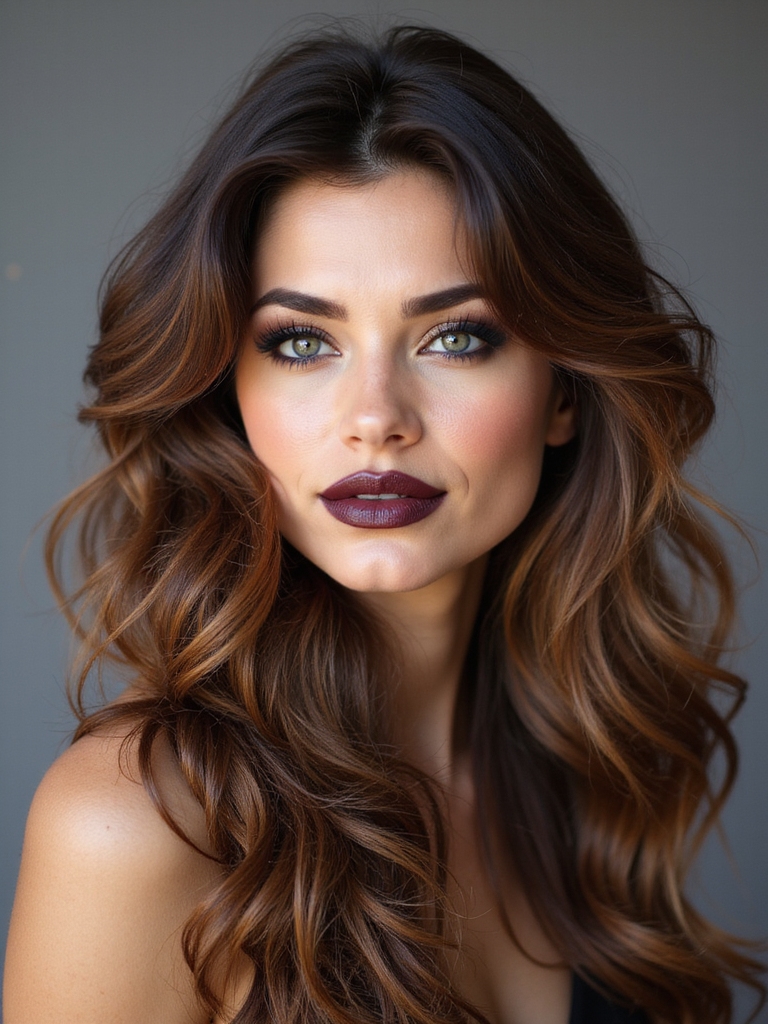
The wolf cut is the only way to get real volume and movement into long hair while keeping every inch of length. That is a bold claim, but it holds up: the cut’s heavy internal layering builds body and shape while leaving your lengths exactly where they are. You keep the long hair and lose the heavy, flat, one-note feeling.
Long hair has a way of going limp and shapeless by midwinter, weighed down by its own length and flattened by hats. A wolf cut fixes that with shaggy, piecey layers that give the hair lift at the crown and movement through the lengths. These wolf cuts for long hair show how to add all that volume, tailor the layers to your texture, and keep every bit of your length.
The Long Wolf Cut, Up Front
A wolf cut on long hair keeps your length while adding the volume and movement long hair usually lacks. Heavy internal layers and shaggy, piecey ends remove weight from the middle and build lift at the crown, so the hair has shape instead of hanging flat. Face-framing pieces at the front complete the look, and the longest layers stay long, which is how you keep your length.
It suits almost every texture, from straight to coily, and the right layering changes with your hair: fine hair wants softer, fewer layers for fullness, thick hair wants more debulking for flow. Styling stays low-effort, since the cut is built to look good undone, air-dried, and a little messy. A trim every couple of months keeps the shape from growing heavy.
The Piecey, Shaggy Silhouette That Suits Long Hair
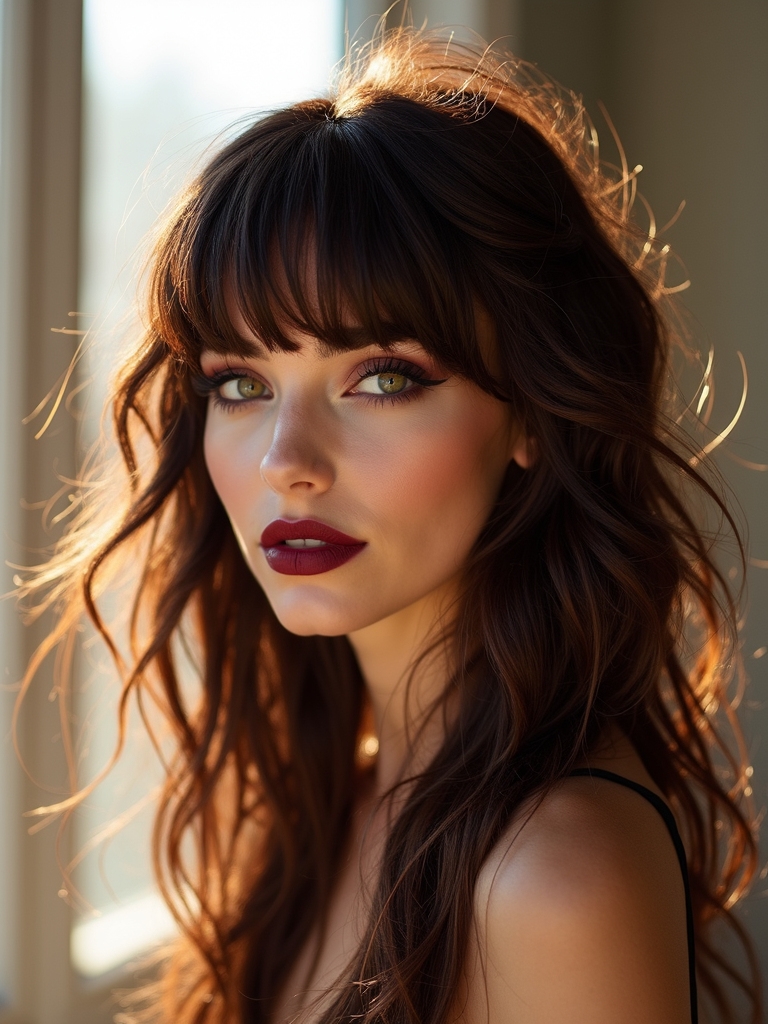
The wolf cut’s whole appeal on long hair is the silhouette: piecey, shaggy layers that give the shape a deliberate, undone edge. In place of a solid curtain of length, you get movement, separation, and a shape that looks intentional from every angle, which is exactly the difference between long hair that just hangs there and long hair that actually has a silhouette you notice in the mirror.
Shape Without the Scissors on Length
The trick is that all the layering happens inside and at the top, while the longest pieces stay untouched. You read as having long hair, just long hair with body and attitude.
The shaggy silhouette is what makes a wolf cut look modern, a clear step past plain long layers. It is the cut for anyone bored of their length but unwilling to cut it off. The wolf cut hair guide covers the shape on every length.
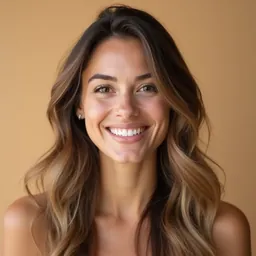
Choosing the Right Layering for Your Hair Texture
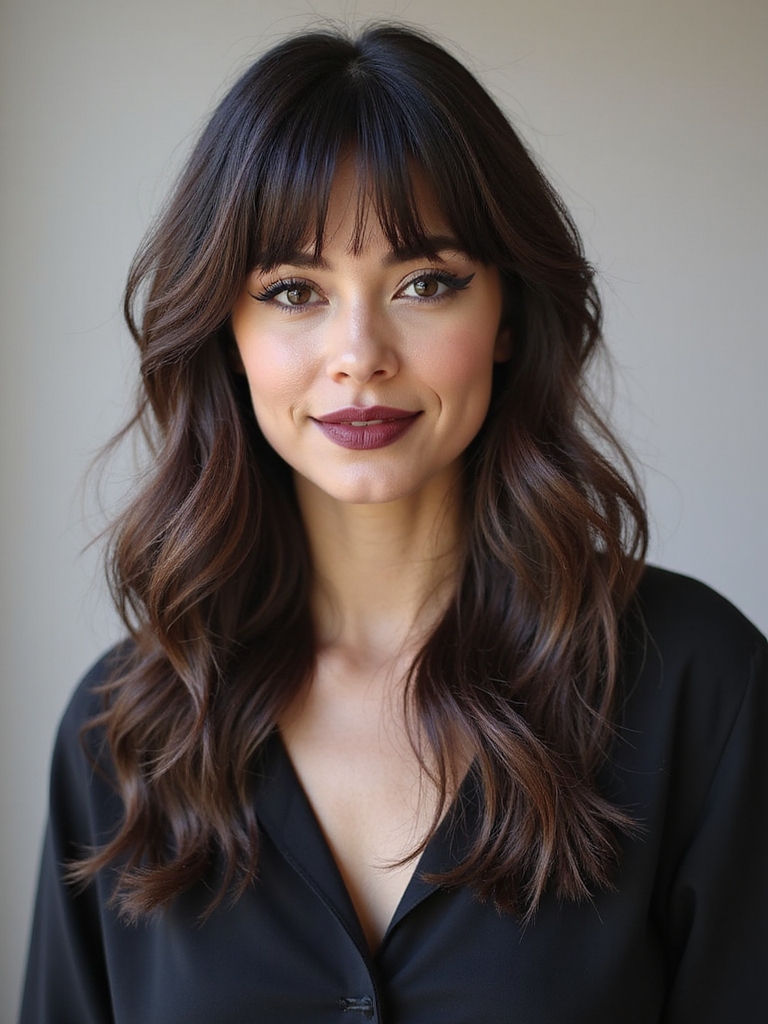
The layering that makes a wolf cut sing is completely texture-dependent, so the same cut looks different on every head. Straight hair shows every layer sharply and needs precise placement; wavy and curly hair softens the layers and can take more of them for volume.
- Straight hair shows layers sharply; place them precisely.
- Wavy and curly hair softens layers and takes more of them.
- Match the layering to your texture, using a real reference.
Pick your long wolf cut by what you want most:
🎯Subtle volume, easy grow-out
A soft wolf cut with longer, blended layers
🎯Bold movement and edge
A dramatic wolf cut with choppier, shorter crown layers
🎯Fullness on fine hair
Fewer, feathered layers and a root-lift routine
🎯Flow on thick hair
Controlled internal debulking, length left intact
Soft vs. Dramatic: Finding Your Ideal Shape
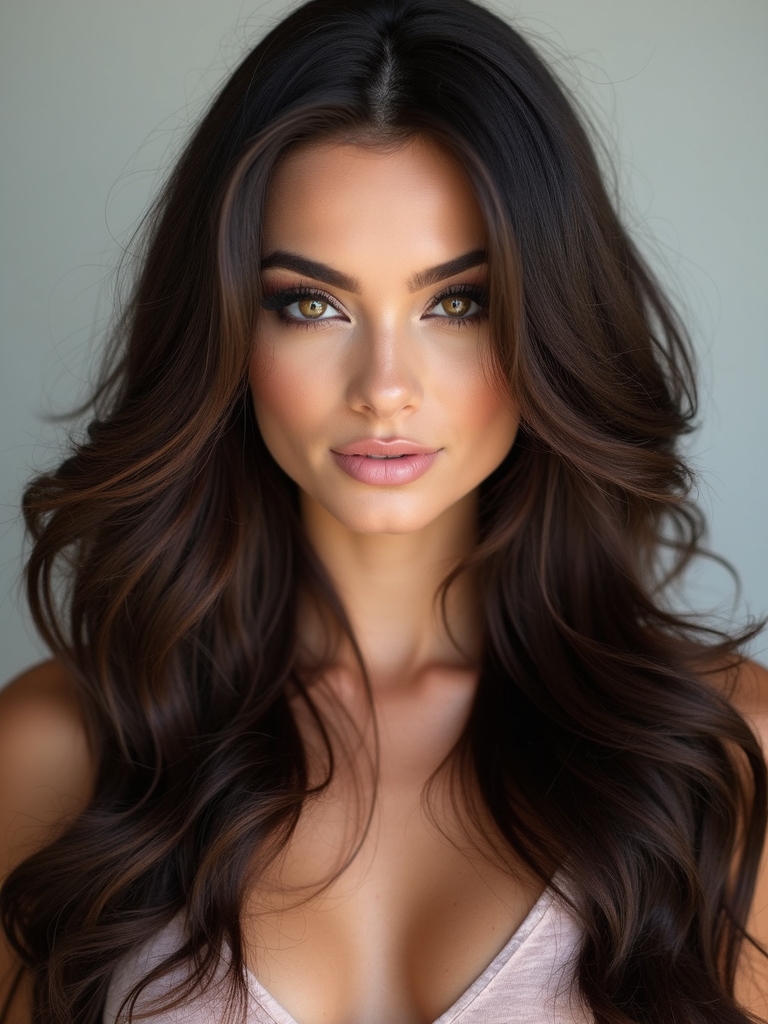
A long wolf cut can be barely-there or full rock-and-roll, and where you land sets the whole vibe. A soft version keeps longer, blended layers for gentle movement and an easy grow-out, while a dramatic version goes shorter and choppier up top for bold volume and contrast.
Most people are happiest somewhere in the middle for a first wolf cut. A softer shape is the safer starting point, since you can always go choppier next time. Decide how much drama you actually want before you sit down, since you can always go bolder next time.
Face-Framing Pieces That Flatter Every Face Shape
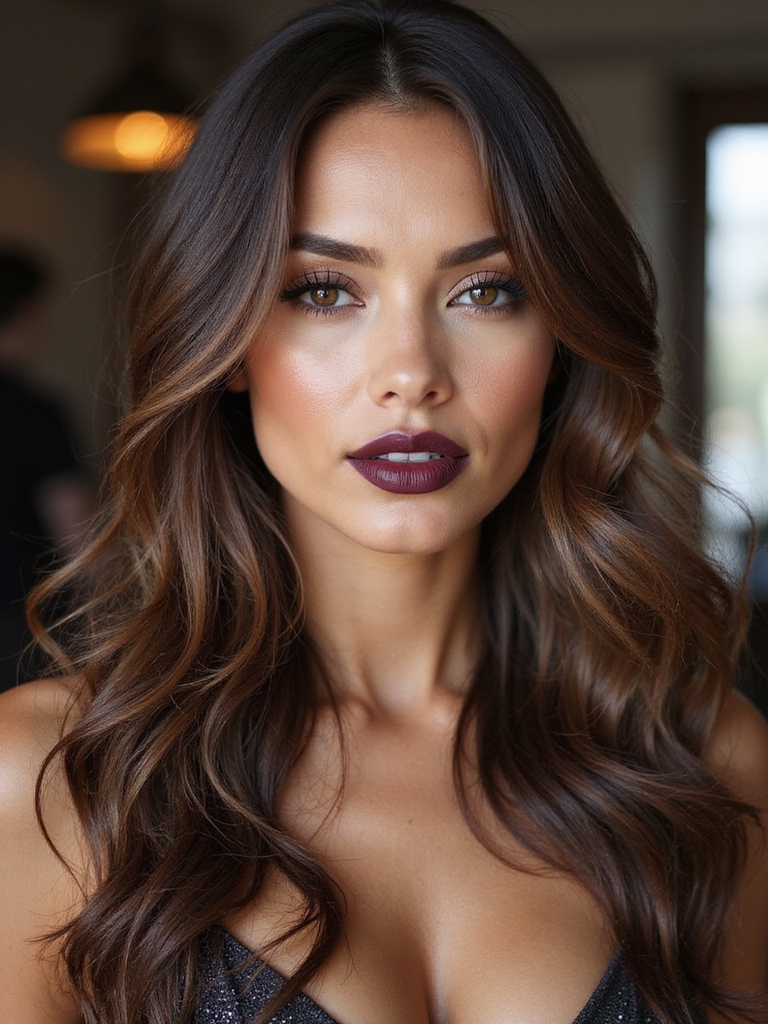
Face-framing is where a long wolf cut earns its flattery, since the front pieces sit right against your features. The shortest face-framing layer can be placed to suit any face: cheekbone-length lifts a round face, jaw-length softens a square one, and collarbone pieces flatter a long face.
- Cheekbone-length framing lifts a round face.
- Jaw-length softens a square or strong jaw.
- Longer, collarbone framing flatters a longer face.
How to style a long wolf cut in five minutes:
1Rough-dry the roots
Scrunch and lift with your fingers under the dryer for crown volume
2Add texture, not weight
Scrunch a sea-salt or texture spray through the lengths
3Tousle and separate
Break up the layers with your fingers; leave it undone and piecey
How to Add Volume Without Losing Length
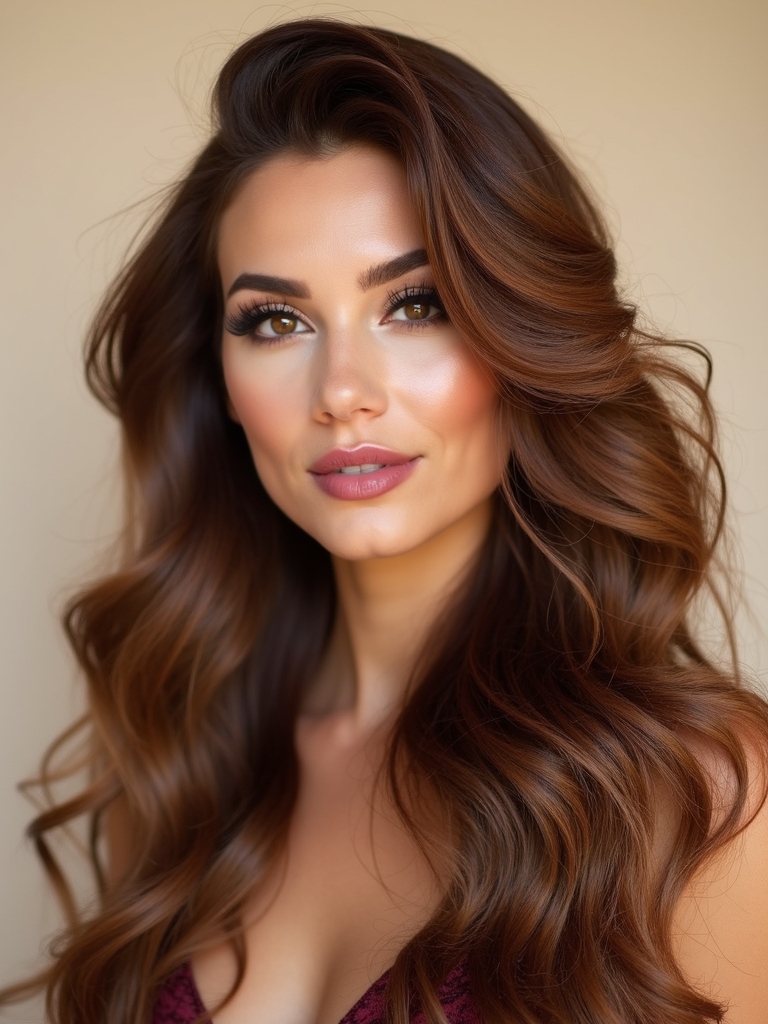
The whole promise of a long wolf cut is volume and full length together, and it comes down to where the layers go. By concentrating the shorter layers at the crown and through the top, the cut builds height and body up high while the perimeter, your actual length, stays long.
This is the opposite of long, blunt hair, which hangs from the weight of its own ends. Internal crown layers give long hair something to lift and fall from. I tell every long-haired client the same thing: the volume comes from layering, not from cutting it short.
- Shorter layers at the crown build height; the perimeter stays long.
- Volume comes from layering while your length stays put.
- Say keeping your length is the priority, out loud, at the start.
Styling a Textured Wolf Cut With Minimal Effort
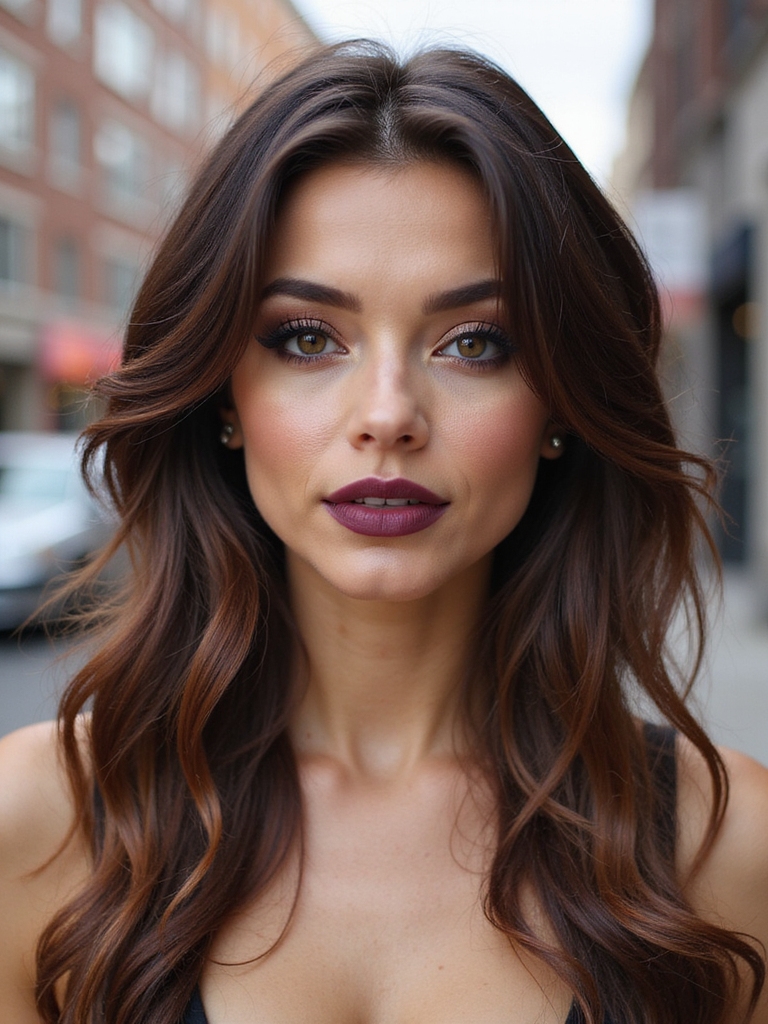
One of the best things about a long wolf cut is how little styling it needs to look good. The layers do the work; a quick scrunch of texture spray and a rough-dry brings out all the movement built into the cut.
The Cut Does the Styling
On a busy winter morning, you can air-dry and go, and the piecey layers read intentional even undone. It is the antidote to long hair that needs an hour of blow-drying to look like anything.
A texture spray is the one product this cut really wants. Tousle it with your fingers, and you are done in two minutes.
👍Why a long wolf cut works
- +Adds volume and movement while keeping all your length
- +Low-effort: built to look good air-dried and undone
- +Grows out softly into plain long layers, no awkward stage
👎What to weigh
- –Fine hair needs restraint, since over-layering thins it out
- –The shape softens as it grows; a trim every couple of months keeps it
- –A bad ‘wolf cut’ can come out as plain long layers if you are not specific
Best Products for Grit, Hold, and Movement

The right products bring out a long wolf cut’s texture without weighing it down. You want grit and separation over slick smoothness, so reach for texture sprays, sea-salt sprays, and light mousses over heavy creams and oils that flatten the layers.
Grit Over Gloss
A light dry texture spray at the roots adds the lift and grip the shape depends on. A sea-salt spray gives the piecey, separated finish the cut is known for.
Save the heavy serums for your ends only, if at all, since long lengths can take a little smoothing while the layers stay gritty. Less product, more texture, is the rule.
Air-Dry and Plop Techniques for Texture
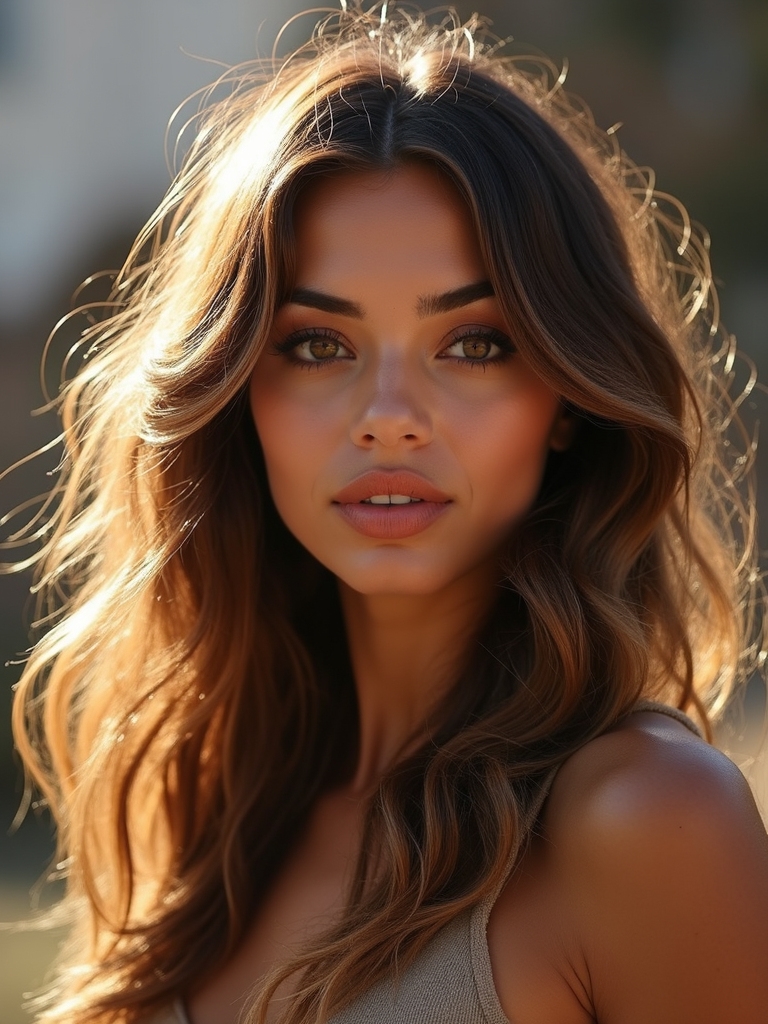
Air-drying is the long wolf cut’s natural habitat, and a couple of techniques make air-drying look styled, not just dried out. Plopping, wrapping wet hair in a cotton T-shirt for a few minutes, encourages wave and removes excess water without frizz, which gives air-dried hair more shape.
After plopping, scrunch in a little product and let the hair finish drying loose. Plopping builds bend and volume into wavy and curly long hair with zero heat. For straighter hair, rough-dry with your fingers for the same undone texture. It is the laziest way to a styled-looking wolf cut.
Don’t Lose the Length You Came For
The most common long-wolf-cut regret is walking out shorter than you wanted, because ‘wolf cut’ got read as ‘big layers’ and the length came off. Say clearly, at the start, that keeping your length is non-negotiable and the volume should come from internal layering. A good stylist will work the shape without touching your perimeter.
Heat-Styling: Rough-Dry Roots, Brushed Ends
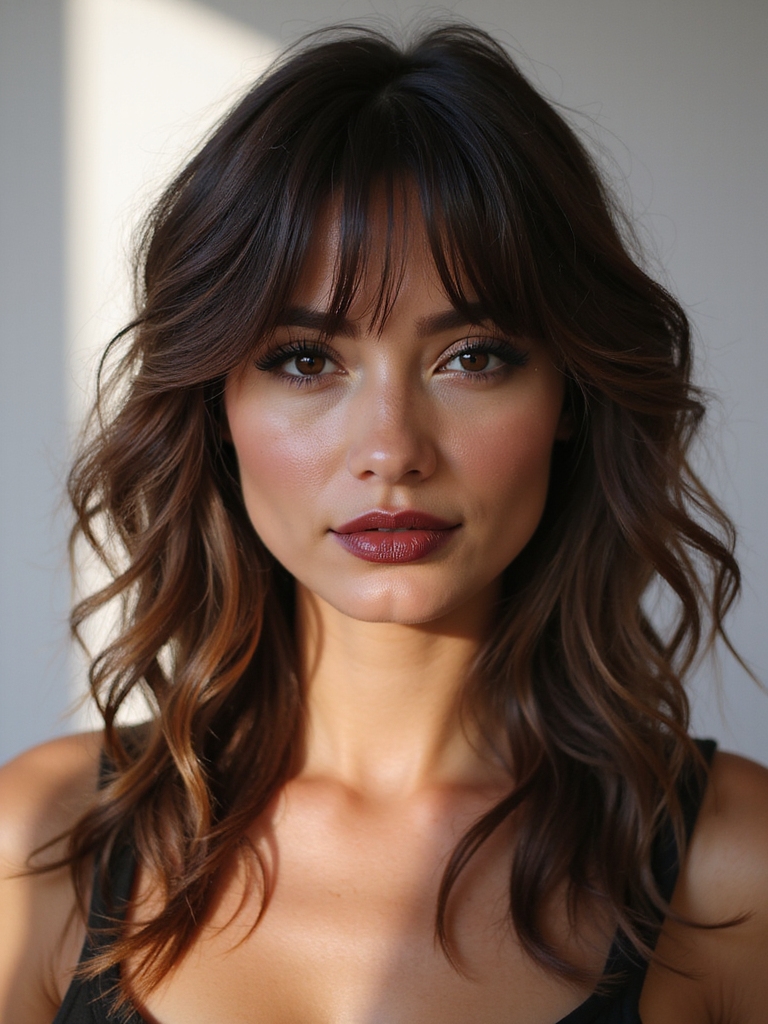
When you want a more polished long wolf cut, a little heat sharpens the shape without erasing the texture. The technique is to rough-dry the roots for lift, then use a round brush only on the ends and face-framing pieces for a soft, brushed bend.
Lift at the Root, Polish at the Ends
Rough-drying the roots, scrunching and lifting with your fingers under the dryer, builds the crown volume the cut wants. Then a round brush flicks the ends out or under for a finished edge. I see long hair come alive with just root lift and brushed ends.
Rough-dry roots and brushed ends give you the polished version of the cut for a night out. A flat iron can add a few bends through the layers for extra movement. Keep the heat low to protect long lengths.
Springy Curls and Waves on a Long Wolf Cut
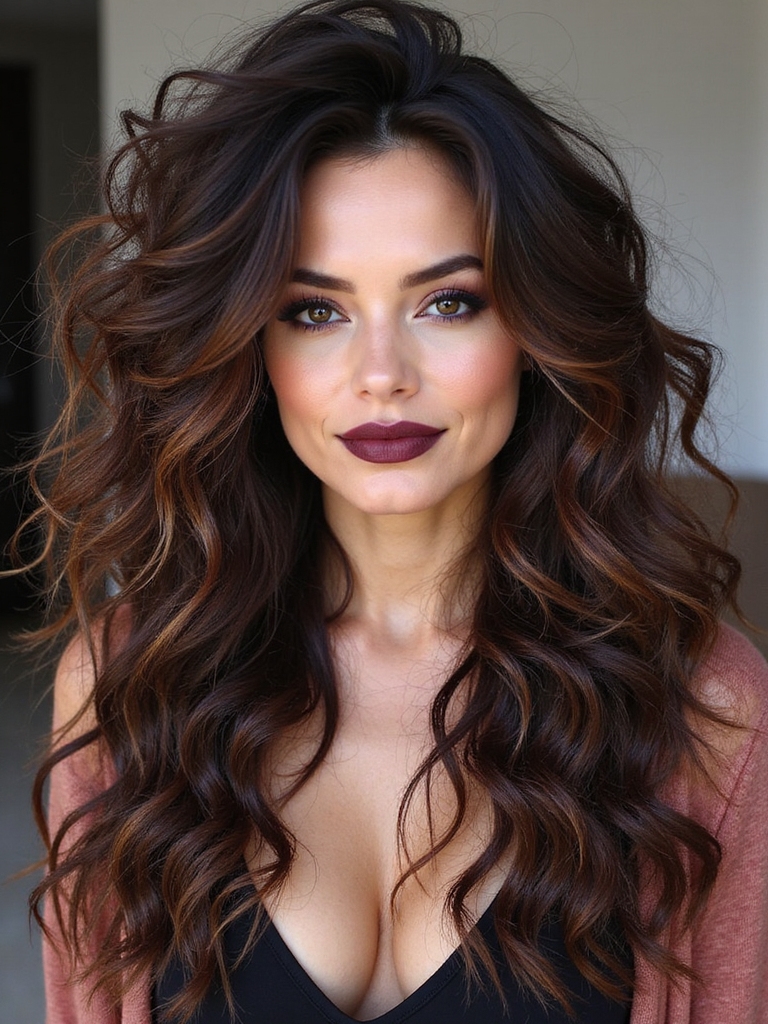
On long curly and wavy hair, the wolf cut is a revelation, since the layers free heavy curls to spring up and out. Long curls especially carry weight that flattens them, and removing it with shaggy layers lets the curl pattern bounce back to life.
Cut curly hair dry to see how each curl falls, and style with a curl cream and a diffuser to build volume. A long curly wolf cut keeps your length while finally giving your curls shape. The wolf cut for curly hair guide goes deep on cutting and styling curls.
- Layers free heavy long curls to spring up with volume.
- Cut curls dry, style with a diffuser and curl cream.
- You keep the length and gain the curl shape.
Fine-Hair Strategies: Feathered Layers for Lift
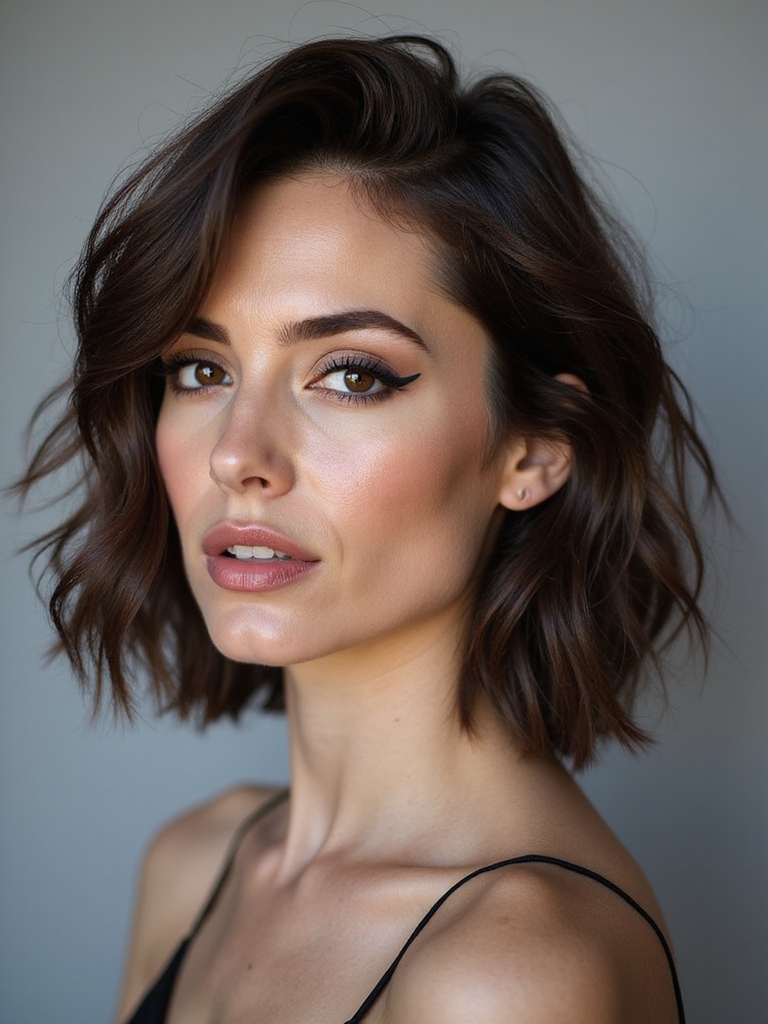
Fine long hair can absolutely wear a wolf cut, but it needs a gentler hand with the layers. Too much layering thins out fine hair and leaves stringy ends, so the move is fewer, softer, feathered layers placed to create the illusion of fullness while keeping precious density.
- Go fewer, softer layers; over-layering thins fine hair out.
- Feathered face-framing creates fullness at the front.
- A root-lift spray and a tousle fake extra density.
Thick-Hair Approaches: Controlled Debulking for Flow
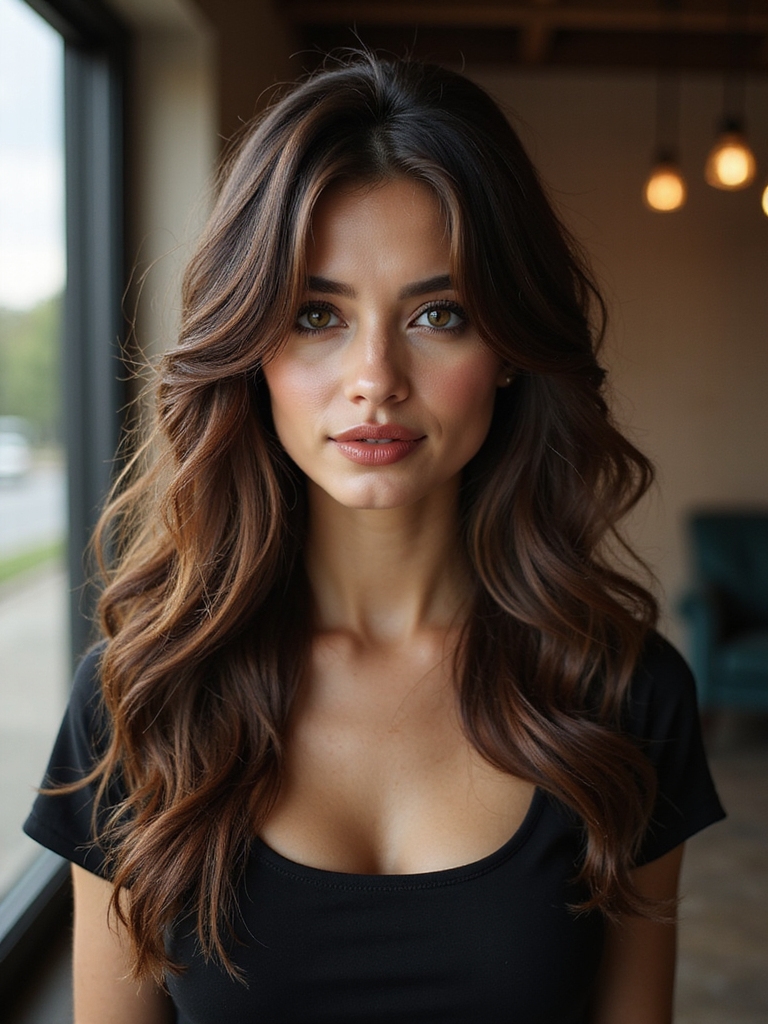
Thick long hair has the opposite challenge: there is so much weight that the hair can sit heavy and shapeless. A wolf cut on thick hair uses controlled debulking, removing internal weight with point-cutting and layers, so that all the density you have works for the shape instead of dragging it down into a heavy, motionless block, and the hair finally moves.
Careful debulking is the key phrase, since taking out too much creates puffiness and flyaways instead of flow. I point thick-haired clients toward internal debulking that lightens the hair while the surface stays full. Done right, it transforms thick long hair from a heavy curtain into something with real movement and a defined silhouette. Ask for the weight to come out from the inside, leaving the surface and length intact.
- Controlled debulking removes internal weight for movement.
- Too much creates puffiness; thick hair needs a careful hand.
- Weight comes out from the inside, surface and length intact.
Color and Highlights That Enhance Dimension
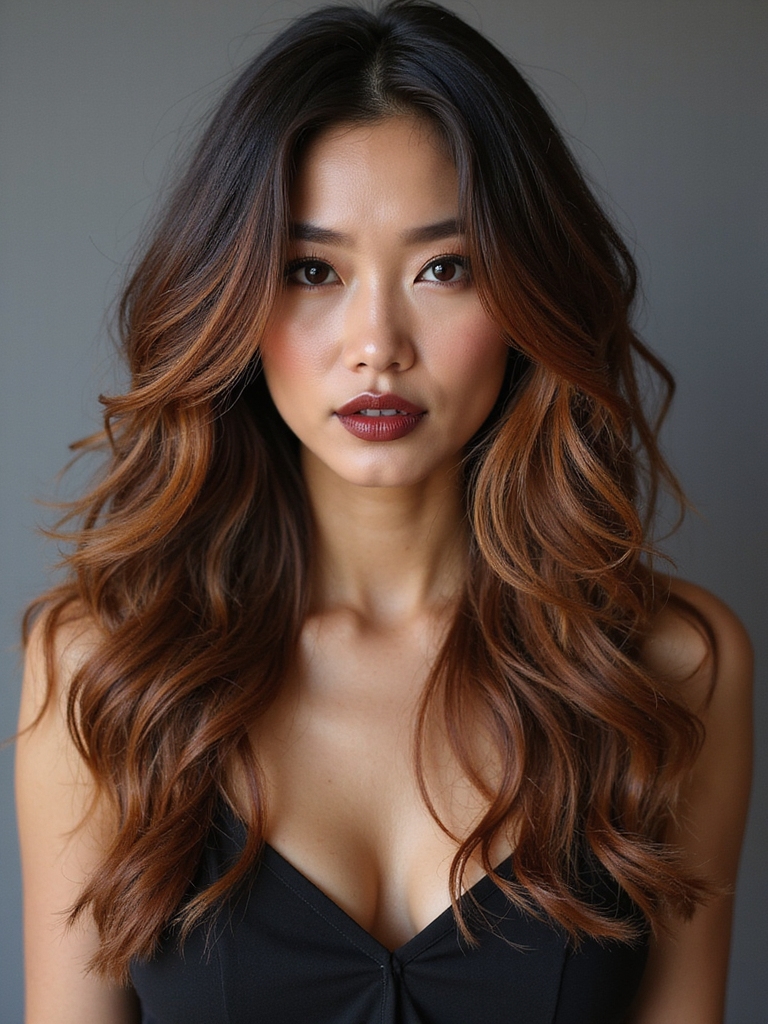
Color and a long wolf cut are made for each other, since dimension makes all that layering visible. Balayage and face-framing highlights catch the movement of the layers and add depth, so the cut reads even fuller and more textured than it already is.
A brighter money-piece at the face lights up the framing layers, while subtle lowlights add the shadow that makes volume look three-dimensional. Painted, dimensional color flatters the wolf cut more than a flat, all-over shade could. The winter hair color ideas guide has painted options to explore.
- Balayage and highlights make the layers visible and deep.
- A money-piece brightens the face-framing pieces.
- Dimensional color reads fuller than a flat all-over shade.
Maintenance Tips to Keep the Shape Fresh
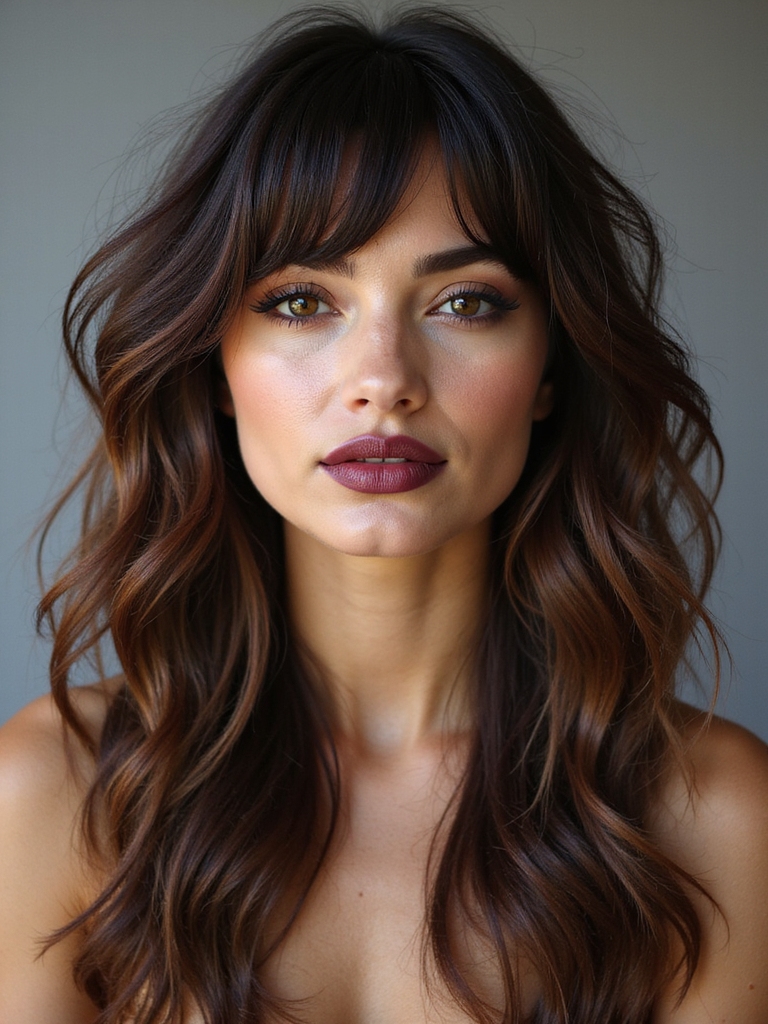
A long wolf cut grows out gracefully, but a little maintenance keeps it sharp. As the layers grow, the volume drops and the shape softens toward plain long layers, so a shaping trim every eight to twelve weeks keeps the piecey, lifted look.
Trim the Top, Keep the Length
The good news is you are mostly trimming the internal layers and face-framing, not your length, so you keep your inches while refreshing the shape. A dusting of the ends keeps them from looking stringy.
A shaping trim, not a full cut, is all it takes between major appointments. Tell your stylist to refresh the layers and leave the length, and you can stretch the cut for months. The wolf cut for short hair guide covers the cut if you ever want to go shorter.
Long, Shaggy, Layered: Naming the Cut You Want
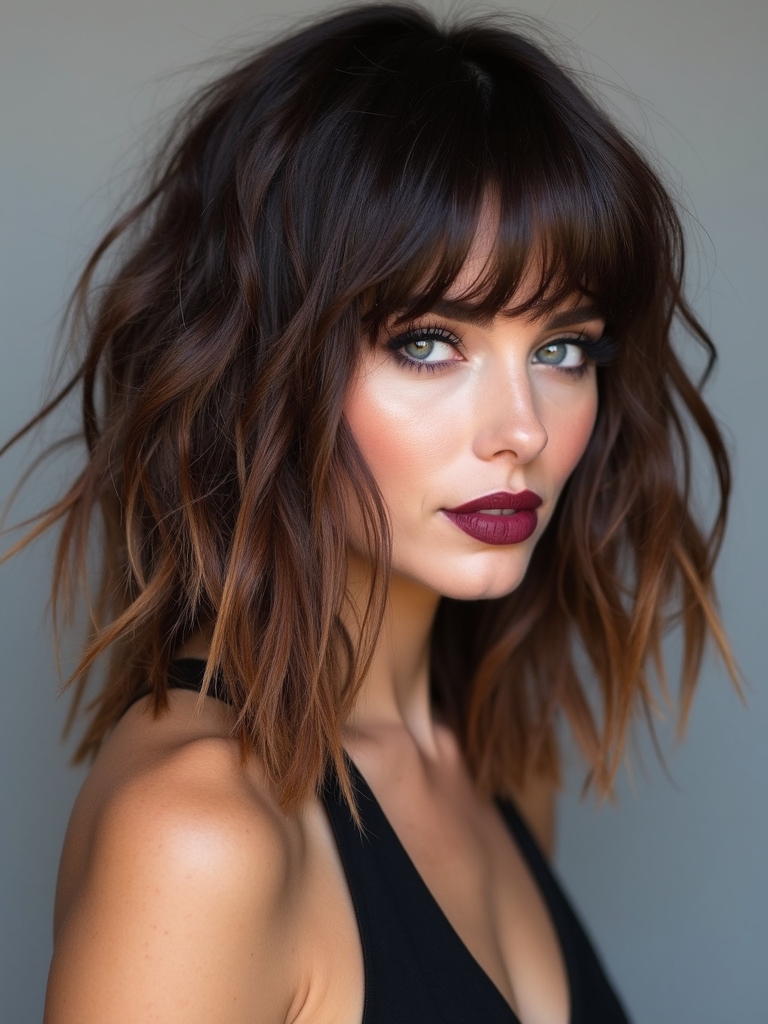
Half of getting a great long wolf cut is naming it correctly, since ‘wolf cut’ alone leaves too much room for interpretation. Use the words that pin down the shape: long, shaggy, heavily layered with a lifted crown, piecey ends, and face-framing, and you will get far closer to the photo.
- Say ‘long, shaggy, heavily layered’, not just ‘wolf cut’.
- Specify a lifted crown, piecey ends, face-framing.
- Confirm your length stays; that is the non-negotiable.
How to Ask Your Stylist
When you book a long wolf cut, a little preparation gets you the cut you actually want. Bring two or three photos of the cut on hair close to your length and texture, since the same wolf cut behaves completely differently on fine straight hair than on thick curls. Point to the specific things you like: the amount of volume, where the shortest face-framing piece hits, and how shaggy the ends are.
Then say the one thing that matters most out loud: that keeping your length is the priority and the volume should come from layering. Ask whether your stylist cuts texture dry if your hair is wavy or curly, and confirm they will leave the perimeter long. A detailed long wolf cut runs about $60 to $120 depending on your salon and hair density. The winter hairstyles for long hair guide has more ways to wear the length once it is cut.
Long Wolf Cuts, Answered
?Will a wolf cut make my long hair shorter?
It should not, if your stylist works the shape the right way: the layering happens internally and at the crown, while your longest pieces are left alone. The perimeter is what carries your length, and a good cut never touches it.
?Is a long wolf cut high-maintenance to style?
No, it is one of the lowest-effort long cuts there is. It is built to look good air-dried and undone; a scrunch of texture spray and a tousle is usually all it needs. The layers do the styling for you.
?Does a wolf cut work on fine long hair?
Yes, with restraint. Fine hair needs fewer, softer, feathered layers so it does not thin out or go stringy. Done gently, the layering actually makes fine long hair look fuller, especially with a root-lift spray.
?How often does a long wolf cut need trimming?
Every eight to twelve weeks to keep the shape, but mostly the layers and face-framing, not your length. As it grows, the volume drops toward plain long layers, so a quick shaping trim refreshes the lift without costing you inches.
Long Hair, Finally With Movement
If there is one thing to remember about the long wolf cut, it is that you do not have to choose between length and shape. The cut was built to give long hair the volume, movement, and edge it usually lacks while leaving every inch of your length exactly where it is.
The layering up top does the work, your perimeter stays long, and the result is hair that looks intentional instead of just long. For anyone who loves their length but is tired of it hanging flat and heavy, this is the cut that gives long hair a personality again, without asking you to give anything up.
More Looks Worth Saving